
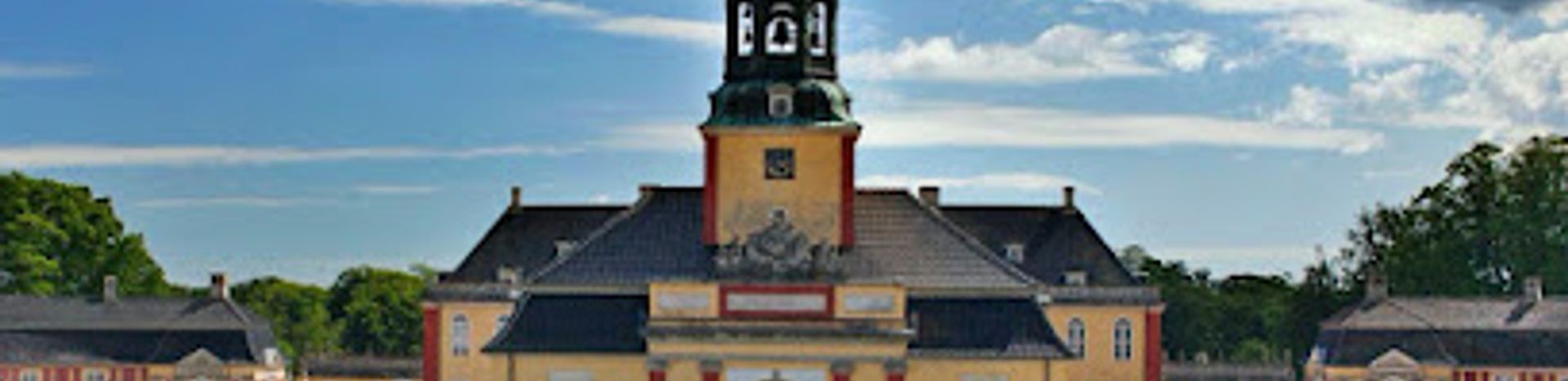
Ledreborg Castle and Park
Denmark's most harmonious 18th-century palace, where 250 years of aristocratic life remain beautifully preserved.
An exquisite 18th-century Baroque palace set within meticulously maintained parkland near Lejre, Denmark. Built between 1740–1746 by Minister of State Johan Ludvig Holstein, Ledreborg stands as one of Denmark's finest examples of classical architecture and landscape design. The elegant main building, with its pastel-hued façade and curved pavilions, remains largely unchanged for over 250 years, preserving its original interior with more than 600 paintings, period furniture, and authentic period rooms. Visitors can explore the surrounding Baroque gardens and wooded estate grounds.
A brief summary to Ledreborg Castle
- Ledreborg Alle 2, Lejre, 4320, DK
- +4546480038
- Visit website
- Duration: 0.5 to 3 hours
- Free
-
 Mixed
Mixed
- Mobile reception: 4 out of 5
Local tips
- Visit the grounds before closing time, as the park has set operating hours. Even a 30-minute visit allows time to walk through the parkland and admire the castle's exterior architecture.
- Research the castle's history beforehand, as on-site historical interpretation is limited. This will enhance your understanding of the site's significance and the stories embedded in its architecture and collections.
- Wear comfortable walking shoes for exploring the wooded trails and parkland. The Adam and Eve statue trail offers a pleasant woodland walk through the estate grounds.
- The castle remains a private home; respect marked paths and property boundaries. Photography of the exterior and grounds is permitted and highly rewarding given the elegant architecture and landscaping.
- Visit during August weekends for fewer crowds and a more serene experience of the gardens and parkland.

For the on-the-go comforts that matter to you
- Seating Areas
- Picnic Areas
- Trash Bins
- Information Boards
Getting There
-
Car from Roskilde
Drive southwest from Roskilde toward Lejre, approximately 12 kilometers, taking roughly 15–20 minutes depending on traffic. Follow signs to Ledreborg Alle in Lejre. Parking is available on the estate grounds. No entrance fee is required to access the parkland and exterior grounds.
-
Public Transport from Copenhagen
Take a regional train from Copenhagen Central Station toward Roskilde (approximately 30 minutes). From Roskilde station, take a local bus or taxi to Ledreborg (approximately 15–20 minutes by taxi, around 150–200 DKK). Bus services are limited; confirm schedules in advance. Alternatively, rent a bicycle in Roskilde and cycle to Ledreborg via local routes (approximately 45–60 minutes).
-
Bicycle from Roskilde
Cycle southwest from Roskilde to Lejre via local cycling routes, approximately 12 kilometers and 45–60 minutes depending on route and fitness level. Denmark's flat terrain and extensive cycle network make this a pleasant option. No parking fees apply; bicycle parking is available at the estate.
-
Guided Tour from Copenhagen
Book a half-day or full-day guided tour from Copenhagen that includes transportation, typically departing in the morning and returning by early evening. Tours range from approximately 400–800 DKK per person depending on inclusions and operator. This option eliminates navigation concerns and often provides historical context during travel.
Ledreborg Castle location weather suitability
-
 Any Weather
-
 Mild Temperatures
Discover more about Ledreborg Castle
A Monument to 18th-Century Danish Power and Elegance
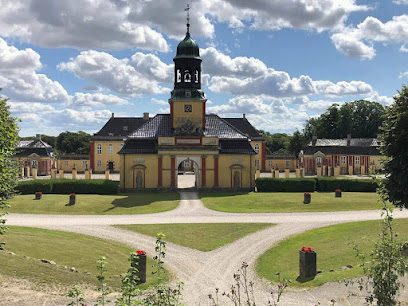
Ledreborg Castle represents the pinnacle of Danish Baroque architecture and stands as a testament to the wealth and influence of the Danish nobility during the 18th century. Built between 1740 and 1746, the palace was commissioned by Johan Ludvig Holstein, a prominent Minister of State under King Christian VI, who entrusted the design to architect J.C. Krieger. The result is a harmonious composition of classical proportions and refined aesthetics that has earned Ledreborg recognition as one of Denmark's most distinguished manor estates. The main building showcases a long classical façade flanked by elegant curved pavilions and additional wings, all painted in soft pastel hues that seem to dance in perfect architectural harmony. A superb classical gatehouse, topped with a distinctive multi-tiered green copper bell lantern, marks the entrance to the estate and signals the transition from the outer world into a realm of aristocratic refinement.The Preserved Interior: A Window into 250 Years of Danish Life
What makes Ledreborg truly exceptional is the remarkable preservation of its interior spaces. The castle's rooms contain more than 600 paintings arranged closely on the walls, creating an immersive visual experience that reflects the tastes and cultural values of the 18th century. Original furniture, tapestries, sculptures, and decorative objects remain intact throughout the residence, offering visitors an authentic glimpse into the domestic life of Danish nobility across generations. The castle kitchen, with its copper kettles and traditional wood stove, stands as a functional artifact of historical daily life. The dungeon, accessible to visitors, provides a stark contrast to the opulence of the state rooms and offers insight into the practical realities of estate management. The 18th-century chapel, originally inaugurated as a Lutheran place of worship in 1747, underwent significant restoration and now displays carved and gilded woodwork, ornate stucco, and restored murals that convey richness and spiritual devotion.The Baroque Gardens and Parkland Setting
Surrounding the main palace, the estate encompasses impressive Baroque gardens designed with strict symmetry and classical principles. The parkland has been recreated to reflect its original grandeur, featuring carefully maintained landscaping, wooded areas, and walking trails that invite leisurely exploration. A notable feature is the Adam and Eve statue trail, which winds through the wooded sections of the estate and leads visitors on a charming journey of discovery through the grounds. The serene setting, with its combination of formal gardens and natural woodland, creates an atmosphere of tranquility and refinement. The landscape architecture complements the palace's classical design, reinforcing the sense of order, proportion, and control that characterizes the Baroque aesthetic.Historical Continuity and the Lejre Legacy
The site's significance extends beyond its 18th-century construction. The location itself carries deep historical resonance, as Lejre was once the seat of Denmark's legendary Skjoldunge dynasty during the Viking Age and early medieval period. Archaeological evidence confirms that between 500 and 1000 AD, Lejre was a place of considerable royal importance, with massive Viking halls and burial mounds scattered across the landscape. The transformation of this ancient royal center into a modern aristocratic estate represents a continuity of power and prestige across more than a thousand years.A Private Estate Open to the Public
While Ledreborg remains a private residence, the estate graciously opens its grounds to visitors, allowing public access to the exterior architecture and parkland. This arrangement preserves the castle's character as a living home while sharing its beauty and historical significance with a broader audience. Visitors are encouraged to respect the private nature of the property by adhering to marked paths and maintaining appropriate conduct throughout their visit.Iconic landmarks you can’t miss

Sct Hans Have
9.0 km
Explore Aarhus’ signature waterfront, where innovative architecture, lively promenades, and maritime history create Denmark’s most vibrant urban shoreline.
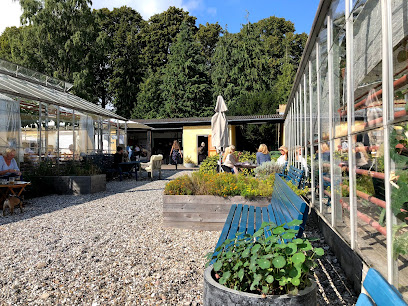
Det Kongelige Palæ i Roskilde
9.2 km
Baroque palace where Danish royalty met democracy, now a vibrant hub for art and culture.
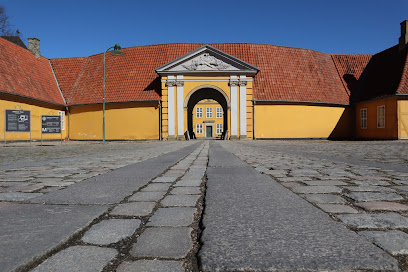
Skänk Beer & Wine bar
9.5 km
Experience Aarhus’ celestial heritage at the Ole Rømer Observatory, where history, culture, and astronomy converge for hands-on stargazing and exploration.
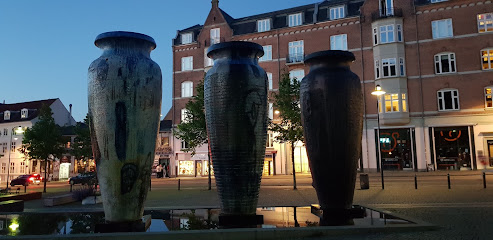
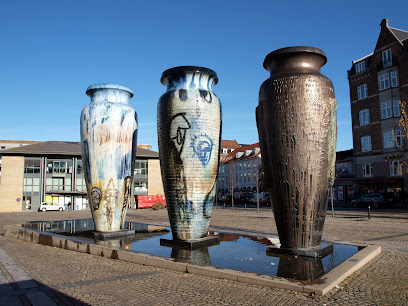
Roskildekrukkerne
9.5 km
Three colossal ceramic jars rising from a mirrored basin transform Roskilde’s station square into an open-air monument to a thousand years of city history.
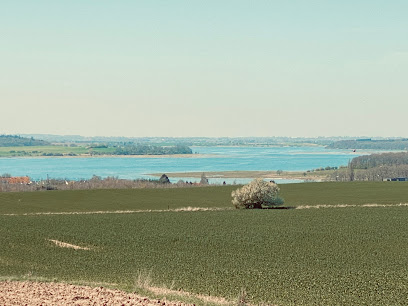
Masterhøj udsigtspost
12.3 km
Bronze Age mound commanding 360-degree views of Roskilde, fjord, and medieval heritage.
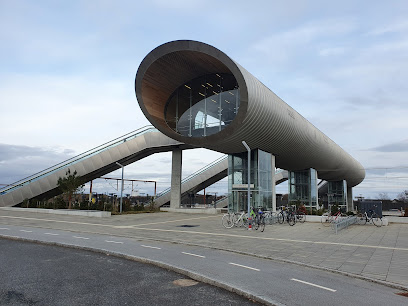
Køge Nord
18.3 km
A soaring timber‑lined footbridge and high‑speed rail hub turning everyday commuting into a slice of contemporary Danish architecture and panoramic landscape.
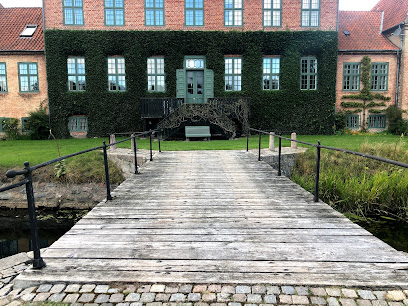
Gammel Køgegård
21.2 km
Discover the enchanting world of teddy bears at Skagen Bamsemuseum, a must-visit attraction in Denmark's northernmost town.
Bronzestien - Køge Ås
21.3 km
Stroll through ancient landscapes along Køge Ås, where prehistoric burial mounds and glacial history meet serene Danish woodlands near Køge.
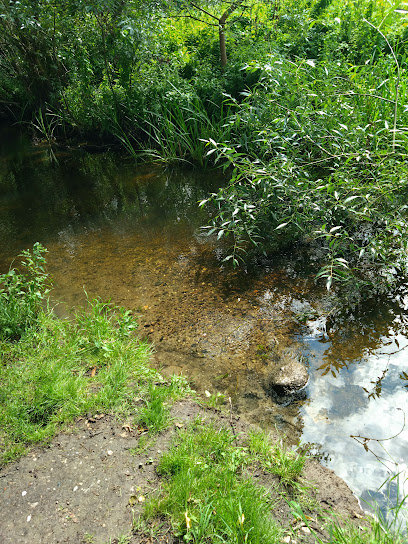
Zealand
21.4 km
Explore Zealand, Denmark's largest island: Discover royal castles, Viking history, modern art, and stunning coastlines just a short trip from Copenhagen.
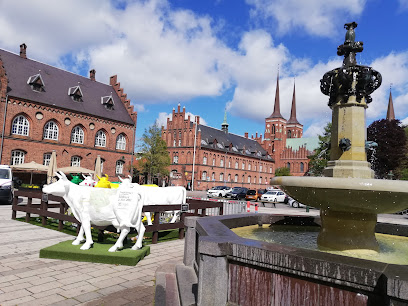
Visit
21.9 km
Historic lighthouse and bird observatory at Denmark’s northern tip, with panoramic sea views, interactive nature exhibits, and a vibrant café in wild coastal surroundings.
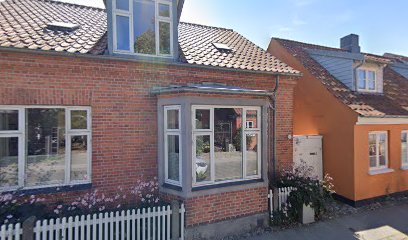
KØS Museum of Art in Public Spaces
21.9 km
A must-visit in Skagen, Denmark, the Bamsemuseum enchants visitors with a vast collection of teddy bears and playful exhibits, celebrating nostalgia and Danish culture.
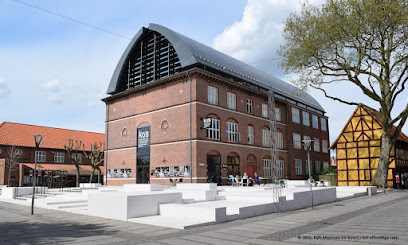
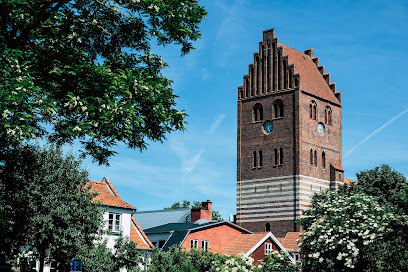
Køge Church
21.9 km
Medieval tower, Denmark's first lighthouse, baroque treasures in a historic port town.
Mindesten for Træskoslaget
22.0 km
A modest memorial stone in central Køge marking the 1807 “Clogs Battle,” where local militia faced British troops during the turbulent Gunboat War.
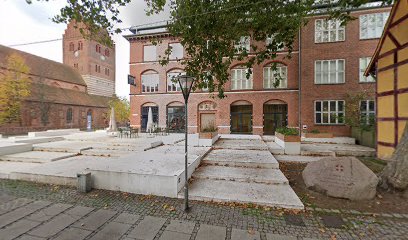
VisitKøges selvbetjente turistbureau
22.0 km
An iconic 19th-century lighthouse at Denmark’s northern tip, famed for panoramic views, migrating birds, and immersive maritime and nature exhibits.
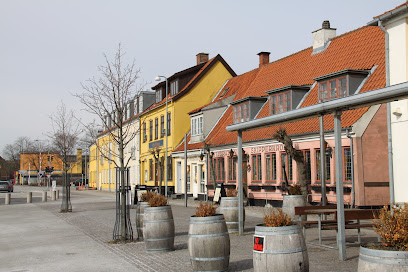
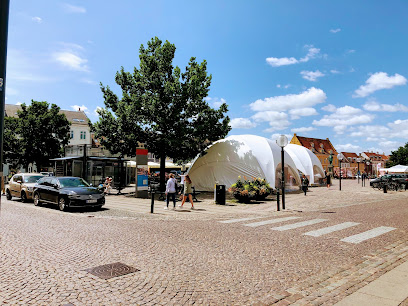
Køge Torv
22.0 km
Denmark's largest medieval town square, where seven centuries of history unfold on cobblestones.
Unmissable attractions to see

Ledreborg Park
0.1 km
Sweeping baroque terraces, wooded hillsides and long lime avenues create a serene historic landscape around one of Denmark’s finest private castles at Ledreborg.
Land of Legends | A Land to Explore
1.2 km
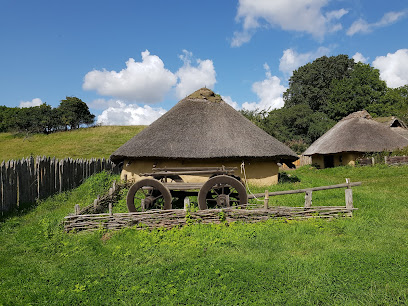
Step into 13,000 years of Danish history at an immersive open‑air archaeology park of Viking halls, ancient villages, wild landscapes and hands‑on experiments.
Viking Kings Hall
1.2 km
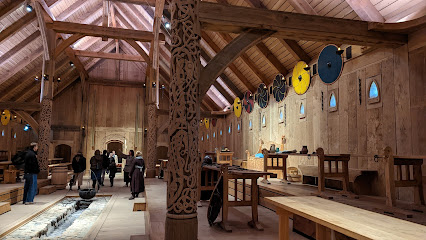
Step into Denmark’s largest reconstructed Viking royal hall, where carved oak beams, sagas, and archaeology meet on a glacial hill in the heart of Lejre.
Sacrificial bog
1.4 km
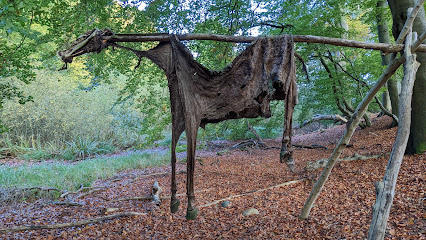
A quiet hollow of water and peat where Iron Age beliefs surface again, the Sacrificial Bog at Lejre turns archaeology into an evocative ritual landscape.
Skjoldungestien
3.4 km
A historic Danish hiking trail weaving through forests, fjord views and royal landscapes between Roskilde and Lejre in National Park Skjoldungernes Land.

Trolden Runde Rie
4.9 km
A friendly wooden giant by Roskilde’s lakeside, Trolden Runde Rie pairs recycled art with open skies, easy walks and a touch of Nordic fairytale magic.
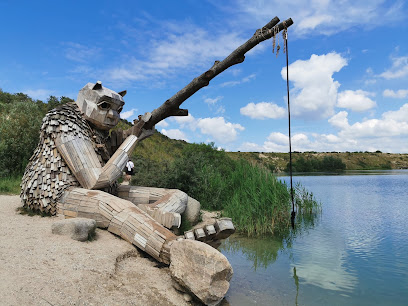
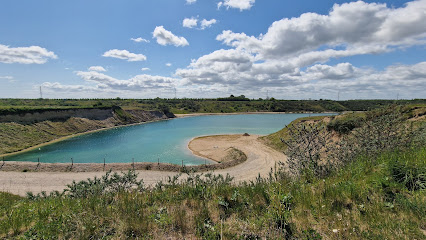
Lynghøj Lake
5.0 km
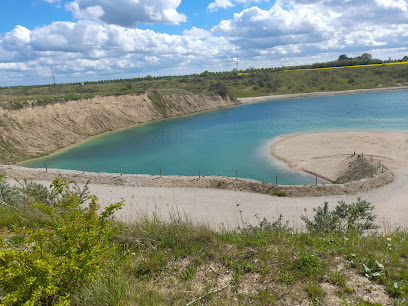
A reclaimed gravel pit turned blue-lake playground, Lynghøj Lake blends clear water, trails and a friendly wooden troll into Roskilde’s easiest nature escape.
Lynghøjsøerne Runde Rie
5.6 km
Former gravel pits turned opal-blue lakes, winding trails and a wooden troll named Runde Rie make Lynghøjsøerne Roskilde’s playful pocket of wild nature.
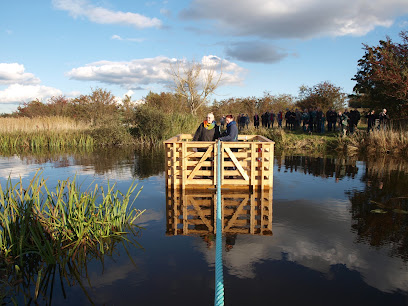
Kornerup Å Trækfærge
5.8 km
A hand-powered cable ferry in the Kornerup River Valley, turning a simple stream crossing into a playful pause amid open meadows, big skies and quiet Danish nature.
Ledreborg Allé (Ringstedvej), 4000 Roskilde, Dania
7.1 km
A long, tree-lined Baroque avenue stretching through rural Zealand, guiding travellers in stately symmetry towards the distant silhouette of Ledreborg Palace.
National Park Skjoldungernes Land
7.2 km
Where Roskilde Fjord’s blue waters meet beech forests, manor landscapes and Viking legends in an accessible Danish national park near Copenhagen.
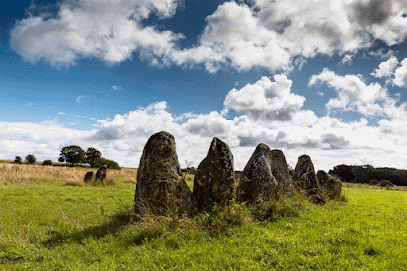
Rørmosen sti
7.8 km
A small, tranquil nature path with pond, reeds and everyday birdlife, tucked behind Roskilde’s Hørhusene homes for easy, close-to-town walks.
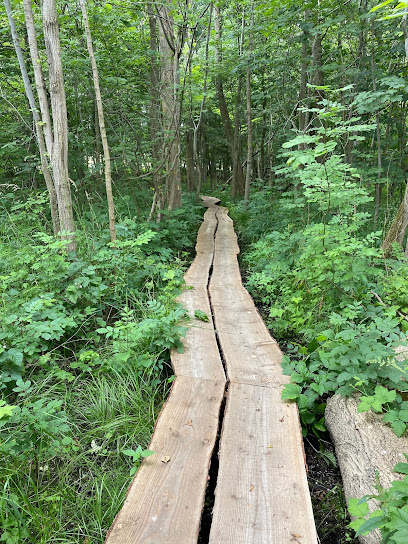
Boserup skov
8.0 km
Ancient beech forests, spring anemones, and fjord views in Denmark's most enchanting woodland sanctuary.
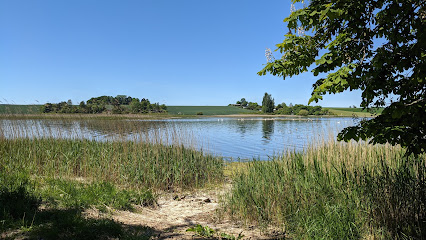
Helligkors Kilde
8.4 km
Once a famed holy spring and royal water source, Hellig Kors Kilde is now a quiet stone-framed reminder of Roskilde’s deep bond with its life-giving springs.
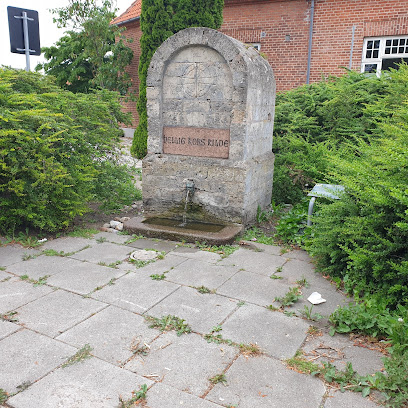
Museum of Contemporary Art
8.6 km
Denmark’s nomadic museum for performance, sound and time-based art, transforming Roskilde’s spaces into ever-changing stages for contemporary creativity.
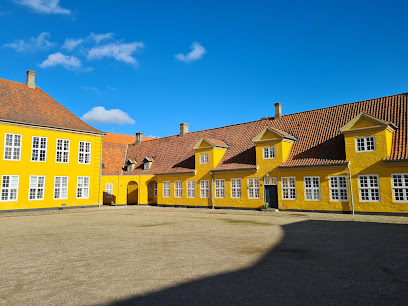
Essential places to dine

Svogerslev Kro
5.3 km
Historic countryside inn with Michelin-trained chef, seasonal Nordic cuisine, and overnight stays near Roskilde.
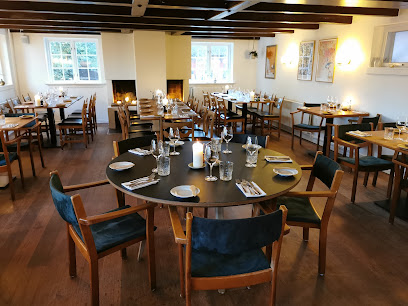
Disotto
8.3 km
Cozy southern Italian ristobar in central Roskilde, serving classic antipasti, Neapolitan-style pizza and Italian wines in an intimate, evening-only setting.
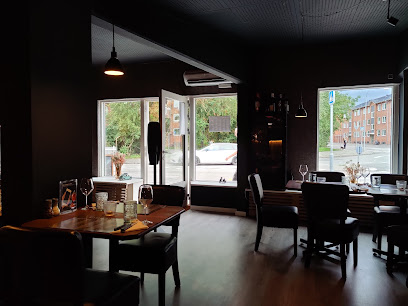
An No
8.5 km
Authentic Vietnamese street food in Roskilde, serving fresh homemade dishes from scratch with genuine Saigon spirit.
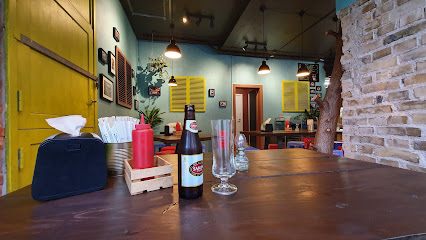
Restaurant That's Amore
8.8 km
Cozy, candlelit Italian restaurant in central Roskilde, serving wood-fired pizzas, hearty pasta and Italian wines in a warm, romantic yet relaxed setting.
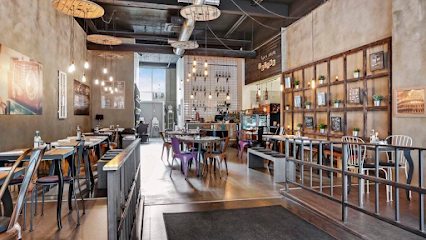
Bella-Capri Restaurant-Pizzaria
8.8 km
Unpretentious Italian comfort food in the heart of Roskilde, serving generous pizzas and hearty mains in a relaxed, family-friendly neighbourhood setting.
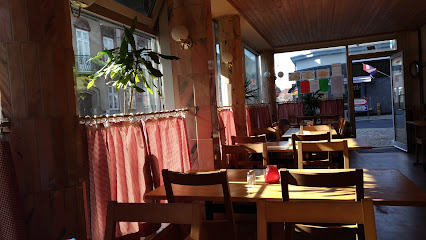
Nua Mama's Secret
8.8 km
Cozy Thai dinners with generous curries, sizzling stir-fries and vegan-friendly options in the historic streets of central Roskilde.
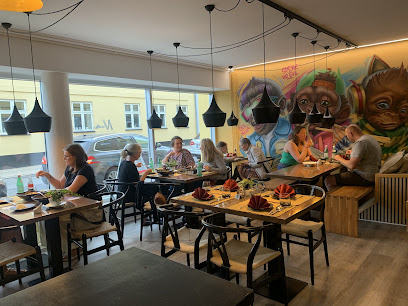
Leo’s Wok Café
8.8 km
Cozy Thai eatery in Roskilde’s Musicon district, serving fresh wok-fired curries, noodles and stir-fries inspired by northern Thai home cooking.
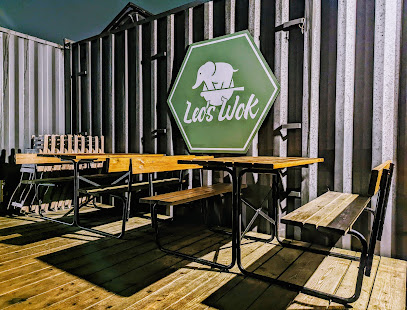
Café Korn - Roskilde
8.8 km
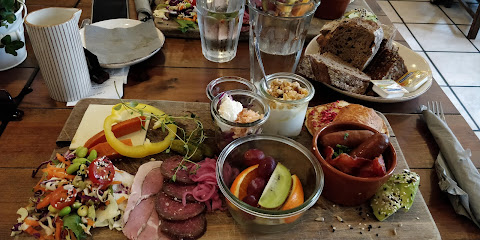
Cosy all‑day café and brasserie on Roskilde’s main pedestrian street, serving hearty brunches, burgers and salads in a warm, grocery‑style setting.
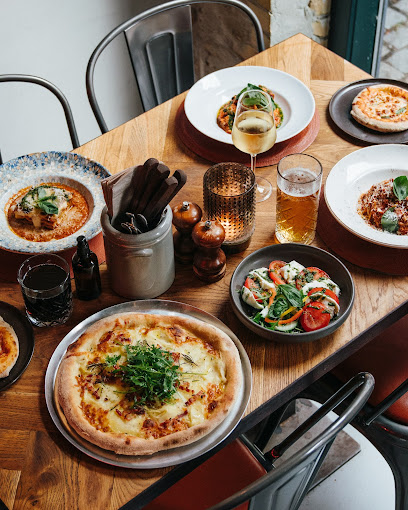
Marcella Pizza & Pasta - Restaurant Roskilde
8.9 km
Cozy Italian bistro in Roskilde’s main shopping street, serving Neapolitan-style pizzas, generous pasta dishes and easygoing, family-friendly comfort food.
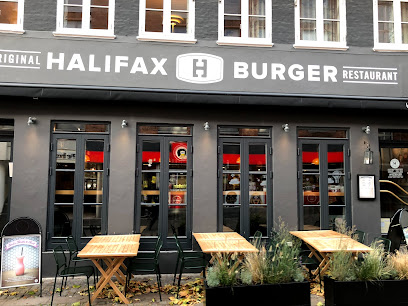
Halifax Burgers Roskilde
8.9 km
Casual build-your-own burger joint on Roskilde’s main street, pairing generous portions and craft drinks with a strong line-up of vegetarian and vegan options.
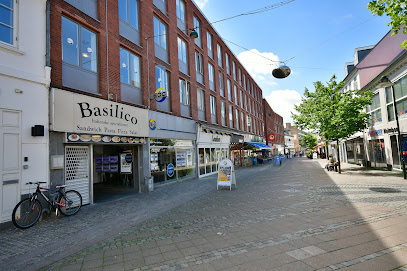
Basilico
8.9 km
Casual Italian comfort and generous pizzas in the heart of Roskilde’s old town, ideal for a relaxed, family‑friendly break between cathedral and shopping.
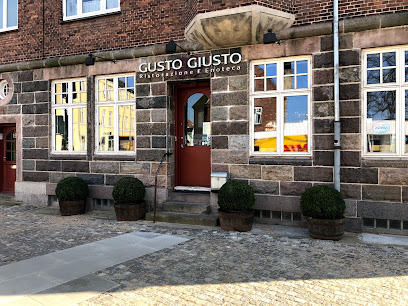
Gusto Giusto
8.9 km
Organic-minded Italian fine dining in a tiny Roskilde townhouse, where a Danish–Italian couple serves northern Italian cuisine, careful wine pairings and slow, candlelit evenings.
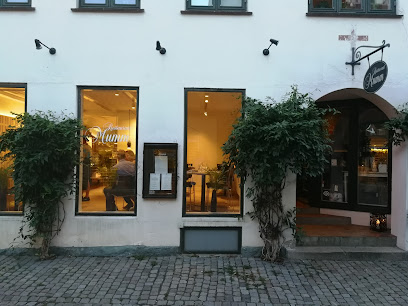
Restaurant Mumm I/S
8.9 km
Slow-food focused, seasonal small-plate dining in an intimate Roskilde townhouse with a leafy summer courtyard and a distinctly Nordic, wine-led evening atmosphere.
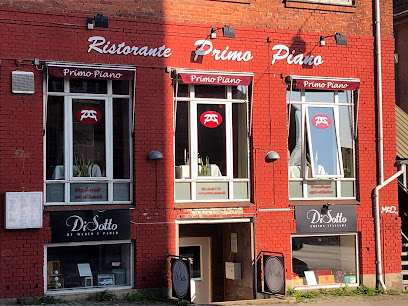
Primo Piano
9.0 km
Cosy neighbourhood Italian in Roskilde serving classic pizzas and hearty pastas in a warm, unpretentious setting just a short walk from the historic centre.
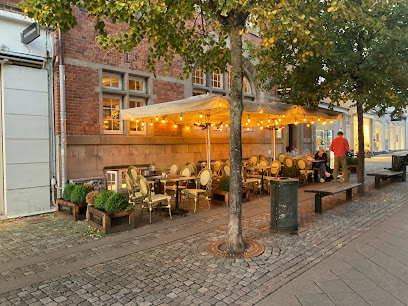
Namaste - Restaurant Roskilde
9.0 km
Authentic North Indian cuisine in a beautifully restored historic building in central Roskilde.
Markets, malls and hidden boutiques

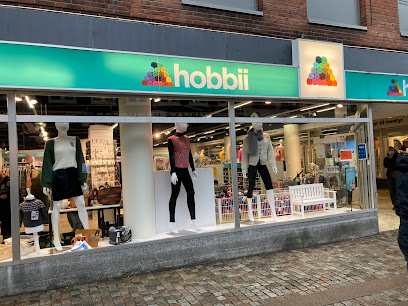
Hobbii
8.9 km
Denmark's premier yarn destination where creativity meets expert guidance and community.
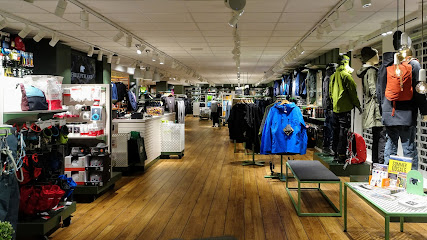
Friluftsland
8.9 km
Specialist outdoor shop in central Roskilde, equipping you with quality clothing, footwear and gear for Scandinavian weather, local escapes and longer adventures.
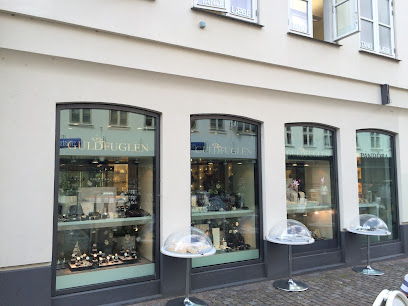
Guldfuglen A/S
8.9 km
Traditional Roskilde jeweller on lively Skomagergade, offering classic jewellery, watches and personal service in a calm, central setting.
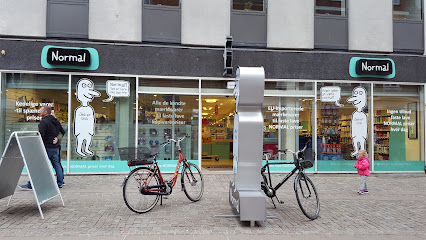
Normal
9.0 km
Brand-name products at unbeatable prices in central Roskilde's premier discount store.
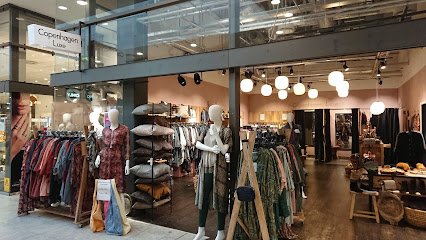
Copenhagen Luxe Roskilde
9.0 km
Curated Scandinavian fashion in natural materials on Roskilde's pedestrian shopping street.
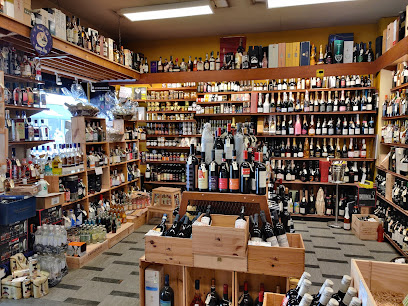
Den franske vinhandel
9.0 km
Historic Roskilde wine merchant with a cavernous cellar, freshly roasted coffee and gourmet treats, turning a simple shopping stop into a richly flavoured experience.
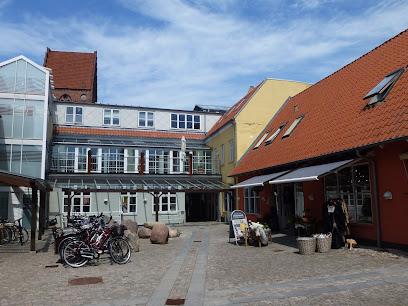
Boutique Dedenroth v / Helle Dedenroth
9.1 km
Owner-run women’s fashion boutique on Roskilde’s central square, offering curated, timeless clothing and a relaxed, personal shopping experience.
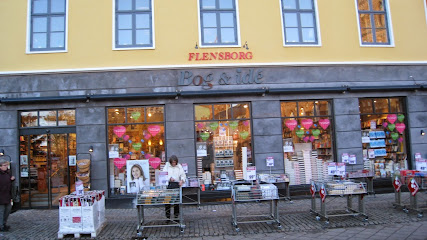
Bog & Idé
9.1 km
Central Roskilde’s cozy book and gift shop, where classic Danish bookselling meets games, stationery and everyday essentials on historic Stændertorvet.
Perssons Roskilde
9.1 km
Contemporary fashion in the heart of Roskilde's historic shopping district.
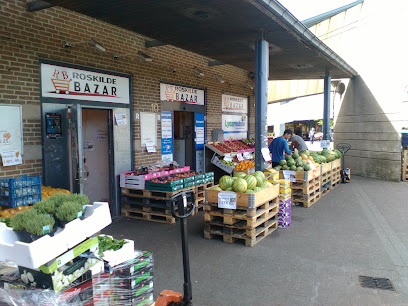
Ros Bazar
9.1 km
Bustling local bazaar-style supermarket by Roskilde Station, packed with fresh produce, spices and everyday groceries for a taste of everyday Danish city life.
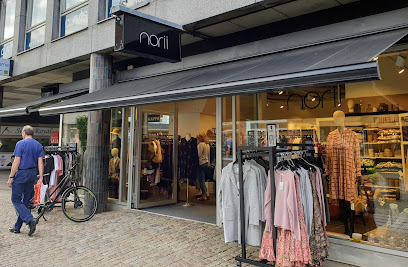
NORII Roskilde
9.2 km
A cozy Scandinavian womenswear boutique on Roskilde’s Algade, offering curated, timeless pieces and personal service in the heart of the historic city.
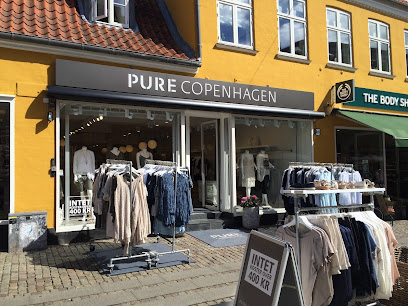
PURE Copenhagen
9.2 km
A cosy Roskilde boutique blending Scandinavian-inspired women’s fashion, personal styling, and a relaxed neighbourhood feel right on historic Algade.
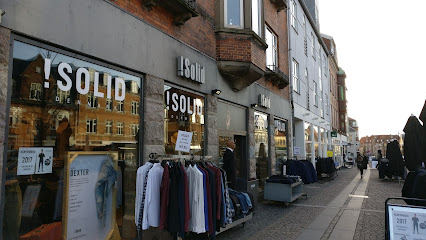
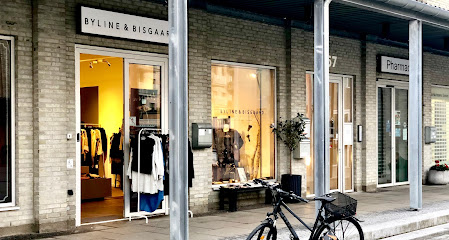
Byline Denmark (tidligere Byline & Bisgaard)
9.2 km
A cozy courtyard boutique in the heart of Roskilde, blending Scandinavian fashion, accessories, and gift ideas in a calm, well-curated setting.
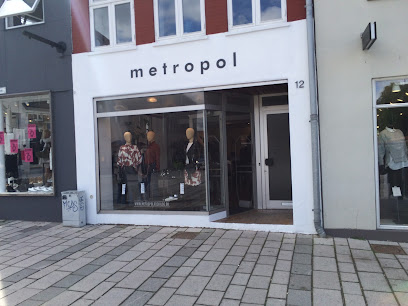
Metropol
9.2 km
Intimate Roskilde boutique in Djalma Lunds Gård, blending Scandinavian style, curated labels and a touch of vintage in a calm, welcoming shopping space.
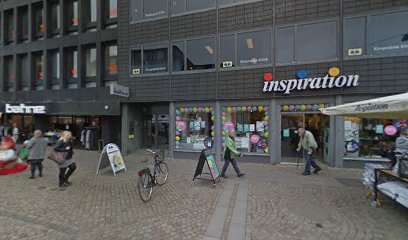
Inspiration Roskilde
9.2 km
Scandinavian home inspiration in the heart of historic Roskilde's shopping district.
Essential bars & hidden hideouts

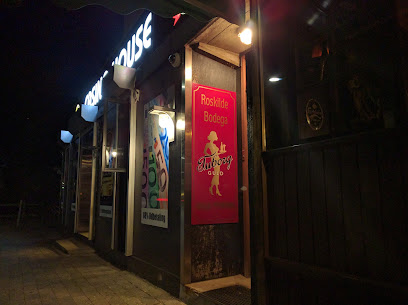
Roskilde Bodega
8.0 km
Classic Danish corner bar on Holbækvej with pool, darts, slot machines and a lively local crowd, offering an unpolished, authentic bodega atmosphere from day to late night.
28 Live
8.7 km
A lively “youth club for adults” in central Roskilde, blending bar, games, live shows, sport and nightclub energy under one sociable roof.
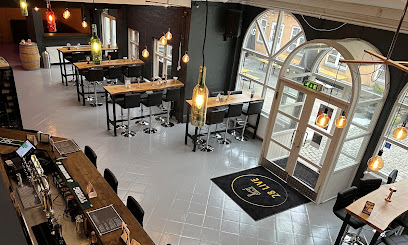
Musicon Mikrobryggeri
8.7 km
Local craft beer, stainless-steel tanks and live music energy in the heart of Roskilde’s creative Musicon district.
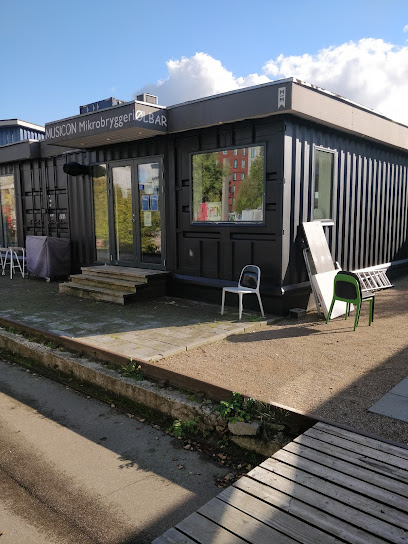
Vinbaren Muicon
8.8 km
An intimate wine bar in Roskilde’s Musicon district, pairing cozy Nordic warmth with a curated wine list and relaxed, conversation-friendly vibes.
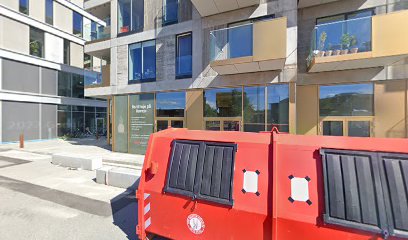
PAUSE
8.8 km
Intimate wine and beer bar in Roskilde's historic center, celebrating Nordic hospitality and craft beverages.
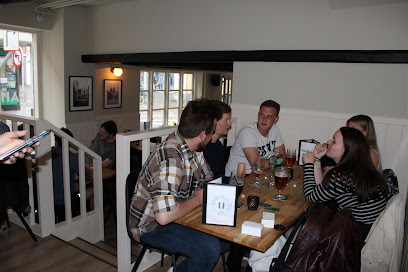
Ruder Konge Bodega
8.8 km
A timeworn Danish bodega in central Roskilde, offering cheap beer, pool tables and unpretentious pub life just off the city’s main pedestrian street.
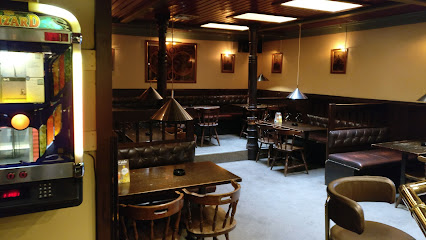
Teatercaféen
8.9 km
Unpretentious local beer hall in Roskilde where everyday life, cheap drinks and warm conversation matter more than design or trends.
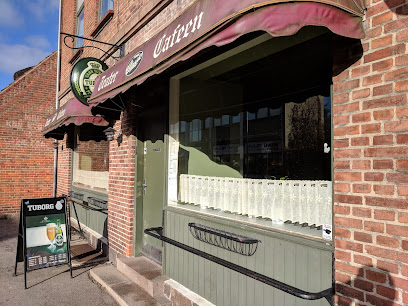
Gullanden
9.0 km
An unpretentious Roskilde pub with darts, DJ nights, cold beer and a loyal local crowd, where evenings stretch easily into the early hours.
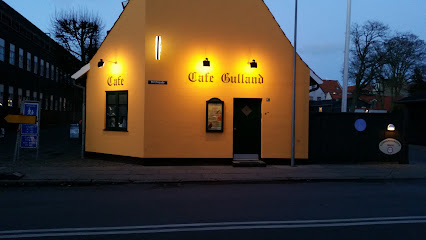
PROP Vin og Tapasbar
9.0 km
Intimate Roskilde wine bar pairing curated bottles with Mediterranean-inspired tapas in a candlelit room and sheltered courtyard, strictly for a relaxed 25+ crowd.
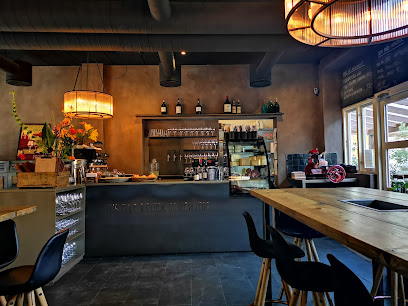
Gustav Wieds - Byens Ølbar
9.3 km
Craft-focused neighbourhood beer bar in central Roskilde, combining eight rotating taps, a cosy wooden interior, jukebox tunes and billiards in a relaxed local atmosphere.
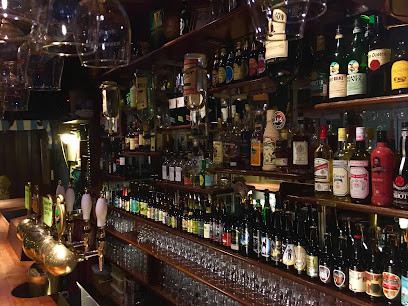
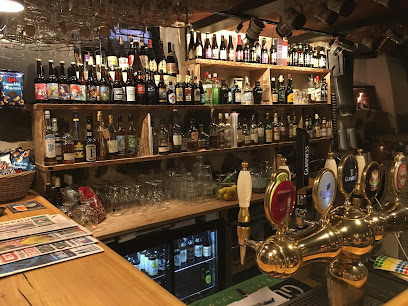
Klosterkælderen
9.5 km
Roskilde's premier craft beer cellar with 200+ beers and authentic Danish pub charm.
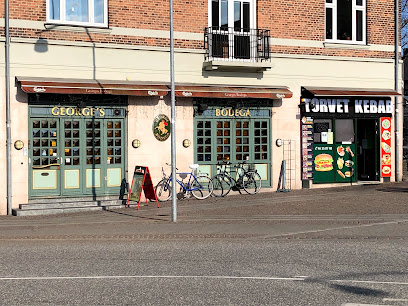
Georges Bodega
9.5 km
Old-school Danish bodega at Roskilde’s Hestetorvet, pouring cold beer from morning to late night with indoor smoking, local regulars and station-square views.
Copé Lounge
9.5 km
Urban lounge bar by Roskilde’s main square, blending backyard summer vibes, easygoing cocktails and cosy Danish hygge late into the night.
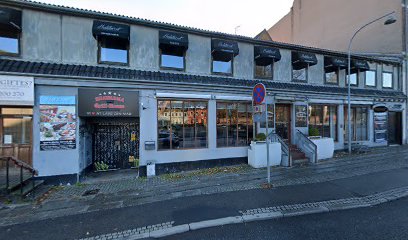
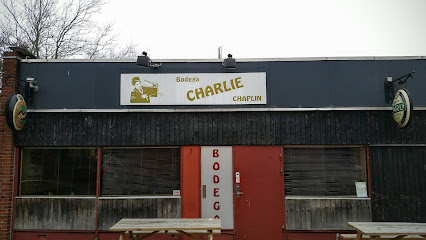
Charlie Chaplin
9.6 km
An unfussy neighbourhood bar in Roskilde, Charlie Chaplin pours cold beers and warm conversation in a relaxed local bodega setting far from the city’s tourist crowds.
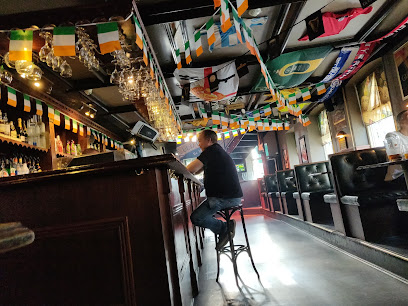
Mulligans Irish Pub
9.6 km
Authentic Irish pub in two storeys with live music, craft beers, and vibrant social atmosphere in central Roskilde.
For the vibe & atmosphere seeker
- Romantic
- Scenic
- Tranquil
- Unique
For the design and aesthetic lover
- Minimalist Designs
- Vintage Styles
- Art Deco Styles
For the architecture buff
- Historic
- Landmarks
- Parks & Gardens
For the view chaser and sunset hunter
- Iconic Views
- Panoramas
For the social media creator & influencer
- Instagrammable
- Photo Spots
- Architectural Shots
For the eco-conscious traveler
- Low Impact
- Locally Managed
For the kind of experience you’re after
- Cultural Heritage
- Photowalk
- Day Trip
For how adventurous you want the journey to be
- Easy Access
Location Audience
- Family Friendly
- Senior Friendly
- Solo Friendly
- Couple Friendly


