

Æbelø Travel Guide
Free Guide: An uninhabited Danish island reached by wading through the sea, Æbelø is a tidal wilderness of cliffs, forest, deer and sea eagles just off the coast of Funen.


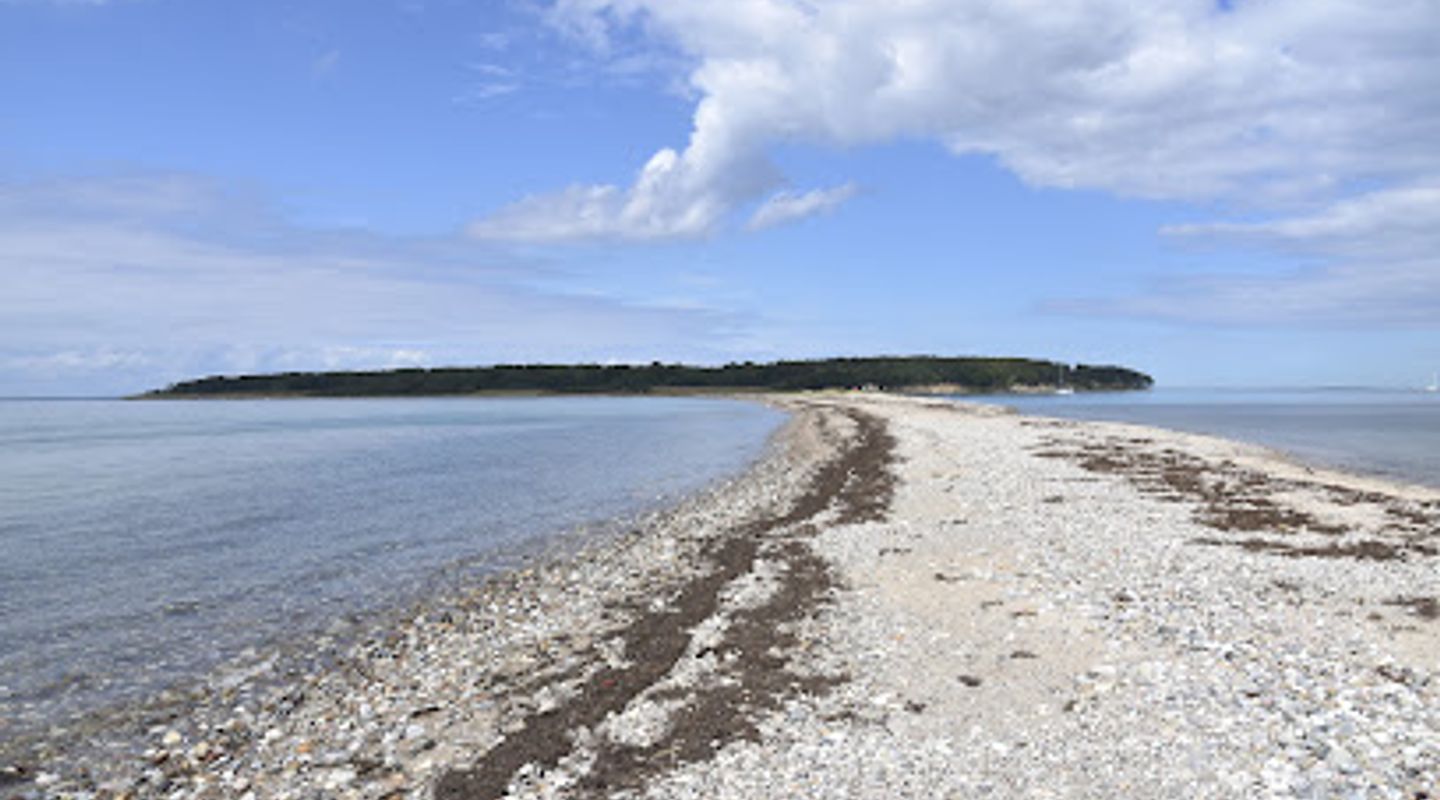
A brief summary of Æbelø
An uninhabited Danish island reached by wading through the sea, Æbelø is a tidal wilderness of cliffs, forest, deer and sea eagles just off the coast of Funen.
Æbelø is a small, uninhabited island nature reserve off the north coast of Funen near Bogense. Reached only by wading several kilometres through shallow water at low tide, it feels wonderfully remote. Steep wooded cliffs, quiet beaches, wild deer and muflon, sea eagles and rich birdlife make this a standout Danish wilderness experience. Paths loop through near-untouched forest and along dramatic coasts, with an old manor and lighthouse as atmospheric landmarks.
On-site amenities
 Trash bins
 Information boards
- Address
- 5400 Bogense
- Website
Getting there
Car and on-foot tidal crossing from Bogense area
Local bus to Bogense plus walk to the crossing point
Cycling from Bogense to the shore and then walking
Discover more about Æbelø
A Wild Island Just off the Coast of Funen
Æbelø sits in the Kattegat a few kilometres north of Bogense, yet it feels worlds away from the mainland. This small island of just over 2 km² is entirely car‑free and uninhabited, preserved as a nature reserve where forest, shoreline and wildlife are allowed to develop with minimal intervention. As you step ashore after the long approach through shallow water, the first impression is of space, salt air and silence.The landscape quickly reveals its variety: low coastal meadows, stony beaches, wind‑shaped trees and a central core of dense woodland. Much of the forest is left to grow and decay naturally, so you move between light clearings and almost jungle‑like thickets of fallen trunks and moss‑coated branches. The island’s owners, a conservation foundation, manage the area with nature first in mind, giving visitors a rare taste of something close to Danish wilderness.
Cliffs, Coasts and the Power of the Sea
One of Æbelø’s most striking features is its steep northern and eastern coastal slopes. Here, plastic clay deep beneath the surface slowly slides, taking trees and soil with it towards the sea. The result is a dramatic fringe of leaning trunks, tilted layers of earth and fresh slips on the cliff faces, continually reshaped by waves and weather.Below the slopes lie stony shores and clear, often shallow water where you can watch waves folding over rounded rocks and seaweed. Elsewhere the coastline softens into stretches of strand meadow and low sandbanks, especially near the narrow causeway of Brådet that links the island to the islet of Æbelø Holm. Views sweep out over the Kattegat, back towards Bogense, and on calm days you may see small boats anchored in the lee of the island.
Wildlife Haven of Deer, Eagles and Shorebirds
Because human activity is so limited, Æbelø functions as a sanctuary for animals and plants. Herds of fallow deer and the more stocky muflon sheep roam the clearings and forest edges, often visible at a distance on the open grasslands. Their presence gives the interior a subtly pastoral feel, even though the farms that once used these pastures are long gone.Overhead, white‑tailed sea eagles patrol the coast, using the high trees and cliffs as vantage points. The surrounding shallows and beaches attract a wealth of waterbirds and waders, and more than a hundred species have been recorded on and around the island. Insects thrive in the deadwood‑rich forest and flowered meadows, making summer visits especially alive with the hum of bees and flutter of butterflies.
Traces of a Vanished Island Community
Despite its current emptiness, Æbelø has a long human story. For centuries it served as grazing land, hunting ground and fishing base for people from Bogense. Later, forest management and farming supported a small permanent community, with up to several dozen residents, a school and a harbour. Life here was quiet but industrious, shaped by the sea and the seasons.Today most of that settlement has disappeared. Foundations and subtle earthworks mark former houses and fields, now reclaimed by vegetation. Two structures still stand out in the landscape: the manor‑like Æbeløgård farmhouse and the lighthouse at the northern tip. Although not open to the public, they lend the island a poignant, almost cinematic atmosphere, reminders of the time when Æbelø was both workplace and home.
The Demanding Journey Through the Shallows
Part of what makes Æbelø feel so special is the way you reach it. There is no ferry; access depends on the tides and your own legs. From the mainland you follow marked posts across a broad, shallow stretch of seabed to Æbelø Holm and then along a narrow sandbar to the main island. The route is usually around 4 km each way, with up to 1.5 km spent wading.Water depth changes with wind and tide: at the lowest ebb it may be little more than ankle‑deep, but at high water it can rise past the waist. Planning around the tide table and weather is essential, both for safety and comfort. The effort is rewarded by a wonderfully immersive approach, walking literally between sea and sky, watching birds feed in the shallows and feeling the gradual transition from mainland to island wilderness.
Exploring a Day in Island Wilderness
Once on Æbelø, a network of modest paths leads through forest, over open ground and along the shore. A full circuit of the island, combined with the crossing from the mainland, makes for a demanding full‑day outing that suits reasonably fit walkers. There are no facilities, shops or shelter buildings, so you must bring everything you need and be prepared to carry it out again.The rewards are simple and profound: picnic lunches on quiet beaches, time to watch deer moving across distant slopes, and space to notice small details of driftwood, shells and wildflowers. Whether you come for photography, birdwatching or the pure satisfaction of reaching a remote place under your own power, Æbelø offers a rare sense of escape within easy reach of mainland Denmark.
Evendo Review Centre
 Google
Guest reviews
Best time to go
Quietest: Jan, Feb & Dec · before 7am or from 9pm
Busy times are Evendo estimates for a typical year, to help you plan. Actual crowds vary with events, school holidays and the weather.
Explore Æbelø on the map
A handpicked selection of must-see spots near Æbelø, mapped for you.
Get your free copy of our complete guide to Æbelø, delivered straight to you.
Everything on this page, from opening hours and how to get there to Eve’s tips and the best time to go, in one PDF you can read offline, print or share.
Already have an account? Sign in
Your Æbelø guide is ready.
We'll send it to · Not you? Sign out

Getting your guide ready…
We are putting together a fresh copy of the Æbelø guide. This can take up to a minute.
This can take a few moments. If your browser asks, choose Allow so the download can start. You'll find the guide in your Downloads folder.
Nothing happened? Download it again
Sorry, the guide is taking longer than usual. Please try again in a minute, or get it by email instead.
Other nearby places you may find interesting
The closest places of the same kind, if this one is not quite what you had in mind.
-
-
-
-
-


Swipe for more places
More to explore near Æbelø

 Best experiences near Æbelø
 Best hotels near Æbelø
 Best landmarks near Æbelø
 Best attractions near Æbelø
 Best shops near Æbelø
 Best restaurants near Æbelø
 Best bars near Æbelø
Do you manage this location?
Take control to get all the benefits, like improved information, better appearance, and stronger visibility across AI-powered discovery.
Explore more
Explore more of Samsø
Samsø: Explore Denmark's eco-friendly island, rich in natural beauty, culinary delights, and cultural heritage.
Explore Samsø
Explore more of Denmark
Discover Denmark: A perfect blend of history, modern design, and the cozy concept of hygge. Explore vibrant cities, serene landscapes, and world-class cuisine.
Explore Denmark
