Besættelsesmuseum Fyn... Besættelsesmuseum Fyn er kun åben den første søndag i måneden fra kl 11 til 15., Funen Travel Guide
Compact but powerful war museum near Odense airport, revealing how Funen lived, resisted and endured during the German occupation from 1940 to 1945.
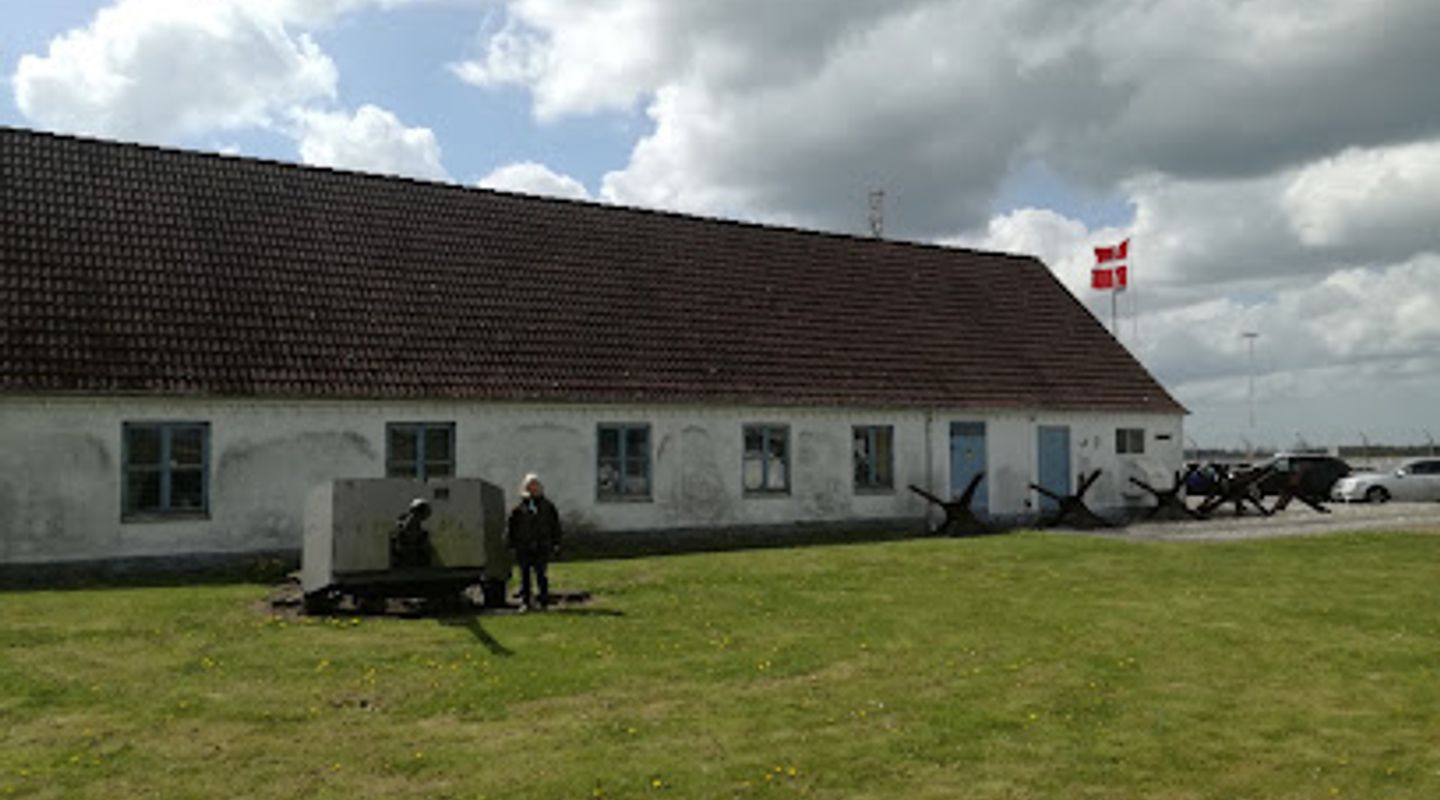
Besættelsesmuseum Fyn is a small, atmospheric war museum just by Hans Christian Andersen Airport north of Odense, dedicated to life on Funen during the German occupation from 1940–45. Housed in authentic wartime surroundings, it showcases uniforms, weapons, resistance material, everyday objects and personal stories from locals. With very limited opening hours but a rich, hands-on collection, it is a rewarding stop for history enthusiasts and anyone curious about Denmark in World War II.
A brief summary to Besættelsesmuseum Fyn... Besættelsesmuseum Fyn er kun åben den første søndag i måneden fra kl 11 til 15.
- Lufthavnvej 136, Nordfyn Municipality, Odense N, 5270, DK
- Click to display
- Click to display
- Duration: 1 to 2 hours
- Budget
-
 Indoor
- Mobile reception: 4 out of 5
- Sunday 11 am-3 pm

Know before you go
Hi, I'm Eve. Here are a few practical things to know before exploring Besættelsesmuseum Fyn... Besættelsesmuseum Fyn er kun åben den første søndag i måneden fra kl 11 til 15..
- Check opening dates carefully: from May to August the museum is open every Sunday, while from September to April it usually opens only on the first Sunday of the month.
- Bring cash or a payment card suitable for small local museums, as ticket sales are modestly priced and facilities are simple.
- Allow extra time to read the Danish labels; a translation app can help non-Danish speakers get more from the detailed stories and documents.
- Combine your visit with plane spotting or a short walk around the rural surroundings of the airport area for a wider sense of the landscape’s wartime role.
- If you are particularly interested in resistance history, prepare a few questions; volunteers often have additional anecdotes beyond the exhibition text.
Do you manage this location?
Take control to get all the benefits, like improved information, better appearance, and stronger visibility across AI-powered discovery. Learn more about listing your business on Evendo
Activate your presenceOther nearby places you may find interesting
The closest places of the same kind, if this one is not quite what you had in mind.
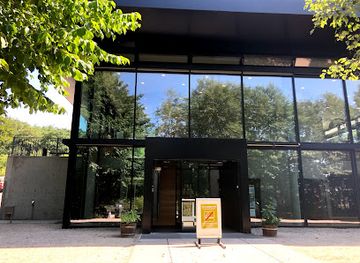
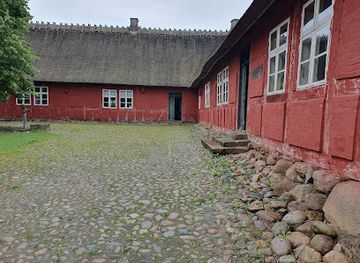
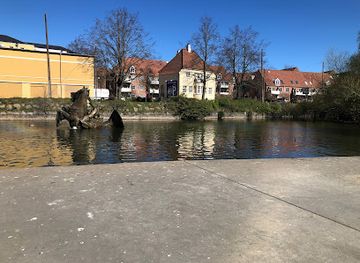

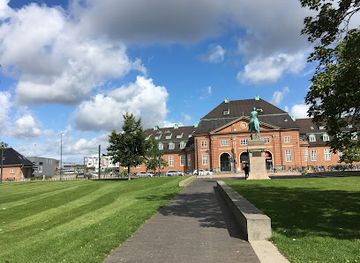
Explore Besættelsesmuseum Fyn... Besættelsesmuseum Fyn er kun åben den første søndag i måneden fra kl 11 til 15. on the Map
A handpicked selection of must-see spots near Besættelsesmuseum Fyn... Besættelsesmuseum Fyn er kun åben den første søndag i måneden fra kl 11 til 15., mapped for you.
Getting There
-
Car from central Odense
Driving from central Odense to Besættelsesmuseum Fyn near Hans Christian Andersen Airport typically takes 20–30 minutes, depending on traffic. The route follows main roads through the northern outskirts and is straightforward for drivers used to Danish conditions. Parking at the airport area is generally free or low-cost; allow a short walk from the car to the museum entrance. There are no road tolls, and fuel costs are the main expense.
-
Regional bus from Odense
Regional buses connect Odense with the airport area on selected routes, with journey times usually around 25–40 minutes. Services do not run every few minutes, so check timetables in advance, especially on Sundays when the museum is open. A standard adult ticket on Funen public transport typically costs in the range of 20–35 DKK one way, depending on zones. Expect to walk a few minutes from the nearest bus stop along level pavements.
-
Taxi from Odense or Odense station
Taxis from central Odense or Odense railway station to Besættelsesmuseum Fyn take roughly 20–25 minutes in normal traffic. Prices vary with time and company, but a one-way ride usually falls in the region of 250–400 DKK. Taxis can drop you close to the museum, offering the most direct option for travellers with limited mobility or tight schedules, especially on days with sparse bus services.
-
Bicycle from Odense northern districts
For confident cyclists, biking from the northern neighbourhoods of Odense to the museum takes around 30–45 minutes, following local roads and cycle paths typical for Funen. The terrain is mostly flat, but you share sections with car traffic, so standard visibility gear and lights are advisable. This option is free apart from any bicycle rental cost, which in Odense commonly ranges from about 80–150 DKK per day through local rental providers.
For the on-the-go comforts that matter to you
-
 Restrooms
-
 Seating Areas
-
 Trash Bins
-
 Information Boards
Discover more about Besættelsesmuseum Fyn... Besættelsesmuseum Fyn er kun åben den første søndag i måneden fra kl 11 til 15.
Everyday Life on Occupied Funen
Besættelsesmuseum Fyn focuses on one intense slice of Danish history: the years of German occupation from 1940 to 1945 as they were experienced on the island of Funen. Rather than trying to tell the entire story of World War II, the museum zooms in on local people, places and events. Display cases and room sets are filled with ration cards, household objects and period advertising, giving a tangible sense of how ordinary families coped with shortages, curfews and constant uncertainty.You move through compact rooms where the war feels close at hand. Blackout curtains, dim lighting and original equipment show how quickly daily routines had to adapt. Labels and photographs tie items directly to nearby villages, farms and workshops, so the broader history is always rooted in real addresses and names from the surrounding countryside.Resistance, Sabotage and Secret Networks
Another key thread here is the resistance movement on Funen. The museum exhibits clandestine printing presses, illegal newspapers, coded messages and improvised weapons used by local groups. Side by side with uniforms and helmets, you may see bicycles, radios and worn satchels that once carried underground leaflets. The contrast between ordinary items and their dangerous roles helps explain how resistance depended on quiet courage as much as dramatic action.Panels and maps outline sabotage operations against rail lines, factories and airfields, and how those activities intersected with the nearby airport. Arrests, reprisals and deportations are not glossed over; personal documents, identity papers and letters convey the cost of defiance, as well as the dilemmas faced by people who had to choose between safety and opposition.Authentic Setting Beside the Airfield
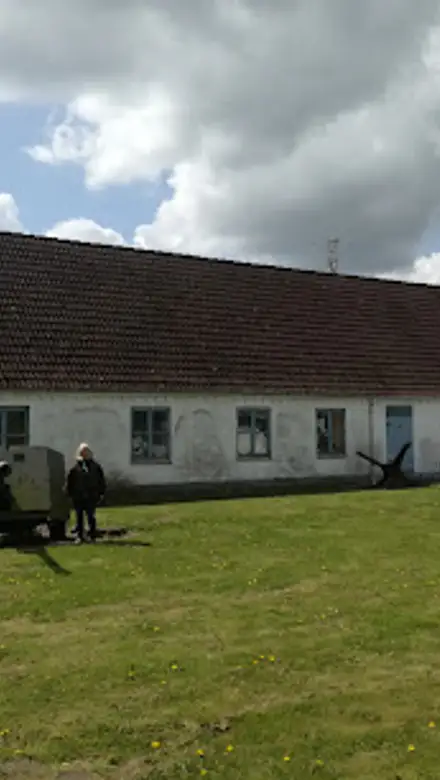
The museum’s location near Hans Christian Andersen Airport is not just a convenience; it reflects the strategic importance of this area during the war. The surroundings—flat fields, runways and low buildings—make it easier to imagine German aircraft, guards and supply convoys once moving through the same landscape. Inside, the modest scale and simple fittings reinforce the sense of an improvised collection that has grown out of local initiative rather than a grand national institution.Many of the objects have been donated by families from Nordfyn, and the rooms often feel like carefully preserved attics or storerooms. That intimacy gives the displays a personal dimension: uniforms still bearing names, photographs with handwritten notes, and handcrafted toys fashioned during shortages. Together, they paint a layered portrait of a small region caught up in global events.Compact Visit with Deep Impact
A visit to Besættelsesmuseum Fyn is typically short in distance but rich in content. The exhibition areas can be explored comfortably in one to two hours, leaving time to reread panels or focus on particular themes such as aviation, resistance or children’s experiences. On open days, volunteers are often present to answer questions and point out details that you might otherwise miss.Because opening hours are limited—concentrated on Sundays and sometimes only specific Sundays outside summer—it is worth planning around them. The quieter setting means there is space to read, reflect and discuss what you see without rushing. Combined with other sights on Funen, the museum works well as a focused stop within a broader day trip around Nordfyn.Stories to Reflect On After You Leave
Although the collection is rooted firmly in the 1940s, many of the themes feel current: press freedom, occupation, collaboration and the choices individuals make under pressure. The museum invites you to imagine how you might have acted, and how fragile normal life can be. Texts and artifacts highlight both hardship and small acts of kindness, from shared food to quiet protection of neighbours at risk.Leaving the building and stepping back into the open air by the airport, the contrast between then and now becomes striking. The site encourages a last look at the flat Funen landscape and its runways with new eyes, knowing how much drama once unfolded here. It is a compact but thought-provoking place that stays with you well beyond your time among its vitrines and wartime rooms.More to explore near Besættelsesmuseum Fyn... Besættelsesmuseum Fyn er kun åben den første søndag i måneden fra kl 11 til 15.
-

Best experiences near Besættelsesmuseum Fyn... Besættelsesmuseum Fyn er kun åben den første søndag i måneden fra kl 11 til 15.
-

Best hotels near Besættelsesmuseum Fyn... Besættelsesmuseum Fyn er kun åben den første søndag i måneden fra kl 11 til 15.
-

Best landmarks near Besættelsesmuseum Fyn... Besættelsesmuseum Fyn er kun åben den første søndag i måneden fra kl 11 til 15.
-

Best shops near Besættelsesmuseum Fyn... Besættelsesmuseum Fyn er kun åben den første søndag i måneden fra kl 11 til 15.
-

Best restaurants near Besættelsesmuseum Fyn... Besættelsesmuseum Fyn er kun åben den første søndag i måneden fra kl 11 til 15.
-

Best bars near Besættelsesmuseum Fyn... Besættelsesmuseum Fyn er kun åben den første søndag i måneden fra kl 11 til 15.







Your all‑in‑one travel companion app
Explore expert travel guides, compare and book tours, experiences, hotels, and more—all from the palm of your hand. Download now for seamless trip planning wherever your wanderlust takes you.


Explore More of Funen
Looking beyond Besættelsesmuseum Fyn... Besættelsesmuseum Fyn er kun åben den første søndag i måneden fra kl 11 til 15.? Discover Funen for broader travel guides, local hot-spots, and regional highlights.
Explore Funen