Lumby Mølle, Odense Travel Guide
Working 1820 village windmill on Odense’s northern edge, where historic machinery, apple gardens and lively seasonal events bring rural Denmark to life.
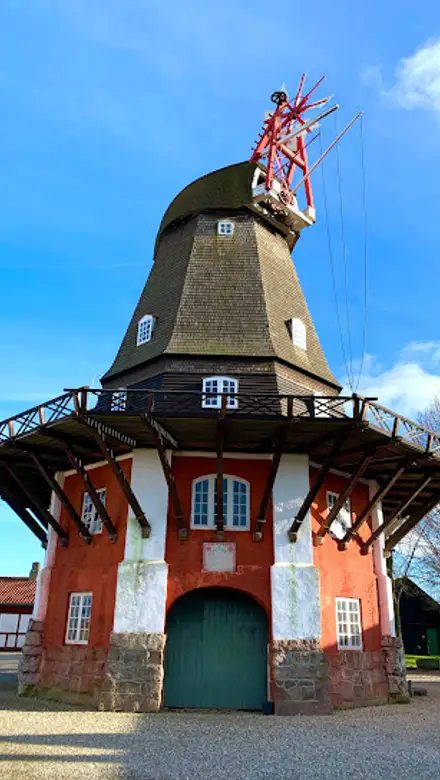
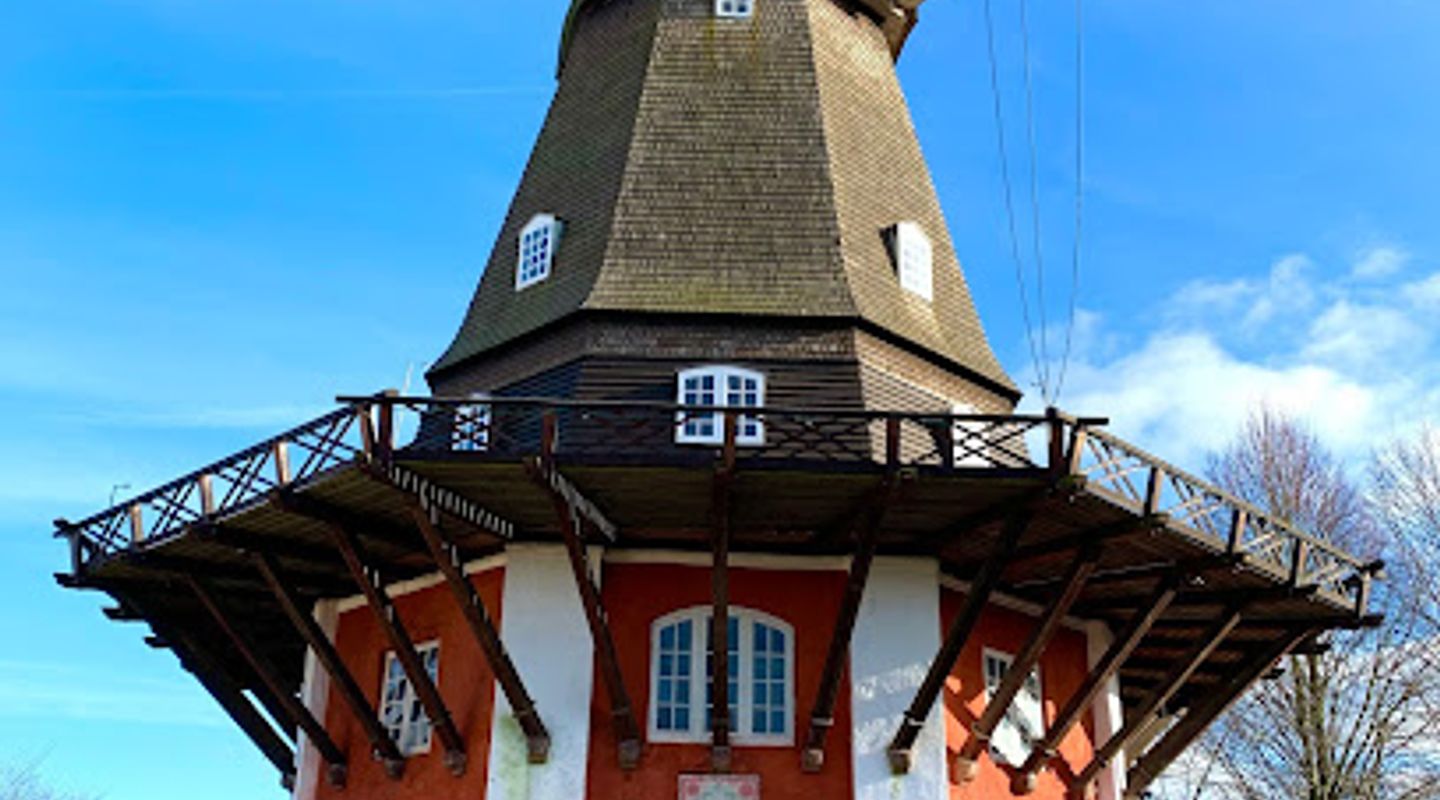
Lumby Mølle is a beautifully restored 1820 windmill set in the northern outskirts of Odense, surrounded by a leafy garden and old apple trees. Fully functional with original grinding machinery, the mill doubles as a living museum and an atmospheric events venue, hosting markets, jazz days and summer open-house demonstrations. It is a gentle, green escape where historic craftsmanship, village life and Danish hygge blend in a relaxed countryside setting just outside the city.
A brief summary to Lumby Mølle
- Slettensvej 294, Odense, Odense N, 5270, DK
- Click to display
- Duration: 1 to 3 hours
- Free
-
 Outdoor
- Mobile reception: 4 out of 5

Know before you go
Hi, I'm Eve. Here are a few practical things to know before exploring Lumby Mølle.
- Plan your visit around one of the mill’s event days or summer Wednesdays, when the sails often turn and the grinding machinery is demonstrated.
- Wear sturdy shoes; interior stairs between the mill’s floors are steep, narrow and can feel dusty from grain and timber.
- Bring a light jacket even in summer, as the exposed hilltop and open doors can make the interior and garden feel breezy.
- If you enjoy photography, allow extra time for exterior shots in soft morning or late-afternoon light, when the mill and orchard look their best.
- Check ahead for any small entrance or event fees and for current opening days, as the mill is largely volunteer-run and hours can vary seasonally.
Do you manage this location?
Take control to get all the benefits, like improved information, better appearance, and stronger visibility across AI-powered discovery. Learn more about listing your business on Evendo
Activate your presenceOther nearby places you may find interesting
The closest places of the same kind, if this one is not quite what you had in mind.
Explore Lumby Mølle on the Map
A handpicked selection of must-see spots near Lumby Mølle, mapped for you.
Getting There
-
City bus from central Odense
From central Odense, use a local city bus heading toward the northern districts around Odense N; typical journey time is about 20–30 minutes depending on traffic and intermediate stops. A single adult ticket usually costs around 20–30 DKK within the city fare zones. Services are relatively frequent during the day but drop in the evening and on weekends, so check the timetable in advance, especially for your return.
-
Bicycle from Odense city centre
Cycling from central Odense to Lumby Mølle generally takes 25–35 minutes at a moderate pace, using a mix of city streets and signposted cycle routes toward the northern suburbs. The route is mostly flat and suitable for casual cyclists, but be prepared for occasional traffic and wind on more open stretches. This option is free if you already have a bike, and bike rental in Odense typically costs from about 100–150 DKK per day.
-
Taxi or ride-hail within Odense
A taxi from downtown Odense to the mill area usually takes 10–20 minutes, depending on traffic and exact starting point. Fares commonly range from about 150–250 DKK one way within the urban zone. This is the most convenient option if you are travelling with small children or mobility concerns, though availability may be more limited late at night or early in the morning.
-
Car from the Odense region
Driving from most parts of Odense or the nearby Funen countryside to Lumby Mølle generally takes 10–25 minutes along local and regional roads. There is usually informal parking space near the mill during normal days, but on major event days areas can fill quickly and you may need to park slightly farther away and walk a short distance across level ground. Fuel costs depend on your vehicle; there are no specific road tolls associated with reaching the area.
For the on-the-go comforts that matter to you
-
 Restrooms
-
 Food Options
-
 Seating Areas
-
 Sheltered Areas
-
 Trash Bins
-
 Information Boards
Discover more about Lumby Mølle
A village windmill with a working soul
Lumby Mølle rises above the fields in northern Odense, a classic Danish post‑Napoleonic windmill first built in 1820. From a distance you see the tall, whitewashed tower and dark cap that once signalled prosperity to the surrounding farms, a landmark shaping the skyline long before modern buildings appeared. Step closer and the details emerge: timber beams, worn brick and sturdy wooden doors that hint at generations of millers who depended on the wind.Inside, the mill reveals its original purpose. Heavy millstones, wooden gears and a web of shafts and cogs still link the floors from top to bottom. The machinery has been carefully restored so the mill can run today much as it did two centuries ago, allowing visitors to sense the effort, precision and noise of traditional grain milling rather than viewing static exhibits.Craftsmanship kept alive by local hands
For more than twenty years, local volunteers have devoted countless hours to preserving Lumby Mølle and keeping it operational. Their work extends well beyond maintenance: they grease wooden bearings, adjust shutters on the sails and demonstrate how grain passes from sack to hopper to the grinding stones below. On selected days, the mill is set in motion, filling the tower with the rhythmic thud of the stones and the hum of turning gears.This living approach to heritage transforms the mill into a workshop of rural technology rather than a frozen monument. You can trace the route of a grain of rye through the system, see how the flour is separated and understand how wind speed and direction shaped a day’s production. It is a place where engineering curiosity meets everyday history.Orchards, gardens and seasonal gatherings
Surrounding the tower is a charming garden with old apple trees, lawns and simple outbuildings, giving Lumby Mølle the atmosphere of a small country homestead. The setting turns especially inviting in late spring and summer, when the trees are in leaf and the grassy areas fill with stalls, music or long tables depending on the occasion.Across the year, the mill hosts a busy calendar of events. Traditional markets bring local crafts and produce, while music days have turned the grounds into an informal jazz lawn. On summer Wednesdays there are often guided tours and demonstrations, when visitors can see the mill running and hear stories of its past. These gatherings make the site feel like the social heart of the village rather than a remote relic.A gentle escape at the edge of Odense
Although Lumby Mølle lies only a short distance from central Odense, the mood here is distinctly rural. Fields, hedgerows and low farm buildings frame the views, and the only high structure is the mill itself. It is an easy stop for a relaxed outing: you can wander the garden, study the construction of the sails, or simply sit on a bench and listen to the wind against the tower.For families, the small scale of the site makes it manageable with children, while those interested in photography find quiet corners and pleasing angles of wood, brick and landscape. The experience is unhurried; there is time to watch the clouds rolling past the cap and to imagine carts queuing with grain in the days when the mill was indispensable to local life.Stories written in wind and timber
Every surface at Lumby Mølle seems to carry a story. The steps worn by boots, the patched beams and the subtle tilt of the tower speak of storms, repairs and changing technology. Over the decades the sails have been replaced, adjusted and improved, reflecting ongoing efforts to balance tradition with safety.Today the mill stands as a symbol of community pride and continuity, showing how a piece of practical infrastructure can evolve into a cultural touchstone. Visiting is less about ticking off a monument and more about spending time in a place where wind, wood and human ingenuity still work together, much as they did in 1820.












Your all‑in‑one travel companion app
Explore expert travel guides, compare and book tours, experiences, hotels, and more—all from the palm of your hand. Download now for seamless trip planning wherever your wanderlust takes you.


Explore More of Odense
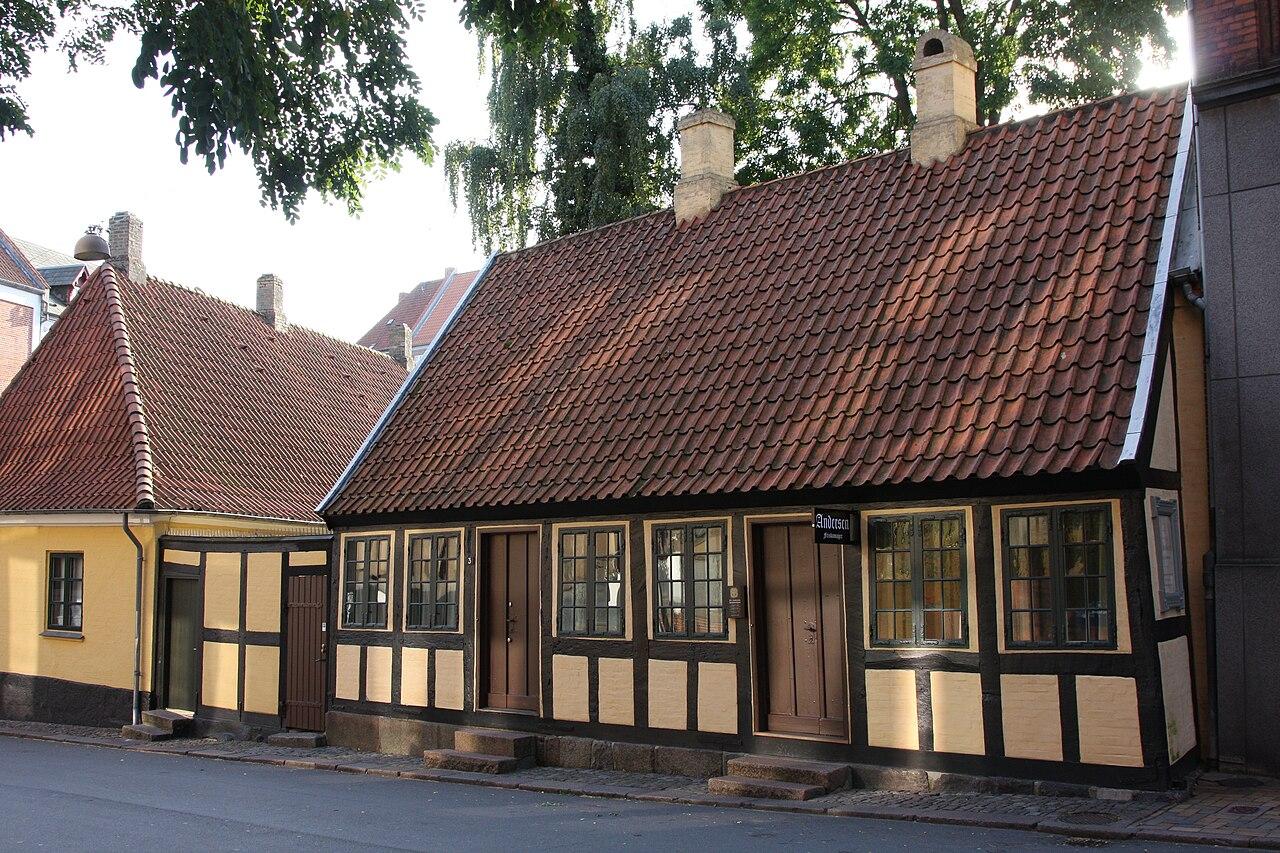
Looking beyond Lumby Mølle? Discover Odense for broader travel guides, local hot-spots, and regional highlights.
Explore Odense
A modest open-air classroom on Odense’s rural edge, Jordrummet invites hands-on encounters with soil, fields, and quiet green space between town and countryside.
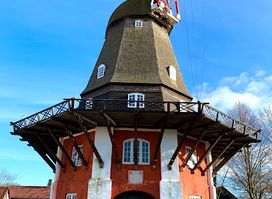
A fully functional 1820s windmill where Danish milling heritage comes alive through volunteer dedication and seasonal events.