Sortehusene, Odense Travel Guide
Living history museum in Odense where you can step into 19th-century rural Denmark, explore authentic farm buildings, and experience Funen’s vibrant cultural heritage.
The Funen Village is an open-air museum in Odense that transports visitors to 19th-century rural Denmark. Explore authentic farmhouses, blooming gardens, and living history, with costumed interpreters, farm animals, and hands-on activities that bring the island’s heritage to life. It’s a journey through cobbled lanes and thatched-roof homes, set within a lush landscape on the southern edge of the city.
A brief summary to Sortehusene
- Østre Kanalvej 1, Odense Municipality, Odense C, 5000, DK
- Click to display

Know before you go
Hi, I'm Eve. Here are a few practical things to know before exploring Sortehusene.
- Catch traditional baking demonstrations in the old bakery for a taste of homemade Danish bread and cakes.
- Plan your visit during a festival or seasonal event for extra performances, markets, and hands-on activities.
- Wear comfortable shoes—the grounds are expansive and paths are mostly gravel or grass.
- Families with children will find interactive stations and plenty of friendly animals to meet.
- Check accessibility if traveling with limited mobility—most buildings are accessible, but some old doorways can be narrow.
Do you manage this location?
Take control to get all the benefits, like improved information, better appearance, and stronger visibility across AI-powered discovery. Learn more about listing your business on Evendo
Activate your presenceOther nearby places you may find interesting
The closest places of the same kind, if this one is not quite what you had in mind.

Explore Sortehusene on the Map
A handpicked selection of must-see spots near Sortehusene, mapped for you.
Getting There
-
Walking
From Odense’s bustling city center, the Funen Village is reachable with a leisurely 30–40-minute walk, passing through scenic neighborhoods, parks, and quiet residential lanes. The greenery soon opens onto the open-air museum’s rustic landscape on the city’s southern edge.
-
Public Transport
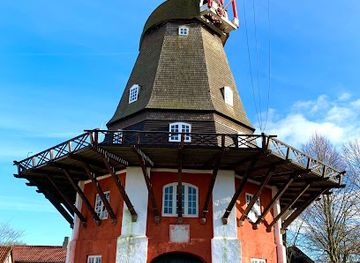
Local buses connect the city center with stops near the museum’s entrance. Expect a 15–20-minute bus ride, costing around 24 DKK for a single adult ticket. From the nearest bus stop, the windmill on the museum grounds is a prominent landmark above the trees.
-
Taxi
A short taxi ride from Odense’s central station typically takes 10–15 minutes and costs between 120–150 DKK, depending on traffic and time of day. Taxis can drop you at the main entrance, which is clearly signposted.
-
Driving/Parking
Visitors arriving by car will find a dedicated parking lot adjacent to the museum. Parking rates are approximately 10–15 DKK per hour. During peak season and weekends, parking may fill quickly, so arriving early is advised.
Discover more about Sortehusene













Your all‑in‑one travel companion app
Explore expert travel guides, compare and book tours, experiences, hotels, and more—all from the palm of your hand. Download now for seamless trip planning wherever your wanderlust takes you.


Explore More of Odense
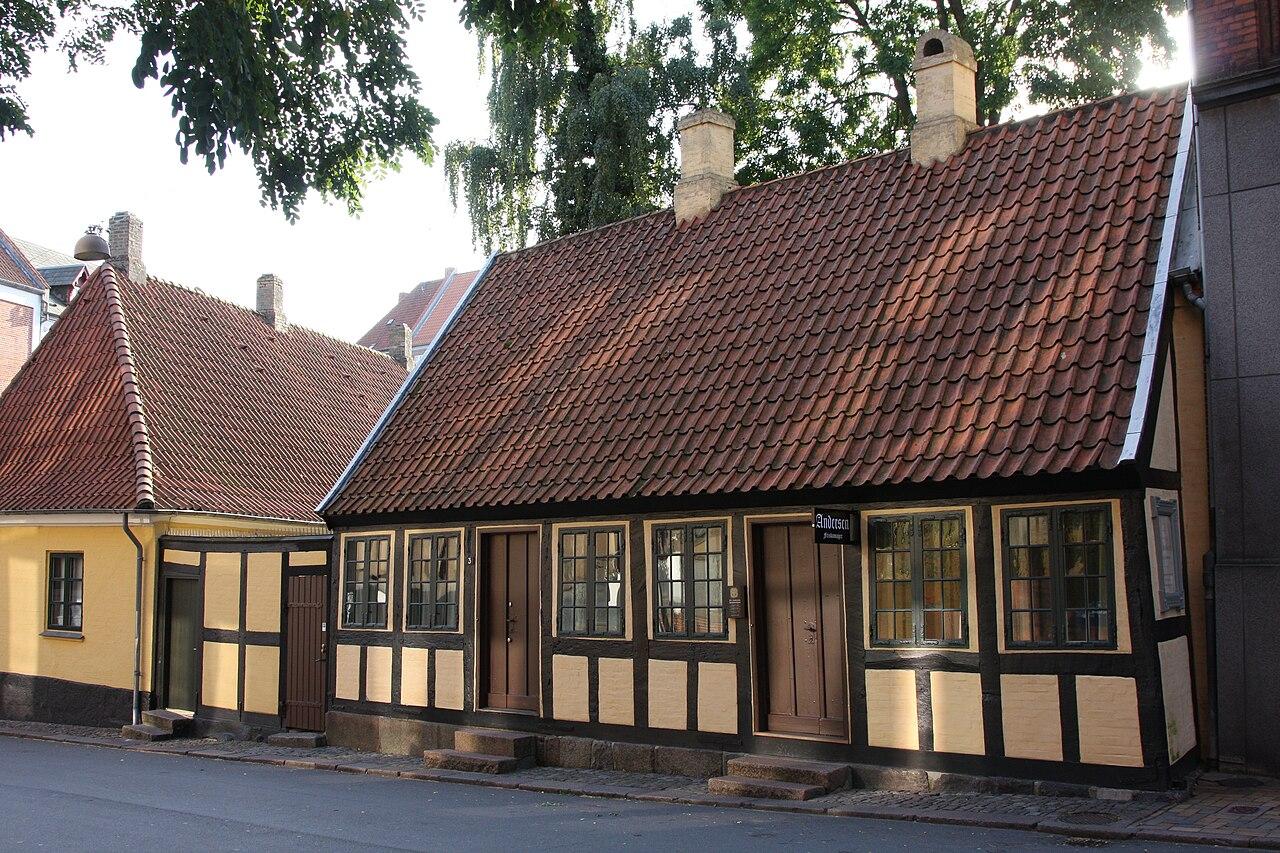
Looking beyond Sortehusene? Discover Odense for broader travel guides, local hot-spots, and regional highlights.
Explore Odense