
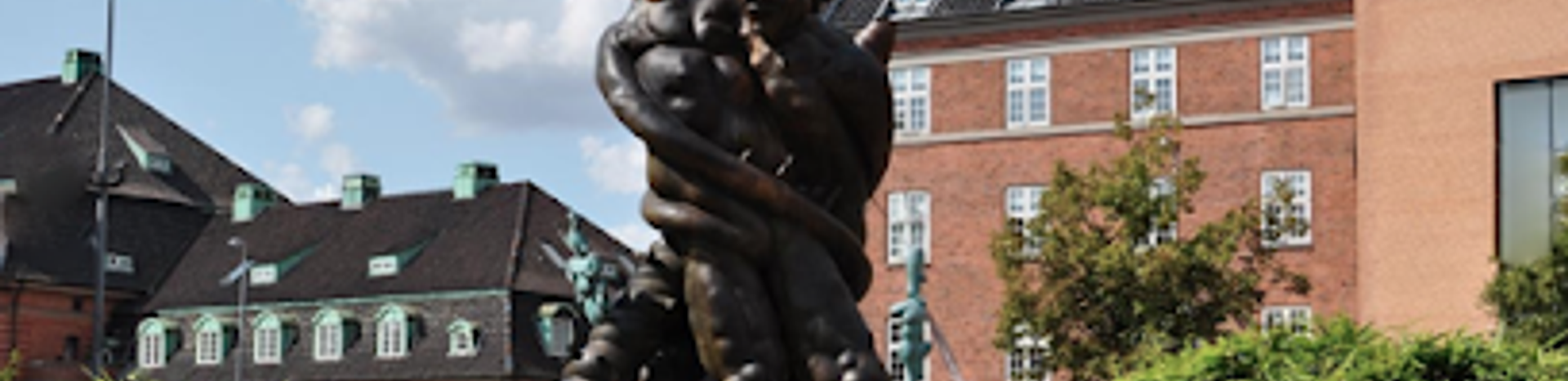
Skyggen, Rejsekammeraten og Improvisatoren – The H.C. Andersen Trinity
A towering, threefold portrait of Hans Christian Andersen that greets you outside Odense Station with colour, symbolism and quietly dramatic storytelling.
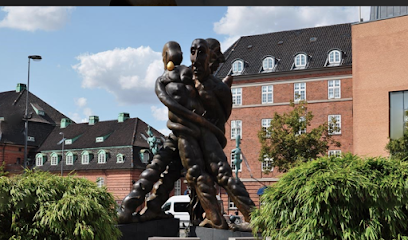
Rising beside Odense’s busy railway hub and the greenery of Kongens Have, the eight‑metre sculpture “Skyggen, Rejsekammeraten og Improvisatoren” forms a striking, threefold portrait of Hans Christian Andersen. Created in 2005 by Danish artist Bjørn Nørgaard, the work weaves together figures and motifs from Andersen’s tales into a bold, contemporary monument. With its colourful, symbolic surfaces and slightly surreal forms, this outdoor artwork invites you to pause, circle around it and slowly decode how shadow, traveller and improviser capture different sides of Denmark’s most famous storyteller.
A brief summary to Skyggen, rejseskammeraten og improvisatoren
- Østre Stationsvej 8, Odense, Odense C, 5000, DK
- Visit website
- Duration: 0.25 to 1 hours
- Free
-
 Outdoor
- Mobile reception: 5 out of 5
Local tips
- Walk a full circle around the sculpture and change your distance several times; details and figures appear and disappear depending on your viewing angle.
- Combine your visit with a stroll through adjacent Kongens Have for calmer views of the monument framed by trees and lawns.
- Visit in early morning or late afternoon when the low sun casts strong shadows that echo the “Skyggen” theme and bring out the relief work.

For the on-the-go comforts that matter to you
- Restrooms
- Drink Options
- Drinking Water
- Food Options
- Seating Areas
- Sheltered Areas
- Trash Bins
- Information Boards
- Visitor Center
Getting There
-
Train and short walk
Arrive at Odense Station on a regional or intercity train; services from Copenhagen and Aarhus typically take 1.5–2 hours and run at least once an hour during the day, with standard second‑class fares usually ranging from 200–350 DKK depending on time of booking. From the station concourse it is a brief, level walk across the station square to the sculpture, suitable for wheeled luggage and mobility aids.
-
City bus from within Odense
Most city bus routes in Odense converge at the stops around Odense Station, making the sculpture easy to reach from neighbourhoods such as Vollsmose, Tarup or Bolbro. Typical journey times within the city range from 10–25 minutes, and a single adult ticket generally costs about 20–30 DKK, with tickets available from machines or mobile apps. Buses are low‑floor, offering step‑free access for wheelchairs and prams.
-
Bicycle via central Odense cycle network
Odense has an extensive network of cycle lanes leading into the centre from residential districts and university areas, and the station precinct is integrated into this network. Depending on your starting point, cycling to the sculpture usually takes 10–25 minutes at a moderate pace. Standard city bikes or shared bikes are sufficient, but you should be prepared for busy traffic close to the station and use designated cycle lanes where available.
-
Taxi from suburban Odense
From outer districts such as Hjallese or Sanderum, taxis provide a direct option to the station square, typically taking 10–20 minutes depending on traffic. Daytime fares for such inner‑city trips usually fall in the 120–220 DKK range, with higher prices in late evenings and on weekends. Drop‑off is possible near the station entrance, leaving only a short, level approach to the sculpture.
Skyggen, rejseskammeraten og improvisatoren location weather suitability
-
 Any Weather
-
 Clear Skies
-
 Mild Temperatures
-
 Cold Weather
-
 Hot Weather
-
 Rain / Wet Weather
Discover more about Skyggen, rejseskammeraten og improvisatoren
A bold welcome to Andersen’s city
Standing on the plaza opposite Odense Station, where trains, buses and pedestrians flow in all directions, “Skyggen, Rejsekammeraten og Improvisatoren” immediately catches the eye. The sculpture, around eight metres tall, rises between modern station buildings and the formal lawns of Kongens Have, acting as a gateway between everyday commuting and the imaginative world of Hans Christian Andersen. Its vertical presence and unusual forms create a landmark you can spot from several angles as you approach the square. Because the work is free to visit and always accessible, it naturally becomes part of the city’s daily rhythm. Office workers pass it on their way to trains, students gather beneath it, and travellers often encounter it as their first cultural impression of Odense. The location near the park softens the urban setting, giving you space to step back and take in the full composition.A threefold portrait of Hans Christian Andersen
The subtitle of the work – “et treenigt portræt af H.C. Andersen” – describes its core idea: three different aspects forming one portrait. The “Shadow” refers to Andersen’s darker, more psychological side, inspired by his tale about a scholar and his selfish, detached shadow. The “Travel Companion” hints at his lifelong journeys across Europe and his habit of transforming observations into stories. The “Improviser” evokes his public persona: performing, telling stories aloud and reshaping them on the spot. Rather than sculpting a realistic figure, Nørgaard translates these roles into symbolic shapes and layered imagery. As you move around the piece, different elements seem to step forward: a commanding figure here, a more fragile silhouette there, playful details in another corner. The work encourages slow looking, inviting you to consider how one person can contain both light and dark, wanderer and performer.Materials, colours and hidden references
Bjørn Nørgaard is known for mixing materials and references, and this sculpture is no exception. Surfaces of cast metal, stone and vivid colours play against each other, catching changing light and weather. The textures shift from polished to rough, suggesting that Andersen’s world was never entirely smooth; his tales often balance beauty with cruelty, humour with melancholy. If you look closely, you may spot allusions to specific stories – a dancer’s pose recalling “The Little Dancer,” a suggestion of theatrical costume, or forms that feel like stage props mid‑performance. These details are not labelled; deciphering them becomes part of the experience. The piece behaves almost like an Andersen tale itself: familiar at first glance, then increasingly complex the longer you stay with it.The artist behind the monument
Created in 2005, during global celebrations of Andersen’s bicentenary, the sculpture reflects both local pride and contemporary Danish art. Bjørn Nørgaard, a prominent figure in Denmark’s art scene since the late 1960s, often places his works in public spaces and enjoys sparking conversation. Here he avoids nostalgic illustration and instead offers a modern, layered tribute that can stand in dialogue with Odense’s other Andersen monuments. By situating the monument in a busy transport hub, the artist and city underline Andersen’s international reach. The writer who once travelled as a curious guest across Europe now appears as a permanent, towering presence greeting visitors in his home town. For locals, the work quietly reminds them that they share their daily routes with a globally known literary heritage.Experiencing the sculpture up close
One of the pleasures of this site is how approachable it is. There is no barrier or ticket; you can walk right up, stand under projecting forms, or sit nearby in the park and watch how others react to it. From one viewpoint the composition looks almost orderly; from another it seems fragmented and improvisational, befitting its title. Different times of day reveal different moods. Morning light outlines the contours against the station, while late afternoon sun warms the colours and throws long shadows that echo the theme of the piece. On overcast days, the sculpture feels more introspective, its surfaces subdued, encouraging closer inspection. In any weather, it rewards patience: the longer you look, the more you notice that this is less a static statue and more an ongoing conversation between Andersen’s stories, Nørgaard’s imagination and the city that surrounds them.Iconic landmarks you can’t miss

Skyggen, rejseskammeraten og improvisatoren
0.0 km
A towering, threefold portrait of Hans Christian Andersen that greets you outside Odense Station with colour, symbolism and quietly dramatic storytelling.
Odense St.
0.1 km
Central rail and bus hub of Funen, Odense Station links Denmark’s mainlines with the city’s historic heart, light rail and cultural sights in one integrated complex.

visit
0.5 km
Experience Odense's premier cocktail bar, Visit, where classic and innovative drinks meet in a cozy, inviting atmosphere.

Oceania
0.5 km
A bold, reclining bronze goddess that provokes, delights, and defines Odense's artistic identity.

Papirbåden | H.C. Andersen
0.7 km
A delicate paper boat turned gleaming sculpture, Papirbåden floats on Odense’s Fairytale Garden lake, quietly celebrating H.C. Andersen’s “Steadfast Tin Soldier.”

Kirsebærtræer, Ny Kongevej
1.5 km
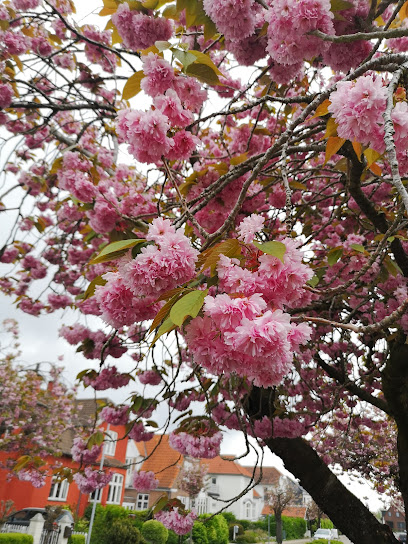
Odense's longest cherry blossom avenue, where community passion transforms a neighborhood street into springtime magic.
EM-statue-1992 (Richard Møller Nielsen)
2.3 km
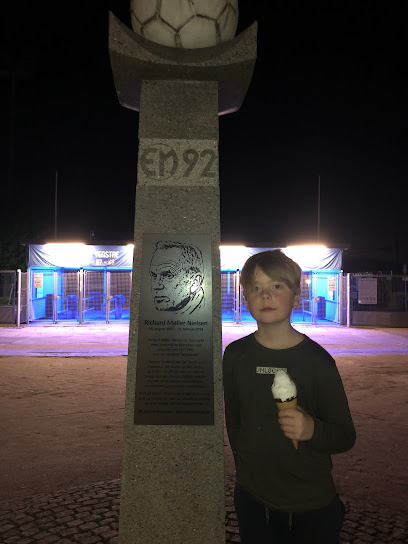
Small in size but huge in symbolism, this Odense statue honours the local coach who led Denmark to its unforgettable Euro 1992 triumph.
TheDoorOdense
2.9 km
Experience innovative architecture and 600 years of seafaring history at the award-winning M/S Maritime Museum, nestled below Helsingør’s iconic waterfront.
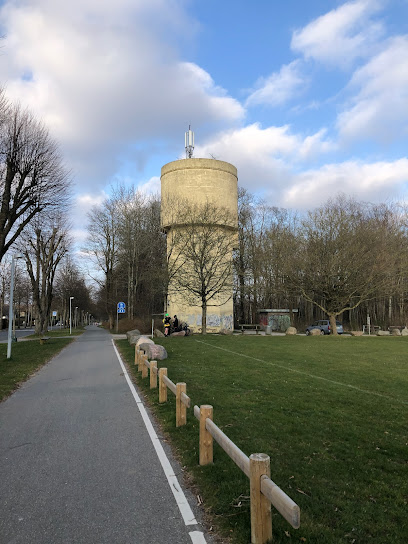
Det gamle vandtårn
4.4 km
A striking red-brick monument to Odense's industrial heritage and early 20th-century urban modernization.
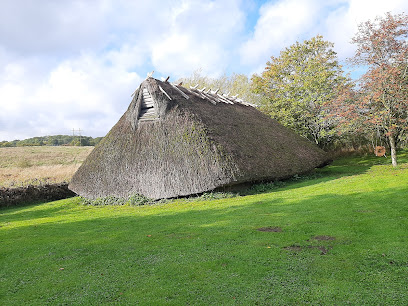
Jernalderlandsbyen Odins Odense
4.7 km
Discover Danish and international art at Bredgade Kunsthandel, an elegant gallery in central Copenhagen’s historic Frederiksstaden near top cultural landmarks.
Sortehusene
6.7 km
Historic black houses preserving working-class resilience on Odense's waterfront.
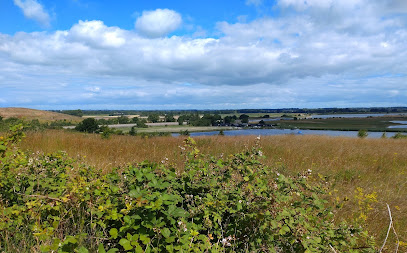
Besættelsesmuseum Fyn... Besættelsesmuseum Fyn er kun åben den første søndag i måneden fra kl 11 til 15.
8.8 km
An immersive, architecturally acclaimed underground museum in Helsingør, bringing Denmark’s rich maritime history to life beside the legendary Kronborg Castle.
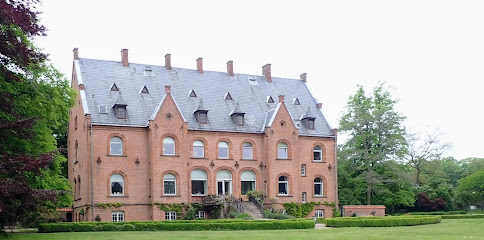
Sanderumgaard v/Erik Vind
10.6 km
Discover Sanderumgaard, Funen’s enchanting Romantic-era landscape park: a blend of historic estate, poetic gardens, and serene lakes just beyond Odense.
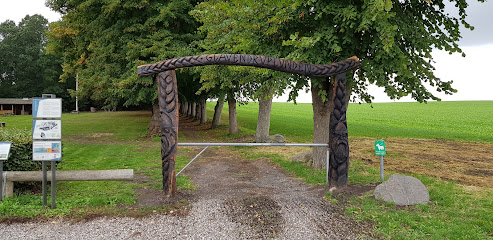
The Glavendrup Stone
13.5 km
Denmark's longest runic inscription, carved with divine invocation and protective curse.
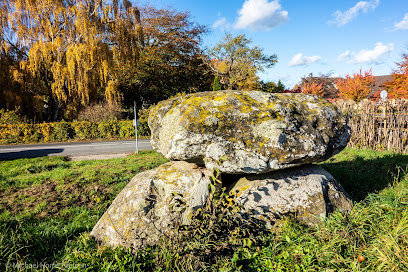
Rolfshøj
13.6 km
A quiet Neolithic long barrow in the fields near Ferritslev Fyn, where a simple stone chamber and grassy mound bring Funen’s prehistoric past close at hand.
Unmissable attractions to see

Banegårdspladsen
0.1 km
A busy railway forecourt where commuters, cyclists and an eight‑metre Hans Christian Andersen–inspired sculpture share the same lively urban stage.

Odense Castle
0.2 km
Step into Denmark’s Gothic heart at Odense Cathedral—site of St. Canute’s martyrdom, renowned Renaissance art, and centuries of royal and religious history.

Saint Hans Church
0.2 km
A medieval monastic church of red brick and quiet light, Saint Hans links Odense’s castle, sacred history and old-town charm in one compact, atmospheric stop.

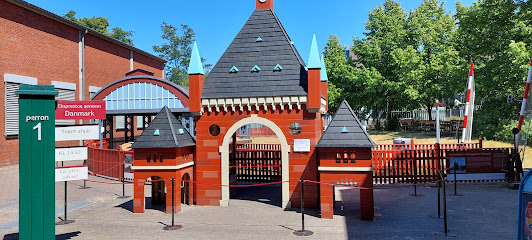
Danmarks Jernbanemuseum
0.2 km
Explore Denmark's railway heritage aboard historic locomotives and vintage carriages in an authentic 1954 depot.
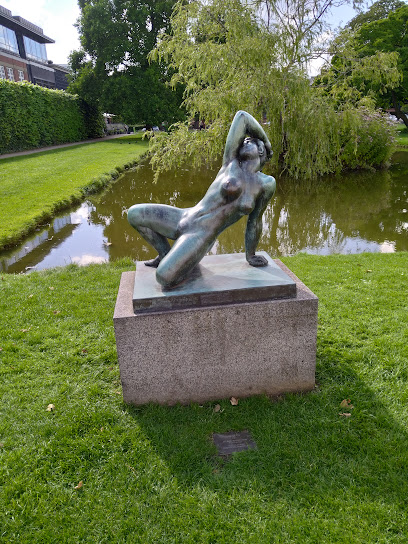
Danaë
0.2 km
A serene bronze heroine from Greek myth, Gerhard Henning’s Danaë reclines quietly in Odense’s King’s Garden, bridging baroque greenery and modern city life.
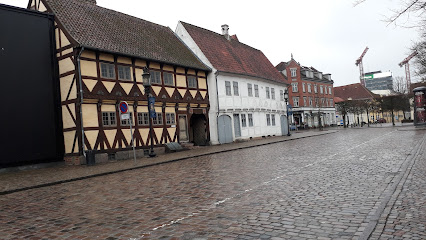
The City's Bridge
0.3 km
Stunning coastal headland at Funen’s northern tip, offering wild landscapes, panoramic sea views, rare birdlife, and serene walking trails in a pristine Danish nature reserve.
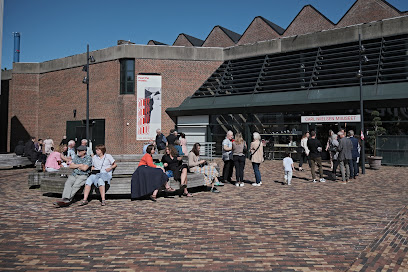
Carl Nielsen Museum
0.3 km
Compact yet richly layered museum in Odense’s musical quarter, tracing Carl Nielsen’s life, music and partnership with sculptor Anne Marie Carl-Nielsen.
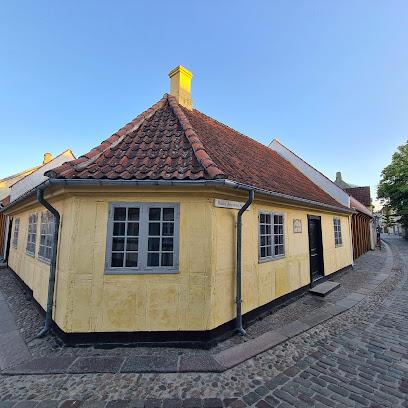
H. C. Andersens House
0.3 km
An immersive museum in Odense where architecture, garden and multimedia exhibitions draw you deep into the imaginative world of Hans Christian Andersen.
VILLE VAU
0.4 km
A playful fairy-tale universe inside H.C. Andersen’s House, where children dress up, act out stories and create their own adventures in the heart of Odense.

Blackfriars Square
0.4 km
A modest cobbled square where traces of a 13th‑century monastery, a pioneering theatre and a bustling market weave Odense’s history into everyday city life.
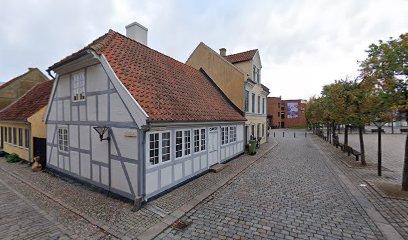
Andersen on the bench
0.4 km
Share a bronze bench with Hans Christian Andersen himself in the heart of Odense’s fairy-tale district, where the city’s stories slip quietly into everyday life.

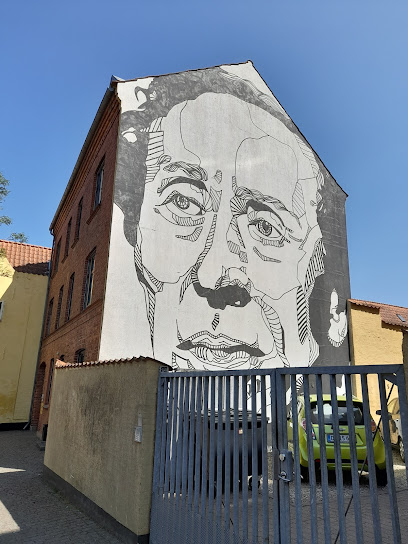
Hans Christian Andersen Mural
0.4 km
A towering black‑and‑white portrait of Hans Christian Andersen on a quiet Odense gable, where fairytale heritage meets contemporary street art in the old town.
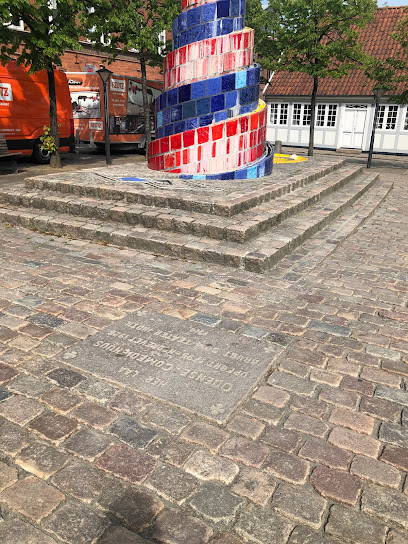
Odense Comediehuus
0.4 km
On Sortebrødre Torv, the lost Odense Comediehuus lives on in stories of young H.C. Andersen, vanished footlights and a square that still hums with everyday drama.
Vægmaleri
0.5 km
Discover the tranquil beauty of Sneglehøjen in Odense, a serene natural retreat perfect for leisurely walks and family outings.

Møntergården
0.5 km
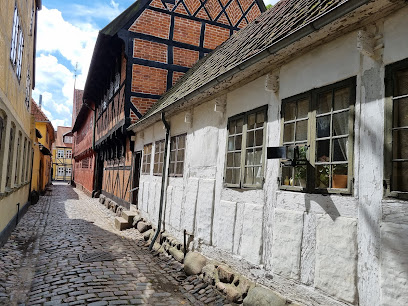
A pocket-sized historic quarter where cobbled courtyards, timbered houses and multimedia galleries bring the story of Odense and Funen vividly to life.
Essential places to dine

Giraffen
0.1 km
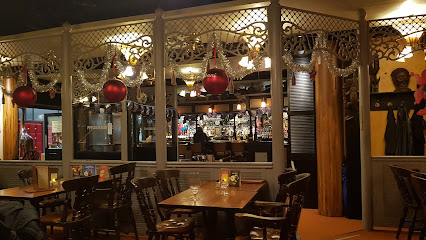
Hearty Danish comfort food and a casual bar atmosphere right inside Odense’s main station, ideal for hungry travelers and locals on the go.
Brasserie Bordeaux
0.2 km
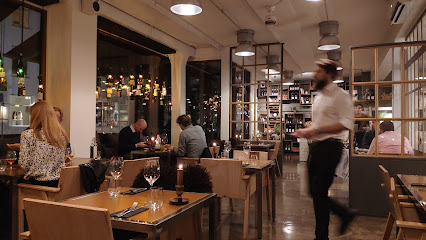
A classic French brasserie in central Odense, serving breakfast, brunch, lunch and dinner with thoughtful wines and cocktails in warm, candlelit surroundings.
Restaurant Oluf Bagers Gaard
0.3 km
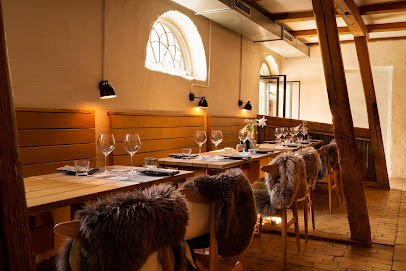
Historic merchant's house serving refined Danish cuisine and social dining in the heart of Odense.
Restaurant Under Lindetræet
0.3 km
Intimate fine dining in a 1771 townhouse opposite Hans Christian Andersen’s home, where seasonal Danish cuisine meets softly lit Odense history.
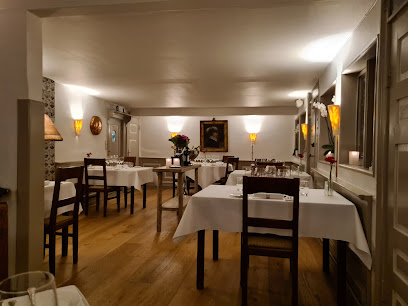
Restaurant Mam
0.3 km
Intimate French-inspired dining in central Odense, where seasonal Danish ingredients, local culinary heritage and thoughtful service come together over unhurried dinners.
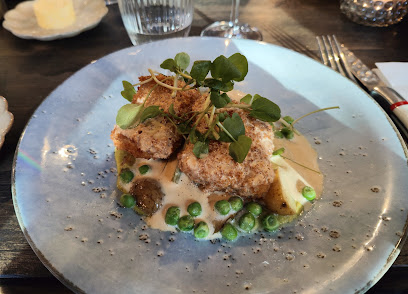
Restaurant Ribelli
0.3 km
Inventive Italian fine dining with a Funen twist, served in an intimate, design-conscious dining room in the historic heart of Odense.
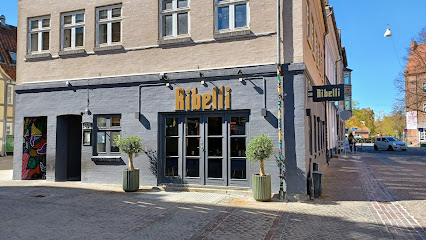
Bar Tapas
0.3 km
Cosy Nordic-Spanish tapas in central Odense, serving a curated ten-course evening of shared plates, Spanish wines and sangria in a warm, candlelit setting.
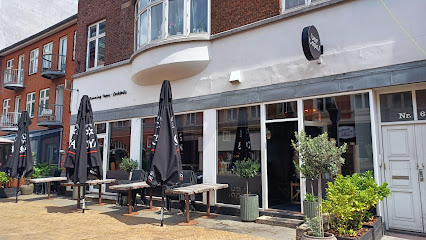
Ryan's of Odense
0.4 km
Atmospheric Irish pub in Odense’s lively city center, famed for its live music, warm hospitality, and classic selection of beers and comfort food.

La Dolce Vita | Fashion Cafe
0.4 km
Cozy Italian restaurant and café in central Odense, serving classic pizzas, pastas and antipasti in warm, informal surroundings from evening until late.
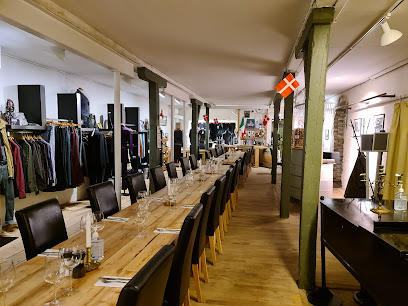
Grand's Fiskerestaurant
0.4 km
Classic seafood and shellfish in the historic First Hotel Grand, where local Danish produce, seasonal menus and a refined wine list create leisurely evenings in central Odense.
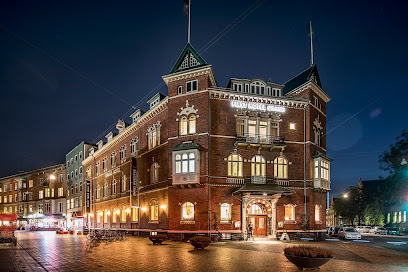
Grønttorvet
0.5 km
Centuries-old Danish inn on Odense’s Sortebrødre Torv, serving hearty traditional dishes with a generous dose of hygge in the city’s atmospheric old town.
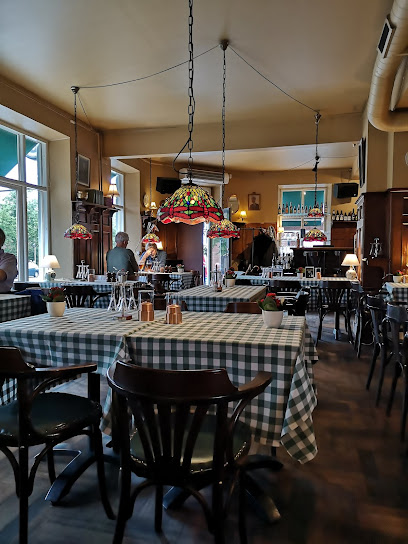
UBN
0.5 km
Lively city-centre brasserie in historic Odense, serving seasonal comfort food and stone-oven pizzas alongside a serious cocktail bar with 300+ spirits.

Kok & Vin
0.5 km
Intimate French-inspired bistro in historic central Odense, pairing seasonal Nordic produce with thoughtful wines in a warm, candlelit setting.

A Hereford Beefstouw - Odense
0.5 km
For nearly 50 years Odense’s quintessential Danish steakhouse, now closed but still shaping the character and culinary memory of Vestergade 13.

Vietnam Street Food / Restaurant Odense
0.5 km
Casual Vietnamese street-food spot in central Odense, serving pho, bánh mì and noodle bowls in a bright, unfussy setting ideal for quick, flavourful meals.
Markets, malls and hidden boutiques

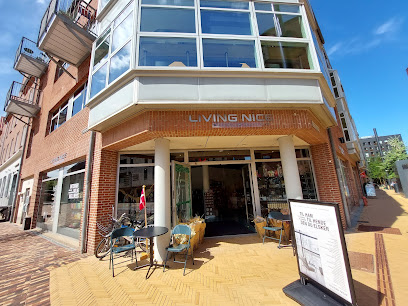
Living Nice / Café Kleist
0.2 km
Stylish hybrid café and design store in Odense’s Odeons Kvarter, where Scandinavian interiors meet French–Italian café indulgence in a relaxed, home-like setting.
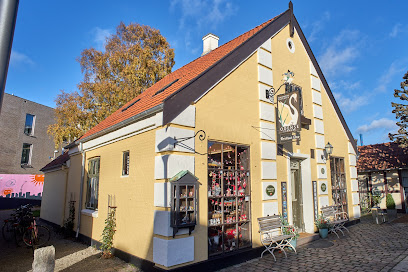
Klods Hans
0.3 km
Characterful fairy-tale souvenir shop in Odense’s historic quarter, offering Andersen-themed gifts and Danish keepsakes in a cosy half-timbered setting.
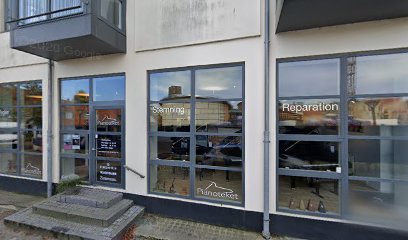
Asian Stitching & Applied Arts v / Hong Diem Phan
0.4 km
A small Odense atelier where Asian tailoring craft, careful alterations and garment repair give your favourite clothes a better fit and a longer life.

House of Amber Odense
0.4 km
A warm, glowing boutique in central Odense where millions of years of Baltic amber meet clean Danish jewellery design and thoughtfully curated gifts.
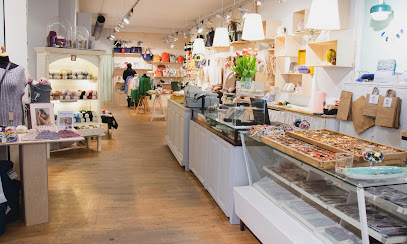
Aunt Green ApS
0.5 km
A long-loved, family-run yarn universe on Odense’s main pedestrian street, where colour, fibre and Scandinavian knitting traditions come together in one cosy shop.
Faraos Cigarer
0.5 km
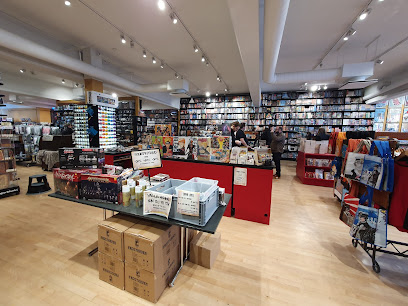
A vast 600 m² universe of comics, games, miniatures and cosplay, Faraos Cigarer Odense is the city’s colourful hub for Nordic geek culture and tabletop fun.
Boutique India v/ shahzad ali
0.5 km
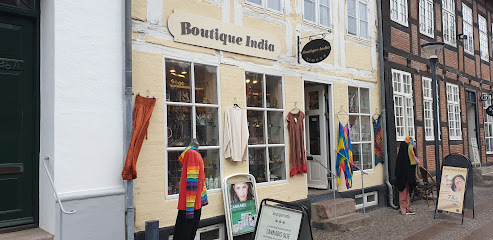
A colourful little Odense shop where Indian textiles, clothing and homewares bring the patterns, textures and warmth of the subcontinent to historic Overgade.
Cadenhead's Whisky Shop, Denmark
0.5 km
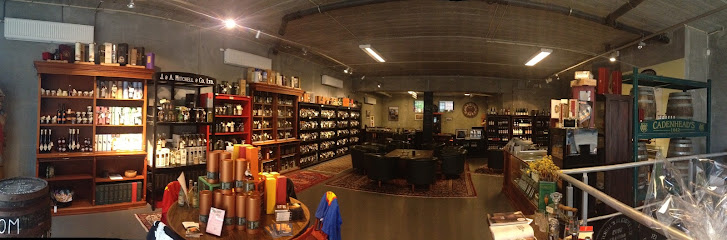
A spacious, lounge‑like whisky specialist in central Odense, pairing rare independent bottlings with relaxed tastings and knowledgeable, down‑to‑earth guidance.
Rezet Sneaker Store Odense
0.5 km
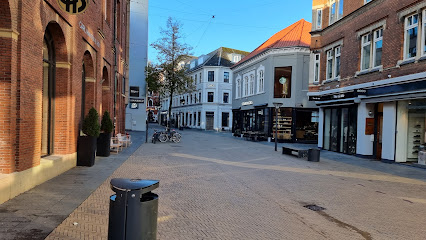
Scandinavian-style sneaker boutique in central Odense, blending clean design, curated streetwear and sought-after footwear drops on lively Vestergade.
Reden Op Shop
0.5 km
Small, stylish second-hand boutique in central Odense where quality women’s fashion, community spirit and social impact come together on one friendly shop floor.
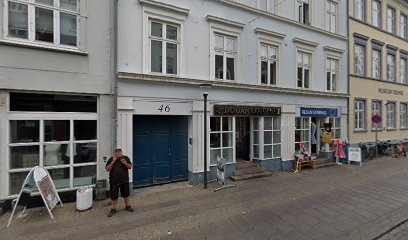
SEPHORA MAGASIN ODENSE
0.5 km
A sleek, centrally located beauty hub inside Magasin, where international makeup, skincare and fragrance meet Odense’s city-center shopping life.

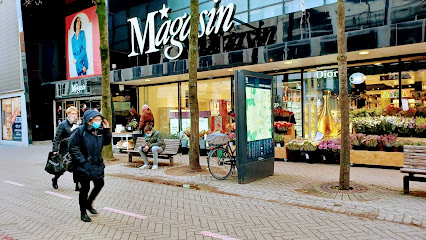
Magasin Odense
0.6 km
Odense’s classic multi-level department store, blending Danish style, fashion, beauty, homewares and cosy café stops under one roof on lively Vestergade.
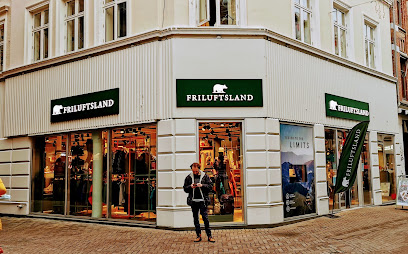
Friluftsland
0.6 km
Compact outdoor specialist shop in central Odense, offering quality gear, expert advice and hands-on testing for everything from city showers to Nordic trekking.
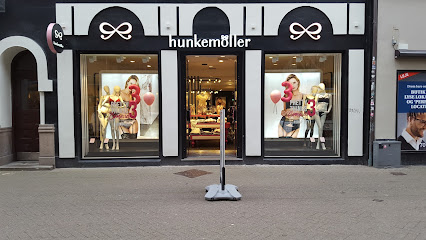
Hunkemöller Danmark A/S
0.6 km
Central Odense lingerie and swimwear boutique offering feminine designs, expert bra fitting help and relaxed browsing right on the city’s main shopping street.
Look At This
0.6 km
A small, curated clothing store tucked inside a redbrick former textile factory, where Odense’s industrial past meets calm, contemporary Scandinavian style.
Essential bars & hidden hideouts

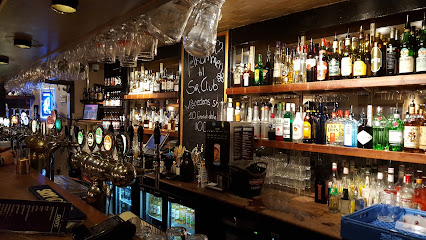
Sir Club
0.2 km
Long‑running Odense beer bar with 27 taps, quiz nights and a relaxed, lived‑in atmosphere where specialty brews and come‑as‑you‑are evenings take the spotlight.
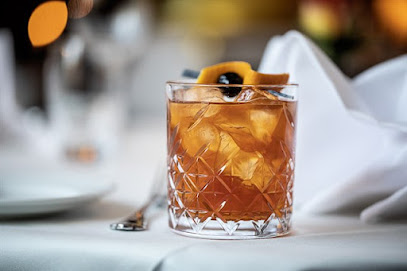
Grand Bar & Lounge
0.4 km
Sophisticated cocktails and refined ambiance in a historic 1897 building at the heart of Odense.
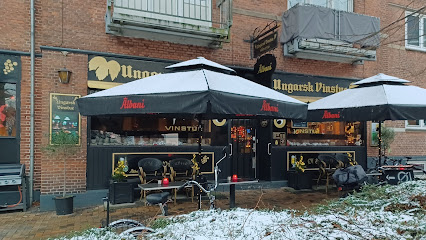
Ungarsk Vinstue
0.4 km
A warmly worn, dog-friendly brown bodega in central Odense, where cheap beer, local regulars and analog pub life keep a slice of old Denmark quietly alive.
Lørups Vinstue
0.5 km
Old‑school Odense pub with red‑checked tablecloths, cheap beers and sing‑along classics, where students, locals and night owls start – and often finish – a night out.
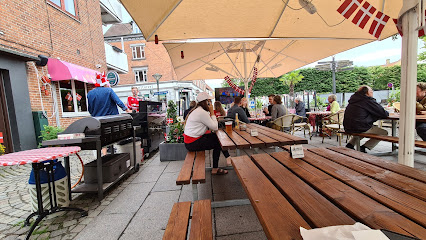
Bootleggers Craft Beer Bar - Odense C
0.5 km
Urban craft beer sanctuary on Odense’s Gråbrødre Plads, pouring rotating specialty brews, free popcorn and laid-back good times from afternoon until late night.
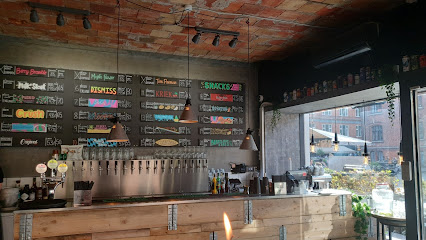
June Bar
0.5 km
Intimate candlelit cocktails, shareable tapas and a warm, relaxed buzz right in the heart of Odense’s nightlife district.
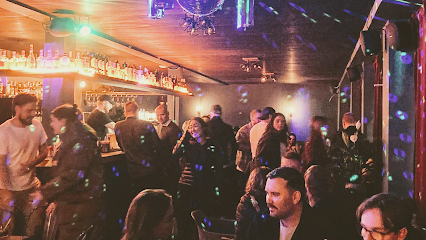
Viggos
0.5 km
Lively, wallet-friendly brown bar in central Odense, pouring cold draft beer, simple pub food and long, sociable nights for students, locals and night owls.
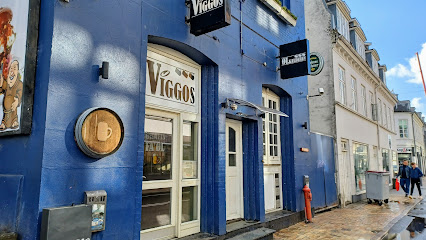
Kick Off - Sportspub
0.5 km
Buzzing Odense sports pub with wall-to-wall screens, cold beer and classic bar games, perfect for catching the big match in relaxed, local surroundings.
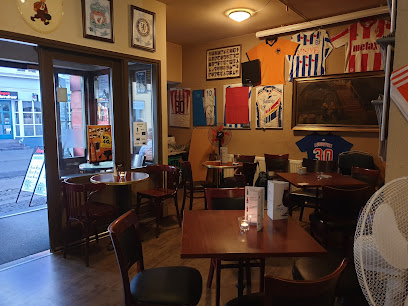
Pianobar odense
0.5 km
Lively late-night piano bar in the heart of Odense C, mixing sing-along classics, casual drinks and a compact, buzzing atmosphere on Kongensgade.
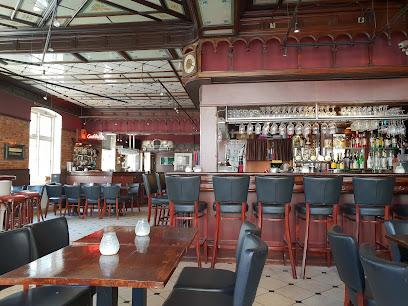
Pub 47 - Bills Pub
0.5 km
Smoky, old-school Danish pub energy in the heart of Odense’s main shopping street, with cheap beers, loud nights and a lived-in, brown-bar charm.
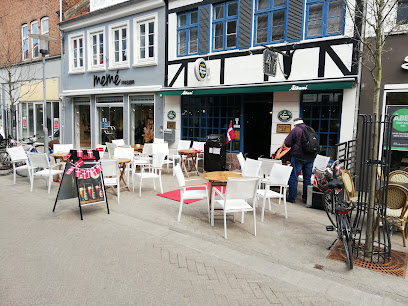
Rabalder Bar Odense
0.5 km
A small, homely Odense bar styled like grandma’s living room, serving easygoing drinks and sing‑along hits in the heart of the city’s weekend nightlife.
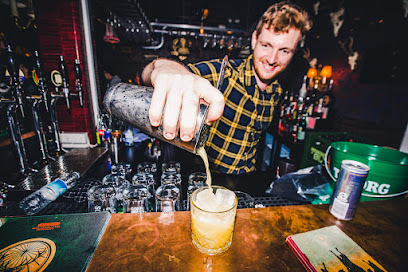
The Flower and the Bee
0.5 km
Experience Odense's vibrant nightlife at The Flower and the Bee, a premier weekend dance bar offering quality cocktails and dynamic music in a lively atmosphere.

The Boat House
0.6 km
A cozy, spirits-focused bar in central Odense, famed for its extensive whisky shelves, creative cocktails and laid-back themed evenings in soft, lounge-like surroundings.
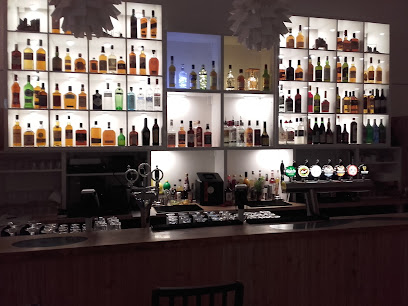
Den Standhaftige Tinsoldat Af Odense
0.6 km
A small, steadfast neighborhood beer bar in Odense C where inexpensive drinks, local regulars, and a laid-back dive-bar atmosphere tell their own quiet story.
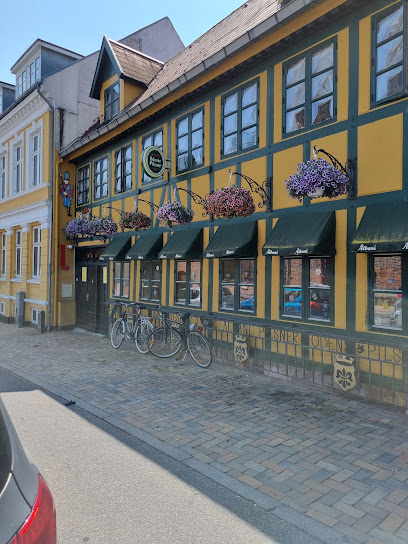
Bar Rar Ltd.
0.6 km
Intimate, candlelit cocktail bar in central Odense, pairing Nordic simplicity with carefully crafted drinks and a relaxed, late-night neighbourhood vibe.
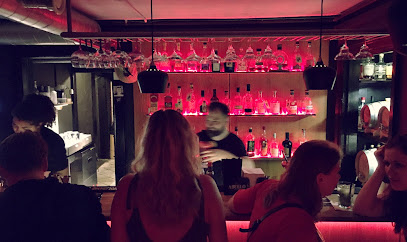
Nightclubs & after hour spots

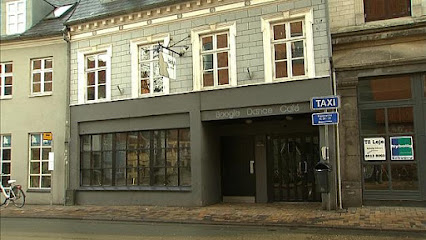
Boogie Dance Café
0.3 km
Odense's oldest disco where retro charm meets genuine community dancing.
Dansebar Odense
0.5 km
Lively central Odense nightclub with mainstream hits, colorful lights and a sociable dance floor vibe from late evening into the early hours.
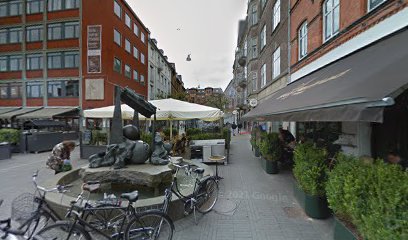
BUTCHERS Odense
0.5 km
High-energy nightclub on Odense’s Overgade, mixing pounding bass, lights and late-night drinks in a central old-town setting steps from major sights.
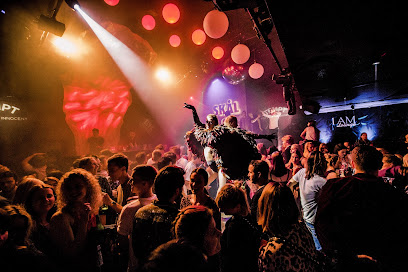
The slaughterhouse Nightclub & Eventhus
0.7 km
Experience industrial-cool nights, live music, and eclectic parties at The Slaughterhouse Nightclub & Eventhus, Odense’s dynamic hub for nightlife and contemporary culture.
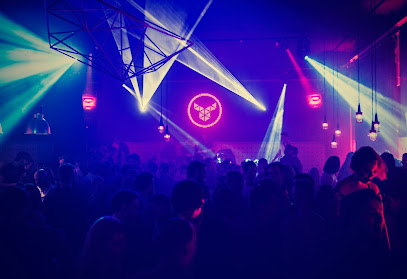
Dance Odense, Funen Square Dance Club
5.7 km
Community-driven square dancing in a cozy Odense neighborhood hall, where callers, patterns and shared rhythm turn an ordinary evening into a friendly social event.
Muzirkus
26.6 km
Nyborg's independent music sanctuary where local bands rehearse, collaborate, and perform since 1974.
KJ's bodel
27.3 km
Laid‑back local nightspot on Nyborg’s main square, mixing simple drinks, sociable bar chatter and a compact dance floor in an unpretentious setting.
Crazy Daisy Svendborg
40.6 km
Compact, high-energy weekend nightclub in central Svendborg, serving mainstream beats, drinks and a sociable dance floor until the early hours.
AHA Livestage
43.6 km
Intimate live music and cocktail-driven nightlife in the heart of Fredericia, where high-quality sound and curated events turn selected evenings into standout parties.
Falkecenter Samsø ApS
47.3 km
Witness awe-inspiring live falconry shows and get up close with eagles, owls, and hawks at Samsø’s premier raptor center, blending living heritage with wilderness spectacle.
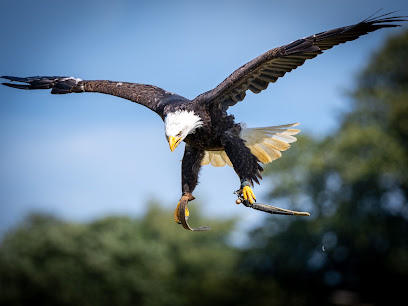
Vinkapellet Samsø
48.3 km
Experience the finest organic and natural wines at Vinkapellet Samsø, a cozy haven for wine enthusiasts in the heart of Brundby.
Ærø Golf Klub
49.3 km
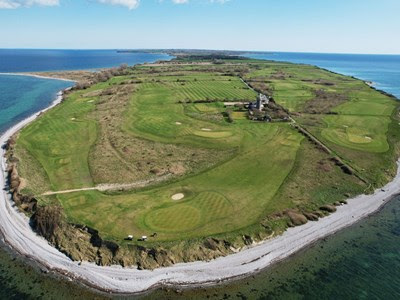
Distinctive links course on Ærø’s northwest cape, blending historic lighthouse views, Nordic coastlines, and a classic Danish golfing challenge.
Samsø Island Distillery
49.7 km
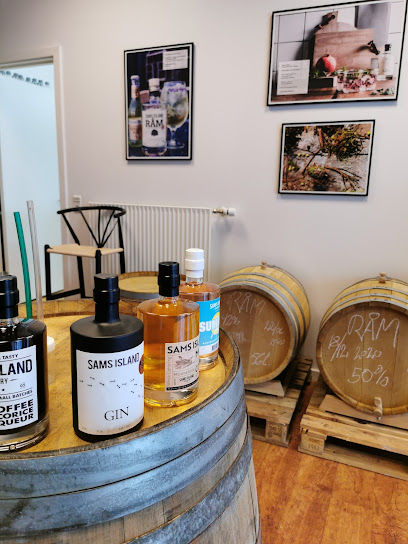
Experience authentic Danish craftsmanship at Samsø Island Distillery, where local botanicals and sustainable practices fuse to create distinctive gin and aquavit on scenic Samsø.
Ræven
49.9 km
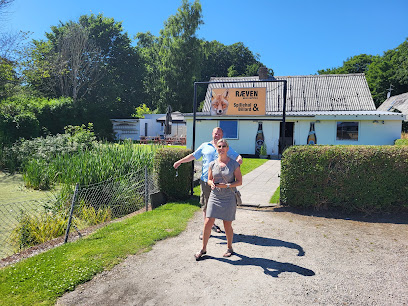
Island spirit and Danish hospitality await at Ræven, Samsø—a cozy neighborhood bar with local brews, lively evenings, and a real taste of authentic island life.
Garagen
50.6 km
Garagen is Samsø’s beloved island bar, famed for live music, a rustic woodland setting, and its welcoming, laid-back vibe—a true hub for locals and travelers alike.
For the vibe & atmosphere seeker
- Scenic
- Unique
- Casual
- Fun-filled
For the design and aesthetic lover
- Colorful Aesthetics
- Modern Designs
For the architecture buff
- Landmarks
- Art & Design
For the view chaser and sunset hunter
- Iconic Views
For the social media creator & influencer
- Instagrammable
- Photo Spots
- Architectural Shots
For the eco-conscious traveler
- Low Impact
- Public-Transport Accessible
For the kind of experience you’re after
- Cultural Heritage
- Photowalk
- Adventure Photo Shoot
- Day Trip
- Roadtrip Stop
For how adventurous you want the journey to be
- Easy Access
Location Audience
- Family Friendly
- Senior Friendly
- Child Friendly
- Teen Friendly
- Wheelchair Access
- Solo Friendly
- Couple Friendly
- Solo Female Friendly
- LGBT Friendly


