

Monument for Frederik den Syvende, Slagelse Travel Guide
Free Guide: A modest 1881 granite tribute in a rural memorial grove, linking Frederik VII’s constitutional legacy with the quiet landscapes of West Zealand.


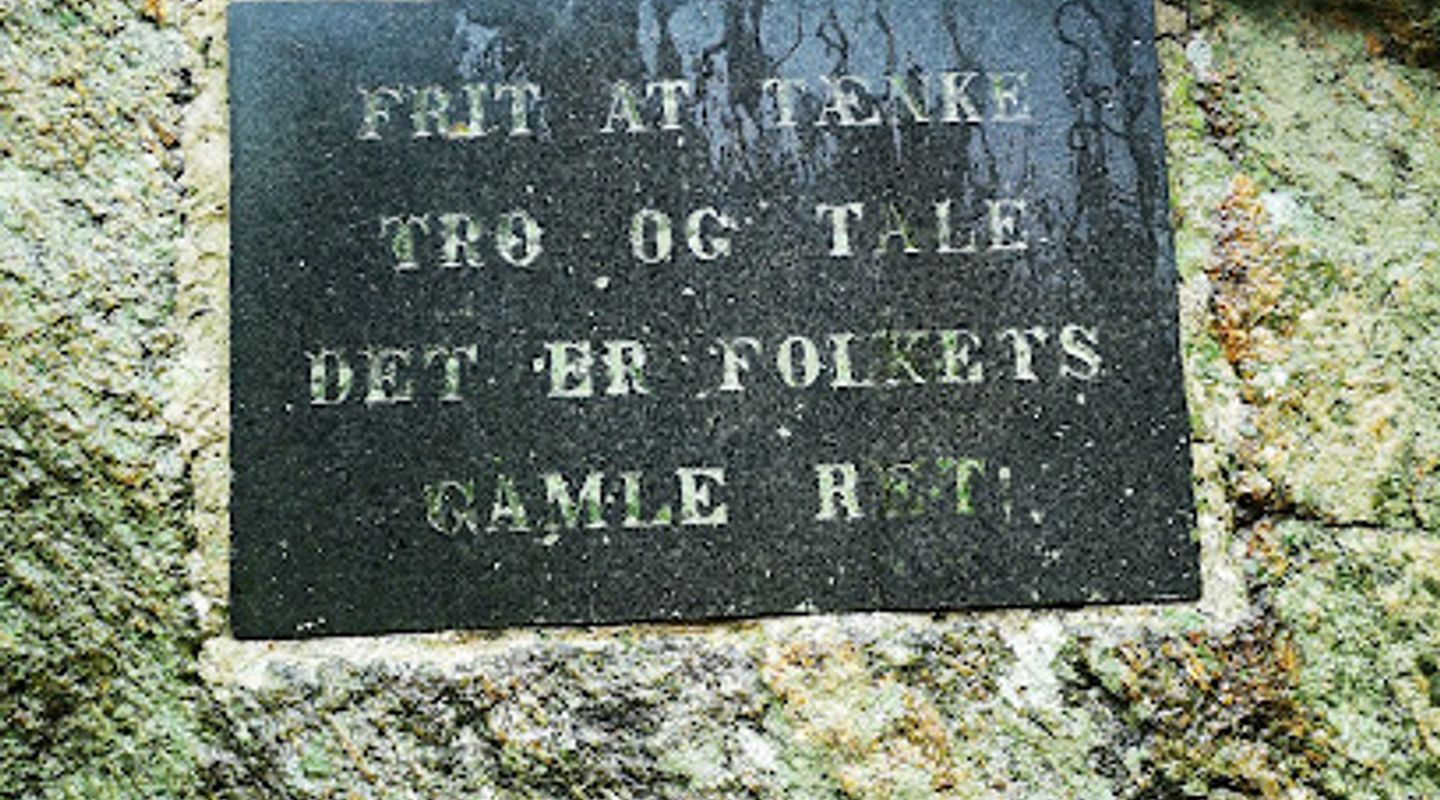
A brief summary of Monument for Frederik den Syvende
A modest 1881 granite tribute in a rural memorial grove, linking Frederik VII’s constitutional legacy with the quiet landscapes of West Zealand.
Set just outside Slagelse in the small memorial grove of Halkevad Mindelund, the Monument for Frederik den Syvende is a modest yet atmospheric granite tribute to Denmark’s 19th‑century king. Erected in 1881 by local blacksmith and writer Johannes Vedel, it stands among trees and simple plantings, marking the start of a whole tradition of memorial stones in this quiet corner of West Zealand. Today it’s a serene pause on rural drives and bike rides, ideal for a contemplative stop rather than a long visit.
Opening hours
- Every dayOpen 24 hours
Opening hours as listed on the venue’s Google Business Profile. Hours can change for services and special events, so check with the venue before you go.
- Address
- Slagelsevej 23, 4200 Slagelse
Getting there
Car from central Slagelse
Bicycle from Slagelse town
Regional bus plus walk
Discover more about Monument for Frederik den Syvende
A king remembered in a quiet Danish grove
The Monument for Frederik den Syvende stands in the leafy setting of Halkevad Mindelund, a small memorial park in the countryside near Slagelse. Here, away from busy roads and town centres, a single granite stone honours the monarch who helped usher in Denmark’s constitutional era. The surroundings are simple: grass underfoot, trees forming a loose canopy, and the gentle sense that this is a place made for pausing rather than passing through.Frederik VII ruled Denmark in the mid‑19th century and is closely associated with the 1849 constitution, which shifted the country from absolute monarchy towards democracy. In rural Zealand, his name carried symbolic weight long after his reign, especially among people who valued national identity and local self‑determination. The decision to commemorate him here, in a modest landscape, says as much about local pride as it does about royal history.
Johannes Vedel and the birth of a memorial landscape
This particular monument dates back to 1881, when blacksmith and author Johannes Vedel from nearby Høve took the initiative to have a stone raised in Frederik VII’s memory. Rather than choosing a grand statue or elaborate plinth, he worked with what the land itself offered: a substantial boulder from the local area, set upright and inscribed. That choice linked the royal story to the soil and stones of West Zealand.The monument later inspired the creation of Halkevad Mindelund as a broader memorial grove. Over time, additional stones were added here, turning a lone tribute into a small, coherent landscape of memory. The Frederik VII stone, however, remains the starting point – the first gesture that transformed a patch of countryside into a place with a narrative.
Granite, inscriptions and the feel of the place
The stone itself is hewn but not over‑polished, retaining a natural, slightly rugged surface that catches light and shadow differently as the day moves on. An inscription notes the dedication to Frederik VII, combining royal reference with spare, almost understated wording. You won’t find elaborate sculpture or ornate railings; the statement is quiet, relying on the weight and permanence of granite.Around it, simple plantings and low stones help define the monument’s space without enclosing it. The effect is more like a forest clearing than a formal city square. Wind in the trees, birdsong and the occasional passing car on nearby country roads make up the soundscape. It is easy to stand here alone for a moment, read the inscription, and imagine how deliberate this simplicity must have felt in the late 19th century.
From 19th‑century politics to modern reflection
Visiting today, the monument offers a compact doorway into Denmark’s political and cultural shifts. Frederik VII’s decision to sign the constitution is a textbook moment in national history, yet here it is remembered by a single stone in a rural parish rather than grandiose architecture in the capital. That contrast hints at how constitutional change rippled outward, becoming part of local identity as much as statecraft.The grove also illustrates how ordinary citizens, like Johannes Vedel, helped shape commemorative landscapes. This is not a royal commission, but a community effort that grew over time. As you move around the stone, the modest scale makes it straightforward to take in, yet there is enough historical resonance to reward a lingering look.
A brief but meaningful stop near Slagelse
Most visits here are short – a pause on a scenic drive, a detour on a bike route, or a quiet interlude on a longer day exploring the Slagelse area. There are no exhibitions or interactive displays to work through, which makes the experience refreshingly direct. You step into the grove, find the stone, read, reflect and step back out.Because of its size, the monument pairs naturally with other sights in West Zealand: Viking history at nearby fortresses, coastal viewpoints, or town parks. Seen in that context, the Frederik VII stone becomes one piece in a wider patchwork of Danish heritage, offering a small but distinctive chapter in the story of how a rural region chose to remember its past.
Evendo Review Centre
 Google
Guest reviews
Best time to go
Quietest: Jan, Feb & Nov · before 8am or at 7pm
Busy times are Evendo estimates for a typical year, to help you plan. Actual crowds vary with events, school holidays and the weather.
Explore Monument for Frederik den Syvende on the map
A handpicked selection of must-see spots near Monument for Frederik den Syvende, mapped for you.
Get your free copy of our complete guide to Monument for Frederik den Syvende, delivered straight to you.
Everything on this page, from opening hours and how to get there to Eve’s tips and the best time to go, in one PDF you can read offline, print or share.
Already have an account? Sign in
Your Monument for Frederik den Syvende guide is ready.
We'll send it to · Not you? Sign out

Getting your guide ready…
We are putting together a fresh copy of the Monument for Frederik den Syvende guide. This can take up to a minute.
This can take a few moments. If your browser asks, choose Allow so the download can start. You'll find the guide in your Downloads folder.
Nothing happened? Download it again
Sorry, the guide is taking longer than usual. Please try again in a minute, or get it by email instead.
Other nearby places you may find interesting
The closest places of the same kind, if this one is not quite what you had in mind.
-
-
-
-
-


Swipe for more places
More to explore near Monument for Frederik den Syvende
-
 Best experiences near Monument for Frederik den Syvende
-
 Best hotels near Monument for Frederik den Syvende
-
 Best landmarks near Monument for Frederik den Syvende
-
 Best attractions near Monument for Frederik den Syvende
-
 Best shops near Monument for Frederik den Syvende
-
 Best restaurants near Monument for Frederik den Syvende
-
 Best bars near Monument for Frederik den Syvende


Do you manage this location?
Take control to get all the benefits, like improved information, better appearance, and stronger visibility across AI-powered discovery.
Explore more
Explore more of Slagelse
Discover Slagelse: A captivating blend of Viking history, vibrant culture, and natural beauty on the charming island of Zealand, Denmark.
Explore Slagelse
Explore more of Denmark
Discover Denmark: A perfect blend of history, modern design, and the cozy concept of hygge. Explore vibrant cities, serene landscapes, and world-class cuisine.
Explore Denmark
