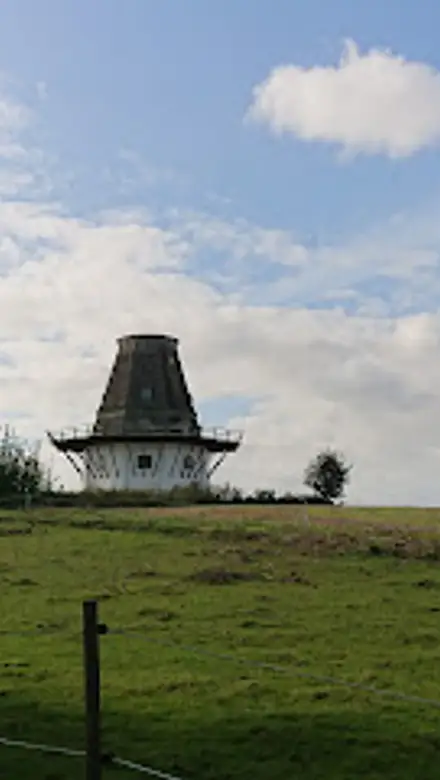
Skovsgaard Mølle og Bagerimuseum, Slagelse Travel Guide
Free Guide: Step into a 19th‑century village bakehouse where more than 500 tools, ovens and bread wagons tell the fragrant story of Danish baking in rural Zealand.


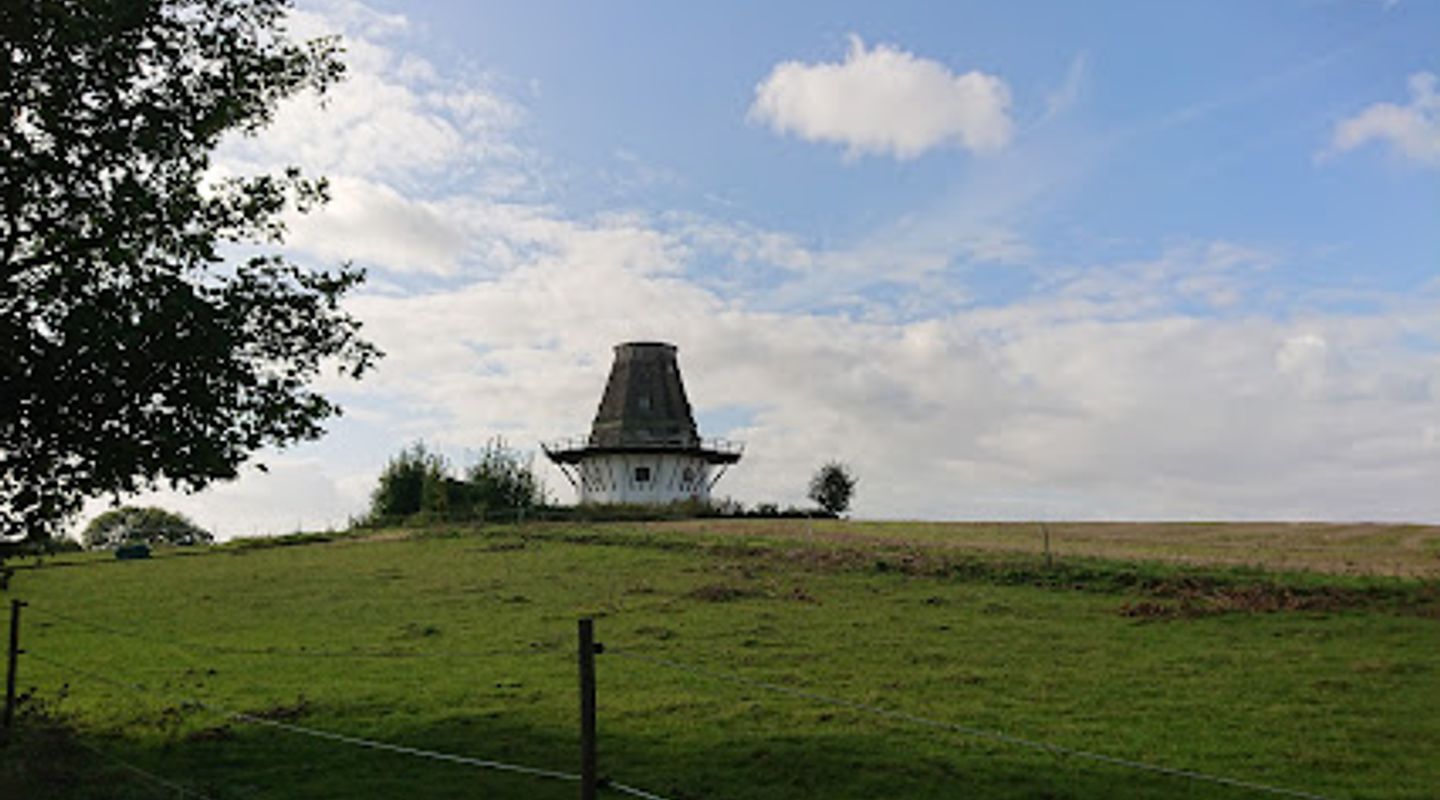
A brief summary of Skovsgaard Mølle og Bagerimuseum
Step into a 19th‑century village bakehouse where more than 500 tools, ovens and bread wagons tell the fragrant story of Danish baking in rural Zealand.
Skovsgaard Mølle og Bagerimuseum, set in the tiny village of Esholte south of Slagelse, is a lovingly preserved country bakery and mill with roots back to 1851. Inside the former working bakery, more than 500 tools, machines, bread carts and nostalgic artefacts trace Danish baking culture from around 1900 to the early 2000s, including a detailed reconstruction of Vemmetofte Kloster’s 1880 bakery. In summer and on special themed days, volunteers sometimes fire up the ovens and bring the story to life with demonstrations and the smell of fresh bread.
On-site amenities
 Restrooms
 Seating areas
 Sheltered areas
 Trash bins
 Information boards
- Address
- Fladholtevej 6, 4200 Slagelse
- Phone
- Website
Getting there
Car from central Slagelse
Bicycle from Slagelse area
Taxi from Slagelse Station
Discover more about Skovsgaard Mølle og Bagerimuseum
A village bakery where Danish bread history lives on
Skovsgaard Mølle og Bagerimuseum sits in the hamlet of Esholte, surrounded by fields and farmsteads a short drive south of Slagelse. Housed in a former country bakery founded in 1851, the museum feels more like stepping into a working workshop than a formal gallery. Low rooms, worn floorboards and the compact village setting all hint at a time when the local baker was at the heart of rural life, feeding farmhands, families and festive gatherings.The focus here is firmly on the craft of bread-making and the everyday objects that made it possible. Rather than glass cases and digital screens, you encounter flour-dusted workbenches, ovens and sturdy wooden racks set almost as they would have been when the last loaves left the shop in 1971. It is an intimate, human-scale place, where you sense the rhythm of nights spent mixing dough and early mornings delivering warm bread.
From working bakehouse to carefully curated museum
Although baking at Skovsgaard stopped in the early 1970s, the building’s second life began in 1990, when enthusiasts started collecting tools and memorabilia from bakeries all over Denmark. Over the years, this grew into a rich collection of more than 500 items, transforming the old shop and production rooms into a dense time capsule of the trade.Shelves now carry everything from hand whisks and sugar scoops to heavy dough mixers and mechanical slicers. Robust bread paddles lean against the walls; measuring scales, proofing baskets and elaborate cake tins line the counters. Even the delivery side of the business is represented, with elegant bread carts and winter sleighs that once carried loaves through snowbound countryside. Together they tell a story of how technology gradually changed the baker’s work without erasing the need for skill.
The recreated cloister bakery from 1880
One of the museum’s most distinctive features is the reconstruction of the bakery from Vemmetofte Kloster, faithfully set up here as it might have looked around 1880. In this compact space you see the contrast between monastic self-sufficiency and commercial village baking: sturdy brick ovens, simple wooden equipment and modest storage solutions designed to supply a closed religious community.Standing in the reconstructed cloister bakery, it is easy to imagine the quiet routine of weighing flour, feeding the fire and shaping loaves for the nuns’ table. The room highlights how recipes and techniques were passed down through generations, often orally, and how religious institutions helped preserve both bread culture and specific local styles of baking.
Machines, wagons and the changing face of the trade
Elsewhere in the museum, the exhibits trace how Danish bakeries evolved from manual workshops into semi-industrial businesses over the twentieth century. Early hand-cranked machines stand beside more modern electric mixers, while mechanical dough dividers and kneaders hint at the drive for greater efficiency as towns grew and demand increased.The elegant horse-drawn bread wagons and sleighs illustrate how vital reliable delivery was before motor vehicles. Their painted sides and careful craftsmanship show that presentation mattered: the bakery’s name rolling through villages was a form of early branding. Together, these objects reveal a profession that combined physical labour, technical innovation and a strong sense of local identity.
Seasonal openings, living demonstrations and café charm
The museum usually opens in the summer season and on selected holiday dates, with free admission making it an easy addition to a day out in West Zealand. On certain themed days, volunteers sometimes light the ovens, bake traditional loaves and pastries, and occasionally serve coffee and cake in a small café setting, filling the rooms with the smell of warm yeast and caramelised crusts.These activity days bring a different atmosphere: clatter from the bakehouse, quiet explanations of how to score rye bread, and the soft murmur of visitors gathered around trays of fresh goods. Families, curious food lovers and anyone with a soft spot for everyday history can linger, ask questions and see the tools in use rather than just on display.
A gentle stop on a wider Zealand countryside route
Skovsgaard Mølle og Bagerimuseum is a compact, low-key attraction best enjoyed without haste. Many visitors combine it with drives through the surrounding farmland, coastal detours or other heritage sites around Slagelse. The calm rural setting, modest scale and tactile displays invite unhurried exploration, making it a pleasant stop for an hour or two during a broader exploration of western Zealand’s landscapes and local stories.Whether you are fascinated by traditional food culture, travelling with children who love hands-on history, or simply curious about how a village bakery once powered everyday life, this little museum offers a warm and quietly evocative glimpse into Denmark’s bread-baked past.
Evendo Review Centre
 Google
Guest reviews
Best time to go
Quietest: Jan, Feb & Mar · before 8am or from 7pm
Busy times are Evendo estimates for a typical year, to help you plan. Actual crowds vary with events, school holidays and the weather.
Explore Skovsgaard Mølle og Bagerimuseum on the map
A handpicked selection of must-see spots near Skovsgaard Mølle og Bagerimuseum, mapped for you.
Get your free copy of our complete guide to Skovsgaard Mølle og Bagerimuseum, delivered straight to you.
Everything on this page, from opening hours and how to get there to Eve’s tips and the best time to go, in one PDF you can read offline, print or share.
Already have an account? Sign in
Your Skovsgaard Mølle og Bagerimuseum guide is ready.
We'll send it to · Not you? Sign out

Getting your guide ready…
We are putting together a fresh copy of the Skovsgaard Mølle og Bagerimuseum guide. This can take up to a minute.
This can take a few moments. If your browser asks, choose Allow so the download can start. You'll find the guide in your Downloads folder.
Nothing happened? Download it again
Sorry, the guide is taking longer than usual. Please try again in a minute, or get it by email instead.
Other nearby places you may find interesting
The closest places of the same kind, if this one is not quite what you had in mind.
-
-
-
-
-


Swipe for more places
More to explore near Skovsgaard Mølle og Bagerimuseum
-
 Best experiences near Skovsgaard Mølle og Bagerimuseum
-
 Best hotels near Skovsgaard Mølle og Bagerimuseum
-
 Best landmarks near Skovsgaard Mølle og Bagerimuseum
-
 Best attractions near Skovsgaard Mølle og Bagerimuseum
-
 Best shops near Skovsgaard Mølle og Bagerimuseum
-
 Best restaurants near Skovsgaard Mølle og Bagerimuseum
-
 Best bars near Skovsgaard Mølle og Bagerimuseum


Do you manage this location?
Take control to get all the benefits, like improved information, better appearance, and stronger visibility across AI-powered discovery.
Explore more
Explore more of Slagelse
Discover Slagelse: A captivating blend of Viking history, vibrant culture, and natural beauty on the charming island of Zealand, Denmark.
Explore Slagelse
Explore more of Denmark
Discover Denmark: A perfect blend of history, modern design, and the cozy concept of hygge. Explore vibrant cities, serene landscapes, and world-class cuisine.
Explore Denmark