Nyborg Station (Nyborg St.)
A historic rail gateway on Funen’s east coast, Nyborg Station links castle town charm with fast, modern connections across Denmark via the Great Belt.
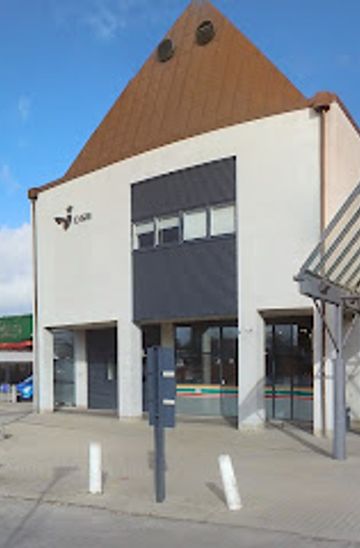
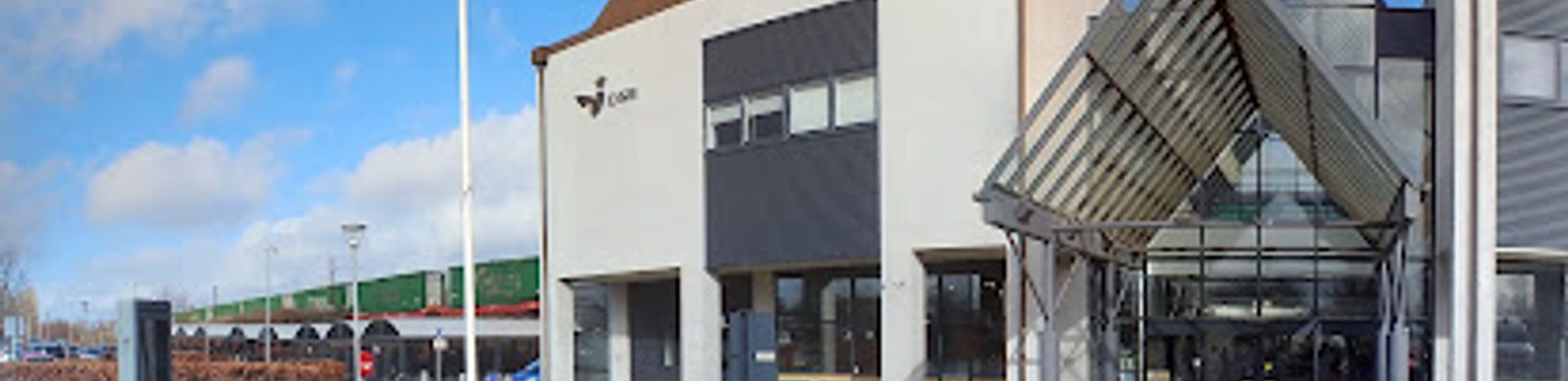
Nyborg Station is the modern rail gateway to the historic town of Nyborg on eastern Funen. Set just east of the old center, this busy hub sits on Denmark’s key Copenhagen–Fredericia line, with frequent InterCity and regional trains across the country. A late-19th-century brick station building houses a convenient 7‑Eleven, ticket machines, waiting areas, restrooms, and step-free access, while an adjacent bus terminal, extensive parking, and generous bike facilities make it an easy, practical base for exploring Funen and beyond.
A brief summary to Nyborg St.
- Banegårdsalleen 100, Nyborg, 5800, DK
- Click to display
- Duration: 0.5 to 1.5 hours
- Free
-
 Mixed
Mixed
- Mobile reception: 5 out of 5

Know before you go
Hi, I'm Eve. Here are a few practical things to know before exploring Nyborg St..
- Arrive 10–15 minutes before departure to buy or collect tickets, use the restrooms, and navigate lifts or stairs calmly to the correct platform.
- Use the 7‑Eleven in the station hall to stock up on drinks and snacks, especially for InterCity journeys that do not have full catering.
- If you are cycling, take advantage of the extensive bike parking and locked facilities, ideal for leaving a bicycle while you travel for the day.
- On windy or cold days, wait inside the concourse or waiting room until just before boarding; platforms can feel exposed due to the coastal climate.
- Combine your rail journey with a short walk into Nyborg’s historic center to see the castle and waterfront before returning to catch your train.
Do you manage this location?
Take control to get all the benefits, like improved information, better appearance, and stronger visibility across AI-powered discovery. Learn more
Activate your presenceOther nearby places you may find interesting

Getting There
-
Regional train from Odense
From Odense, take a regional DSB train towards Copenhagen or Nyborg. Trains typically run several times per hour, and the journey to Nyborg Station takes around 15–20 minutes. A standard adult single ticket usually costs in the range of 40–80 DKK depending on ticket type and discounts. Trains are generally accessible with level boarding or minimal gaps, and there is no need to reserve seats. Services operate throughout the day, though late evening frequencies may be lower.
-
InterCity from Copenhagen
From Copenhagen Central Station, board an InterCity or InterCityLyn train towards Odense or Jutland that stops at Nyborg. Typical journey time is around 1 hour 10–20 minutes, with departures often every 30–60 minutes. Standard adult single fares commonly range between 170–270 DKK depending on flexibility and time of purchase. All trains have designated spaces for luggage and offer step‑free access via low platforms or ramps, but it is wise to allow extra time at Copenhagen for finding the correct platform.
-
Car from Odense and western Funen
Drivers coming from Odense or towns further west on Funen can follow the main east–west road network towards Nyborg and then continue to the station area near the town’s eastern side. Travel time from Odense is typically 25–35 minutes depending on traffic. Parking at or near the station includes a large park‑and‑ride area with many spaces; some areas may have time limits or payment requirements, so always check local signage. In busy commuter periods, allow extra time to find a space and walk from the car park to the station building.
-
Local bus within Nyborg and nearby towns
Local and regional buses serve Nyborg Station from residential districts and nearby communities on Funen. Journey times within the town are usually 5–15 minutes, while routes from neighboring villages take longer. Single bus tickets in the region typically cost in the range of 20–40 DKK depending on zones and distance. Buses generally have low floors and space for prams and wheelchairs, but service frequency can be lower in evenings and on weekends, so it is advisable to check current timetables in advance.
For the on-the-go comforts that matter to you
-
 Restrooms
-
 Drink Options
-
 Food Options
-
 Seating Areas
-
 Trash Bins
-
 Information Boards
Discover more about Nyborg St.
Railway Heart of Eastern Funen
Nyborg Station anchors the eastern edge of Nyborg, a compact coastal town facing the Great Belt. It sits on one of Denmark’s most important railway axes, the Copenhagen–Fredericia line, making it a natural interchange between Zealand, Funen, and Jutland. Trains glide in and out throughout the day, linking Nyborg directly with Copenhagen, Odense, and the rest of the national network.The station feels like a threshold between small-town Denmark and the wider country. Step outside and you are only a short walk from residential streets, local shops, and the town’s waterfront, yet the departure boards hint at journeys stretching across islands and bridges.Layers of Railway History
Railway heritage runs deep here. Nyborg’s first station opened in 1865 as the eastern end of the Funen Main Line and quickly became a key link in the ferry connection across the Great Belt. For decades, trains rolled down to the harbor where rail ferries carried coaches over to Zealand, creating one of the classic Scandinavian rail–sea routes.As traffic grew, new station sites were developed closer to the water and additional branch lines radiated from Nyborg, connecting inland market towns. The present station building dates from 1891, designed in robust red brick by architect Thomas Arboe, who shaped many Danish railway landmarks. In 1997, with the opening of the Great Belt Bridge’s rail section, the focus shifted from ferries to fast through-trains, and Nyborg’s role evolved into a modern bridgehead station.Architecture, Platforms, and Everyday Rhythm
The main building blends late-19th-century detailing with straightforward functionality: gabled roofs, tall windows, and decorative brickwork framed around wide doors and covered entrances. Inside, a bright concourse leads you to ticket machines, the combined DSB 7‑Eleven store, and clear signage to the platforms.Outside, multiple tracks and island platforms are connected by lifts and stairs, keeping movement relatively step-free and practical for travelers with luggage, strollers, or wheelchairs. Overhead, the hum of electric trains, the chime of announcements, and the occasional gust of wind from the nearby Great Belt create a distinctly Scandinavian station atmosphere.Services, Comfort, and Practical Details
Despite its modest size, Nyborg Station is well equipped for everyday use. The 7‑Eleven offers snacks, coffee, and simple meals from early morning into the evening, ideal for commuters dashing to an InterCity departure. Vending machines supplement the shop, and heated indoor waiting areas provide shelter on cold, blustery days.Paid restrooms, including accessible facilities, are available within set hours, and the forecourt is lined with bike racks, including locked parking for regular riders. A large car park with close to a thousand spaces makes park‑and‑ride commuting straightforward, while a bus terminal just outside the station gives easy connections to other parts of Nyborg and regional destinations on Funen.Gateway to Nyborg and the Great Belt
For travelers, Nyborg Station is more than a transit point; it is an efficient springboard into a town shaped by castles, coastlines, and the Great Belt crossing. From here, it is simple to reach Nyborg Castle, the old streets of the historic center, or the waterfront promenades overlooking the bridge.At peak hours, the station pulses with commuters crossing between islands; at quieter times, it takes on a calmer character, with long pauses between trains and the soft sound of wind across the platforms. Whether you are embarking on a cross-country journey or pausing en route, Nyborg Station offers a practical, well-organized slice of Danish rail life.Explore the best of what Nyborg St. has to offer













More about Funen
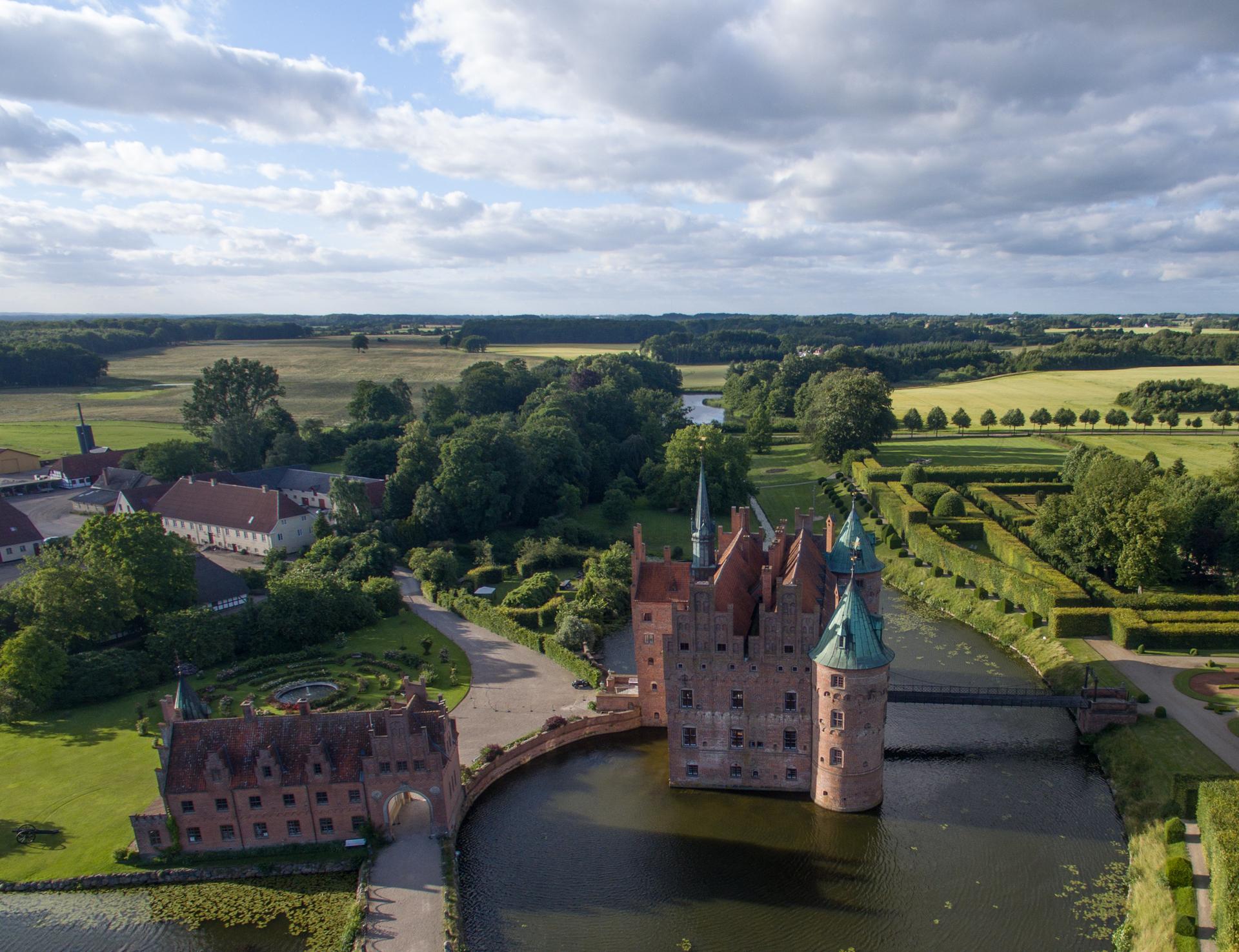
Discover Funen, Denmark's lush island treasure, where fairy tales come to life amidst scenic landscapes, historic castles, and vibrant cultural heritage.
Tell me more about Funen