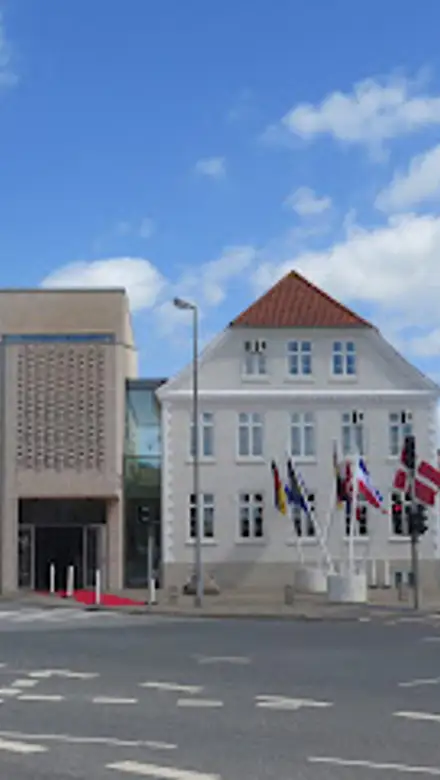
Deutsches Museum Nordschleswig, Sønderborg Travel Guide
Free Guide: Modern, interactive museum in Sønderborg exploring the history, culture and identity of the German minority in Northern Schleswig.


A brief summary of Deutsches Museum Nordschleswig
Modern, interactive museum in Sønderborg exploring the history, culture and identity of the German minority in Northern Schleswig.
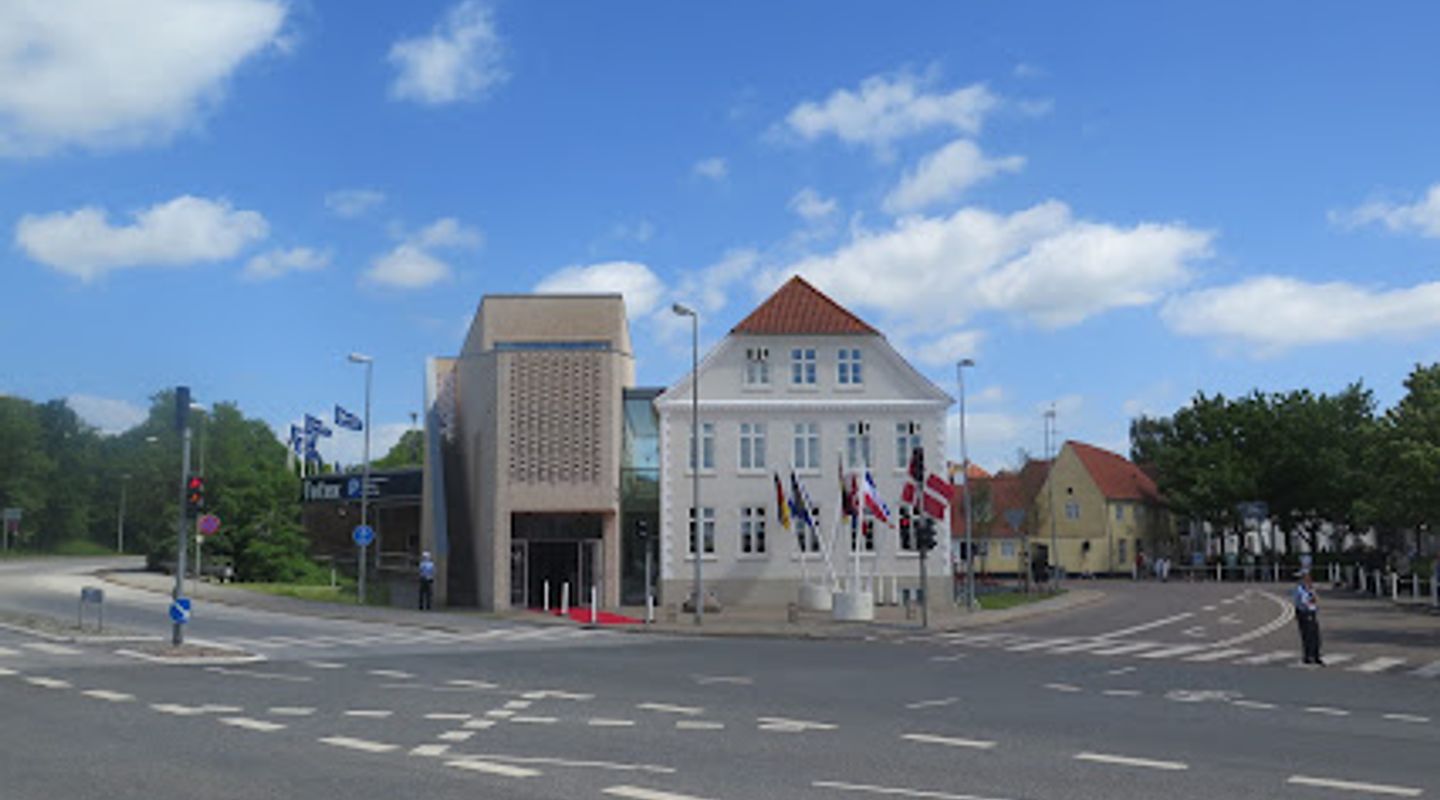
Deutsches Museum Nordschleswig in Sønderborg is a modern cultural history museum dedicated to the German minority in Northern Schleswig. Across bright, recently renovated galleries, interactive media, original objects and personal stories trace life in this Danish–German borderland from the 19th century to today. Exhibitions explore language, school life, politics, everyday culture and identity, inviting you to reflect on what it means to belong in a shared, multilingual region.
On-site amenities
 Restrooms
 Drink options
 Drinking water
 Food options
 Seating areas
 Trash bins
 Information boards
 Visitor centre
Opening hours
- Mon10 am–4 pm
- TueClosed
- Wed10 am–4 pm
- Thu10 am–4 pm
- Fri10 am–4 pm
- Sat10 am–4 pm
- Sun10 am–4 pm
Opening hours as listed on the venue’s Google Business Profile. Hours can change for services and special events, so check with the venue before you go.
- Address
- Rønhaveplads 12, 6400 Sønderborg
- Phone
- Website
Getting there
Train and walking from Flensburg
Regional bus within Sønderborg area
Car from Aabenraa and surroundings
Cycling in and around Sønderborg
Discover more about Deutsches Museum Nordschleswig
A window into a shared borderland
Deutsches Museum Nordschleswig sits in central Sønderborg, yet its focus stretches across the whole Northern Schleswig region and more than a century and a half of history. The museum explores the story of the German minority in Denmark after 1850, when shifting borders and loyalties reshaped this corner of Europe. Rather than retelling well-known national narratives, it concentrates on everyday experiences: families, clubs, churches and schools that maintained a German identity while living in a Danish state.The building itself has been thoroughly renovated, giving the exhibitions a fresh, contemporary setting. Light-filled rooms, clear signage and generous seating areas make it an easy place to linger, even if you are not already familiar with the region’s past.
Living history of the German minority
Inside, the museum presents a rich collection of documents, photographs, objects and multimedia installations that trace how the German minority organized itself in cultural, social and political life. Themes such as language, education, associations and media show how identity is formed in everyday routines as much as in big political events.Displays introduce key turning points: the wars of the 19th century, the 1920 border plebiscite, the upheavals of the Second World War and the post-war decades of normalization and cooperation. Throughout, the perspective remains that of the minority itself, making the museum a valuable counterpart to broader Danish and German historical institutions.
Interactive storytelling and modern design
The permanent exhibition stretches over multiple levels and uses modern exhibition techniques to keep complex topics accessible. Objects sit alongside audio recordings, short films and touchscreens, allowing you to follow individual biographies or dive deeper into a particular era. Interactive quiz elements and digital stations encourage you to test what you have learned about language rights, schooling or cross-border cooperation.Carefully designed graphics and clear timelines help situate Nordschleswig within European history, while still keeping the focus on local experiences. Many elements are multilingual, reflecting the bilingual reality of the region and making the content easier to follow for both Danish- and German-speaking visitors, as well as international guests with some English.
Identity, memory and dialogue
Beyond presenting historical facts, the museum invites you to reflect on what identity means in a border region today. Exhibits raise questions such as whether Danish and German identities exclude or enrich one another, and how minority cultures can be preserved without becoming isolated. Personal testimonies and contemporary materials show how traditions, festivals and institutions of the German minority have evolved into the 21st century.Temporary events, talks and special projects deepen this focus on dialogue and cultural understanding. The museum functions as a meeting place where history is used to explore present-day coexistence, making it as much about the future of the region as about its past.
A compact, rewarding museum visit
The museum’s manageable size makes it easy to visit in a few hours without feeling rushed. Clear thematic zones allow you to choose whether to follow the entire chronological route or concentrate on specific topics such as school life, cultural associations or political representation. Thoughtfully placed rest areas give you space to absorb what you have seen.Located near other sights in Sønderborg, it fits naturally into a wider exploration of the town and its waterfront. For anyone interested in European borderlands, minority rights or the Danish–German relationship, Deutsches Museum Nordschleswig offers a concise yet nuanced introduction that stays with you long after you leave.
Evendo Review Centre
 Google
Guest reviews
Best time to go
Quietest: Jan, Feb & Dec · before 8am or at 6pm or at 7pm
Busy times are Evendo estimates for a typical year, to help you plan. Actual crowds vary with events, school holidays and the weather.
Explore Deutsches Museum Nordschleswig on the map
A handpicked selection of must-see spots near Deutsches Museum Nordschleswig, mapped for you.
Get your free copy of our complete guide to Deutsches Museum Nordschleswig, delivered straight to you.
Everything on this page, from opening hours and how to get there to Eve’s tips and the best time to go, in one PDF you can read offline, print or share.
Already have an account? Sign in
Your Deutsches Museum Nordschleswig guide is ready.
We'll send it to · Not you? Sign out

Getting your guide ready…
We are putting together a fresh copy of the Deutsches Museum Nordschleswig guide. This can take up to a minute.
This can take a few moments. If your browser asks, choose Allow so the download can start. You'll find the guide in your Downloads folder.
Nothing happened? Download it again
Sorry, the guide is taking longer than usual. Please try again in a minute, or get it by email instead.
Other nearby places you may find interesting
The closest places of the same kind, if this one is not quite what you had in mind.
-
-
-
-
-


Swipe for more places
More to explore near Deutsches Museum Nordschleswig
-
 Best experiences near Deutsches Museum Nordschleswig
-
 Best hotels near Deutsches Museum Nordschleswig
-
 Best landmarks near Deutsches Museum Nordschleswig
-
 Best attractions near Deutsches Museum Nordschleswig
-
 Best shops near Deutsches Museum Nordschleswig
-
 Best restaurants near Deutsches Museum Nordschleswig
-
 Best bars near Deutsches Museum Nordschleswig


Do you manage this location?
Take control to get all the benefits, like improved information, better appearance, and stronger visibility across AI-powered discovery.
Explore more

Explore more of Sønderborg
Discover Sønderborg, Denmark's coastal gem, where history meets nature amidst stunning landscapes and vibrant cultural experiences.
Explore Sønderborg
Explore more of Denmark
Discover Denmark: A perfect blend of history, modern design, and the cozy concept of hygge. Explore vibrant cities, serene landscapes, and world-class cuisine.
Explore Denmark