Lysvang Vandtårn, Sonderborg Travel Guide
A modest 1930s water tower in a quiet Sønderborg neighborhood, blending industrial heritage, wartime stories and occasional panoramic views over town and fjord.
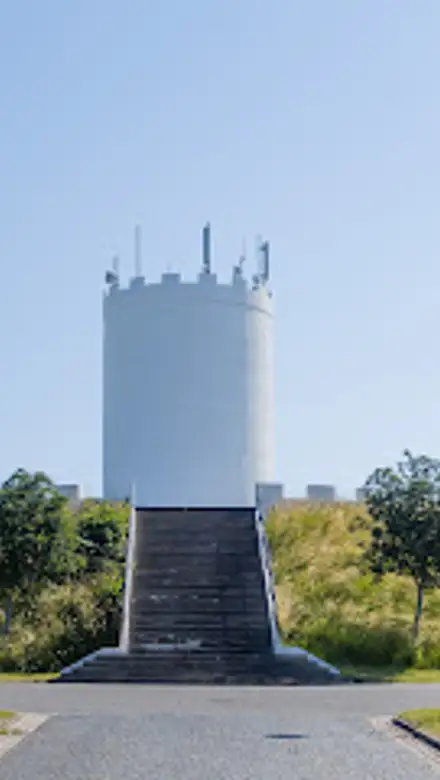
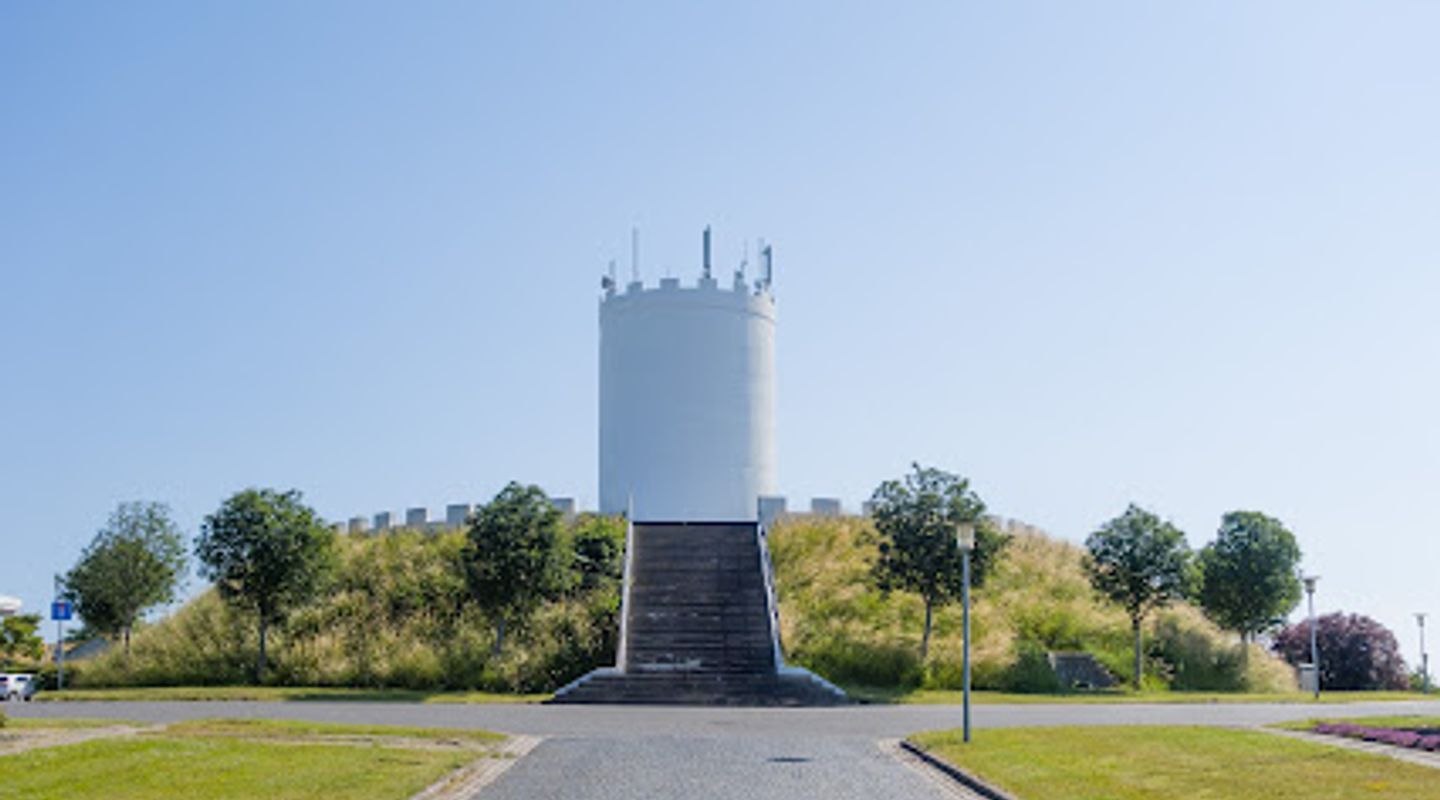
Lysvang Vandtårn, also known as Solvang Water Tower, rises above the residential quarter of Sønderborg as a modest but characterful industrial landmark. Built in its current form in 1936 and linked to the town’s waterworks history from the late 19th century, the 20 m tower and adjoining circular reservoir once secured clean drinking water and stable pressure for the growing town. Today it stands mostly closed, opening only on special days, when visitors can climb for wide views across red-tiled roofs, the fjord and the gently rolling South Jutland landscape.
A brief summary to Lysvang Vandtårn
- Lysvang 31, Sønderborg, 6400, DK
- Duration: 0.5 to 1 hours
- Free
-
 Outdoor
- Mobile reception: 4 out of 5

Know before you go
Hi, I'm Eve. Here are a few practical things to know before exploring Lysvang Vandtårn.
- Check local utility announcements or municipal event calendars in advance; public access to the tower interior and viewpoint is usually limited to special open days.
- If you are allowed to climb the tower, wear comfortable shoes for narrow stairs and bring a light jacket, as the interior can feel cool and slightly damp.
- Combine a stop at the tower with a stroll through the surrounding Solvang and Lysvang streets to photograph the tower from different angles among rooftops and gardens.
Do you manage this location?
Take control to get all the benefits, like improved information, better appearance, and stronger visibility across AI-powered discovery. Learn more about listing your business on Evendo
Activate your presenceOther nearby places you may find interesting
The closest places of the same kind, if this one is not quite what you had in mind.
Explore Lysvang Vandtårn on the Map
A handpicked selection of must-see spots near Lysvang Vandtårn, mapped for you.
Getting There
-
City bus from Sønderborg centrum
From central Sønderborg, use a local city bus line serving the Solvang or Lysvang residential area; typical journey time is 10–20 minutes depending on route and traffic. A single adult ticket usually costs around 20–30 DKK and can often be bought from ticket machines or via regional transport apps. Buses run more frequently on weekdays than in the evening or on Sundays, so check the timetable in advance. The walk from the nearest stop to the tower involves gentle residential streets and is generally suitable for most mobility levels.
-
Bicycle from central Sønderborg
Cycling from Sønderborg’s centre to Lysvang Vandtårn normally takes 10–20 minutes, using local streets and designated cycle paths where available. The route involves a gradual uphill section as you approach the tower’s elevated position but remains manageable for casual cyclists. Public bike racks are limited in the immediate vicinity, so be prepared to lock your bike to suitable street furniture without blocking pavements. This option is free apart from any bicycle rental cost you may have in town.
-
Taxi within Sønderborg
A taxi ride from the central harbour or railway station area to Lysvang Vandtårn typically takes about 10 minutes in normal traffic. Fares within Sønderborg for such a short urban trip usually fall in the range of 80–140 DKK, depending on time of day and waiting time. Taxis can be pre‑booked by phone or found at central ranks, but availability may be reduced late at night or on holidays. Drop‑off is normally possible on the residential street close to the tower’s entrance.
For the on-the-go comforts that matter to you
-
 Trash Bins
Discover more about Lysvang Vandtårn
An unassuming tower in a quiet Sønderborg neighborhood
Lysvang Vandtårn stands tucked into a calm residential area north of Sønderborg’s center, its pale shaft and rounded reservoir rising above low houses and gardens. From street level, you first notice the stout cylindrical base, topped by a ring-shaped tank building that reads more like solid architecture than pure infrastructure. Behind it, the slimmer tower section climbs to around 20 m, crowned by a small top structure that once housed the water tank and technical equipment.Although it is no longer critical to the daily water supply, the complex still belongs to the local utility and sits within a fenced compound, giving it a slightly off-limits, behind-the-scenes feel. Trees, grass and service buildings soften the industrial lines, so the site feels more like a pocket of working heritage than a polished attraction.From 1890s waterworks to 1930s modernisation
Sønderborg’s first waterworks at Lysvang dates back to the 1890s, when the town began laying pipes and building storage capacity to guarantee clean water and reliable pressure. Early structures on this hill laid the groundwork for what you see today. In 1936 the system was significantly modernised: the current Solvang water tower was constructed, combining a vertical tower with a larger circular ground-level reservoir capable of holding tens of thousands of litres of water.The tower’s 20 m height and 180 m³ tank volume were calculated to stabilise pressure across the growing town while giving engineers easier control over daily fluctuations. By lifting water above the rooftops, gravity rather than pumps did much of the work. This quiet piece of civic engineering helped underpin everyday life, from household taps to fire hydrants, long before anyone thought of water towers as photo subjects.Camouflage, conflict and a strategic silhouette
During the Second World War, Solvang Vandtårn unexpectedly became part of the region’s wartime story. Because its white silhouette stood out on the skyline, German authorities had it camouflaged to make it less visible from the air. Paint and netting helped break up its outlines, turning a purely functional structure into a minor defensive element in a heavily contested border region.Seen from today’s peaceful streets, it is easy to miss that history. Yet the very fact that such an everyday building had to be hidden underscores how exposed this hilltop position once was. For visitors interested in military history or in the shifting borders of Southern Jutland, the tower offers a tangible reminder of how infrastructure and conflict can intersect.A rare chance to climb for Sønderborg views
For most of the year, Lysvang Vandtårn remains closed, quietly doing background work for the water network. On selected open days, however, the local utility invites the public inside. Those events usually allow you to step into the circular reservoir building, see basic installations, and climb the internal stairs of the tower.From the upper levels, the reward is a surprisingly broad panorama. You can look out across the Solvang and Lysvang districts, trace the line of the fjord, and, on clear days, follow the contours of the South Jutland countryside towards fields, forests and wind turbines. The view is not as high as some classic observation towers, but the mix of rooftops, water and open land gives a satisfying sense of place.Architecture with understated 1930s character
Architecturally, Solvang Vandtårn reflects the stripped-down practicality of the 1930s. There is little ornament: smooth walls, simple window openings and a strong, circular geometry dominate. The lower round reservoir hall sits like a drum at the edge of the site, while the vertical tower behind it adds a clear, almost sculptural accent. Together they form a small industrial ensemble that can be appreciated from multiple angles as you walk around the surrounding streets.Subtle details reward a closer look, from joints and access hatches to railings and ladders silhouetted against the sky. The contrast between the utilitarian concrete forms and the soft greenery of gardens and trees around them makes the tower an appealing subject for photographers chasing unusual urban landscapes.A niche stop for the curious urban explorer
Lysvang Vandtårn is not a major sightseeing magnet; it is best suited to travellers who enjoy discovering the working layers of a town. It combines local history, modest engineering heritage and occasional access to a city view, all within a lived-in residential setting rather than a formal museum.Pairing a visit here with a walk through Sønderborg’s other water-related sites, such as the harbourfront and the older waterworks buildings elsewhere in town, helps round out the story of how this small coastal city has managed its most essential resource. For those with time and curiosity, the tower adds a distinct, quietly atmospheric chapter to Sønderborg’s urban narrative.












Your all‑in‑one travel companion app
Explore expert travel guides, compare and book tours, experiences, hotels, and more—all from the palm of your hand. Download now for seamless trip planning wherever your wanderlust takes you.


Explore More of Sonderborg
Looking beyond Lysvang Vandtårn? Discover Sonderborg for broader travel guides, local hot-spots, and regional highlights.
Explore Sonderborg
Pristine Danish beach with family-friendly waters, stunning sunsets, and a diving pier—perfect for seaside relaxation and photography.

Grassy amphitheatre and open-air stage, where Sønderborg’s quiet green slopes transform into a vibrant summer concert arena under the evening sky.