Panorama, Sonderborg Travel Guide
Historic windmill and museum overlooking the 1864 battlefield, Dybbøl Mill stands as a powerful monument to Danish resilience and a unique window into national history.
Set high on Dybbøl Banke with sweeping views over the countryside and fjord, Dybbøl Mill is a striking symbol of Danish national identity and remembrance. This historic windmill, heavily damaged during the 1864 war between Denmark and Prussia, now houses a museum dedicated to the dramatic events that unfolded on these very fields. Visitors experience authentic exhibits, artifacts, and panoramic landscapes that bear witness to one of Denmark’s most pivotal military chapters.
A brief summary to Panorama
- Strandvejen, Sønderborg, 6400, DK

Know before you go
Hi, I'm Eve. Here are a few practical things to know before exploring Panorama.
- Climb to the upper floors of the mill for panoramic views over the battlefield and Sønderborg's waterfront.
- Visit in spring or summer for live reenactments and seasonal outdoor activities.
- The ticket often covers both access to Dybbøl Mill and the nearby History Centre Dybbøl Banke.
- Parking is available near the entrance but is limited on busy days—consider local bus services if visiting during peak times.
Do you manage this location?
Take control to get all the benefits, like improved information, better appearance, and stronger visibility across AI-powered discovery. Learn more about listing your business on Evendo
Activate your presenceOther nearby places you may find interesting
The closest places of the same kind, if this one is not quite what you had in mind.
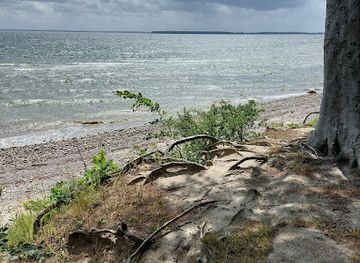
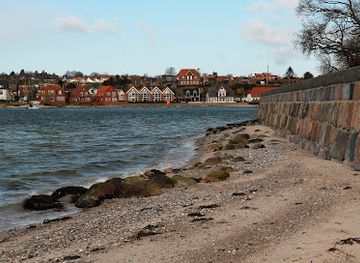
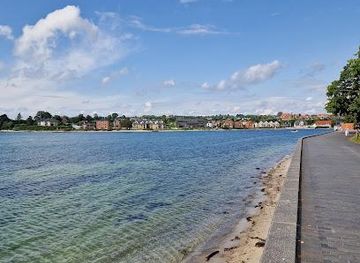
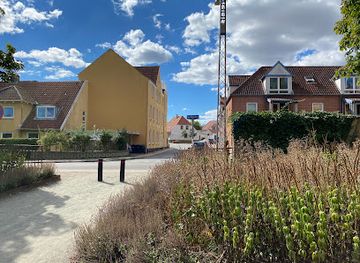
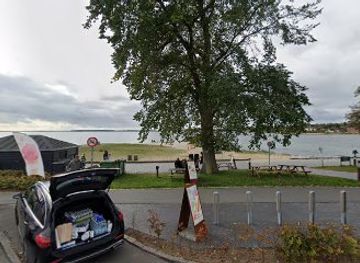
Explore Panorama on the Map
A handpicked selection of must-see spots near Panorama, mapped for you.
Getting There
-
Walking
From the heart of Sønderborg, it's a scenic walk of about 30–40 minutes, passing the water’s edge and through leafy neighborhoods as you gradually ascend the rolling ridge where the mill rises in clear view above the surroundings.
-
Public Transport
City buses from Sønderborg’s main station run regularly towards the Dybbøl Banke area, with journeys typically taking 10–15 minutes. A single ticket costs around 24 DKK for adults; from the nearest bus stop, the mill is signposted and visible atop the ridge.
-
Taxi
A taxi from the city center to Dybbøl Mill generally takes 8–12 minutes, with fares in the range of 90–130 DKK depending on traffic and time of day.
-
Driving
For drivers, parking is available adjacent to the mill, though spaces may fill quickly on weekends or event days. There are no tolls, and parking fees average 10–20 DKK per hour.
Discover more about Panorama













Your all‑in‑one travel companion app
Explore expert travel guides, compare and book tours, experiences, hotels, and more—all from the palm of your hand. Download now for seamless trip planning wherever your wanderlust takes you.


Explore More of Sonderborg
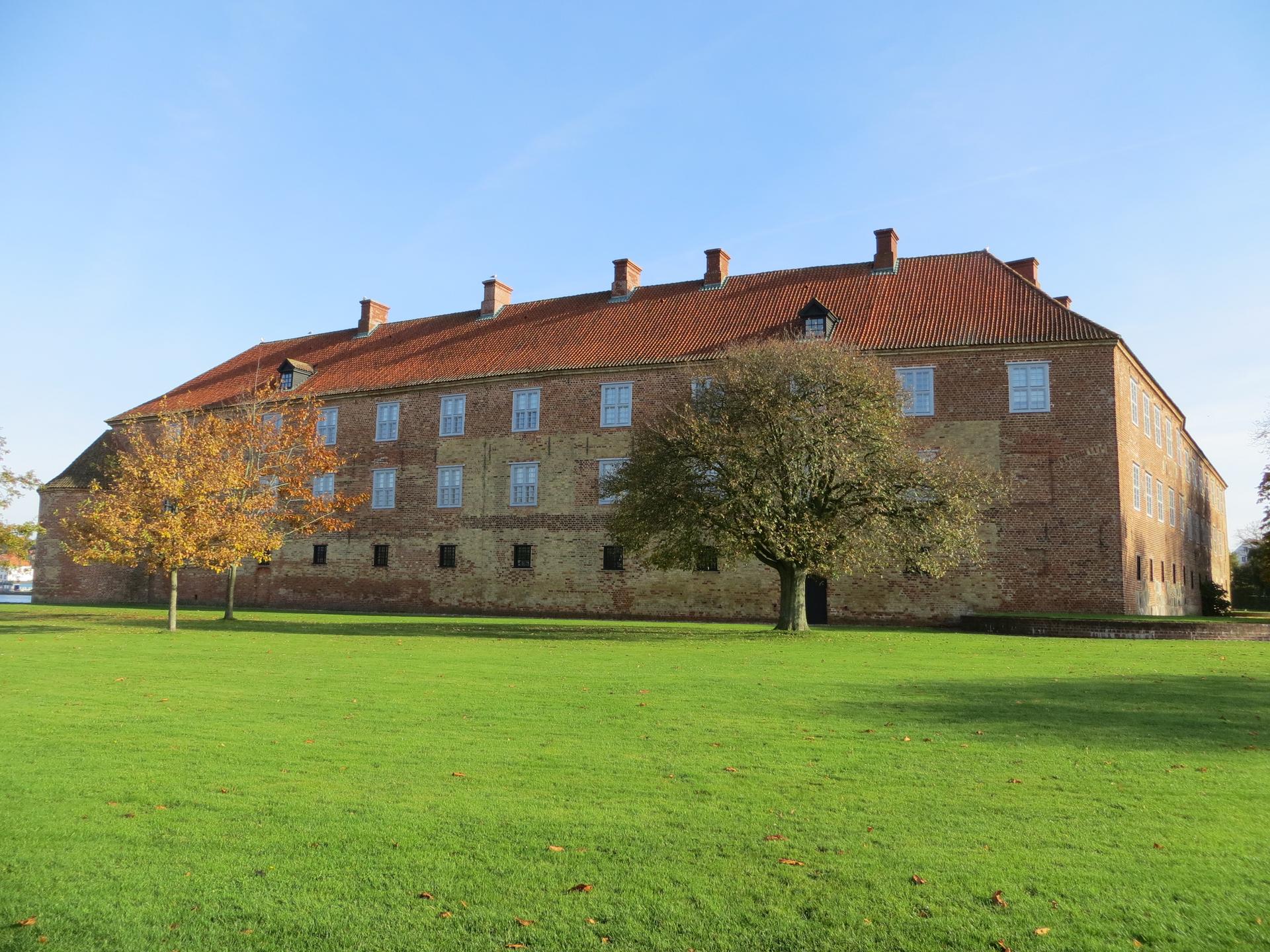
Looking beyond Panorama? Discover Sonderborg for broader travel guides, local hot-spots, and regional highlights.
Explore Sonderborg
Compact Baltic lighthouse on the tip of Kegnæs with far‑reaching sea views, quiet coastal paths and an atmospheric glimpse into Denmark’s maritime frontier.
A small coastal information board that opens the door to the historic Gendarmstien’s beach stage between Vemmingbund and Høruphav along the scenic shores near Sønderborg.