
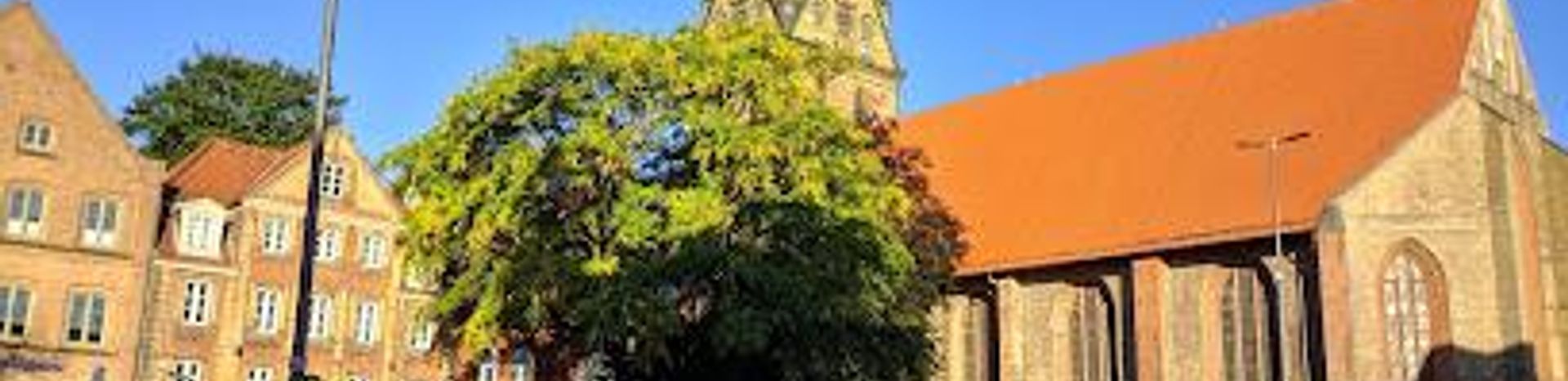
St. Nikolai Church, Flensburg
Brick Gothic grandeur, Baroque artistry and one of northern Europe’s most remarkable organs make St. Nikolai the spiritual and architectural heartbeat of Flensburg.
Rising above Flensburg’s Südermarkt, St. Nikolai is a striking brick Gothic hall church and one of the city’s defining landmarks. Built between the late 14th and 15th centuries, it offers a lofty nave supported by massive round pillars, a richly carved Baroque altar and a renowned Renaissance-Baroque organ unique in northern Europe. Open daily as an “open church for the city”, it is both a place of quiet reflection and a focal point for sacred music, set amidst the narrow streets and cafés of the historic centre.
A brief summary to St. Nikolai Kirche zu Flensburg der Ev.-Luth. St. Nikolai-Kirchengemeinde Flensburg
- Nikolaikirchhof 8, Flensburg, 24937, DE
- +494618400400
- Visit website
- Duration: 0.5 to 1.5 hours
- Free
-
 Indoor
- Mobile reception: 4 out of 5
- Monday 9 am-6 pm
- Tuesday 9 am-6 pm
- Wednesday 9 am-6 pm
- Thursday 9 am-6 pm
- Friday 9 am-6 pm
- Saturday 9 am-6 pm
- Sunday 9 am-6 pm
Local tips
- Visit during daytime opening hours to enjoy the church as a quiet retreat between exploring Südermarkt and the nearby harbour.
- Check ahead for organ recitals or choral services; hearing the historic organ in action adds a powerful extra dimension to your visit.
- Bring a light jacket even in summer—the thick brick walls keep the interior noticeably cooler than the streets outside.
- Allow time to walk around the exterior; from the market side you get the best view of the tall neo-Gothic tower and carillon.

For the on-the-go comforts that matter to you
- Restrooms
- Seating Areas
- Information Boards
Getting There
-
City bus from Flensburg ZOB
From Flensburg’s central bus station (ZOB), take any city bus line that stops at or near Südermarkt in the old town; services typically run every 10–20 minutes during the day and are covered by the standard Flensburg urban tariff, usually around €2–3 for a single adult ticket. The ride into the centre takes about 5–10 minutes depending on the line. From the Südermarkt stop it is a short, gently sloping walk over cobbled streets to St. Nikolai, suitable for most visitors but less comfortable for narrow-wheeled buggies.
-
On foot from Flensburg main railway station
From Flensburg Hauptbahnhof, allow roughly 15–20 minutes to walk to St. Nikolai through the city centre. The route climbs gradually at first and then descends towards the historic market squares, mostly along paved sidewalks and pedestrian streets. The walk is straightforward but involves some inclines and cobblestones, so comfortable shoes are recommended; it is manageable for most people using wheelchairs or strollers with robust wheels.
-
Taxi within Flensburg urban area
Taxis in Flensburg provide a convenient option from the main station, harbourfront hotels or residential districts to the church, with typical journey times of 5–15 minutes depending on traffic. Within the urban area, fares generally range from about €10–20, with surcharges in late evening and on weekends. Vehicles can usually drop passengers close to Nikolaikirchhof; advise the driver that you are heading to the church by Südermarkt if you need a set-down point with minimal walking.
St. Nikolai Kirche zu Flensburg der Ev.-Luth. St. Nikolai-Kirchengemeinde Flensburg location weather suitability
-
 Any Weather
-
 Rain / Wet Weather
-
 Cold Weather
-
 Mild Temperatures
-
 Hot Weather
Discover more about St. Nikolai Kirche zu Flensburg der Ev.-Luth. St. Nikolai-Kirchengemeinde Flensburg
A brick Gothic landmark at the heart of Flensburg
St. Nikolai Church stands on Nikolaikirchhof, edging the lively Südermarkt, and has anchored Flensburg’s skyline for more than six centuries. The present three-aisled, seven-bay stepped hall church was raised in two main construction phases between around 1390 and 1480, using the warm red brick typical of Baltic Gothic architecture. Its tall volume, supported by hefty round pillars, creates a surprisingly spacious interior that contrasts with the compact streets and gabled houses outside. Dedicated to St Nicholas, patron saint of sailors and merchants, the church was funded by the city’s trading elite at what was then Flensburg’s second market square. In the early 16th century a free-standing wooden belfry was replaced by a substantial tower, later crowned with a neo-Gothic spire that pushes the total height close to 90 metres. Several times a day, the carillon high in the tower rings out across the old town, marking time for the markets, shops and harbour below.Reformation heritage and stories in stone
St. Nikolai is also an important site in the history of the Reformation in northern Germany. In December 1526, pastor Gerhard Slewardt preached here in the Lutheran tradition for the first time in Flensburg, earning him the local reputation as a reformer and making the church one of the early Lutheran strongholds in the region. From this pulpit, new ideas about faith, scripture and worship spread through the trading city and along its maritime routes. Over the centuries the church has survived fires, storms and changing tastes. A devastating lightning strike in 1877 set the tower ablaze, destroying its interior and the then organ. The rebuilding that followed reshaped the spire in neo-Gothic fashion while carefully respecting the medieval brick base. Inside, layers of history coexist: late medieval structural forms, post-Reformation furnishings and later nineteenth-century additions sit side by side, turning the building into a readable chronicle of the city’s past.Baroque altar, carved details and sacred art
Stepping into the nave, your eye is immediately drawn down the long central aisle to the richly carved altar from the mid-18th century. Donated in 1749 by Margarethe Cäcilie Valentiner, it is a tall wooden Rococo structure with twisted columns, putti and trumpeting angels surrounding paintings of the Resurrection and the Last Supper. Allegorical statues personifying virtues such as Faith and Hope frame the scene, making the altar both a devotional focal point and a showpiece of northern Baroque craftsmanship. Elsewhere in the choir and along the arcades, you will find finely worked woodcarving on pulpit, pews and memorial tablets. A carved baptismal cover from 1722, suspended above the font, shows how local artisans blended religious symbolism with maritime and floral motifs. Light filtering through tall Gothic windows picks out these details, while the heavy brick piers and ribbed vaults maintain an atmosphere of solidity and calm.A unique organ and a living music tradition
At the opposite end of the church, the celebrated organ rises above the west gallery. Its historic façade by Hinrich Ringeringk fronts an instrument considered one of the most important Renaissance organs in northern Germany, later rebuilt in the Baroque period. Hidden behind the elaborate prospect are effectively two organs in one case, an arrangement that is rarely found elsewhere and prized by organists for its tonal possibilities. Music plays a central role in the church’s identity today. Regular services are shaped by choir singing and organ repertoire that make full use of the instrument’s layered sound. Concerts and special musical vespers draw listeners from well beyond Flensburg, turning the nave into a resonant hall where centuries of sacred music, from early chorales to modern compositions, find a fitting stage beneath the vaulted ceiling.Open church and quiet refuge in the old town
St. Nikolai describes itself as an open church for the city, and its doors are typically open daily from morning until early evening. Visitors of any faith, or none, are welcome to slip inside for a moment of silence, to light a candle or simply to sit and absorb the interplay of brick, wood and light. Occasional volunteers act as church stewards, ready to answer questions about art, history and theology, while discreet information material helps you interpret what you see. Outside, the small Nikolaikirchhof and neighbouring Südermarkt form an inviting urban ensemble of cobbles, façades and market stalls. Between errands or sightseeing in the surrounding streets and harbourfront, the church offers a nearby refuge from wind, rain or summer bustle. Whether you come for its architecture, its music or its contemplative atmosphere, St. Nikolai remains one of Flensburg’s most characterful spaces.Iconic landmarks you can’t miss

Foundation country Schäferhaus
4.1 km
Explore the serene beauty of Foundation country Schaeferhaus, a nature preserve in Flensburg, perfect for relaxation, education, and wildlife observation.
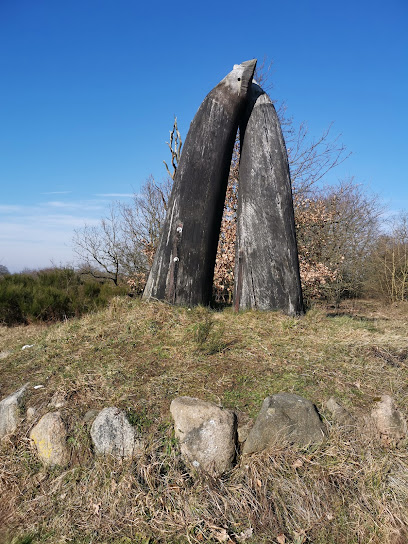
Genforeningsmærke på Dybbøl Skanse II
24.1 km
Memorial marker honoring Danish reunification and the 1864 battle's fallen defenders on a historic fortification site.
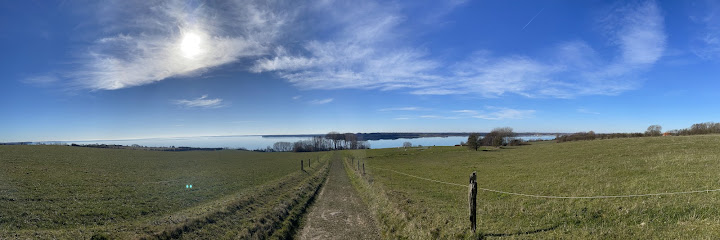
Befrielsessten i Vester Sottrup
24.3 km
A quiet stone marking Denmark's liberation and Vester Sottrup's wartime legacy.
Tysk skanse X
24.5 km
Stille jordvolde på Dybbøl Banke, hvor en tysk skanse fortæller om tiden efter 1864 og fæstningsringen, der engang omklamrede Sønderborg.
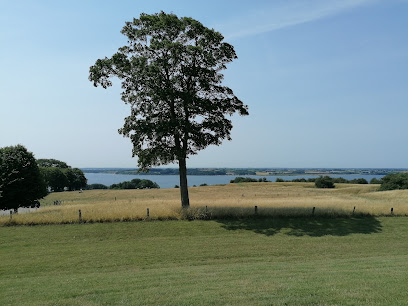
King's Redoubt
24.5 km
A preserved 1864 military fortress symbolizing Danish resilience and regional heritage.

Mindesten for Røde Kors
24.5 km
A quiet memorial to the world's first Red Cross observers amid Denmark's most historic battlefield.
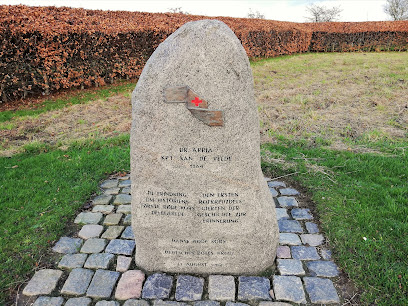
Windmill
26.4 km
Denmark's iconic windmill and national symbol of resilience, rebuilt after war and transformed into a living museum of history.
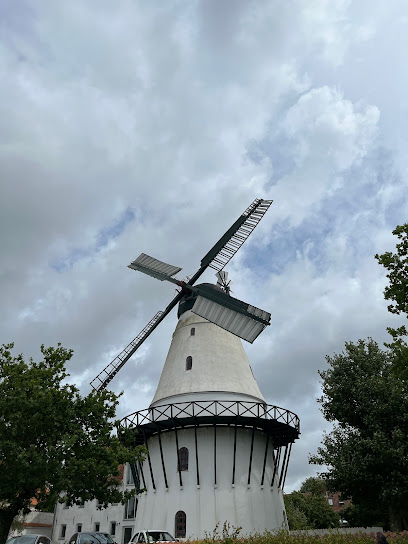
Iskonditoriet
26.4 km
Byparkens Legeplads in Roskilde fuses creative play equipment and green park scenery for a free, family-friendly experience in the heart of the historic Danish city.
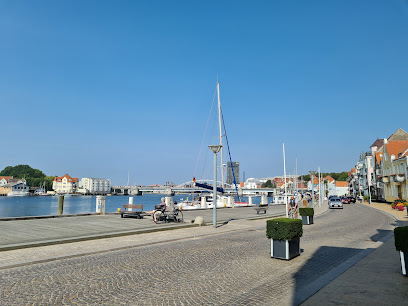
Papirgalleriet v/Gitte Kristjansen
26.6 km
A vibrant family-friendly playground in central Roskilde, Byparkens Legeplads offers open-air fun, creativity, and relaxation in the heart of the city’s beloved Byparken.
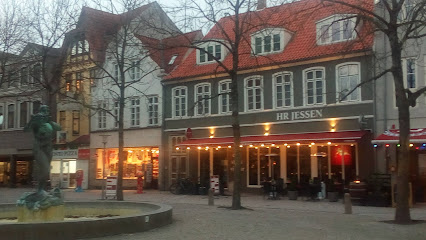
Memory stone
26.6 km
A modest monument on Sønderborg’s town-hall square, the Memory Stone offers a quiet pause for reflection amid the everyday bustle of this historic border town.
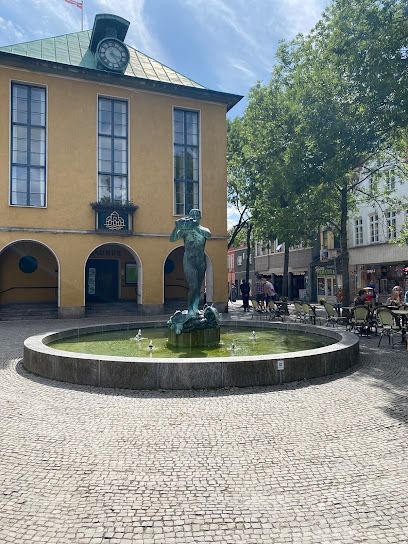
Gedenkstein für hingerichtete Widerstandskämpfer
26.7 km
Discreet harborfront memorial in Sønderborg honoring eleven young German sailors executed for mutiny in 1945, inviting quiet reflection on conscience and war.
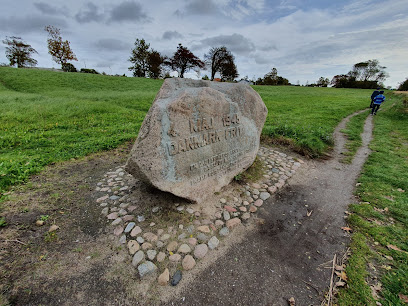
Sønderborg Kommunale Kommandocentral
27.0 km
Hidden beneath Kongevej lies Sønderborg’s former Cold War nerve center, an underground command bunker built to keep the city running in times of crisis.
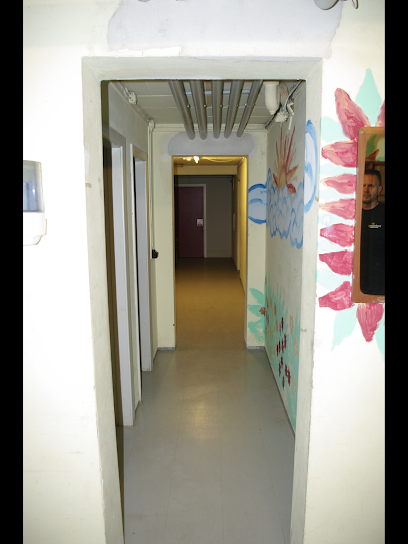
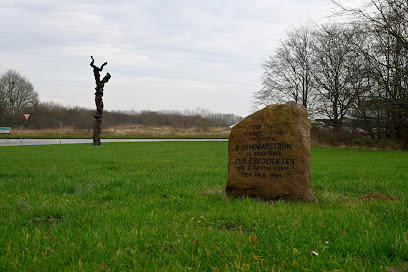
Mindesten for korporal Hammerström og konstabel Frederiksen
27.3 km
A modest stone on Sønderborg’s former shooting range honouring two fallen wartime servicemen, inviting a brief but powerful pause for remembrance and reflection.
Kriegerdenkmal
30.1 km
Discover the rich history of Schleswig at Kriegerdenkmal, a poignant monument honoring soldiers and their sacrifices in a serene, beautiful setting.
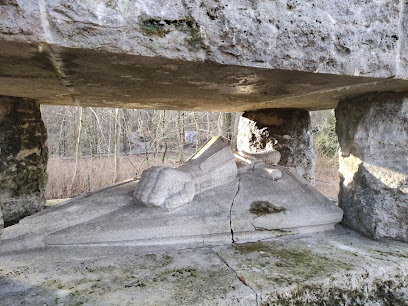
Schleswig Holstein Denkmal
30.6 km
Explore the historical significance and serene atmosphere of the Schleswig Holstein Denkmal, a must-visit heritage site in Schleswig.
Unmissable attractions to see

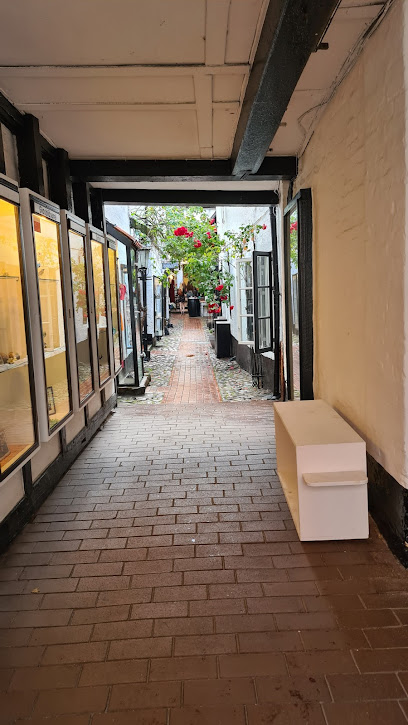
Historische Hinterhöfe
0.2 km
Uncover the charm of Flensburg's Historische Hinterhöfe, a captivating attraction with historic courtyards, local shops, and rich cultural experiences.
Museumsberg Flensburg
0.4 km
A hilltop twin museum where North German art, historic interiors and church treasures reveal the layered culture of the Flensburg border region.
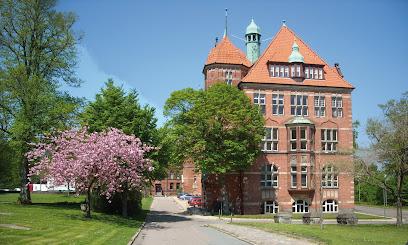
Istedløven
0.4 km
Explore Istedløven, Flensburg’s iconic lion monument, a symbol of valor and history amidst scenic surroundings.
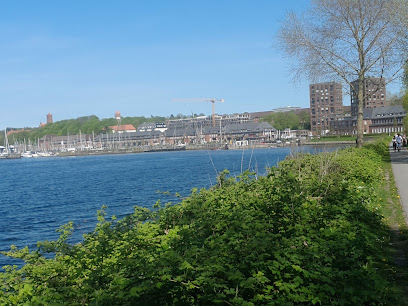
Flensburger Schifffahrtsmuseum
1.1 km
Explore Flensburg's rich maritime history at the Flensburger Schifffahrtsmuseum, where captivating exhibits and interactive displays await.
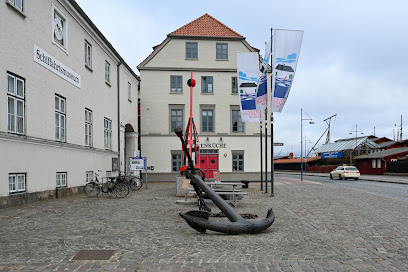
Museumswerft Flensburg gemeinnützige GmbH
1.2 km
Explore the maritime past at Museumswerft Flensburg, where shipbuilding history and cultural heritage meet in a stunning waterfront setting.
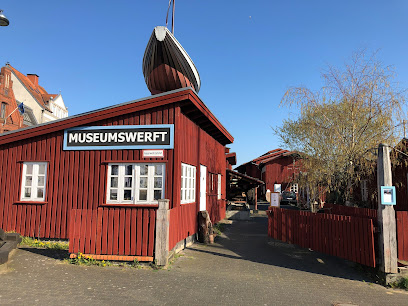
PHÄNOMENTA
1.4 km
Experience the magic of science at PHÄNOMENTA, Flensburg's interactive museum where learning meets fun for all ages.
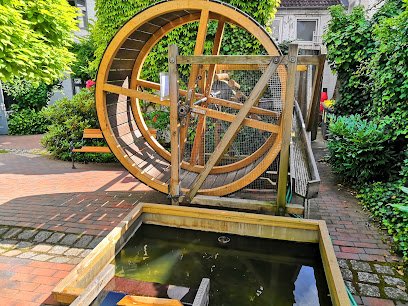
Nordertor
1.4 km
Discover the charm of Nordertor, Flensburg's historic landmark, a gateway to the city's medieval past and vibrant culture.
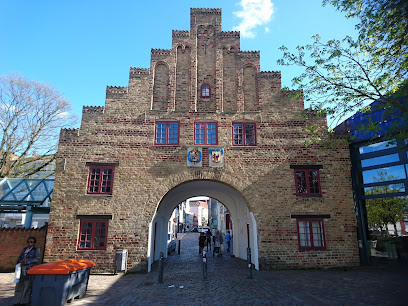
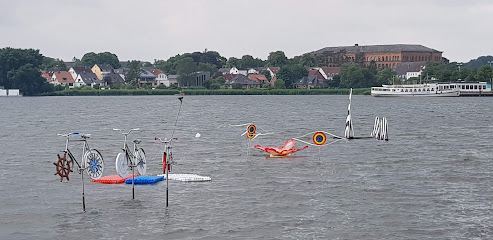
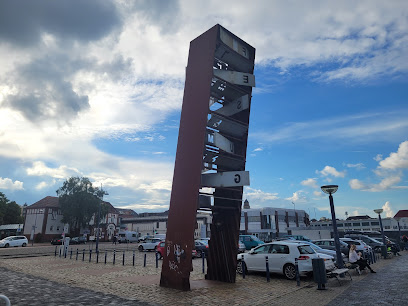
Flensburg kinetic sculpture
1.4 km
Experience the enchanting Flensburg kinetic sculpture—where art meets engineering in a stunning display of movement and creativity in the heart of the city.
Arnkielpark
7.2 km
Discover the serene beauty of Arnkielpark in Oeversee, Germany, a perfect state park for hiking, picnicking, and outdoor adventures.
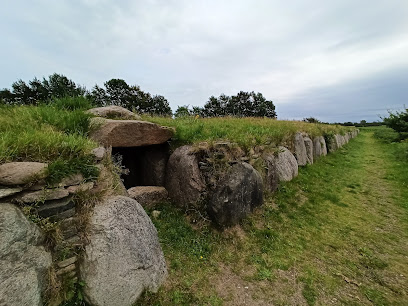
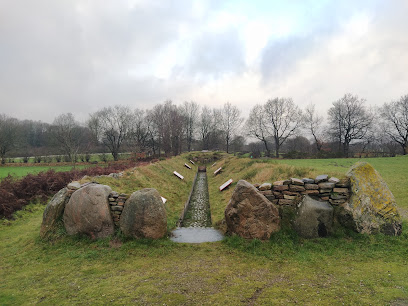
Langbett Munkwolstrup. Burial Chamber.
7.2 km
Unravel the ancient mysteries at Langbett Munkwolstrup, a captivating burial chamber in Oeversee, Germany, steeped in history and natural beauty.
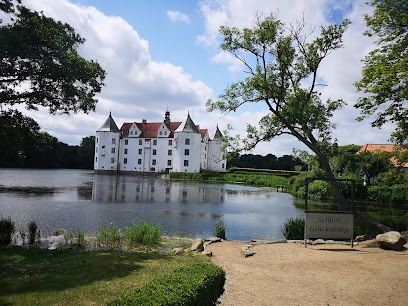
Glücksburg Castle
8.8 km
Explore the enchanting Glücksburg Castle, a 16th-century gem by the Baltic Sea, blending history, architecture, and natural beauty.
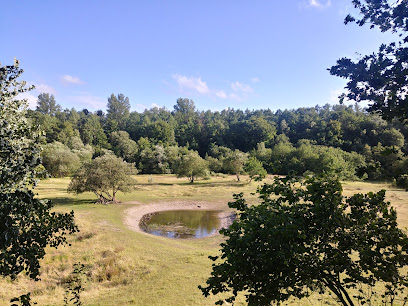
Fröruper Berge
11.3 km
Discover the scenic beauty and tranquility of Fröruper Berge, a premier hiking destination in Oeversee, Germany, perfect for nature lovers and outdoor adventurers.
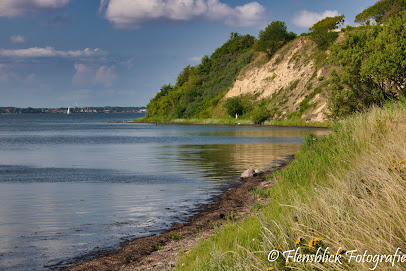
Halbinsel Holnis
14.3 km
Experience the serene landscapes and rich wildlife of Halbinsel Holnis, a tranquil nature preserve on the beautiful Baltic Sea coast of Germany.
Forfyr Rinkenæs
14.9 km
Step into Denmark’s history at Historiecenter Dybbøl Banke, where reconstructed fortifications and interactive exhibits bring the dramatic events of 1864 vividly to life.
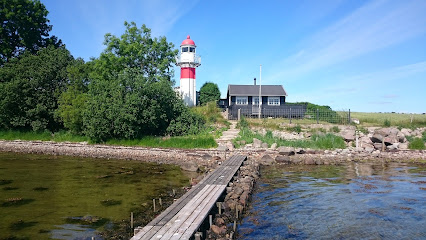
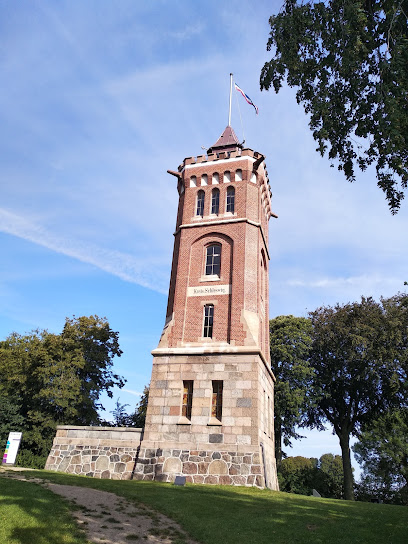
Bismarckturm Scheersberg
18.7 km
Bismarckturm Scheersberg: Discover a historical landmark with breathtaking views and serene nature in Northern Germany's Quern.
Essential places to dine

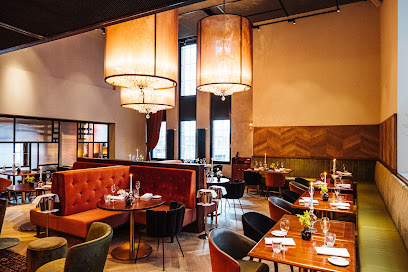
Das Grace
3.4 km
Experience culinary artistry at Das Grace with stunning waterfront views in Flensburg's finest dining establishment.
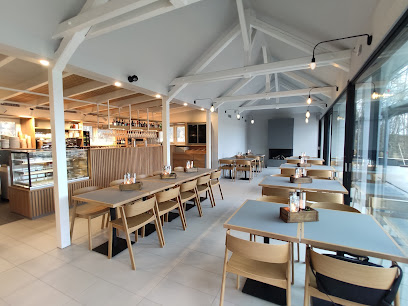
Restaurant Quellental
8.1 km
Experience exquisite German and Scandinavian cuisine at Restaurant Quellental in Glücksburg, with stunning views of the Baltic Sea.
Restaurant Bind
10.0 km
Michelin-starred Nordic cuisine in a historic fjord-side villa, where fresh ingredients and open-kitchen artistry meet modern hospitality.
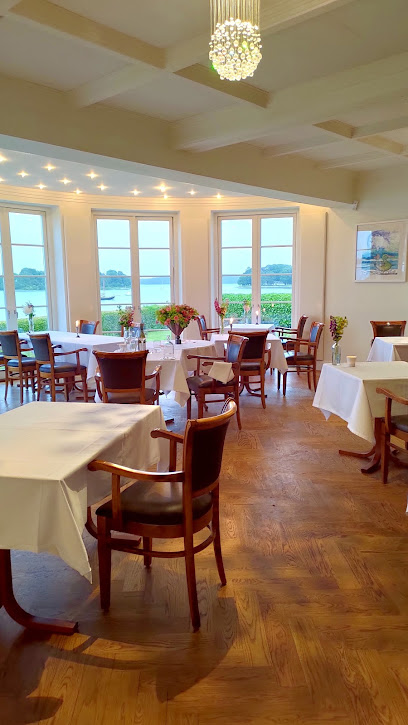
Den Gamle Skomager
18.5 km
Laid-back Danish bodega in central Gråsten, mixing hearty comfort food, cold beer and small-town hygge in a lived-in, locals-first setting.
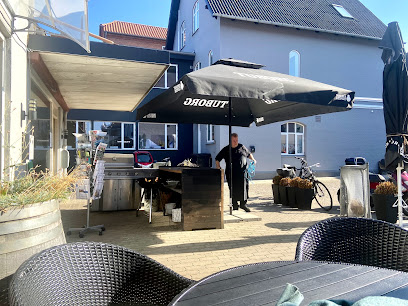
Den Gamle Kro
18.5 km
A traditional Danish inn in central Gråsten, blending nostalgic kro charm, hearty regional cooking and simple rooms a short stroll from the town’s royal castle.
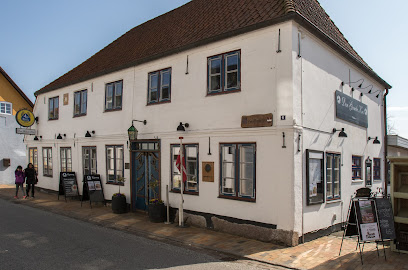
Byens Pizza & Grill Dybbøl - Sønderborg
25.7 km
Experience the best pizza, barbecue, and burgers in Sønderborg at Byens Pizza & Grill Dybbøl – where flavor meets comfort!
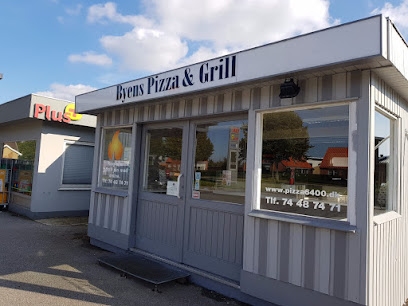
Restaurant Sundhalle V/Eva Iversen
26.2 km
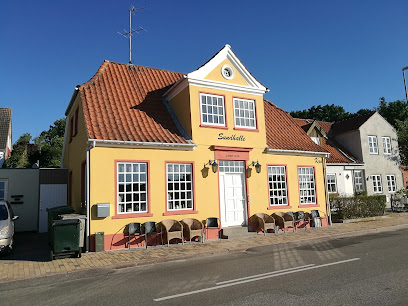
Relaxed harborfront restaurant in Sønderborg serving hearty Danish comfort food and pub classics in a cozy, down-to-earth bar atmosphere by the water.
Grey Ghost ApS
26.4 km
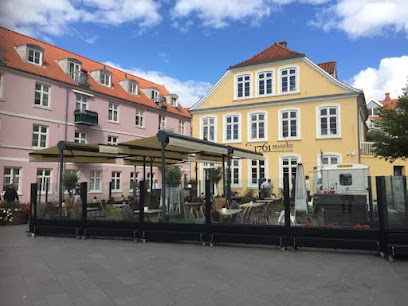
Candlelit Danish brasserie in Sønderborg’s old town, blending hygge, seasonal cooking and carefully chosen wines in a warm, intimate setting.
Karikatur Restaurant og Bar i Sønderborg
26.4 km
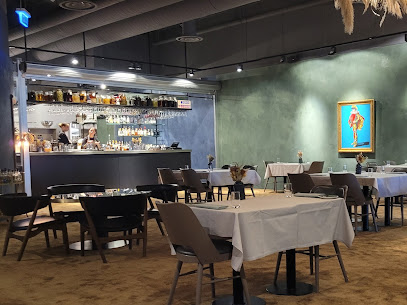
Modern Nordic plates and inventive cocktails come together in a clean-lined, harbor-close restaurant that anchors Sønderborg’s contemporary dining scene.
Biehl
26.4 km
Honest Danish comfort food in the heart of Sønderborg's main street.
Café Marina
26.4 km
Relaxed waterfront café at Sønderborg Marina, serving hearty brunches, seaside comfort food and drinks with wide‑open views of boats and the sheltered sound.
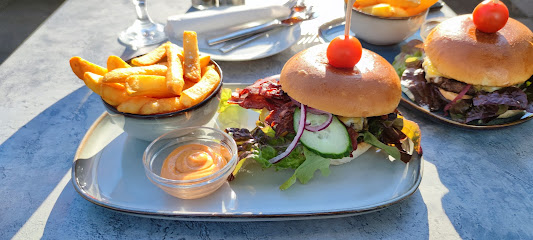
Restaurant Da Nico
26.4 km
Authentic Italian brick-oven pizza and homemade pasta in the heart of Sønderborg.
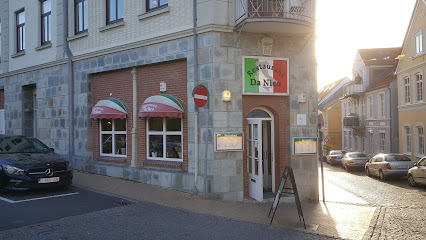
Bistro Grand Mère
26.4 km
Harborfront French bistro in Sønderborg, blending classic Gallic comfort dishes, thoughtful wines and a cozy green-paneled setting with views of the lively marina.
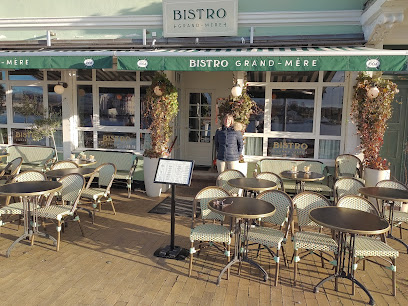
Fox And Hounds
26.4 km
Scottish-style gastropub in central Sønderborg, pairing hearty ribs, burgers and steaks with an expansive beer and whisky selection in a warm, wood-paneled setting.
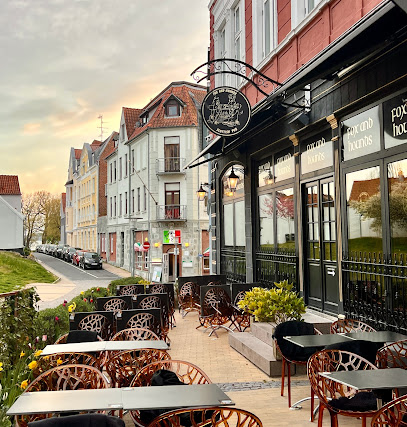
Restaurant Colosseum
26.5 km
Harbourfront Danish comfort food in a cosy, family-friendly setting with views over Sønderborg’s waterfront and a welcoming slice of Southern Jutland hygge.
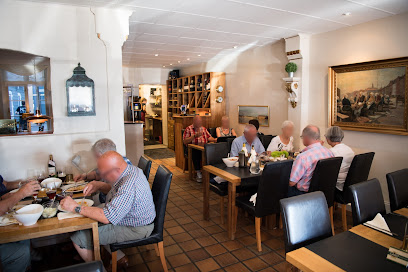
Markets, malls and hidden boutiques

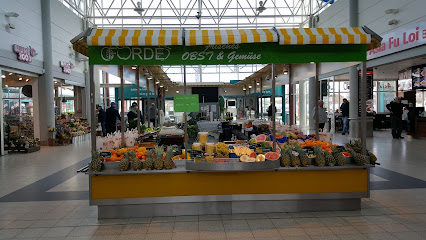
Förde Park
2.5 km
Discover the vibrant shopping experience at Förde Park, Flensburg's top destination for fashion, food, and family fun.
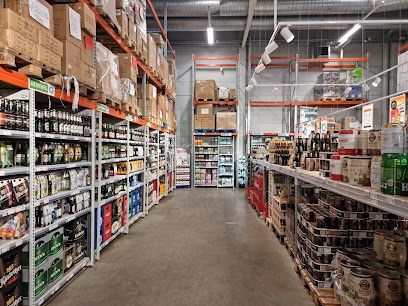
Scandinavian Park
6.4 km
Explore Scandinavian Park, a unique hypermarket near the German-Danish border offering diverse Scandinavian products and local delicacies.
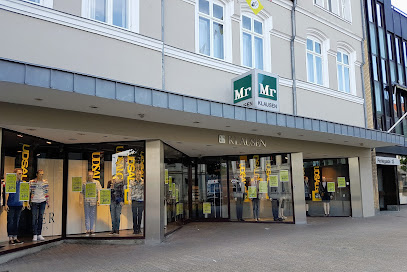
Mr Klausen Herre-og Drengetøj
26.7 km
Classic Danish mens- and boyswear on Sønderborg’s Perlegade, blending everyday essentials, occasion outfits and local Ringridning traditions in one friendly shop.
Twizt Fashion
26.7 km
Compact Danish fashion and lingerie boutique on Sønderborg’s main pedestrian street, combining everyday practicality with relaxed, personal service.
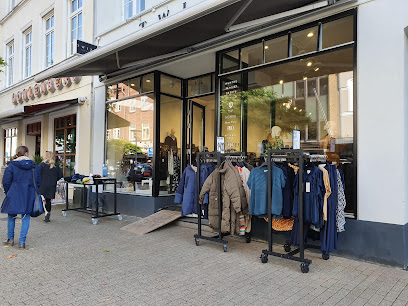
Jim P.
26.7 km
Curated fashion for discerning shoppers seeking distinctive style beyond the mainstream.
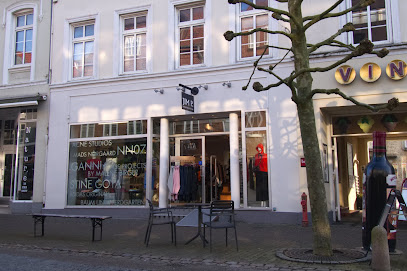
Viller
26.7 km
Independent women’s fashion boutique on Sønderborg’s main pedestrian street, blending Scandinavian style, curated brands and personal, one-to-one service.
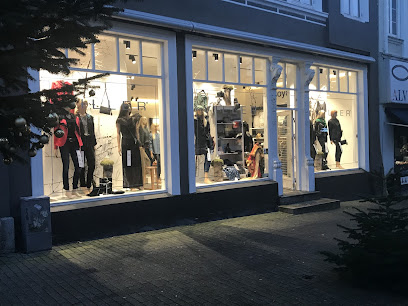
Normal
26.8 km
Bright, budget‑friendly beauty and everyday essentials in the heart of Borgen Shopping, perfect for quick top‑ups and casual browsing between Sønderborg sights.
JACK & JONES
26.8 km
Straightforward Scandinavian menswear in the heart of Borgen Shopping, ideal for denim, casual basics and smart-casual outfits under one convenient indoor roof.
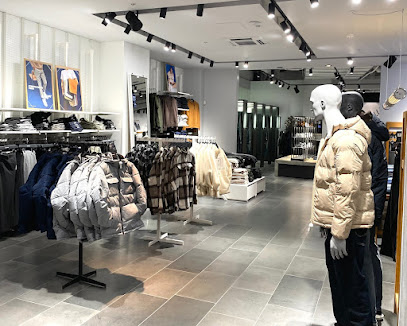
Zizzi - Sønderborg
26.8 km
Modern plus-size fashion for women in the heart of Sønderborg’s Borgen Shopping centre, combining Scandinavian style, generous sizing and friendly fit-focused advice.
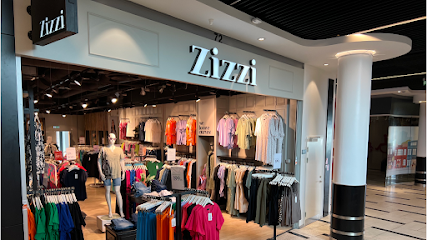
Borgen
26.8 km
Sønderborg's complete shopping experience: 40 stores, dining, cinema, and culture under one roof.
Tøjeksperten
26.8 km
Denmark's largest menswear chain brings premium brands and accessible style to central Sønderborg.
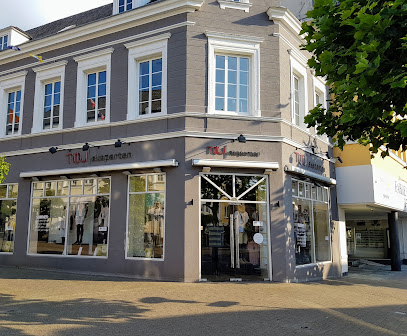
NEYE Borgen
26.8 km
Modern Danish bag and luggage specialist in Borgen Shopping, offering quality brands, expert guidance and everyday purchases that help fund cancer research.
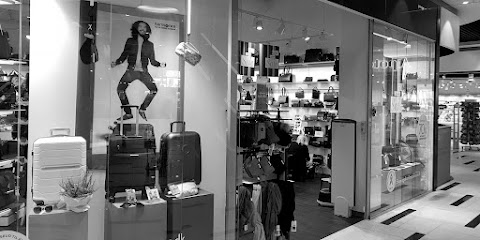
Gundtoft Sønderborg
26.8 km
Classic women's fashion since 1957, nestled on Sønderborg's charming pedestrian street.
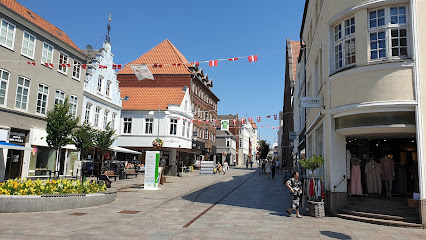
ONLY
26.8 km
Scandinavian high-street style, denim-focused collections and easy everyday fashion inside Borgen Shopping in the heart of Sønderborg.
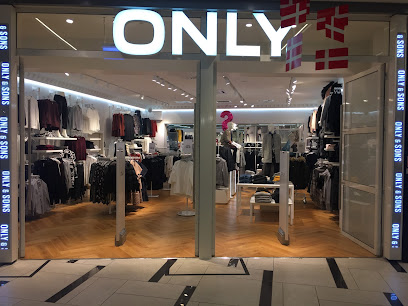
Kop & Kande
26.8 km
Welcoming Danish homeware and gift shop on Sønderborg’s main street, stocked with practical kitchen essentials, stylish tableware and thoughtful presents.
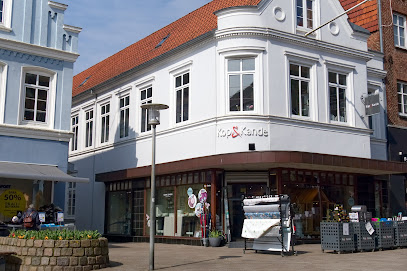
Essential bars & hidden hideouts

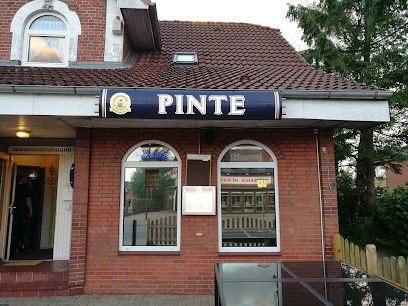
Pinte Tarp
13.5 km
Discover Pinte Tarp, a cozy bar in Tarp, offering an extensive drink selection and a welcoming atmosphere perfect for relaxation and socializing.
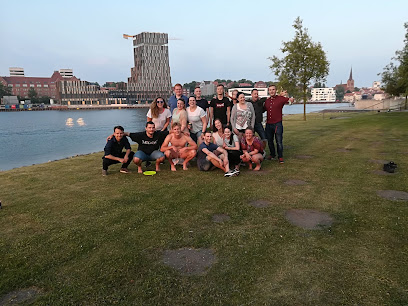
Caféen
26.3 km
Lively, low‑priced bar inside Sønderborg’s Alsion complex, where students and locals meet for music, dancing and late‑night drinks by the harbour.
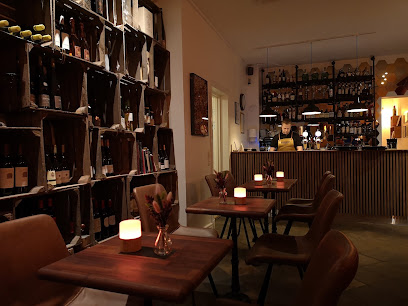
Visselulles Vinbar
26.4 km
Intimate waterfront wine bar showcasing world-class vintages and French-inspired ambiance in historic Sønderborg.
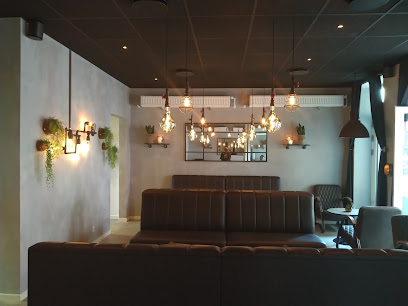
Nebula.dk ApS
26.5 km
Atmospheric shisha lounge and cocktail bar in Sønderborg’s historic center, offering intimate lighting, cozy seating and slow-paced evenings for adults.
Rabalder Bar - Sønderborg
26.5 km
Tiny in size but big on volume, Rabalder Bar Sønderborg packs sing‑along hits, simple drinks and late‑night energy into one compact old‑town party den.
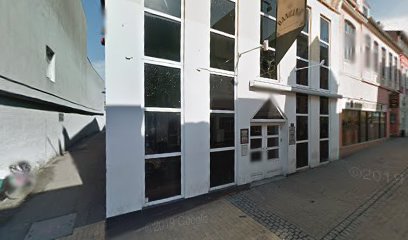
Penny Lane Sønderborg
26.5 km
Lively late‑night bar in central Sønderborg serving cocktails, beer and loud tunes from evening warm‑up to near‑club energy on weekend nights.
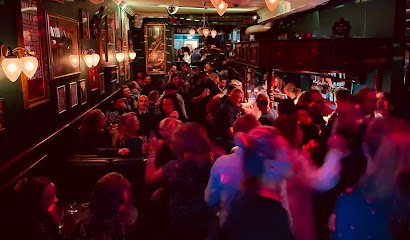
Freia Bar & Lounge
26.6 km
Harbourfront hotel bar with Nordic myth touches, crafted drinks and hygge-rich lounge seating overlooking Sønderborg’s Alssund and skyline.
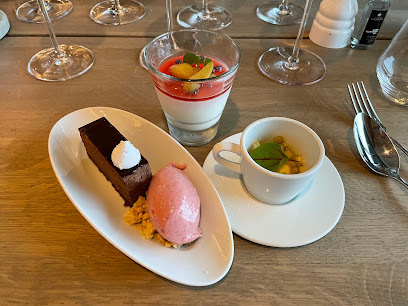
SKAAL Sønderborg
26.6 km
Modern craft beer bar and kitchen on Sønderborg’s main square, pouring rotating Danish brews and serving hearty comfort food in a stylish, urban setting.
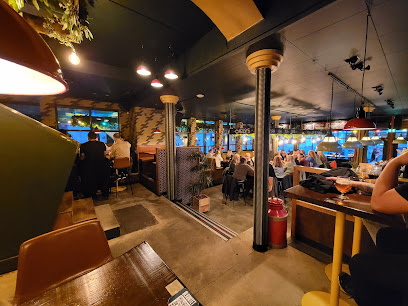
Old Danish Pub
26.6 km
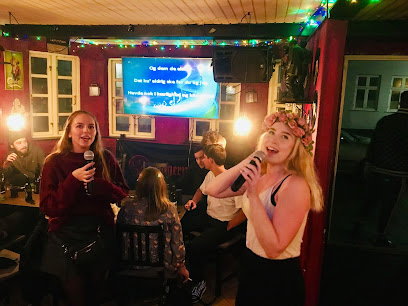
Classic hygge-filled pub near Sønderborg’s main square, with affordable drinks, games, sports on screen and lively karaoke evenings on two cosy floors.
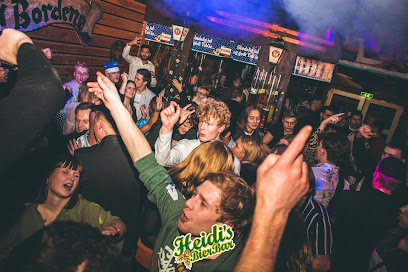
Heidi's Bier Bar Sønderborg
26.6 km
Loud alpine-themed beer hall and late-night party bar bringing après-ski energy, big steins and sing-along hits to Sønderborg’s central Rådhustorvet.
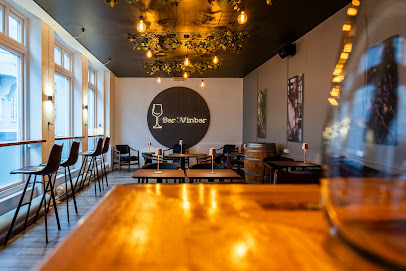
Bar' Vinbar
26.6 km
Central Sønderborg’s relaxed corner wine bar, pouring around 50 wines by the glass plus cocktails, coffee and light bites in a warm, informal atmosphere.
New Orleans Jazz I Sønderborg
26.7 km
Intimate, association-run jazz club in central Sønderborg, serving up New Orleans–inspired live music, close-up performances and a friendly, community atmosphere.
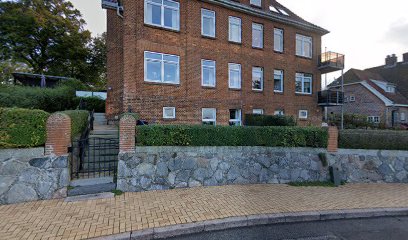
Gerrit's
26.7 km
Discover Gerrit's in Achtrup: a cozy bar where locals and tourists come together over refreshing drinks and warm hospitality.
Den Lille Vinbar
26.7 km
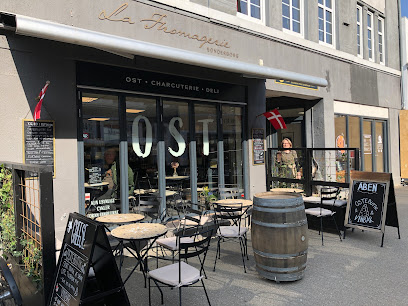
Cosy fromagerie-style wine bar on Perlegade, pairing carefully selected bottles with generous cheese tapas in an intimate, continental-feeling corner of Sønderborg.
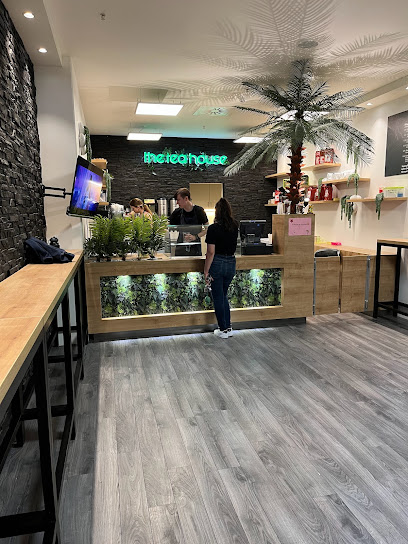
the tea house
26.8 km
South Jutland's premier bubble tea destination with customizable flavors and signature boba varieties.
Nightclubs & after hour spots

Dance All Over
25.4 km
Sønderborg’s sociable dance hub, where fitness, swing and party-ready moves come together in energetic, community-driven classes across the city.
Kaizen ApS
26.5 km
Compact disco-style nightclub in central Sønderborg, pulsing with late-night beats, colourful lights and a straightforward bar for an unpretentious night out.
Ela-Ela Schleswig
29.2 km
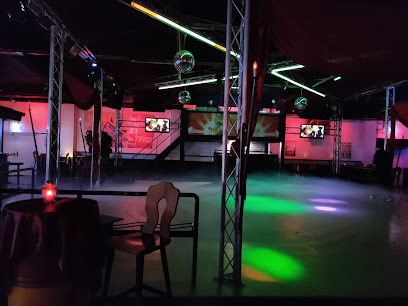
Discover the electrifying nightlife of Schleswig at Ela-Ela, where music and dancing come alive in an unforgettable disco experience.
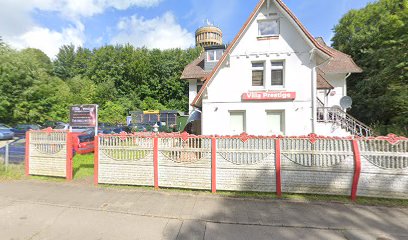
VILLA PRESTIGE Schleswig
29.8 km
Discover the vibrant nightlife at VILLA PRESTIGE Schleswig, a lively night club perfect for dancing and socializing until dawn.
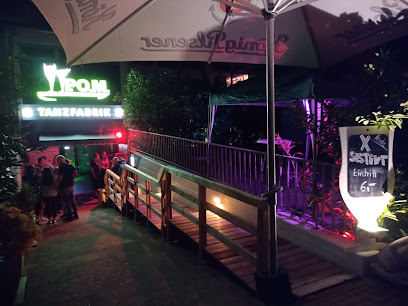
TANZ-FABRIK / Tanzlokal
30.8 km
Discover the vibrant nightlife of Schleswig at TANZ-FABRIK, where music and dance create unforgettable memories every Saturday night.
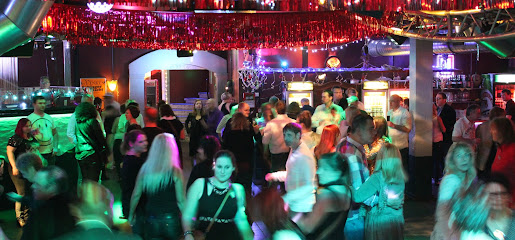
Discothek Vineta
34.4 km
Discover the lively nightlife of Busdorf at Discothek Vineta, where vibrant music and dancing await in a welcoming atmosphere.
Al Capone
40.0 km
Tønder’s intimate late-night nightclub, blending rustic bar vibes, mainstream dance tracks and a grown-up party crowd in the heart of the old town.

P2 Champagne & Cocktail Tønder
40.1 km
Intimate champagne and cocktail lounge bringing late-night sparkle and city-style glamour to the historic heart of Tønder.
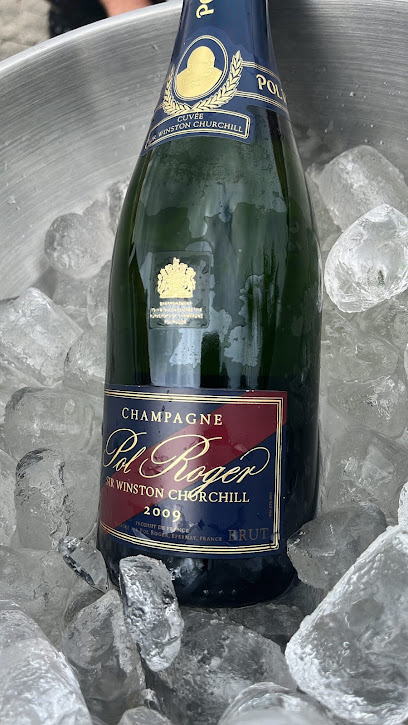
Cheyenne-Club
53.4 km
Experience the vibrant nightlife at Cheyenne-Club in Rendsburg, the ultimate disco club and restaurant for an unforgettable evening.
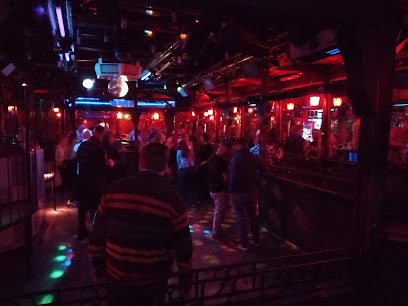
Ærø Golf Klub
53.5 km
Distinctive links course on Ærø’s northwest cape, blending historic lighthouse views, Nordic coastlines, and a classic Danish golfing challenge.
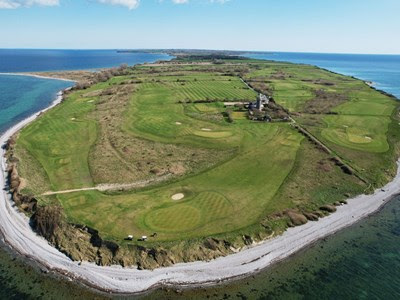
Markthalle Tellingstedt
63.0 km
Experience the vibrant nightlife at Markthalle Tellingstedt, a premier destination for music, dance, and unforgettable social interactions.
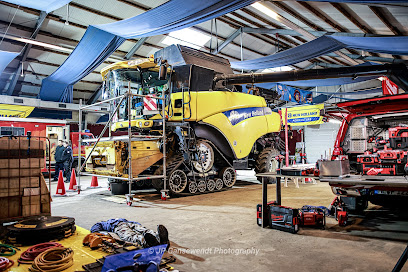
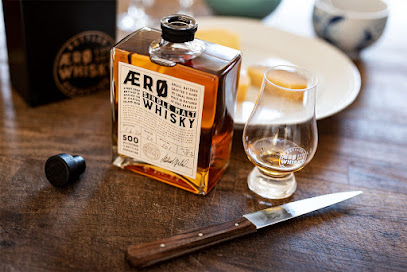
Ærø Whiskey Destilleri
63.5 km
Experience the artisanal charm of Ærø Whisky Distillery in Ærøskøbing, where local ingredients and traditional methods create unique island whiskies.
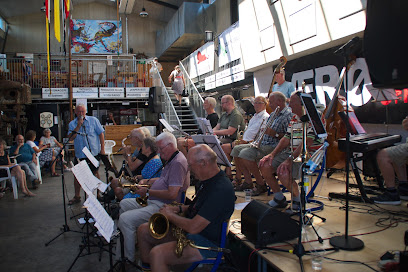
Ærø Jazzfestival
63.7 km
Experience the soul of Danish jazz at Ærø Jazzfestival, where international rhythms meet island heritage in the historic harbor of Ærøskøbing each summer.
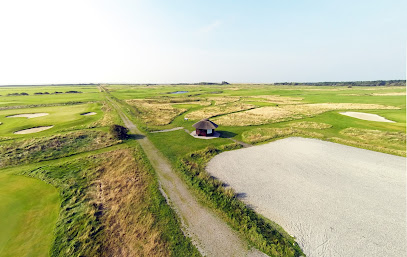
Romo Golf Links
65.7 km
Romo Golf Links offers an authentic coastal golf experience amid the windswept dunes and wild beauty of Rømø, blending challenging play with stunning North Sea views.
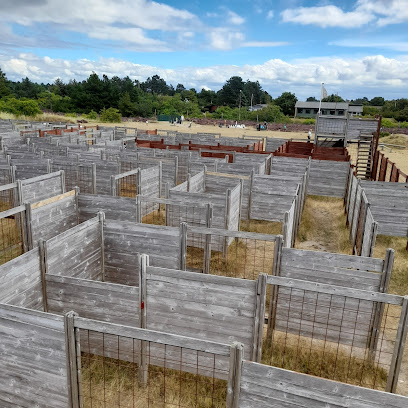
Rømø Lege- & Labyrintpark
66.0 km
Discover outdoor mazes, creative playgrounds, and family-friendly amusements at Rømø’s most imaginative recreation park, nestled in coastal nature near Havneby.
For the vibe & atmosphere seeker
- Tranquil
- Zen
- Scenic
- Unique
- Casual
For the design and aesthetic lover
- Vintage Styles
For the architecture buff
- Historic
- Landmarks
- Sacred Sites
- Heritage Neighborhoods
For the social media creator & influencer
- Photo Spots
- Architectural Shots
For the eco-conscious traveler
- Low Impact
- Public-Transport Accessible
For the kind of experience you’re after
- Mindfulness
- Meditation Spot
- Spiritual / Energy Spot
- Cultural Heritage
- Photowalk
- Day Trip
- Roadtrip Stop
For how adventurous you want the journey to be
- Easy Access
Location Audience
- Family Friendly
- Senior Friendly
- Child Friendly
- Teen Friendly
- Wheelchair Access
- Solo Friendly
- Couple Friendly
- Solo Female Friendly


