Museumsberg Flensburg, South Jutland Travel Guide
A hilltop twin museum where North German art, historic interiors and church treasures reveal the layered culture of the Flensburg border region.
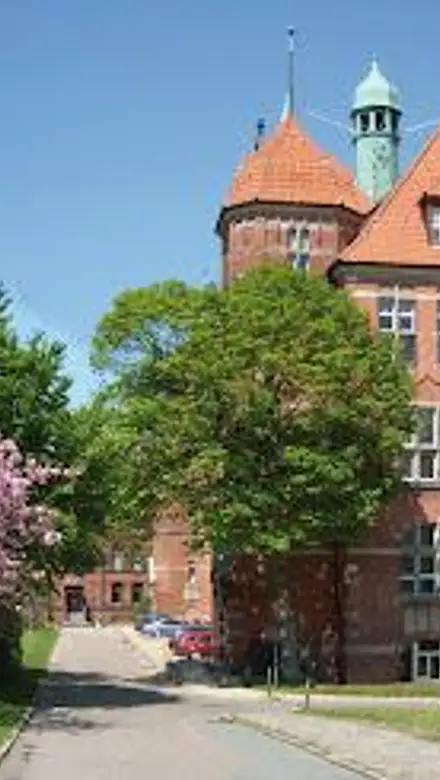
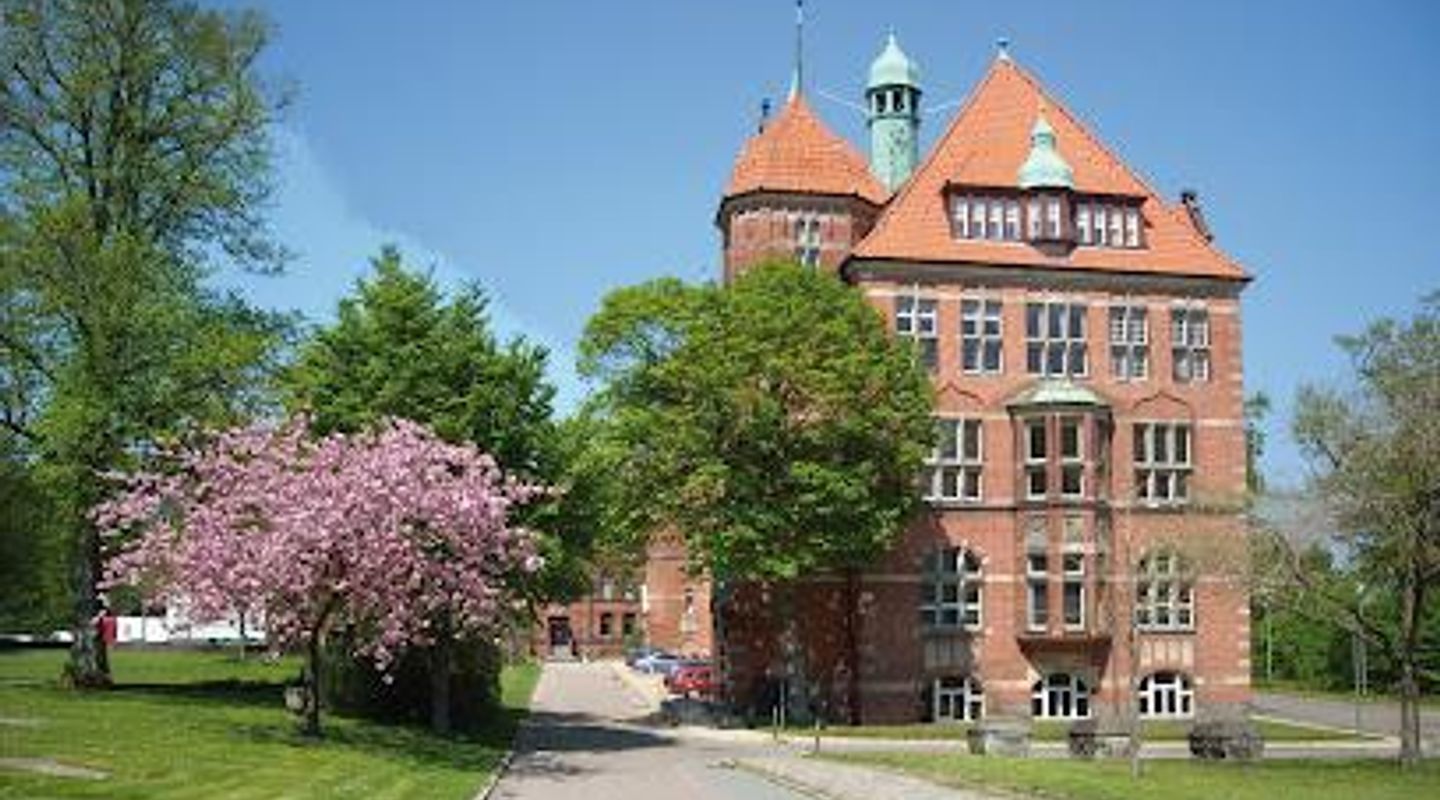
Perched on a green hill above Flensburg’s rooftops, Museumsberg Flensburg is a twin-building museum complex that weaves together art, regional history and natural history. Inside, you move from richly panelled peasant rooms and church art from South Schleswig to expressive modern paintings, Art Nouveau textiles and furniture spanning Gothic to Classicism. Combined with views over the city and nearby parkland, it’s an atmospheric place to explore Northern German culture in depth.
A brief summary to Museumsberg Flensburg
- Museumsberg 1, Flensburg, 24937, DE
- Click to display
- Click to display
- Duration: 1.5 to 3 hours
- Budget
-
 Mixed
Mixed
- Mobile reception: 4 out of 5
- Tuesday 10 am-5 pm
- Wednesday 10 am-5 pm
- Thursday 10 am-5 pm
- Friday 10 am-5 pm
- Saturday 10 am-5 pm
- Sunday 10 am-5 pm

Know before you go
Hi, I'm Eve. Here are a few practical things to know before exploring Museumsberg Flensburg.
- Plan at least two to three hours to explore both museum buildings without rushing the art galleries, historic rooms and church art collections.
- Check current opening days and any late-Thursday hours in advance, especially outside the main season or around public holidays.
- Consider a combined ticket if you also intend to visit other municipal museums in Flensburg; it offers good value for a full day of culture.
- Wear comfortable shoes: there are multiple floors, staircases and an uphill walk through the grounds to reach the museum complex.
- Bring a light layer; some historic rooms can feel cooler than the modern galleries, especially outside the summer months.
Do you manage this location?
Take control to get all the benefits, like improved information, better appearance, and stronger visibility across AI-powered discovery. Learn more about listing your business on Evendo
Activate your presenceOther nearby places you may find interesting
The closest places of the same kind, if this one is not quite what you had in mind.

Explore Museumsberg Flensburg on the Map
A handpicked selection of must-see spots near Museumsberg Flensburg, mapped for you.
Unlock the Best of Museumsberg Flensburg
Buy tickets
-
No tickets available
Book tours with entry

Book tours without entry
-
No tours available
Getting There
-
Local bus from Flensburg Zentrum
From central Flensburg, city buses running toward the upper town typically reach the vicinity of Museumsberg in about 10–15 minutes, depending on traffic. Services run several times an hour on weekdays and somewhat less often on weekends. A single adult ticket within the city usually costs in the range of 2–3 EUR. From the nearest stop, expect an uphill walk on paved paths to the museum entrance, manageable for most visitors but potentially tiring for those with limited mobility.
-
Walking from the historic harbour area
If you are already exploring Flensburg’s harbour and Old Town, you can walk up to Museumsberg in roughly 15–25 minutes. The route climbs steadily as you leave the waterfront, with some cobblestones and short steeper sections, so comfortable footwear is advisable. The ascent rewards you with changing perspectives over the city. This option is free and flexible, but less suitable for visitors who find hills challenging or are using wheelchairs without assistance.
-
Taxi or on-demand ride within Flensburg
Taxis within Flensburg can bring you directly to the museum grounds in about 5–10 minutes from most central hotels or the railway station, traffic permitting. Fares for such short inner-city rides typically fall in the 8–15 EUR range, varying with time of day and waiting periods at junctions. This is the most straightforward option if you are travelling with luggage, have limited mobility, or want to avoid the uphill walk, although availability may be reduced late in the evening or on holidays.
-
Car from the wider Flensburg region
Arriving by car from the surrounding Schleswig-Holstein area, allow 10–20 minutes driving time from nearby suburbs and 30–60 minutes from regional towns such as Schleswig or Husum, depending on traffic. Public parking is available in the streets and facilities around the hill, though spaces can be in demand on busy afternoons. There is no extra charge for approaching the museum itself, but standard city parking fees may apply in some lots, typically a few euros for several hours. Be prepared for short uphill walks from parking areas to the entrance.
For the on-the-go comforts that matter to you
-
 Restrooms
-
 Drink Options
-
 Food Options
-
 Lockers
-
 Seating Areas
-
 Sheltered Areas
-
 Trash Bins
-
 Information Boards
-
 Visitor Center
Discover more about Museumsberg Flensburg
A hilltop museum world above Flensburg
Museumsberg Flensburg crowns a rise just south of the historic centre, its two museum buildings tucked into a slope that looks out over gables, church towers and the fjord beyond. The approach leads you through greenery and past traces of an old cemetery, so you step indoors already primed for a slower rhythm and a sense of local time depth. Once inside, white staircases, creaking floors and long corridors branch into a quiet maze of galleries.Rather than a single grand hall, the complex reveals itself gradually. Rooms are scaled to human proportions, inviting you to wander, pause and double back as something catches your eye. Windows in some galleries frame fragments of city and park, constantly reminding you that this dense concentration of art and artefacts is rooted in a very specific place on the German–Danish border.Art from the fjord and the German–Danish borderlands
One of the strongest threads here is painting from northern Germany and Schleswig-Holstein in the 19th and 20th centuries. The collections highlight the artist colony around Egernsund on Flensburg Fjord, where plein-air painters were drawn by wide skies, shimmering water and working harbours. Seascapes, rural scenes and portraits mix with more experimental work as you move towards expressionism.Names such as Ernst Barlach, Erich Heckel and Emil Nolde chart the region’s links to wider European movements. Modern and post-war pieces from northern Germany and Scandinavia show how abstraction, colour fields and new materials reshaped artistic language. The result is a compact but surprisingly broad overview of how this border region has been seen, interpreted and reimagined on canvas over more than a century.Historic interiors, peasant rooms and craftsmanship
Beyond the picture galleries, Museumsberg is famed for its furniture and room installations. Instead of isolated chairs and cabinets, you step into reconstructed interiors that trace styles from the Gothic period through to classicism. Here, carved chests, tiled stoves and painted cupboards sit where they would once have been used, giving a vivid impression of domestic life before industrial production.The peasant rooms are particularly evocative. Richly panelled walls, low ceilings and warm woods showcase the skill of rural craftsmen in South Schleswig, where carpenters transformed practical spaces into showcases of carving and colour. Moving from one reconstructed room to another, you sense changing ideas of comfort, status and ornament, right down to the patterns on benches and bed boxes.Church treasures and the Parisian chamber
Church art from South Schleswig forms another highlight. Altarpieces, wooden sculptures and devotional objects demonstrate both the piety and the artistry of the region’s parishes. Many of the carved figures still carry traces of their original paint, the expressions and gestures of saints and apostles surprisingly lively at close range.Perhaps the most memorable space is the so‑called Parisian chamber, an imposing neo-Gothic assembly hall. Tall, coloured lancet windows wash the room in soft light, while a beamed ceiling with carved detail soars overhead. Standing here, it is easy to imagine public gatherings and solemn ceremonies, the architecture designed as much to impress as to enclose.Art Nouveau tapestries and modern perspectives
A distinctive feature of Museumsberg is its Art Nouveau section, closely connected to the weaving school once active in Skærbæk, then part of Prussia. The gobelin tapestries on display show flowing lines, stylised plants and sinuous figures typical of the period, but they also speak to cross-border cultural exchange between present-day Denmark and Germany.These decorative works form a bridge to later 20th-century and contemporary pieces elsewhere in the museum. Together they underline how design, textile art and painting evolved side by side. For visitors, the thread that runs through the complex is not just chronology but the creative energy that this northern coastal landscape has continually inspired.Exploring the grounds and planning your visit
Outside the buildings, the hill itself is part of the experience. Paths lead past old gravestones and into neighbouring parkland, offering quiet corners to sit and process what you have seen. The elevated position makes it easy to orient yourself within Flensburg, with glimpses of harbour cranes and red roofs appearing between trees.The museum is usually open from Tuesday to Sunday during the daytime, with one house staying open later on some evenings in the warmer months. Admission is ticketed but remains moderate, with combined options that also cover other city museums. Facilities such as restrooms, lockers and a small café area make it straightforward to spend several unhurried hours exploring without needing to leave the site.












Your all‑in‑one travel companion app
Explore expert travel guides, compare and book tours, experiences, hotels, and more—all from the palm of your hand. Download now for seamless trip planning wherever your wanderlust takes you.


Explore More of South Jutland
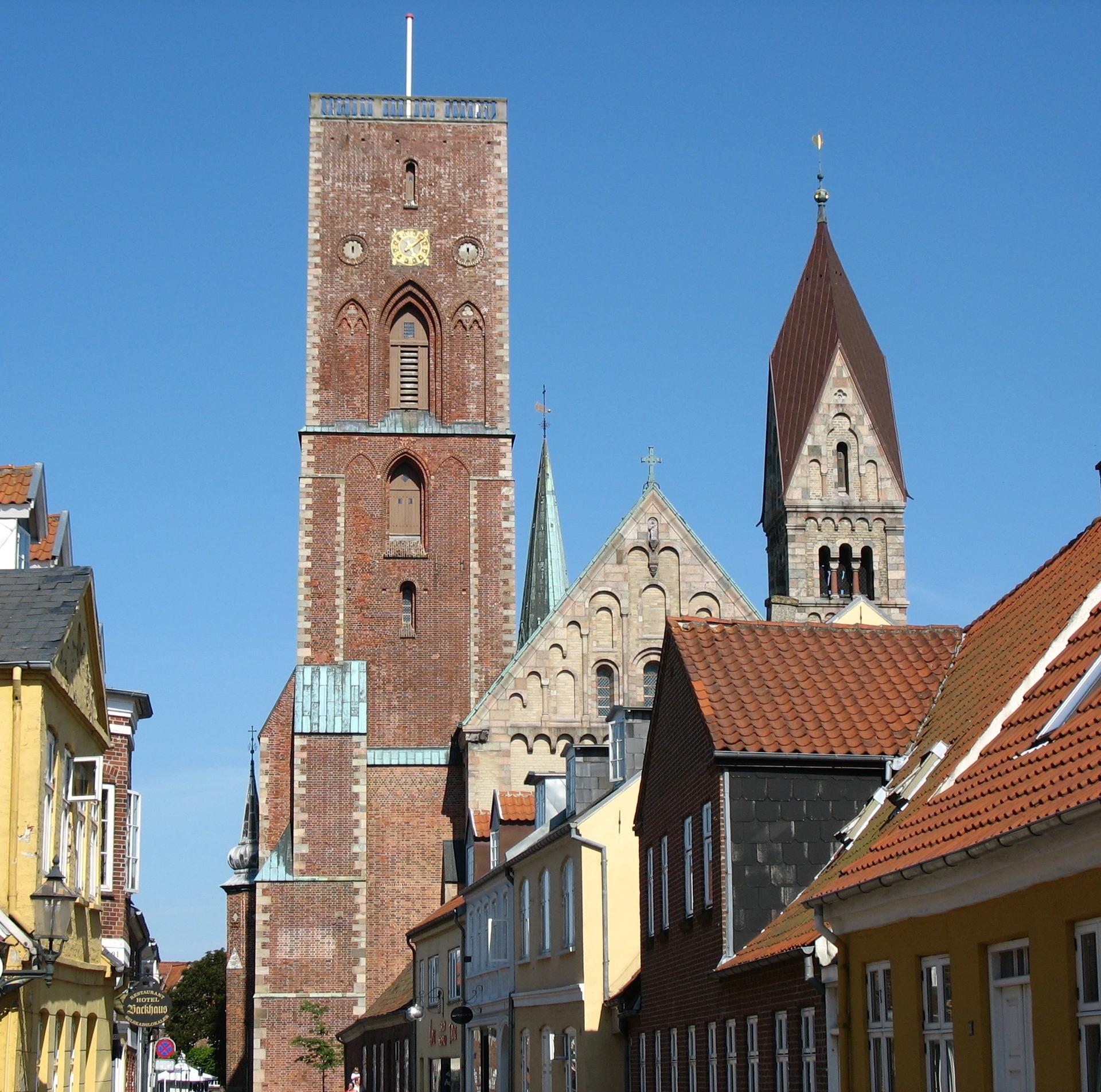
Looking beyond Museumsberg Flensburg? Discover South Jutland for broader travel guides, local hot-spots, and regional highlights.
Explore South Jutland