Gavnø castle, South Zealand Travel Guide
Rococo castle, island gardens and treetop adventures combine on South Zealand’s flower‑filled Gavnø, blending Danish heritage with a relaxed full‑day countryside escape.
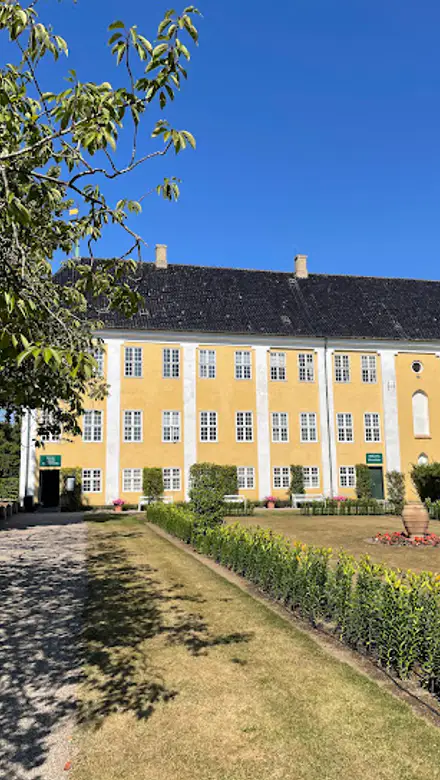
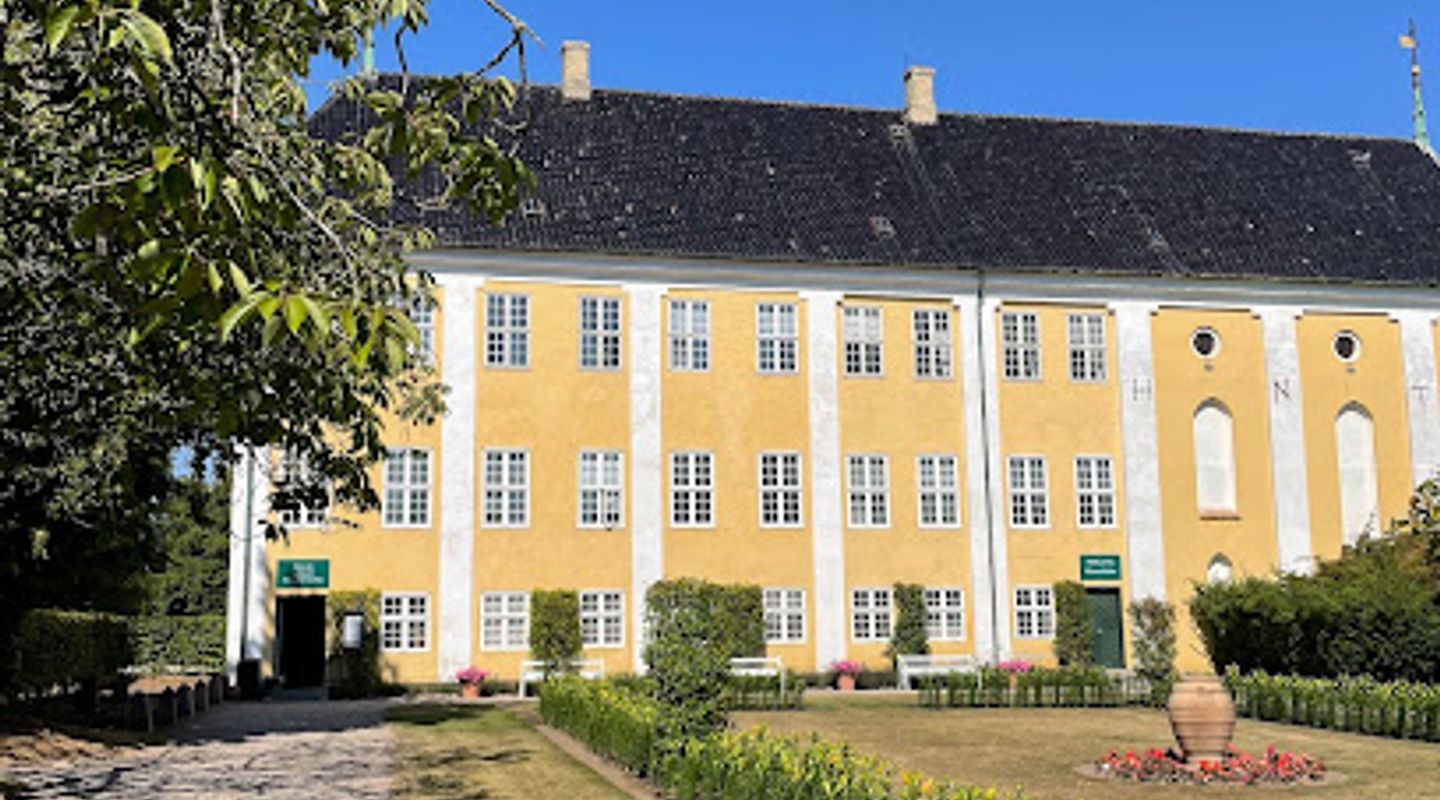
Set on its own small island in Karrebæk Fjord near Næstved, Gavnø Castle is one of Denmark’s finest rococo estates, wrapped in a renowned flower park. Behind the pastel façades you find Scandinavia’s largest privately owned collection of paintings, richly furnished 18th‑century rooms and a former convent church. Outside, sweeping gardens, seasonal tulip displays, a treetop adventure course, brewery and family play areas turn this historic barony into a full‑day outing.
A brief summary to Gavnø castle
- Gavnø 9, Næstved, 4700, DK
- Click to display
- Click to display
- Duration: 2 to 4 hours
- Mid ranged
-
 Mixed
Mixed
- Mobile reception: 4 out of 5
- Monday 10 am-4 pm
- Tuesday 10 am-4 pm
- Wednesday 10 am-4 pm
- Thursday 10 am-4 pm
- Friday 10 am-4 pm
- Saturday 10 am-4 pm
- Sunday 10 am-4 pm

Know before you go
Hi, I'm Eve. Here are a few practical things to know before exploring Gavnø castle.
- Plan at least half a day to see the castle interiors, wander the flower gardens and still leave time for the treetop course or playgrounds if you are visiting with children.
- If your dates are flexible, aim for late spring when the tulip displays are usually at their most impressive and the flower park fully lives up to the “Island of Flowers” name.
- Wear sturdy, closed shoes if you intend to try Gavnø Go Fly; gloves and weather‑proof layers make the treetop routes more comfortable in cooler or changeable conditions.
- Photography is at its best along the main garden axes and by the water features, where you can capture reflections of the rococo façades framed by seasonal blooms.
- Check which seasonal attractions are operating before you visit, as facilities like the butterfly house or certain events may be closed outside peak periods.
Do you manage this location?
Take control to get all the benefits, like improved information, better appearance, and stronger visibility across AI-powered discovery. Learn more about listing your business on Evendo
Activate your presenceOther nearby places you may find interesting
The closest places of the same kind, if this one is not quite what you had in mind.
Explore Gavnø castle on the Map
A handpicked selection of must-see spots near Gavnø castle, mapped for you.
Getting There
-
Regional train and bus from Copenhagen
From Copenhagen’s main station, take a regional train towards Næstved; the journey usually takes around 1 hour 10 to 1 hour 30 minutes and standard adult tickets generally cost in the range of 120–180 DKK one way, depending on time and discount options. At Næstved, transfer to a local bus heading towards Karrebæk or Karrebæksminde and ride for roughly 15–25 minutes to the stop closest to the Gavnø access road. From there, expect a longer, level walk on paved and gravel surfaces that may be challenging in poor weather but is otherwise straightforward. Bus services are less frequent on evenings and weekends, so checking departure times in advance is important.
-
Car from Næstved and wider Zealand
If you have a car in Næstved or elsewhere on Zealand, reaching Gavnø is straightforward via main regional roads, with driving times from central Næstved typically around 10–15 minutes and from Copenhagen about 1 hour 15 to 1 hour 30 minutes depending on traffic. There is designated visitor parking near the entrance; expect a separate parking fee in the approximate range of 40–60 DKK per day, usually payable by card or mobile payment. The final approach uses narrow rural roads that can feel tight for larger vehicles, and during major events parking areas can fill quickly, so arriving earlier in the day is advisable.
-
Taxi from Næstved
For a direct option from Næstved without your own vehicle, local taxis can cover the distance to Gavnø in around 10–15 minutes under normal traffic conditions. Fares are metered and vary by company and time of day, but a one‑way trip is often in the region of 150–250 DKK. Taxis can usually drop passengers close to the main entrance, which is useful for travelers with limited mobility. Return taxis may need to be booked by phone in advance, especially outside peak visiting hours or on busy event days.
-
Cycling from Næstved area
Confident cyclists can ride from Næstved to Gavnø using a combination of local roads and established cycle routes through relatively flat countryside. The journey commonly takes about 30–45 minutes each way at a moderate pace. Surfaces are mostly paved, but sections near the island can be exposed to wind and occasional passing agricultural traffic. There is no charge for bringing your own bicycle, though if you combine cycling with regional trains, check current rules on bicycle tickets and avoid the most crowded commuter departures.
For the on-the-go comforts that matter to you
-
 Restrooms
-
 Drink Options
-
 Drinking Water
-
 Food Options
-
 Seating Areas
-
 Sheltered Areas
-
 Trash Bins
-
 Information Boards
-
 Visitor Center
Discover more about Gavnø castle
Rococo jewel on a small fjord island
Gavnø Castle sits on a low, leafy island in Karrebæk Fjord, a short distance from Næstved yet feeling pleasingly secluded. The main building traces its origins to the early 15th century, later transformed in the mid‑1700s into the soft‑coloured rococo castle you see today. Light façades, elegant rooflines and symmetrical wings are mirrored in surrounding lawns and canals, creating a classic baroque‑rococo ensemble.The estate has deep medieval roots. Early fortifications gave way to a convent for noblewomen under Queen Margrete I, and over the centuries the property passed through some of Denmark’s most influential families. Today the Gavnø Foundation manages the main castle and park, preserving the historic interiors while adapting the wider grounds for cultural events and family‑friendly experiences.Art, interiors and a convent church
Inside the castle, richly decorated salons and guest rooms from the 1750s offer a glimpse of aristocratic life at the height of the rococo period. Walls are hung densely with what is considered the largest privately owned collection of paintings in Scandinavia, ranging from portraits to historical scenes. The Great Dining Room, with its elaborate stucco and period furnishings, is a particular highlight.One wing holds the former convent church, where religious life once structured the days of unmarried noblewomen who lived here. Today, visitors can admire the altarpiece, woodwork and memorials that trace the lineage of the families tied to Gavnø. The church, together with the castle rooms, underscores how closely faith, power and everyday life were intertwined on the estate.Gardens and the island of flowers
Gavnø styles itself as the “Island of Flowers”, and the surrounding park more than earns the name. Around eight hectares of landscaped grounds frame the castle with lawns, clipped hedges, ponds and themed garden rooms. In spring, vast tulip plantings create intricate colour patterns, while later seasons bring changing displays of perennials, roses and mature trees.Meandering paths lead you past water features and tucked‑away benches that invite unhurried pauses. The sense of choreography is strong: long axial views guide your eye back towards the castle, while smaller side paths encourage quiet detours. Even on busy event days, it is usually possible to find a corner of relative calm among the foliage.Playgrounds in the trees and family fun
Beyond history and horticulture, Gavnø has evolved into a broad family attraction. The Gavnø Go Fly treetop course threads platforms and obstacles through the woodland canopy in several graded routes, offering something for cautious beginners and confident climbers alike. Safety systems are modern, and younger children have their own easier circuits close to the ground.On the lawns, a pirate‑themed nature playground and treasure‑hunt activities draw younger visitors into the landscape, turning trees and clearings into part of the adventure. Seasonal events add further variety, from classic car gatherings spread across the park to a large Christmas market that transforms courtyards and outbuildings with stalls, scents and lights.Brewed traditions and modern hospitality
Gavnø also nurtures more down‑to‑earth traditions. The castle brewery produces beers based on house recipes, drawing on local ingredients from the estate’s farmland. Tasting a brew here connects the visitor to centuries of manor self‑sufficiency, when beer was a staple of everyday life.Cafés on site serve light meals, cakes and drinks, with outdoor seating spilling into the garden in good weather. Combined tickets typically include access to both castle and park, and you can spend several leisurely hours moving between interiors, flower beds and activity areas. With its blend of cultural heritage, art, gardens and play, Gavnø functions as both historic monument and relaxed day‑out destination in South Zealand.Planning your time on the estate
The estate is sizeable but not overwhelming, and most visitors comfortably explore it in half a day. A common rhythm is to begin with the castle interior and church while energy and attention are fresh, then wander the gardens and finish with playgrounds or the treetop course. Signage around the grounds helps you orient between the main sights without breaking the overall sense of immersion.Parts of the terrain are flat and lawned, though some older paths can be uneven. Accessible toilets and ramps exist at key buildings, and dogs on leads are generally welcomed in the gardens but not in the castle itself. Weather makes a difference: on bright days the park and adventure elements shine, while in cooler or damp conditions you may focus more on interiors, art and shorter walks between sheltered spots.












Your all‑in‑one travel companion app
Explore expert travel guides, compare and book tours, experiences, hotels, and more—all from the palm of your hand. Download now for seamless trip planning wherever your wanderlust takes you.


Explore More of South Zealand
Looking beyond Gavnø castle? Discover South Zealand for broader travel guides, local hot-spots, and regional highlights.
Explore South Zealand
A modest town-centre memorial where Næstved quietly honours its fallen soldiers from the wars of 1848–50 and 1864 amid a pocket of greenery off Østergade.
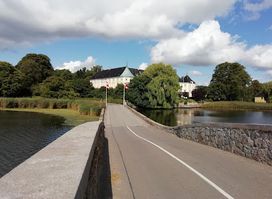
An island rococo castle near Næstved where historic salons, a vast art collection and flower-filled gardens meet treetop adventures, pirate play and tranquil parkland.