
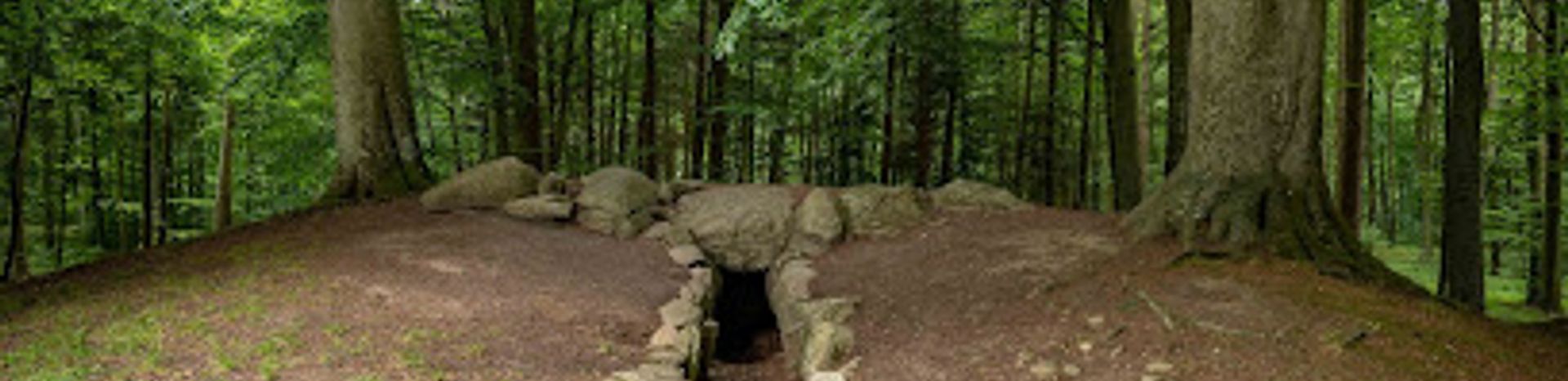
Jættestuen Hulehøj
Ancient Neolithic dolmen revealing 5,000 years of Scandinavian burial traditions and megalithic engineering.
Jættestuen Hulehøj is a Neolithic dolmen and passage grave located on the island of Bogø in South Zealand, Denmark. Dating back approximately 5,000 years, this ancient megalithic monument consists of a stone chamber covered by a massive capstone, representing one of Denmark's most significant Bronze Age archaeological sites. The site offers visitors a tangible connection to prehistoric Scandinavian culture and burial practices.
A brief summary to Jættestuen Hulehøj
- Østerskovvej 44, Bogø By, 4793, DK
- Duration: 0.5 to 2 hours
- Free
-
 Outdoor
- Mobile reception: 3 out of 5
Local tips
- Visit during daylight hours to fully appreciate the stone construction and surrounding landscape. The site has no artificial lighting, and natural light reveals the texture and weathering of the megalithic stones.
- Wear sturdy footwear suitable for uneven terrain. The approach to the monument may involve walking through fields or along rural paths, particularly after wet weather.
- Bring a camera or sketch materials to document the monument's details. The scale and positioning of the stones create compelling visual compositions from multiple angles.
- Check local conditions before visiting, as access may be affected by seasonal weather or agricultural activity on the surrounding land.
- Consider visiting as part of a broader archaeological tour of South Zealand, which contains numerous other prehistoric sites and monuments within reasonable distances.

For the on-the-go comforts that matter to you
- Information Boards
Getting There
-
Car rental from Vordingborg
Rent a vehicle in Vordingborg, approximately 25 kilometers away. Drive south toward Bogø By, following regional roads through South Zealand. Travel time is approximately 35–45 minutes depending on traffic and exact starting point. Parking is typically available near the site or in nearby rural areas. No entrance fee required.
-
Bus and local transport from Bogø By
Take regional bus services to Bogø By village, then arrange local transport or taxi to Østerskovvej 44. Bus services operate from Vordingborg and surrounding towns, with journey times of 40–60 minutes. Local taxi services available in Bogø By. Estimated total cost approximately 150–250 Danish krone depending on starting point and taxi distance. No entrance fee.
-
Bicycle from Bogø By
Rent a bicycle in Bogø By and cycle to the site via local roads. Distance is approximately 4–6 kilometers depending on route. Journey time approximately 20–30 minutes on relatively flat terrain. Bicycle rental available in Bogø By village. Cost approximately 80–120 Danish krone for daily rental. No entrance fee.
-
Guided archaeological tour
Book organized archaeological or heritage tours departing from Vordingborg or Bogø By that include Jættestuen Hulehøj and other South Zealand prehistoric sites. Tours typically last 3–5 hours and include transportation and expert interpretation. Cost varies by operator, typically 300–600 Danish krone per person. Advance booking recommended.
Jættestuen Hulehøj location weather suitability
-
 Any Weather
-
 Clear Skies
Discover more about Jættestuen Hulehøj
A Window into Neolithic Burial Traditions
Jættestuen Hulehøj stands as one of Denmark's most remarkable prehistoric monuments, a dolmen and passage grave constructed during the Neolithic period approximately 5,000 years ago. The name itself—"Jættestuen" meaning "Giant's Chamber"—reflects the local folklore and sense of wonder that has surrounded this site for centuries. The monument consists of a stone burial chamber covered by an enormous capstone, a construction technique that demonstrates the sophisticated engineering knowledge and organizational capacity of Neolithic communities. Archaeological evidence suggests the site served as a communal burial place, with remains of multiple individuals discovered within the chamber over the centuries.Architectural Significance and Stone Construction
The dolmen's construction reveals remarkable precision in its use of local stone resources. The passage grave features carefully positioned megaliths that create an internal chamber, with the massive capstone serving as both structural element and protective covering. The stones themselves, sourced from the surrounding landscape, show evidence of deliberate selection and placement. This type of megalithic architecture was common throughout Northern Europe during the Neolithic and Bronze Age periods, yet each individual monument carries unique characteristics reflecting local traditions and available materials. The scale and preservation of Jættestuen Hulehøj make it particularly valuable for understanding regional construction practices.Archaeological Importance and Historical Context
The site holds considerable archaeological significance within the broader context of Scandinavian prehistory. Dolmens and passage graves like Hulehøj represent a crucial transition in human settlement patterns, marking the shift from nomadic hunter-gatherer societies to more permanent agricultural communities. The presence of such monuments indicates social organization, shared religious or spiritual beliefs, and the development of collective identity among Neolithic populations. Excavations and studies of similar sites have provided invaluable insights into burial practices, diet, social hierarchy, and daily life during this transformative period in human history.The Island Setting and Natural Landscape
Located on Bogø, a small island in the waters of South Zealand, Jættestuen Hulehøj occupies a landscape shaped by glacial activity and maritime influence. The surrounding terrain features the characteristic rolling hills and coastal features typical of the Danish archipelago. The island's relative isolation and natural beauty create an atmospheric setting for encountering this ancient monument. Visitors approaching the site experience the same landscape that Neolithic communities would have known, though forests and vegetation patterns have changed considerably over millennia. The proximity to water and natural resources made such locations attractive for settlement and ceremonial purposes in prehistoric times.Preservation and Contemporary Access
The monument has survived millennia of environmental change, agricultural activity, and human development, though not without alteration. Like many megalithic sites across Europe, Jættestuen Hulehøj has undergone periods of neglect and restoration. Today, the site remains accessible to visitors interested in prehistoric archaeology and cultural heritage. The preservation of such monuments reflects contemporary recognition of their historical and cultural value, serving as tangible links to ancestral communities and providing opportunities for direct engagement with material evidence of the distant past. The site contributes to the broader archaeological landscape of South Zealand, which contains numerous prehistoric monuments and sites.Iconic landmarks you can’t miss

Kong Asgers Høj
5.5 km
Denmark's largest passage grave—a 5,000-year-old Neolithic monument of monumental stone and timeless mystery.
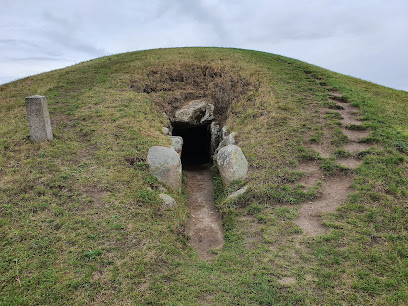
Pomle Nakke Traktørsted
13.8 km
Experience Danish coastal charm at Pomle Nakke Traktørsted, where stunning Baltic Sea views meet locally sourced cuisine for an unforgettable dining experience on Falster.
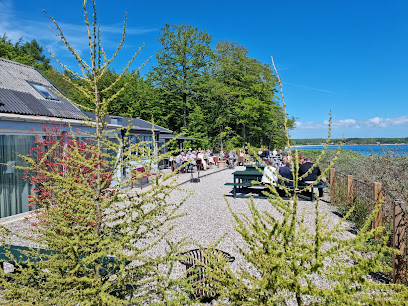
Restaurant pizzeria Delfino
14.9 km
Experience authentic Italian cuisine in the heart of Stege at Restaurant Pizzeria Delfino, where fresh ingredients and a warm atmosphere create a memorable dining experience for all.
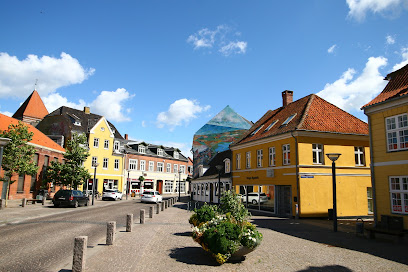
Rose Stege Restaurant
14.9 km
Discover the authentic tastes of Denmark at Rose Stege Restaurant, where delicious pizzas and local dishes await in a cozy atmosphere.
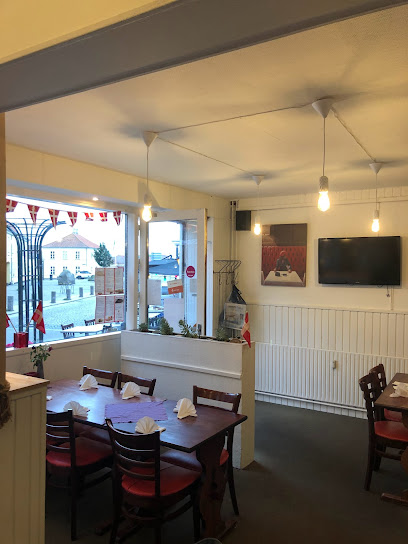
Bellinge House- Bed & Breakfast. Wellness.
16.6 km
Discover tranquility and wellness at Bellinge House, a charming bed & breakfast in Nykøbing Falster, Denmark, offering holistic treatments and serene accommodations.
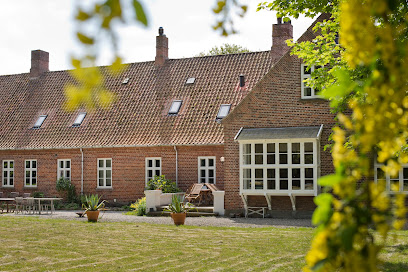
Cosy Farmhouse on Møn
18.0 km
Experience tranquility at Cosy Farmhouse on Møn: Discover rural charm, stunning landscapes, and authentic Danish hospitality on this idyllic island escape, a UNESCO Biosphere Reserve.
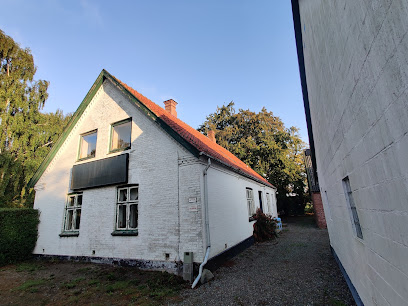
Hotel Falster
20.7 km
Experience Danish hospitality at Hotel Falster in Nykøbing Falster, offering comfortable accommodations, on-site dining, and easy access to local attractions and the South Sea Islands.
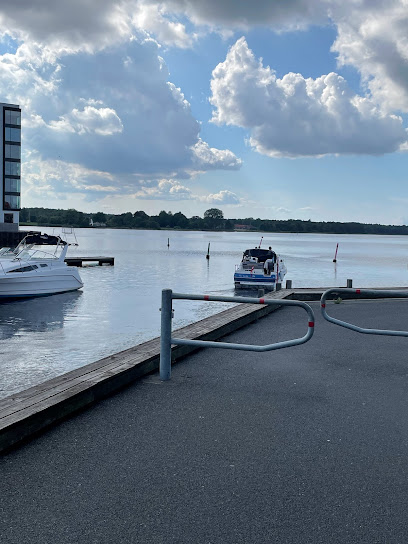
Bjørnebrønden
22.2 km
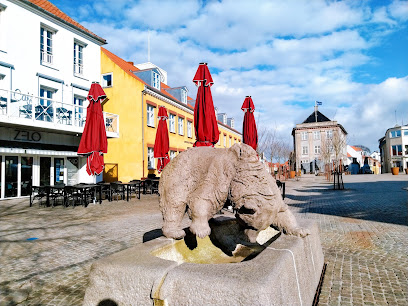
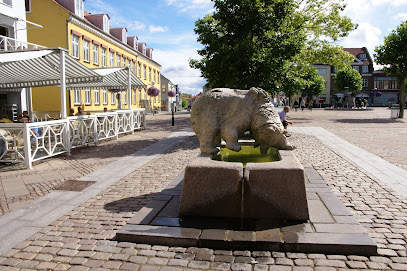
Granite bear, flowing water and royal history converge in this compact fountain that anchors Nykøbing Falster’s main square and its stories.
Mindbjergs
22.2 km
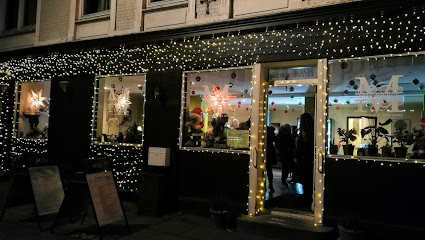
Explore a fusion of Danish and Asian flavors at Mindbjergs, a culinary gem in Nykøbing Falster offering unique dishes in a warm atmosphere.
Touristinformation
22.2 km
Explore the charm and rich culture of Nykøbing Falster, a delightful coastal town perfect for your next Danish adventure.
Vandtårnet I Nykøbing F
22.2 km
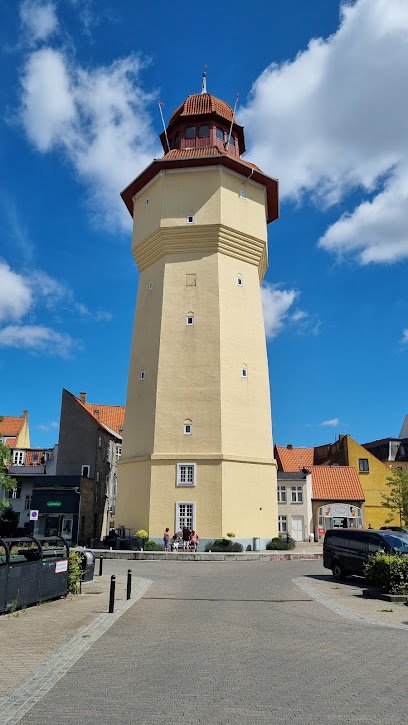
Historic concrete water tower turned art space and viewpoint, offering 147 steps to sweeping panoramas over Nykøbing Falster, Guldborgsund and the flat fields of Falster.
Diocese of Lolland–Falster
22.3 km
Experience the serene beauty and rich history of the Diocese of Lolland–Falster in Nykøbing Falster, a captivating church and cultural landmark.
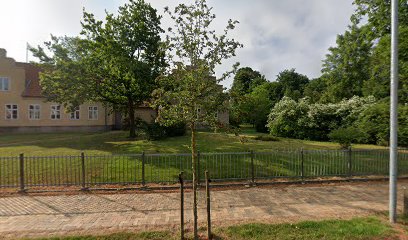
Pension Elmehøj
22.3 km
Experience Møn's charm at Pension Elmehøj: Affordable comfort near Stege, close to Møns Klint, Elmelunde Church, and the Camønoen hiking trail, perfect for families and budget travelers.

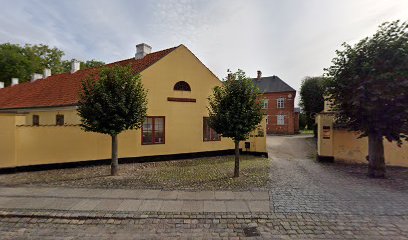
Falster Provsti
22.4 km
Explore the tranquil beauty and historical significance of Falster Provsti, a stunning church in Nykøbing Falster, Denmark.
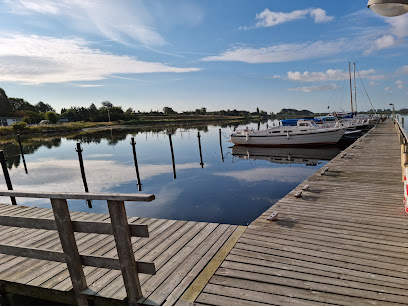
Lergravens Sailing and Fishing Club
23.1 km
Explore the serene Lergravens Sailing and Fishing Club in Nykøbing Falster, where adventure meets tranquility on Denmark's scenic coast.
Unmissable attractions to see

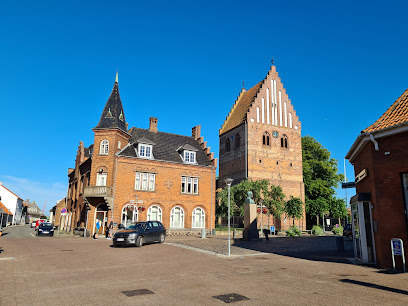
Stubbekøbing Camping & Cottages
5.1 km
Serene waterfront camping with views of Grønsund Strait, peaceful Danish hospitality, and easy access to island exploration.
Stensby Møllebæk (Malling's Gorge)
5.7 km
A small, hidden ravine where a lively mill stream, steep wooded slopes and traces of local history create a quiet, atmospheric pause in the South Zealand countryside.
Smykkemuseum.dk
6.1 km
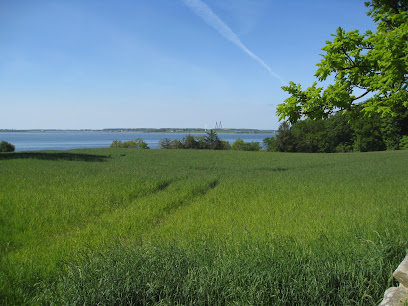
A working jewelry studio and intimate museum celebrating handcrafted artistry across centuries.
Grønsalen
6.5 km
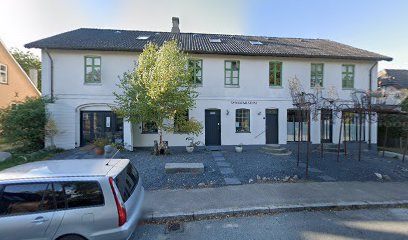
A vast Stone Age barrow in the fields of Møn, where mythic King Grøn and Queen Fane share a windswept ridge with skylarks and distant sea views.
Kalvehave Labyrintpark
9.8 km
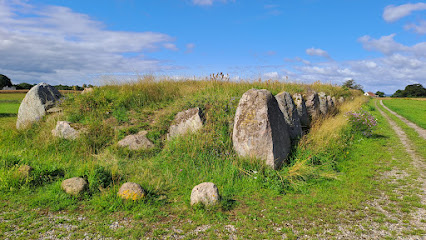
Navigate mind-bending mazes and brain-teasing games across 20,000 square meters of outdoor puzzle paradise.
Brombaergaarden B&B
11.0 km
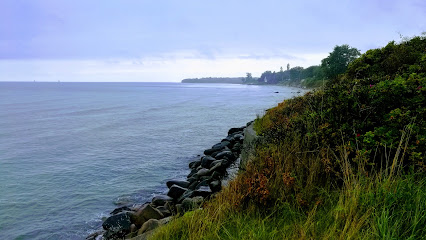
Charming Danish countryside retreat with exceptional hospitality and homemade breakfasts in a picturesque stone house.
Falster
12.6 km
A gentle Danish Baltic island of long beaches, quiet farmland, small harbor towns and big skies, where laid-back coastal holidays meet everyday rural life.
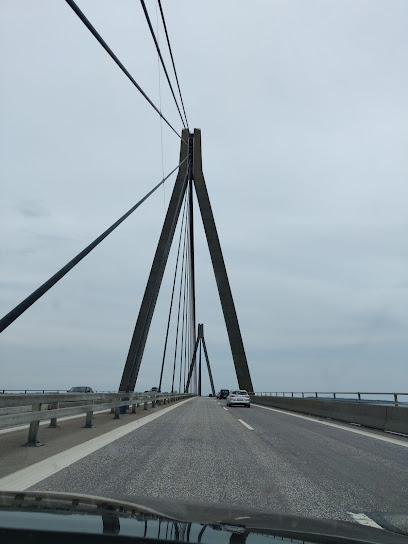
Crocodile Zoo, Falster
12.6 km
Danmarks eneste rene krokodille-zoo, hvor du i tropisk varme kommer helt tæt på verdens krokodiller, kæmpeslanger og andre eksotiske dyr på landlige Falster.
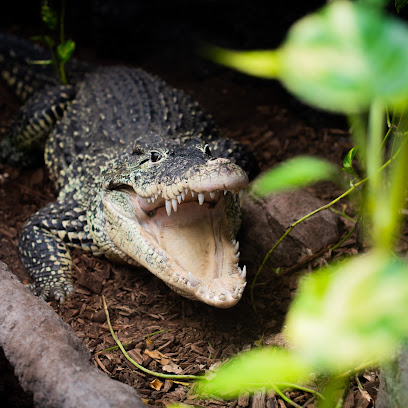
Hesnæs Strand
12.8 km
A softly curving Baltic beach backed by distinctive thatched houses and woodland, Hesnæs Strand is a quietly atmospheric corner of Falster made for unhurried days.
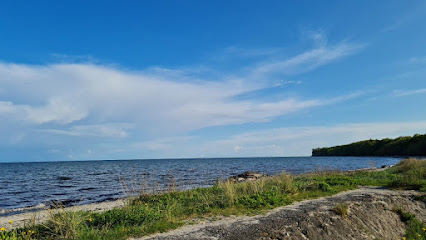
Vordingborg Castle
13.1 km
Evocative castle ruins, the golden Goose Tower and a cutting-edge museum reveal how Vordingborg once stood at the center of Denmark’s medieval power.
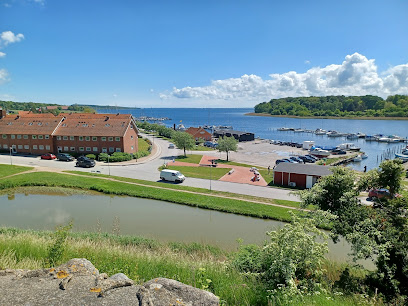
Goose Tower
13.1 km
Where medieval Danish kings ruled from a fortress that still commands the landscape.
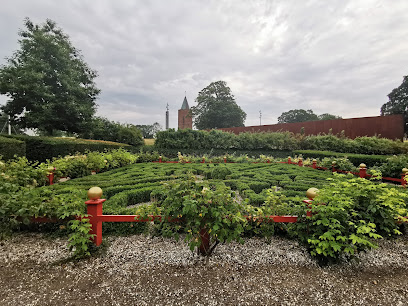
Danmarks Borgcenter
13.2 km
Medieval Danish power brought to life through ruins, towers, and cutting-edge digital storytelling.
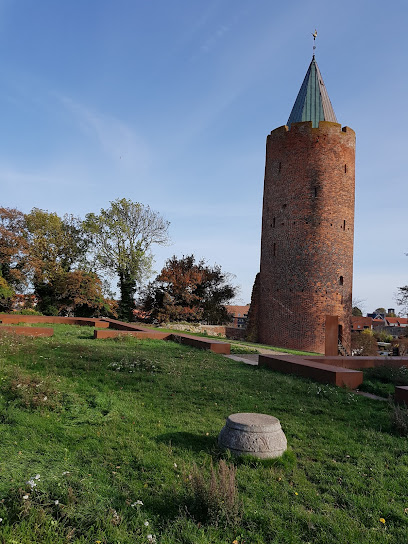
Museum Sydøstdanmark
13.2 km
Regional cultural history museum headquartered at Vordingborg’s castle ruins, weaving together royal power, archaeology and everyday life across South and East Zealand.
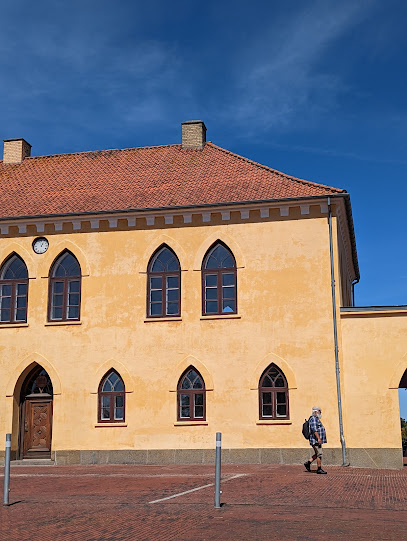
Masnedø Fort
13.5 km
Grassy island stronghold turned cultural venue, Masnedø Fort blends coastal views, underground corridors and pivotal 20th‑century history near Vordingborg.
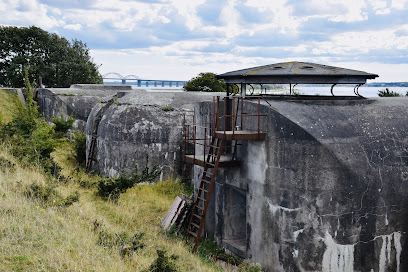
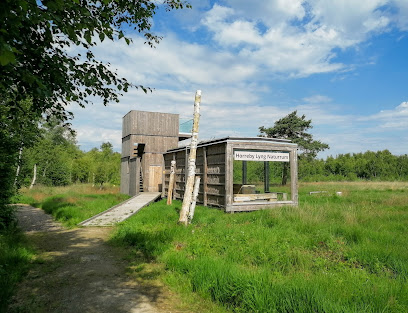
Horreby Lyng
14.0 km
Denmark's enchanting raised bog—a protected wetland of rare plants, ancient history, and boardwalk trails.
Essential places to dine

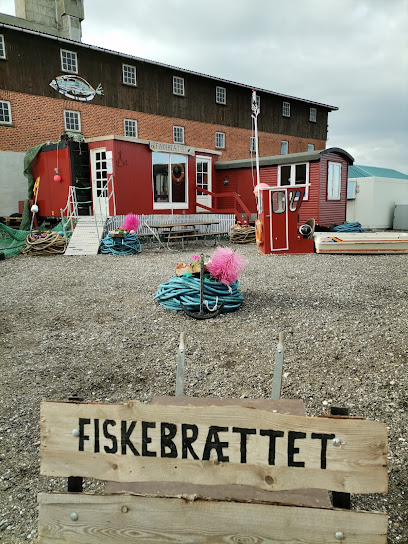
Fiskebrættet
4.6 km
Harbour-side fish shack and seafood counter in a little red hut on Stubbekøbing Harbour, serving fresh local catch with relaxed outdoor seating by the water.
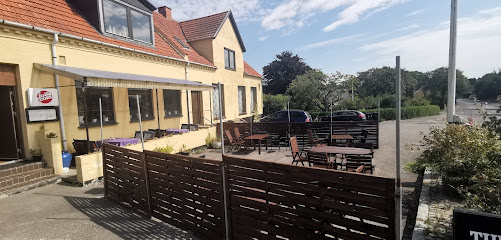
Damme Kro
5.8 km
Authentic Danish comfort food in a historic countryside inn on the island of Møn.
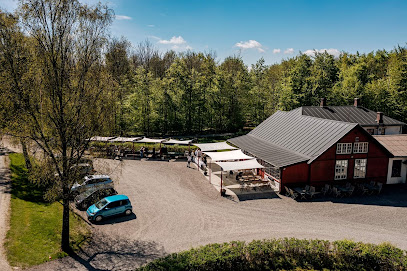
Fanefjord Skovpavillon
9.6 km
Historic woodland pavilion on Møn offering classic Danish cuisine with a modern touch, surrounded by tranquil Fanefjord forest and gentle countryside charm.
Færgemandens Hus.
9.6 km
A former ferryman’s house turned cosy waterfront grill-restaurant on Møn, serving hearty Danish comfort food in snug rooms and by the bay.
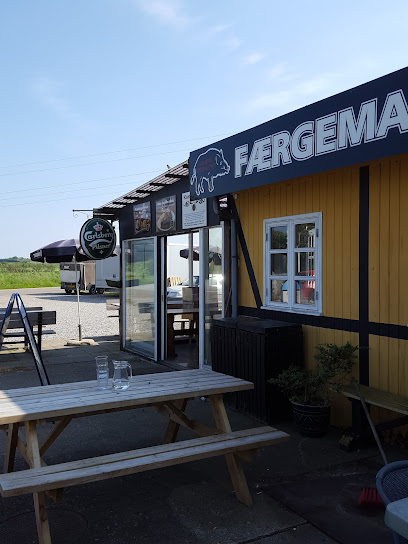
Hesnæs Havn Spisehal, Bageri, Konditori & Kolonial
12.6 km
Rustic harbour hall on Falster where fresh sourdough, pastries and simple seaside dishes meet Baltic views, net-house history and a relaxed marina atmosphere.
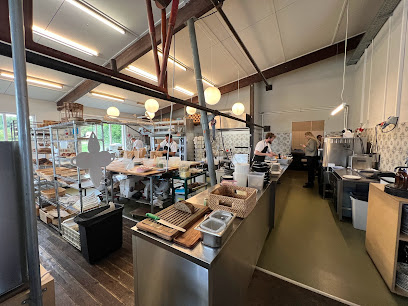
Restaurant GastrÖ
14.7 km
Nordic fine dining on a quiet island, where seasonal ingredients and technical precision create unforgettable meals.
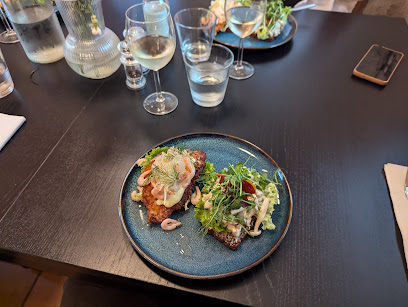
NORD - Bistro by the Sea
14.8 km
Casual waterfront bistro on Møn serving generous Danish and European comfort dishes with harbor views, relaxed indoor seating and a breezy outdoor terrace.
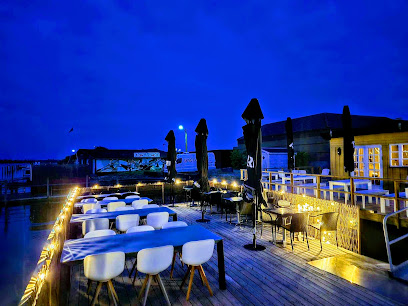
Noorbohandelen
14.8 km
Atmospheric island deli and spirits specialist in Nyord’s car‑free village, combining tastings, gourmet shelves and a cosy café stop on the edge of Møn.
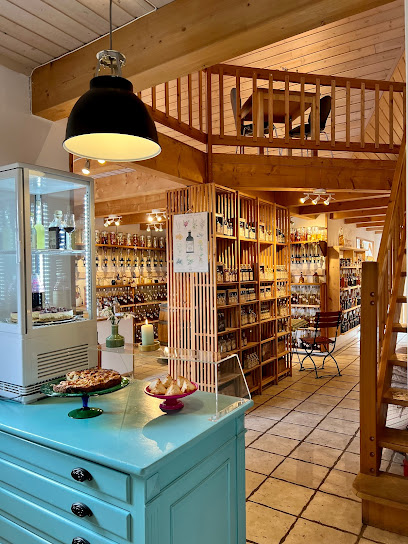
Gæsteriet
14.8 km
Intimate Danish brasserie in the village of Mern, serving homely seasonal cooking and drinks in a relaxed South Zealand countryside setting.
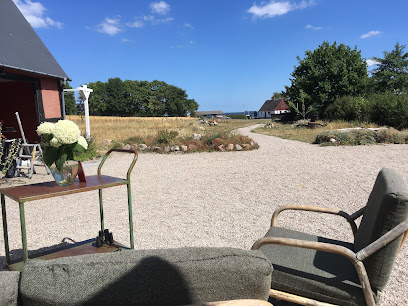
HAVNEGRILLEN - Stege
14.8 km
Waterfront Danish grill serving generous portions of smørrebrød, hot dogs, and frikadeller in casual seaside comfort.
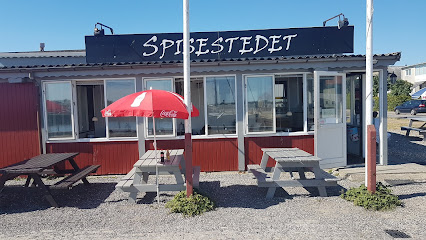
Restaurant Lolles Gaard ApS
14.9 km
Traditional Danish cuisine in an idyllic island garden where heritage and hospitality flourish.
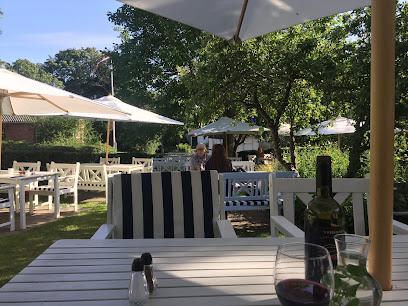
Saftig Café & Snackbar
14.9 km
Waterfront burgers and fresh seafood with harbor views in charming Stege
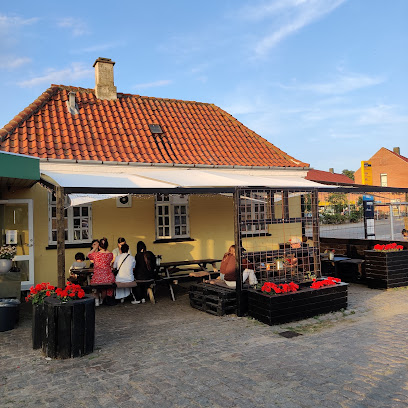
Terra Del Gusto Pizza
14.9 km
Casual, family‑run pizzeria on Stege’s main street, serving generous, playful pizzas and simple comfort dishes to eat in or take away on the island of Møn.
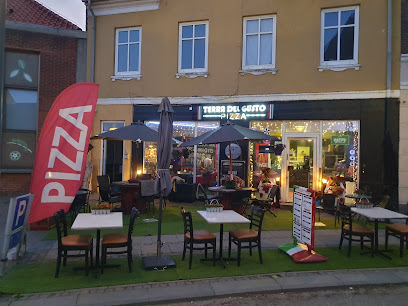
Hotel Møen
15.0 km
Relaxed Scandinavian dining in a historic Stege hotel, serving seasonal Danish comfort food a short stroll from the harbour and the narrow streets of old Møn.
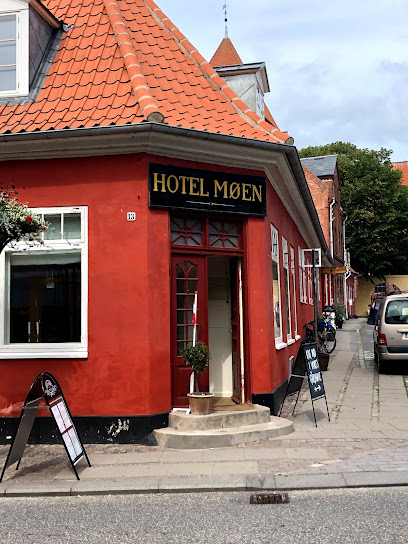
Restaurant Bryghuset Møn
15.0 km
Brewery restaurant celebrating Danish culinary traditions with fresh ingredients and genuine hospitality in medieval Stege.
Markets, malls and hidden boutiques

Fiskeri & Fritid Stubbekøbing
4.6 km
Harborfront fishing and outdoor shop in Stubbekøbing, equipping locals and visitors alike for Baltic Sea angling, coastal weather and life by the water.
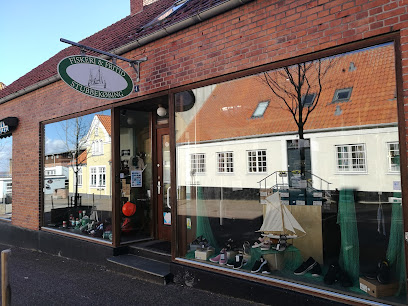
Vibækgård
9.4 km
Rural farm shop on Møn blending fresh local produce, animal feed and thoughtful gifts in a laid-back courtyard setting between fields and Stege Bay.
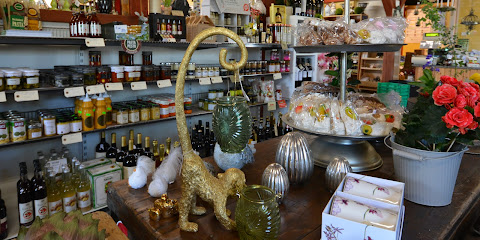
Rosengaarden antik
9.4 km
Rural Danish antique treasure trove on Møn, where barns and sheds brim with vintage furniture, glass, chinaware and curios along the road to Stege.
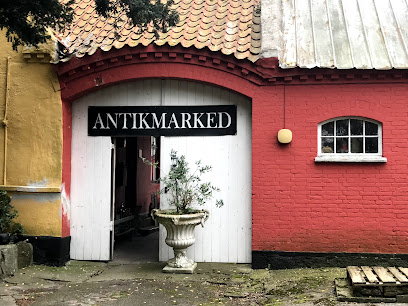
Tjørnemosegaard Julebutik & Møn honning
11.4 km
Cosy farm shop on Møn blending year-round Christmas charm with golden local honey and rural flavours in a warm, hygge-filled countryside setting.
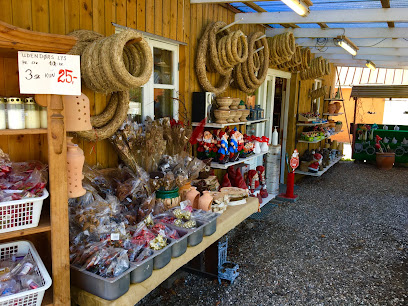
Lammehave Økologi v/Jacob Isling Jørgensen
12.2 km
Organic farm and 24/7 self-service shop on eastern Falster, where diverse crops, home-milled grains and local meat meet a quiet, trust-based countryside atmosphere.
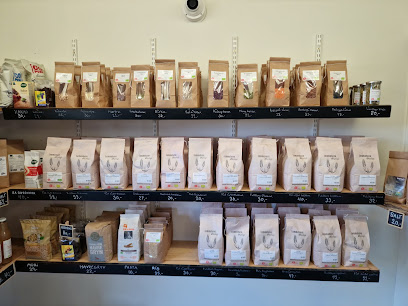
Møns Antikvariat
14.4 km
Atmospheric second-hand and antiquarian bookshop on Møn, where shelves of used books, comics and curiosities invite slow, serendipitous browsing just outside Stege.
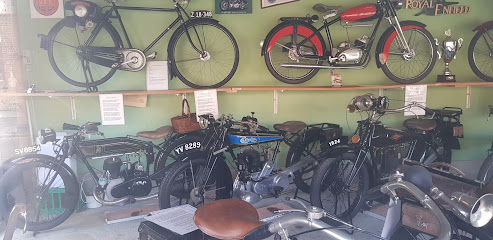
SuperBrugsen
14.7 km
A convenient one-stop supermarket in Lendemark, Stege, ideal for stocking up on groceries and essentials before exploring the island of Møn and its coastal landscapes.
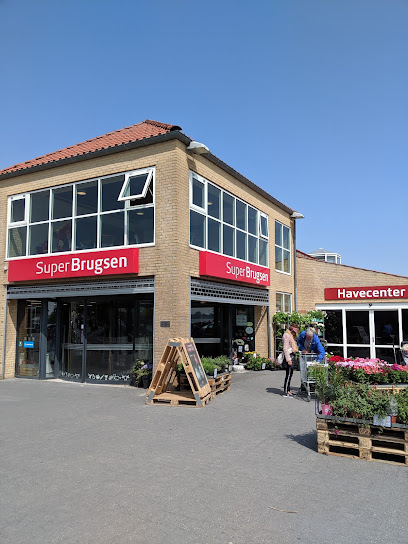
Coma Horreby v/Henrik Jensen
14.8 km
Local discount supermarket on Nykøbingvej, keeping Horreby and passing Falster travelers stocked up with everyday essentials at budget-friendly prices.
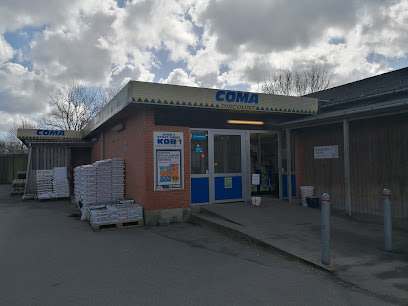
Nyord Ø Handel
14.8 km
Tiny island shop with a big heart: local groceries, crafts, coffee and ice cream at the friendly center of everyday life on tranquil Nyord.
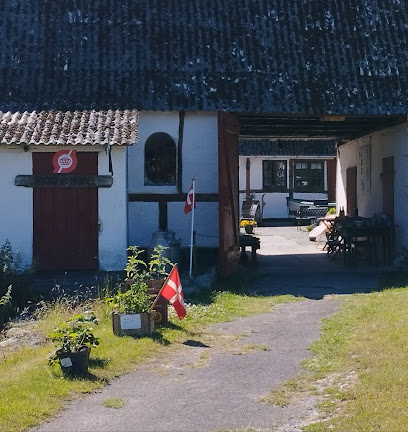
"Ejendommens" lille vejbod
14.9 km
A tiny countryside honesty stall on Hannenovvej where homemade preserves and seasonal produce offer a delicious, everyday taste of rural Falster.
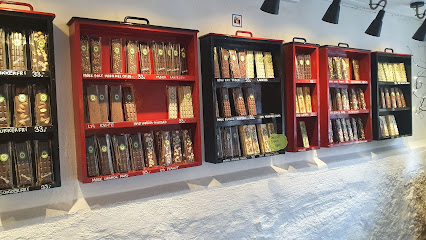
Lene Evers Chocolate
14.9 km
Artisan Danish chocolates crafted in a cozy cellar boutique on Stege’s main street, offering small-batch pralines and sweet souvenirs from the island of Møn.
Møns Vævehus
15.0 km
Working textile studio, weaving classes, and yarn shop in historic Stege
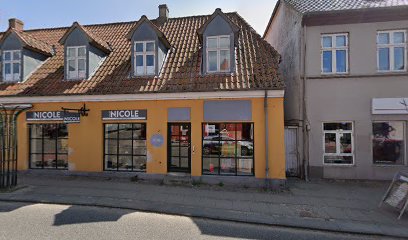
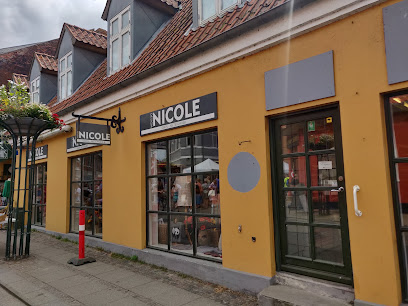
Nicolegarn
15.0 km
A cosy yarn shop on Stege’s main street, packed with colour, texture and friendly advice for knitters and crocheters exploring the island of Møn.
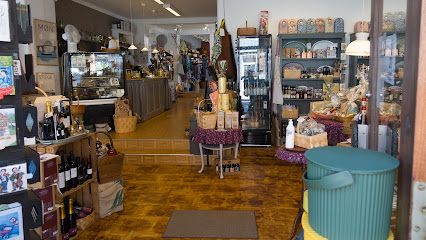
Mønne
15.0 km
Authentic Danish gourmet deli celebrating Møn's local flavors and artisan traditions in historic Stege.
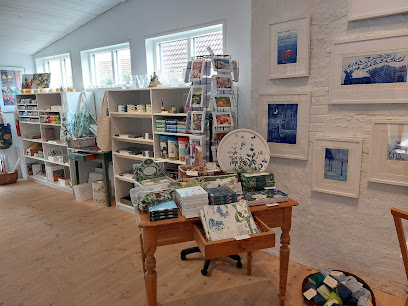
Liza's Gallery
15.1 km
Intimate artist-run gallery in a historic Stege courtyard, blending Møn’s coastal atmosphere with contemporary Danish and international art and distinctive design pieces.
Essential bars & hidden hideouts

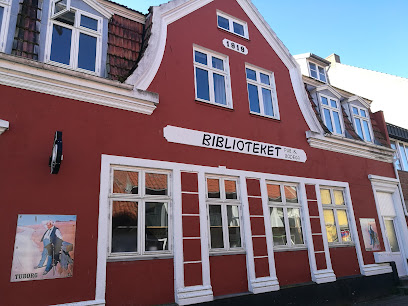
Biblioteket
4.8 km
Casual neighborhood bar in central Stubbekøbing with extended hours and genuine local character.
Nr. Alslev Bodega ApS
12.3 km
Laid-back neighborhood bodega in Nørre Alslev, pouring inexpensive beers and small-town Danish charm from late morning until midnight on weekends.
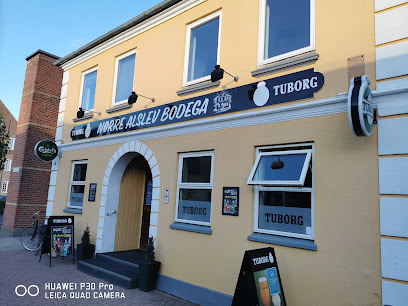
Rådhus Pub'en
13.7 km
Authentic Danish pub on the historic town square, where locals and travelers gather for genuine hospitality.
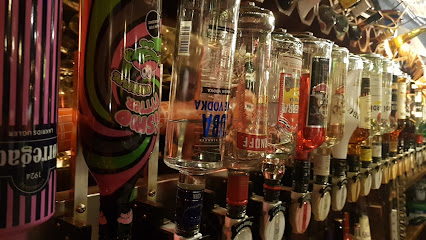
Ba'ryhl Bar & Café
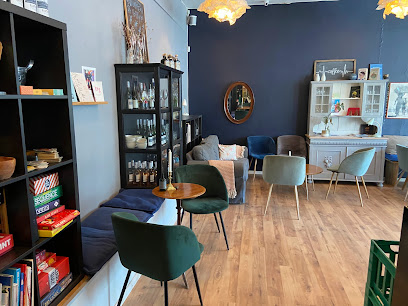
15.3 km
Cosy café by day, intimate cocktail bar by night, Ba'ryhl brings small‑town warmth, good drinks and relaxed conversation to the heart of Stege on Møn.
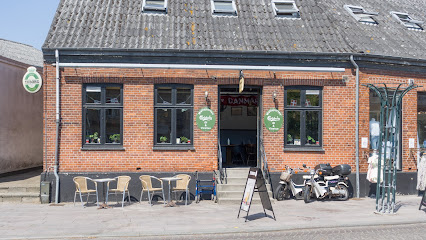
Mølleporten Øl- og Vinstue
15.3 km
A classic Danish “brown pub” on Stege’s main street, pairing local atmosphere, simple drinks and small-town charm just down from the town’s medieval gate.
Sussis Bodega ApS
17.7 km
Rural Danish bodega in an 1800s house along Stavreby Strandvej, offering simple drinks, informal company and a quietly coastal countryside atmosphere.
Slap A'
21.6 km
Unpretentious local bar in Nykøbing Falster with pool tables, inexpensive drinks and a relaxed neighborhood vibe from daytime quiet to late-night chatter.
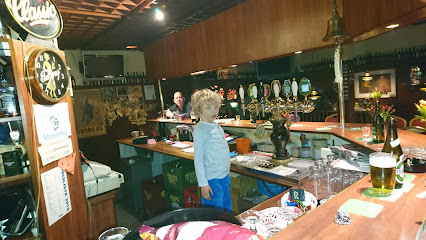
Cafe Nutiden V/ Brian Ipsen
21.8 km
A classic Danish bodega-style bar in central Nykøbing Falster, serving simple drinks and plenty of local atmosphere from midday through the late evening.
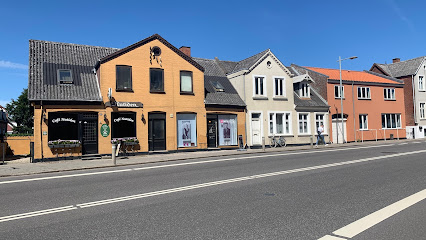
FUND BAR
21.9 km
Waterfront cocktails, Nordic design and a smoke-free, sociable atmosphere on Nykøbing Falster’s marina-facing Slotsbryggen promenade.
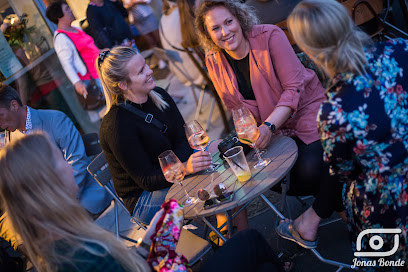
Jernbanecafeen Nykoebing Falster - Denmark
21.9 km
Unpretentious railway-side bar-café in Nykøbing Falster, where locals gather for relaxed evening drinks, conversations and classic, no-fuss Danish hospitality.
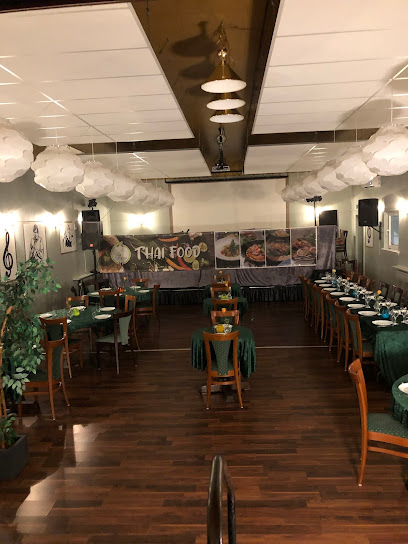
falster falster
21.9 km
Small, social neighborhood bar on Skolegade in Nykøbing Falster, serving cold beers and simple drinks in an unpretentious, intimate Danish pub atmosphere.
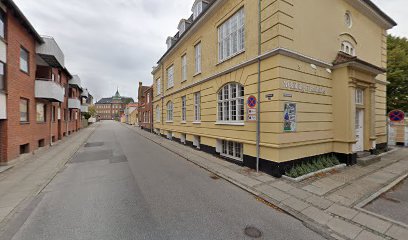
Cafe Slotsgården V/Brian Fog Ipsen
22.1 km
Experience Danish hospitality at Cafe Slotsgården, Nykøbing Falster's cozy beer hall with a rustic charm and diverse beer selection.
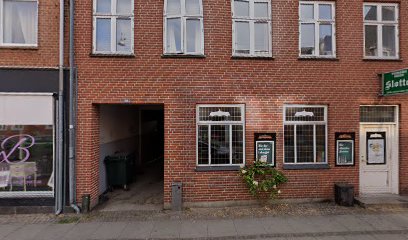
Slottet Værtshus
22.1 km
Unpretentious Danish bodega on Slotsgade where locals, regulars and curious visitors share cold beers, billiards games and late‑night jukebox tunes.
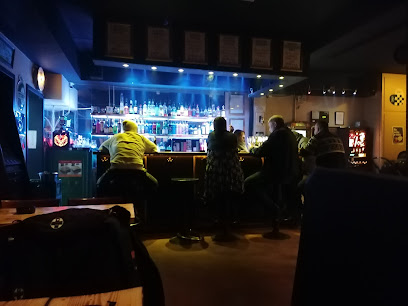
Fortuna
22.1 km
Cosy, no-frills Danish bodega in central Nykøbing Falster, where cold beer, warm conversation and unhurried evenings capture the spirit of local nightlife.
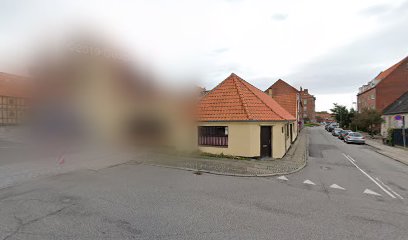
Den Sorte Engel
22.1 km
Moody brick walls, close-up live music and unpretentious Danish pub vibes make Den Sorte Engel the beating heart of Nykøbing Falster’s nightlife.
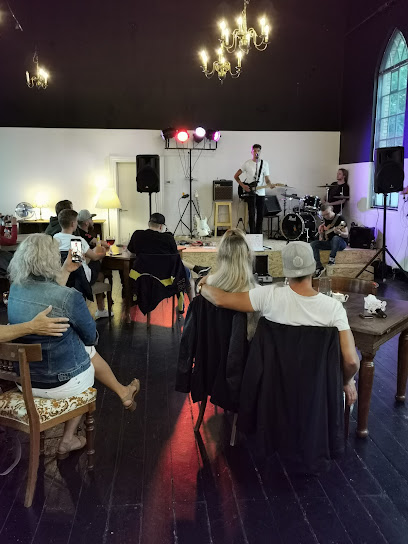
Nightclubs & after hour spots

Loke MC - Helheim
17.6 km
Rural Danish biker clubhouse with Norse-mythology flair, offering intimate late-night gatherings, loud rock playlists and a no-frills bar far from mainstream nightlife.
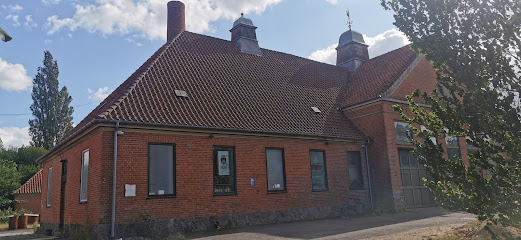
N.Y.K. Event
22.1 km
Compact late-night bar and nightclub in central Nykøbing Falster, mixing strong drinks, loud beats and a sociable dance floor that runs into the early morning.
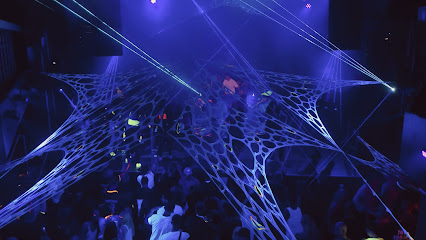
Billy Booze
22.1 km
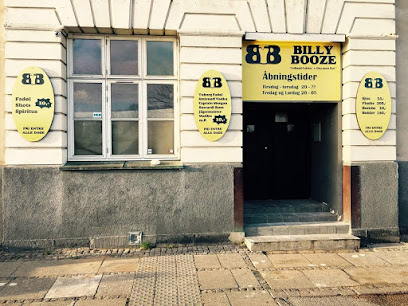
Compact late-night disco in Nykøbing Falster with inexpensive drinks, loud hits and a casual dance floor vibe from Thursday to Saturday.
Første sted
22.2 km
Compact, music-driven nightclub on central Slotsgade, offering an intimate, local slice of Nykøbing Falster’s late-night dancing and drinks scene.
Avenue Næstved
38.7 km
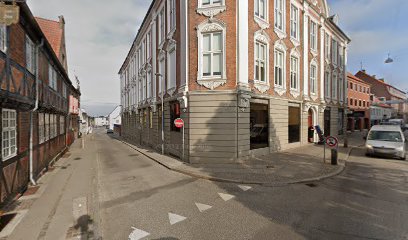
Lively nightspot and flexible event hall in central Næstved, mixing dancefloor energy, festive dinners, stand-up comedy and themed parties under one roof.
Step Inn I / S
38.7 km
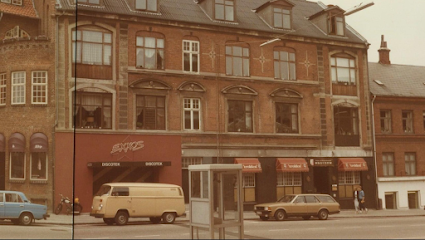
Step Inn I / S is a centrally located Næstved bar offering a relaxed setting for drinks, socializing, and local nightlife with a distinctly Danish twist.
Crazy Daisy Næstved
38.7 km
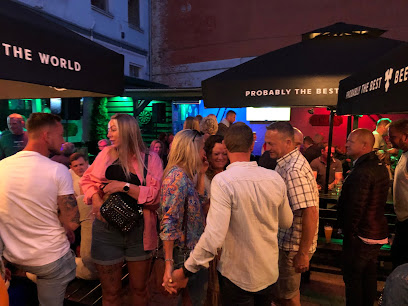
High‑energy weekend nightclub in central Næstved, packing loud beats, flashing lights and a late‑night local crowd into a compact, classic Danish town‑club setting.
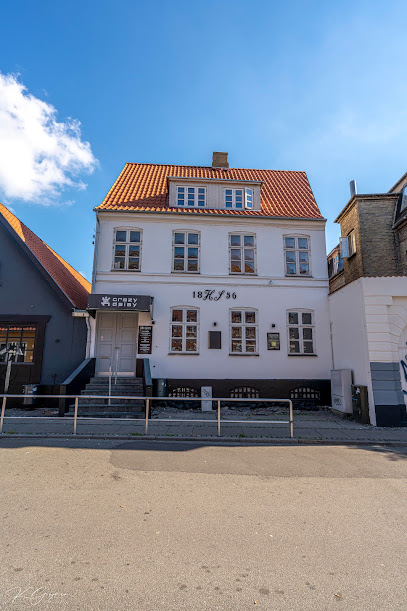
Bar z
38.8 km
Næstved's welcoming nightclub for Thursday-to-Saturday evening gatherings and social entertainment.
The Old Irish Pub
38.8 km
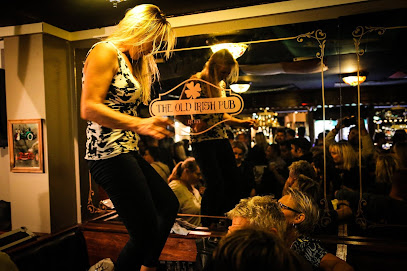
A vibrant Irish-themed pub in the heart of Næstved, offering live music, sports, draught beer, and a lively atmosphere for both locals and visitors.
The Beach
38.8 km
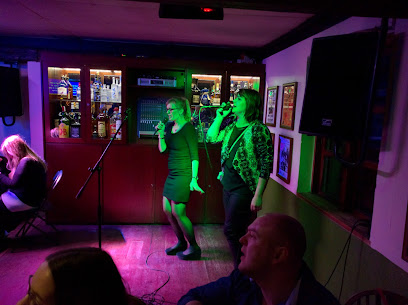
The Beach is Næstved’s top karaoke bar, renowned for its vibrant ambiance, creative drinks, and a lineup of crowd-pleasing singalong nights in the city center.
Sct. Jørgens Jazzklub
38.9 km
Experience live jazz in the heart of Næstved at Sct. Jørgens Jazzklub, where music and history harmonize.
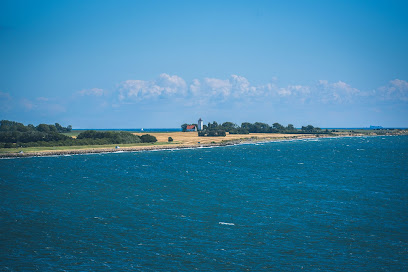
Gedser Lighthouse
41.3 km
Explore Denmark's southernmost lighthouse, offering panoramic Baltic Sea views and rich maritime history.
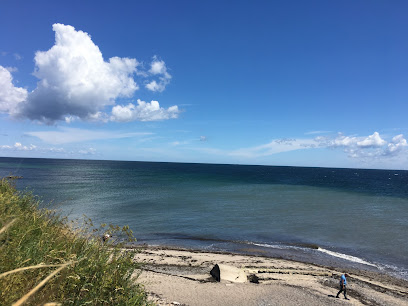
Gedser Odde
41.6 km
Discover the windswept beauty and migratory birdlife of Gedser Odde, Denmark's dramatic southernmost point where land and Baltic Sea converge.
Bloom Nightclub
58.7 km
Late-night harborfront beats and a compact dance floor bring big-night energy to small-city Køge every Friday and Saturday.
The Flame
58.7 km
Compact, high-energy nightclub by Køge’s harbor, serving up youthful beats, live acts and weekend dance-floor vibes in an intimate, no-frills setting.
For the vibe & atmosphere seeker
- Scenic
- Unique
- Adventurous
For the architecture buff
- Historic
- Landmarks
- Heritage Neighborhoods
For the view chaser and sunset hunter
- Iconic Views
- Panoramas
For the social media creator & influencer
- Photo Spots
- Architectural Shots
For the eco-conscious traveler
- Protected Area
- Leave-No-Trace Critical
- Locally Managed
For the kind of experience you’re after
- Myth & Legends
- Cultural Heritage
- Photowalk
- Nature Escape
- Day Trip
For how adventurous you want the journey to be
- Easy Access
- Requires Hike
Location Audience
- Family Friendly
- Solo Friendly
- Couple Friendly
- Senior Friendly


