The Viking Fortress Trelleborg
Denmark's premier Viking ring fortress: Harald Bluetooth's circular bastion of power, UNESCO-listed amid Zealand's scenic valleys.
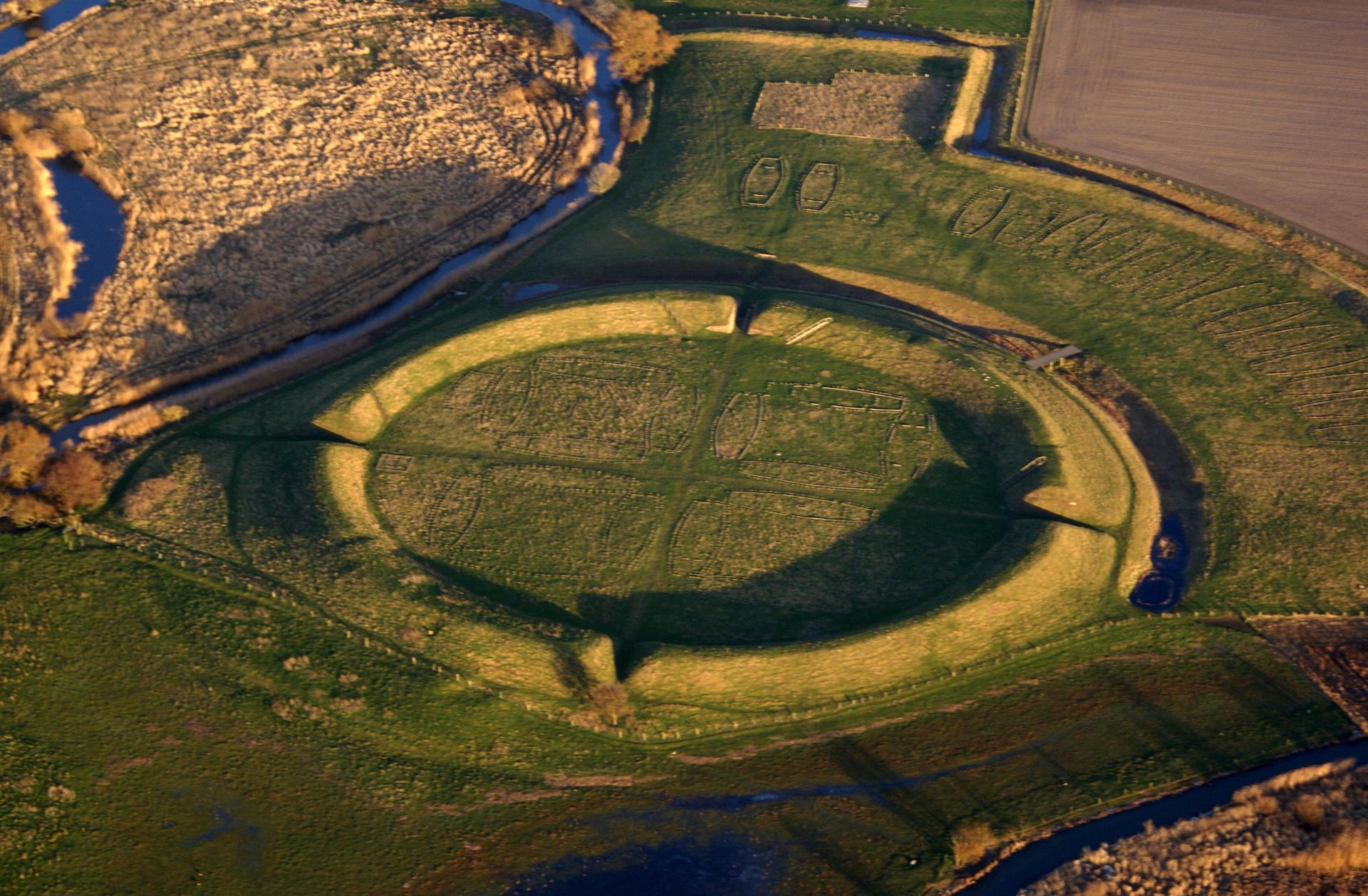
Trelleborg, west of Slagelse on Zealand, stands as Denmark's best-preserved Viking ring fortress, built around 980 AD by King Harald Bluetooth. This UNESCO World Heritage site features a precise circular design with ramparts, gates, and longhouse foundations, once housing up to 1,300 people. Explore the museum's artifacts, a reconstructed Viking village, and longhouse amid scenic Tude Ådal valley, evoking the strategic power of the Viking Age.
A brief summary to The Viking Fortress Trelleborg
- Trampestien Tude Ådal, Slagelse, 4200, DK
- Click to display
- Duration: 1.5 to 3 hours
- Budget
-
 Outdoor
- Mobile reception: 4 out of 5
Local tips
- Visit in summer for extended hours and potential Viking reenactments; museum operates Tuesday-Sunday from April.
- Combine fortress exploration with the reconstructed longhouse and Slagløse village for a full Viking immersion.
- Allow time for the museum's artifacts, including Denmark's only Viking shield and mass grave displays.
- Time your trip for the July Viking Festival with battles, markets, and crafts by hundreds of reenactors.

Do you manage this location?
Take control to get all the benefits, like improved information, better appearance, and stronger visibility across AI-powered discovery. Learn more
Activate your presenceOther nearby places you may find interesting
Getting There
-
Car
Drive from Slagelse center via Route 22 and Trelleborg Allé, 10-15 minutes, free parking available at the site; note limited spaces during peak summer weekends.
-
Bus
Take regional bus 901 or 498 from Slagelse Station to Møllesøvej stop, 20-25 minutes from station plus 20-minute walk on flat paths; services run hourly, DKK 30 single fare.
-
Train + Bus
IC train from Copenhagen to Slagelse Station (50-60 minutes, DKK 150), then bus 901/498 to Møllesøvej (20 minutes); total 80-100 minutes, frequent trains.
-
Walking
From Slagelse Station, follow marked paths through Tude Ådal, 4-5 km on easy trails, 50-70 minutes; suitable for fair weather, uneven terrain in wet conditions.
For the on-the-go comforts that matter to you
-
 Restrooms
-
 Drink Options
-
 Food Options
-
 Seating Areas
-
 Trash Bins
-
 Information Boards
-
 Visitor Center
The Viking Fortress Trelleborg location weather suitability
-
 Any Weather
-
 Mild Temperatures
-
 Rain / Wet Weather
Discover more about The Viking Fortress Trelleborg
Fortress of Viking Precision
Trelleborg's design exemplifies Viking engineering mastery, forming a perfect circle with a diameter of 134 meters. Two perpendicular roads intersect at the center, dividing the interior into four quadrants, each containing four identical longhouses arranged symmetrically. Massive oak ramparts, filled with stones and clad in wood, encircled the site, pierced by four gates aligned opposite one another. This geometric perfection, unique among Viking fortifications, underscores its role as a military stronghold commanding the Great Belt's sea traffic. Positioned on a peninsula amid swampy terrain between rivers, the fortress leveraged natural defenses while allowing Viking ships to navigate via connected waterways. Construction, dated to wood felled in autumn 980, proceeded rapidly, suggesting urgent strategic imperatives under Harald Bluetooth's rule.Harald Bluetooth's Strategic Vision
King Harald Bluetooth, son of Gorm the Old, ordered Trelleborg's erection around 980 AD as part of a network of ring fortresses across Denmark. These bastions symbolized the Jelling Dynasty's military might and control over vital waterways between Zealand and Funen. Unlike other sites, Trelleborg extended with a bailey, enhancing its defensive capabilities and capacity to garrison warriors. Archaeological evidence reveals a bustling hub: workshops for silver, gold, and bronze; everyday tools like pottery, knives, combs, and needles; and weapons including axes and arrows. The presence of mass graves with slain soldiers—many bearing deep wounds from close combat—hints at a violent siege, possibly involving fire that led to abandonment after brief use, perhaps as little as five to twenty years.Traces of Battle and Diversity
Excavations from 1934 to 1942 uncovered three mass graves containing soldiers from distant lands, including modern-day Norway and Poland, identified through strontium analysis of remains. These foreign mercenaries, likely guards, reflect Harald's alliances, such as his marriage to Tove, daughter of a Polish prince. Lethal injuries and fire damage suggest a fierce attack overwhelmed the defenders, leaving the eastern rampart incomplete. The site's gates show prolonged wear, indicating sustained activity before catastrophe struck. Artifacts from sacrificial wells and skeletal remains of locals further illuminate Viking rituals and daily life within this fortified community.Museum and Reconstructions Unveiled
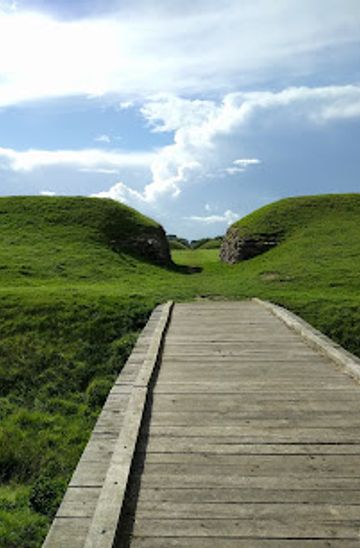
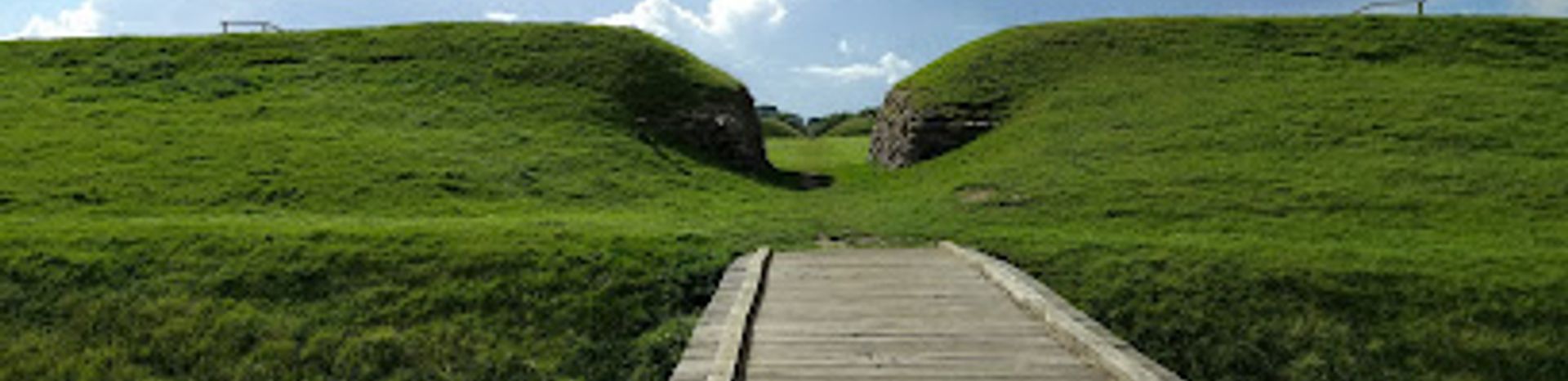
The on-site museum, part of Denmark's National Museum, displays excavated treasures: the only surviving Viking shield in Denmark, models of the fortress, and vivid reconstructions. A full-scale longhouse replica, built in the 1940s, offers insight into domestic architecture, while the nearby Slagløse Viking village recreates period dwellings, including one modeled on Hedeby structures. These elements transport visitors to the Viking Age, blending tangible ruins with interpretive displays amid the lush Tude Ådal valley. The fortress's earthen ramparts, now grass-covered, rise imposingly, their scale evoking the labor of hundreds in timber and earthworks.UNESCO Legacy in the Landscape
In 2023, Trelleborg joined four other Danish ring fortresses on the UNESCO World Heritage List, recognizing their testimony to 10th-century power consolidation. Nestled in natural beauty, the site invites exploration of ramparts, foundations, and surrounding cemetery, where ancient burials whisper of the era's beliefs. Today, the fortress endures as a monument to Viking ambition, its circular form a timeless emblem amid Zealand's rolling terrain, bridging history with the present through immersive exhibits and seasonal events.Explore the best of what The Viking Fortress Trelleborg has to offer
-

Best experiences near The Viking Fortress Trelleborg
-

Best hotels near The Viking Fortress Trelleborg
-

Best attractions near The Viking Fortress Trelleborg
-

Best shops near The Viking Fortress Trelleborg
-

Best restaurants near The Viking Fortress Trelleborg
-

Best bars near The Viking Fortress Trelleborg
-

Best nightclubs near The Viking Fortress Trelleborg









More about Slagelse
Discover Slagelse: A captivating blend of Viking history, vibrant culture, and natural beauty on the charming island of Zealand, Denmark.
Tell me more about Slagelse
Experience the charm of Copenhagen’s iconic Nyhavn harbor—vivid houses, historic ships, vibrant restaurants, and the city’s lively waterfront spirit.
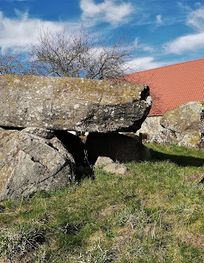
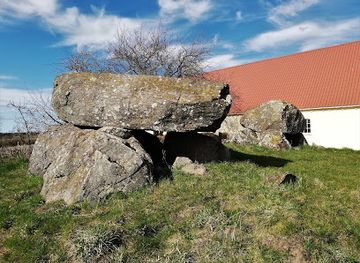
A modest Neolithic dolmen in the fields near Slagelse, where ancient burial stones, open skies, and quiet farmland meet in a quietly powerful landscape.