

Middelgrundsfortet (Ungdomsøen)
A vast 19th‑century sea fortress turned youth island, floating between Copenhagen and Malmö with tunnels, ramparts and wide Øresund horizons.
Rising from the waters of the Øresund between Copenhagen and Malmö, Middelgrundsfortet is a vast 19th-century sea fortress built on an artificial island to guard the approach to Denmark’s capital. Once the world’s largest sea fort and still the largest man-made island without abutment, it now combines atmospheric military heritage, raw coastal scenery and youth-focused activities under the name Ungdomsøen. Expect tunnels, ramparts, sea views and a powerful sense of maritime history just offshore from the city.
A brief summary to Middelgrundsfortet
- DK
- Duration: 2 to 6 hours
- Mid ranged
-
 Outdoor
- Mobile reception: 3 out of 5
Local tips
- Pack layers and a windproof jacket; even on sunny days the Øresund breeze can feel noticeably cooler than in central Copenhagen.
- Wear sturdy shoes suitable for uneven surfaces, metal stairways and occasionally damp tunnel floors inside the old fortress.
- Check in advance if any guided tours, youth events or festivals are scheduled, as access and available areas can vary with programming.
- Bring a power bank and any essentials you need for several hours; facilities exist but are more limited than in the city.
- Photography enthusiasts should plan extra time on the ramparts around golden hour for atmospheric shots of both coasts and passing ships.

For the on-the-go comforts that matter to you
- Restrooms
- Drink Options
- Drinking Water
- Food Options
- Seating Areas
- Sheltered Areas
- Information Boards
Getting There
-
Ferry from central Copenhagen
The most straightforward way is to join an organised boat or ferry service operating from central Copenhagen, often from piers near the harbourfront districts and Langelinie. The crossing typically takes 20–35 minutes depending on the vessel and route. Tickets for scheduled trips usually fall in the range of 120–250 DKK per adult, with departures more frequent in the warmer months and around special events. Services can be weather-dependent, and advance booking is recommended, especially for groups.
-
Private boat or charter
If you have access to a private boat or arrange a small charter from marinas around Copenhagen’s inner harbour or nearby coastal areas, you can reach Middelgrundsfortet in roughly 20–40 minutes of sailing time. Costs vary widely, but small-boat charters for a half‑day outing commonly start around 1,500–3,000 DKK for the vessel rather than per person. Mooring options and landing procedures should be confirmed with the island’s management in advance, and skippers must be comfortable with open‑water conditions in the Øresund.
-
Kayak or sea kayak outing
Experienced paddlers sometimes reach the island by sea kayak from launch points along the Copenhagen waterfront, turning the trip into a half‑day or full‑day excursion. Paddling times from common starting areas are typically 1.5–3 hours each way, depending on currents, weather and fitness. Guided sea‑kayak tours, when available, tend to cost from about 400–800 DKK per person including equipment. This option requires suitable skills, calm conditions and respect for shipping lanes, and is best avoided in strong wind or poor visibility.
Middelgrundsfortet location weather suitability
-
 Clear Skies
-
 Windy Conditions
-
 Mild Temperatures
-
 Cold Weather
-
 Any Weather
Discover more about Middelgrundsfortet
Fortress in the Middle of the Sound
Middelgrundsfortet rises from the Øresund like a low, circular citadel, its stone ramparts and grassy embankments almost level with the surrounding sea. Constructed between 1890 and 1894 as part of Copenhagen’s coastal defences, it occupies a strategic point where shipping lanes tighten at the junction of the Kongedybet and Hollænderdybet channels. The entire island is man‑made, created from enormous quantities of excavated material and masonry carefully laid onto the shallow seabed. At its peak, the fort was regarded as the largest sea fortress of its kind, and it remains the largest man-made island in the world without land-based supports. Covering around 70,000 square metres including wave breakers, with roughly 15,000 square metres of internal buildings, it feels like a self-contained mini-city at sea. Approaching by boat, you first notice the thick exterior walls, low silhouettes of gun positions and the robust, utilitarian profile that speaks of industrial‑age engineering and naval ambition.Layers of Military History
The island’s story is closely tied to Denmark’s maritime anxieties at the end of the 19th century. Built under the reign of Christian IX, Middelgrundsfortet formed a key link in a ring of fortifications designed to protect Copenhagen’s harbour against hostile fleets and emerging long-range artillery. Heavy guns once lined the ramparts, commanding the main shipping channel, while deep ammunition magazines and armoured doors ensured that soldiers could continue fighting even under bombardment. Military use continued well into the 20th century. During the Cold War era a HAWK missile battery was installed, reflecting the shift from cannon warfare to guided air defence. The fort remained an active military installation until 1984, its warren of barracks, storerooms and command posts humming with life. In the early 2000s, the state sold the island and its interior spaces were adapted for civilian use, at one point operating as a hotel with hundreds of beds linked by kilometres of corridors.From Garrison Island to Youth Hub
A new chapter began in 2015 when two Danish scout organisations jointly acquired the island and reimagined it as Ungdomsøen, the Youth Island. The vision shifted from closed military stronghold to open, youth-centered meeting place. Today the fort can host large camps, seminars and workshops, combining outdoor camping areas for hundreds with simpler indoor accommodation. The long corridors that once echoed with soldiers’ footsteps now serve as gathering spaces, creative rooms and informal hangouts for young people. Events on the island range from leadership courses and international youth summits to a small music festival, set against a backdrop of concrete bunkers and historic gun emplacements. The atmosphere blends adventure-camp informality with the gravity of its martial past: you might step out of a modern workshop into a courtyard still framed by thick blast walls, or pitch a tent within sight of rusting mooring rings once used by naval vessels.Exploring Corridors, Courtyards and Ramparts
For visitors, Middelgrundsfortet offers a rare chance to explore an almost intact sea fortress up close. Inside, dimly lit tunnels run like veins through the island, connecting former barracks, magazines and technical rooms. The temperature stays cool and slightly damp year‑round, adding to the sense of stepping back in time. Armour‑plated doors, narrow staircases and remnants of mechanical equipment hint at the fort’s operational complexity. Above ground, grass‑topped ramparts encircle the island, inviting slow loops with uninterrupted views. From here you can watch ferries and cargo ships slip between Denmark and Sweden, trace the distant Copenhagen skyline and follow the low line of the Swedish coast on the horizon. The central courtyards offer more sheltered spaces, edged by long brick façades and utilitarian structures that have been gradually repurposed for meetings, dining and activities.Sea Air, Wide Horizons and Urban Distance
Part of the fort’s appeal lies in its sense of removal from everyday city life. Although the mainland is clearly visible, the island feels distinctly separate: surrounded by water, with the constant sound of waves against stone and gulls circling overhead. In clear weather the light can be dazzling, reflecting off the Øresund and the pale masonry, while on overcast days the island takes on a moodier, almost cinematic character. That combination of isolation and proximity makes Middelgrundsfortet a compelling escape. It is close enough to Copenhagen to be practical for day visits and organized events, yet far enough to foster focus, camaraderie and reflection. Whether you come for its military heritage, its contemporary role as a youth island or simply for the sea views and fresh air, this man‑made fortress in the middle of the sound leaves a strong impression.Iconic landmarks you can’t miss

Nyholm Central Guardhouse
5.1 km
Discover Aarhus’s Latin Quarter, where historic charm meets a lively cultural scene, bustling cafés, artisan shops, and rich Danish heritage in the city’s oldest district.
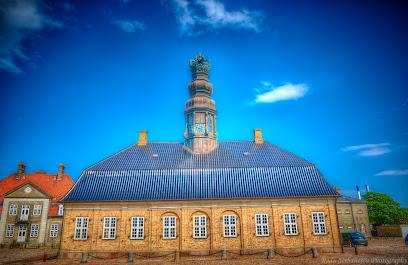
Maritime Monument
5.2 km
Honoring Denmark’s seafaring legacy, the Maritime Monument in Østerbro is a striking, evocative memorial nestled in the heart of Copenhagen’s leafy cityscape.
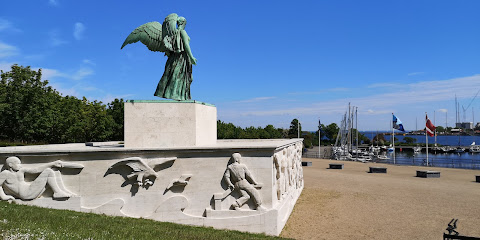
Iver Huitfeldt Memorial
5.3 km
A soaring tribute to Danish heroism, the Iver Huitfeldt Memorial stands sentinel over Copenhagen’s harbor, blending history, artistry, and breathtaking waterfront views.
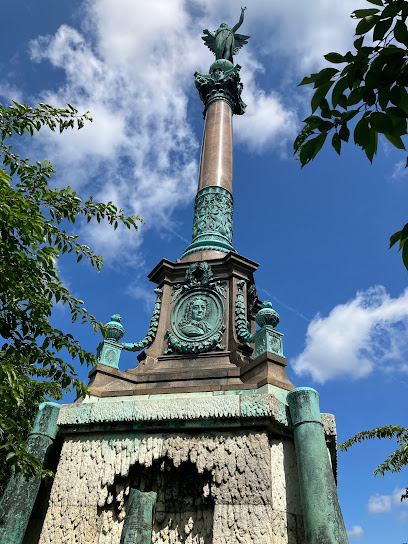
The Old Execution site in Copenhagen 1946-1950
5.6 km
A hidden concrete foundation marks where post-war Denmark executed Nazi collaborators in secrecy.
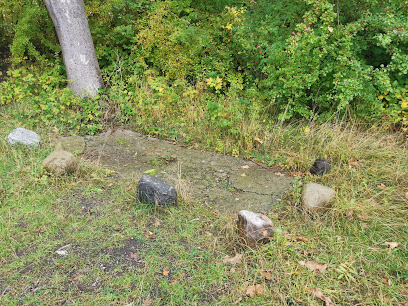
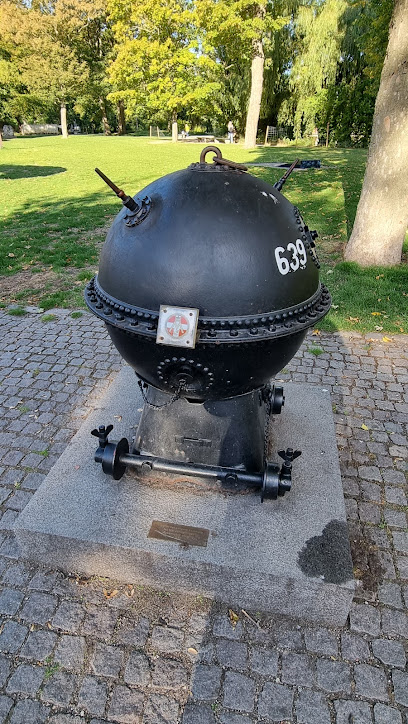
Horn mine
5.6 km
A disarmed World War II naval mine displayed in Churchill Park, turning a former weapon of the sea into a quiet reminder of conflict amid central Copenhagen’s greenery.
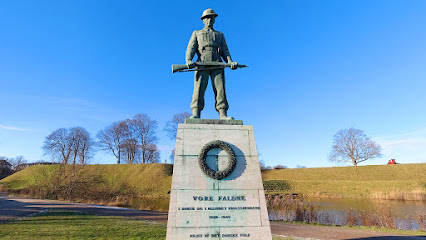
Our Fallen
5.6 km
A bronze tribute to World War II sacrifice, standing sentinel at Kastellet's gate since 1957.
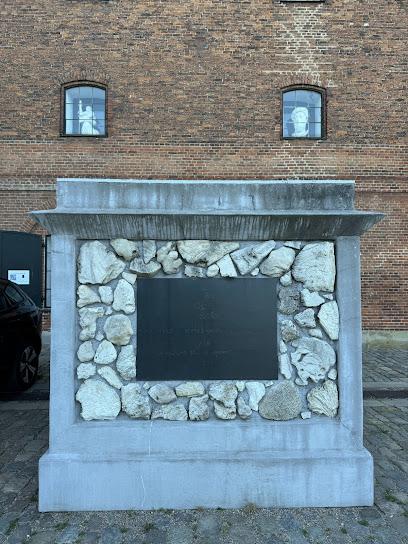
I am Queen Mary
5.7 km
A powerful harborfront monument honoring rebel leader Mary Thomas, confronting Copenhagen’s colonial past beside the historic West Indian Warehouse.
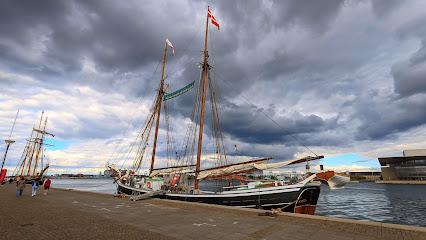
Larsens Pl.
5.9 km
Historic waterfront where Scandinavian dreams embarked for America, now a refined promenade of heritage and harbour views.
Rytterstatuen
6.1 km
A towering bronze king on horseback, Rytterstatuen anchors Amalienborg’s royal square, uniting art, power and urban design in the heart of Copenhagen.
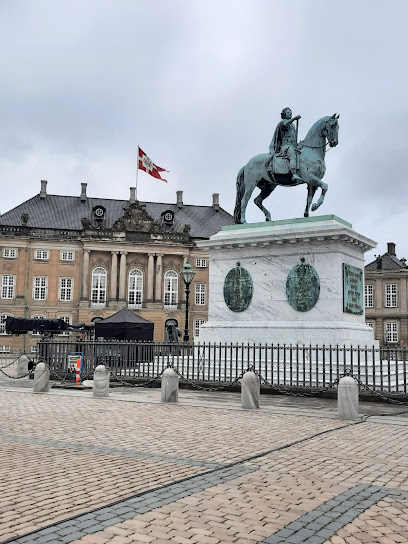
Amalienborg Palace
6.1 km
Explore the grandeur of Amalienborg Palace in Copenhagen, a stunning royal residence showcasing rich history and exquisite architecture.
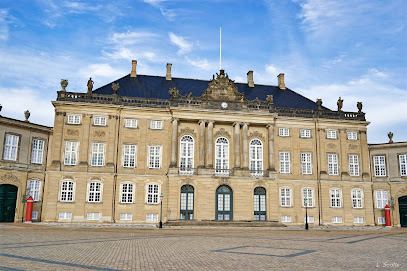
Amalienborg Palace Museum
6.1 km
Immerse yourself in the splendor and stories of Denmark’s monarchy at Amalienborg Palace Museum, where royal tradition and personal history come alive.
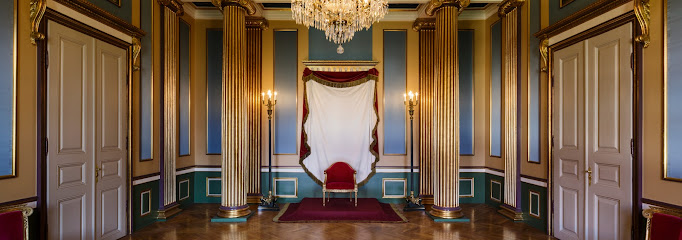
St. Alexander Nevsky Church
6.1 km
Copenhagen's ornate Russian Orthodox gem with gilded domes and royal heritage near Amalienborg Palace.
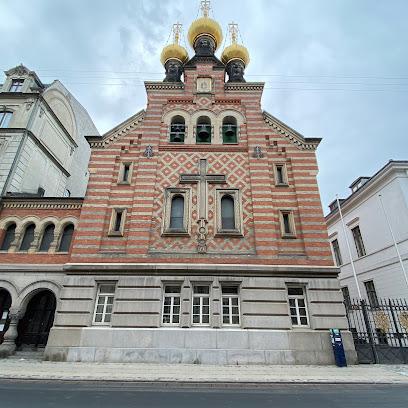
St. Paul's Church
6.1 km
Neo‑Romanesque red brick meets ochre-yellow naval housing at this calm parish church, giving Nyboder a quiet spiritual heart amid central Copenhagen.
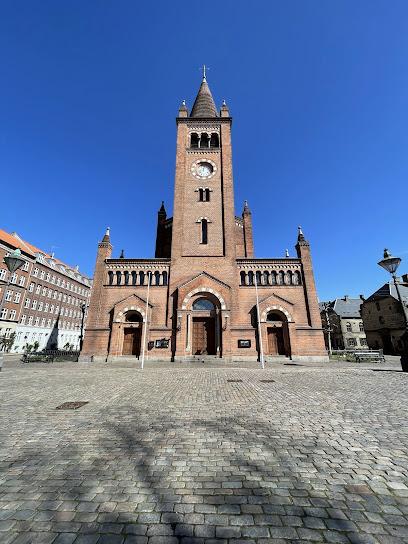
Krudhuset
6.2 km
Marvel at St. Alexander Nevsky Church, Copenhagen’s ornate Russian Orthodox landmark crowned by golden onion domes, blending history, artistry, and spiritual serenity.
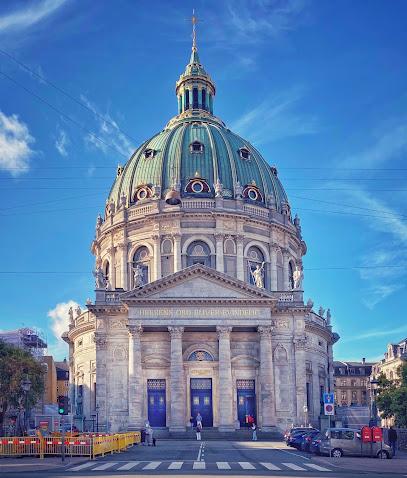
Frederik's Church
6.2 km
Copenhagen's iconic copper-domed masterpiece—a 145-year architectural triumph offering panoramic views and spiritual grandeur.
Unmissable attractions to see

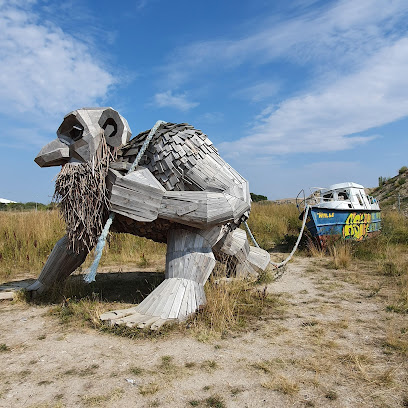
Kaptajn Nalle by Thomas Dambo
3.3 km
A giant recycled-wood troll hauling his boat ashore on Copenhagen’s wild Nordhavn fringe, blending playful treasure hunt, harbor scenery and a strong reuse message.
Trekroner Fort
3.8 km
Historic sea fortress on an artificial island at Copenhagen’s harbour mouth, blending coastal views, cool casemate tunnels and centuries of naval history.
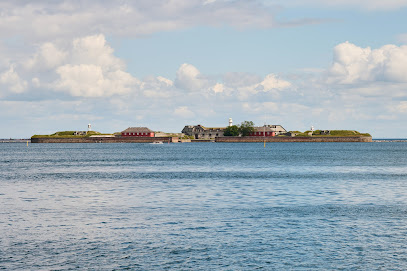
Refshaleøen, Copenhagen
4.3 km
Copenhagen's industrial-turned-creative waterfront where shipyard heritage meets cutting-edge culture and world-class cuisine.
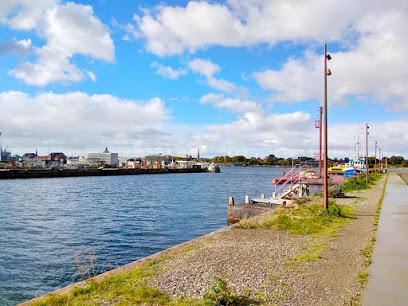
Copenhagen Contemporary
4.5 km
Immersive large-scale installation art in a vast former shipyard hall at the heart of Copenhagen’s raw, waterfront cultural district on Refshaleøen.
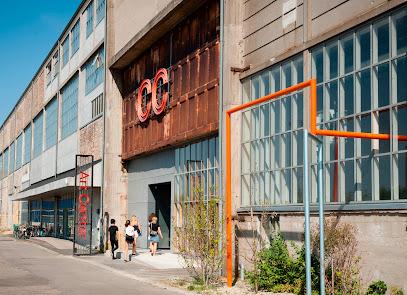
Reffen - Skøjteøen
4.7 km
Industrial harbour vibes meet global street food, live events and a glowing winter ice rink at Copenhagen’s most atmospheric container village.
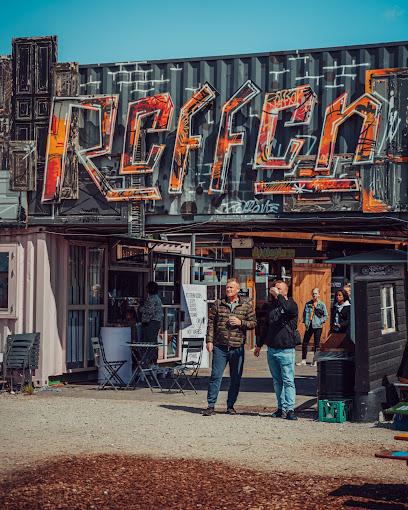
Langelinie
4.7 km
Copenhagen’s classic harbourfront promenade, where sea air, green parkland, and iconic sculptures like The Little Mermaid meet at the edge of the Øresund.
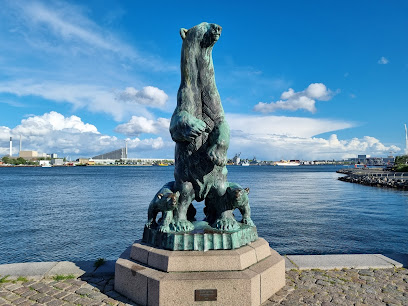
Segway Cruise Copenhagen
4.8 km
Discover St Alban’s Church, Copenhagen’s only Anglican church, where neo-Gothic architecture and lush parkland meet Danish and British history near the city's harbor.
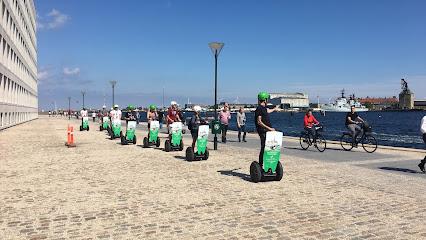
The Genetically Modified Little Mermaid by Bjørn Nørgaard
4.8 km
A darkly playful harbourfront sculpture that twists Copenhagen’s fairytale mermaid into a sharp, bronze critique of genetics, icons and postmodern life.
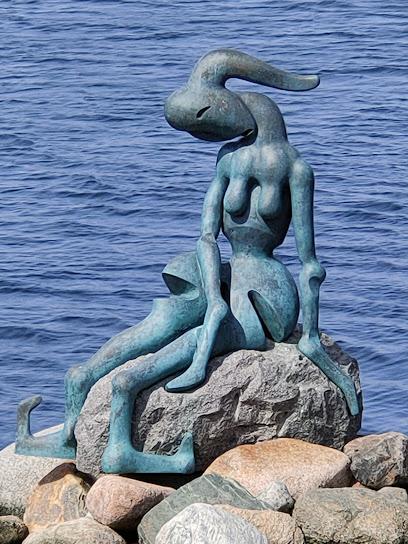
Holmen
4.9 km
Historic naval islands turned calm harbour quarter, where dockyards, academies and the Copenhagen Opera House share wide quays and sweeping city views.
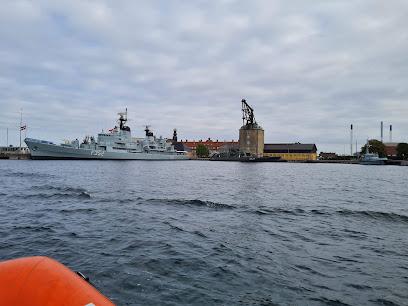
Svanemølle Beach
5.2 km
Compact urban sands, a long wooden pier and sheltered shallows make Svanemølle Beach Østerbro’s easygoing city escape on the edge of Svanemølle Bay.
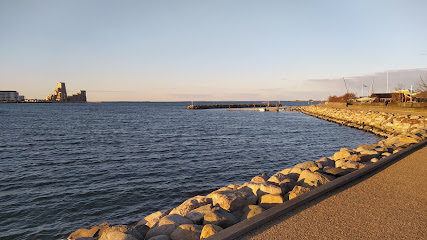
The Little Mermaid
5.2 km
Historic harbor district ablaze with color, culture, and canals—Nyhavn is Copenhagen’s most iconic and photogenic waterfront destination.

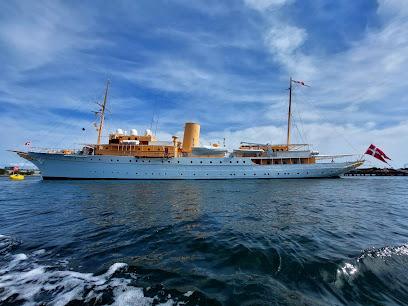
Kongeskibet Dannebrog
5.2 km
An elegant white royal yacht moored in Copenhagen’s harbour, Kongeskibet Dannebrog is a floating palace, naval vessel and living symbol of modern Danish monarchy.
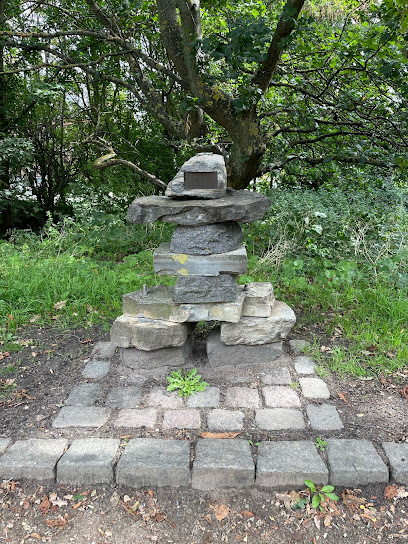
Inugsuk
5.3 km
Discover one of Europe's oldest and most innovative zoos, home to over 4,000 animals and award-winning habitats in the leafy heart of Frederiksberg, Copenhagen.
Langelinie Park
5.3 km
Explore Denmark's first public museum, showcasing the neoclassical masterpieces of Bertel Thorvaldsen in the heart of Copenhagen.
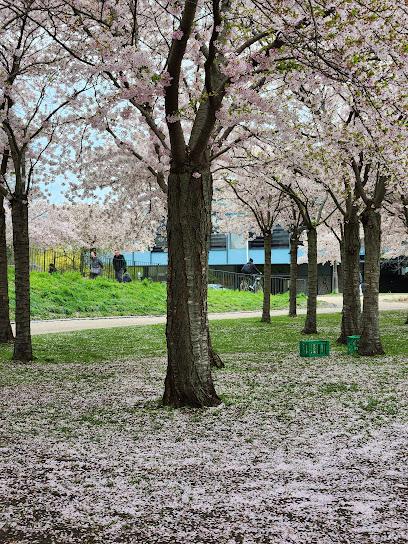
Langelinieparken
5.3 km
Leafy waterfront lawns, sculptures and sea views where cruise ships, mythic fountains and Copenhagen’s Little Mermaid all meet along a single harbourfront walk.
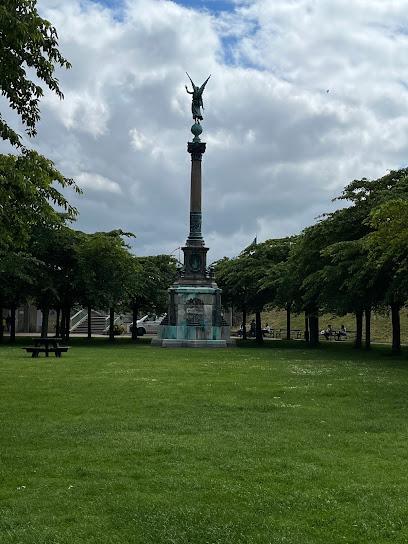
Essential places to dine

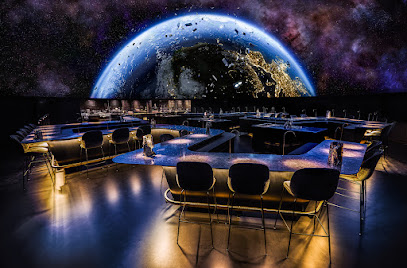
Alchemist
4.4 km
Six hours of theatrical culinary innovation where haute cuisine meets immersive art installation.
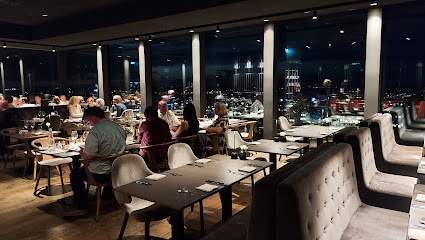
Restaurant Silo
4.5 km
Contemporary Nordic dining and cocktails on the 17th floor of a converted grain silo, with sweeping harbor and city views across Copenhagen’s evolving Nordhavn waterfront.
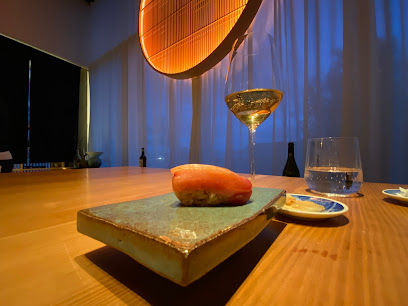
Sushi Anaba
4.5 km
Europe's finest omakase counter, where Nordic seafood meets Tokyo precision in an eight-seat sanctuary of culinary excellence.
La Banchina
4.9 km
Tiny blue harbour house on Refshaleøen blending seasonal pescatarian cooking, natural wines, sauna culture and swims into one uniquely Copenhagen experience.
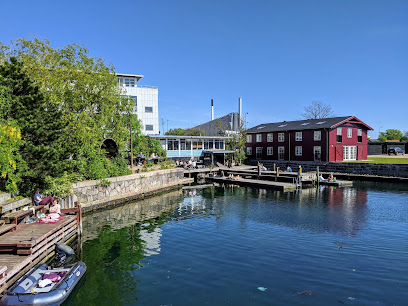
Veve
5.2 km
A destination for innovative, plant-based fine dining in Østerbro, where Nordic purity meets global flavors for an unforgettable vegetarian tasting menu experience.
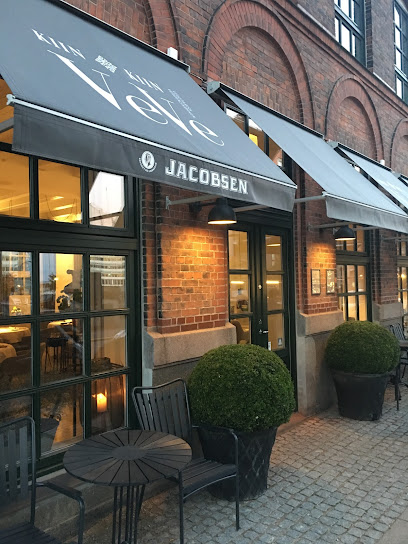
Noma
5.4 km
Boundary-pushing New Nordic tasting menus in an understated waterfront warehouse, where radical seasonality, fermentation and Danish warmth shape an immersive dining experience.
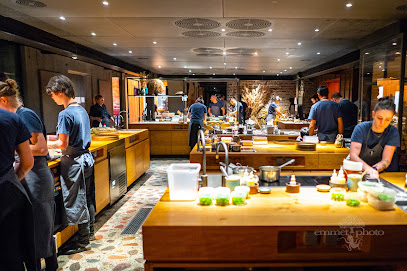
Hos Fischer
5.7 km
Experience authentic Italian trattoria dining and neighborhood hospitality at Hos Fischer, a beloved Østerbro culinary gem near the tranquil green heart of Copenhagen.
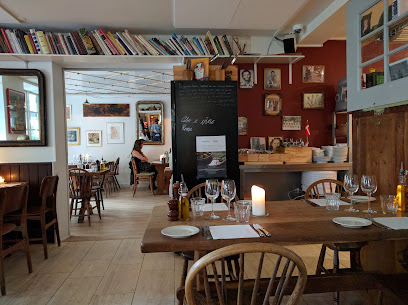
Restaurant Madklubben Østerbro
5.8 km
Enjoy approachable modern Danish cuisine and vibrant local life in the stylish heart of Østerbro at Restaurant Madklubben, where good food and great company meet.
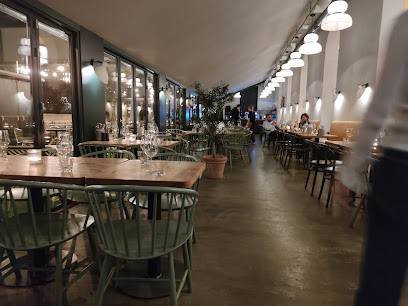
PAX
5.9 km
Experience innovative Italian-inspired cuisine in the heart of Østerbro at PAX, where a dynamic menu and cozy ambiance await.
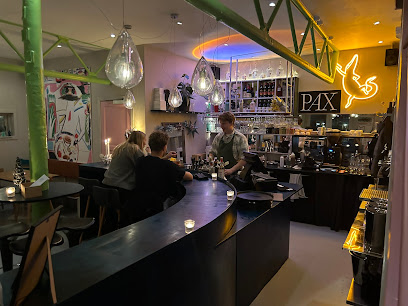
Dag H
6.0 km
Stylish Østerbro brasserie offering classic bistro plates, all-day dining, and a cosmopolitan terrace in Copenhagen’s embassy quarter.
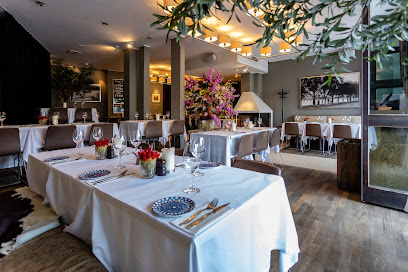
Geranium
6.2 km
Geranium offers a world-class New Nordic tasting experience in Copenhagen, uniting innovative Scandinavian cuisine, sustainable luxury, and panoramic city views.
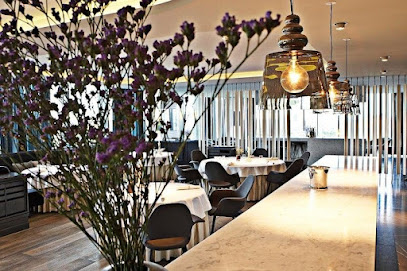
Kokkeriet
6.3 km
Intimate Michelin-starred townhouse in central Copenhagen, reimagining classic Danish cuisine as elegant modern tasting menus with curated wines and juices.
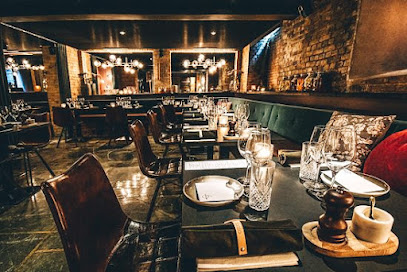
Aoc
6.4 km
Two Michelin stars of bold Nordic flavors in a historic 17th-century cellar.
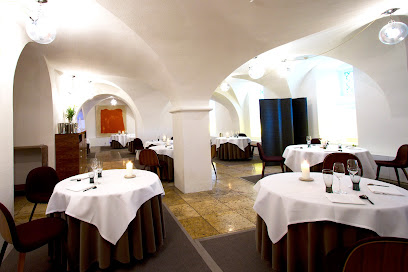
Restaurant Rebel
6.4 km
Seasonal Danish produce meets French technique at this relaxed, MICHELIN-recommended bistro on Store Kongensgade, where an open kitchen and inventive plates define the mood.
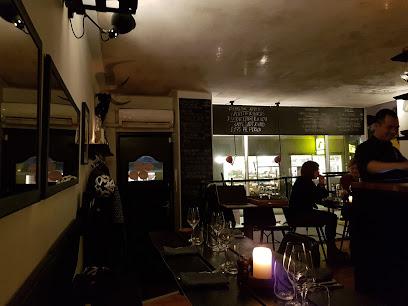
Restaurant Barr
6.4 km
Modern North Sea cuisine, serious beer and warm Nordic design meet in a historic harbor-front warehouse in the heart of Copenhagen’s Christianshavn.
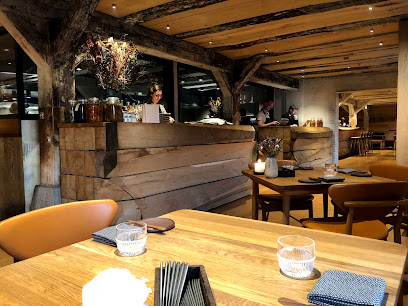
Markets, malls and hidden boutiques

Red Cross Op Shop
5.6 km
A vibrant Østerbro thrift store where sustainable shopping, Danish design, and community spirit support Red Cross humanitarian work.
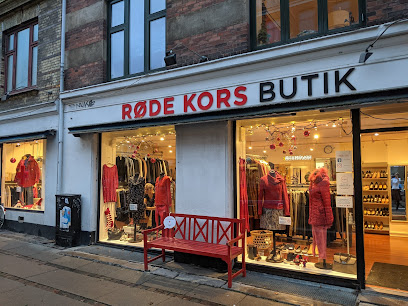
The Crown souvenir
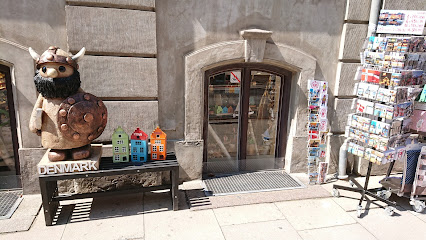
5.7 km
Compact, colorful souvenir stop on elegant Amaliegade, perfect for picking up Danish flags, Little Mermaid trinkets and royal-themed keepsakes near Amalienborg.
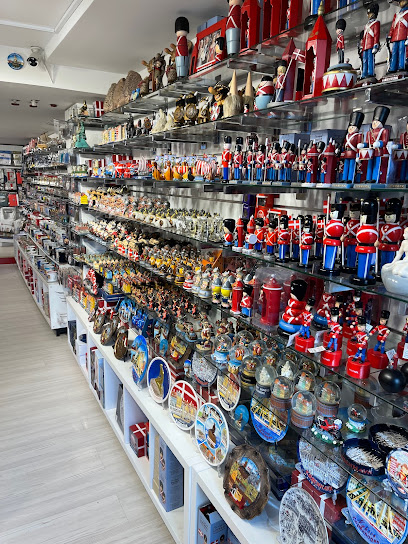
Royal Souvenir Shop
6.2 km
Compact and colourful, Royal Souvenir Shop on Bredgade distils Copenhagen into easy‑to‑pack gifts, from royal guards and Vikings to flags, mugs and playful keepsakes.
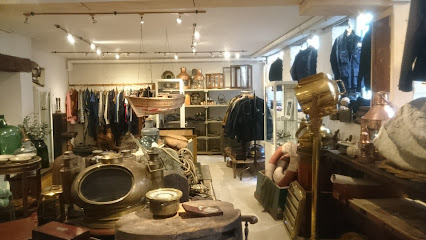
Maritime Antiques &
6.4 km
Atmospheric basement shop near Nyhavn where genuine maritime antiques share space with heritage-inspired clothing and rugged knitwear in a cosy, ship-like setting.
Copenhagenglass
6.5 km
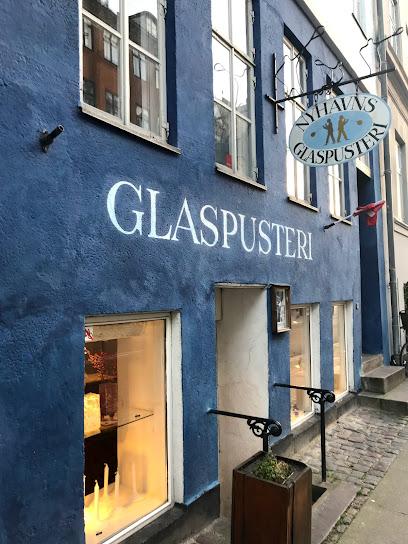
Intimate glassblowing studio and shop near Nyhavn, where Danish maritime-inspired designs and hands-on sessions turn molten glass into memorable Copenhagen souvenirs.
Zane
6.6 km
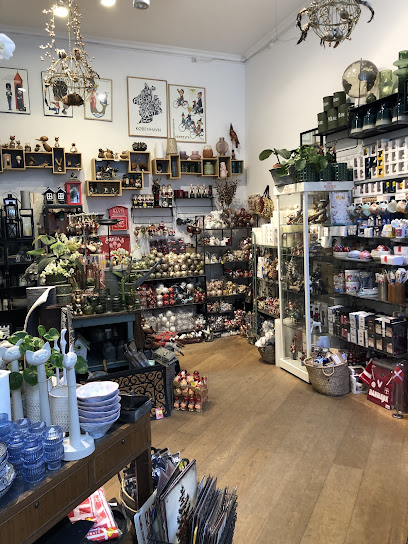
Intimate Copenhagen florist and design boutique on stylish Bredgade, blending seasonal blooms, Nordic homeware and thoughtful gifts in a cosy, lived-in space.
The Wilde Shop
6.6 km
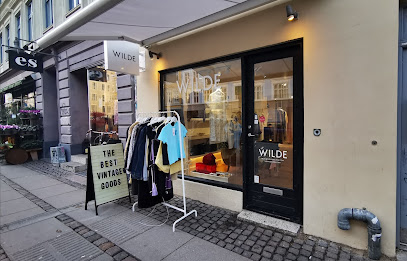
A boutique vintage shop in Indre By, Copenhagen bringing together handpicked retro clothing, sustainable fashion, and curated Scandinavian style in a welcoming setting.
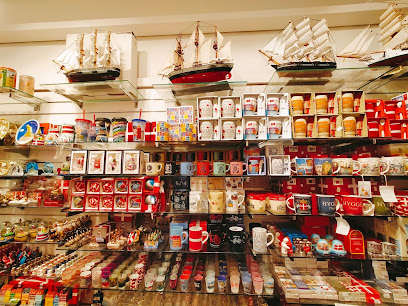
Copenhagen Souvenir & Design World of Memories
6.8 km
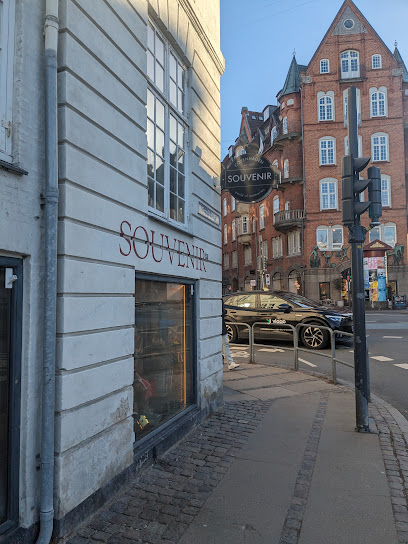
Denmark's largest souvenir chain with 14 locations offering over 2,000 authentic Danish keepsakes and contemporary design pieces.
Viking Souvenirs
6.8 km
Authentic Danish and Viking-themed souvenirs in Copenhagen's historic city center.
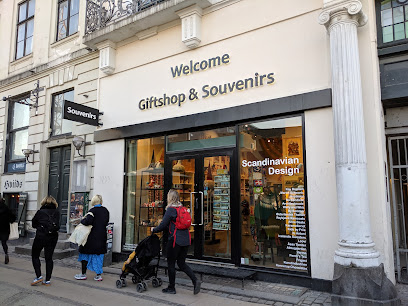
Welcome Giftshop & Souvenirs
6.8 km
Central Copenhagen’s cosy hygge boutique for Danish design, classic souvenirs, and easy last-minute gifts just off bustling Kongens Nytorv square.
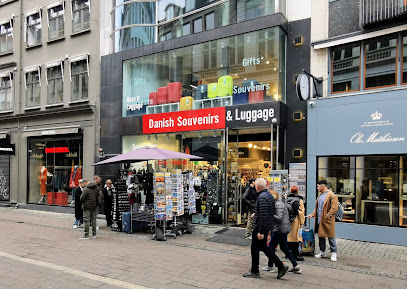
Danish Souvenirs & luggages
6.8 km
Central Strøget souvenir and luggage shop combining classic Danish mementos with practical travel gear, open long hours for convenient, last‑minute Copenhagen gifts.
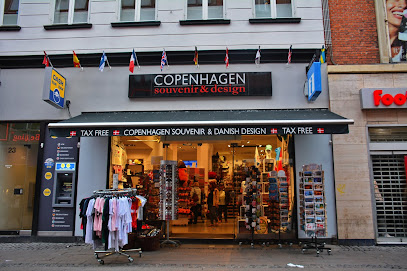
Copenhagen Souvenir & Design
6.8 km
Denmark's premier souvenir destination offering authentic Danish heritage, contemporary design, and quality gifts across seven city-center locations.
Magasin du Nord
6.8 km
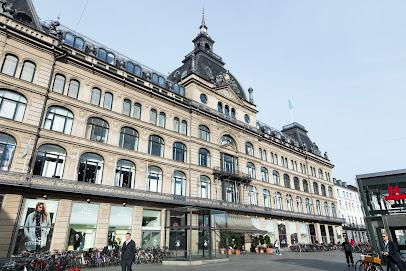
Copenhagen’s classic department store: historic architecture, Nordic style, gourmet treats and relaxed cafés gathered under one elegant roof on Kongens Nytorv.
Storm - design art fashion
6.8 km
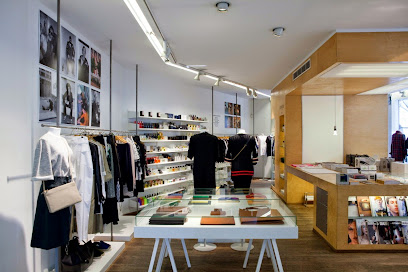
A pioneering Copenhagen concept store where avant-garde fashion, art, design objects and niche fragrances meet in a minimalist, gallery-like space on Store Regnegade.
Henrik Vibskov Boutique
6.9 km
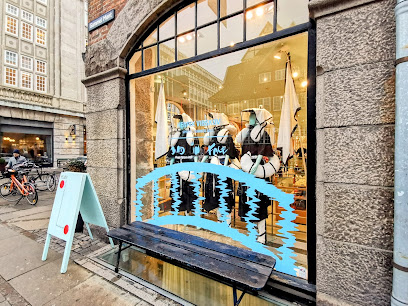
Step off the cobblestones of Gammel Mønt into Henrik Vibskov’s offbeat fashion laboratory, where avant‑garde silhouettes, artful interiors and curated design collide.
Essential bars & hidden hideouts

Chevy's
5.1 km
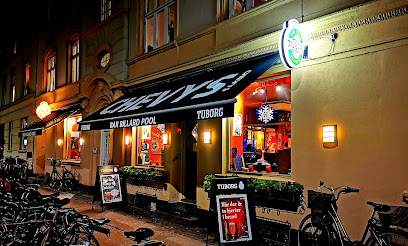
Discover the vibrant atmosphere of Chevy's in Østerbro, Copenhagen—where delicious drinks and good company create unforgettable nights.
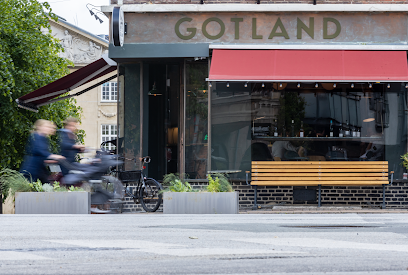
Gotland - Café & Vinbar
5.6 km
Experience the perfect blend of fine wines and cozy café atmosphere at Gotland - Café & Vinbar in Copenhagen.
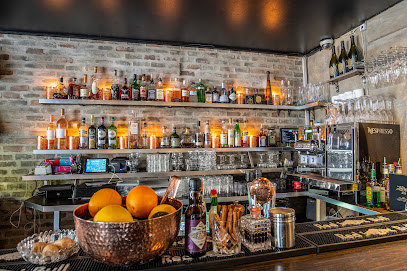
Bubbles Bar
5.7 km
Discover the vibrant atmosphere and exquisite cocktails at Bubbles Bar, Copenhagen's chic nightlife destination for tourists and locals alike.
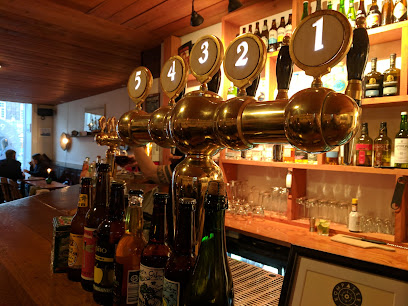
Kompasset Ølbar
5.7 km
Experience Copenhagen's nightlife at Kompasset Ølbar, a vibrant bar in Østerbro known for its craft beers and inviting atmosphere.
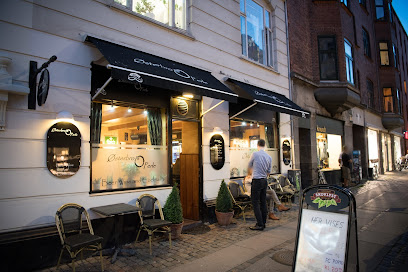
Østerbros Perle Pub
5.7 km
Experience the vibrant atmosphere of Østerbros Perle Pub in København Ø, where locals and tourists unite over drinks and laughter.
Tap10
5.8 km
Experience the vibrant nightlife of Copenhagen at Tap10, a cozy bar in Østerbro offering exquisite drinks and a lively atmosphere.
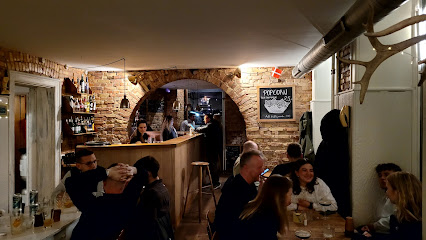
ØB
6.0 km
Experience the best of Copenhagen's nightlife at ØB, where great beer, tasty burgers, and a lively atmosphere come together.
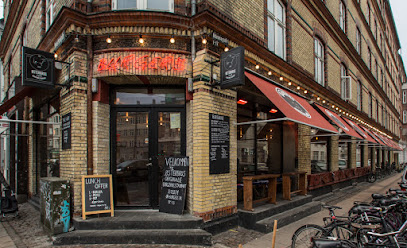
ROOTS Vin Bar & Butik - Østerbro
6.0 km
Explore the finest wines at ROOTS Vin Bar & Butik in Østerbro, Copenhagen – where every sip tells a story.
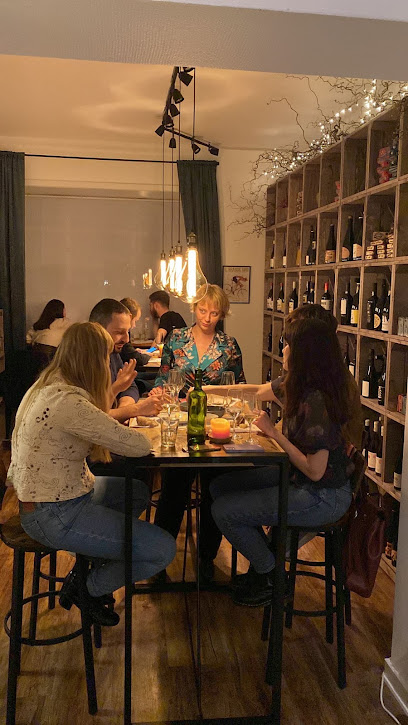
Trianglen 7
6.1 km
Experience the best of Copenhagen wine culture at Trianglen 7, a charming wine bar offering a curated selection and an inviting atmosphere.
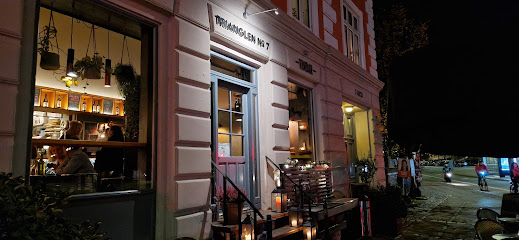
Black Swan
6.2 km
Craft-forward, cosy and unpretentious, Black Swan is Copenhagen’s inner-city local where rotating taps, serious cider and good conversation flow late into the night.
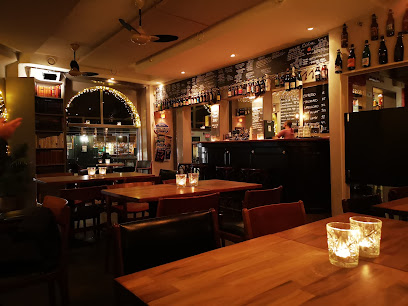
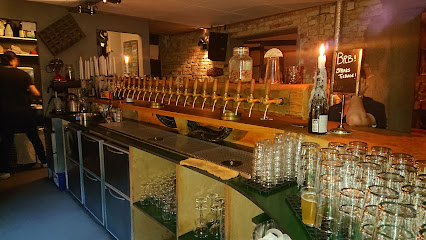
Søernes Ølbar
6.3 km
Discover Søernes Ølbar, a cozy craft beer haven by Copenhagen's lakes, offering an extensive selection of brews and breathtaking views.
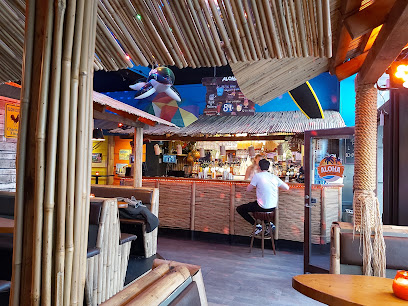
Aloha Beach Bar
6.7 km
Island-inspired cocktails, neon glow and late-night party vibes packed into a compact tropical bar just off Gothersgade in central Copenhagen.
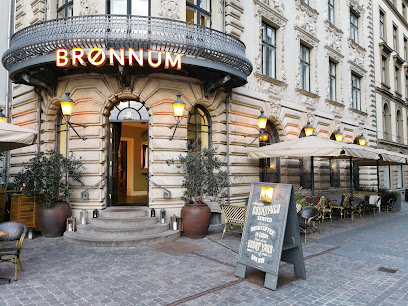
Brønnum
6.7 km
An opulent, multi‑room cocktail bar steps from Kongens Nytorv, where historic townhouse elegance meets contemporary mixology and candlelit late‑night conversation.
Bar Deco
6.7 km
Intimate Art Deco–inspired cocktail bar near Kongens Nytorv, pairing crafted drinks with moody lighting and a relaxed, grown‑up Copenhagen atmosphere.
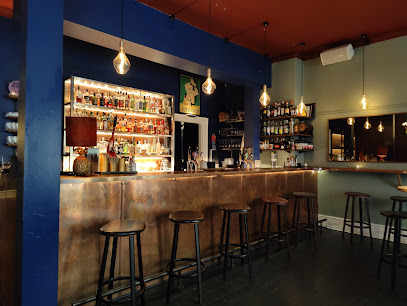
TATA Cocktail Bar
6.8 km
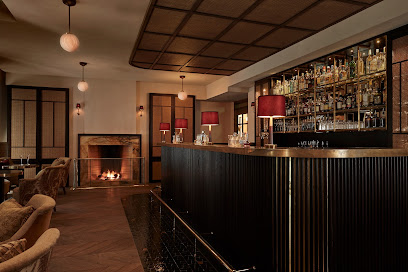
A velvet-draped, fireplace-warmed cocktail hideaway inside Hotel Sanders, where classic mixology, Danish design and theatre-inspired charm blend seamlessly.
Nightclubs & after hour spots

Culture Box
6.4 km
Discover the heartbeat of Copenhagen's nightlife at Culture Box, where music, art, and dance create an unforgettable experience.
Operaen
6.7 km
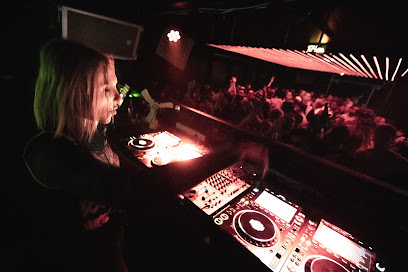
Compact harbourfront nightclub near Copenhagen’s modern opera house, mixing DJ-driven beats, local crowds and late-night energy by the inner-city waterfront.
Mini Bar
6.8 km
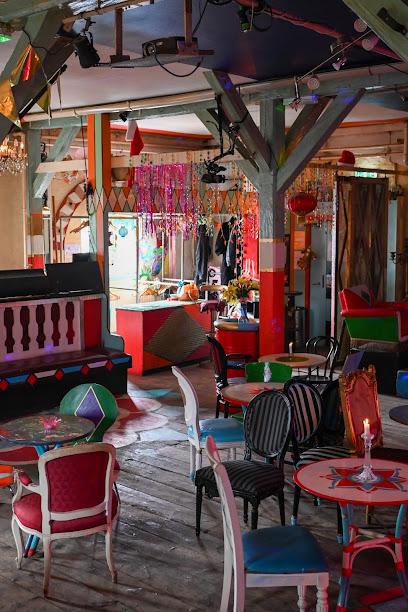
Discover the vibrant nightlife of Copenhagen at Mini Bar, a premier night club offering eclectic tunes and a lively atmosphere for unforgettable nights.
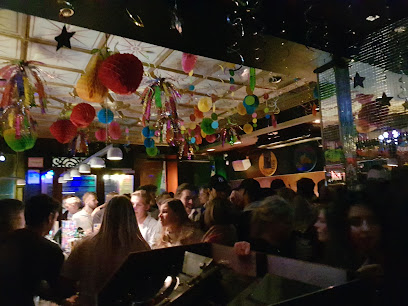
Lusso
6.8 km
A compact, high-end Copenhagen nightclub with champagne-forward table service, dim lighting and a stylish late-night crowd just steps from Kongens Nytorv.
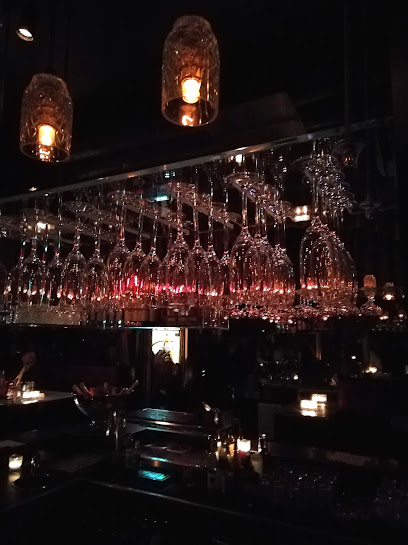
The Zoo
6.9 km
Intimate late-night nightclub on Sværtegade in Copenhagen’s historic center, blending a compact dance floor, DJ-driven beats and a casual, social bar atmosphere.
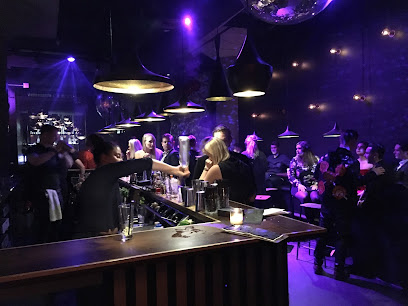
SIGURD CPH
7.2 km
Discover the pulse of Copenhagen's nightlife at SIGURD CPH, where vibrant dancing, fine wines, and pachinko gaming come together for an unforgettable experience.
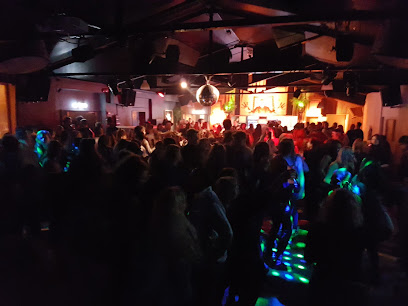
Mirage
7.3 km
Dive into the electrifying nightlife at Mirage, Copenhagen's premier night club for an unforgettable evening of music, dancing, and entertainment.

Arch
7.3 km
Discover the vibrant nightlife of Copenhagen at Arch, a premier night club offering electrifying music and an unforgettable atmosphere.
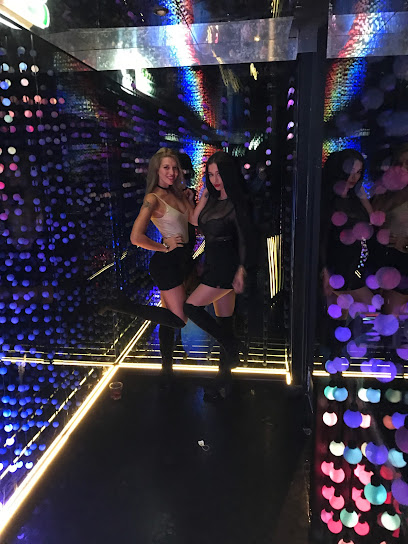
Chateau Motel
7.4 km
Discover the lively nightlife of Copenhagen at Chateau Motel, a top destination for cocktails and dancing in a vibrant atmosphere.
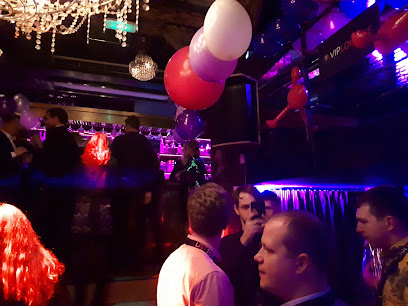
RUST Natklub
7.4 km
Discover the pulsating heart of Copenhagen's nightlife at RUST Natklub, where eclectic beats and vibrant energy come together for an unforgettable experience.
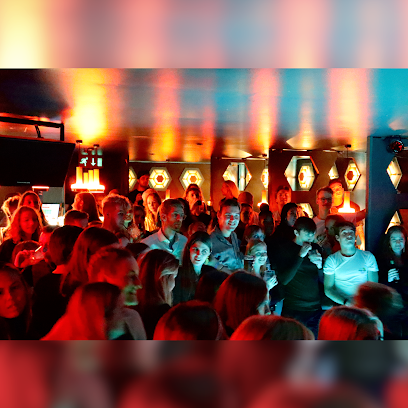
Hive
7.5 km
Copenhagen's premier high-end nightclub with cutting-edge design, VIP service, and immersive themed experiences.
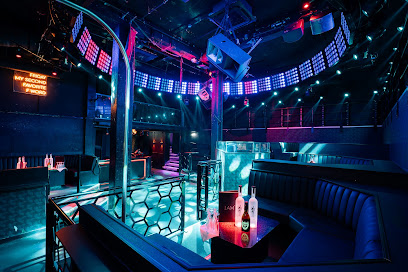
Rumors
7.5 km
Discover the heart of Copenhagen's nightlife at Rumors, where energetic vibes and unforgettable nights await you.
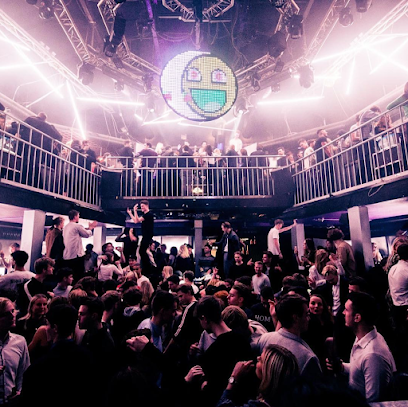
Mirror
7.5 km
Dive into the heart of Copenhagen's nightlife at Mirror, where the rhythm never stops and unforgettable memories are made.
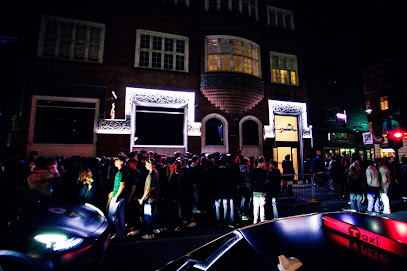
La Terraza
7.5 km
Compact nightclub on Studiestræde in Copenhagen’s old town, offering loud beats, straightforward drinks and an unpretentious late-night dance floor.
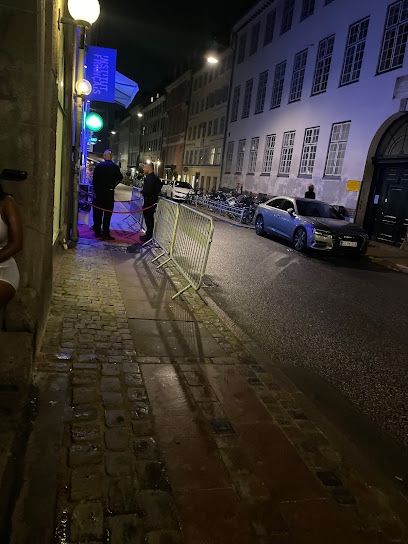
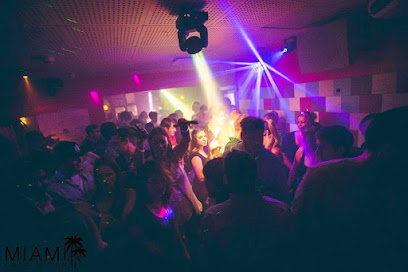
Miami Bar
7.5 km
Discover Copenhagen's nightlife at Miami Bar, where cocktails and dancing create unforgettable nights in a vibrant atmosphere.
For the vibe & atmosphere seeker
- Adventurous
- Relaxing
- Scenic
- Unique
- Casual
For the design and aesthetic lover
- Industrial Designs
- Rustic Designs
- Modern Designs
For the architecture buff
- Historic
- Landmarks
- Viewpoints
For the view chaser and sunset hunter
- Iconic Views
- Panoramas
- Sunset Spots
For the social media creator & influencer
- Instagrammable
- Photo Spots
- Architectural Shots
- Reel-Friendly
For the eco-conscious traveler
- Low Impact
- Public-Transport Accessible
- Locally Managed
For the kind of experience you’re after
- Cultural Heritage
- Photowalk
- Adventure Photo Shoot
- Day Trip
- Weekend Getaway
- Festival / Event Nearby
For how adventurous you want the journey to be
- Easy Access
- Seasonal Only
- Remote
Location Audience
- Family Friendly
- Senior Friendly
- Teen Friendly
- Solo Friendly
- Couple Friendly
- Solo Female Friendly
- Business Friendly


