Langelinie, Copenhagen Travel Guide
Copenhagen’s classic harbourfront promenade, where sea air, green parkland, and iconic sculptures like The Little Mermaid meet at the edge of the Øresund.
Stretching along Copenhagen’s inner harbour in Østerbro, Langelinie is a classic waterfront promenade and park that pairs sweeping sea views with some of Denmark’s most famous landmarks. Here cruise ships dock beside old warehouses, joggers and cyclists share the wide quayside with strolling visitors, and sculptures punctuate lawns and cherry trees. It is also home to The Little Mermaid, the Gefion Fountain nearby, and the leafy ramparts of Kastellet, making this a natural highlight of any visit to the Danish capital.
A brief summary to Langelinie
- Langeliniekaj 2, Copenhagen, Østerbro, 2100, DK
- Click to display
- Click to display
- Duration: 1 to 3 hours
- Free
-
 Outdoor
- Mobile reception: 5 out of 5

Know before you go
Hi, I'm Eve. Here are a few practical things to know before exploring Langelinie.
- Visit early in the morning or later in the evening for softer light and fewer people around The Little Mermaid and the main viewpoints.
- Allow extra time to explore nearby Kastellet and the Gefion Fountain; together with Langelinie they form a compact but rich walking loop.
- Wear comfortable shoes and layers: the route is flat and easy, but wind off the water can feel much cooler than in the city streets.
- Look for kiosks and food stands along the quay if you want a classic Danish harbour snack such as a hotdog or soft ice cream.
- If you use a wheelchair or stroller, follow the wide harbourfront paths; most of the main promenade is paved and accessible.
Do you manage this location?
Take control to get all the benefits, like improved information, better appearance, and stronger visibility across AI-powered discovery. Learn more about listing your business on Evendo
Activate your presenceOther nearby places you may find interesting
The closest places of the same kind, if this one is not quite what you had in mind.

Explore Langelinie on the Map
A handpicked selection of must-see spots near Langelinie, mapped for you.
Unlock the Best of Langelinie
Buy tickets
-
No tickets available
Book tours with entry
-
No tours available


Getting There
-
Metro and walk
From central Copenhagen, take the M3 Cityringen metro to Østerport Station. Trains run every few minutes and the ride from Nørreport takes about 3–5 minutes. A single adult ticket within the city centre typically costs around 20–25 DKK. From Østerport it is an easy 15–20 minute walk on mostly flat, paved paths through a park and along the harbour, suitable for strollers and most wheelchairs, though wind and weather can make it feel cooler than in the city streets.
-
Bus connection
Several city buses run between the inner city and the Østerbro waterfront area in 10–20 minutes depending on traffic, with services generally operating every 10–15 minutes during the day. Expect to pay roughly 20–25 DKK for a single ticket within the central zones. From the nearest bus stops by Østerport or Churchillparken, plan on a 10–15 minute walk on level ground to reach the main Langelinie promenade. Buses are low-floor and typically accommodate wheelchairs and prams.
-
Harbour bus
Copenhagen’s yellow harbour buses offer a scenic way to reach the area, running along the inner harbour between central stops such as Nyhavn and Nordhavn in roughly 15–30 minutes. A harbour bus ticket costs the same as regular public transport, about 20–25 DKK for a single journey within central zones. Services are less frequent in late evenings and on some winter days, so check timings locally. From the closest harbour stop it is a short, level walk to the Langelinie waterfront.
-
Bicycle
From the historic centre, cycling to Langelinie usually takes 10–20 minutes along designated bike lanes and quiet harbourfront routes. You can use public city bikes or rentals, typically priced from about 30–50 DKK per hour, with many outlets offering daily rates as well. The terrain is flat and straightforward but can be exposed to wind and occasional rain, so bring gloves and a waterproof layer outside summer months. Secure bike racks are available near the promenade entrances.
For the on-the-go comforts that matter to you
-
 Restrooms
-
 Drink Options
-
 Drinking Water
-
 Food Options
-
 Seating Areas
-
 Sheltered Areas
-
 Picnic Areas
-
 Trash Bins
-
 Information Boards
-
 Visitor Center
Discover more about Langelinie
Waterfront Stroll Along Copenhagen’s Inner Harbour
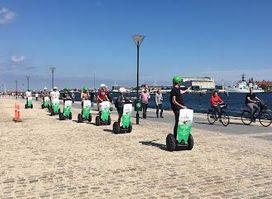
Langelinie curves along the Øresund Strait, forming one of Copenhagen’s most evocative stretches of waterfront. On one side you have a working harbour with ferries, naval vessels, and large cruise ships easing into the deep Langelinie Quay; on the other, lawns, trees, and a ribbon of paved promenade invite an unhurried walk. The name, meaning “long line,” reflects both its shape and its long-standing role in the city’s life.As you move along the quay, the mood shifts from maritime bustle to relaxed urban park. Benches face the water, cyclists glide past, and the low skyline of Copenhagen opens across the harbour, framed by church spires and the angular silhouette of the opera house further away. The mix of open sky, moving ships, and human-scale greenery makes Langelinie feel like a breathing space stitched directly into the city’s fabric.From Military Frontier to Democratic Promenade
Langelinie’s story reaches back to the 17th century, when this shoreline formed part of Copenhagen’s defensive system and remained off-limits to ordinary citizens. Later a genteel promenade and park were laid out for the bourgeoisie, with access restricted by a toll, symbolically separating those entitled to enjoy the sea air from everyone else. Only after political upheaval in the mid-19th century did the waterfront become a public place, open to all.The construction of the modern quay in the 1890s turned Langelinie into a deep harbour basin, allowing ocean-going ships to berth close to the city centre. Today the arrival of a cruise ship still changes the atmosphere in seconds, as thousands of passengers step directly into this historic waterfront, underscoring Langelinie’s role as Copenhagen’s maritime front porch.Icons of Sculpture, Myth, and Memory
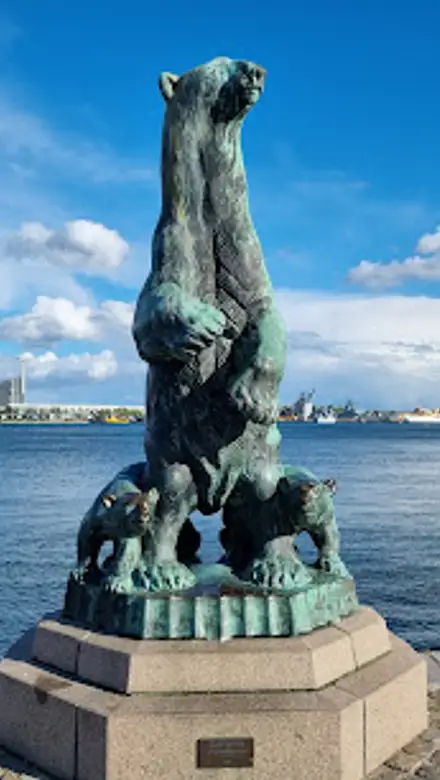
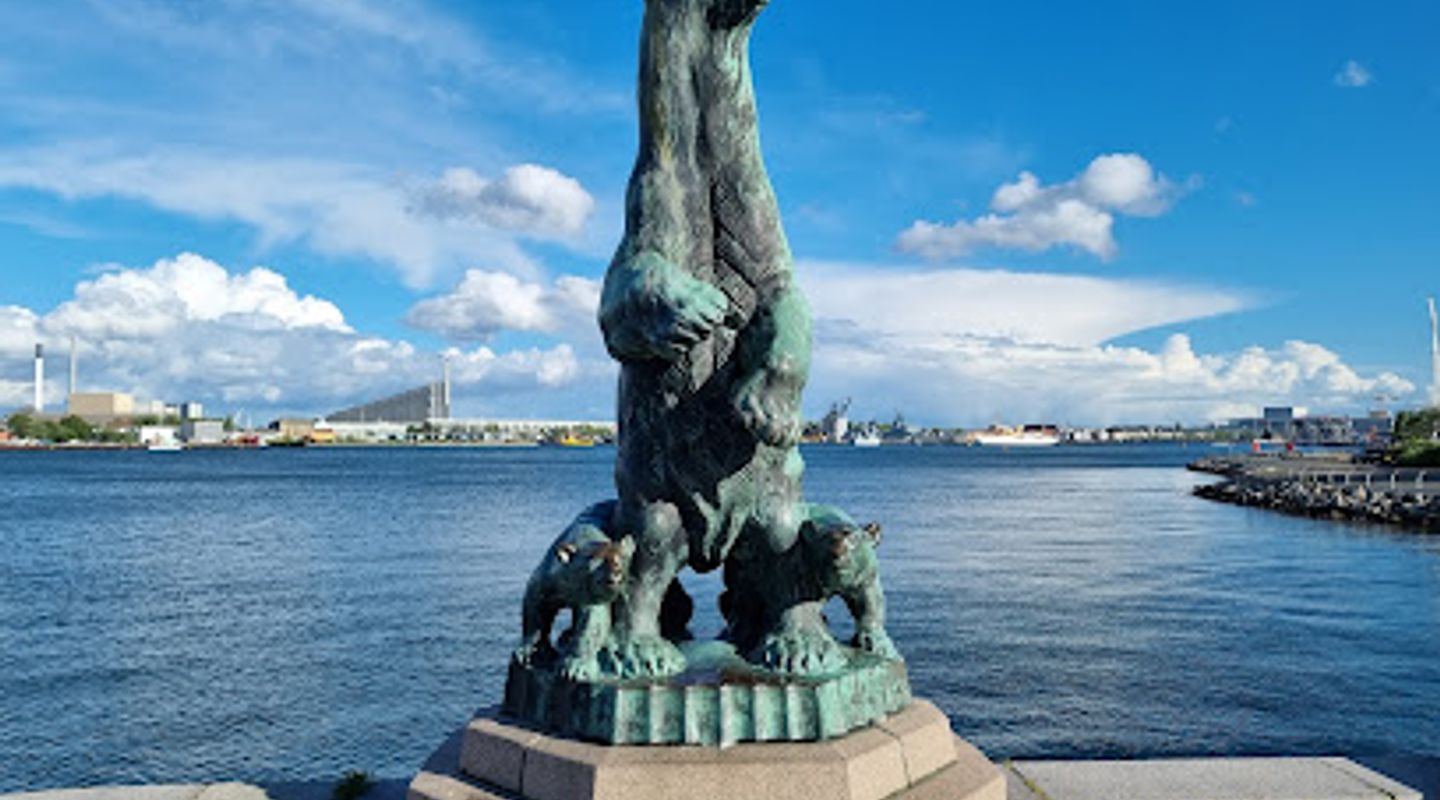
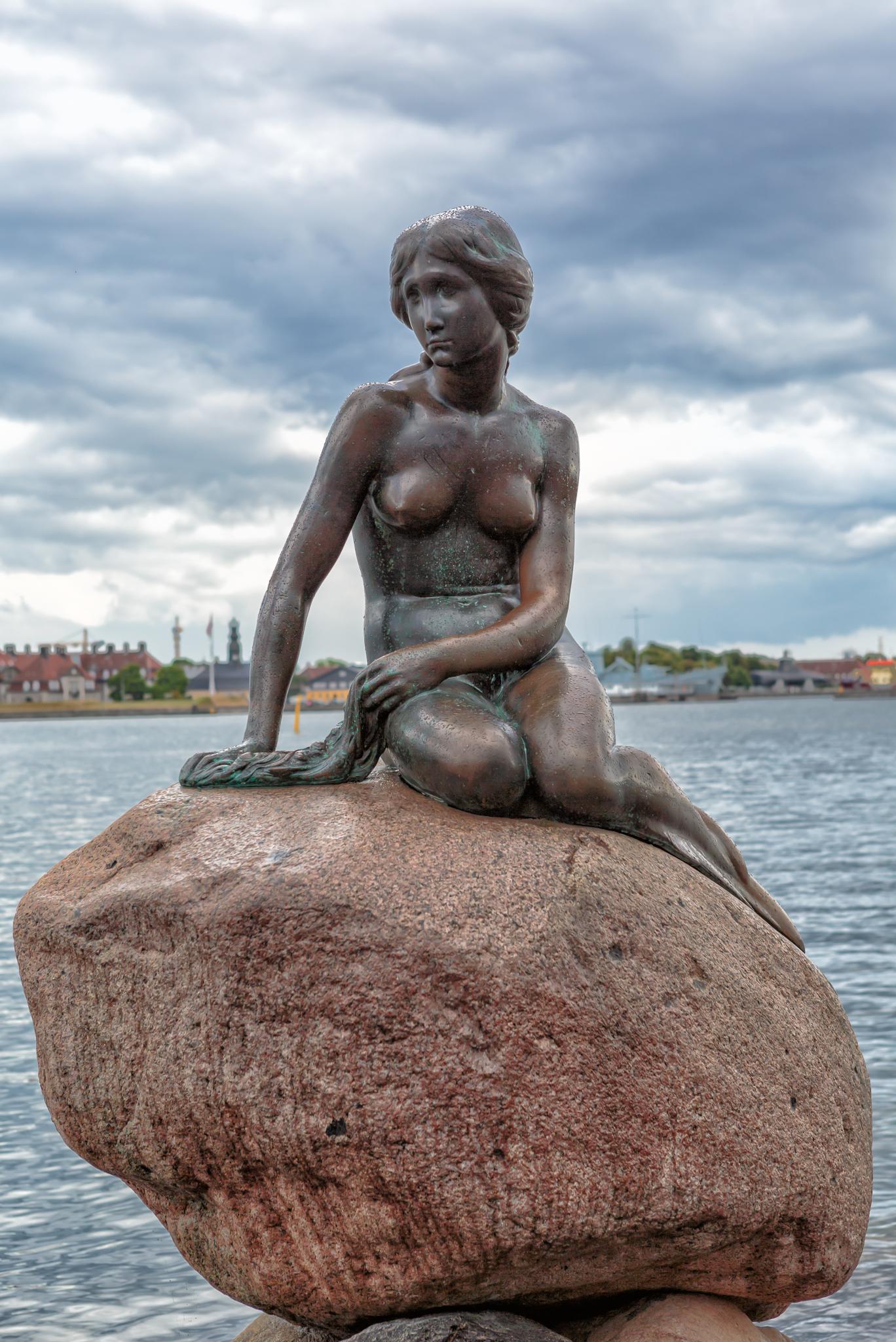
Midway along the promenade, The Little Mermaid sits poised on a waterside rock, her bronze form inspired by Hans Christian Andersen’s fairy tale. Installed in 1913 as a gift from brewer Carl Jacobsen, she has become a symbol of the city, modest in size but powerful in cultural reach. Around her, the harbour laps against the stones and cameras click, yet there is a quietness in her turned-away gaze that rewards a moment’s pause.Close by, the dramatic Gefion Fountain marks the southern approach, its rearing oxen and striding goddess illustrating the myth of how Zealand was ploughed from Sweden. Nearby, tall memorial columns and statues, including tributes to naval heroes, anchor Langelinie in Denmark’s maritime history. Together these works create an open-air gallery that threads myth, nationalism, and art through the park’s paths.Green Lawns, Cherry Blossoms, and Kastellet’s Ramparts
Behind the quay, Langelinie Park softens into a series of lawns, tree-lined avenues, and sheltered corners. In spring, avenues of cherry trees explode into pale pink blossom, an unlikely Japanese-Danish connection that has grown into an annual Sakura festival. Later in the year, the same trees form a leafy canopy under which picnics, quiet reading, and children’s games unfold.At the northern end, the star-shaped earthworks of Kastellet rise from the grass. This 17th-century fortress combines intact ramparts and historic buildings with a tranquil, almost village-like atmosphere. Walking its paths offers elevated views back over Langelinie, the harbour, and the delicate curve of the coastline, reinforcing how tightly history and daily life interweave here.Cafés, Pavilions, and Everyday Copenhagen Life
Dotted along the waterfront you will find kiosks selling hotdogs and ice cream, small cafés with outdoor seating, and the modernist Langelinie Pavilion with its light-filled interiors and classic Danish design lamps and chairs. These places add everyday flavour: a quick soft ice after spotting the mermaid, a coffee while watching container ships manoeuvre, or a leisurely lunch above the quay.For locals, Langelinie is a place to run, cycle, walk dogs, or simply decompress after work, just as much as it is a backdrop for first-time encounters with Denmark’s best-known statue. The coexistence of cruise terminal, neighbourhood park, historical monuments, and international icon gives this strip of harbourfront a layered character that rewards both swift visits and slow returns.












Your all‑in‑one travel companion app
Explore expert travel guides, compare and book tours, experiences, hotels, and more—all from the palm of your hand. Download now for seamless trip planning wherever your wanderlust takes you.


Explore More of Copenhagen
Looking beyond Langelinie? Discover Copenhagen for broader travel guides, local hot-spots, and regional highlights.
Explore Copenhagen
Historic sea fortress on an artificial island at Copenhagen’s harbour mouth, blending coastal views, cool casemate tunnels and centuries of naval history.
Step into the world of Vikings with ancient ships, hands-on crafts, and interactive exhibits on the scenic shores of Roskilde Fjord.