Background

Denmark's Westernmost Vista: Blåvandshuk

Experience the raw beauty and historical echoes of Denmark's westernmost point, where the North Sea shapes the land and stories of the past linger in the windswept dunes.

4.9

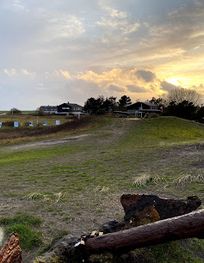
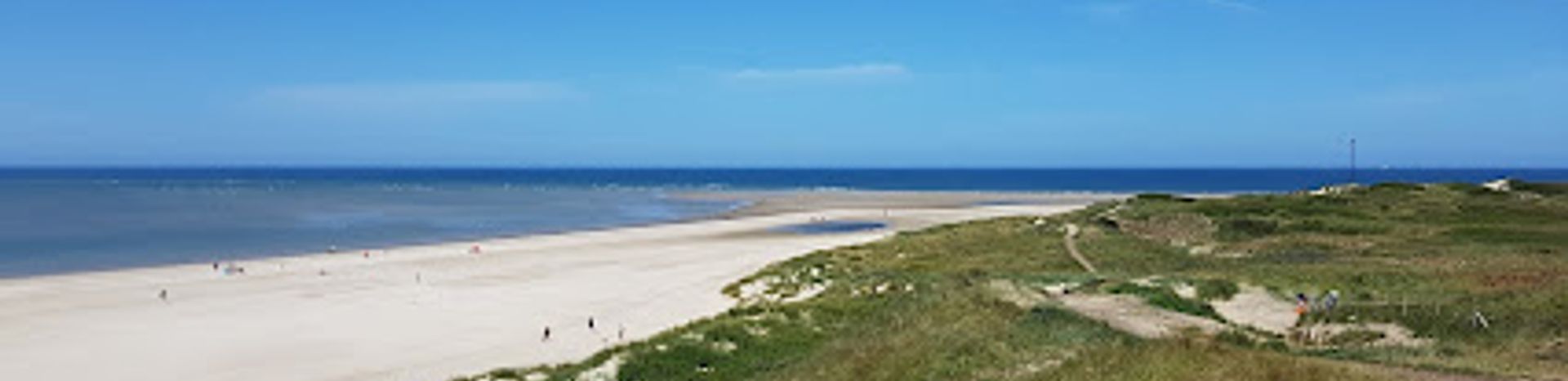
Blåvandshuk, Denmark's westernmost point, offers a captivating blend of natural beauty and historical significance. Dominated by the iconic Blåvand Lighthouse, the area boasts panoramic views of the North Sea, where the powerful forces of nature have shaped the landscape. Visitors can explore the windswept dunes, observe migratory birds, and discover remnants of World War II bunkers, creating a unique and memorable experience. The area is a haven for nature lovers, history buffs, and anyone seeking a tranquil escape from the everyday. Whether you're climbing the lighthouse for breathtaking views or strolling along the beach searching for amber, Blåvandshuk promises an unforgettable encounter with Denmark's rugged coastline.

A brief summary to Denmark's westernmost point

  • DK

Local tips

  • Check the weather forecast before visiting, as conditions can change rapidly on the coast. Dress in layers to stay comfortable in the wind and rain.
  • Bring binoculars for birdwatching, especially during migration seasons (spring and autumn).
  • Wear sturdy shoes suitable for walking on sand dunes and gravel paths.
  • Visit the Blåvand Lighthouse for panoramic views, but be prepared for a climb of 170 steps. Entrance fee is DKK 70 for adults, children under 18 are free.
  • Explore the nearby Tirpitz Museum to learn about the area's wartime history and the Atlantic Wall.
widget icon

Getting There

  • Driving

    From the town of Blåvand, follow Fyrvej road northwest towards the lighthouse. The drive is short and well-signposted. Parking is available near the lighthouse, and it's free of charge. Be aware that stopping and parking is prohibited along Tane Hedevej, with fines of at least DKK 510.

  • Public Transport

    From Esbjerg, take bus 140 towards Blåvand. From the Blåvand bus terminal, you can either walk (approximately 45 minutes) or take a taxi to Blåvandshuk. A taxi from Blåvand to Blåvandshuk will cost approximately DKK 150-200.

  • Walking

    From Blåvand town center, a scenic walk along the beach towards the northwest will lead you to Blåvandshuk. The walk takes approximately 45 minutes to an hour, depending on your pace. Follow the coastline, passing the iconic 'Man Meeting Sea' sculptures, and continue towards the lighthouse. Be prepared for soft sand in some areas.

Unlock the Best of Denmark's westernmost point

Buy tickets

    No tickets available

Book tours with entry

    No tours available

Book tours without entry

    No tours available

Discover more about Denmark's westernmost point

Blåvandshuk, the westernmost point of Denmark, is a place where the raw power of nature meets the echoes of history. This windswept headland, jutting out into the North Sea, offers visitors a unique blend of stunning scenery, fascinating wildlife, and poignant reminders of the past. The iconic Blåvand Lighthouse stands as a sentinel, guiding ships away from the treacherous Horns Reef and offering breathtaking panoramic views to those who climb its 170 steps. Blåvandshuk's landscape is defined by its dramatic coastline, sculpted by the relentless forces of the sea and wind. Towering dunes, covered in hardy grasses and heather, roll towards the shore, providing shelter for a variety of plant and animal life. The beaches themselves are a constantly shifting canvas of sand, shaped by the tides and currents. Here, visitors can stroll along the water's edge, breathe in the fresh sea air, and search for treasures like seashells and amber, also known as 'Baltic gold'. The area is a haven for birdwatchers, particularly during the spring and autumn migration seasons. Blåvandshuk's location makes it a natural stopping point for countless birds making their way between breeding and wintering grounds. Keen observers can spot a wide variety of species, from common seabirds like gulls and terns to rarer migrants passing through. The dunes and heathlands also provide habitat for a range of resident birds, including stonechats and skylarks. Beyond its natural beauty, Blåvandshuk bears the marks of its strategic importance during World War II. The area was heavily fortified by the German occupying forces as part of the Atlantic Wall, a vast network of coastal defenses designed to prevent an Allied invasion. Today, visitors can explore the remnants of these fortifications, including bunkers and gun emplacements, which serve as a stark reminder of the conflict that once raged here. One of the most prominent bunkers, equipped with a Würzburg radar, is often seen during weather broadcasts from Blåvandshuk. The Blåvand Lighthouse, the most western building in Denmark, is a must-see attraction. Built in 1900, it replaced an older light that had become inadequate to warn ships of the dangers of Horns Reef, a long stretch of sandbanks extending far out into the North Sea. The lighthouse stands 39 meters tall, and its light can be seen up to 42 kilometers away. Climbing to the top of the lighthouse is a rewarding experience, offering unparalleled views of the surrounding coastline, the North Sea, and the nearby Horns Rev offshore wind farm. The area around Blåvandshuk also offers a variety of other attractions and activities. The charming town of Blåvand, located a short distance from the headland, is a popular tourist destination with a range of shops, restaurants, and accommodations. The Tirpitz Museum, housed in a former German bunker, tells the story of the Atlantic Wall and the history of the local area. For those seeking outdoor adventures, the nearby Kallesmærsk Hede offers opportunities for hiking and cycling through scenic heathlands. Blåvandshuk is more than just a geographical point; it's a place where the elements converge to create a truly unique and unforgettable experience. It's a place to connect with nature, to reflect on history, and to appreciate the enduring beauty of the Danish coastline. Whether you're a seasoned traveler or a first-time visitor, Blåvandshuk is sure to leave a lasting impression. Visiting Blåvandshuk is an experience that engages all the senses. The sound of the waves crashing against the shore, the feel of the wind in your hair, the smell of the salty air, the sight of the vast expanse of the North Sea, and the taste of the local cuisine all combine to create a truly immersive and memorable journey. It's a place where you can escape the hustle and bustle of modern life and reconnect with the natural world. For those interested in the area's wartime history, a visit to the nearby Skallingen peninsula is highly recommended. During World War II, Skallingen was the site of a large minefield, part of the German effort to prevent an Allied invasion. It wasn't until 2012 that the last of these mines were removed, and the area was declared safe for the public. Today, Skallingen offers a unique opportunity to explore a landscape shaped by both natural forces and human conflict. Blåvandshuk is also a place of constant change. The coastline is constantly being reshaped by the forces of erosion and accretion, with sand being washed away in some areas and deposited in others. This dynamic process creates a constantly evolving landscape, ensuring that no two visits to Blåvandshuk are ever quite the same. Whether you're interested in history, nature, or simply seeking a peaceful escape, Blåvandshuk has something to offer everyone. It's a place where you can connect with the past, appreciate the present, and contemplate the future. So, pack your bags, grab your camera, and prepare to be amazed by the beauty and power of Denmark's westernmost point.

Popular Experiences near Denmark's westernmost point

Popular Hotels near Denmark's westernmost point

Select Currency