

Free Western Region Travel Guide & Mobile App
Explore Western Region with free travel guides. Discover regional history, expert tips, proposed trips, and audio guides on web or mobile app.


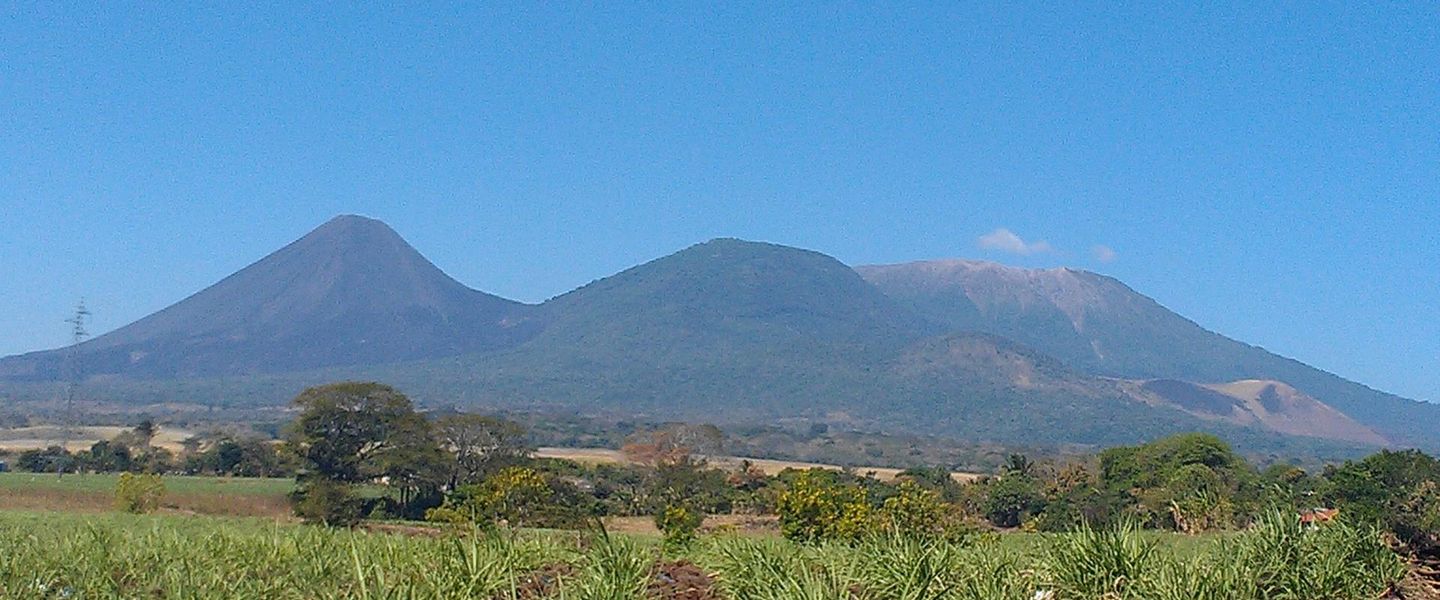


Explore Western El Salvador for volcano hikes, coffee country, Maya archaeology, colonial towns and Pacific-coast wetlands.
Read more about Western Region
When is the best time to visit Western Region?
Best: December–February · 27°C| Month | High (°C) | Rainfall (mm) |
|---|---|---|
| January (best) | 27 | 5 |
| February (best) | 27 | 5 |
| March | 28 | 4 |
| April | 29 | 8 |
| May | 31 | 18 |
| June | 31 | 25 |
| July | 31 | 26 |
| August | 31 | 25 |
| September | 31 | 24 |
| October | 30 | 12 |
| November | 28 | 8 |
| December (best) | 27 | 6 |
Getting to and around Western Region
How to get there
Transportation
Top city travel guides in Western Region
The cities of Western Region, and the easiest places to base yourself.
-

-

-

-

-


Swipe for more cities
Destinations in Western Region
Resorts, valleys and scenic spots worth a trip of their own.
-

-

-

-

-

-


Swipe for more destinations
Best attractions in Western Region
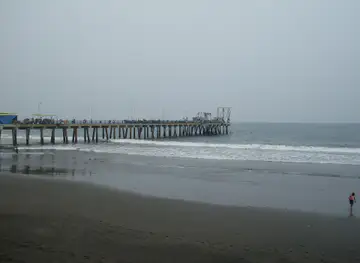
Western El Salvador’s attractions span archaeological, volcanic, agricultural and coastal environments. At Chalchuapa, Tazumal offers the region’s most accessible encounter with ancient monumental architecture, while nearby Santa Ana provides museums, historic streets and the ornate National Theatre. The volcanic landscape is central to the region’s identity: Los Volcanes National Park includes the Santa Ana and Izalco volcanoes, with Cerro Verde providing a recognised highland viewpoint and access area. Lake Coatepeque adds a contrasting setting for lakeside recreation and scenic drives. Along the Ruta de las Flores, Juayúa, Concepción de Ataco and Apaneca combine coffee culture, craft traditions, food and short countryside excursions. Lower Sonsonate has a warmer character, with Indigenous and colonial heritage in towns such as Nahuizalco and Izalco, while Los Cóbanos and Barra de Santiago introduce beaches, marine habitats, estuaries and mangrove channels. The attraction landscape is therefore best experienced through several bases rather than one concentrated sightseeing circuit.
-
National park
Parque Nacional Cerro Verde
Explore Parque Nacional Cerro Verde, a breathtaking national park in El Salvador with stunning volcanic views and diverse ecosystems for an unforgettable adventure.
-
Park
Parque Libertad
Explore the vibrant Parque Libertad in Santa Ana, a beautiful city park offering lush landscapes, cultural experiences, and local culinary classes.
-
Public bath
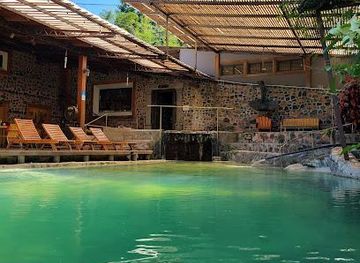
Santa Teresa Hot Springs.
Experience ultimate relaxation at Santa Teresa Hot Springs, where soothing thermal waters meet stunning natural beauty in Ahuachapán, El Salvador.
-
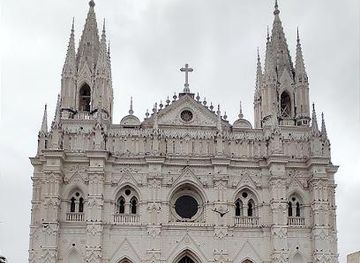
Catholic cathedral
Catedral de Nuestra Señora Santa Ana
Experience the architectural beauty and cultural significance of the Catedral de Nuestra Señora Santa Ana in the heart of Santa Ana, El Salvador.

Best landmarks in Western Region
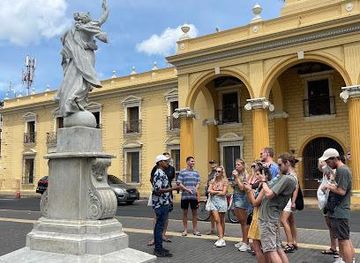
The National Theatre of Santa Ana is one of western El Salvador’s most recognisable civic buildings, its ornate interior and late nineteenth-century design reflecting the wealth generated by coffee exports. Santa Ana Cathedral, with its prominent neo-Gothic forms, dominates the city’s central square and remains an important religious and architectural reference point. At Tazumal in Chalchuapa, large pre-colonial platforms rise from an archaeological landscape that records centuries of settlement and cultural change. The volcanic skyline provides the region’s most powerful natural landmarks: Santa Ana volcano has a striking crater lake, Izalco forms a sharply defined volcanic cone, and Cerro Verde marks a forested viewpoint within the volcanic park. Lake Coatepeque, occupying a broad volcanic caldera, is another defining geographical feature, with steep green slopes enclosing the water. In the lower west, the mangrove channels of Barra de Santiago and the marine setting of Los Cóbanos represent a different kind of landmark, shaped by tides, coastal ecology and the Pacific rather than by highland geology.
-
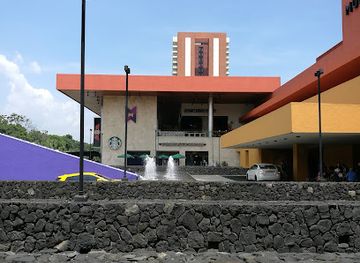
Shopping mall
Multiplaza
Explore Multiplaza in San Salvador for a vibrant shopping and dining experience, blending local culture with international flair.
-
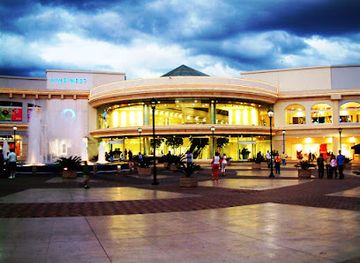
Shopping mall
La Gran Via
Discover the ultimate shopping experience at La Gran Via, where retail therapy meets culinary delights in the heart of El Salvador.
-
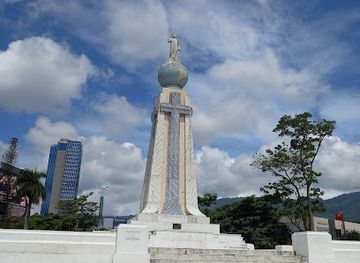
Historical landmark
Monument to the Divine Savior of the World
Experience the grandeur of the Monument to the Divine Savior of the World, a cultural emblem of San Salvador, surrounded by vibrant life and rich history.
-
Shopping mall
Plaza Mundo Soyapango
Explore the vibrant Plaza Mundo Soyapango, a must-visit shopping destination in El Salvador featuring diverse shops, dining, and entertainment options.
Explore Western Region on the map
Plan your trip on one map. See where the top cities, national parks and sights are, and book hotels and experiences in a few clicks.
Best hotels in Western Region
Best restaurants in Western Region
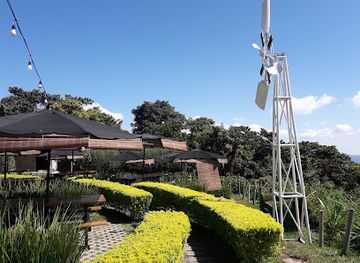
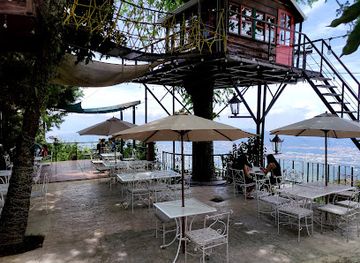
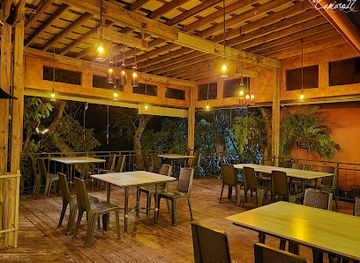
Food in Western El Salvador ranges from highland cafés and market stalls to seafood restaurants and family-run eateries on the Pacific side. Pupusas remain a regional staple, with corn tortillas filled with combinations such as cheese, beans, pork or local vegetables and served with curtido and tomato sauce. Juayúa’s weekend food market is known for its broad selection of Salvadoran dishes, while the Ruta de las Flores supports cafés serving locally grown coffee, pastries and light meals. In Santa Ana, Sonsonate and Ahuachapán, visitors will find traditional comedor-style cooking alongside contemporary restaurants. Coastal areas offer fish, prawns and other seafood, although menus vary with season and catch. Yuca, plantain, tamales, grilled meats and tropical fruit appear widely, while coffee from the surrounding uplands is central to the region’s culinary identity. Small markets are useful for discovering fruit, snacks and regional produce at everyday prices.
-
Restaurant
Picnic Steak House
Experience exquisite steaks and a lively atmosphere at Picnic Steak House in Santa Tecla.
-
Restaurant
Linda Vista Garden
Discover Linda Vista Garden: A picturesque restaurant offering fresh cuisine amid lush gardens in Santa Tecla.
-
Restaurant
Las Brumas Grill & Cafe
Discover the flavors of El Salvador at Las Brumas Grill & Cafe - where local cuisine meets international flair in a cozy setting.
-
Salvadoran
Tipicos Margoth
Experience authentic Salvadoran cuisine at Tipicos Margoth, where every dish tells a story of tradition and flavor in San Salvador.
Best bars in Western Region
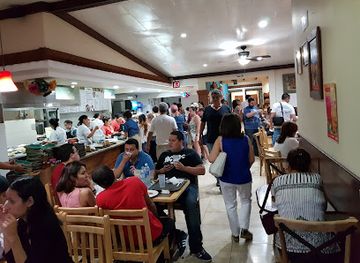
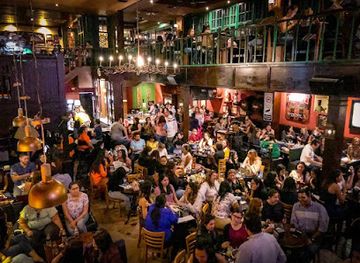
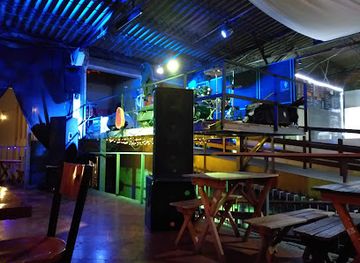
Evening life in Western El Salvador is varied but generally more relaxed than the nightlife of the capital. Santa Ana has the broadest choice of cafés, restaurants, traditional bars and live-music settings, particularly around the central area, while Sonsonate and Ahuachapán offer local bars and late-opening eateries. In Ruta de las Flores towns, evenings tend to centre on cafés, restaurants, beer gardens and small bars rather than large clubs. Ataco and Juayúa can feel sociable at weekends, when domestic visitors fill the streets and dining areas, but the atmosphere remains town-based rather than metropolitan. Coastal communities focus on seafood restaurants and informal bars, with activity often shaped by weekends and holidays. Check transport before staying out late, especially in rural areas, and treat independent venues as subject to changing schedules rather than relying on fixed nightlife assumptions.
-
Bar
Republik Bar
Discover the lively Republik Bar in San Salvador, where great drinks, live music, and an inviting atmosphere await every night.
-
Bar
Cervecería La 20 Zona Rosa
Discover the vibrant Cervecería La 20 Zona Rosa in San Salvador, where craft beers and lively atmosphere create an unforgettable bar experience.
-
Bar
Anchor Bar & Restaurant
Discover San Salvador's vibrant nightlife and culinary delights at Anchor Bar & Restaurant, a top destination for food and drink lovers.
-
Bar
Moris Rooftop
Experience the best of San Salvador from Moris Rooftop, where stunning views meet exquisite flavors in a vibrant atmosphere.
Best nightclubs in Western Region
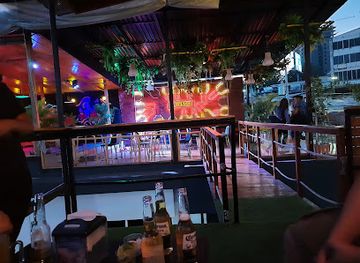
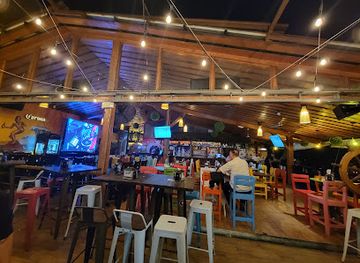
Evening life in Western El Salvador is varied but generally more relaxed than the nightlife of the capital. Santa Ana has the broadest choice of cafés, restaurants, traditional bars and live-music settings, particularly around the central area, while Sonsonate and Ahuachapán offer local bars and late-opening eateries. In Ruta de las Flores towns, evenings tend to centre on cafés, restaurants, beer gardens and small bars rather than large clubs. Ataco and Juayúa can feel sociable at weekends, when domestic visitors fill the streets and dining areas, but the atmosphere remains town-based rather than metropolitan. Coastal communities focus on seafood restaurants and informal bars, with activity often shaped by weekends and holidays. Check transport before staying out late, especially in rural areas, and treat independent venues as subject to changing schedules rather than relying on fixed nightlife assumptions.
-
Night club
The Rooftop
Discover the vibrant nightlife at The Rooftop in San Salvador, where stunning views meet great music and an unforgettable atmosphere.
-
Bar
Clubbers Santa Ana
Dive into the energetic nightlife of Clubbers Santa Ana, a vibrant bar and nightclub offering themed nights, live music, and delicious drinks in El Salvador.
-
Night club
Circus Cabaret
Immerse yourself in San Salvador's vibrant nightlife at Circus Cabaret, where entertainment and culture intertwine in an unforgettable experience.
-
Night club
Club Premium El Salvador
Discover the electric atmosphere of Club Premium El Salvador, a must-visit night club for an unforgettable experience in San Salvador's vibrant nightlife.


Best shops in Western Region
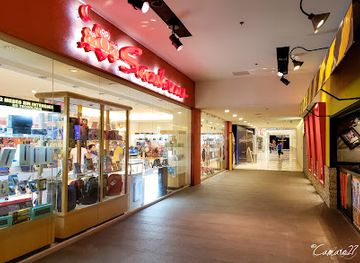
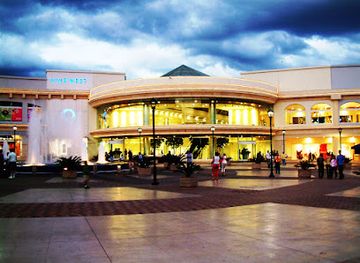
Shopping in Western El Salvador is strongest in market towns and historic centres rather than in large luxury retail districts. Santa Ana has the region’s broadest selection of everyday shops, supermarkets, cafés, bookshops and market stalls, while Sonsonate and Ahuachapán serve as important commercial centres for their surrounding districts. Along the Ruta de las Flores, Ataco, Apaneca, Juayúa and Nahuizalco are associated with small craft businesses, coffee, woven goods, carved objects, pottery and locally made foods, although stock and opening arrangements vary. Markets are useful for buying tropical fruit, snacks, spices and practical goods, while cafés and specialist producers sell roasted coffee from the western highlands. Look for regional products rather than generic souvenirs, and ask about materials and production methods when purchasing crafts. Bargaining may be possible in some informal markets, but fixed prices are common in established shops and should be respected.
-
Shopping mall
Multiplaza
Explore Multiplaza, a vibrant shopping mall in San Salvador offering a mix of local and international brands, dining, and entertainment for every visitor.
-
Shopping mall
La Gran Via
Explore La Gran Via, El Salvador's premier shopping destination, where vibrant retail, dining, and entertainment meet in one spectacular location.
-
Shopping mall
Galerias Mall
Explore the lively Galerias Mall in San Salvador, a shopping paradise with diverse stores, delicious dining, and entertainment for all ages in a vibrant atmosphere.
-
Shopping mall
El Paseo Mall
Discover a vibrant shopping experience at El Paseo Mall in San Salvador, featuring fashion, dining, and entertainment for all tastes.


Get your free copy of our complete guide to Western Region, delivered straight to you.
Everything on this page, from attractions and restaurants to essentials and local phrases, in one PDF you can read offline, print or share.
Already have an account? Sign in
Your Western Region guide is ready.
We'll send it to · Not you? Sign out

Getting your guide ready…
We are putting together a fresh copy of the Western Region guide. This can take up to a minute.
This can take a few moments. If your browser asks, choose Allow so the download can start. You'll find the guide in your Downloads folder.
Nothing happened? Download it again
Sorry, the guide is taking longer than usual. Please try again in a minute, or get it by email instead.
Western Region essentials
Currency and Payment
Safety
Emergency Situations
Do's and Don'ts
Local Tips
From Eve
Local phrases worth knowing
You don't need to get them perfect. A few words go a long way, and locals appreciate the effort.
Basics
| English | Local | Say it |
|---|---|---|
| Hello | Hola | [OH-lah] |
| Goodbye | Adiós | [ah-DYOS] |
| Yes | Sí | [SEE] |
| No | No | [NO] |
| Please/You're welcome | Por favor/De nada | [por fah-VOR/deh NAH-dah] |
| Thank you | Gracias | [GRAH-syahs] |
| Excuse me/Sorry | Perdón | [pair-DON] |
| How are you? | ¿Cómo estás? | [KOH-moh es-TAS] |
| Fine. And you? | Bien. ¿Y tú? | [BYEN. ee TOO] |
| Do you speak English? | ¿Hablas inglés? | [AH-blas een-GLES] |
| I don't understand | No entiendo | [NO en-TYEN-doh] |
Eating & Drinking
| English | Local | Say it |
|---|---|---|
| I'd like to see the menu, please | Me gustaría ver el menú, por favor | [meh goos-tah-REE-ah ver el meh-NOO, por fah-VOR] |
| I don't eat meat | No como carne | [NO KOH-moh KAR-neh] |
| Cheers! | ¡Salud! | [sah-LOOD] |
| I would like to pay, please | Me gustaría pagar, por favor | [meh goos-tah-REE-ah pah-GAR, por fah-VOR] |
Emergencies
| English | Local | Say it |
|---|---|---|
| Help! | ¡Ayuda! | [ah-YOO-dah] |
| Go away! | ¡Vete! | [VEH-teh] |
| Call the Police! | ¡Llama a la policía! | [YAH-mah ah lah poh-lee-SEE-ah] |
| Call a doctor! | ¡Llama a un doctor! | [YAH-mah ah oon dok-TOR] |
| I'm lost | Estoy perdido | [es-TOY pair-DEE-doh] |
| I'm ill | Estoy enfermo/a | [es-TOY en-FER-mo/a] |
Shopping
| English | Local | Say it |
|---|---|---|
| I'd like to buy... | Quisiera comprar... | [kee-SYEH-rah kom-PRAHR] |
| I'm just looking | Solo estoy mirando | [SOH-lo es-TOY mee-RAN-doh] |
| How much is it? | ¿Cuánto cuesta? | [KWAN-toh KWES-tah] |
| That's too expensive | Es demasiado caro | [es deh-mah-SYAH-doh KAH-roh] |
| Can you lower the price? | ¿Puedes bajar el precio? | [PWEH-des bah-HAR el PREH-syo] |
Time & Numbers
| English | Local | Say it |
|---|---|---|
| What time is it? | ¿Qué hora es? | [KEH OH-rah es] |
| It's one o'clock | Es la una | [es lah OO-nah] |
| Half past (10) | y media (10) | [ee MEH-dyah (10)] |
| Morning | Mañana | [ma-NYAH-nah] |
| Afternoon | Tarde | [TAR-deh] |
| Evening | Noche | [NO-cheh] |
| Yesterday | Ayer | [ah-YER] |
| Today | Hoy | [OY] |
| Tomorrow | Mañana | [ma-NYAH-nah] |
| 1 | Uno | [OO-no] |
| 2 | Dos | [DOS] |
| 3 | Tres | [TRES] |
| 4 | Cuatro | [KWAT-roh] |
| 5 | Cinco | [SEEN-koh] |
| 6 | Seis | [SAYS] |
| 7 | Siete | [SYEH-teh] |
| 8 | Ocho | [OH-choh] |
| 9 | Nueve | [NWEH-beh] |
| 10 | Diez | [DYEZ] |
Transport & Directions
| English | Local | Say it |
|---|---|---|
| Where's a/the...? | ¿Dónde está un/una...? | [DON-de es-TAH oon/OO-nah] |
| What's the address? | ¿Cuál es la dirección? | [KWAL es lah dee-rek-SYON] |
| Can you show me (on the map)? | ¿Me puedes mostrar (en el mapa)? | [meh PWEH-des mos-TRAR (en el MAH-pah)] |
| When's the next (bus)? | ¿Cuándo es el próximo (autobús)? | [KWAN-doh es el PROK-see-mo (ow-toh-BOOS)] |
| A ticket (to ....) | Un boleto (a....) | [oon boh-LEH-toh (ah....)] |
History of Western Region
Ancient Settlement at Tazumal and Chalchuapa
The Chalchuapa area, in present-day Santa Ana department, was an important centre of settlement for many centuries. Tazumal preserves monumental platforms, temples and other structures associated with a wider archaeological complex that also includes sites such as Casa Blanca and El Trapiche. Its history reflects changing Mesoamerican cultural influences rather than a single uninterrupted political tradition. The remains demonstrate the importance of the western highlands as a crossroads for trade, religion and settlement before the Spanish conquest. The archaeological park and museum provide the clearest introduction to the region’s pre-colonial past.
Pipil Communities and Spanish Conquest
By the time of Spanish expansion in the sixteenth century, much of western El Salvador was inhabited by Pipil-speaking communities, whose Nahua heritage remains important to regional cultural history. Spanish forces established colonial control through military campaigns, new settlements and the spread of Catholic institutions. Towns including Sonsonate, Izalco and Santa Ana developed within this colonial framework, while Indigenous communities experienced land loss, forced labour and the restructuring of local authority. Churches, town layouts, place names and surviving Indigenous traditions all reflect the complex legacy of this period.
Colonial Trade and the Sonsonate Corridor
Sonsonate became a significant colonial centre because its surrounding lowlands supported agriculture and its position connected the Pacific coast with inland settlements. The wider region participated in trade in cacao, balsam, indigo and other commodities, linking local production to markets beyond present-day El Salvador. Colonial roads and administrative arrangements strengthened the relationship between the coastal plain, the highlands and the Pacific port area. Although much of the colonial landscape has changed, the historic centres of several western towns and the region’s continuing agricultural geography preserve traces of these connections.
Coffee and the Transformation of the Highlands
Coffee became the defining export crop of western El Salvador during the nineteenth and early twentieth centuries. The volcanic soils and moderate elevations around Santa Ana, Ahuachapán and the Ruta de las Flores were particularly suitable for cultivation. Coffee wealth financed roads, public buildings, theatres and grand houses in towns such as Santa Ana, while large estates reshaped land ownership and rural labour. The industry also tied the region closely to international markets. Today, plantations, beneficios where coffee is processed, and highland cafés remain visible reminders of this economic transformation.
The 1932 Peasant and Indigenous Uprising
The western departments were central to the 1932 uprising, a major and deeply traumatic episode in Salvadoran history. Economic hardship, land dispossession, political conflict and longstanding Indigenous grievances contributed to revolt in several western communities, including areas around Izalco. The government’s subsequent repression caused thousands of deaths, though the exact toll remains disputed. The event profoundly affected Indigenous cultural expression, local memory and national politics. Visitors should approach commemorations and historical discussions with care, recognising that the uprising remains a painful subject rather than a simple historical curiosity.
Earthquakes and Reconstruction
Western El Salvador has repeatedly been shaped by earthquakes because it lies within a seismically active volcanic zone. The earthquakes of January and February 2001 caused extensive damage across the country, including in western towns and rural districts, affecting homes, churches, roads and public buildings. Earlier earthquakes had also altered historic urban areas and forced repeated rebuilding. Reconstruction contributed to changes in town centres and infrastructure, while some damaged heritage buildings were restored or stabilised. The region’s architecture therefore often combines colonial or nineteenth-century forms with later repairs and modern construction.
Contemporary Heritage and Rural Tourism
Since the late twentieth century, western El Salvador has increasingly presented its coffee landscapes, archaeological sites, volcanic parks and highland towns as a connected visitor region. The Ruta de las Flores helped bring greater attention to communities such as Juayúa, Ataco and Apaneca, while conservation initiatives have highlighted Lake Coatepeque, Los Volcanes and Pacific coastal wetlands. Tourism has not replaced agriculture or local commerce, but it has encouraged cafés, craft businesses, guided walks and heritage interpretation. The region’s contemporary identity is consequently shaped by both longstanding rural economies and expanding domestic and international travel.
Western Region in Photos
Browse through our photo collection highlighting the charm and character of the destination.
Neighbouring regions of Western Region
The closest regions to Western Region, if you have time for more than one.
-

-

-

-

-


Swipe for more regions
Explore more

Explore more of El Salvador
Discover the hidden gem of Central America with El Salvador's stunning landscapes, rich culture, and world-class surfing. A paradise for adventurers and culture lovers alike.
Explore El Salvador