

Free Seydisfjordur Travel Guide & Mobile App
Plan your Seydisfjordur trip with Evendo. Get free guides to top attractions, restaurants, hotels, and bars. Web access or download the mobile app.


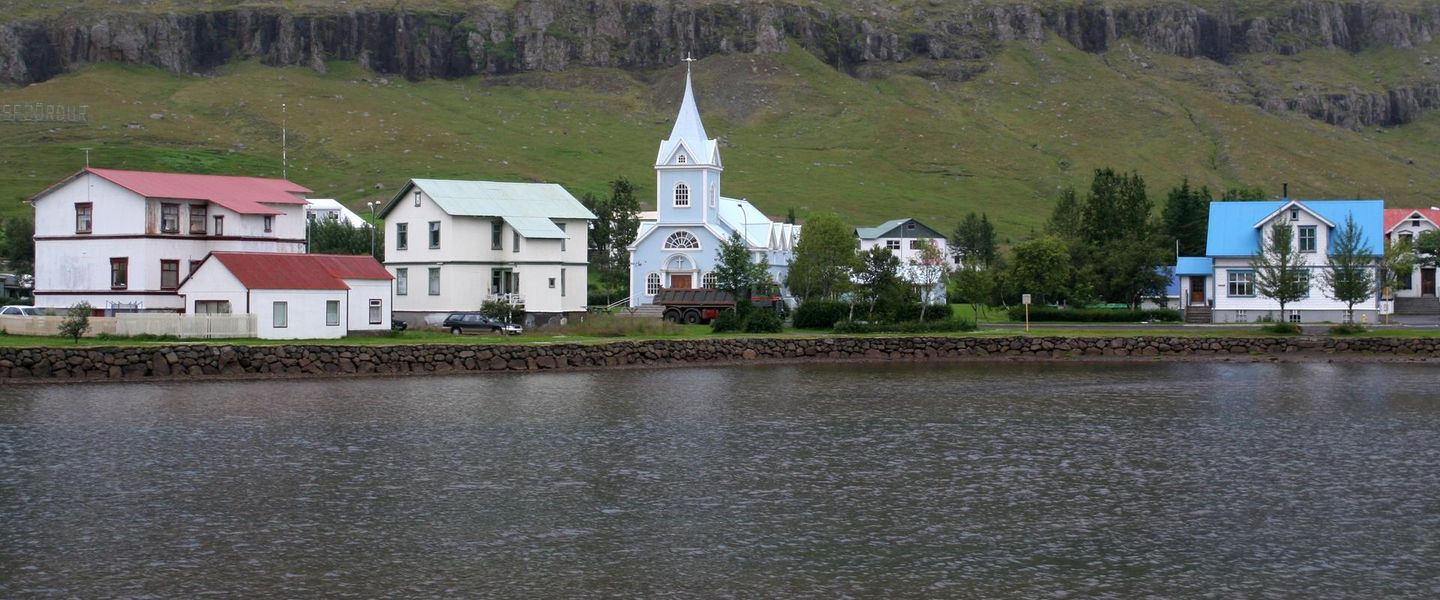


Seyðisfjörður, Iceland: explore a colourful Eastfjords town with harbour views, waterfalls, creative culture, hiking trails and historic timber houses.
A Fjord Shaped by the Sea
Seyðisfjörður lies at the head of a long, sheltered fjord on Iceland’s east coast, reached by a dramatic mountain road from Egilsstaðir. The settlement is small enough to explore on foot, yet its setting feels expansive: steep slopes rise on either side, waterfalls thread the mountainsides, and the harbour opens towards the North Atlantic. Colourful wooden houses, many dating from the town’s development as a trading and fishing centre, line quiet streets beneath the surrounding peaks.Read more about Seydisfjordur
Heritage and Creative Life
Waterfalls, Trails and the Harbour
When is the best time to visit Seydisfjordur?
Best: June–August · 12–14°C| Month | High (°C) | Rainfall (mm) |
|---|---|---|
| January | 2 | 70 |
| February | 2 | 60 |
| March | 3 | 60 |
| April | 6 | 50 |
| May | 9 | 50 |
| June (best) | 12 | 50 |
| July (best) | 14 | 50 |
| August (best) | 13 | 60 |
| September | 9 | 70 |
| October | 6 | 80 |
| November | 4 | 80 |
| December | 2 | 70 |
Getting to and around Seydisfjordur
How to get there
Transportation
Best attractions in Seydisfjordur
Seyðisfjörður’s compact centre is an attraction in itself, with brightly painted historic timber houses, the rainbow walkway and the blue Seyðisfjörður Church creating a distinctive route from the old streets towards the harbour. Skaftfell, the town’s contemporary arts centre, presents exhibitions and reflects the creative life that has developed in former commercial buildings. The Technical Museum of East Iceland offers insight into communications, industry and domestic life in the region. Just outside the settlement, Gufufoss drops beside the approach road in a powerful, easily recognised cascade, while the Fjarðará river leads towards valleys and mountain walking routes. The harbour provides changing views of ferries, fishing activity and steep fjord walls, and the surrounding roads open access to the wider Eastfjords without making distant regional attractions part of the town itself.
-
Tourist attraction
Seyðisfjarðarkirkja
Discover the serene beauty of Seyðisfjörðarkirkja, a stunning Lutheran church nestled in the picturesque landscapes of Seyðisfjörður, Iceland.
3 min walk · 0.3 km from city centre
-
Tourist attraction
Seyðisfjarðarkirkja
Explore the serene beauty of Seyðisfjörðarkirkja, a stunning Lutheran church in the picturesque village of Seydisfjordur, Iceland.
3 min walk · 0.3 km from city centre
-
Tourist attraction
Gufu waterfall
Discover the breathtaking beauty of Gufu Waterfall in Seydisfjordur, a natural wonder that captivates visitors with its stunning cascades and serene surroundings.
10 min drive · 3.3 km from city centre
-
Tourist attraction
Klifbrekku Waterfall
Experience the breathtaking beauty of Klifbrekku Waterfall in Fjordhur, Iceland, where nature's power meets serene landscapes.
29 min drive · 9.6 km from city centre


Best landmarks in Seydisfjordur
The blue Seyðisfjörður Church is the town’s most recognisable landmark, standing at the end of the rainbow-painted street and serving as a vivid focal point among the historic houses. Across the centre, timber buildings and former commercial premises recall the nineteenth-century period when Norwegian merchants and maritime trade shaped the settlement. The harbour remains a defining civic landmark, linking the town’s present life with its history as an international port and ferry terminal. The Technical Museum of East Iceland occupies an important place in the town’s heritage by preserving the story of communications and technology, including the submarine telegraph connection that reached Seyðisfjörður in 1906. Together these places express a settlement formed by trade, physical isolation, modern communications and continuing cultural activity.
-
Lutheran church
Seyðisfjarðarkirkja
Discover the architectural beauty and serene surroundings of Seyðisfjarðarkirkja, a must-visit Lutheran church in the heart of Seydisfjordur, Iceland.
3 min walk · 0.3 km from city centre
-
Restaurant
Kaffi Lára El Grillo Bar
Experience the vibrant flavors and cozy atmosphere at Kaffi Lára El Grillo Bar in Seyðisfjörður, Iceland's culinary gem.
2 min walk · 0.2 km from city centre
-
Tourist attraction
Gufu waterfall
Experience the breathtaking beauty of Gufu Waterfall in Seydisfjordur, Iceland, a must-visit natural attraction for every traveler.
10 min drive · 3.3 km from city centre
-
 Hotel
Hótel Aldan
Experience the charm of Seyðisfjörður at Hótel Aldan, where comfort meets the breathtaking landscapes of Iceland's Eastfjords.
2 min walk · 0.2 km from city centre


Explore Seydisfjordur on the map
Plan your Seydisfjordur trip on one map. See where the top attractions, landmarks, restaurants, bars and hotels are, find what's near where you're staying, and book hotels and experiences in a few clicks.
Best hotels in Seydisfjordur
Best restaurants in Seydisfjordur
Seyðisfjörður’s dining scene is small, seasonal and closely tied to the town’s role as a ferry port and arts community. Menus commonly draw on Icelandic ingredients such as fish, lamb, potatoes, dairy and local baking, while cafés provide useful pauses between walks and visits to galleries. The harbour and central streets contain the main concentration of places to eat, with a mixture of casual meals, coffee, pastries and more contemporary cooking rather than a large restaurant circuit. Regional seafood is particularly appropriate in a fjord settlement, although availability changes with catches, deliveries and the season. Visitors travelling through the Eastfjords should plan around limited opening patterns and avoid assuming that every venue operates year-round. Local shops and accommodation providers can be useful sources of current information about food service in town.
-
Restaurant
Kaffi Lára El Grillo Bar
Discover the flavors of Iceland at Kaffi Lára El Grillo Bar in Seyðisfjörður – where local cuisine meets unique craft beers.
2 min walk · 0.2 km from city centre
-
Restaurant
Salt Café & Bistro
Experience the flavors of Iceland at Salt Café & Bistro in Egilsstaðir - where local ingredients meet culinary creativity.
39 min drive · 19 km from city centre
-
Bistro
Skaftfell Bistro
Experience authentic Icelandic cuisine at Skaftfell Bistro in Seyðisfjörður - where great food meets stunning landscapes.
5 min walk · 0.4 km from city centre
-
Restaurant
Hótel Aldan
Discover Hótel Aldan in Seyðisfjörður – where Icelandic cuisine meets cozy accommodations amidst stunning landscapes.
2 min walk · 0.2 km from city centre


Best bars in Seydisfjordur
Seyðisfjörður does not have a large nightclub district, and evening life is generally relaxed, intimate and shaped by the season. Small cafés, bars and accommodation venues may provide places for conversation and a drink, while cultural events at Skaftfell, the church or other local spaces can give the town a more animated night-time character. The LungA festival brings music, performance and creative gatherings during its programme, although events and venues vary from year to year. Summer’s long daylight encourages late walks around the harbour and river, whereas winter evenings are quieter and more dependent on scheduled cultural activity. Visitors should check local listings rather than expect the all-night entertainment found in Reykjavík.
-
Restaurant
Kaffi Lára El Grillo Bar
Experience delightful cuisine and local brews at Kaffi Lára El Grillo Bar, a cozy restaurant in Seyðisfjörður's picturesque surroundings.
2 min walk · 0.2 km from city centre
-
Bar
Skaftfell Bistro
Discover the culinary delights of Skaftfell Bistro in Seyðisfjörður, where local flavors meet a cozy atmosphere in the heart of Iceland.
5 min walk · 0.4 km from city centre
-
Hostel
Hafaldan Old hospital hostel- Seydisfjordur
Stay in the historic Hafaldan Old Hospital Hostel, a cozy retreat in Seydisfjordur, surrounded by breathtaking Icelandic landscapes.
3 min walk · 0.2 km from city centre
-
Restaurant
Hótel Aldan
Experience the charm of Seyðisfjörður at Hótel Aldan, where cozy accommodations meet exquisite dining in a breathtaking fjord setting.
2 min walk · 0.2 km from city centre


Best nightclubs in Seydisfjordur
Seyðisfjörður does not have a large nightclub district, and evening life is generally relaxed, intimate and shaped by the season. Small cafés, bars and accommodation venues may provide places for conversation and a drink, while cultural events at Skaftfell, the church or other local spaces can give the town a more animated night-time character. The LungA festival brings music, performance and creative gatherings during its programme, although events and venues vary from year to year. Summer’s long daylight encourages late walks around the harbour and river, whereas winter evenings are quieter and more dependent on scheduled cultural activity. Visitors should check local listings rather than expect the all-night entertainment found in Reykjavík.
-
Restaurant
Kaffi Lára El Grillo Bar
Experience the vibrant atmosphere and delectable Icelandic cuisine at Kaffi Lára El Grillo Bar in the charming Seyðisfjörður.
2 min walk · 0.2 km from city centre
-
Bar
Skaftfell Bistro
Experience the vibrant culinary scene of Seyðisfjörður at Skaftfell Bistro, where local flavors meet a cozy ambiance.
5 min walk · 0.4 km from city centre
-
Hostel
Hafaldan HI hostel - Seydisfjordur
Experience the warmth and charm of Hafaldan HI Hostel in Seydisfjordur – your gateway to Iceland's stunning landscapes.
3 min walk · 0.2 km from city centre
-
Restaurant
Nordic Restaurant
Savor the authentic taste of Nordic cuisine in the heart of Seydisfjordur, where tradition meets modern culinary artistry.
2 min walk · 0.2 km from city centre


Best shops in Seydisfjordur
Shopping in Seyðisfjörður is modest in scale and centres on practical local businesses, galleries and craft-oriented enterprises rather than large retail streets. Independent shops and cultural spaces may offer Icelandic design, handmade objects, artwork, clothing, books and small souvenirs, with the selection varying according to the season. Food supplies, woollen goods and regionally made products can also be useful purchases for travellers continuing through the Eastfjords. The town’s former trading buildings give shopping a strong architectural setting, while arts venues connect retail with the contemporary creative community. Visitors should not expect the breadth of Reykjavík’s shops or dependable year-round opening hours; checking local notices and planning essential purchases in Egilsstaðir is sensible.
-
Bistro
Skaftfell Bistro
Discover the culinary gem of Seyðisfjörður at Skaftfell Bistro, where local ingredients meet creative dishes in a cozy atmosphere.
5 min walk · 0.4 km from city centre
-
Sushi
Norð Austur - Sushi & Bar
Delight in fresh sushi and authentic Japanese cuisine at Norð Austur - Sushi & Bar, a culinary treasure in Seyðisfjörður, Iceland.
2 min walk · 0.2 km from city centre
-
Breakfast
The Filling Station / Seyðisjörður Food Coop
Discover the flavors of Seyðisfjörður at The Filling Station, where organic goodness meets delightful breakfast in a cozy setting.
4 min walk · 0.3 km from city centre
-
Art cafe
Kiosk 108
Discover Kiosk 108, a delightful art cafe in Seydisfjordur, where exceptional coffee meets a vibrant artistic atmosphere.
2 min walk · 0.1 km from city centre


Get your free copy of our complete guide to Seydisfjordur, delivered straight to you.
Everything on this page, from attractions and restaurants to essentials and local phrases, in one PDF you can read offline, print or share.
Already have an account? Sign in
Your Seydisfjordur guide is ready.
We'll send it to · Not you? Sign out

Getting your guide ready…
We are putting together a fresh copy of the Seydisfjordur guide. This can take up to a minute.
This can take a few moments. If your browser asks, choose Allow so the download can start. You'll find the guide in your Downloads folder.
Nothing happened? Download it again
Sorry, the guide is taking longer than usual. Please try again in a minute, or get it by email instead.
Seydisfjordur essentials
Currency and Payment
Safety
Emergency Situations
Do's and Don'ts
Local Tips
From Eve
Local phrases worth knowing
You don't need to get them perfect. A few words go a long way, and locals appreciate the effort.
Basics
| English | Local | Say it |
|---|---|---|
| Hello | Halló | [ha-lo] |
| Goodbye | Bless | [bles] |
| Yes | Já | [ya] |
| No | Nei | [nay] |
| Please/You're welcome | Gjörðu svo vel | [gyor-thu-svo-vel] |
| Thank you | Takk fyrir | [tahk-fir-ir] |
| Excuse me/Sorry | Afsakið | [af-sah-kith] |
| How are you? | Hvernig hefurðu það? | [kver-nig-hev-ur-thu-thadh] |
| Fine. And you? | Allt gott. En þú? | [alt-got-en-thu] |
| Do you speak English? | Talar þú ensku? | [tal-ar-thu-ens-ku] |
| I don't understand | Ég skil ekki | [yeg-skil-ek-ki] |
Eating & Drinking
| English | Local | Say it |
|---|---|---|
| I'd like to see the menu, please | Ég ætla að sjá matsedilinn, takk | [yeg-ait-la-ath-shau-mat-se-thil-inn-tahk] |
| I don't eat meat | Ég borða ekki kjöt | [yeg-bor-tha-ek-ki-kot] |
| Cheers! | Skál! | [skowl] |
| I would like to pay, please | Ég vildi greiða, takk | [yeg-vil-dei-graidha-tahk] |
Emergencies
| English | Local | Say it |
|---|---|---|
| Help! | Hjálp! | [hyow-ulp] |
| Go away! | Farðu í burtu! | [far-thu-ee-bur-thu] |
| Call the Police! | Hringdu í lögregluna! | [hring-due-ee-log-re-gluna] |
| Call a doctor! | Hringdu í lækninn! | [hring-due-ee-layk-nin] |
| I'm lost | Ég er týndur | [yeg-er-tin-dur] |
| I'm ill | Mér er illt | [meyr-er-illt] |
Shopping
| English | Local | Say it |
|---|---|---|
| I'd like to buy... | Ég ætla að kaupa... | [yeg-ait-la-ath-koy-pa] |
| I'm just looking | Ég er bara að skoða | [yeg-er-bara-ath-skow-tha] |
| How much is it? | Hvað kostar það? | [kvath-kos-tar-thadh] |
| That's too expensive | Það er of dýrt | [thath-er-of-dirt] |
| Can you lower the price? | Geturðu lækkað verðið? | [geth-ur-thu-lei-kath-ver-theeth] |
Time & Numbers
| English | Local | Say it |
|---|---|---|
| What time is it? | Hvað er klukkan? | [kvath-er-kloo-kahn] |
| It's one o'clock | Klukkan er eitt | [kloo-kahn-er-ate] |
| Half past (10) | Hálf tíu | [howlf-tee-oo] |
| Morning | Morgunn | [mor-goon] |
| Afternoon | Síðdegis | [seed-dey-yis] |
| Evening | Kvöld | [kvold] |
| Yesterday | Í gær | [ee-gai-r] |
| Today | Í dag | [ee-dahg] |
| Tomorrow | Á morgun | [ow-mor-goon] |
| 1 | Eitt | [ate] |
| 2 | Tveir | [t-veir] |
| 3 | Þrír | [three-r] |
| 4 | Fjórir | [fyow-rir] |
| 5 | Fimm | [fim] |
| 6 | Sex | [seks] |
| 7 | Sjö | [syo] |
| 8 | Átta | [ow-tha] |
| 9 | Níu | [nee-oo] |
| 10 | Tíu | [tee-oo] |
Transport & Directions
| English | Local | Say it |
|---|---|---|
| Where's a/the...? | Hvar er... | [kvar-er] |
| What's the address? | Hvað er heimilisfangið? | [kvath-er-hame-il-is-fang-ith] |
| Can you show me (on the map)? | Geturðu sýnt mér (á korti)? | [geth-ur-thu-seent-meyr-ow-kor-thi] |
| When's the next (bus)? | Hvenær er næsta (strætisvagn)? | [kve-nair-er-naista-strai-tis-vahn] |
| A ticket (to ....) | Miða (til ...) | [mee-tha-til] |
History of Seydisfjordur
Early Settlement and Inland Farms
The fjord was settled during Iceland’s early colonisation, traditionally dated to the late ninth and early tenth centuries. Farms developed around the sheltered water and fertile valleys, while the surrounding mountains shaped movement between the coast and interior. For centuries, Seyðisfjörður was not an urban centre but a scattered rural community whose livelihood depended on farming, fishing and coastal access. The fjord’s natural harbour, protected from much of the open North Atlantic, later gave it an advantage as trade expanded along Iceland’s eastern coast.
A Trading Port Takes Shape
Seyðisfjörður grew substantially during the nineteenth century as foreign merchants, particularly from Norway, established commercial activity around the harbour. Fishing, trade and the export of local produce brought new buildings, warehouses and permanent services, creating the timber-built townscape that remains one of the settlement’s defining features. Norwegian influence was particularly visible in construction and commerce, while the harbour connected eastern Iceland with wider North Atlantic networks. The town’s architecture therefore reflects both Icelandic conditions and the international trading world that developed around seasonal fishing ports.
Communications and Modern Industry
Seyðisfjörður became an important communications point as Iceland entered the age of modern telegraphy. The first submarine telegraph cable linking Iceland with Europe reached Seyðisfjörður in 1906, strengthening the town’s international importance and tying its harbour to wider technological change. Fishing and maritime trade continued to support the local economy, while roads, communications and public services gradually connected the isolated Eastfjords more closely with the rest of the country. The surviving houses, harbour structures and technical collections help explain this transition from remote settlement to connected port.
War in the Eastfjords
During the Second World War, British forces occupied Iceland in 1940 to prevent German control of the country, and Seyðisfjörður became one of the eastern locations affected by the Allied military presence. The harbour and its communications value made the fjord strategically relevant, bringing soldiers, equipment and new infrastructure to a small community. The occupation altered daily life and local employment, as it did elsewhere in Iceland, while also leaving traces in the broader landscape. Its history forms part of the town’s twentieth-century transformation from trading port to strategically connected settlement.
A Contemporary Arts Community
As fishing and traditional harbour industries changed, Seyðisfjörður developed a strong cultural identity alongside its maritime heritage. The establishment of the Skaftfell arts centre in 1998 gave contemporary art a permanent institutional presence, while the LungA art festival, founded in 2000, brought experimental work, workshops and performances to the town. Creative activity has not erased the older community: it occupies former commercial buildings and takes place among historic houses, the church and the harbour. Today, Seyðisfjörður is recognised for the way arts and cultural events coexist with the practical life of a small Eastfjords town.
Travel experiences inspired by this city
-
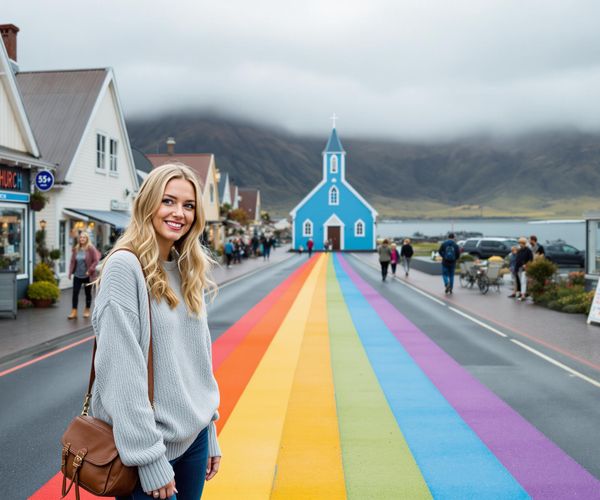 7 Day Trip
Solo Adventure in Seydisfjordur, Iceland
Explore the breathtaking fjords and vibrant culture of Seydisfjordur, Iceland, on a solo adventure filled with scenic hikes and local experiences.
 10 Jul 2025
By Elin Karlsson -
 10 Day Trip
Solo Adventure in Seydisfjordur: Exploring Iceland's Hidden Gem
Discover the serene beauty and vibrant culture of Seydisfjordur on a solo 10-day journey, staying at Hótel Snæfell for the ultimate Icelandic experience.
 10 Jul 2025
By Patricia Smith -
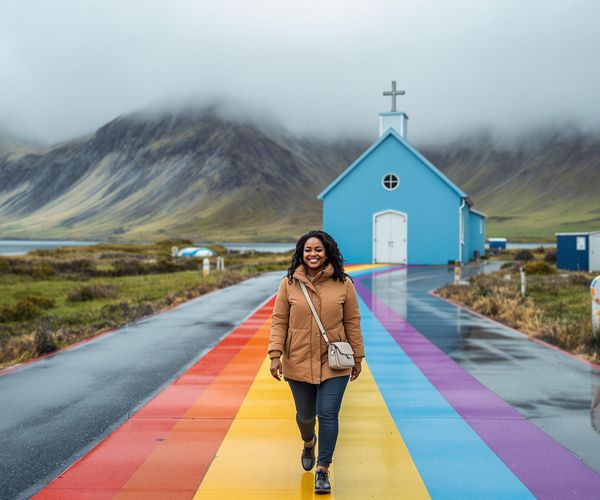 11 Day Trip
Solo Adventure in Seydisfjordur: Exploring Icelandic Beauty
Join me on an 11-day solo journey to Seydisfjordur, Iceland, where nature's beauty meets cultural wonders. Discover hiking trails, local cuisine, and more!
 5 Jul 2025
By Marie Rakotomalala -
Upcoming trip11 Day Trip Solo Adventure in Seydisfjordur: Exploring Iceland's Hidden Gem Embark on a solo journey to Seydisfjordur, Iceland, exploring breathtaking landscapes and vibrant culture, while staying at the cozy Hótel Snæfell.
 5 Jul 2025
By Mohamed Hassan -
 9 Day Trip
Family Adventure in Seydisfjordur, Iceland
Discover the magic of Seydisfjordur with family-friendly adventures, stunning fjords, and cultural experiences in Iceland's hidden gem.
 15 Jun 2025
By Jose Martinez -
 7 Day Trip
Solo Adventure Through the Serene Seydisfjordur
Discover the tranquil beauty of Seydisfjordur, Iceland, on a solo adventure filled with breathtaking landscapes and vibrant culture.
 15 May 2025
By Joao Langa
Swipe for more travel diaries
Seydisfjordur in Photos
Browse through our photo collection highlighting the charm and character of the destination.
Cities near Seydisfjordur
The closest cities to Seydisfjordur, if you have time for more than one stop.
-

-

-

-

-


Swipe for more cities
Explore more

Explore more of Iceland
Discover Iceland, where glaciers meet volcanoes, Northern Lights dance in the skies, and natural wonders await at every turn.
Explore Iceland