

Pispala (Tampere) Travel Guide - Free
Explore Pispala in Tampere with Evendo's free guide. Find the best shops, historic streets, restaurants, and gems on web or mobile.


Pispala in Tampere pairs historic wooden homes, steep ridge streets, Rajaportti sauna, lake views and local culture in one distinctive Finnish neighbourhood.
A Ridge Between Two Lakes
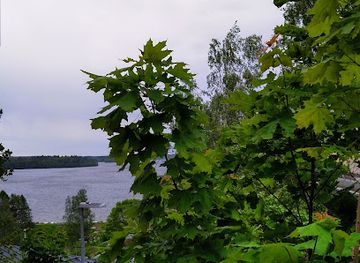
Pispala occupies Tampere’s dramatic western ridge, where steep streets climb between Lake Näsijärvi to the north and Lake Pyhäjärvi to the south. Its slopes are close to the city centre, yet the neighbourhood feels distinctly separate: roads bend around the terrain, wooden houses gather on narrow plots, and glimpses of water appear between gardens, roofs and retaining walls. The most characteristic routes are experienced on foot, particularly around Pispalanharju, Pispalan valtatie and the stairways connecting the ridge with the lower streets.Read more about Pispala
Working-Class Roots and Wooden Architecture
Sauna, Writers and Local Culture
Best attractions in Pispala
Pispala’s principal attraction is the neighbourhood itself: a steep lake ridge threaded with wooden houses, narrow lanes, gardens and stairways that reveal changing views towards both Lake Näsijärvi and Lake Pyhäjärvi. The Lauri Viita Museum, located in the former home of the Pispala-born writer, introduces the literary and social world associated with the district. Rajaportti public sauna offers a more participatory cultural experience, linking contemporary visitors with a long local bathing tradition. Walkers can follow Pispalan valtatie and the ridge streets, pause at viewpoints, and notice how houses are layered along the slopes. Pispala Church provides a further point of orientation, while nearby Pyynikki’s forests and recreation routes are easily combined with a visit but lie outside the neighbourhood. The most rewarding sightseeing is therefore a mixture of modest institutions, vernacular architecture, topography and ordinary residential streets rather than a concentration of large museums.
-
Tourist attraction
Pyykkimettä Park
Experience the natural beauty of Pyykkimettä Park in Tampere, where stunning lake views and lush landscapes await your exploration.
17 min walk · 1.4 km from neighbourhood centre
-
Historical landmark
Pispala Shot Tower
Explore the Pispala Shot Tower, an emblem of Tampere's industrial legacy, blending history with stunning views and local culture.
17 min walk · 1.4 km from neighbourhood centre
-
Tourist attraction
Lauri Viita -museo
Explore the Lauri Viita Museum in Tampere, where Finnish literary history comes alive through the works of poet Lauri Viita.
15 min walk · 1.2 km from neighbourhood centre
-
Tourist attraction
Pyynikki Stairs
Experience breathtaking views and rich history at the iconic Pyynikki Stairs in Tampere, a must-see for every traveler.
6 min drive · 2.1 km from neighbourhood centre



Best landmarks in Pispala
Rajaportti public sauna is Pispala’s most distinctive living landmark. Founded in 1906, it represents the communal bathing culture that developed alongside the neighbourhood’s working households and remains an important local institution. The Lauri Viita Museum is another significant landmark, occupying the writer’s former home and preserving a direct connection with Pispala’s literary history. Pispala Church is a prominent post-war building and a continuing place of worship and community life. Beyond individual structures, the ridge’s surviving wooden houses, steep retaining walls, stairways and irregular street pattern form a collective architectural landmark. Pispalan valtatie provides the main urban spine, while the elevated ground itself explains the area’s unusual relationship with its two lakes. These places matter less as isolated monuments than as evidence of how workers, families and local institutions adapted to Pispala’s demanding terrain.
-
Park
Pyykkimettä Park
Explore the serene beauty of Pyykkimettä Park in Tampere, where lush landscapes and tranquility await every visitor.
17 min walk · 1.4 km from neighbourhood centre
-
Scenic spot
Pyynikki Vista Point
Experience stunning panoramic views of Tampere from Pyynikki Vista Point, a scenic gem that combines natural beauty with urban charm.
5 min drive · 1.6 km from neighbourhood centre
-
Historical landmark
Pispala Shot Tower
Explore the Pispala Shot Tower in Tampere, a historical landmark showcasing Finland's industrial heritage and offering stunning views of the surrounding landscape.
17 min walk · 1.4 km from neighbourhood centre
-
Lutheran church
Pispala Church, Harju Parish
Discover the beauty and serenity of Pispala Church, a stunning Lutheran landmark in Tampere offering breathtaking views and a peaceful atmosphere.
15 min walk · 1.2 km from neighbourhood centre


Explore Pispala on the map
A handpicked selection of must-see spots in Pispala, mapped for you.
Best hotels in Pispala
Best restaurants in Pispala
Pispala’s dining scene is small-scale and closely tied to the neighbourhood’s residential character. Pispalan Pulteri, a long-established pub and restaurant, is one of the best-known local names and reflects the district’s working-class social history, while Café Pispala is associated with a more contemporary café culture. Along and near Pispalan valtatie, visitors may find casual places for coffee, light meals and evening food, but the choice is more limited than in Tampere’s central districts. The local appeal lies in combining a meal or coffee with a walk through the ridge streets rather than in following a dense restaurant circuit. Menus and businesses change, so current opening information is worth checking before setting out. For broader dining choice, central Tampere is nearby, while the neighbourhood itself suits visitors looking for an informal pause among wooden houses and steep streets.
-
Restaurant
Pispalan Pulteri
Discover authentic Finnish flavors at Pispalan Pulteri in Tampere - a cozy restaurant offering delightful local cuisine amidst scenic views.
5 min drive · 1.5 km from neighbourhood centre
-
Hot Dog Stand
Vaakon Nakki
Discover Vaakon Nakki in Tampere for delightful hot dogs and authentic Finnish street food at affordable prices.
17 min walk · 1.4 km from neighbourhood centre
-
Restaurant
Café Pispala
Experience authentic Finnish flavors at Café Pispala, where cozy ambiance meets delicious cuisine in the heart of Tampere.
17 min walk · 1.3 km from neighbourhood centre
-
Fast Food
Pizpala
Discover Pizpala in Tampere: where fast food meets local flavors in a vibrant setting.
14 min walk · 1.1 km from neighbourhood centre


Best bars in Pispala
Pispala is not a major clubbing district, and its evenings are shaped more by local pubs, sauna culture and community events than by a concentration of nightclubs. Pispalan Pulteri is a longstanding place for food and drinks, while Rajaportti sauna can form part of an evening centred on Finnish bathing traditions rather than late-night entertainment. Cultural activity associated with the neighbourhood may include performances, talks or small events, but dates and availability vary. After dark, the residential streets become quiet and the ridge viewpoints take on a different atmosphere, with lights extending across the surrounding city and lakes. Visitors seeking a broad choice of cocktail bars, music venues or clubs will find a larger selection in central Tampere; Pispala is better suited to a relaxed local evening with consideration for people living nearby.
-
Restaurant
Pispalan Pulteri
Experience the flavors of Finland at Pispalan Pulteri, a charming restaurant in Tampere offering local cuisine and breathtaking views.
5 min drive · 1.5 km from neighbourhood centre
-
Restaurant
Café Pispala
Discover the cozy charm of Café Pispala in Tampere, where local flavors and warm ambiance create an unforgettable dining experience.
17 min walk · 1.3 km from neighbourhood centre
-
Bar
Vastavirta-Klubi Bar
Discover the lively atmosphere and local talent at Vastavirta-Klubi Bar, a vibrant gem in Tampere's nightlife offering unique drinks and unforgettable experiences.
17 min walk · 1.4 km from neighbourhood centre
-
Bar
Pub Kujakolli
Discover the lively ambiance of Pub Kujakolli in Tampere, where great drinks meet Finnish hospitality for an unforgettable night out.
16 min walk · 1.2 km from neighbourhood centre


Best nightclubs in Pispala
Pispala is not a major clubbing district, and its evenings are shaped more by local pubs, sauna culture and community events than by a concentration of nightclubs. Pispalan Pulteri is a longstanding place for food and drinks, while Rajaportti sauna can form part of an evening centred on Finnish bathing traditions rather than late-night entertainment. Cultural activity associated with the neighbourhood may include performances, talks or small events, but dates and availability vary. After dark, the residential streets become quiet and the ridge viewpoints take on a different atmosphere, with lights extending across the surrounding city and lakes. Visitors seeking a broad choice of cocktail bars, music venues or clubs will find a larger selection in central Tampere; Pispala is better suited to a relaxed local evening with consideration for people living nearby.
-
Bar
Vastavirta-Klubi Bar
Experience the vibrant nightlife of Tampere at Vastavirta-Klubi Bar, where live music, great drinks, and an inviting atmosphere await.
17 min walk · 1.4 km from neighbourhood centre

Best shops in Pispala
Shopping in Pispala is modest and local rather than destination retail. Small services and everyday businesses are found around Pispalan valtatie, alongside cafés and food-related shops, while the neighbourhood’s independent character is more apparent in its low-rise premises and long-established local institutions than in a large concentration of boutiques. Visitors should not expect a major market or a specialist shopping quarter; for department stores, design shops, larger bookshops and a broader selection of Finnish brands, central Tampere is more suitable. The most distinctive souvenir of Pispala is often connected to its culture rather than a particular product: a visit to Rajaportti sauna, a book by Lauri Viita or a locally made item found through a temporary cultural event. Check current business information, as small neighbourhood retail changes over time.
-
Grocery store
Sale Pispala Tampere
Explore Sale Pispala: Tampere's favorite grocery store for fresh produce and local treats in the heart of Pispala.
16 min walk · 1.3 km from neighbourhood centre
-
Home goods store
Ompelijanmaailma
Explore Ompelijanmaailma: A Hidden Gem in Tampere for Fabrics and Home Goods Reflecting Finnish Craftsmanship.
15 min walk · 1.2 km from neighbourhood centre
-
Yarn store
T:mi Eijan Kudontaputiikki
Explore Eijan Kudontaputiikki in Tampere for an enchanting selection of yarns, rugs, and carpets that inspire your creativity.
7 min drive · 2.2 km from neighbourhood centre
-
Store
Peak Things Oy
Explore Peak Things Oy in Tampere for unique Finnish souvenirs and local crafts, embodying the spirit of Finland's rich culture and artistry.
17 min walk · 1.4 km from neighbourhood centre


Pispala essentials
Getting There
Getting Around
Safety
Emergency Situations
Do's and Don'ts
Local Tips

From Eve
Local phrases worth knowing
You don't need to get them perfect. A few words go a long way, and locals appreciate the effort.
Basics
| English | Local | Say it |
|---|---|---|
| Hello | Moi | [mɔi] |
| Goodbye | Näkemiin | [nækemiːn] |
| Yes | Kyllä | [kyllæ] |
| No | Ei | [ei] |
| Please/You're welcome | Ole hyvä | [ɔle hyvæ] |
| Thank you | Kiitos | [kiitos] |
| Excuse me/Sorry | Anteeksi | [ɑnteeksi] |
| How are you? | Mitä kuuluu? | [mitæ kuuluː] |
| Fine. And you? | Hyvin. Entä sinä? | [hyvin entæ sinæ] |
| Do you speak English? | Puhutko englantia? | [puhutko eŋlɑntiɑ] |
| I don't understand | En ymmärrä | [en ymːærːæ] |
Eating & Drinking
| English | Local | Say it |
|---|---|---|
| I'd like to see the menu, please | Saisinko nähdä ruokalistan? | [sɑisinko næhdæ ruokɑlistɑn] |
| I don't eat meat | En syö lihaa | [en syø lihɑː] |
| Cheers! | Kippis! | [kipːis] |
| I would like to pay, please | Haluan maksaa, kiitos | [hɑluɑn mɑksɑ kiitos] |
Emergencies
| English | Local | Say it |
|---|---|---|
| Help! | Apua! | [ɑpuɑ] |
| Go away! | Mene pois! | [mene pois] |
| Call the Police! | Soita poliisille! | [soitɑ poliisille] |
| Call a doctor! | Soita lääkärille! | [soitɑ læːkæriːle] |
| I'm lost | Olen eksyksissä | [olen eksyksiːsæ] |
| I'm ill | Olen sairas | [olen sɑirɑs] |
Shopping
| English | Local | Say it |
|---|---|---|
| I'd like to buy... | Haluan ostaa... | [hɑluɑn ostɑː] |
| I'm just looking | Katson vain | [kɑtson vɑin] |
| How much is it? | Paljonko se maksaa? | [pɑljonko se mɑksɑː] |
| That's too expensive | Se on liian kallis | [se on liiɑn kɑllis] |
| Can you lower the price? | Voitko laskea hintaa? | [voitko lɑskɑ hintɑː] |
Time & Numbers
| English | Local | Say it |
|---|---|---|
| What time is it? | Paljonko kello on? | [pɑljonko kello on] |
| It's one o'clock | Kello on yksi | [kello on yksi] |
| Half past (10) | Puoli (10) | [puoli (10)] |
| Morning | Aamu | [ɑɑmu] |
| Afternoon | Iltapäivä | [iltɑpæivæ] |
| Evening | Ilta | [iltɑ] |
| Yesterday | Eilen | [eilen] |
| Today | Tänään | [tænæːn] |
| Tomorrow | Huomenna | [huomennɑ] |
| 1 | Yksi | [yksi] |
| 2 | Kaksi | [kɑksi] |
| 3 | Kolme | [kolme] |
| 4 | Neljä | [neljæ] |
| 5 | Viisi | [viisi] |
| 6 | Kuusi | [kuusi] |
| 7 | Seitsemän | [seitsemæn] |
| 8 | Kahdeksan | [kɑhdeksæn] |
| 9 | Yhdeksän | [yhdeksæn] |
| 10 | Kymmenen | [kymmenæn] |
Transport & Directions
| English | Local | Say it |
|---|---|---|
| Where's a/the...? | Missä on... | [missæ on] |
| What's the address? | Mikä on osoite? | [mikæ on osoite] |
| Can you show me (on the map)? | Voitko näyttää (kartalla)? | [voitko næyttææ kɑrtɑllɑ] |
| When's the next (bus)? | Milloin seuraava (bussi)? | [milloin seurɑːvɑ bussi] |
| A ticket (to ....) | Lippu (jonnekin) | [lippu jonːekin] |
History of Pispala
The Origin of Pispala’s Name
Pispala’s name is traditionally connected with Pispan talo, or the Bishop’s Farm, a settlement associated with ecclesiastical landholding in the area before the modern neighbourhood formed. The ridge was rural for much of its early history, with agriculture, small holdings and routes across the elevated ground between the lakes. Its position later became important because the ridge stood close to the growing industrial town of Tampere while remaining outside the town’s older built-up core. The name survived as the area changed from scattered rural settlement into a dense hillside district.
Industrialisation Builds a Workers’ District
Tampere’s industrial expansion in the nineteenth century transformed Pispala. Workers needed affordable places to live near the factories, and homes gradually appeared on the ridge and its slopes. Many residents built or extended timber houses themselves, creating a tightly settled landscape of narrow plots, small gardens and irregular streets rather than a formally planned estate. Rajaportti public sauna, founded in 1906, belongs to this period of community infrastructure and remains a tangible link with the everyday life of the old working neighbourhood. The steep terrain shaped both construction and daily movement.
From Periphery to Part of Tampere
Pispala was incorporated into the City of Tampere in 1937, bringing the district more firmly into the city’s administrative and infrastructural framework. The neighbourhood retained its working-class social character while municipal services, roads and public buildings developed around it. Pispala Church, completed in the post-war period, became one of the area’s notable community buildings. The ridge’s wooden housing also increasingly came to be seen as an important part of Tampere’s local urban character, even as modern construction and changing household needs put pressure on older properties.
Preservation and Contemporary Identity
During the twentieth century, parts of Pispala faced redevelopment pressures, including the possibility that older wooden homes would be replaced by newer construction. Local appreciation of the district’s architecture, topography and social history helped strengthen support for preserving its distinctive environment. Today Pispala is still a residential neighbourhood rather than an open-air museum: houses have been renovated, residents and uses have changed, and property values reflect its proximity to the centre and lakes. Its contemporary identity combines older working-class traces with cultural activity, independent life and a strong sense of place.
Pispala in Photos
Browse through our photo collection highlighting the charm and character of the destination.
Neighbourhoods near Pispala
The closest neighbourhoods to Pispala, if you have time for more than one stop.
-

-

-

-

-


Swipe for more neighbourhoods
Explore more

Explore more of Tampere
Tampere, Finland’s sauna capital, pairs industrial heritage, lakeside scenery, museums, local food and lively culture in a compact city between two lakes.
Explore Tampere