

Jupiter Travel Guide - Free Web & App
Your ultimate guide to Jupiter. Discover top landmarks, proposed trips, and local tips. Free on the web or via the Evendo companion app.


Jupiter, Florida combines an Atlantic lighthouse, river adventures, wildlife parks, sandy beaches and Palm Beach County's relaxed coastal culture.
Coastal Landscape and Natural Life
Jupiter occupies Florida's southeastern Atlantic coast, where the Jupiter Inlet connects the turquoise Atlantic with the Loxahatchee River and the Intracoastal Waterway. The town's identity is shaped by water: broad beaches, tidal mangrove habitat, sandbars, maritime woodland and the prominent red Jupiter Inlet Lighthouse. The inlet and surrounding waterways support boating, paddle sports, fishing and wildlife observation, while the oceanfront offers swimming and surfing subject to local conditions and beach regulations. Nearby natural areas, including Riverbend Park and the Loxahatchee River corridor, provide a very different experience from the developed shoreline, with shaded trails, cypress wetlands and opportunities to see wading birds, turtles and other native wildlife.Read more about Jupiter
History and Local Character
Exploring Jupiter
When is the best time to visit Jupiter?
Best: February–March, December · 23–25°C| Month | High (°C) | Rainfall (mm) |
|---|---|---|
| January | 22 | 79 |
| February (best) | 23 | 81 |
| March (best) | 25 | 88 |
| April | 28 | 82 |
| May | 30 | 142 |
| June | 31 | 203 |
| July | 32 | 163 |
| August | 32 | 185 |
| September | 31 | 204 |
| October | 29 | 140 |
| November | 26 | 89 |
| December (best) | 23 | 76 |
Getting to and around Jupiter
How to get there
Transportation
Best attractions in Jupiter
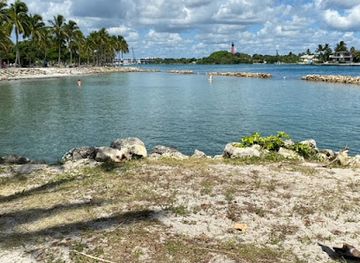
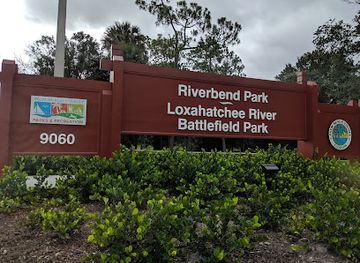
Jupiter Inlet Lighthouse and the adjacent light station provide the area's defining historical and scenic attraction, with views towards the Atlantic, inlet and surrounding waterways when tower access is available. DuBois Park sits beside the inlet and offers a waterfront setting near the historic DuBois Pioneer Home, while nearby beaches provide space for swimming, surfing and shore-based recreation subject to conditions. Riverbend Park opens a different side of Jupiter, with trails, cypress wetlands and access to the Loxahatchee River for paddling and nature observation. Busch Wildlife Sanctuary, in western Jupiter, focuses on native Florida wildlife and rehabilitation. The Loxahatchee River itself is central to the area's character, whether seen from a boardwalk, kayak or boat excursion. For wider regional trips, Jonathan Dickinson State Park near Hobe Sound and Loggerhead Marinelife Center in nearby Juno Beach are worthwhile additions, but they lie outside Jupiter's core area.
-
Park
DuBois Park
Experience the natural beauty and recreational activities at DuBois Park, a coastal gem in Jupiter, Florida, perfect for families and nature lovers alike.
-
Park
DuBois Park
Experience the natural beauty and recreational delights of DuBois Park, a serene coastal escape in Jupiter, Florida, perfect for outdoor enthusiasts.
-
Tourist attraction
Loggerhead Marinelife Center
Experience marine conservation at the Loggerhead Marinelife Center, where education meets adventure in protecting our ocean's treasures.
-
Jupiter Inlet Lighthouse & Museum
Discover the historic Jupiter Inlet Lighthouse & Museum, a gem of Florida’s maritime history with stunning views and engaging exhibits.

Best landmarks in Jupiter
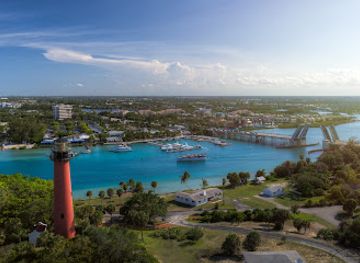
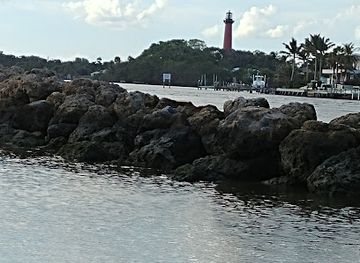
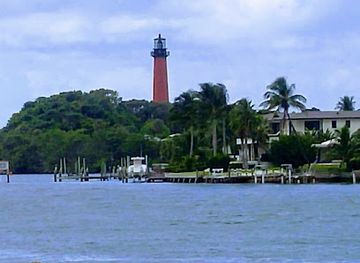
The Jupiter Inlet Lighthouse is the area's principal built landmark, its red tower standing on a coastal mound above the inlet and representing more than a century and a half of maritime navigation. The surrounding Jupiter Inlet Light Station includes historic buildings and interpretation connected with lighthouse keeping, while the nearby DuBois Pioneer Home records the domestic history of an early settler family. Natural landmarks are equally important: the Jupiter Inlet marks the meeting of ocean, river and tidal waters, and the Loxahatchee River leads inland through mangrove and cypress environments. The Atlantic beaches, sandbars and inlet shoreline define Jupiter's coastal geography, while Riverbend Park preserves a quieter wetland and river setting. These features explain why Jupiter's identity is inseparable from navigation, fishing, wildlife habitat and outdoor recreation rather than from monumental urban architecture.
-
Park
DuBois Park
Explore DuBois Park in Jupiter, Florida – a scenic retreat featuring sandy beaches, lush landscapes, and a variety of outdoor activities for all ages.
-
Park
Jupiter Beach Park
Explore the pristine beauty of Jupiter Beach Park, a serene coastal escape with stunning views, recreational activities, and family-friendly amenities.
-
Park
Carlin Park
Explore Carlin Park in Jupiter, Florida, a serene park with lush trails, beach access, and diverse wildlife, perfect for outdoor enthusiasts and families.
-
Park
Riverbend Park
Discover the serene landscapes and diverse wildlife at Riverbend Park in Jupiter, Florida - a must-visit natural escape for every traveler.
Explore Jupiter on the map
Plan your trip on one map. See where the top attractions, landmarks, restaurants and hotels are, and book hotels and experiences in a few clicks.
Best hotels in Jupiter
Best restaurants in Jupiter
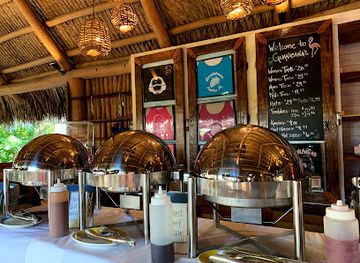
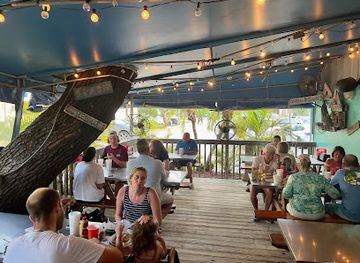
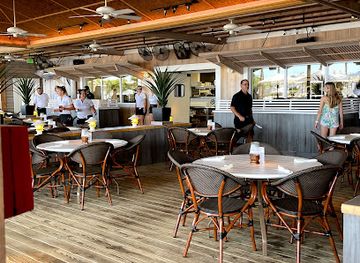
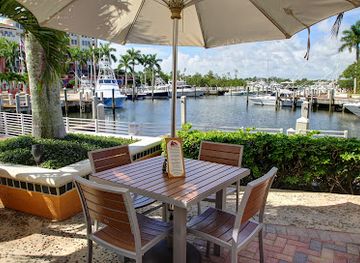
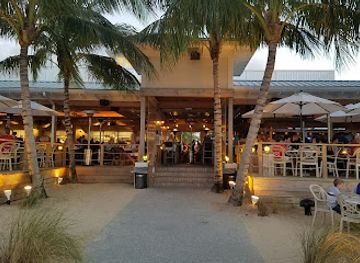
Jupiter's dining scene reflects its position between the Atlantic, the Loxahatchee River and Palm Beach County's inland communities. Seafood is prominent, with menus commonly drawing on Florida fish, shellfish and coastal flavours, while restaurants and cafés around the waterfront and commercial corridors also offer American, Latin American, Caribbean, Italian and contemporary cooking. Dining is concentrated in areas such as the Jupiter Inlet waterfront, U.S. 1 and the town's shopping centres rather than in a single historic centre. Casual seafood restaurants, cafés, breweries, takeaway counters and full-service venues give visitors a broad choice, while nearby Palm Beach Gardens and Tequesta add further options outside Jupiter itself. Farm shops and markets in the wider region can provide Florida produce and prepared foods, although opening arrangements and seasonal availability vary. Reservations may be sensible for popular waterfront restaurants and busy event periods.
-
Floridian restaurant
Guanabanas Restaurant
Discover Guanabanas Restaurant: A tropical paradise offering exquisite Floridian and Latin American cuisine right by the water.
-
Restaurant
Dune Dog Cafe
Experience delicious American comfort food at Dune Dog Cafe in Jupiter, Florida - perfect for families and beachgoers alike.
-
Restaurant
U-Tiki Beach
Discover U-Tiki Beach: A premier destination for fresh seafood and stunning ocean views in Jupiter, Florida.
-
Grill
Dive Bar Restaurant
Experience the perfect blend of casual dining and gourmet cuisine at Dive Bar Restaurant in Jupiter, Florida - where flavor meets relaxation.
Best bars in Jupiter
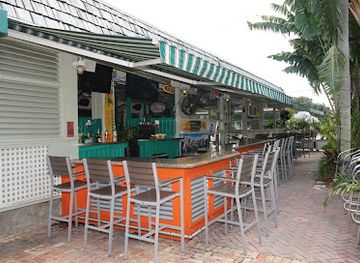
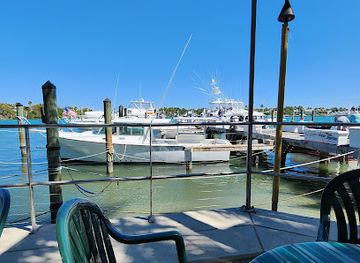
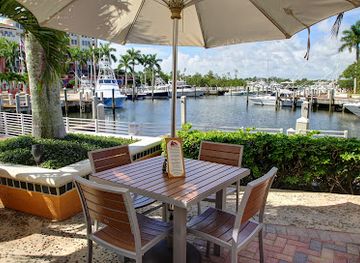
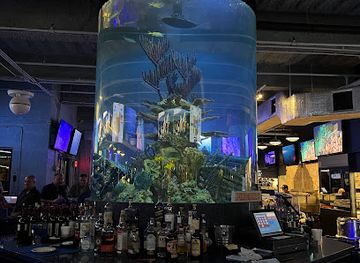
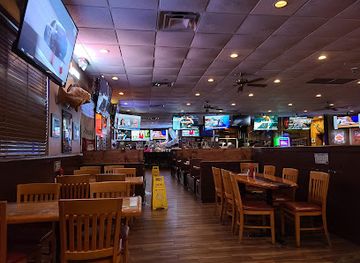
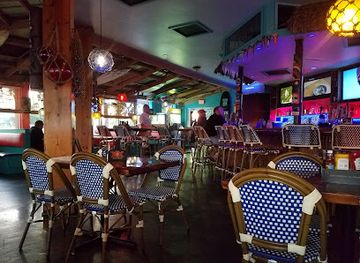
Jupiter's evening life is relaxed and hospitality-led rather than centred on a large nightclub district. Waterfront restaurants, sports bars, breweries and neighbourhood pubs provide places for drinks, televised sport, live music or an early evening meal, with the greatest concentration around the inlet, U.S. 1 and nearby commercial areas. Some venues have outdoor seating overlooking marinas or waterways, but visitors should distinguish established businesses from the quieter public shoreline, where evening facilities are limited. The town's seasonal sporting calendar, including events at Roger Dean Chevrolet Stadium in nearby Jupiter Hamlet, can create a busier atmosphere, while cultural programming and live performances are more likely to be found across northern Palm Beach County than in a dedicated Jupiter entertainment quarter. Many visitors use the area for sunset walks and dinner rather than late-night clubbing.
-
Bar
Guanabanas Restaurant
Experience the vibrant flavors of Floridian, Latin American, and Southern cuisines at Guanabanas Restaurant in Jupiter's tropical paradise.
-
Restaurant
U-Tiki Beach
Experience the best of coastal dining at U-Tiki Beach, where fresh seafood meets stunning waterfront views in Jupiter, Florida.
-
Bar
Square Grouper Tiki Bar Jupiter Inlet
Discover the tropical charm of Square Grouper Tiki Bar in Jupiter, where laid-back vibes meet delicious cuisine and stunning waterfront views.
-
Grill
Dive Bar Restaurant
Experience coastal cuisine at Dive Bar Restaurant, where fresh seafood meets fine dining in the heart of Jupiter, Florida.
Best nightclubs in Jupiter
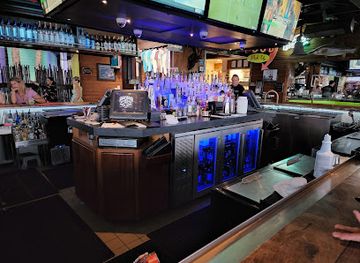
Jupiter's evening life is relaxed and hospitality-led rather than centred on a large nightclub district. Waterfront restaurants, sports bars, breweries and neighbourhood pubs provide places for drinks, televised sport, live music or an early evening meal, with the greatest concentration around the inlet, U.S. 1 and nearby commercial areas. Some venues have outdoor seating overlooking marinas or waterways, but visitors should distinguish established businesses from the quieter public shoreline, where evening facilities are limited. The town's seasonal sporting calendar, including events at Roger Dean Chevrolet Stadium in nearby Jupiter Hamlet, can create a busier atmosphere, while cultural programming and live performances are more likely to be found across northern Palm Beach County than in a dedicated Jupiter entertainment quarter. Many visitors use the area for sunset walks and dinner rather than late-night clubbing.
-
Bar
Square Grouper Tiki Bar Jupiter Inlet
Experience the vibrant atmosphere of Square Grouper Tiki Bar in Jupiter Inlet, where tropical drinks and stunning waterfront views await.
-
Grill
Dive Bar Restaurant
Discover Dive Bar Restaurant in Jupiter, Florida - Where Grilled Delights Meet Sushi Elegance by the Waterfront.
-
Restaurant
Brass Ring Pub
Discover Brass Ring Pub in Jupiter, Florida – a vibrant restaurant offering delicious food, craft beers, and a lively atmosphere for all visitors.
-
Grill
Johnny Mangos Tiki Bar & Grill
Discover the tropical charm and vibrant atmosphere of Johnny Mangos Tiki Bar & Grill in Jupiter, Florida, where delicious food meets refreshing cocktails.
Best shops in Jupiter
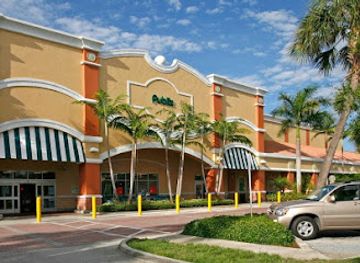
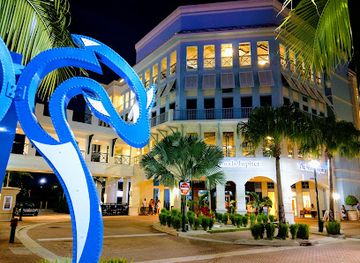
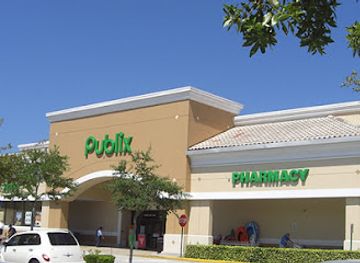
Shopping in Jupiter is concentrated in contemporary commercial areas rather than a historic high street. U.S. 1, the Harbourside Place waterfront complex and local shopping centres provide restaurants, services, clothing, gifts, galleries and practical retail, while nearby Tequesta and Palm Beach Gardens broaden the choice. Visitors looking for regional products may find Florida food items, artwork, coastal-themed goods and locally made crafts through independent shops, galleries, seasonal markets and farm-oriented businesses, although not every market operates year-round. Outdoor retailers are useful for beach, boating, fishing and paddle equipment, but specialist purchases may be easier in the larger commercial districts outside the immediate waterfront. The Jupiter Inlet Lighthouse gift shop and related heritage retail offer souvenirs connected with the area's maritime history. The destination is not primarily a luxury shopping centre, and facilities become more limited near conservation areas and beaches.
-
Shopping mall
Chasewood Plaza
Discover Chasewood Plaza, a vibrant shopping mall in Jupiter, Florida, offering diverse retail options, delicious dining, and a lively atmosphere for all visitors.
-
Shopping mall
Harbourside Place
Experience the charm of Harbourside Place in Jupiter, Florida, a vibrant shopping mall offering waterfront views, diverse dining, and engaging entertainment.
-
Shopping mall
Shoppes of Jonathan's Landing
Explore the Shoppes of Jonathan's Landing in Jupiter, FL - a vibrant shopping mall with diverse dining and local boutiques for an unforgettable experience.
-
Shopping mall
The Shoppes at Jupiter
Explore The Shoppes at Jupiter: A delightful shopping mall in Florida featuring diverse stores, dining options, and an inviting atmosphere for all visitors.
Get your free copy of our complete guide to Jupiter, delivered straight to you.
Everything on this page, from attractions and restaurants to essentials and local phrases, in one PDF you can read offline, print or share.
Already have an account? Sign in
Your Jupiter guide is ready.
We'll send it to · Not you? Sign out

Getting your guide ready…
We are putting together a fresh copy of the Jupiter guide. This can take up to a minute.
This can take a few moments. If your browser asks, choose Allow so the download can start. You'll find the guide in your Downloads folder.
Nothing happened? Download it again
Sorry, the guide is taking longer than usual. Please try again in a minute, or get it by email instead.
Jupiter essentials
Currency and Payment
Safety
Emergency Situations
Do's and Don'ts
Local Tips
From Eve
Local phrases worth knowing
You don't need to get them perfect. A few words go a long way, and locals appreciate the effort.
Basics
| English | Local | Say it |
|---|---|---|
| Hello | Hey y'all | [Hey y'all] |
| Goodbye | See ya later | [See ya later] |
| Yes | Yep | [Yep] |
| No | Nah | [Nah] |
| Please/You're welcome | Please/No problem | [Please/No problem] |
| Thank you | Thanks | [Thanks] |
| Excuse me/Sorry | Excuse me/Sorry | [Excuse me/Sorry] |
| How are you? | How ya doin'? | [How ya doin'?] |
| Fine. And you? | Fine. How 'bout you? | [Fine. How 'bout you?] |
| Do you speak English? | Ya speak English? | [Ya speak English?] |
| I don't understand | I don't get it | [I don't get it] |
Eating & Drinking
| English | Local | Say it |
|---|---|---|
| I'd like to see the menu, please | Can I check out the menu? | [Can I check out the menu?] |
| I don't eat meat | I don't do meat | [I don't do meat] |
| Cheers! | Cheers! | [Cheers!] |
| I would like to pay, please | I'll take the check, please | [I'll take the check, please] |
Emergencies
| English | Local | Say it |
|---|---|---|
| Help! | Help! | [Help!] |
| Go away! | Get lost! | [Get lost!] |
| Call the Police! | Call the cops! | [Call the cops!] |
| Call a doctor! | Need a doc! | [Need a doc!] |
| I'm lost | I'm lost | [I'm lost] |
| I'm ill | I'm sick | [I'm sick] |
Shopping
| English | Local | Say it |
|---|---|---|
| I'd like to buy... | I wanna buy... | [I wanna buy...] |
| I'm just looking | Just browsing | [Just browsing] |
| How much is it? | How much? | [How much?] |
| That's too expensive | That's pricey | [That's pricey] |
| Can you lower the price? | Can ya do a deal? | [Can ya do a deal?] |
Time & Numbers
| English | Local | Say it |
|---|---|---|
| What time is it? | What time is it? | [What time is it?] |
| It's one o'clock | It's one | [It's one] |
| Half past (10) | Half past (10) | [Half past (10)] |
| Morning | Morning | [Morning] |
| Afternoon | Afternoon | [Afternoon] |
| Evening | Evening | [Evening] |
| Yesterday | Yesterday | [Yesterday] |
| Today | Today | [Today] |
| Tomorrow | Tomorrow | [Tomorrow] |
| 1 | One | [One] |
| 2 | Two | [Two] |
| 3 | Three | [Three] |
| 4 | Four | [Four] |
| 5 | Five | [Five] |
| 6 | Six | [Six] |
| 7 | Seven | [Seven] |
| 8 | Eight | [Eight] |
| 9 | Nine | [Nine] |
| 10 | Ten | [Ten] |
Transport & Directions
| English | Local | Say it |
|---|---|---|
| Where's a/the...? | Where's the...? | [Where's the...?] |
| What's the address? | What's the address? | [What's the address?] |
| Can you show me (on the map)? | Can you show me (on the map)? | [Can you show me (on the map)?] |
| When's the next (bus)? | When's the next (bus)? | [When's the next (bus)?] |
| A ticket (to ....) | A ticket (to ....) | [A ticket (to ....)] |
History of Jupiter
Indigenous Waterways and Early Encounters
The Jupiter area lies within a landscape shaped by coastal inlets, rivers and wetlands, waterways that supported Indigenous communities long before European settlement. The Seminole people remain central to the wider history of South Florida, while later explorers and mapmakers recorded the inlet under several names. English-speaking settlers eventually associated the area with the name Jupiter, a transformation of the Spanish name Hobe, itself linked to the Indigenous leader Chubby, or Jobe, whose people lived in the region. These changing names reflect the collision of Indigenous geography, Spanish exploration and later American settlement along Florida's Atlantic coast.
The Lighthouse and Maritime Settlement
The Jupiter Inlet Lighthouse was completed in 1860 after the United States recognised the navigational importance of the inlet and the offshore Florida Reef. Its position on a prominent coastal mound gave mariners a crucial reference along a difficult stretch of shoreline. Construction and early operation took place during the era of the American Civil War, when coastal navigation and maritime movement were affected by the conflict. Around the light station, a small settlement developed through lighthouse keeping, fishing, transport and other activities connected with the river and sea. The surviving lighthouse remains the clearest physical link with Jupiter's nineteenth-century maritime identity.
Pioneer Families and River Communities
During the late nineteenth and early twentieth centuries, Jupiter remained a relatively isolated coastal and river community. Families relied on fishing, small-scale agriculture, transport and the movement of goods along waterways and rough regional roads. The DuBois Pioneer Home, built in 1898 near the inlet, represents this period of settlement and the prominence of the DuBois family in local history. Citrus cultivation and other agricultural activity became important across the wider northern Palm Beach County area, while the river continued to connect inland properties with the coast. Such development gradually altered the landscape without removing the importance of the inlet, wetlands and maritime access.
Modern Growth and Conservation
Jupiter's modern growth accelerated with improved roads, regional development and the expansion of Palm Beach County's coastal communities. Residential construction and tourism increased, but the town's identity continued to be anchored by the lighthouse, beaches and waterways. Public parks and conservation initiatives have helped protect portions of the Loxahatchee River corridor, coastal habitat and wetland landscapes, while the Jupiter Inlet Lighthouse Preservation Society has supported the interpretation and restoration of the light station. Today, the area balances recreational boating, beach use, wildlife protection and suburban growth, with natural sites such as Riverbend Park providing access to environments that once dominated the wider coastal plain.
Jupiter in Photos
Browse through our photo collection highlighting the charm and character of the destination.
Neighbouring destination travel guides
The closest destinations to Jupiter, if you have time for more than one.
-

-

-

-

-


Swipe for more destinations
Explore more
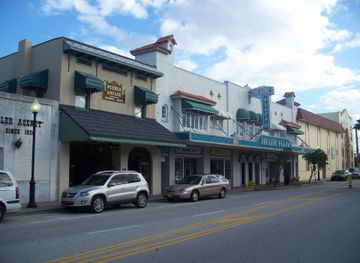
Explore more of Treasure Coast
Explore Florida’s Treasure Coast for shipwreck history, Atlantic beaches, Indian River Lagoon wildlife, gardens, paddling and relaxed coastal towns.
Explore Treasure Coast
Explore more of Florida
Discover Florida: A Sunshine State full of dazzling beaches, iconic theme parks, rich history, and stunning natural parks, offering endless adventures for every traveler.
Explore Florida