Le Palais de I'Île, Annecy Travel Guide
Discover the Palais de l'Île in Annecy, a historic monument with a fascinating past, from medieval prison to stunning architectural landmark, now a captivating museum.
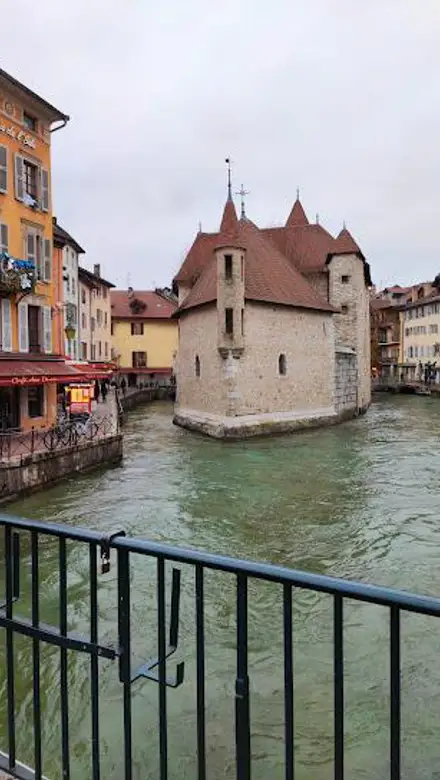
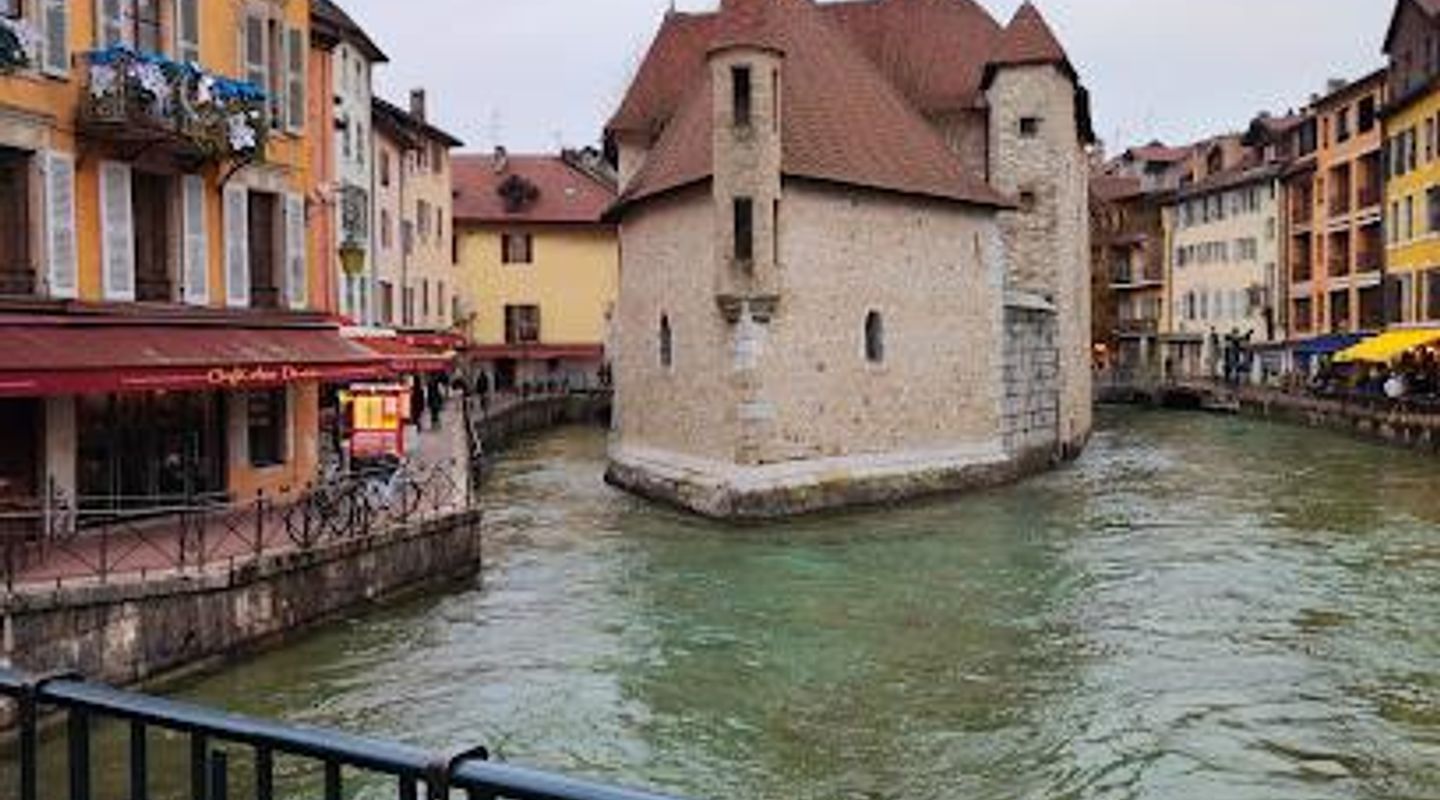
Le Palais de l'Île, also known as the Old Prisons of Annecy, is a captivating historical monument nestled on an island in the Thiou River. Dating back to the 12th century, this iconic structure has served various purposes throughout its rich history, including a fortified house, a prison, a courthouse, and even a mint. Today, it stands as a remarkable architectural gem and a museum, offering visitors a glimpse into Annecy's fascinating past. Its unique location and well-preserved medieval architecture make it a must-see attraction, drawing history enthusiasts and curious travelers alike. Explore the former prison cells, discover the courthouse, and admire the stunning views from this remarkable island palace, a true symbol of Annecy's heritage.
A brief summary to Le Palais de I'Île
- 3 Pass. de l'Île, Annecy, 74000, FR
- Click to display
- Click to display
- Monday 10 am-12 pm
- Wednesday 10 am-12 pm
- Thursday 10 am-12 pm
- Friday 10 am-12 pm
- Saturday 10 am-12 pm
- Sunday 10 am-12 pm

Know before you go
Hi, I'm Eve. Here are a few practical things to know before exploring Le Palais de I'Île.
- Visit early in the morning or later in the afternoon to avoid the crowds, especially during peak tourist season.
- Combine your visit with a trip to the Château d'Annecy for a comprehensive historical experience; a combined ticket offers savings.
- Take a stroll along the Thiou River to capture the best photos of the Palais de l'Île, especially during sunset.
- Check the museum's website for temporary exhibitions and special events that may enhance your visit.
- Be aware that the Palais de l'Île has many stairs and may not be easily accessible for visitors with reduced mobility.
Do you manage this location?
Take control to get all the benefits, like improved information, better appearance, and stronger visibility across AI-powered discovery. Learn more about listing your business on Evendo
Activate your presenceOther nearby places you may find interesting
The closest places of the same kind, if this one is not quite what you had in mind.
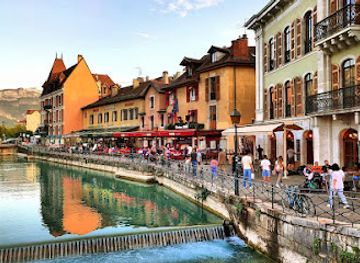
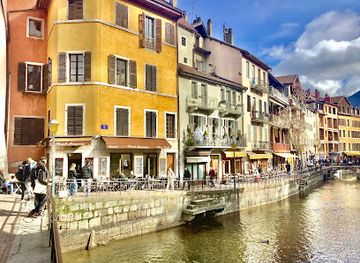

Explore Le Palais de I'Île on the Map
A handpicked selection of must-see spots near Le Palais de I'Île, mapped for you.
Unlock the Best of Le Palais de I'Île
Buy tickets
-
No tickets available
Book tours with entry


Getting There
-
Walking
Le Palais de l'Île is located in the heart of Annecy's old town, a pedestrian zone. From the Hôtel de Ville (City Hall), walk south towards the Thiou River. Cross the Pont Perrière, next to the Église Saint-François de Sales. The Palais de l'Île will be directly in front of you on its island. The walk is short and straightforward, approximately 5 minutes, with clear signage to the monument.
-
Public Transport
If arriving by bus, the closest bus stops are 'Vaugelas' or 'Hôtel de Ville'. From either stop, follow the walking directions above. A single bus fare within Annecy costs approximately €1.60. The 'Sibra' public transport network operates within the city.
-
Driving
Driving directly to Le Palais de l'Île is not possible due to its location in a pedestrian zone. The closest parking is at the 'Hôtel de Ville' underground parking garage. From the parking, follow the walking directions above. Parking rates at Hôtel de Ville are approximately €2.50 per hour.
Discover more about Le Palais de I'Île













Your all‑in‑one travel companion app
Explore expert travel guides, compare and book tours, experiences, hotels, and more—all from the palm of your hand. Download now for seamless trip planning wherever your wanderlust takes you.


Explore More of Annecy
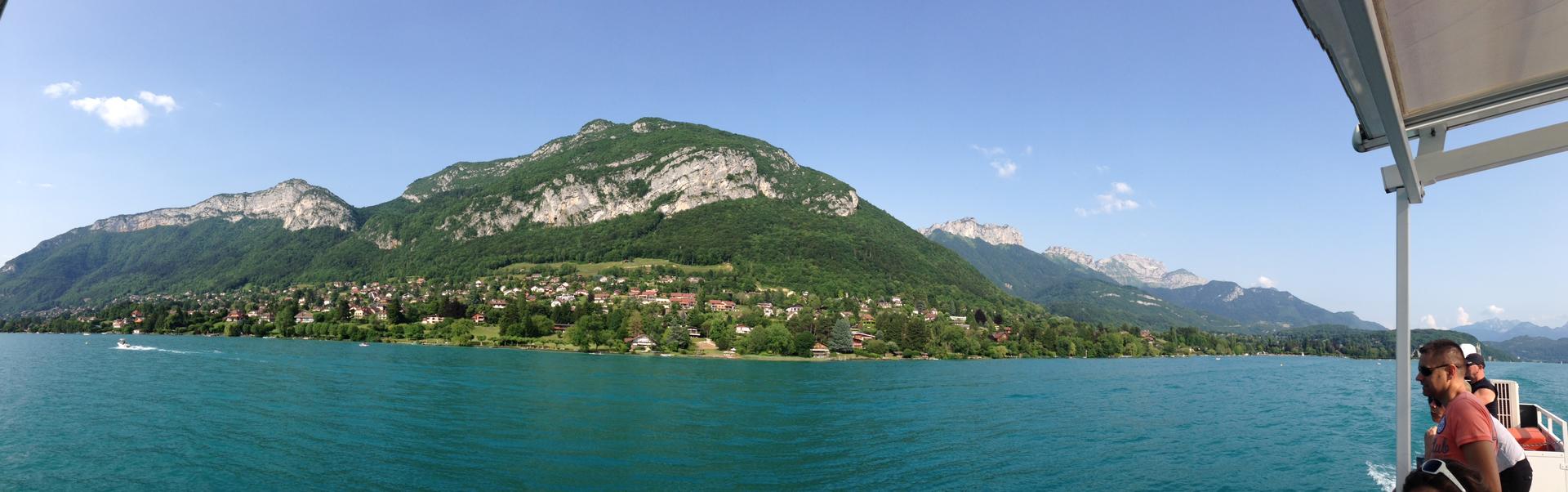
Looking beyond Le Palais de I'Île? Discover Annecy for broader travel guides, local hot-spots, and regional highlights.
Explore Annecy
Discover Semnoz, the balcony of the Alps, offering panoramic views of Lake Annecy and Mont Blanc, with year-round outdoor activities for every adventurer.
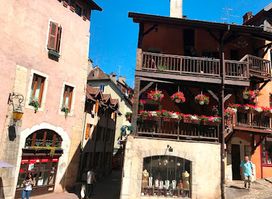
Discover Annecy's hidden gem: Côte Perrière, a historic route offering panoramic views, architectural treasures, and a tranquil escape from the city bustle.