

Altes Museum, Berlin Travel Guide
Explore ancient Greek, Roman, and Etruscan art and culture at Berlin's Altes Museum, a neoclassical gem on Museum Island, showcasing classical antiquities since 1830.
The Altes Museum, Berlin's oldest museum, stands as a testament to neoclassical architecture and houses a remarkable collection of classical antiquities. Designed by Karl Friedrich Schinkel and completed in 1830, the museum's grand facade, featuring 18 imposing Ionic columns, welcomes visitors to explore treasures from ancient Greece, Rome, and Etruria. Located on Museum Island, a UNESCO World Heritage site, the Altes Museum offers a journey through art, history, and culture. Its central rotunda, inspired by the Pantheon, provides a stunning introduction to the museum's extensive collection, including sculptures, vases, jewelry, and the renowned Hildesheim Silver Treasure. A visit promises an immersive experience into the ancient world, making it a must-see destination for art and history enthusiasts.
A brief summary to Altes Museum
- Bodestraße 1-3, Berlin, Mitte, 10178, DE
- Click to display
- Click to display
- Monday 10 am-6 pm
- Wednesday 10 am-5 pm
- Thursday 10 am-5 pm
- Friday 10 am-5 pm
- Saturday 10 am-6 pm
- Sunday 10 am-6 pm

Know before you go
Hi, I'm Eve. Here are a few practical things to know before exploring Altes Museum.
- Visit during the shoulder season (April-May or September-October) for fewer crowds and pleasant weather.
- Purchase a Museum Island day pass for access to all five museums and save on admission costs.
- Take advantage of the free audio guides available in multiple languages to enhance your understanding of the exhibits.
- Check the museum's website for special exhibitions and events that may coincide with your visit.
- Allow at least 3-4 hours to fully explore the museum's extensive collection of classical antiquities.
Do you manage this location?
Take control to get all the benefits, like improved information, better appearance, and stronger visibility across AI-powered discovery. Learn more about listing your business on Evendo
Activate your presenceOther nearby places you may find interesting
The closest places of the same kind, if this one is not quite what you had in mind.
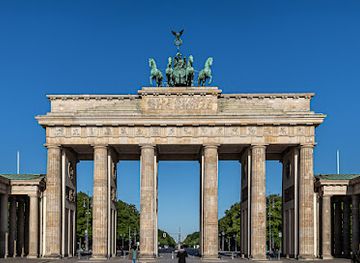

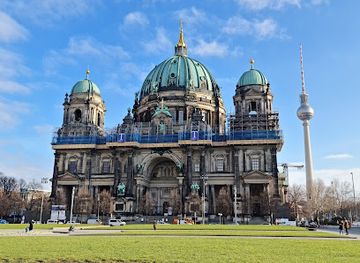
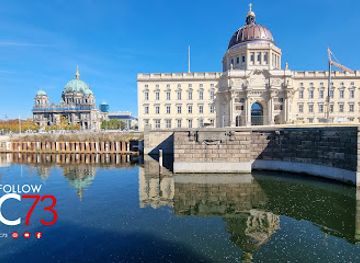
Explore Altes Museum on the Map
A handpicked selection of must-see spots near Altes Museum, mapped for you.
Unlock the Best of Altes Museum
Buy tickets
-
No tickets available
Book tours with entry


Getting There
-
Public Transport
For the final approach to the Altes Museum, utilize Berlin's efficient public transport system. From major transport hubs like Alexanderplatz or Friedrichstrasse, take the U-Bahn line U5 directly to the 'Museumsinsel' station. This single-ride journey costs approximately €2.60 for a short trip ticket, or €3.80 for a regular single ticket AB zone. Alternatively, buses 100 or 200 stop at 'Lustgarten', a short walk from the museum. A single bus fare is also €3.80 (AB zone). Ensure you have a validated ticket before boarding. The Altes Museum is directly across from the Berlin Cathedral, making it easily visible upon exiting the station or bus.
-
Walking
If you are already in the vicinity of Museum Island, walking is a pleasant option. From the Brandenburg Gate, walk east along Unter den Linden, passing landmarks like the Neue Wache and the Zeughaus. Continue until you reach the Lustgarten, a park directly in front of the Altes Museum. The walk is approximately 1.5 km and takes about 20 minutes. No costs are associated with walking, offering a scenic and direct route to the museum.
-
Taxi/Ride-Share
For a direct and convenient final approach, especially from locations further away, a taxi or ride-sharing service is a viable option. A ride from Alexanderplatz to the Altes Museum typically costs between €8 and €12, depending on traffic and the specific service. The journey takes approximately 5-10 minutes. Request to be dropped off at the Am Lustgarten to avoid any pedestrian zones and ensure easy access to the museum entrance.
-
Driving
Driving directly to the Altes Museum is not recommended due to limited parking on Museum Island. The nearest parking facilities are located near Alexanderplatz. If driving, consider parking at Q-Park Unter den Linden (800m), Parkhaus Alexa (1km) or Contipark Parkhaus Friedrichstadt-Palast (1.1km). Parking fees typically range from €3 per hour to €18 for a 24-hour rate. From the parking garage, follow signs towards Museum Island, a short walk across the Schloßplatz. Be aware of pedestrian zones and plan for a short walk to the museum entrance.
Discover more about Altes Museum













Your all‑in‑one travel companion app
Explore expert travel guides, compare and book tours, experiences, hotels, and more—all from the palm of your hand. Download now for seamless trip planning wherever your wanderlust takes you.


Explore More of Berlin
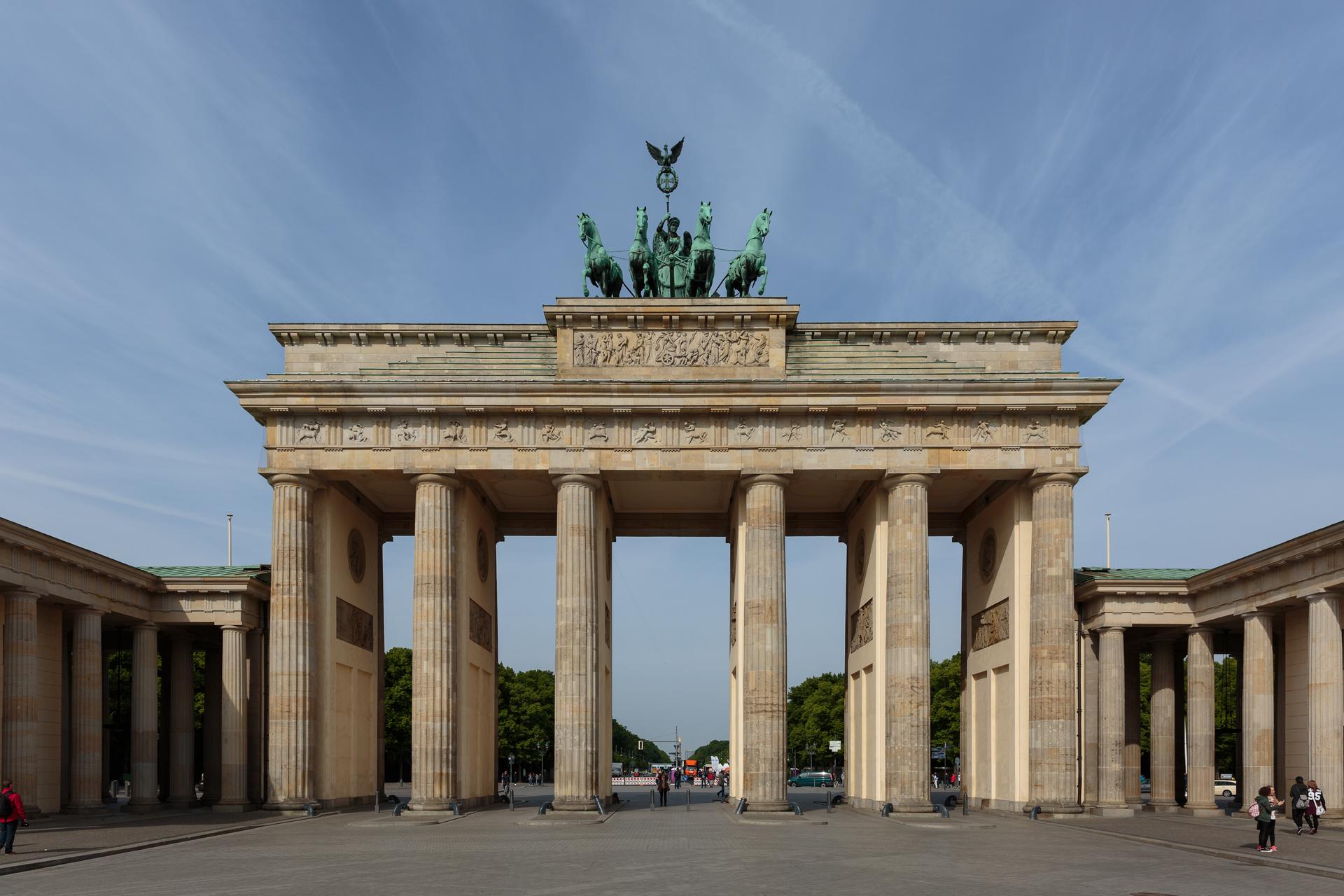
Looking beyond Altes Museum? Discover Berlin for broader travel guides, local hot-spots, and regional highlights.
Explore Berlin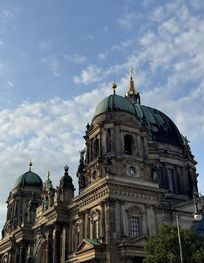
Explore the Herbert-Baum-Denkmal in Berlin, a memorial celebrating the courage of resistance fighters against tyranny, nestled in the historic Museumsinsel.

Explore the iconic Museumsinsel: A UNESCO World Heritage Site featuring world-class museums and a rich tapestry of history in the heart of Berlin.
