

Springbrunnen im Lustgarten, Berlin Travel Guide
Free Guide: Experience tranquility at Springbrunnen im Lustgarten, a serene oasis in Berlin's historic heart, surrounded by iconic landmarks and offering a refreshing escape.


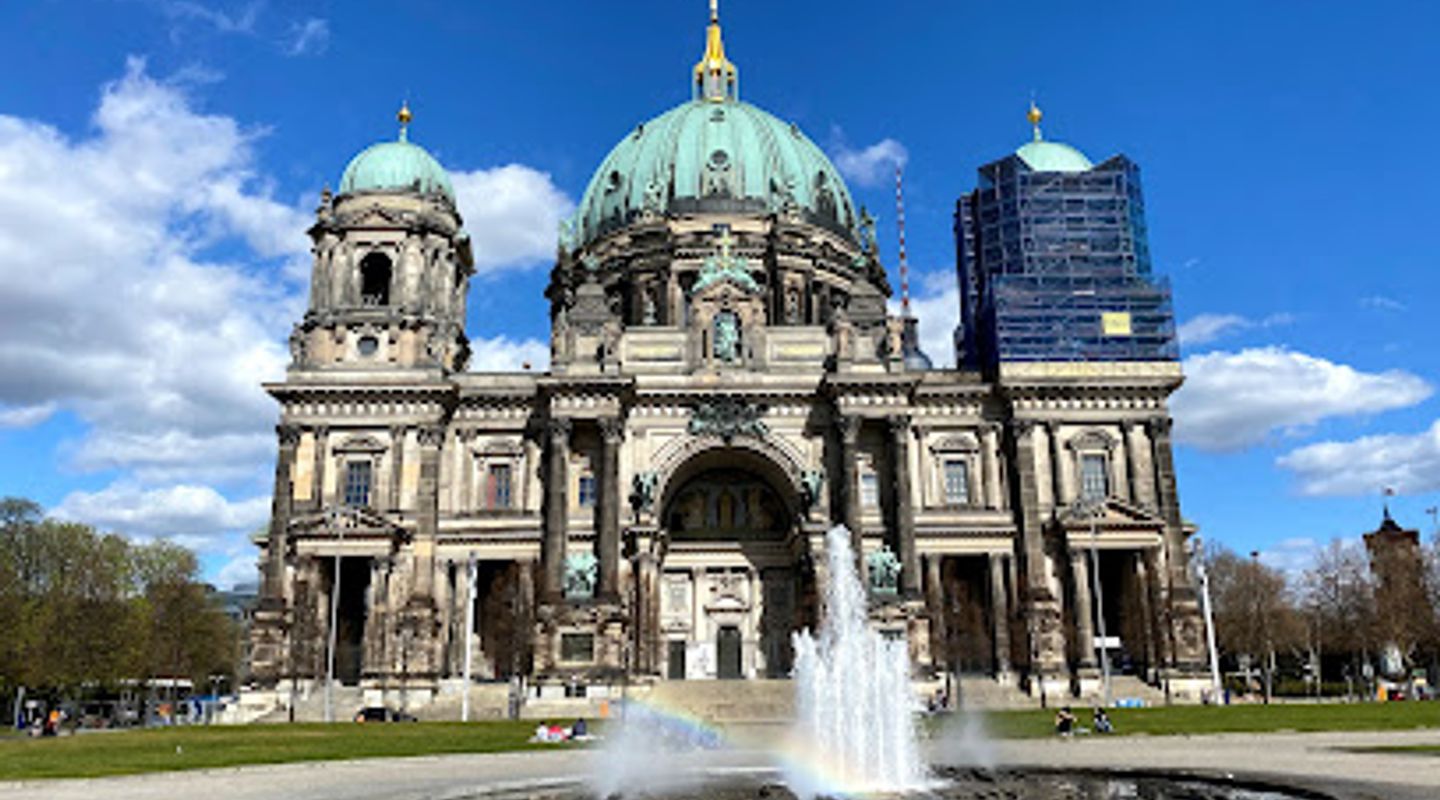
A brief summary of Springbrunnen im Lustgarten
Experience tranquility at Springbrunnen im Lustgarten, a serene oasis in Berlin's historic heart, surrounded by iconic landmarks and offering a refreshing escape.
The Springbrunnen im Lustgarten, nestled within Berlin's historic Lustgarten, offers a tranquil escape amidst the city's bustling center. This beautifully designed fountain provides a refreshing focal point in the park, inviting visitors to pause and appreciate its serene atmosphere. Surrounded by iconic landmarks such as the Berlin Cathedral and Museum Island, the fountain enhances the Lustgarten's appeal as a place for relaxation and reflection. The Lustgarten itself has a rich history, evolving from a kitchen garden to a parade ground and finally to the neoclassical park it is today. The fountain adds a touch of elegance and charm, making it a must-see destination for tourists seeking a peaceful retreat and a picturesque setting. Whether you're enjoying a leisurely stroll, capturing stunning photographs, or simply soaking in the ambiance, the Springbrunnen im Lustgarten promises a delightful experience.
Opening hours
- Every dayOpen 24 hours
Opening hours as listed on the venue’s Google Business Profile. Hours can change for services and special events, so check with the venue before you go.
- Address
- Am Lustgarten 1, 10178 Berlin
- Phone
- Website
Getting there
Public Transport
Walking
Taxi/Ride-Share
Discover more about Springbrunnen im Lustgarten
Overview
The Springbrunnen im Lustgarten, located in the heart of Berlin's Mitte district, is more than just a fountain; it's a symbol of tranquility and historical evolution within the city's vibrant tapestry. Situated in the Lustgarten (Pleasure Garden), this attraction offers a serene escape, inviting visitors to immerse themselves in its beauty and historical significance. The Lustgarten itself boasts a rich and complex history, dating back to the 16th century. Originally, it served as a kitchen garden for the Berlin Palace, providing fresh produce for the electoral table. Over the centuries, the garden underwent numerous transformations, reflecting the changing political and social landscapes of Berlin. In the 17th century, it was redesigned as a formal pleasure garden, complete with ornate flowerbeds, aviaries, and fountains, becoming a popular gathering place for the city's residents. However, the garden's fortunes shifted in the 18th century when Frederick William I converted it into a military parade ground, symbolizing Prussia's growing military power. The lush greenery was replaced with sand, and the area became a stage for drills and ceremonies. It wasn't until the late 18th century that the Lustgarten was restored as a park, with trees and lawns replanted. In the 19th century, under the guidance of landscape architect Peter Joseph Lenné, the Lustgarten was transformed into a neoclassical park, aligning with the architectural grandeur of the surrounding buildings, including the Altes Museum designed by Karl Friedrich Schinkel. This era saw the installation of a magnificent granite bowl, which quickly became a beloved landmark, affectionately known as the "Berlin soup bowl." The 20th century brought further upheaval, as the Nazis repurposed the Lustgarten for mass rallies and propaganda events, paving it over with cobblestones. After World War II, the area became part of Marx-Engels-Platz in East Berlin, continuing its role as a space for political demonstrations. Following German reunification in 1990, the Lustgarten was finally restored to its pre-war design, reflecting Lenné's vision of a harmonious blend of nature and architecture. The Springbrunnen, while not an original feature of the historical designs, adds a contemporary touch, enhancing the park's appeal as a place of relaxation and contemplation. Today, the Springbrunnen im Lustgarten serves as a focal point within this historic park. Its gentle cascades and shimmering waters create a soothing ambiance, inviting visitors to pause and reflect. The fountain is surrounded by meticulously manicured lawns, flowerbeds, and shaded pathways, offering a welcome respite from the urban bustle. Visitors can enjoy a leisurely stroll through the park, taking in the stunning views of the Berlin Cathedral, the Altes Museum, and the newly rebuilt Humboldt Forum. The Lustgarten is also a popular spot for picnics, sunbathing, and people-watching, providing a vibrant social hub for locals and tourists alike. The Springbrunnen im Lustgarten is particularly enchanting during the warmer months, when the park comes alive with vibrant colors and fragrant blooms. The fountain's illuminated display at night adds a touch of magic, creating a romantic atmosphere for evening strolls. Moreover, the Lustgarten is easily accessible, making it a convenient destination for visitors exploring Berlin's historic center. Its central location, surrounded by major attractions and transportation hubs, makes it an ideal starting point for a day of sightseeing. Whether you're a history buff, a nature lover, or simply seeking a moment of peace, the Springbrunnen im Lustgarten offers a captivating experience. Its blend of historical significance, architectural beauty, and tranquil ambiance makes it a must-see destination for anyone visiting Berlin. The Lustgarten also features a bronze model of Museum Island designed for the visually impaired, allowing everyone to appreciate the layout of this UNESCO World Heritage Site. The model includes information in Braille and standard script, making it both useful and intriguing. Visiting the Springbrunnen im Lustgarten is more than just seeing a fountain; it's about experiencing the layers of Berlin's history and culture in a single, beautiful space. It's a place where the past and present converge, offering a moment of serenity in a dynamic city. As you wander through the Lustgarten, take a moment to appreciate the resilience of this green space, which has weathered wars, political upheavals, and societal transformations. The Springbrunnen stands as a testament to Berlin's enduring spirit, offering a refreshing oasis in the heart of the city. Whether you're capturing stunning photographs, enjoying a quiet moment of reflection, or simply soaking in the atmosphere, the Springbrunnen im Lustgarten promises a delightful and memorable experience. It's a place where you can connect with Berlin's history, culture, and natural beauty, all in one captivating setting.
Evendo Review Centre
 Google
Guest reviews
Explore Springbrunnen im Lustgarten on the map
A handpicked selection of must-see spots near Springbrunnen im Lustgarten, mapped for you.
Get your free copy of our complete guide to Springbrunnen im Lustgarten, delivered straight to you.
Everything on this page, from opening hours and how to get there to Eve’s tips and the best time to go, in one PDF you can read offline, print or share.
Already have an account? Sign in
Your Springbrunnen im Lustgarten guide is ready.
We'll send it to · Not you? Sign out

Getting your guide ready…
We are putting together a fresh copy of the Springbrunnen im Lustgarten guide. This can take up to a minute.
This can take a few moments. If your browser asks, choose Allow so the download can start. You'll find the guide in your Downloads folder.
Nothing happened? Download it again
Sorry, the guide is taking longer than usual. Please try again in a minute, or get it by email instead.
Other nearby places you may find interesting
The closest places of the same kind, if this one is not quite what you had in mind.
-
-
-
-
-


Swipe for more places
More to explore near Springbrunnen im Lustgarten
-
 Best experiences near Springbrunnen im Lustgarten
-
 Best hotels near Springbrunnen im Lustgarten
-
 Best landmarks near Springbrunnen im Lustgarten
-
 Best attractions near Springbrunnen im Lustgarten
-
 Best shops near Springbrunnen im Lustgarten
-
 Best restaurants near Springbrunnen im Lustgarten
-
 Best bars near Springbrunnen im Lustgarten


Do you manage this location?
Take control to get all the benefits, like improved information, better appearance, and stronger visibility across AI-powered discovery.
Explore more

Explore more of Berlin
Berlin: A fascinating blend of history, culture, and modernity, offering everything from historic landmarks to vibrant nightlife and culinary delights.
Explore Berlin
Explore more of Germany
Experience Germany: where history meets innovation, and urban energy blends with natural beauty. Discover diverse cultures, delicious cuisine, and stunning landscapes.
Explore Germany
