Crown Prince's Palace, Berlin Travel Guide
Explore Berlin's Kronprinzenpalais: A historic palace on Unter den Linden, witness to Prussian royalty, art, and German reunification, now a vibrant cultural venue.
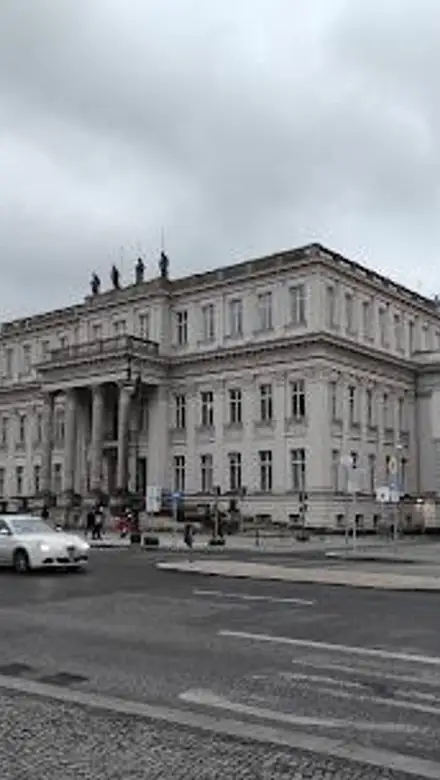
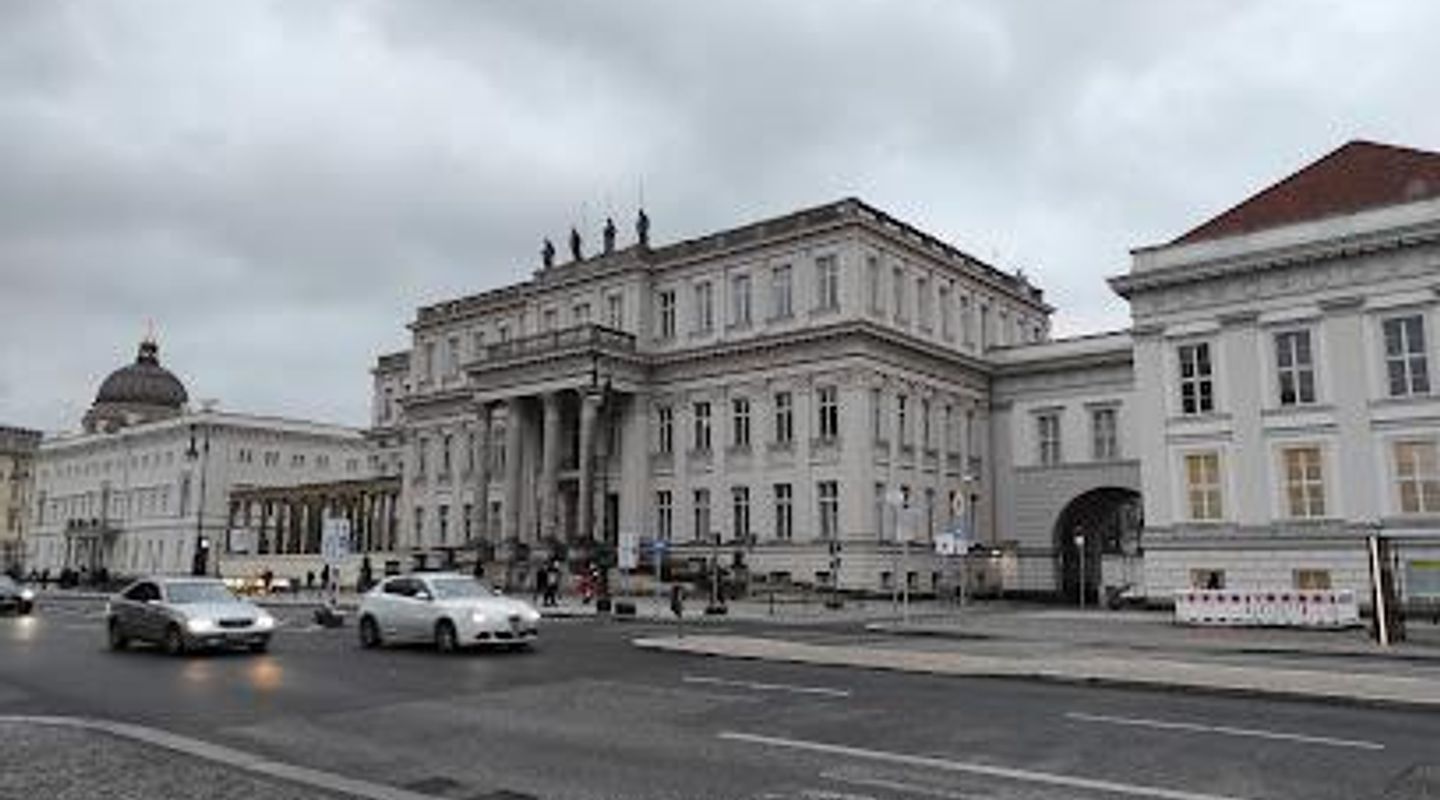
The Crown Prince's Palace, or Kronprinzenpalais, stands proudly on Unter den Linden, a testament to Berlin's rich and complex history. Originally built in 1663, it served as a private residence before becoming the abode of Prussian Crown Princes. Bombed during WWII and later rebuilt, it witnessed the signing of the German Reunification Treaty in 1990. Today, it hosts diverse events and exhibitions, offering visitors a glimpse into its royal past and its role in shaping modern Germany. Its location opposite the German Historical Museum and Neue Wache makes it a central landmark in Berlin's historical heart, easily accessible and surrounded by other significant sites. The palace exemplifies Berlin's layered history, from its royal origins to its pivotal role in German reunification, making it a compelling destination for history enthusiasts and curious travelers alike. Explore the palace's architecture, its connection to Prussian royalty, and its place in Berlin's cultural landscape.
A brief summary to Crown Prince's Palace
- Unter den Linden 3, Berlin, Mitte, 10117, DE
- Click to display
- Click to display
- Monday 9 am-8 pm
- Tuesday 9 am-8 pm
- Wednesday 9 am-8 pm
- Thursday 9 am-8 pm
- Friday 9 am-8 pm
- Saturday 9 am-8 pm

Know before you go
Hi, I'm Eve. Here are a few practical things to know before exploring Crown Prince's Palace.
- Check the Kronprinzenpalais's event calendar in advance to see if there are any special exhibitions or performances during your visit.
- Combine your visit with a trip to the nearby German Historical Museum and Neue Wache to gain a deeper understanding of German history.
- Take a stroll along Unter den Linden to admire the architecture and soak in the atmosphere of this historic boulevard.
- Consider taking a guided tour of the Kronprinzenpalais to learn more about its history and significance.
- Visit the palace garden to enjoy a moment of tranquility away from the bustling city streets.
Do you manage this location?
Take control to get all the benefits, like improved information, better appearance, and stronger visibility across AI-powered discovery. Learn more about listing your business on Evendo
Activate your presenceOther nearby places you may find interesting
The closest places of the same kind, if this one is not quite what you had in mind.

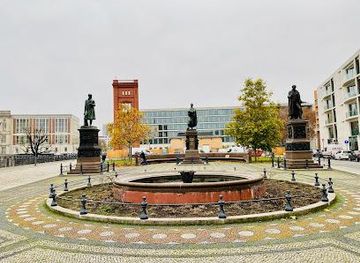
Explore Crown Prince's Palace on the Map
A handpicked selection of must-see spots near Crown Prince's Palace, mapped for you.
Unlock the Best of Crown Prince's Palace
Buy tickets
-
No tickets available
Book tours with entry


Getting There
-
Public Transport
The Kronprinzenpalais is easily accessible via public transport. Take the U5 U-Bahn line to the 'Museumsinsel' station, which is a short walk from the palace. Alternatively, several bus lines stop near Unter den Linden, including lines 100, N5, and 300. Get off at the 'Staatsoper' or 'U Unter den Linden' stop. A single public transport ticket (AB zone) costs around €3.20.
-
Walking
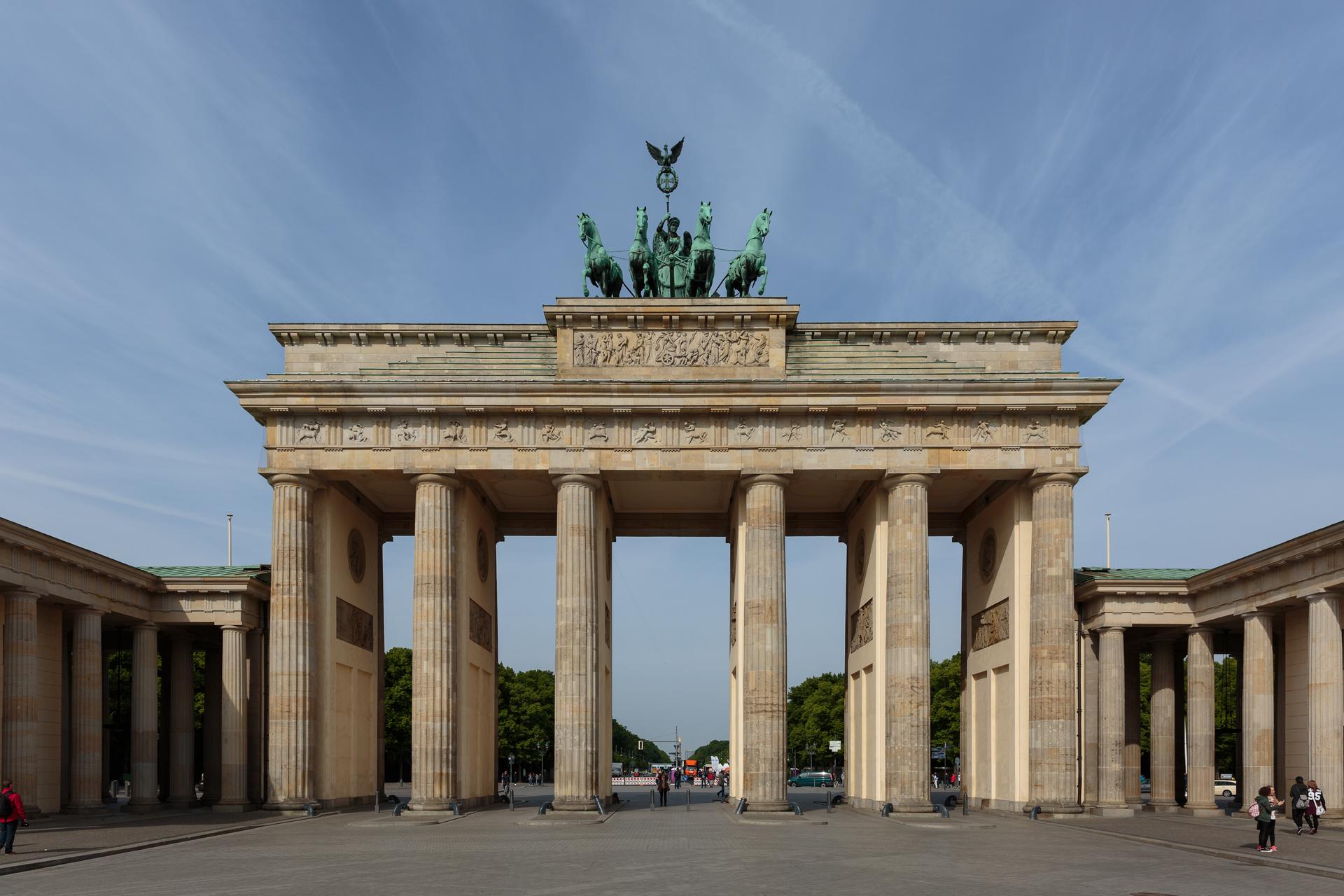
If you are already in the city center, walking to the Kronprinzenpalais is a pleasant option. From the Brandenburg Gate, walk east along Unter den Linden for about 10 minutes. The palace is located on the right-hand side of the street, opposite the German Historical Museum. From Museum Island, cross the Schlossbrücke (Palace Bridge) and continue along Unter den Linden. The palace will be on your left.
-
Taxi/Ride-Share
Taxis and ride-sharing services are readily available in Berlin. A short taxi ride from Alexanderplatz to the Kronprinzenpalais will cost approximately €10-€15, depending on traffic. Be sure to specify the address, Unter den Linden 3, to the driver.
-
Driving
Driving to the Kronprinzenpalais is possible, but parking in the immediate vicinity can be challenging and expensive. Limited parking is available in nearby parking garages, with hourly rates ranging from €3 to €5. Consider parking further away and taking public transport or a taxi for the final leg of the journey. Note that Unter den Linden is a busy street, and traffic can be heavy, especially during peak hours.
Discover more about Crown Prince's Palace













Your all‑in‑one travel companion app
Explore expert travel guides, compare and book tours, experiences, hotels, and more—all from the palm of your hand. Download now for seamless trip planning wherever your wanderlust takes you.


Explore More of Berlin
Looking beyond Crown Prince's Palace? Discover Berlin for broader travel guides, local hot-spots, and regional highlights.
Explore Berlin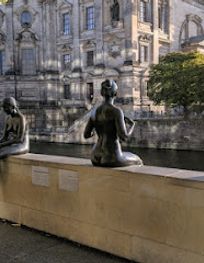
Explore the historical significance and artistic allure of Three Girls and a Boy, a must-visit landmark in Berlin's vibrant Mitte district.
Explore the depths of Germany's history at the German Historical Museum, where centuries of culture and heritage come to life in captivating exhibits.