

Best Landmarks in Dusseldorf
Planning a trip to Dusseldorf? Discover the best landmarks in Dusseldorf with history, expert tips, and routes. Free on web or the Evendo app.


The best landmarks in Dusseldorf
Dusseldorf offers visitors a rich tapestry of historical and cultural landmarks that are sure to captivate any tourist. From the iconic Rheinturm tower offering panoramic views of the city, to the historic Altstadt (Old Town) with its charming cobblestone streets and vibrant nightlife, visitors can immerse themselves in the city's unique atmosphere. Art enthusiasts can explore the world-class museums like the Kunstsammlung Nordrhein-Westfalen and K20, while nature lovers can stroll along the picturesque Rhine River promenade. Dusseldorf truly has something for everyone, making it a must-visit destination for any traveler.
- Top rated
- Closest to the centre
- A–Z
47 landmarks
-
Communications tower4.5★13,926 reviews
Rhine Tower
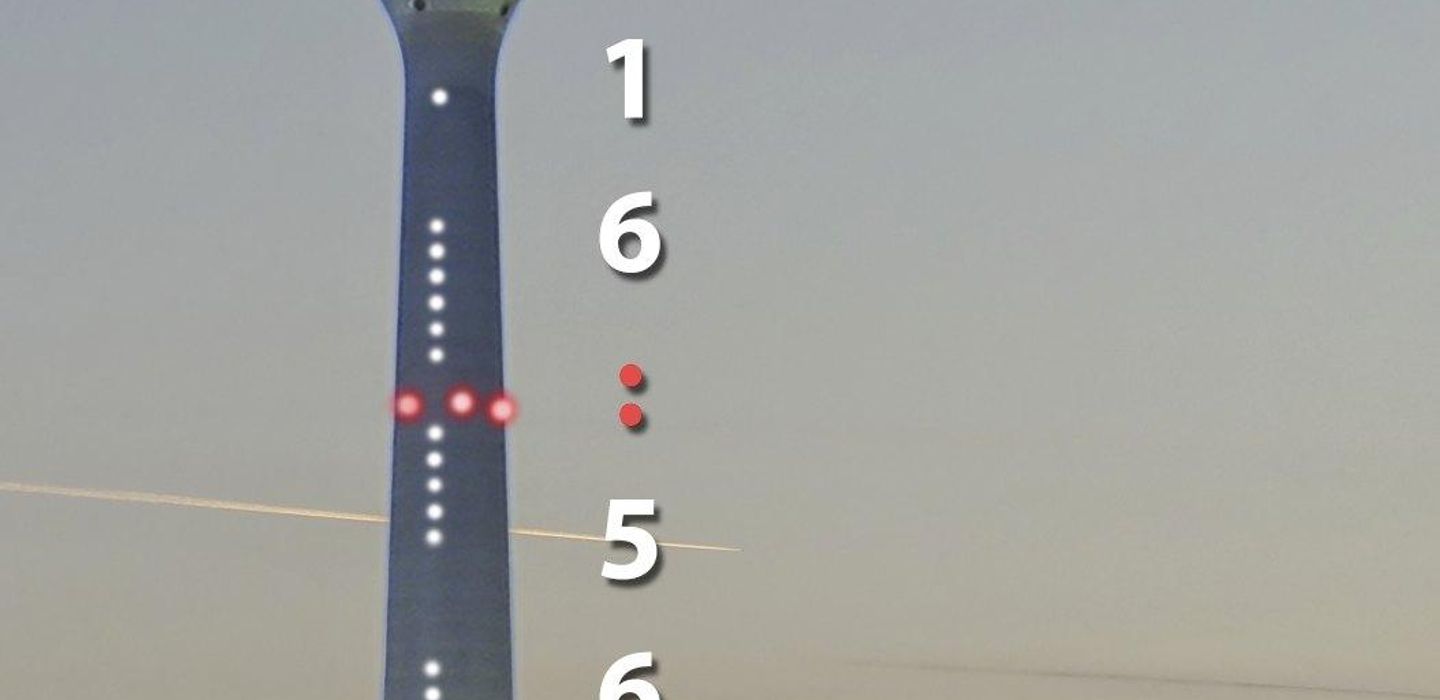
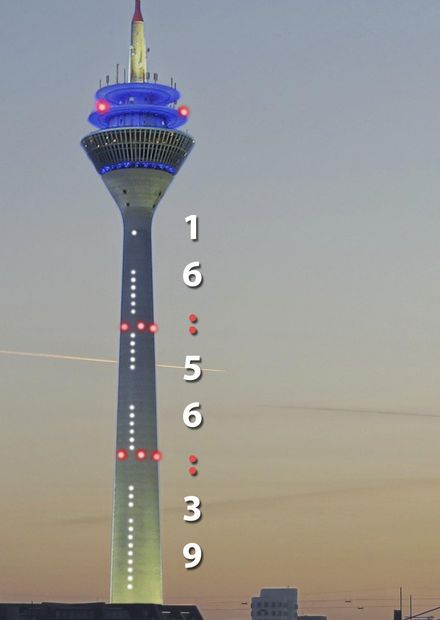
The Rhine Tower (Rheinturm) is Düsseldorf's tallest structure and a defining landmark, offering breathtaking panoramic views of the city and the Rhine River. Built in the late 1970s and early 1980s, this telecommunications tower features an observation deck at 168 meters and a revolving restaurant at 172.5 meters, providing visitors with a unique perspective of Düsseldorf's layout, including the Media Harbour, historic town center, and Königsallee. The tower also boasts the world's largest digital clock, a light sculpture on its shaft, illuminating the skyline with a dazzling display of colors after sunset. Whether for daytime sightseeing or a romantic evening meal, the Rhine Tower encapsulates Düsseldorf's blend of modernity and culture.
Daily 10:00–24:00
-
Castle4.5★10,567 reviews
Schloss Benrath
Schloss Benrath, a stunning Baroque palace in Düsseldorf, is a must-see for history and architecture enthusiasts. Built in the 18th century as a pleasure palace for Elector Carl Theodor, it features a pink facade, expansive gardens, and intricate interiors. Explore the Corps de Logis with a guided tour to discover opulent rooms and period furnishings. The palace also houses the Museum of European Garden Art and the Natural History Museum, offering diverse cultural experiences. The surrounding parkland, with its formal gardens, tranquil ponds, and wooded areas, provides a serene escape. Whether you're captivated by the palace's history, the beauty of its gardens, or the museum collections, Schloss Benrath promises a memorable visit. Don't miss the chance to experience this architectural masterpiece and immerse yourself in the elegance of the Baroque era. The park is free to enter and is open all year round.
-
Park4.5★6,430 reviews
Hofgarten
Escape the urban bustle in Düsseldorf's Hofgarten, Germany's oldest public park, established in 1769. This expansive green space, stretching from Jägerhof Palace to the Altstadt, offers a serene retreat with lush meadows, historic monuments, and modern sculptures. Stroll along tree-lined paths, admire the Märchenbrunnen fountain, or relax by the ponds. The park seamlessly blends Baroque garden design with an English landscape style, providing a picturesque setting for locals and tourists alike. Explore the Goethe Museum within Jägerhof Palace, or simply enjoy a picnic amidst the greenery. Hofgarten is easily accessible and provides a refreshing oasis in the heart of the city, inviting visitors to unwind and appreciate its natural beauty and historical significance. Whether you're seeking a peaceful walk or a cultural experience, Hofgarten offers a delightful escape.
Open 24 hours
-
Historical landmark4.5★5,488 reviews
Burgplatz
Burgplatz, or Castle Square, is a vibrant historical landmark nestled in the heart of Düsseldorf's Altstadt (Old Town), right on the Rhine River's bank. Once the site of the Düsseldorfer Schloss, a grand castle, today only the Schlossturm (Castle Tower) remains, housing the fascinating SchifffahrtMuseum (Maritime Museum). This bustling cobblestone square serves as a gateway to the Altstadt's lively atmosphere and offers stunning views of the Rhine. Burgplatz is a hub for cultural events, festivals, and markets throughout the year, most notably the enchanting Christmas market. Lined with inviting restaurants and cafes, it's a favorite gathering spot for locals and tourists alike, offering a perfect blend of history, culture, and modern urban life. The square's rich history is reflected in the architecture of the surrounding buildings, many dating back to medieval and Renaissance periods, making it a must-visit destination for anyone exploring Düsseldorf.
Open 24 hours
-
Tourist attraction4.6★4,773 reviews
Rheinuferpromenade Düsseldorf
The Rheinuferpromenade, a vibrant and scenic promenade in Düsseldorf, stretches along the Rhine River, connecting the historic Old Town with the modern MedienHafen. This pedestrianized zone, transformed from a busy highway in the 1990s, now offers stunning river views, a relaxed atmosphere, and a taste of Düsseldorf's lively culture. Lined with cafes, restaurants, and shops, it's a perfect place for a stroll, a meal, or simply soaking in the city's ambiance. The promenade also hosts numerous events and festivals throughout the year, making it a central hub of activity. Key attractions like Burgplatz, with its iconic castle tower, and the Landtag (State Parliament) are easily accessible, enhancing the promenade's appeal as a must-visit destination. Whether you're a local or a tourist, the Rheinuferpromenade offers a delightful experience and a true taste of Düsseldorf's spirit.
Open 24 hours
-
Botanical garden4.4★5,009 reviews
Japanese Garden
Escape the urban energy of Düsseldorf in the serene Japanese Garden, a meticulously designed 5,000 square meter oasis within Nordpark. Created in 1975 as a gift from the Japanese community, this 'Garden of Reflection' embodies Far Eastern mythology, where every tree, pond, stone, and lantern holds symbolic meaning. Wander along winding paths, cross charming bridges over koi-filled ponds, and admire the artful arrangement of bonsai, Japanese maples, and meticulously pruned pines. Whether seeking tranquility, cultural immersion, or a connection with nature, the Japanese Garden offers a unique and captivating experience, showcasing the deep bond between Düsseldorf and Japan. It's a photographer's dream and a peaceful haven for contemplation, open year-round and free to all.
Open 24 hours
-
Tourist attraction4.4★4,482 reviews
Kö-Bogen
Kö-Bogen is a striking architectural complex in Düsseldorf, Germany, redefining the city's landscape with its innovative design and integration of green spaces. Designed by renowned architect Daniel Libeskind, Kö-Bogen I features a distinctive curved facade, housing high-end retail, dining, and office spaces. Kö-Bogen II, designed by Ingenhoven Architects, boasts Europe's largest green facade, incorporating extensive hornbeam hedges. Together, these structures create a unique urban environment blending modern architecture with nature. Located at the northern end of Königsallee, Düsseldorf's famous luxury shopping street, Kö-Bogen serves as a vibrant hub, attracting visitors with its architectural significance, upscale shopping, and dining experiences. It represents a successful urban renewal project, enhancing Düsseldorf's appeal as a cosmopolitan destination and offering a refreshing blend of commerce, culture, and green living.
Open 24 hours
-
Historical landmark4.5★2,848 reviews
Kaiserpfalz Kaiserswerth
Explore the evocative ruins of Kaiserpfalz Kaiserswerth, a historical landmark in Düsseldorf's charming Kaiserswerth district. Dating back to the 10th century, this former imperial palace, significantly expanded by Emperor Frederick Barbarossa in the 12th century, stands as a testament to the region's rich medieval history. Wander through the remnants of imposing walls and towers, imagining the lives of emperors and the strategic importance of this Rhine-side fortress. The site offers picturesque views, tranquil walking paths, and a palpable sense of history. Easily accessible by public transport, Kaiserpfalz Kaiserswerth provides a captivating glimpse into Germany's imperial past, making it a worthwhile destination for history enthusiasts and casual visitors alike. The surrounding Kaiserswerth district, with its baroque architecture and riverside setting, adds to the allure of this historical site, creating a memorable experience for all who visit. Don't miss the opportunity to explore this significant landmark and immerse yourself in the stories it holds.
Daily 10:00–18:00
-
Tourist attraction4.6★2,021 reviews
Tritonenbrunnen
The Tritonenbrunnen, a stunning fountain located on the famous Königsallee in Düsseldorf, captivates visitors with its intricate design and tranquil atmosphere. This artistic marvel is not just a visual treat; it serves as a popular gathering spot and a perfect backdrop for photos, making it a must-visit destination for tourists exploring the city.
Open 24 hours
-
Observation deck4.5★2,031 reviews
Rheintreppe
The Rheintreppe, or Rhine Steps, is a prominent feature of Düsseldorf's vibrant Rheinuferpromenade. These wide, inviting steps descend from the Burgplatz directly to the Rhine River, offering stunning views and a lively atmosphere. A popular gathering spot for locals and tourists alike, the Rheintreppe is perfect for people-watching, enjoying a sunset, or simply soaking in the city's energy. Flanked by cafes and restaurants, it's a central hub for experiencing Düsseldorf's riverside culture. The steps provide easy access to boat tours and connect seamlessly to the pedestrian-friendly promenade, making it a must-visit destination for anyone exploring the city. Its central location and accessibility make it a perfect starting point for discovering Düsseldorf's Altstadt and beyond. Whether you're looking for a place to relax, socialize, or capture memorable photos, the Rheintreppe offers a quintessential Düsseldorf experience.
Open 24 hours


Botanical Garden
Escape the urban bustle and immerse yourself in the tranquil beauty of Düsseldorf's Botanical Garden. A verdant oasis spanning eight hectares, this garden showcases a diverse collection of plant life from around the globe. Wander through themed gardens, including a medicinal herb garden, a vibrant rhododendron grove, and geographical sections representing various continents. Explore the impressive greenhouses, home to tropical rainforest flora, desert succulents, and exotic orchids. The garden offers a peaceful retreat for nature lovers, researchers, and anyone seeking a moment of serenity amidst the city. With its meticulously curated displays and educational exhibits, the Botanical Garden provides a captivating glimpse into the plant kingdom's incredible diversity and ecological importance. Whether you're a seasoned botanist or simply appreciate natural beauty, a visit to this garden promises a refreshing and enlightening experience. Don't miss the opportunity to witness the blooming wonders and discover the hidden secrets of the plant world within this urban sanctuary.

Marktplatz
Marktplatz, the vibrant heart of Düsseldorf's Altstadt (Old Town), has been the city's epicenter since the 14th century. This picturesque square, easily explored on foot, is framed by impressive Baroque and Neo-Renaissance buildings, most notably the Rathaus (City Hall). The iconic Jan Wellem equestrian statue dominates the square, a testament to the city's rich history and cultural heritage. Marktplatz is more than just a pretty place; it's a lively hub hosting year-round events, from the bustling Christmas market to spirited Carnival celebrations. Whether you're admiring the architecture, soaking in the atmosphere, or indulging in local delicacies, Marktplatz offers an authentic Düsseldorf experience, connecting visitors to the city's past and present.

Basilika St. Lambertus
The Basilika St. Lambertus, a prominent Catholic church in Düsseldorf's Altstadt (Old Town), is a captivating blend of history, legend, and architectural intrigue. Founded in 1288, its most distinctive feature is its twisted spire, a result of hasty repairs after an 1815 fire. The basilica houses significant religious relics, including those of St. Apollinaris, making it an important pilgrimage site. Visitors can admire the Gothic architecture, intricate stained-glass windows, and the serene atmosphere. Located near the Rhine Promenade and other Altstadt attractions, St. Lambertus offers a glimpse into Düsseldorf's rich cultural heritage. Whether drawn by its unique appearance, historical significance, or spiritual ambiance, the basilica is a must-see destination for any traveler exploring the city.

Gehry Bauten
The Gehry Buildings, also known as the Neuer Zollhof, are a trio of deconstructivist architectural marvels designed by Frank Gehry in Düsseldorf's Media Harbour. Completed in 1998, these buildings have become iconic symbols of the city's modern landscape. Each building boasts a unique facade – one clad in gleaming white plaster, another in reflective stainless steel, and the third in warm red brick. Their twisting, leaning forms create a dynamic and visually stunning effect, drawing architecture enthusiasts and photographers from around the globe. Beyond their aesthetic appeal, the Gehry Buildings house restaurants and offices, contributing to the vibrant atmosphere of the Media Harbour. A visit to these structures offers a captivating experience, showcasing Gehry's innovative approach to architecture and the successful revitalization of Düsseldorf's waterfront.
Open 24 hours

Zollfeste Zons
Step back in time at Zollfeste Zons, a remarkably preserved medieval town on the banks of the Rhine. Encircled by imposing town walls and watchtowers, Zons offers a captivating glimpse into Rhineland's rich history. Wander through cobblestone streets lined with charming half-timbered houses, discover hidden courtyards, and soak in the atmosphere of a bygone era. Explore the historic Friedestrom Castle, home to local museums, or climb the Juddeturm for panoramic views. With its picturesque setting and historical significance, Zollfeste Zons is a delightful destination for history buffs and anyone seeking a tranquil escape from the modern world. Don't miss the annual Matthäusmarkt, a medieval craft market with jugglers and minstrels, or the open-air fairy tale performances.
Open 24 hours

Rheinuferpromenade
The Rheinuferpromenade is a vibrant and scenic promenade stretching along the Rhine River in Düsseldorf, Germany. Transformed from a busy highway into a pedestrian paradise in the 1990s, it now serves as a cultural and social hub, seamlessly connecting the historic Old Town with the modern cityscape. Visitors can enjoy leisurely strolls, admire stunning river views, and explore numerous cafes, restaurants, and shops that line the promenade. The promenade hosts various events and festivals throughout the year, adding to its lively atmosphere. With its blend of history, architecture, and recreational opportunities, the Rheinuferpromenade offers a quintessential Düsseldorf experience, attracting locals and tourists alike. Whether you're seeking a relaxing walk, a delicious meal with a view, or a taste of the city's vibrant culture, the Rheinuferpromenade is a must-visit destination.
Open 24 hours

Stadterhebungsmonument
The Stadterhebungsmonument, or City Elevation Monument, is a captivating bronze sculpture in Düsseldorf's Altstadt (Old Town), commemorating the city's elevation to city status in 1288. Created by artist Bert Gerresheim and unveiled in 1988 to mark the 700th anniversary, the monument vividly depicts scenes from the Battle of Worringen, the sealing of the city charter, and the elevation of St. Lambertus Church to a canonical foundation. More than just a historical marker, it's a symbol of Düsseldorf's rich heritage and civic pride. Located on Marktplatz, surrounded by historic buildings and lively breweries, the monument offers visitors a profound connection to Düsseldorf's medieval origins and its journey to becoming a vibrant urban center. Its intricate details and central location make it a must-see landmark for anyone exploring the city.
Open 24 hours

Dreischeibenhaus
The Dreischeibenhaus, an architectural landmark in Düsseldorf, stands as a testament to Germany's post-war economic resurgence. Completed in 1960, this 95-meter-tall office building, also known as the Thyssenhaus, showcases the International style of architecture with its distinctive three-slab design. Beyond its striking facade of glass and steel, the Dreischeibenhaus represents a visionary approach to office space, offering flexible layouts and modern amenities. Today, it remains a symbol of Düsseldorf's skyline, housing various businesses and offering panoramic city views from its rooftop terraces, making it a compelling destination for architecture enthusiasts and those seeking a glimpse into Germany's modern history. Its central location near the Hofgarten and Königsallee places it amidst Düsseldorf's vibrant cultural and commercial scene, easily accessible and a worthwhile visit for those exploring the city's architectural heritage.
Open 24 hours

Ratinger Tor
The Ratinger Tor, Düsseldorf's last remaining city gate, stands as a testament to the city's evolving identity. Originally part of the medieval fortifications, the current structure, built between 1811 and 1815 in the Neoclassical style, served as a customs gate. Designed by Adolph von Vagedes, a student of Schinkel, the gate's architecture echoes ancient temple designs, featuring Doric columns and symbolic metopes. Today, it marks the eastern edge of the city center, connecting the bustling Heinrich-Heine-Allee with the serene Hofgarten. A stroll through the gate offers a glimpse into Düsseldorf's past, blending historical significance with the vibrant atmosphere of the modern city. The Ratinger Tor is more than just a monument; it's a symbol of Düsseldorf's resilience and its ability to adapt and thrive through changing times, making it a must-see for any visitor seeking to understand the city's rich cultural heritage.
Open 24 hours

Church of Our Saviour
The Church of Our Saviour, a stunning Evangelical church in the heart of Duisburg, invites tourists to explore its captivating architecture and rich history. Nestled next to the town hall, this church offers a peaceful retreat amidst the city's hustle and bustle. Visitors can admire the exquisite stained-glass windows, intricate woodwork, and the serene ambiance that envelops this sacred space, making it an ideal spot for reflection and photography.

State Parliament of North Rhine-Westphalia
The North Rhine-Westphalia State Parliament (Landtag) in Düsseldorf is more than just a government building; it's a symbol of democracy and architectural innovation. Situated on the banks of the Rhine, the Landtag offers visitors a glimpse into the political heart of Germany's most populous state. Its unique circular design, characterized by interlocking geometric shapes and extensive use of glass, reflects the transparency and collaborative nature of parliamentary proceedings. Visitors can explore the building's interior, including the plenary hall and committee rooms, and learn about the history and functions of the parliament. The Landtag also hosts community events and art exhibitions, making it a vibrant cultural hub. A visit provides insight into the region's political landscape and offers a chance to appreciate modern architecture and its connection to the Rhine River.
Open 24 hours

Johannes-von-Nepomuk-Statue
Nestled within Düsseldorf's verdant Hofgarten, the Johannes von Nepomuk Statue stands as a captivating tribute to both history and artistic expression. This bronze sculpture, erected in 1985, commemorates the 14th-century Bohemian priest and martyr, now a revered saint. The statue not only embodies religious devotion but also serves as a poignant memorial to victims of political oppression. The artist, Bert Gerresheim, masterfully intertwines the past and present, incorporating features that honor both Johannes von Nepomuk and Hilarius Gilges, a local actor murdered by the Nazis. Surrounded by the tranquil beauty of the Hofgarten, the statue offers a serene escape and a powerful reminder of the city's complex past, making it a compelling destination for those seeking cultural enrichment and reflection.
Open 24 hours

Bergischer Loewe (Monument)
The Bergischer Löwe (Bergish Lion) monument, located on Graf-Adolf-Platz, is a powerful bronze sculpture that embodies the spirit and history of Düsseldorf. Erected in 1963 to commemorate the city's 675th anniversary, it replaced earlier wooden versions that had succumbed to weather and wartime damage. The lion, a prominent figure in the region's coat of arms, stands as a symbol of strength, pride, and the area's rich heritage. Situated at the southern end of the Königsallee, Düsseldorf's luxurious shopping boulevard, the monument serves as a striking landmark and a reminder of the city's historical roots amidst its modern vibrancy. The monument is a popular meeting point and photo opportunity for tourists exploring the city center.
Open 24 hours

Father Rhine and his Daughters
Nestled near the Kunstsammlung Nordrhein-Westfalen in Düsseldorf, the 'Father Rhine and his Daughters' sculpture is a captivating tribute to the Rhine River's profound influence on the region's history and culture. Created by Karl Janssen and unveiled in 1897, this bronze artwork depicts the personified Rhine, surrounded by his daughters, representing the river's tributaries. More than just a beautiful sculpture, it serves as a powerful symbol of Düsseldorf's deep connection to the river, its lifeblood. The intricate details and the serene setting make it a perfect spot for reflection and appreciation of art and nature. Visitors can enjoy a leisurely stroll along the Rhine's banks, soaking in the picturesque views of the cityscape and the tranquil atmosphere surrounding this iconic landmark. It's a must-see for art enthusiasts, history buffs, and anyone seeking a moment of peace amidst the urban bustle.
Open 24 hours

Jan-Wellem-Reiterstandbild
The Jan Wellem Equestrian Statue, a magnificent baroque monument, stands proudly on Düsseldorf's Marktplatz, a testament to the city's rich history and artistic heritage. Created in 1711 by Gabriel Grupello, the bronze statue honors Johann Wilhelm II, Elector Palatine, affectionately known as Jan Wellem, a beloved ruler who significantly shaped Düsseldorf's cultural landscape. The statue depicts Jan Wellem in full armor atop a powerful horse, symbolizing his strength and influence. Surrounded by the historic City Hall and the vibrant atmosphere of the Old Town, the Jan Wellem Equestrian Statue is a captivating landmark that offers visitors a glimpse into Düsseldorf's glorious past. It serves as a popular meeting point and a stunning backdrop for photos, especially when illuminated at night. A visit to this iconic monument is a must for anyone exploring Düsseldorf's cultural tapestry, offering a chance to connect with the city's history and appreciate its artistic legacy. The statue miraculously survived World War II unscathed, adding to its allure and making it a symbol of resilience for the people of Düsseldorf.
Open 24 hours

Bismarck Memorial
The Bismarck Memorial in Düsseldorf is a bronze statue commemorating Otto von Bismarck, the first Chancellor of the German Empire. Erected in 1899, it originally stood in front of the Kunsthalle before being moved to Martin-Luther-Platz. The statue depicts Bismarck in a military coat with a Pickelhaube, symbolizing his role in German unification. Flanking the pedestal are allegorical figures representing the military and industrial strengths of the era. Today, the memorial serves as a reminder of Bismarck's complex legacy and the historical context of the late 19th century, offering visitors a glimpse into the period of German unification and industrial expansion. Its central location makes it easily accessible and a notable landmark within the city.
Open 24 hours

Kriegerdenkmal im Hofgarten
The Kriegerdenkmal im Hofgarten, nestled within Düsseldorf's oldest public park, is a poignant war memorial dedicated to the fallen soldiers of World War I. Located on the eastern edge of the Hofgarten, near the State Chancellery, this monument provides a serene space for reflection amidst the bustling city. Visitors can contemplate the impact of war and the importance of peace while exploring the surrounding picturesque landscape of the Hofgarten. The memorial's design incorporates symbolic elements, inviting quiet contemplation and remembrance. The Kriegerdenkmal serves as a reminder of Düsseldorf's history and the sacrifices made by its citizens, making it a significant cultural and historical landmark within the city.
Open 24 hours

Wilhelm Marx Building
The Wilhelm Marx Building, a historical high-rise in Düsseldorf's city center, stands as a testament to early 20th-century architectural ambition. Completed in 1924, it was one of Germany's first skyscrapers, inspired by the American trend. Named after Mayor Wilhelm Marx, who spearheaded Düsseldorf's modernization, the building showcases modernist ideals with its functional design, flat roofs, and curtain glass facades. Today, it houses shops, cafes, and the 'JuTA' theatre, blending historical significance with contemporary vibrancy. Its location on Heinrich-Heine-Allee makes it easily accessible and a central landmark in Düsseldorf's Altstadt (Old Town), a vibrant area known for its shops, restaurants and bars. A stroll around the building offers a glimpse into Düsseldorf's architectural evolution and its embrace of modernity.
Mon–Fri 7:00–18:00

Girardet Bridge
The Girardet Bridge, an architectural marvel in Düsseldorf, gracefully spans the Hofgarten and Landskrone channel, connecting the city center with its serene green spaces. Completed in 1952, this elegant structure offers picturesque views and serves as a vital pedestrian and cyclist link. Its central location makes it easily accessible, inviting visitors to stroll across and admire the surrounding scenery. The bridge's design seamlessly blends with the urban landscape, providing a tranquil escape amidst the bustling city. Whether you're seeking a peaceful walk or a scenic photo opportunity, the Girardet Bridge is a must-visit landmark that embodies Düsseldorf's charm and connectivity, offering a delightful experience for locals and tourists alike. Its historical significance and aesthetic appeal make it a beloved spot for leisurely activities and sightseeing.
Open 24 hours

Stadtgraben / Königsallee
Königsallee, affectionately known as the 'Kö,' is Düsseldorf's premier boulevard, renowned as one of Europe's leading luxury shopping destinations. This iconic street, bisected by the scenic Stadtgraben canal, offers a blend of high-end retail, verdant landscapes, and historical significance. Stroll along the Kö to discover flagship stores of renowned fashion houses, admire the elegant architecture, and soak in the sophisticated atmosphere. The Kö-Graben, originally part of the city's fortifications, adds a unique charm, reflecting the city's transformation from a military stronghold to a vibrant cultural and commercial center. Whether you're a fashion enthusiast, a history buff, or simply seeking a picturesque escape, Königsallee promises an unforgettable experience in the heart of Düsseldorf. Don't miss the iconic Tritonenbrunnen (Triton Fountain) at the northern end and the Bergische Löwe sculpture at the southern end of the Kö-Graben.
Open 24 hours

Schalenbrunnen auf dem Corneliusplatz
The Schalenbrunnen, or bowl fountain, is a prominent landmark on Corneliusplatz in Düsseldorf, Germany. This neo-baroque fountain, created by sculptor Leo Müsch in 1882, provides a serene escape amidst the bustling city center. Featuring water cascading from two bowls held by mythical figures, it's a popular spot for locals and tourists alike. The fountain's location at the northern end of Königsallee, Düsseldorf's famous shopping street, makes it easily accessible and a perfect place to pause and appreciate the city's beauty. Surrounded by cafes and shops, the Schalenbrunnen offers a delightful blend of art, history, and urban life, making it a must-see attraction for any visitor to Düsseldorf. Its central location and historical significance make it a popular meeting point and a picturesque backdrop for photos.
Open 24 hours

Dreieckswiese - Begehbares Dach
The Dreieckswiese, a walkable roof garden atop the Kö-Bogen II complex in Düsseldorf, offers a unique blend of urban design and natural beauty. This innovative green space provides panoramic city views and a tranquil escape from the bustling streets below. Designed by Ingenhoven Architects, the Kö-Bogen II features Europe's largest green facade, incorporating over 30,000 plants and eight kilometers of hornbeam hedges. The Dreieckswiese itself presents winding paths amidst diverse flora, creating a serene environment for leisurely strolls and quiet contemplation. More than just a garden, it serves as a community hub, hosting events and art installations. Its elevated position frames iconic city landmarks like the Dreischeibenhaus and Schauspielhaus, offering a fresh perspective on Düsseldorf's architectural landscape. A visit to the Dreieckswiese exemplifies Düsseldorf's commitment to sustainable urban living, providing a scenic rooftop retreat that appeals to both locals and tourists.
Open 24 hours

cornelius brunnen düsseldorf
The Cornelius Brunnen, a neo-baroque fountain erected in 1882, graces Corneliusplatz at the northern end of Düsseldorf's famed Königsallee. Created by sculptor Leo Müsch, the fountain features intricate sculptures of mythical figures and playful water features, making it a captivating spectacle. The square itself is named after Peter von Cornelius, the first director of the Düsseldorf Art Academy. The fountain's location at the end of the Königsallee, close to high-end shopping and the Hofgarten, makes it a popular spot for both locals and tourists. The fountain was dismantled during the construction of the Wehrhahn-Linie and was restored in 2017. Today, the Cornelius Brunnen stands as a testament to Düsseldorf's rich artistic heritage and its commitment to preserving its cultural landmarks.
Open 24 hours

SCHMIED MIT KNABE
The Schmied mit Knabe (Blacksmith with Boy) is a bronze sculpture located in Düsseldorf's Stadtbezirk 1, near the Ministry of Justice. Created by Josef Hammerschmidt in 1901, it originally formed part of the Moltke Monument. The statue depicts a blacksmith with a boy, full of life and narrative detail. The sculpture survived the bombings of World War II, while the rest of the monument was destroyed. In 1994, it was re-erected on Martin-Luther-Platz, where it stands today, close to the Johanneskirche. The sculpture is a reminder of Düsseldorf's history and artistic heritage, offering a poignant glimpse into the past. It is a popular spot for locals and tourists alike, who come to admire its craftsmanship and historical significance. The sculpture is a testament to the enduring power of art and its ability to connect us to the past.
Open 24 hours

Vier Karyatiden
The Vier Karyatiden, or Four Caryatids, are striking sandstone sculptures located near St. Andrew's Church in Düsseldorf's city center. Sculpted by Leo Müsch in 1879/81, they originally adorned the facade of the old Kunsthalle, which was destroyed during World War II. These majestic figures, standing at approximately 4 meters tall, represent the muses of visual arts: architecture, sculpture, painting, and music. Each Caryatid holds symbolic attributes, such as a temple facade, a sculptor's chisel, a painter's palette, and a lyre. Saved from the war, they now stand as a testament to Düsseldorf's artistic heritage, offering a glimpse into the city's rich cultural past and serving as a reminder of the resilience of art in the face of destruction. Their presence adds a touch of classical elegance to the modern cityscape, inviting visitors to reflect on the enduring power of artistic expression.
Open 24 hours

Stiftsplatz
Stiftsplatz, nestled in the heart of Düsseldorf's Altstadt (Old Town), offers a tranquil escape from the bustling city streets. This charming square, steeped in history, is framed by elegant baroque buildings and the iconic St. Lambertus Church, famed for its twisted spire. The square's peaceful atmosphere invites visitors to stroll, relax, and soak in the city's rich cultural heritage. Often hosting local events and markets, Stiftsplatz provides a taste of Düsseldorf's vibrant traditions. Its central location makes it an ideal starting point for exploring other nearby attractions, including Königsallee and the Rhine promenade. Whether you're an architecture enthusiast, a history buff, or simply seeking a moment of serenity, Stiftsplatz promises an enriching experience in Düsseldorf.

Düsseldorfs bekannteste Uhr
Located on the bustling Königsallee, Düsseldorf's most famous clock is more than just a timepiece; it's a beloved landmark and a symbol of the city. Situated at a prominent corner, this clock serves as a popular meeting point and a familiar sight for locals and tourists alike. Its presence adds to the vibrant atmosphere of the Königsallee, a street renowned for its luxury shopping and elegant ambiance. The clock's design, while simple, is iconic, making it easily recognizable. It stands as a testament to Düsseldorf's blend of modern sophistication and traditional charm. Whether you're a seasoned visitor or a first-time tourist, the clock offers a perfect spot to pause, take in the sights, and orient yourself in the heart of the city. Its central location makes it easily accessible and a convenient starting point for exploring the many attractions Düsseldorf has to offer, from the historic Altstadt to the scenic Rhine River promenade. The clock is a reminder of the city's rich history and its continued embrace of contemporary life.
Open 24 hours

Dreigiebelhaus Duisburg
The Dreigiebelhaus, or Three-Gabled House, stands as Duisburg's oldest residential building, a remarkable survivor from the city's rich past. Located in the heart of the Altstadt (Old Town), its distinctive facade, adorned with three stepped gables, offers a captivating glimpse into the architectural styles of the 16th century. Originally built in 1536, the building has witnessed centuries of Duisburg's evolution, serving various purposes from a private residence to a nunnery and even a textile factory. Today, it houses artist studios and a restaurant, blending history with contemporary culture. While the interior is not generally open to the public, the Dreigiebelhaus remains a must-see landmark, inviting visitors to admire its well-preserved exterior and imagine the lives that unfolded within its walls. Its location in the charming Altstadt makes it easily accessible and a perfect starting point for exploring Duisburg's historical core, with its blend of medieval streets and modern attractions.

Mündung Südliche Düssel
The Mündung Südliche Düssel, or Southern Düssel Mouth, marks the point where the Southern branch of the Düssel River flows into the Rhine in Düsseldorf's Altstadt (Old Town). While not a dramatic natural spectacle, it represents a key geographical feature of the city, as the Düssel is the namesake of Düsseldorf itself. The area around the mouth is part of the vibrant Rathausufer promenade, offering scenic views of the Rhine, the historic architecture of the Altstadt, and a bustling atmosphere with cafes and shops. It's a pleasant spot for a stroll, offering a glimpse into the city's history and a connection to its natural surroundings. The Rheinuferpromenade, of which the Mündung Südliche Düssel is a part, was created by constructing a tunnel in 1993 and moving motorized traffic underground, so that the riverside became a pedestrian area. Most gangways for boat trips on the Rhine are situated near the Burgplatz.
Open 24 hours

Gedenkbrunnen zum 650. Jahrestag Düsseldorfs
The Gedenkbrunnen zum 650. Jahrestag Düsseldorfs, or Memorial Fountain for Düsseldorf's 650th Anniversary, is more than just a fountain; it's a vibrant historical landmark nestled in the heart of the city. Commemorating Düsseldorf's rich past, this impressive fountain serves as a focal point for locals and tourists alike. Its intricate design reflects the city's artistic heritage, inviting visitors to pause and reflect on the city's evolution. The surrounding area offers a tranquil atmosphere, perfect for leisurely strolls and soaking in the architectural beauty that characterizes Düsseldorf. Nearby cafes and shops enhance the experience, providing opportunities to savor local cuisine and find unique souvenirs. Whether you're a history enthusiast or simply seeking a picturesque spot, the Gedenkbrunnen offers a captivating glimpse into Düsseldorf's cultural tapestry and enduring spirit.
Open 24 hours

Mündung Nördliche Düssel
The Mündung Nördliche Düssel, or the mouth of the Northern Düssel River, marks the spot where this small tributary flows into the mighty Rhine in Düsseldorf's Altstadt (Old Town). While perhaps not as visually striking as other landmarks, this confluence holds historical significance as the Düssel is the namesake of the city itself. The immediate area offers a vibrant atmosphere with the Rheinuferpromenade, a bustling riverside promenade lined with restaurants and bars. Visitors can enjoy scenic views of the Rhine, explore the historic architecture of the Altstadt, and experience the lively energy of Düsseldorf's city center. While the actual confluence may be subtle, its symbolic importance and the surrounding attractions make it a worthwhile point of interest.
Open 24 hours

Rheinkniebrücke
The Rheinkniebrücke, or Rhine Knee Bridge, is a striking cable-stayed bridge in Düsseldorf, Germany, gracefully arching over the Rhine River. Completed in 1969, it connects the districts of Unterbilk and Oberkassel, offering stunning panoramic views of the city skyline. More than just a thoroughfare, it's a popular spot for locals and tourists alike, providing dedicated pedestrian and cycle paths. The bridge's elegant design, with its single pylon and clean lines, makes it a prominent landmark, especially enchanting at sunset when the city lights reflect on the water. Nearby attractions include the Rhine Tower, the state parliament, and the historic Altstadt (Old Town), making it a perfect starting point for exploring Düsseldorf's rich culture and history. Whether you're strolling, cycling, or simply taking in the view, the Rheinkniebrücke offers a memorable experience and a unique perspective on this vibrant city.

Heinrich-Heine-Allee
Heinrich-Heine-Allee is a central boulevard in Düsseldorf, named after the famous poet Heinrich Heine, born in the city. This vibrant area, constructed in 1809, has a rich history, having been known by various names before its dedication to Heine in 1963. Today, it serves as a bustling hub for shopping, dining, and cultural experiences. The Allee is lined with a mix of modern and historical architecture, creating a picturesque setting for locals and tourists alike. Visitors can enjoy a leisurely stroll, explore high-end boutiques, relax in charming cafes, and immerse themselves in the city's lively atmosphere. Its central location provides easy access to other key attractions, making it a must-visit destination in Düsseldorf.

Schlossturm
The Schlossturm, or Castle Tower, is a prominent landmark in Düsseldorf's Altstadt (Old Town), standing as the sole remnant of the former Düsseldorf Castle. Dating back to the 13th century, the tower has witnessed centuries of Düsseldorf's history, serving various purposes from a defensive structure to a housing the Jülich-Bergisches State Archive. Today, it houses the SchifffahrtMuseum (Maritime Museum), offering insights into the region's maritime past. Visitors can ascend to the top for panoramic views of the Rhine River and the city skyline, making it a must-see attraction for history buffs and sightseers alike. Located on Burgplatz, the tower is easily accessible and surrounded by other historical attractions and vibrant city life. The tower's architecture reflects different eras, with additions made in the 16th and 19th centuries, creating a unique blend of styles. A visit to the Schlossturm provides a glimpse into Düsseldorf's rich heritage and offers a memorable experience for all.

Martin-Luther-Platz
Martin-Luther-Platz, nestled in the heart of Düsseldorf's Stadtbezirk 1, offers a serene escape from the city's hustle. Named after the influential Protestant reformer, Martin Luther, the square reflects the city's rich historical and cultural tapestry. Flanked by architectural landmarks like the Johanneskirche and the imposing Justizministerium, the square provides a picturesque setting for relaxation and contemplation. Its lush greenery, meticulously maintained lawns, and winding pathways invite visitors to unwind. The square also hosts various events, including festivals and markets, making it a vibrant hub for both locals and tourists. Whether you're seeking a peaceful retreat or a lively cultural experience, Martin-Luther-Platz is a must-visit destination in Düsseldorf, embodying a blend of history, tranquility, and urban vibrancy. The square's central location makes it easily accessible and a perfect starting point for exploring the city's attractions.

Marktpl. 2
Marktplatz, the vibrant heart of Düsseldorf's Altstadt (Old Town), has been the city's central hub since the 14th century. This bustling square, surrounded by impressive Baroque and Neo-Renaissance architecture, including the iconic Rathaus (City Hall), offers a captivating glimpse into Düsseldorf's rich history and culture. The magnificent equestrian statue of Jan Wellem II, created by Gabriel de Grupello, stands proudly in the square's center, a testament to the city's artistic heritage. Today, Marktplatz serves as a focal point for public events, festivals, and markets, most notably the enchanting Christmas market. Visitors can explore the charming shops and cafes, soak in the lively atmosphere, and easily access other nearby attractions, such as the Rhine River promenade, Königsallee shopping street, and the historic St. Lambertus Basilica, making it a must-see destination for any traveler.

Kay-und-Lore-Lorentz-Platz
Kay-und-Lore-Lorentz-Platz, nestled in Düsseldorf's Altstadt (Old Town), is more than just a public square; it's a tribute to Kay and Lore Lorentz, the founders of the renowned Kom(m)ödchen cabaret. This square serves as a focal point, steeped in history and cultural significance. Named in their honor in 1995, it stands as a testament to their contribution to German cabaret and their impact on the city's cultural landscape. The square provides access to the Kom(m)ödchen, a cabaret stage that has hosted many stars. The square is a reminder of the enduring legacy of two artists who used satire and wit to comment on society and politics, making it a place of reflection and appreciation for the arts.
Explore Dusseldorf on the map
A handpicked selection of must-see spots in Dusseldorf, mapped for you.
More about Dusseldorf
Dusseldorf travel guide
Düsseldorf blends Rhine-side promenades, modern architecture, art museums, elegant shopping, Altstadt breweries and Japanese-influenced culture in Germany.
Tell me more about DusseldorfMore to explore in Dusseldorf

 Best attractions in Dusseldorf

 Best shops in Dusseldorf

 Best bars in Dusseldorf

 Best restaurants in Dusseldorf

 Best nightclubs in Dusseldorf

 Best experiences in Dusseldorf

 Best hotels in Dusseldorf

 All neighbourhoods in Dusseldorf
Explore more

Explore more of Germany
Experience Germany: where history meets innovation, and urban energy blends with natural beauty. Discover diverse cultures, delicious cuisine, and stunning landscapes.
Explore Germany
Getting your guide ready…
We are putting together a fresh copy of the Dusseldorf guide. This can take up to a minute.
This can take a few moments. If your browser asks, choose Allow so the download can start. You'll find the guide in your Downloads folder.
Nothing happened? Download it again
Sorry, the guide is taking longer than usual. Please try again in a minute, or get it by email instead.

