Dreieckiger Pfahl, Harz Travel Guide
Discover the historical Dreieckiger Pfahl in the Harz Mountains, a landmark marking centuries of German borders and offering scenic hiking trails through stunning landscapes.
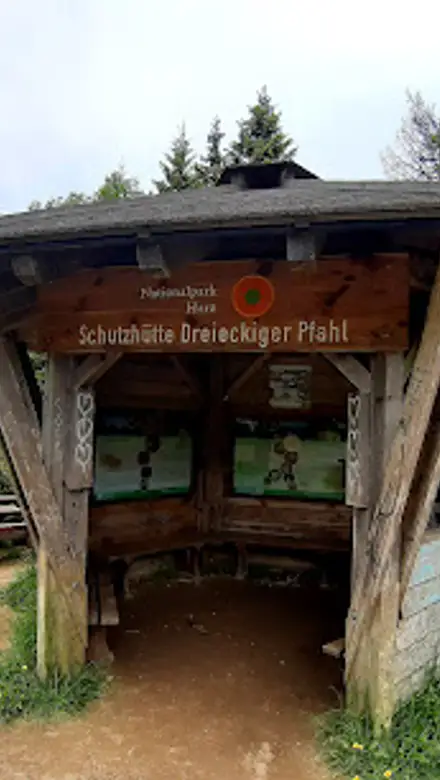
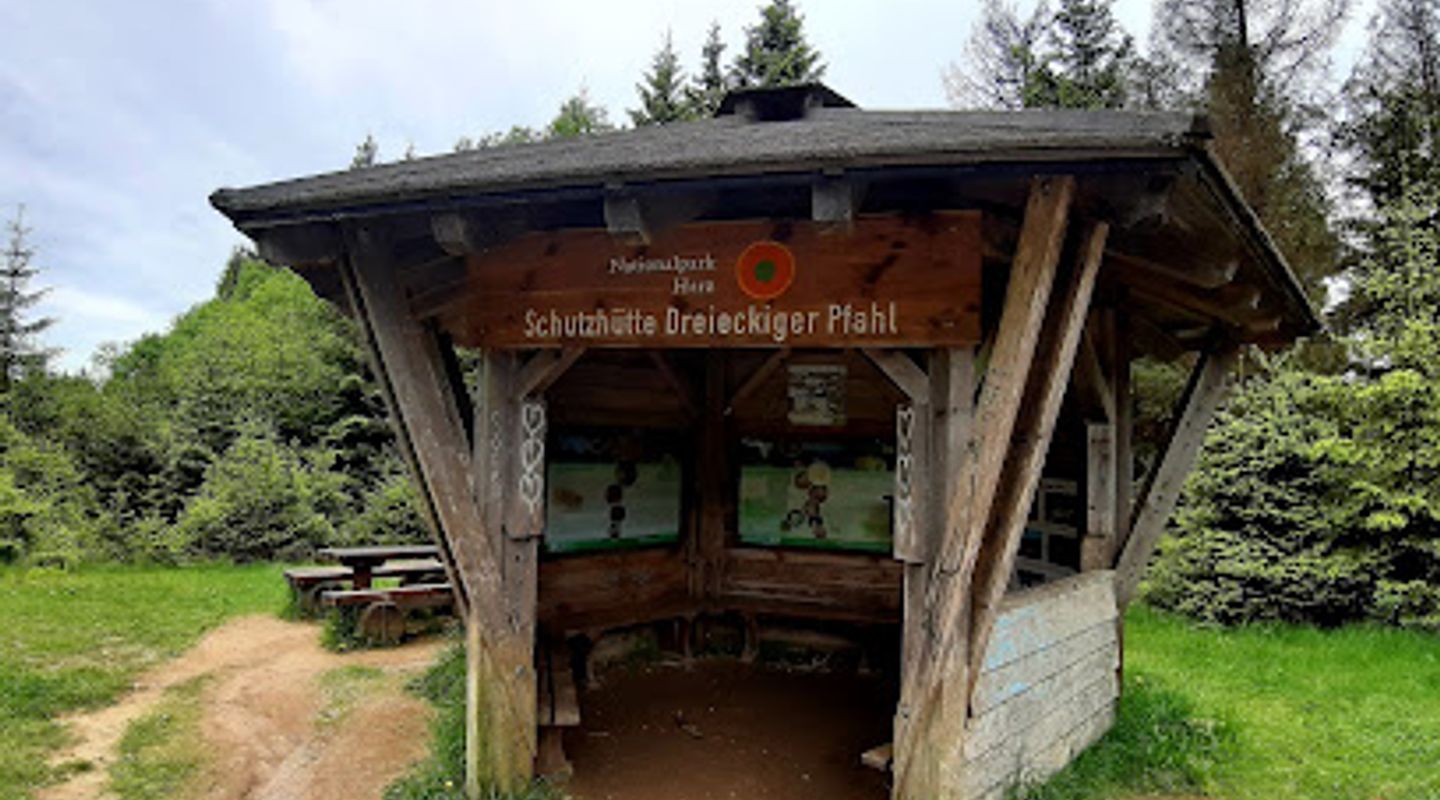
The Dreieckiger Pfahl, or Triangular Post, is a historic granite boundary stone located in the Harz Mountains. Erected before 1866, it originally marked the tripoint border between the Kingdom of Hanover and the Duchy of Brunswick. During the Cold War, it stood along the border between East and West Germany, adding another layer to its historical significance. Today, it marks the boundary between Lower Saxony and Saxony-Anhalt. Situated at an elevation of approximately 870 meters, the Dreieckiger Pfahl is a popular destination for hikers exploring the Harz National Park. The landmark is a testament to the region's complex past and offers a tangible connection to German history. The surrounding area provides scenic trails suitable for various skill levels, making it an accessible and rewarding experience for nature enthusiasts and history buffs alike. A nearby rest area allows hikers to pause and reflect on the historical importance of this unique location, nestled within the beautiful Harz landscape. The Dreieckiger Pfahl serves as a reminder of the ever-changing political landscape of Germany and its enduring natural beauty.
A brief summary to Dreieckiger Pfahl
- Harz, DE

Know before you go
Hi, I'm Eve. Here are a few practical things to know before exploring Dreieckiger Pfahl.
- Wear sturdy hiking shoes as the trails around Dreieckiger Pfahl can be uneven and rocky.
- Bring water and snacks, especially if you plan on hiking to the Brocken, as there are limited options for refreshments along the trails.
- Check the weather forecast before you go, as conditions in the Harz Mountains can change quickly.
- Consider visiting during the off-season (spring or fall) to avoid crowds and enjoy the scenery in peace.
- Explore the Harz Border Trail for a deeper understanding of the region's Cold War history.
Do you manage this location?
Take control to get all the benefits, like improved information, better appearance, and stronger visibility across AI-powered discovery. Learn more about listing your business on Evendo
Activate your presenceOther nearby places you may find interesting
The closest places of the same kind, if this one is not quite what you had in mind.

Explore Dreieckiger Pfahl on the Map
A handpicked selection of must-see spots near Dreieckiger Pfahl, mapped for you.
Getting There
-
Driving
From the B4 federal road between Torfhaus and Oderbrück, park at the designated car park. Parking fees typically range from €2-€5 for the day. From the car park, follow the well-marked hiking trails east for approximately 2.5 kilometers to reach the Dreieckiger Pfahl. The hike is relatively easy and takes about 45 minutes to an hour.
-
Public Transport
From Wernigerode, take Bus 251 towards Braunlage. Get off at the Braunlage, ZOB station and transfer to Bus 820 towards Oderbrück. Alight at the Oderbrück stop. From Oderbrück, follow the hiking trails east for approximately 2.5 kilometers to reach the Dreieckiger Pfahl. Ensure to check the bus schedules in advance as services may be infrequent, especially on weekends and holidays. A single bus fare from Wernigerode to Oderbrück will cost approximately €6-€8.
-
Walking
If you are hiking from Braunlage, follow the signs towards the Brocken via the Dreieckiger Pfahl. The hike is approximately 11.7 kilometers and takes around 3-4 hours. Alternatively, from Torfhaus, follow the Goetheweg towards the Brocken. The Dreieckiger Pfahl is located approximately 6 kilometers from Torfhaus along this route.
Discover more about Dreieckiger Pfahl













Your all‑in‑one travel companion app
Explore expert travel guides, compare and book tours, experiences, hotels, and more—all from the palm of your hand. Download now for seamless trip planning wherever your wanderlust takes you.


Explore More of Harz
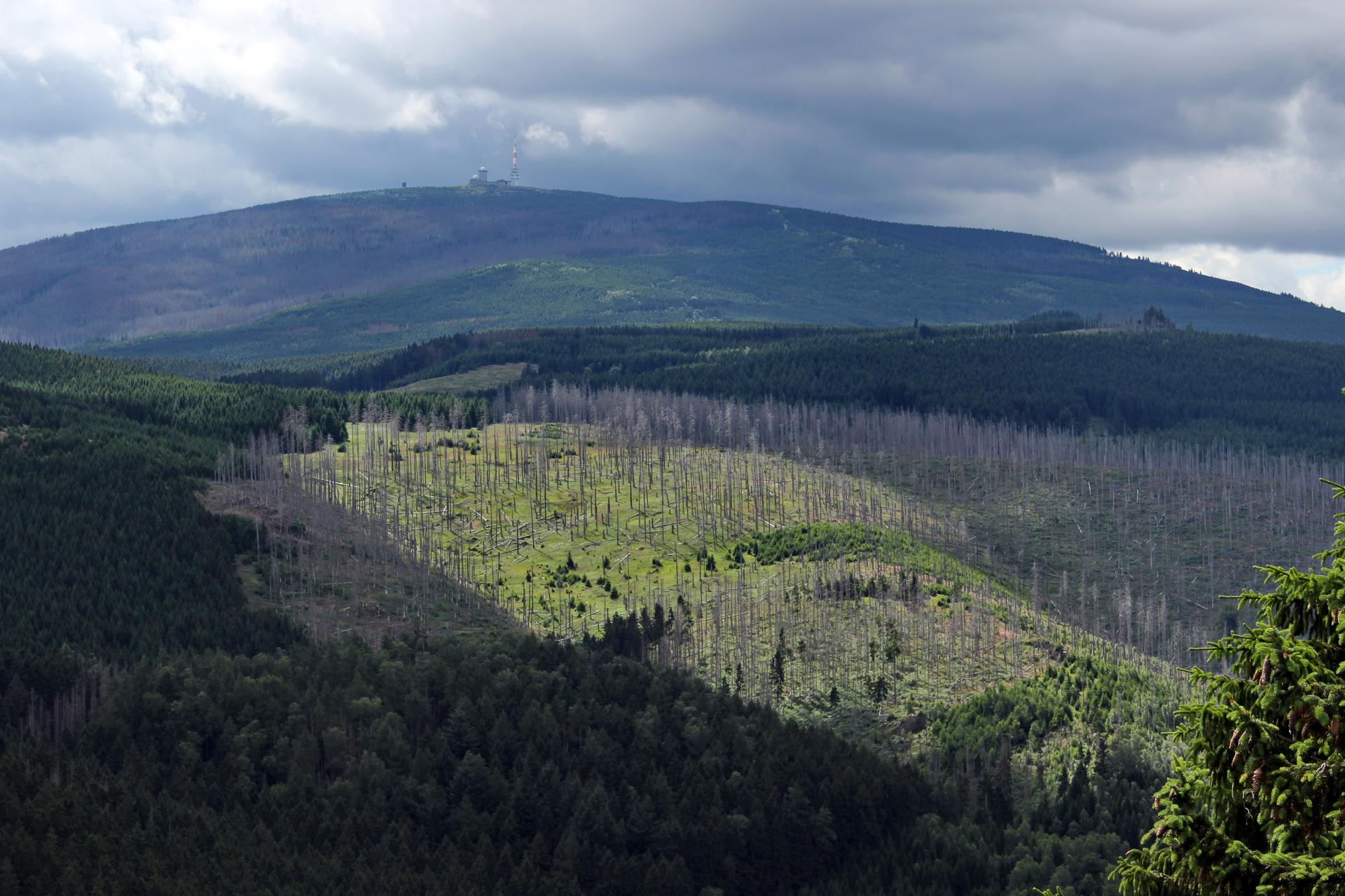
Looking beyond Dreieckiger Pfahl? Discover Harz for broader travel guides, local hot-spots, and regional highlights.
Explore Harz
Discover Kramershai State Park in Elend, Germany: A natural haven with hiking trails, diverse ecosystems, and serene landscapes in the heart of the Harz Mountains.
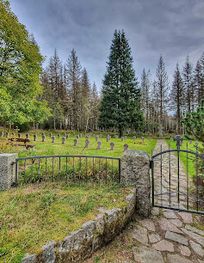
Reflect on history and honor the fallen at Ehrenfriedhof Oderbrück, a serene military cemetery nestled in the heart of the Harz National Park, a place of remembrance.