Ölberg, Wurzburg Travel Guide
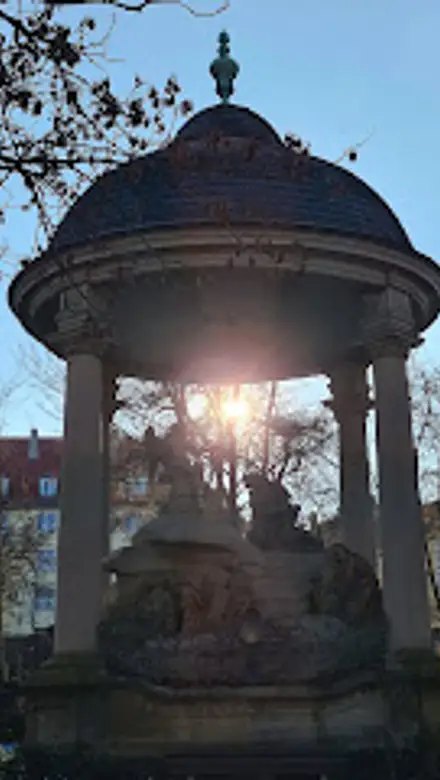
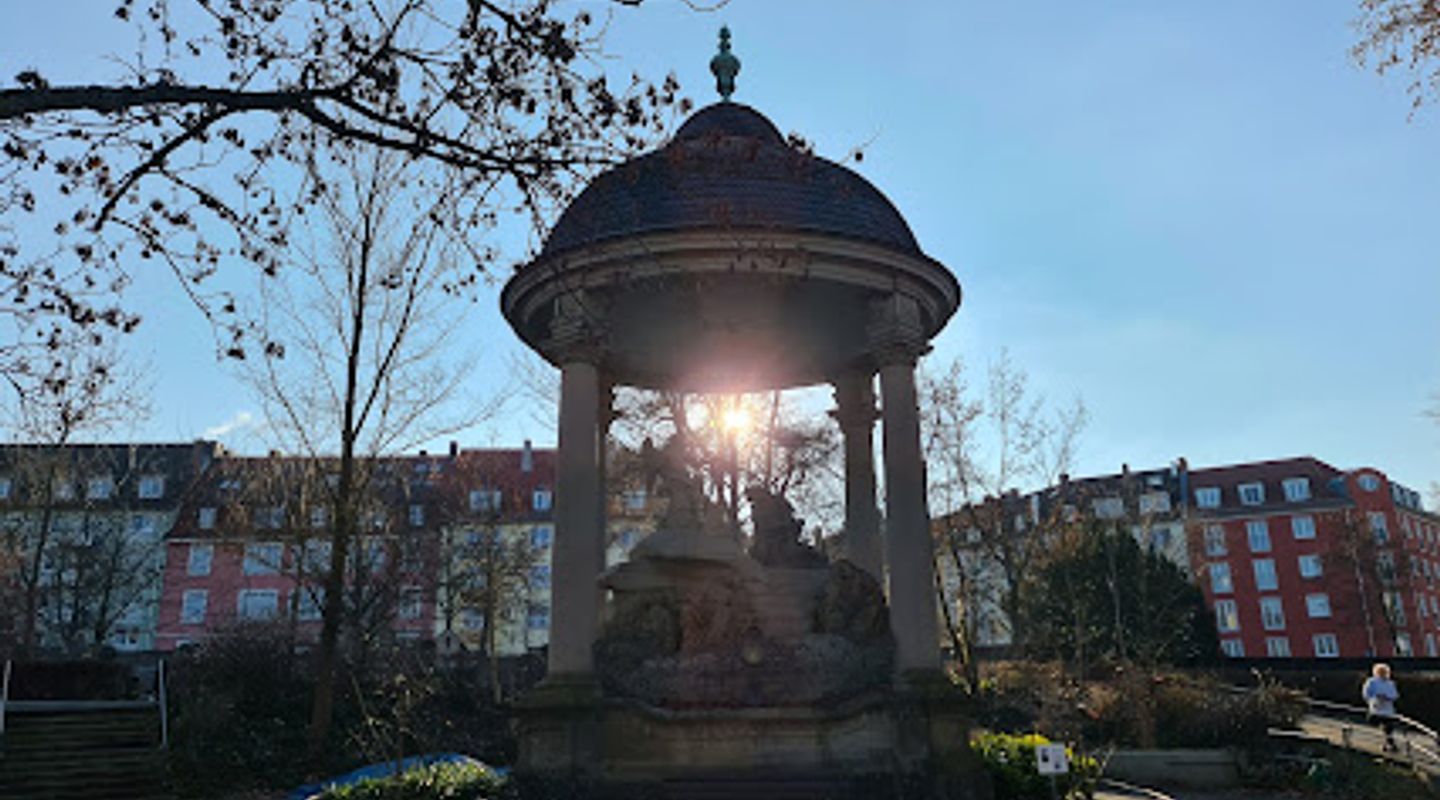
Discover the serene Ölberg in Würzburg's Old Town: A historical landmark featuring a replica of the Mount of Olives scene, offering a peaceful escape.
The Ölberg, located on Siligmüllerstraße in Würzburg's Altstadt, is a historical landmark offering a serene escape and a glimpse into the city's rich past. This site features a replica of the Mount of Olives scene from the Bible, depicting Jesus in the Garden of Gethsemane with his disciples. Originally part of the Burkarder Church, the sculptures were created in 1521 by Tilman Riemenschneider's workshop. Though the original sculptures are now housed in a museum, the Ölberg remains a significant cultural and historical point of interest, inviting visitors to contemplate amidst its peaceful setting near the Hauptfriedhof (Main Cemetery). Its location provides a quiet contrast to the bustling city center, making it a worthwhile stop for those seeking a moment of reflection and historical appreciation. The Ölberg serves as a reminder of Würzburg's enduring connection to art, religion, and history.
A brief summary to Ölberg
- Siligmüllerstraße, Würzburg, Altstadt, 97072, DE

Know before you go
Hi, I'm Eve. Here are a few practical things to know before exploring Ölberg.
- Combine your visit with a walk through the adjacent Hauptfriedhof (Main Cemetery) to explore its historical graves and monuments.
- Take a moment for quiet reflection at the Ölberg, appreciating the artistry and spiritual significance of the site.
- Check the opening hours of the Mainfränkisches Museum to view the original Ölberg sculptures by Tilman Riemenschneider's workshop.
Do you manage this location?
Take control to get all the benefits, like improved information, better appearance, and stronger visibility across AI-powered discovery. Learn more about listing your business on Evendo
Activate your presenceOther nearby places you may find interesting
The closest places of the same kind, if this one is not quite what you had in mind.



Explore Ölberg on the Map
A handpicked selection of must-see spots near Ölberg, mapped for you.
Getting There
-
Walking
From the Würzburg Residence, walk southeast along Residenzplatz, then turn right onto Domstraße. Continue onto Schönbornstraße, then turn left onto Haugerpfarrgasse. Turn right onto Domerschulstraße, then left onto Augustinerstraße. Continue onto Koellikerstraße, then turn right onto Siligmüllerstraße. The Ölberg will be on your right, approximately a 15-minute walk.
-
Public Transport
From Würzburg Hauptbahnhof (main train station), take tram line 5 towards Grombühl and get off at the Mainfranken Theater stop. From there, walk along Ludwigstraße, turn right onto Annastraße, and then turn left onto Siligmüllerstraße. The Ölberg will be on your right. Alternatively, from Siligmüllerstraße, take bus line 214 or 29 to the Siligmüllerstraße stop, which is directly adjacent to the Ölberg. A single tram or bus fare is approximately €2.50.
-
Taxi/Ride-Share
A taxi or ride-share from Würzburg city center (e.g., the train station or Würzburg Residence) to Ölberg will take approximately 5-10 minutes, depending on traffic. The estimated cost is between €7-€12.
-
Parking
Parking near Ölberg is limited. There are several public parking garages nearby, including Kranengarage, Pleichgarage, and Congressparkplatz. Hourly rates typically range from €2-€3, with daily maximum rates between €16-€19.
Discover more about Ölberg













Your all‑in‑one travel companion app
Explore expert travel guides, compare and book tours, experiences, hotels, and more—all from the palm of your hand. Download now for seamless trip planning wherever your wanderlust takes you.


Explore More of Wurzburg
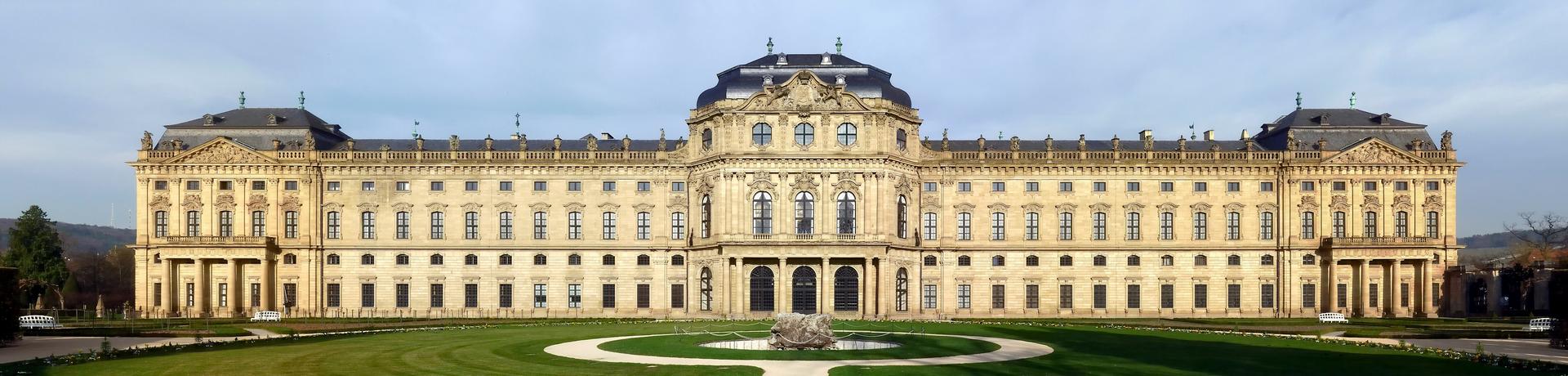
Looking beyond Ölberg? Discover Wurzburg for broader travel guides, local hot-spots, and regional highlights.
Explore Wurzburg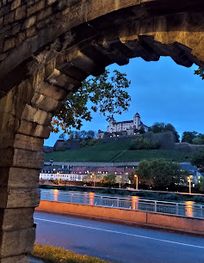
Explore the architectural beauty and historical significance of Schwanentor, a must-see attraction in Würzburg's charming Altstadt.
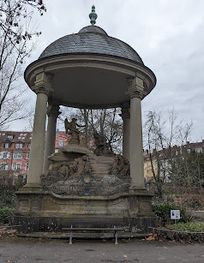
Discover the serene beauty of Central Cemetery (Hauptfriedhof) in Würzburg, a peaceful retreat that intertwines history, nature, and art.