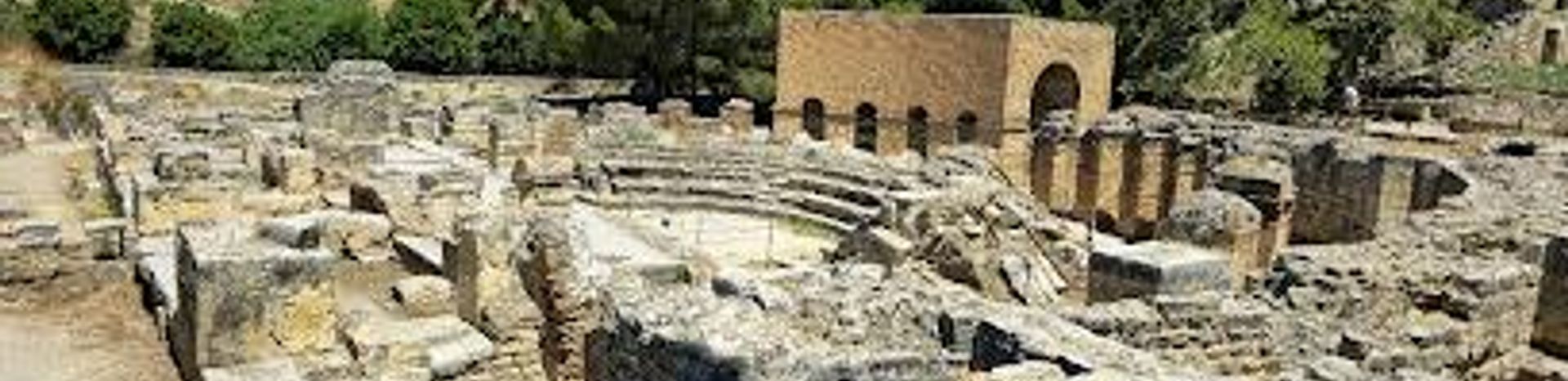
Archaeological Site of Gortyna: Crete's Roman Capital
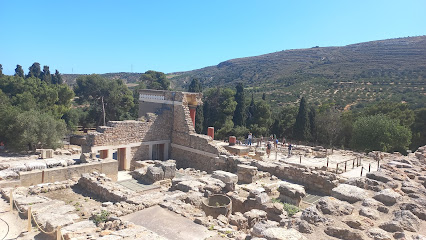
Uncover ancient Crete's Roman past at Gortyna, home to Europe's oldest law code and a captivating blend of Minoan, Roman, and Christian history.
Explore the extensive ruins of Gortyna, once the Roman capital of Crete, near Agioi Deka. Discover layers of history from Minoan times to early Christianity, including the famed Gortyn Code, the island's oldest written law.
A brief summary to Archaeological Site of Gortyna
- Γόρτυς, Agioi Deka, 700 12, GR
- +302892031144
Local tips
- Wear comfortable shoes, as the site is extensive and involves a good amount of walking on uneven terrain.
- Bring water and sun protection, especially during the hot summer months, as shade is limited.
- Allow at least 2-3 hours to explore the main areas of the site at a comfortable pace.
- Combine your visit with nearby Phaistos Minoan Palace or Matala beach for a full day of exploration.

Getting There
-
Driving
The easiest way to reach Gortyna is by car. From Heraklion, drive south for approximately 45 km. The journey takes around 40 minutes. The site is located just south of Agioi Deka, with clear signs along the road. There is a dedicated parking area near the entrance, which is free.
-
Public Transport
From Heraklion, take a bus from Bus Station B to Moires. Buses leave approximately every 4 hours, and the journey takes around 1 hour and 15 minutes. From Moires, take a taxi to Gortyna, which is about a 15-minute ride. The bus fare is approximately €5-7, and the taxi fare from Moires to Gortyna is around €8-10.
Discover more about Archaeological Site of Gortyna
Iconic landmarks you can’t miss

Archaeological Site of Gortyna
0.0 km
Uncover ancient Crete's Roman past at Gortyna, home to Europe's oldest law code and a captivating blend of Minoan, Roman, and Christian history.
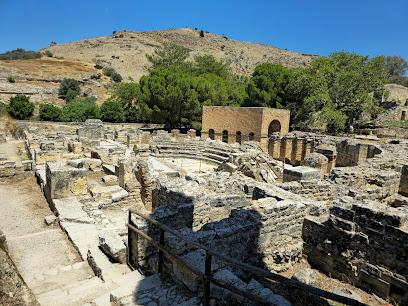
Caves Matala
19.5 km
Explore ancient caves, a hippie history, and stunning beaches at Matala, Crete. A unique blend of history, culture, and natural beauty awaits.
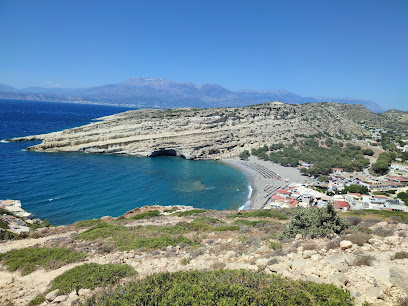
Saint Paul Islet
19.8 km
Discover the serene escape of Saint Paul Islet in Crete: a tranquil beach retreat off the coast of Moires, perfect for a refreshing getaway.
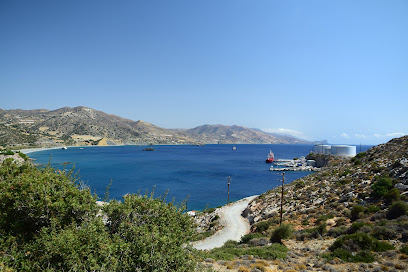
Profitis Ilias
21.2 km
Explore the ruins of Temenos Fortress near Profitis Ilias, Crete, a Byzantine stronghold with a rich and bloody history.
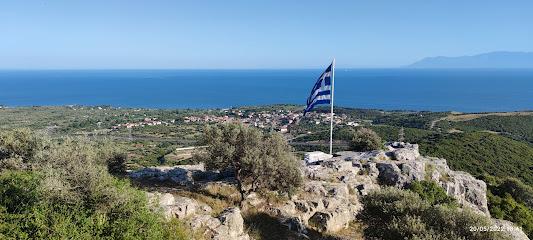
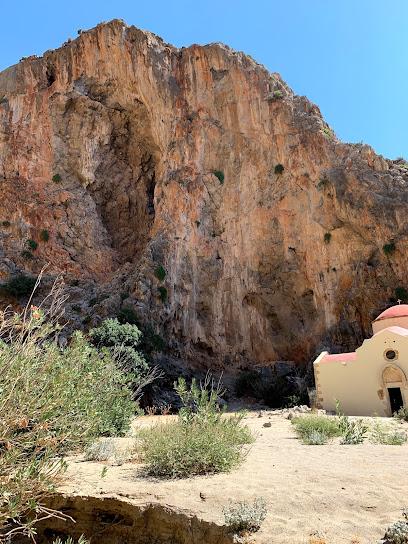
Cave Goumenospilio
21.3 km
Explore Goumenospilio Cave in Crete: a blend of natural beauty, ancient history, and serene landscapes near Moíres.
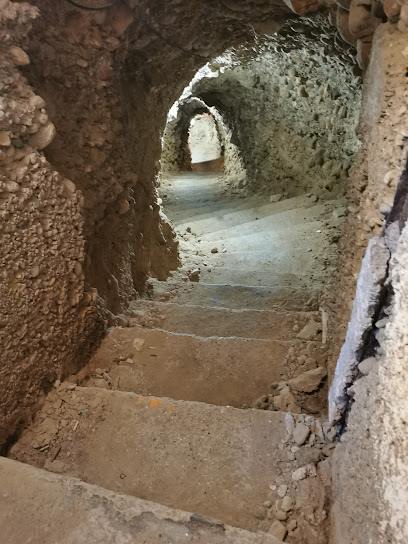
War Tunnel
23.6 km
Explore a hidden WWII tunnel in Agia Galini, Crete, offering a unique glimpse into the island's strategic past and wartime resilience.
Kouloures
32.7 km
Explore the enigmatic Kouloures at Knossos, ancient circular pits with a mysterious past, offering a glimpse into Minoan life.
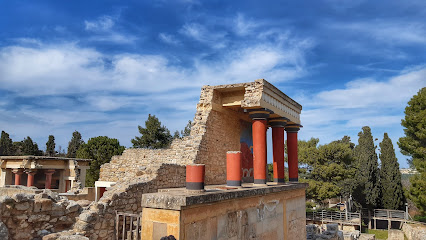
Knossos Palace
32.7 km
Journey to Knossos Palace: Explore the legendary Minoan civilization and uncover the myths of ancient Crete, just outside Heraklion.
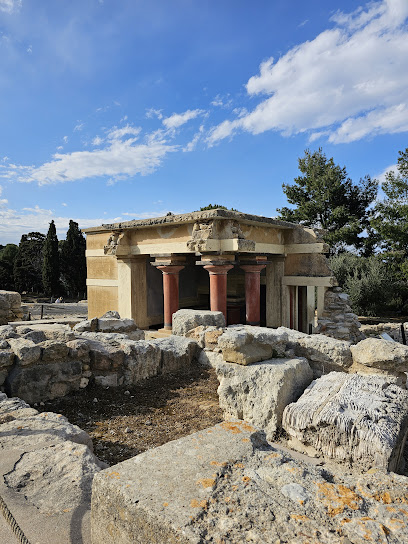
Oldest Road of the World
32.7 km
Discover Crete's ancient past on the Oldest Road of the World, a Minoan marvel dating back to 2000 BC near Heraklion.
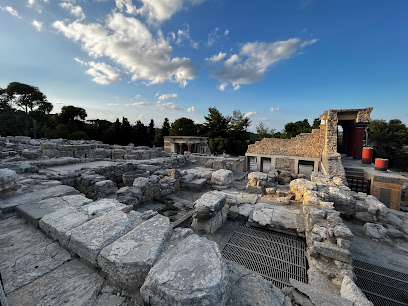
Martinengo Bastion
34.2 km
Explore Heraklion's largest Venetian bastion, offering panoramic views and the poignant tomb of author Nikos Kazantzakis.
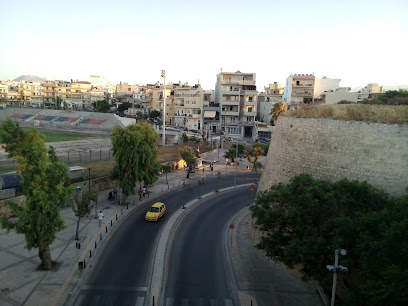
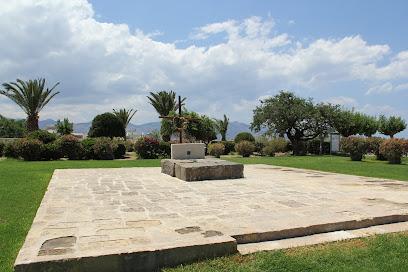
Nikos Kazantzakis Grave
34.3 km
Visit the final resting place of Nikos Kazantzakis in Heraklion, a serene spot offering panoramic views and a tribute to the celebrated author.
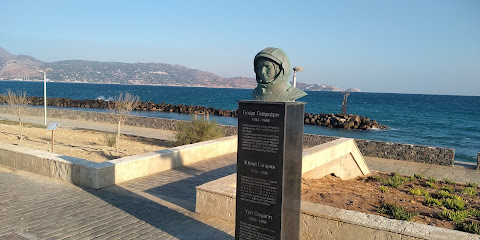
Προτομή Γιούρι Γκαγκάριν
34.4 km
Commemorating the first human in space, Yuri Gagarin's bust stands as a symbol of Greek-Russian friendship on Heraklion's vibrant waterfront.
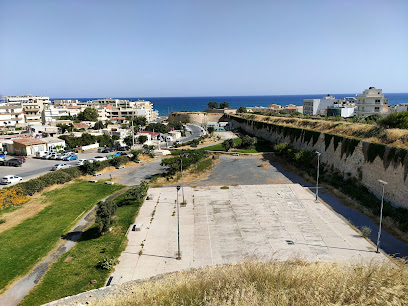
Venetian Walls of Heraklion
34.5 km
Explore the Venetian Walls of Heraklion: a historic fortress offering panoramic views and a glimpse into Crete's Venetian past.
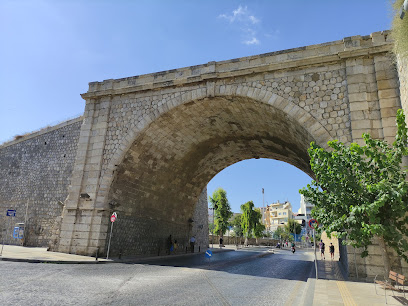
Pantokrator Venetian Portal
34.5 km
Explore the Pantokrator Venetian Portal in Heraklion, Crete: a historic gateway showcasing Venetian artistry and centuries of rich heritage.
Church of Saint Matthew Sinaitón
34.6 km
Discover a peaceful Byzantine church in Heraklion, home to a stunning collection of icons and a rich history dating back centuries.
Unmissable attractions to see

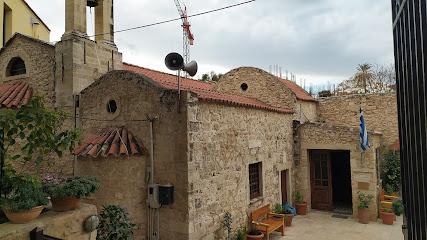
Βυζαντική Βασιλική
0.7 km
Explore the Byzantine Basilica in Mithropoli, where stunning architecture meets rich history, perfect for culture enthusiasts and history lovers.
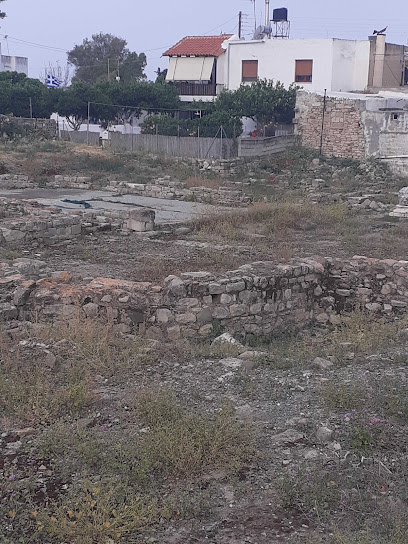
Archaeological Museum of Mesara
0.9 km
Explore the rich history of Minoan civilization at the Archaeological Museum of Mesara, a treasure trove of ancient artifacts in Crete, Greece.
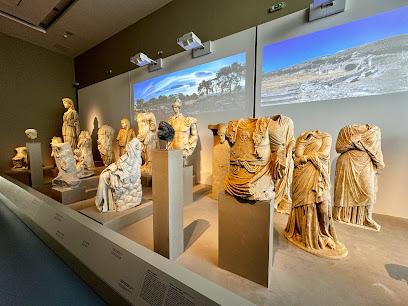
Zacharioudakis Winery
1.7 km
Discover Zacharioudakis Winery in Crete, where tradition meets taste in a stunning vineyard setting.
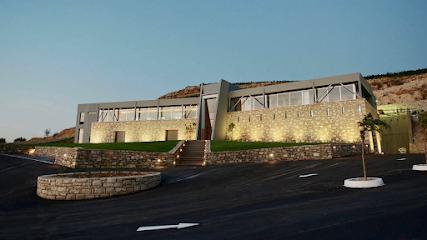
Labyrinth Cave
3.1 km
Explore the fascinating Labyrinth Cave in Crete, a historical landmark filled with natural beauty and mythological intrigue.
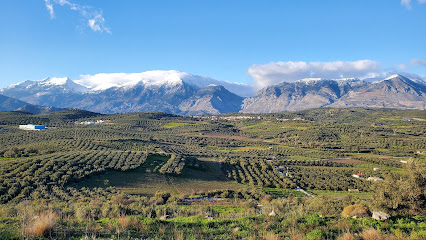
Zaros Lake
9.2 km
Explore the breathtaking beauty of Zaros Lake, a serene escape in Greece offering outdoor adventures, stunning scenery, and local culinary delights.
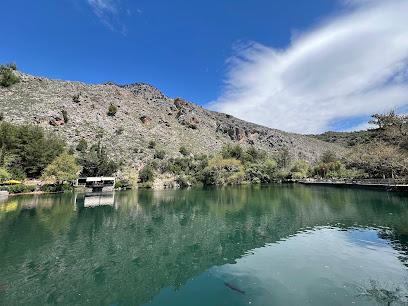
Clock Tower
9.3 km
Discover the breathtaking beauty and historical significance of the Clock Tower in Pompia, a must-visit landmark in Greece.
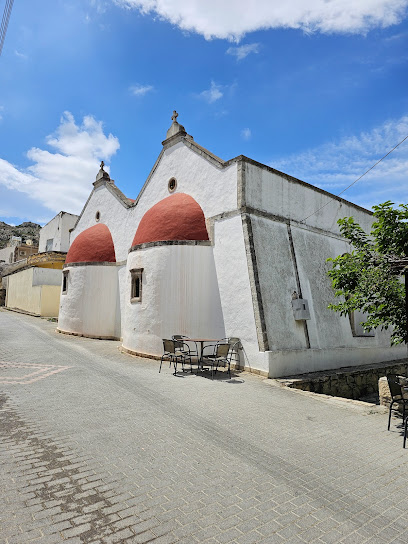
Rouvas forest
11.6 km
Explore the enchanting Rouvas Forest in Crete, a serene escape with scenic trails, rich biodiversity, and a tranquil atmosphere perfect for nature lovers.
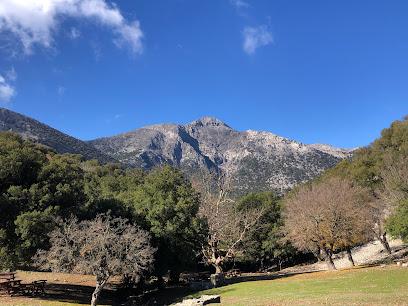
Minoan Palace of Phaistos
12.1 km
Explore the ancient wonders of the Minoan Palace of Phaistos, a historical landmark in Crete that showcases the grandeur of Minoan civilization.
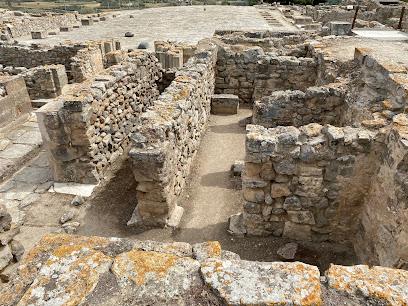
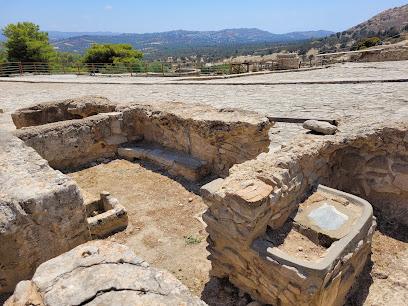
Phaistos Archaeological Site
12.2 km
Explore the ancient wonders of Phaistos Archaeological Site in Crete, where history comes alive amidst stunning ruins and breathtaking landscapes.
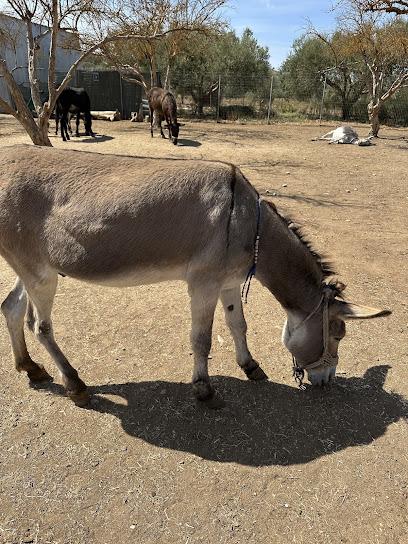
Agia Marina Donkey Sanctuary
12.4 km
Discover the heartwarming Agia Marina Donkey Sanctuary in Petrokefali, Greece, where you can meet rescued donkeys and support their care in a tranquil setting.
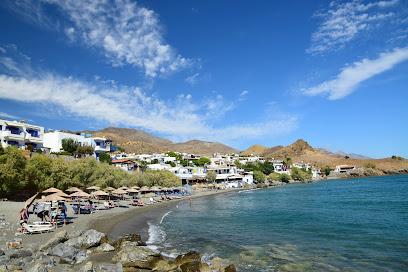
Paralia Lenta
14.9 km
Experience the hidden gem of Paralia Lenta, a serene beach in Crete with golden sands, crystal waters, and authentic local cuisine for the perfect getaway.
Monastery Palianis
16.6 km
Discover the tranquility of Monastery Palianis in Crete, a historic site where spirituality and cultural heritage come alive amid nature's beauty.
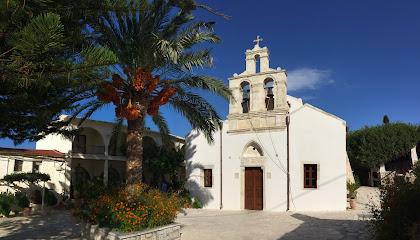
Moni Odigitrias
16.7 km
Explore Moni Odigitrias, a serene monastery in Moires, Greece, offering tranquility, rich history, and breathtaking natural beauty.
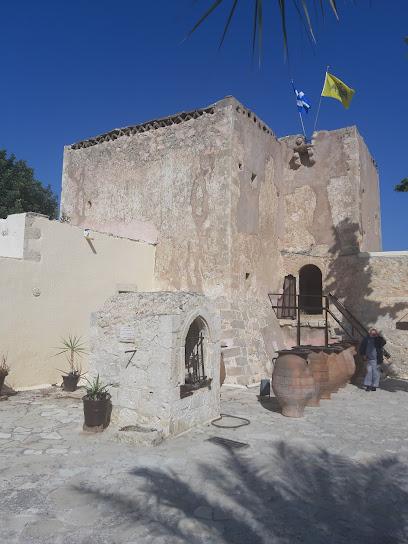
Odigìtria Monastery
16.7 km
Discover the tranquil Odigitria Monastery in Faistos, a serene haven showcasing Crete's rich spiritual heritage and stunning architecture.
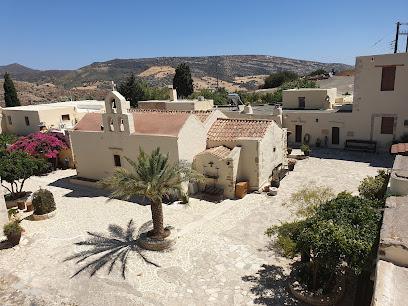
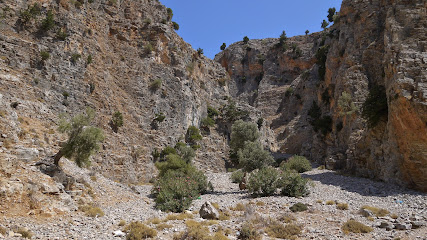
Kamares Cave
16.7 km
Explore the stunning natural beauty and rich history of Kamares Cave in Crete, a hidden gem for adventure seekers and nature lovers.
Essential places to dine

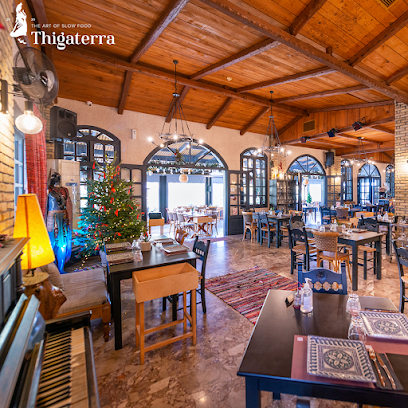
Thigaterra - The Art of Slow Food
32.8 km
Discover Thigaterra: A premier destination for authentic Greek slow food in Ag. Dimitrios, celebrating local flavors with every dish.
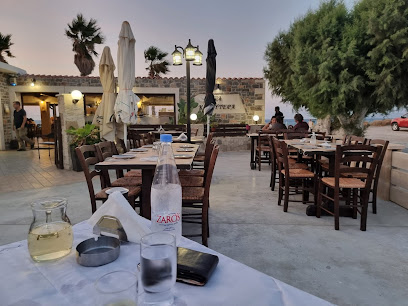
Ta Kalitera
34.0 km
Discover authentic Mediterranean seafood at Ta Kalitera in Xeropotamos - where fresh flavors meet warm hospitality.
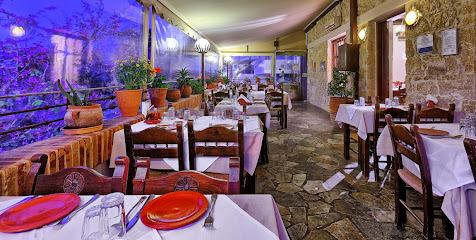
Erganos
34.4 km
Discover Erganos: A Culinary Haven in Heraklion Offering Authentic Greek Dishes in a Cozy Atmosphere.
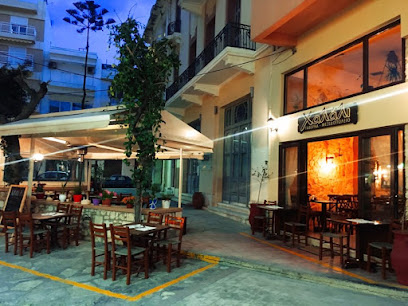
Xalali
34.7 km
Experience authentic Cretan cuisine at Xalali in Heraklion - where tradition meets modern gastronomy in a welcoming atmosphere.
Apiri greek_eatery
34.9 km
Discover the authentic taste of Greece at Apiri Greek Eatery in Heraklion – where every meal is a celebration of Mediterranean culinary traditions.
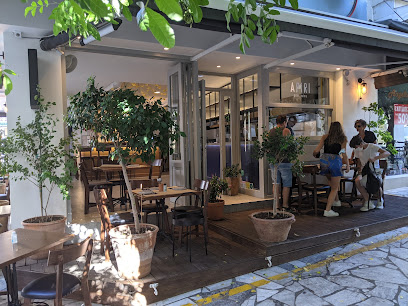
Kanatelias Lunch
34.9 km
Experience authentic Greek cuisine at Kanatelias Lunch in Heraklion - where local flavors meet warm hospitality.
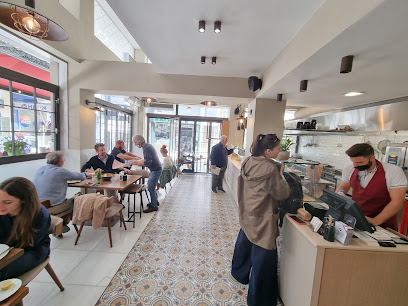
Alla ki Alla
35.0 km
Experience authentic Greek flavors at Alla ki Alla in Heraklion—where every dish tells a story of tradition and taste.
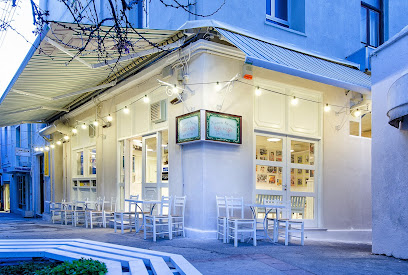
The Fifty
35.0 km
Discover The Fifty in Heraklion: A vibrant restaurant offering delicious brunches, artisanal coffee, and an inviting atmosphere perfect for all visitors.
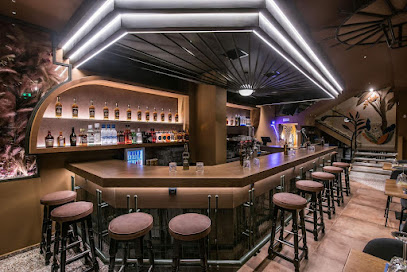
Ntoré Gastronomy
35.0 km
Discover the flavors of Crete at Ntoré Gastronomy in Heraklion – where every dish tells a story.
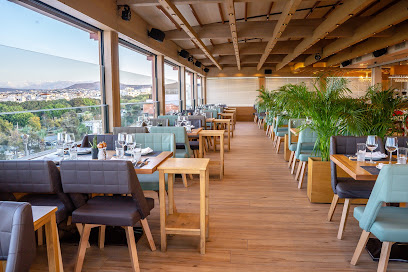
Veranda
35.0 km
Discover Veranda in Heraklion: where culinary excellence meets local charm in a cozy atmosphere perfect for every occasion.
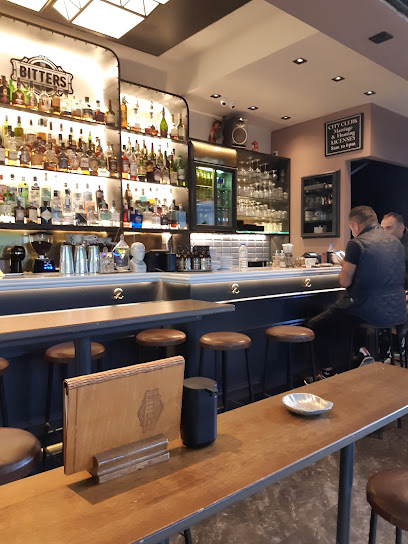
Lola
35.1 km
Discover authentic Cretan flavors at Lola, a top-rated restaurant in Heraklion known for its fresh ingredients and inviting atmosphere.
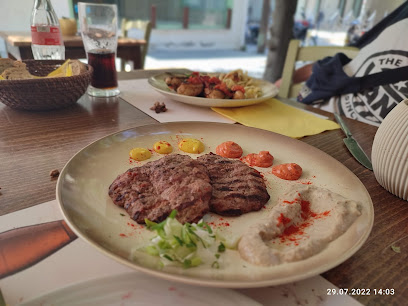
Minos Restaurant
35.1 km
Savor authentic Greek flavors at Minos Restaurant in Heraklion - a must-visit for culinary enthusiasts exploring Crete.
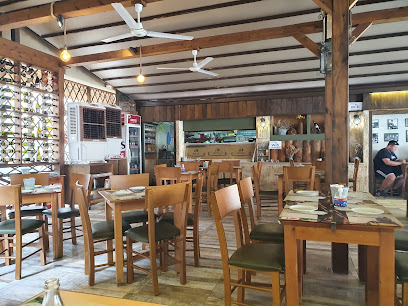
Athali Cretan Cuisine
35.1 km
Experience authentic Cretan flavors at Athali Cretan Cuisine in Heraklion - where tradition meets taste.
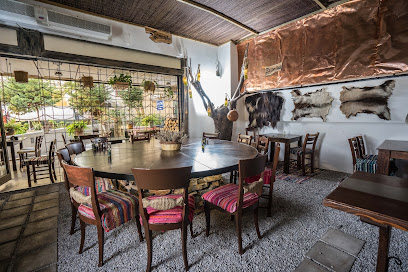
Olive Trees Restaurant
35.1 km
Experience authentic Greek cuisine at Olive Trees Restaurant in Heraklion – where every meal tells a story.
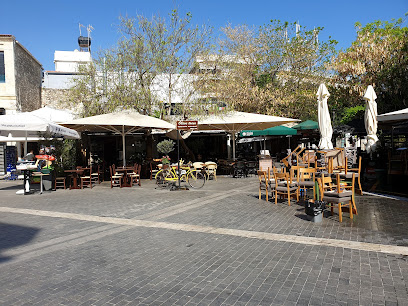
Peskesi
35.1 km
Discover authentic Cretan flavors at Peskesi - where tradition meets taste in every dish.
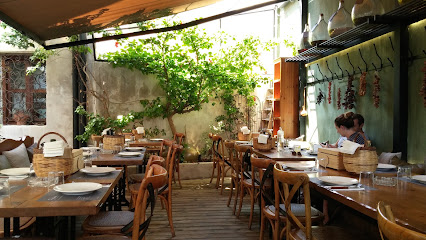
Markets, malls and hidden boutiques

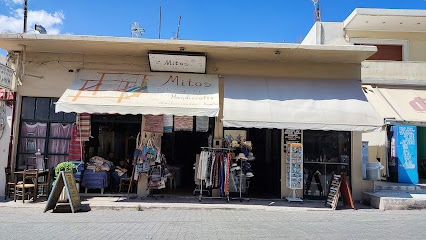
Mitos - Traditional Art - Handicrafts
8.4 km
Explore Mitos, a charming souvenir store in Zaros, Greece, showcasing exquisite traditional handicrafts and unique local artistry.
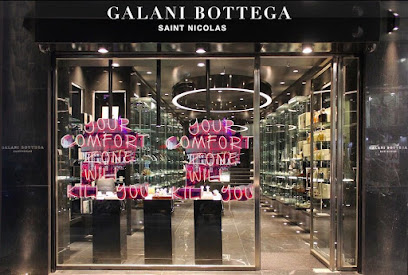
GALANI BOTTEGA / exclusive department store
20.8 km
Shop at Galani Bottega for an exclusive selection of high-end fashion, cosmetics, and accessories in a luxurious setting.
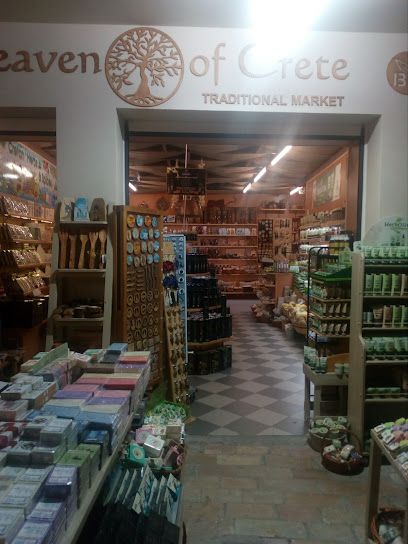
Heaven Of Crete
23.9 km
Explore Heaven Of Crete, a charming gift shop in Agia Galini, showcasing unique Cretan treasures and warm local hospitality.
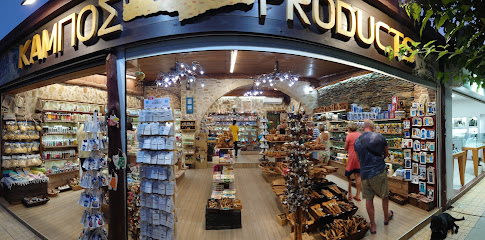
Kampos Cretan Products
32.6 km
Explore the best of Cretan culture at Kampos Cretan Products, your go-to gift shop for authentic local treasures in Heraklion.
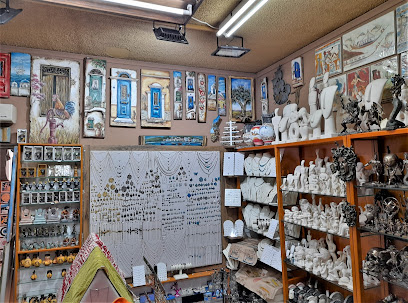
Labyrinth Store kps
32.6 km
Discover the essence of Crete at Labyrinth Store kps, where unique souvenirs and local crafts await your exploration.
J&S
33.7 km
Explore J&S in Heraklion for an eclectic mix of clothing, shoes, and everyday essentials, embodying the local shopping experience.
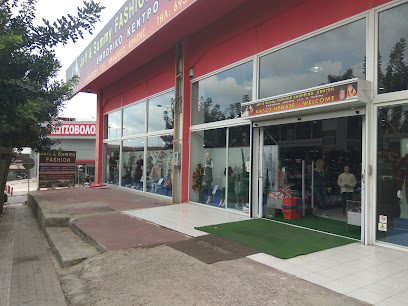
Block62
33.7 km
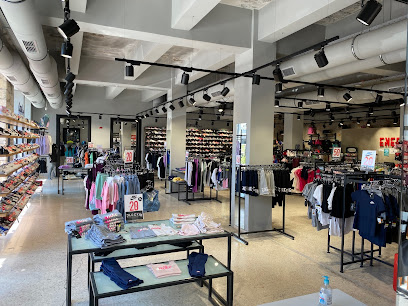
Discover Block62, Heraklion's ultimate outlet mall for fashion, family fun, and an unforgettable shopping experience.
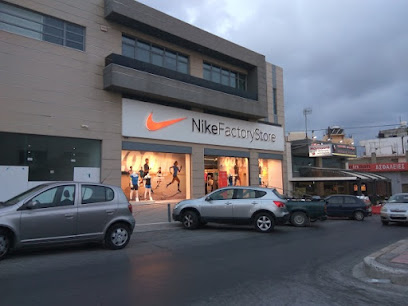
Nike Factory Store Crete
33.8 km
Shop the latest in athletic apparel and footwear at Nike Factory Store Crete, where quality meets affordability in a vibrant shopping environment.
Vekrakis Imports S.A.
34.6 km
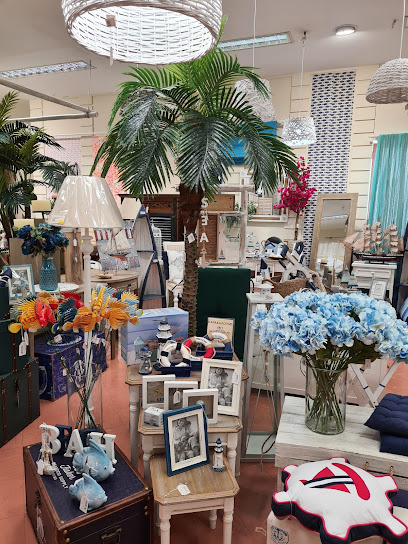
Explore Vekrakis Imports S.A. in Heraklion for unique gifts and authentic Cretan souvenirs that reflect the charm of the island.
Talos Plaza
34.7 km
Discover Talos Plaza, a vibrant shopping mall in Heraklion, offering a mix of local and international brands, dining, and entertainment experiences.
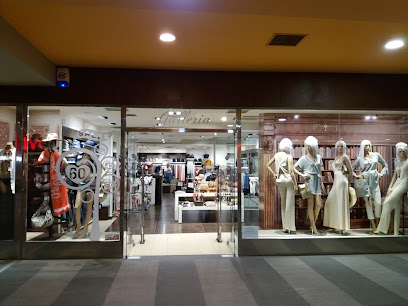
Antonella Boutique
34.7 km
Discover unique styles and local fashion at Antonella Boutique, a must-visit clothing store in the heart of Heraklion.
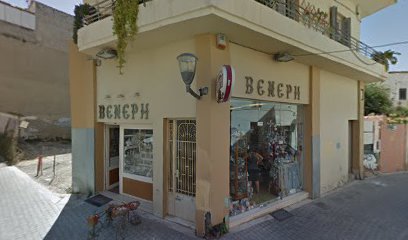
Veneri Styliani
34.8 km
Discover unique gifts and local crafts at Veneri Styliani in Heraklion, a must-visit shop for authentic souvenirs and Crete-inspired treasures.
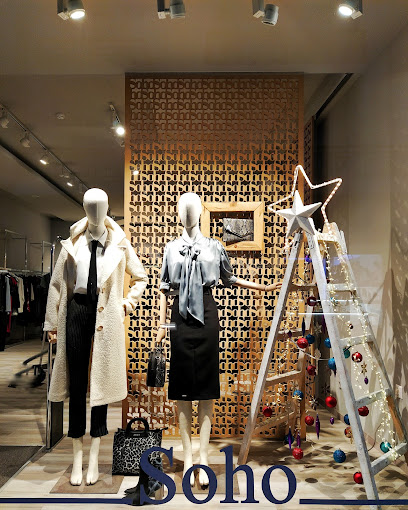
Soho Multibrand Boutique
34.8 km
Discover unique women's fashion at Soho Multibrand Boutique in Heraklion, where style meets quality in a charming shopping experience.
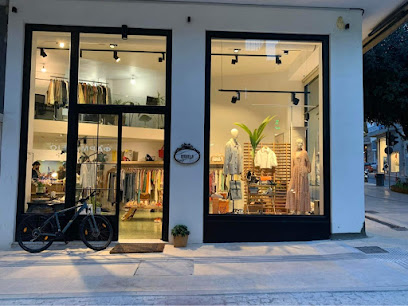
Flying Circus Vintage
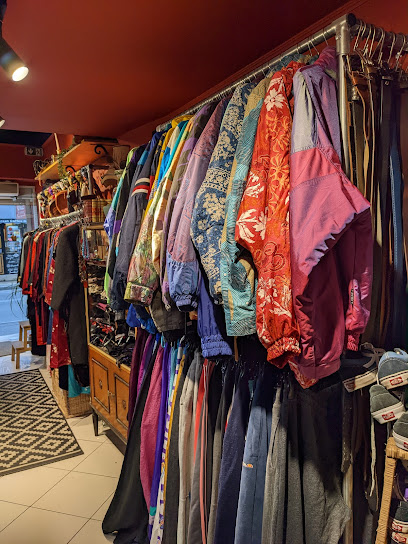
34.8 km
Explore the charm of vintage fashion at Flying Circus Vintage in Heraklion, Crete—a must-visit for unique clothing and accessories.
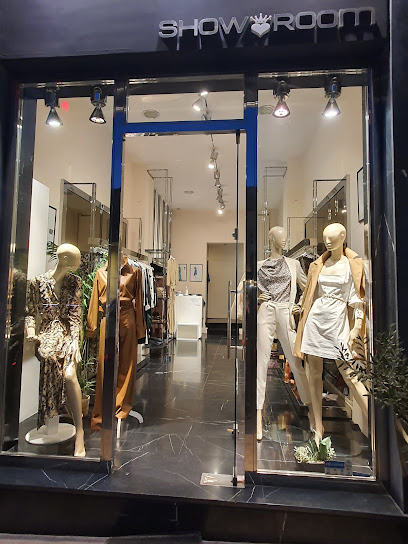
Showroom Fashion Boutique Ηράκλειο
34.8 km
Discover unique fashion in Heraklion at Showroom Fashion Boutique, blending contemporary styles with local design.
Essential bars & hidden hideouts

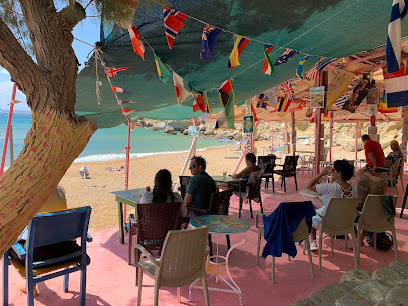
Best Mojito Yannis
19.9 km
Experience the refreshing taste of signature mojitos at Best Mojito Yannis, a vibrant bar in Matala, Greece, perfect for relaxation and enjoyment.
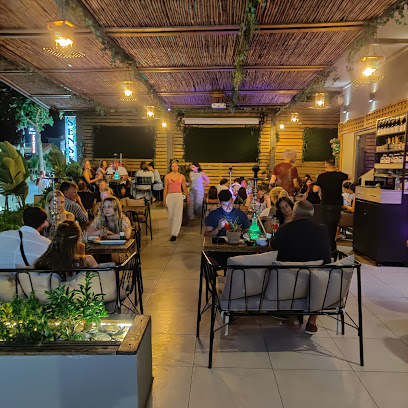
Senses Club
32.2 km
Experience the vibrant nightlife at Senses Club in Gazi, a cocktail bar, coffee shop, and night club rolled into one unforgettable destination.
Blue N Blum
33.1 km
Discover Blue N Blum, a charming bar in Gazi offering an array of drinks and a cozy atmosphere perfect for unwinding after a day of exploration.
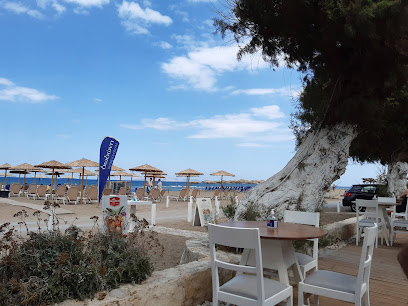
Manjar Wise Food, Coffee & Wine Bar
34.6 km
Discover Manjar Wise Food, Coffee & Wine Bar in Heraklion, where exquisite flavors meet a vibrant atmosphere for an unforgettable dining experience.
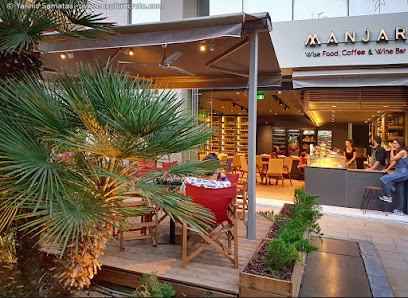
Polytechneio Cafe
35.0 km
Discover the lively ambiance of Polytechneio Cafe, a budget-friendly bar in Heraklion, perfect for enjoying local drinks and vibrant nightlife.
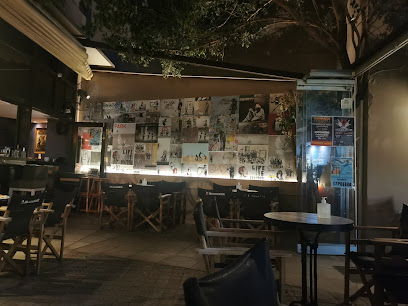
Guernica
35.0 km
Discover Guernica in Heraklion, where vibrant nightlife, great music, and delicious drinks create an unforgettable experience.
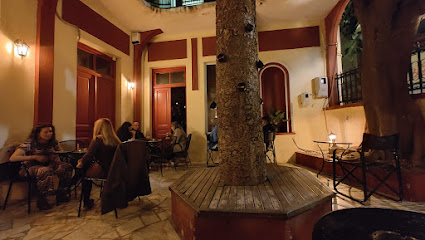
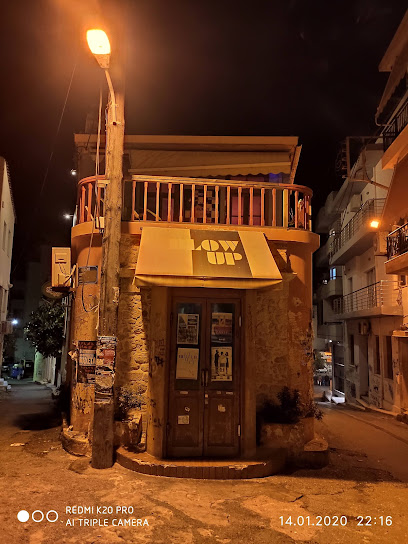
Blow Up
35.0 km
Experience the vibrant nightlife of Heraklion at Blow Up, a trendy bar offering unique cocktails and an electrifying atmosphere that captivates all visitors.
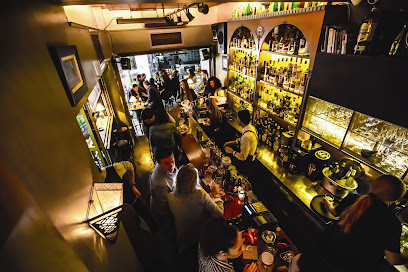
The Bitters Bar
35.0 km
Discover the vibrant ambiance and innovative cocktails at The Bitters Bar in Heraklion, where every sip is a celebration of flavor and creativity.
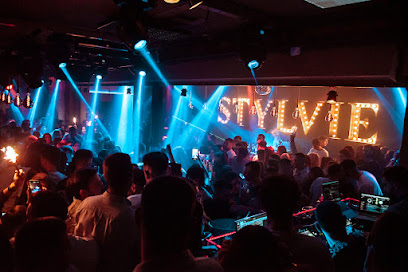
Stylvie Bar
35.0 km
Experience the vibrant nightlife of Heraklion at Stylvie Bar, where creative cocktails and lively music create unforgettable memories.
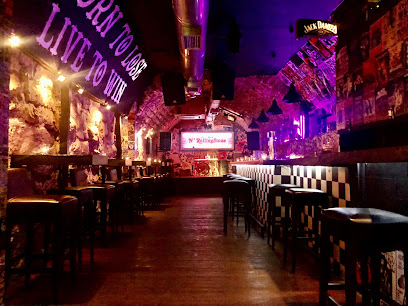
Rock n Rolling Stone
35.0 km
Rock n Rolling Stone: Heraklion's vibrant bar scene offering live music, eclectic drinks, and a lively atmosphere for unforgettable nights.
Jailhouse Rock Bar
35.1 km
Discover the vibrant nightlife of Heraklion at Jailhouse Rock Bar, a unique venue known for its fantastic rum selection and lively atmosphere.
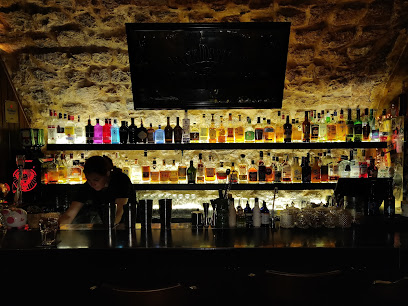
Utopia
35.1 km
Discover Utopia in Heraklion, where chocolate dreams come true and every bite is a delicious adventure amidst a cozy atmosphere.
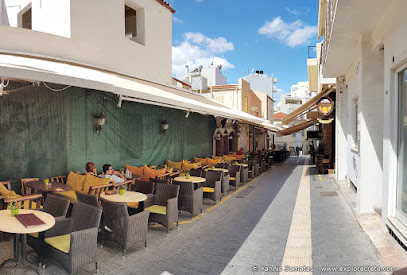
L SQUARE
35.1 km
Discover the lively atmosphere of L SQUARE in Heraklion, a perfect blend of bar, café, and brewery with a vibrant local vibe.
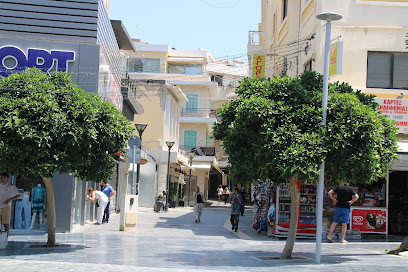
Stone Project
35.1 km
Explore the vibrant scene of Heraklion at Stone Project, where innovative cocktails meet a lively atmosphere for an unforgettable night out.
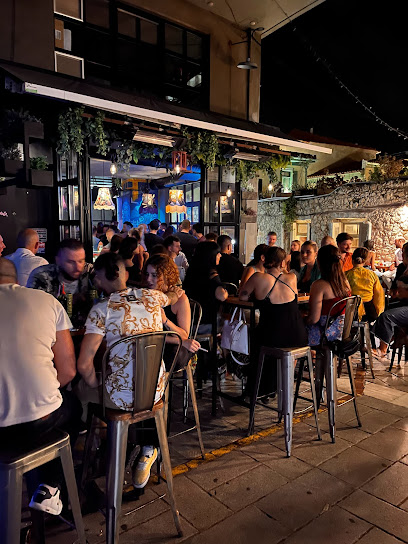
Take Five
35.1 km
Discover the lively ambiance and exceptional drinks at Take Five, Heraklion's top bar and café for an unforgettable night out.
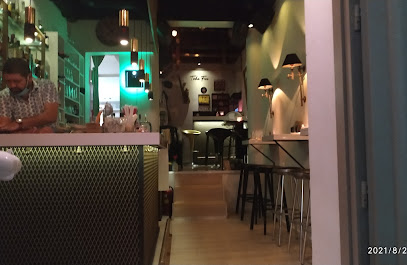
Nightclubs & after hour spots

Για Πάρτυ Μας
33.7 km
Discover the pulse of Heraklion's nightlife at Για Πάρτυ Μας, where the music never stops and the fun is endless.
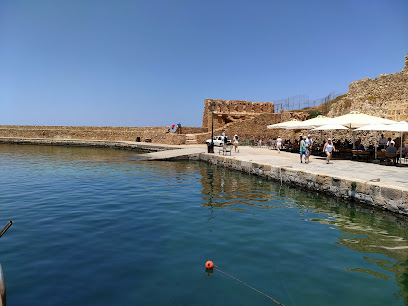
Strawberyy Drive
34.1 km
Discover the vibrant rock music scene at Strawberry Drive, Heraklion's premier club for live performances and unforgettable nights.
The Island Of Desire
34.8 km
Discover Heraklion's vibrant nightlife at The Island of Desire, a premier dance club where unforgettable memories are made under the stars.
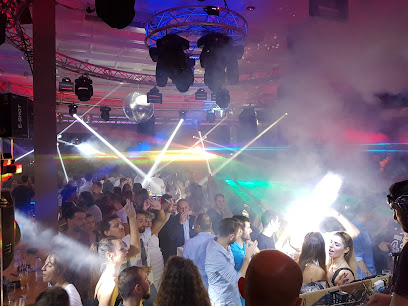
Madam Night Club
34.9 km
Dive into the electrifying nightlife at Madam Night Club in Heraklion, where every night is a celebration of music, dance, and unforgettable memories.
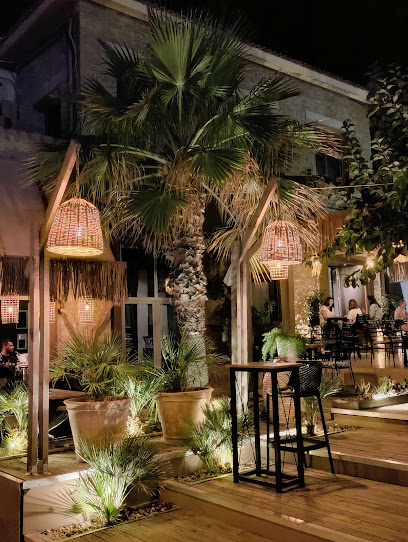
Segredakis, Emmanouil, & Co. E.E.
34.9 km
Discover Segredakis, Emmanouil, & Co. E.E. in Heraklion, a lively night club and restaurant offering a perfect blend of exquisite dining and vibrant nightlife.
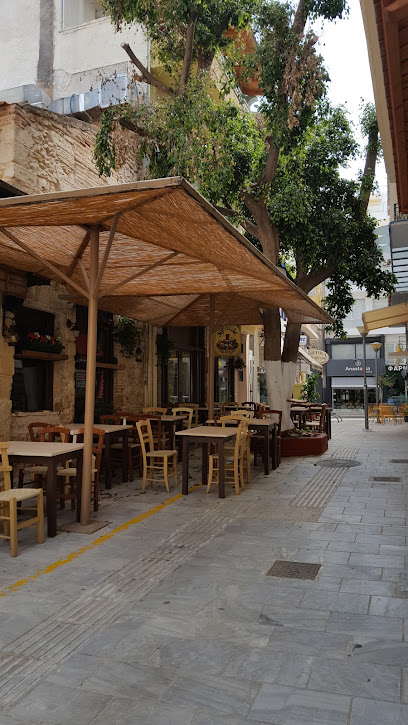
Mpouat By Ntoré
35.0 km
Discover the vibrant nightlife of Heraklion at Mpouat By Ntoré, where unique music nights and a lively atmosphere await every weekend.
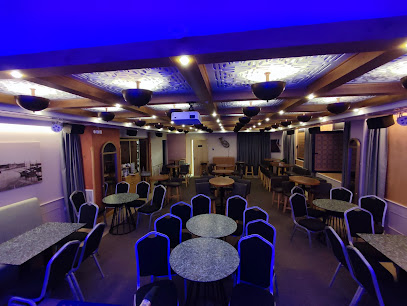
2elve Club
35.1 km
Immerse yourself in the vibrant nightlife of Heraklion at 2elve Club, where music and cocktails create an unforgettable experience.
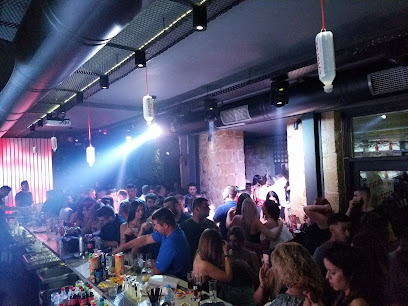
ΕΛΕOC Club Milatou 16
35.2 km
Discover the electrifying nightlife at ΕΛΕOC Club Milatou 16 in Heraklion, where great music and vibrant ambiance create unforgettable moments.
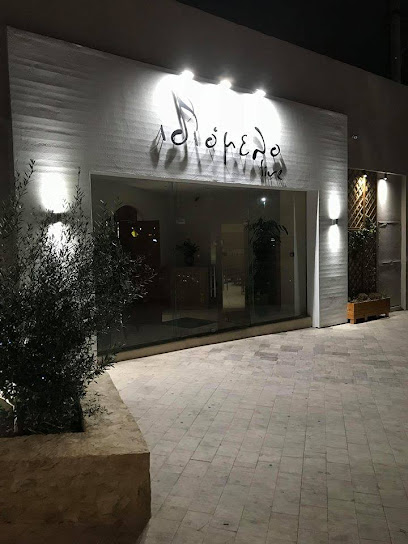
Idiomelo
35.3 km
Experience the vibrant nightlife of Heraklion at Idiomelo, a lively night club where music, dance, and fun come together for unforgettable nights.
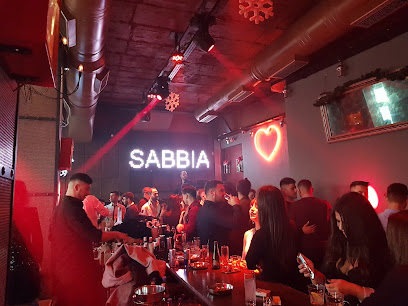
Sabbia
35.4 km
Experience the vibrant nightlife of Heraklion at Sabbia, a premier disco club where music and energy collide for an unforgettable night out.
Bofor Music Stage
35.4 km
Dive into the electrifying nightlife at Bofor Music Stage, Heraklion's top night club for unforgettable music and vibrant vibes.
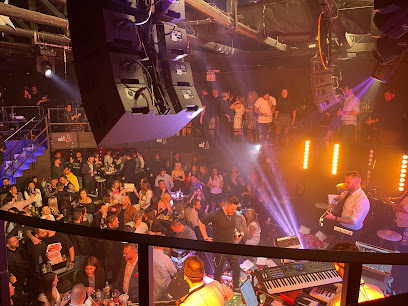
כרתים
35.5 km
Experience Crete's vibrant nightlife in Heraklion, where dance floors pulse with energy and traditional flavors enhance your evening.
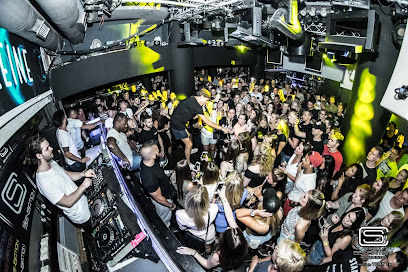
Club Sensation Hersonissos Crete Greece
49.3 km
Experience the electrifying nightlife at Club Sensation in Hersonissos, Crete – where music, dancing, and unforgettable memories await.
Cameo Club
49.4 km
Discover the vibrant nightlife of Hersonissos at Cameo Club, where unforgettable parties and electrifying music await you every night.
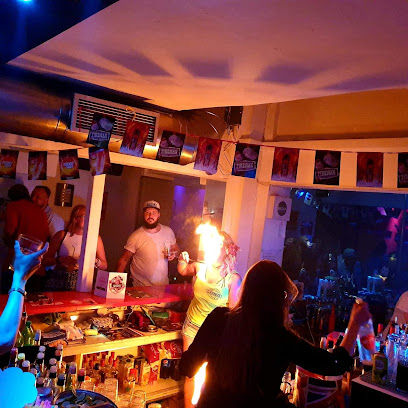
Palm Beach Club
49.4 km
Discover the ultimate nightlife experience at Palm Beach Club, where cocktails, fast food, and vibrant music create unforgettable memories in Limenas Chersonisou.