

Eastern Region, Iceland Travel Guide
Discover the untouched beauty, rich history, and vibrant culture of Iceland's Eastern Region—where every fjord, village, and mountain tells a story.
The Eastern Region of Iceland is a hidden gem that offers a unique blend of natural beauty, vibrant culture, and rich history. This area, often overlooked by tourists, is home to some of the most stunning landscapes in Iceland, including towering mountains, deep fjords, and lush forests. The serene environment and the unspoiled nature make it a paradise for outdoor enthusiasts and those seeking tranquility. The Eastfjords are particularly remarkable, with their dramatic cliffs and tranquil fishing villages. Each fjord has its own charm and character, offering opportunities for hiking, bird watching, and exploring the local flora and fauna. Don't miss the chance to visit Seyðisfjörður, a picturesque town known for its colorful wooden houses and thriving art scene. The Eastern Region is also steeped in history and folklore. Explore the ruins of ancient settlements, learn about the region's Viking heritage, and hear tales of elves and hidden people that add a magical touch to your journey. The local culture is vibrant and welcoming, with numerous festivals and events throughout the year celebrating everything from music to local cuisine. Whether you're seeking adventure, relaxation, or a deeper connection with Icelandic culture, the Eastern Region offers an unforgettable experience that will captivate your heart and soul.

Know before you go
Hi, I'm Eve. Here are a few practical things to know before exploring Eastern Region.
- Visit during the summer months for the best weather and access to hiking trails.
- Rent a car to explore the region at your own pace and discover hidden gems.
- Check out local festivals for a unique cultural experience.
- Pack layers and waterproof gear, as the weather can be unpredictable.
- Try the fresh seafood in local restaurants for an authentic taste of the region.
Top City Travel Guides in Eastern Region
The cities of Eastern Region, and the easiest places to base yourself.

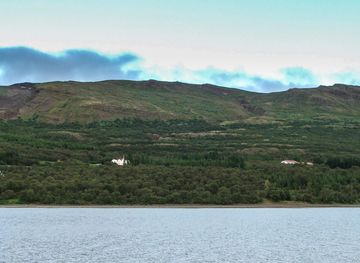
Destinations in Eastern Region
Resorts, valleys and scenic spots worth a trip of their own.


Explore Eastern Region: Things to Do, Places to Eat, Hotels & More
Handpicked recommendations for top attractions, local dining, accommodations, and more

Top Attractions & Sightseeing in Eastern Region
Top-rated picks
Best Attractions

Hverir
Explore Hverir, Iceland's geothermal marvel, where bubbling mud pots and vibrant minerals create an otherworldly landscape perfect for adventurers and photographers.
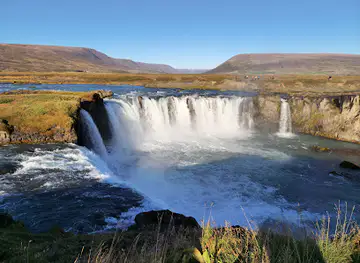
Goðafoss
Discover the breathtaking Goðafoss Waterfall in Iceland, a stunning natural attraction steeped in history and beauty, perfect for adventure and photography.
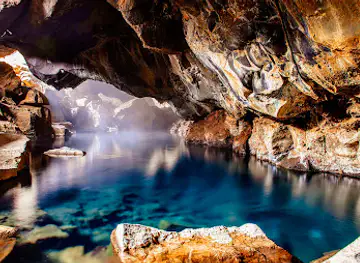
Grjótagjá
Explore Grjótagjá, an enchanting hot spring cave in Iceland, where breathtaking landscapes and serene waters await every visitor.

FlyOver Iceland
Soar through Iceland's breathtaking landscapes at FlyOver Iceland, an immersive attraction that combines stunning visuals with thrilling adventure.

Best landmarks in Eastern Region
Top-rated picks
Best Landmarks

Hallgrimskirkja
Explore Hallgrímskirkja, Reykjavik's iconic church known for its stunning architecture and breathtaking city views. A must-see landmark in Iceland.

Perlan
Discover the beauty of Icelandic nature and culture at Perlan, a stunning museum and landmark with breathtaking views.

Sun Voyager
Experience the captivating beauty of the Sun Voyager, a remarkable sculpture in Reykjavik symbolizing adventure and the Viking spirit.
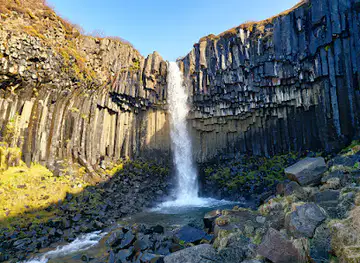
Vatnajökull National Park
Discover the breathtaking landscapes of Vatnajökull National Park, Iceland's largest national park, and home to stunning glaciers and diverse wildlife.

Best restaurants in Eastern Region
Top-rated picks
Best Restaurants
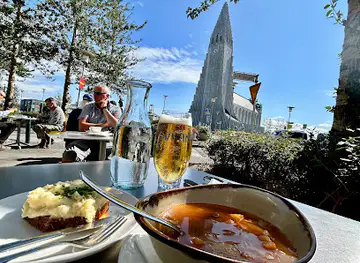
Café Loki
Experience authentic Icelandic flavors at Café Loki in Reykjavík—your gateway to traditional dishes and local culture.

Icelandic Street Food
Experience authentic Icelandic cuisine at Icelandic Street Food in Reykjavík - where tradition meets modern dining.

Seabaron
Discover Seabaron in Reykjavík for an authentic seafood experience showcasing Iceland's freshest catches and traditional recipes.

Íslenski barinn
Experience authentic Icelandic cuisine at Íslenski Barinn in Reykjavík – where tradition meets vibrant atmosphere.

Best bars in Eastern Region
Top-rated picks
Best Bars

Pakkhús Restaurant
Experience authentic Icelandic cuisine at Pakkhús Restaurant in Höfn, offering fresh seafood and stunning views in a cozy atmosphere.

Lebowski Bar
Discover the quirky charm of Lebowski Bar, a must-visit spot in Reykjavík offering themed decor, delicious drinks, and a lively atmosphere.

Kaffi Hornid
Discover the authentic taste of Iceland at Kaffi Hornid, a charming restaurant in Höfn known for its local cuisine and stunning harbor views.

Dillon Whiskey Bar
Experience the vibrant nightlife of Reykjavík at Dillon Whiskey Bar, the ultimate destination for whiskey lovers and music enthusiasts.

Best nightclubs in Eastern Region
Top-rated picks
Best Nightclubs

Salt Café & Bistro
Discover the culinary delights of Iceland at Salt Café & Bistro, where fresh, local ingredients meet a cozy dining experience in Egilsstaðir.

Bravó
Experience the vibrant nightlife of Reykjavík at Bravó, where cocktails meet live music in a welcoming atmosphere.

Skálinn Diner
Experience the best of Icelandic cuisine at Skálinn Diner, where tradition meets comfort in a cozy and nostalgic setting.

Gistihúsið - Lake Hótel Egilsstaðir
Experience the serene beauty of East Iceland at Gistihúsið - Lake Hótel Egilsstaðir, where comfort meets nature.

Best shops in Eastern Region
Top-rated picks
Best Shops

Stuðlagil Canyon Main Access
Explore the breathtaking beauty of Stuðlagil Canyon in East Iceland, featuring stunning basalt columns and vibrant turquoise waters.

Nettó
Explore Nettó in Höfn for an authentic Icelandic shopping experience, offering local delicacies and everyday essentials at great prices.
Bónus
Discover Bónus, the discount supermarket in Egilsstaðir, where you can find quality groceries and local Icelandic specialties at unbeatable prices.
Fosshotel Vatnajökull
Discover the stunning landscapes and warm hospitality at Fosshotel Vatnajökull, your gateway to Icelandic adventures.

Explore Eastern Region on the Map
A handpicked selection of must-see spots in Eastern Region, mapped for you.
Eastern Region Essentials
-
The Eastern Region of Iceland is accessible via Egilsstaðir Airport (EGS), which has regular flights from Reykjavik. Alternatively, you can drive from Reykjavik to Egilsstaðir, a journey that takes approximately 8-9 hours along Route 1. Another option is to take the Smyril Line ferry from Denmark or the Faroe Islands to Seyðisfjörður, a picturesque town in the Eastern Region.
-
Once in the Eastern Region, renting a car is the most convenient way to explore the area, as public transportation options are limited. However, there are local buses connecting major towns such as Egilsstaðir, Seyðisfjörður, and Höfn. Taxis are available but can be expensive. Bicycles can also be rented for short-distance travel and exploration.
-
The official currency in Iceland is the Icelandic Króna (ISK). Credit and debit cards are widely accepted, even for small purchases. Cash is rarely needed but ATMs are available in larger towns like Egilsstaðir and Seyðisfjörður. It's advisable to carry some cash if you plan to visit more remote areas.
-
The Eastern Region of Iceland is generally very safe for tourists. Crime rates are low, and violent crime is rare. However, it is always wise to take standard precautions such as keeping an eye on your belongings in crowded areas and avoiding isolated areas late at night. There are no specific neighborhoods known for high crime rates targeting tourists.
-
In case of emergency, dial 112 for immediate assistance. This number connects you to police, fire, and medical services. The main hospital in the region is in Egilsstaðir. Pharmacies are available in larger towns for minor health issues. It is recommended to have travel insurance that covers medical emergencies.
-
Fashion: Do dress in layers and wear waterproof clothing, as the weather can be unpredictable. Avoid wearing flashy or overly revealing clothing. Religion: Do respect local customs and traditions. While Iceland is largely secular, modesty is appreciated in religious sites. Public Transport: Do be punctual, as buses run on strict schedules. Don't forget to thank the driver when getting off. Greetings: Do greet people with a friendly 'hello' or 'hæ'. Icelanders typically do not engage in formal greetings. Eating & Drinking: Do try local delicacies such as lamb, fish, and skyr. Don't leave a large tip; service charges are usually included.
-
To experience the Eastern Region like a local, visit the local swimming pools, which are a central part of Icelandic culture. Participate in local festivals such as the Eistnaflug music festival in Neskaupstaður. Engage with locals, who are generally friendly and willing to share their knowledge about the area. Don't miss visiting natural attractions like Hengifoss, one of Iceland's tallest waterfalls, and the Vök Baths, a unique geothermal bathing experience.
When is the best time to visit Eastern Region?
Useful Local Phrases for Eastern Region
You don't need to speak the language perfectly. Even learning a few simple words can make conversations warmer—and locals usually appreciate the effort.
— Eve

Here are the phrases I use most often in Eastern Region. Try a few—you'll be surprised how far they go! 😊
❤️
-
- HelloHello
[həˈloʊ] - GoodbyeGoodbye
[ɡʊdˈbaɪ] - YesYes
[jɛs] - NoNo
[noʊ] - Please/You're welcomePlease/You're welcome
[pliːz/jʊər ˈwɛlkəm] - Thank youThank you
[θæŋk ju] - Excuse me/SorryExcuse me/Sorry
[ɪkˈskjuːz mi/ˈsɔːri] - How are you?How are you?
[haʊ ɑːr ju] - Fine. And you?Fine. And you?
[faɪn. ənd ju] - Do you speak English?Do you speak English?
[du ju spiːk ˈɪŋɡlɪʃ] - I don't understandI don't understand
[aɪ doʊnt ˌʌndərˈstænd]
- HelloHello
-
- I'd like to see the menu, pleaseI'd like to see the menu, please
[aɪd laɪk tu si ðə ˈmɛnjuː, pliːz] - I don't eat meatI don't eat meat
[aɪ doʊnt iːt miːt] - Cheers!Cheers!
[tʃɪrz] - I would like to pay, pleaseI would like to pay, please
[aɪ wʊd laɪk tu peɪ, pliːz]
- I'd like to see the menu, pleaseI'd like to see the menu, please
-
- Help!Help!
[hɛlp] - Go away!Go away!
[ɡoʊ əˈweɪ] - Call the Police!Call the Police!
[kɔːl ðə pəˈliːs] - Call a doctor!Call a doctor!
[kɔːl ə ˈdɒktər] - I'm lostI'm lost
[aɪm lɔst] - I'm illI'm ill
[aɪm ɪl]
- Help!Help!
-
- I'd like to buy...I'd like to buy...
[aɪd laɪk tu baɪ...] - I'm just lookingI'm just looking
[aɪm dʒʌst ˈlʊkɪŋ] - How much is it?How much is it?
[haʊ mʌtʃ ɪz ɪt] - That's too expensiveThat's too expensive
[ðæts tuː ɪkˈspɛnsɪv] - Can you lower the price?Can you lower the price?
[kæn ju ˈloʊər ðə praɪs]
- I'd like to buy...I'd like to buy...
-
- What time is it?What time is it?
[wʌt taɪm ɪz ɪt] - It's one o'clockIt's one o'clock
[ɪts wʌn əˈklɒk] - Half past (10)Half past (10)
[hæf pæst (10)] - MorningMorning
[ˈmɔrnɪŋ] - AfternoonAfternoon
[ˌæftərˈnun] - EveningEvening
[ˈiːvnɪŋ] - YesterdayYesterday
[ˈjɛstərdeɪ] - TodayToday
[təˈdeɪ] - TomorrowTomorrow
[təˈmɔroʊ] - 11
[wʌn] - 22
[tu] - 33
[θri] - 44
[fɔr] - 55
[faɪv] - 66
[sɪks] - 77
[sɛvən] - 88
[eɪt] - 99
[naɪn] - 1010
[tɛn]
- What time is it?What time is it?
-
- Where's a/the...?Where's a/the...?
[wɛrz ə/ðə...?] - What's the address?What's the address?
[wʌts ði əˈdrɛs?] - Can you show me (on the map)?Can you show me (on the map)?
[kæn ju ʃoʊ mi (ɑn ðə mæp)?] - When's the next (bus)?When's the next (bus)?
[wɛn's ðə nɛkst (bʌs)?] - A ticket (to ....)A ticket (to ....)
[ə ˈtɪkɪt (tu ....)]
- Where's a/the...?Where's a/the...?
History of Eastern Region
-
The Eastern Region, like much of Iceland, was settled during the Viking Age around 874-930 AD. Early settlers, primarily of Norse origin, established farms and communities in this rugged and beautiful landscape. The fjords provided natural harbors for these pioneers, and the region's abundant resources supported their way of life. Artefacts from this period, including ancient farmsteads and burial mounds, offer a glimpse into the lives of Iceland’s first inhabitants.
-
The 13th century was a tumultuous time in Icelandic history, marked by the Age of the Sturlungs, a period of civil strife and clan warfare. In the Eastern Region, powerful chieftains vied for control. One notable figure was Þórarinn Þórðarson, also known as Þórarinn stuttfeldur, a reputed poet and leader who played a significant role in the power struggles of the time. The sagas of this era recount dramatic tales of feuds, battles, and shifting alliances that shaped the region's history.
-
The Reformation reached Iceland in the mid-16th century, bringing significant religious and cultural changes. In the Eastern Region, this period saw the establishment of Lutheranism and the decline of the Catholic Church. The transition was not without conflict, as evidenced by the resistance of Bishop Jón Arason and his followers. Churches and religious practices in the region were transformed, leaving a lasting impact on the spiritual landscape of Eastern Iceland.
-
From the late 17th century until the early 19th century, Iceland was under the Danish trade monopoly. This period significantly influenced the economy and daily life in the Eastern Region. The Danish Crown controlled all trade, leading to the establishment of trading posts in places such as Eskifjörður and Seyðisfjörður. These trading posts became hubs of commerce and cultural exchange, shaping the development of the region and introducing new goods and ideas from continental Europe.
-
During World War II, Iceland's strategic location brought the Eastern Region into the global spotlight. Seyðisfjörður, with its excellent natural harbor, became an important Allied base. British and American forces established military installations, bringing a sudden influx of foreign troops and resources. This period of occupation left a lasting mark on the region, from infrastructure improvements to increased cultural interactions, and set the stage for post-war modernization.
-
The 20th century saw a dramatic transformation in the Eastern Region's economy, driven by the fishing industry. Towns like Neskaupstaður and Djúpivogur thrived as fishing and fish processing became the backbone of the local economy. The construction of modern harbors and processing facilities, coupled with technological advancements in fishing methods, spurred economic growth and population increases. The region's identity became closely tied to the sea, with vibrant communities built around this vital industry.
-
In recent decades, the Eastern Region has experienced a cultural renaissance. Efforts to preserve and celebrate local heritage have led to the establishment of museums, cultural centers, and festivals. Notably, the town of Seyðisfjörður has become a hub for artists and creatives, hosting events like the LungA Art Festival. This modern cultural revival has reinvigorated the region, blending traditional Icelandic culture with contemporary artistic expression, and attracting visitors from around the world.
Neighbouring Regions of Eastern Region
The closest regions to Eastern Region, if you have time for more than one.


Your all‑in‑one travel companion app
Explore expert travel guides, compare and book tours, experiences, hotels, and more—all from the palm of your hand. Download now for seamless trip planning wherever your wanderlust takes you.


Explore More of Iceland

Looking beyond Eastern Region? Discover Iceland for broader travel guides, local hot-spots, and regional highlights.
Explore IcelandEastern Region in Photos
Browse through our photo collection highlighting the charm and character of the destination.


The Enchanting Eastern Region of Iceland
The Eastern Region of Iceland is a hidden gem that offers a unique blend of natural beauty, vibrant culture, and rich history. This area, often overlooked by tourists, is home to some of the most stunning landscapes in Iceland, including towering mountains, deep fjords, and lush forests. The serene environment and the unspoiled nature make it a paradise for outdoor enthusiasts and those seeking tranquility. The Eastfjords are particularly remarkable, with their dramatic cliffs and tranquil fishing villages. Each fjord has its own charm and character, offering opportunities for hiking, bird watching, and exploring the local flora and fauna. Don't miss the chance to visit Seyðisfjörður, a picturesque town known for its colorful wooden houses and thriving art scene. The Eastern Region is also steeped in history and folklore. Explore the ruins of ancient settlements, learn about the region's Viking heritage, and hear tales of elves and hidden people that add a magical touch to your journey. The local culture is vibrant and welcoming, with numerous festivals and events throughout the year celebrating everything from music to local cuisine. Whether you're seeking adventure, relaxation, or a deeper connection with Icelandic culture, the Eastern Region offers an unforgettable experience that will captivate your heart and soul.