

Free Northeastern Region Travel Guide & Mobile App
Explore Northeastern Region with free travel guides. Discover regional history, expert tips, proposed trips, and audio guides on web or mobile app.


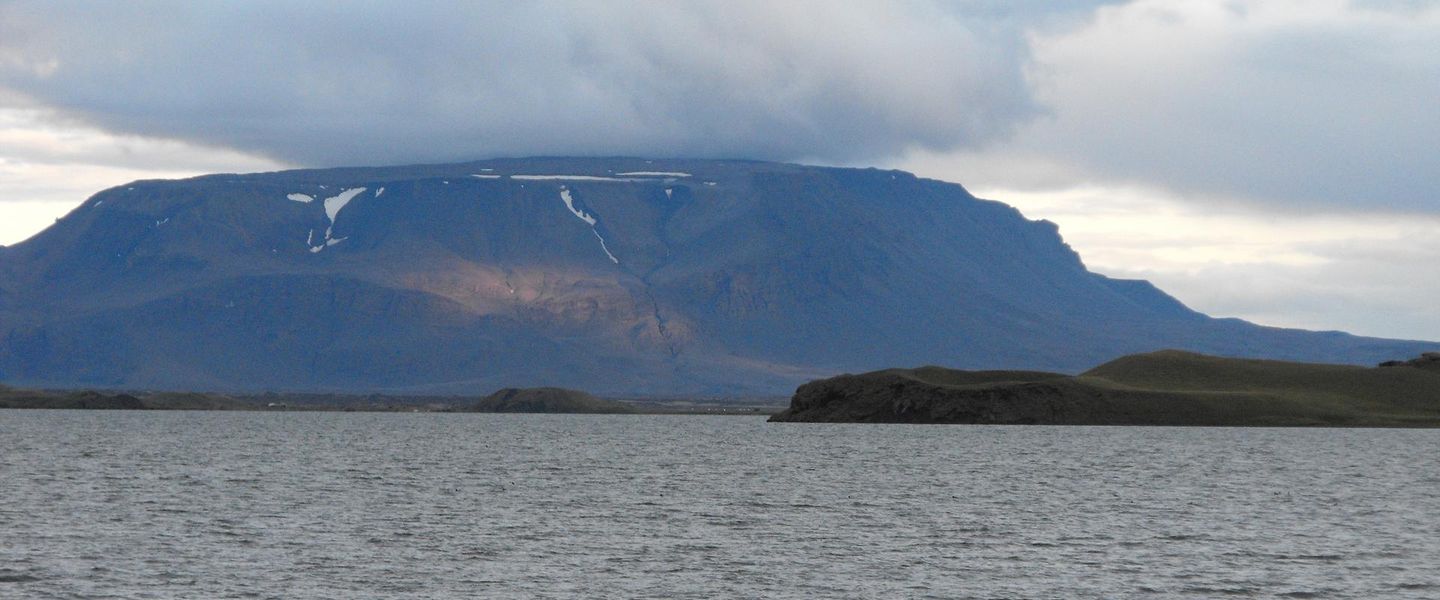


Explore Northeastern Iceland for volcanic landscapes, Arctic coastlines, powerful waterfalls, whale watching and the highland roads around Mývatn.
Read more about Northeastern Region
When is the best time to visit Northeastern Region?
Best: June–August · 11–13°C| Month | High (°C) | Rainfall (mm) |
|---|---|---|
| January | 1 | 70 |
| February | 2 | 60 |
| March | 3 | 60 |
| April | 5 | 50 |
| May | 8 | 40 |
| June (best) | 11 | 30 |
| July (best) | 13 | 30 |
| August (best) | 13 | 30 |
| September | 10 | 40 |
| October | 7 | 50 |
| November | 4 | 60 |
| December | 2 | 70 |
Getting to and around Northeastern Region
How to get there
Transportation
Top city travel guides in Northeastern Region
The cities of Northeastern Region, and the easiest places to base yourself.
-

-

-

-

-

-


Swipe for more cities
Destinations in Northeastern Region
Resorts, valleys and scenic spots worth a trip of their own.
-

-

-

-

-

-


Swipe for more destinations
Best attractions in Northeastern Region
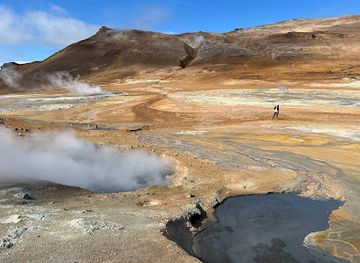
Northeastern Iceland’s attractions are dominated by geology, water and wildlife. Around Lake Mývatn, visitors can combine the pseudocraters of Skútustaðagígar with the lava pillars and caves of Dimmuborgir, the broad crater of Hverfjall and the steaming ground of Námafjall and Krafla. The region’s volcanic sites are close enough to connect in a day, although marked paths and care around unstable or hot ground are essential. Húsavík provides access to whale-watching on Skjálfandi Bay, while Akureyri offers museums, cultural venues, gardens and fjord excursions. East of Mývatn, the Jökulsárgljúfur area contains the powerful Dettifoss, the horseshoe canyon of Ásbyrgi and walking routes through a landscape carved by glacial floods. Goðafoss is an accessible waterfall beside the northern road and has historic associations with Iceland’s conversion to Christianity. Farther east, Vopnafjörður and Þórshöfn offer coastal scenery, birdlife and quieter village experiences. Highland routes towards Askja and other interior landscapes are seasonal, demanding and dependent on current road conditions rather than ordinary sightseeing itineraries.
-
Tourist attraction
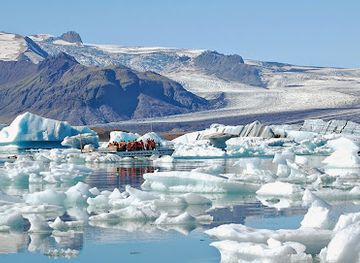
Jökulsárlón Glacier Lagoon Boat Tours and Cafe
Discover the breathtaking beauty of Jökulsárlón Glacier Lagoon, a mesmerizing blend of icebergs and stunning landscapes in Iceland.
-
Tourist attraction
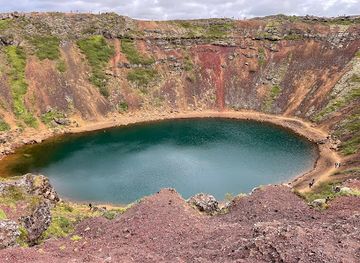
Kerid Crater
Explore the stunning Kerid Crater, a natural wonder in Iceland featuring vibrant colors and breathtaking views for an unforgettable experience.
-
 Natural history museum
Perlan
Discover the wonders of Iceland's natural history at Perlan, Reykjavik's premier museum with breathtaking views, exhibitions, and culinary delights.
-
Tourist attraction
Hverir
Explore the breathtaking geothermal landscapes of Hverir, a unique attraction in Iceland with bubbling mud pots and steaming fumaroles.

Best landmarks in Northeastern Region
Goðafoss is one of the Northeast’s most recognisable landmarks, a broad horseshoe-shaped waterfall whose name and surrounding traditions connect the site with Iceland’s adoption of Christianity. Around Lake Mývatn, the dark volcanic formations of Dimmuborgir and the near-circular Hverfjall crater create an unusually legible record of eruptions and lava fields. Krafla’s Víti crater and surrounding fissures belong to an active volcanic system, where recent lava and steaming ground make Iceland’s tectonic setting visible at close range. In the Jökulsárgljúfur landscape, Dettifoss stands within a vast glacial river canyon, while Ásbyrgi forms a monumental horseshoe-shaped depression surrounded by cliffs and birch woodland. Akureyri’s historic centre and hillside church are important civic landmarks in the region’s principal town, while Húsavík’s harbour and wooden townscape express its long maritime connection. The remote formations of the northeastern coast and the highland horizons beyond Mývatn complete a landmark landscape in which natural features are generally more dominant than monumental architecture.
-
Natural history museum
Perlan
Explore the wonders of nature and history at Perlan in Reykjavik, where stunning views, interactive exhibits, and cultural experiences await every visitor.
-
Sculpture
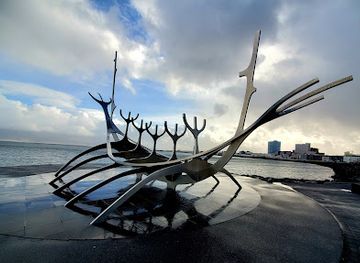
Sun Voyager
Explore the iconic Sun Voyager in Reykjavik, a stunning sculpture symbolizing adventure and exploration amidst breathtaking landscapes.
-
Tourist attraction
Hverir
Discover the mesmerizing geothermal wonders of Hverir, a must-see attraction in Iceland showcasing vibrant colors and dynamic landscapes.
-
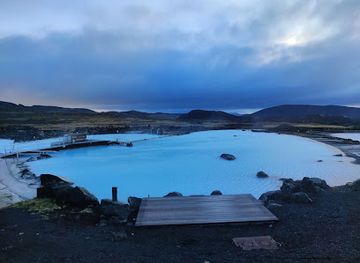
Thermal baths
Mývatn Nature Baths
Discover the soothing thermal waters of Mývatn Nature Baths, set in Iceland's breathtaking landscapes, and enjoy a unique natural bathing experience.
Explore Northeastern Region on the map
Plan your trip on one map. See where the top cities, national parks and sights are, and book hotels and experiences in a few clicks.
Best hotels in Northeastern Region
Best restaurants in Northeastern Region
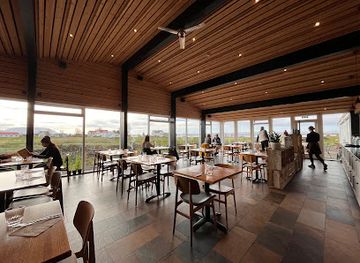
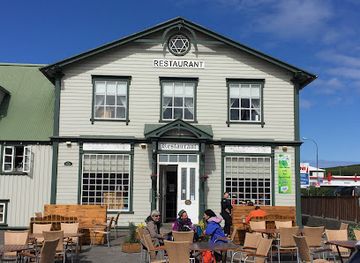
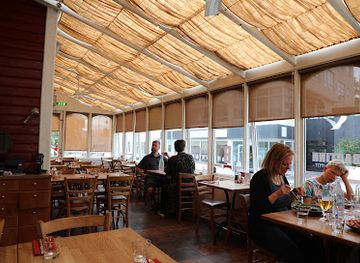
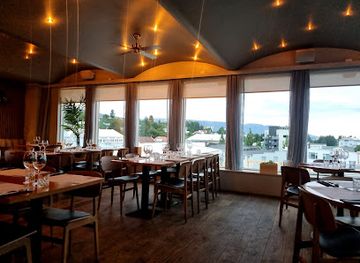
Dining in Northeastern Iceland combines contemporary Icelandic cooking with the practical food traditions of fishing and farming communities. Akureyri has the region’s broadest choice of restaurants, cafés, bakeries and bars, with menus that may feature local fish, lamb, dairy produce, root vegetables and seasonal ingredients. Húsavík’s harbour setting supports a strong seafood identity, while the Mývatn district is known for local specialities including hverabrauð, a dark rye bread traditionally baked using geothermal heat, and trout from the lake area. Rural inns, guesthouses and farm-based businesses often provide straightforward meals suited to travellers on the road, though choices become more limited away from the main towns. Look for Icelandic pastries, skyr and locally produced beer alongside more international food. Farmers’ shops and small service stations can be useful for picnic supplies, particularly before heading towards Ásbyrgi, Dettifoss or remote coastal roads, where restaurants and supermarkets are widely spaced.
-
Restaurant
Vogafjós Farm Resort
Discover culinary delights at Vogafjós Farm Resort near Lake Myvatn—enjoy fresh Icelandic cuisine amidst breathtaking landscapes.
-
Restaurant
Salka Restaurant
Experience authentic Icelandic cuisine at Salka Restaurant in Húsavík – where fresh ingredients meet stunning views.
-
Restaurant
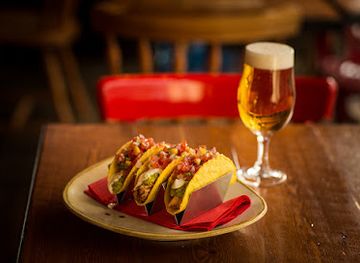
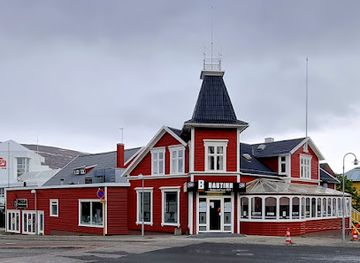
Bautinn Restaurant
Discover the culinary delights at Bautinn Restaurant in Akureyri - where local flavors meet international cuisine.
-
Gastropub
Strikið
Experience the best of Scandinavian and sushi cuisine at Strikið, Akureyri's top gastropub with stunning views.
Best bars in Northeastern Region
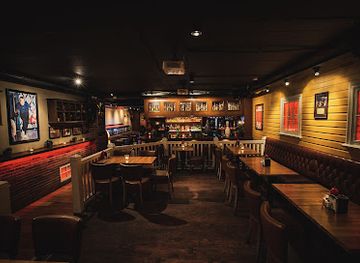
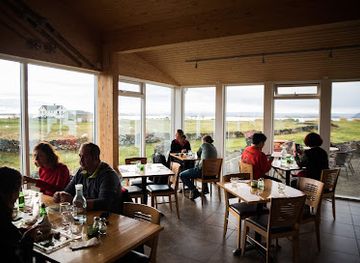
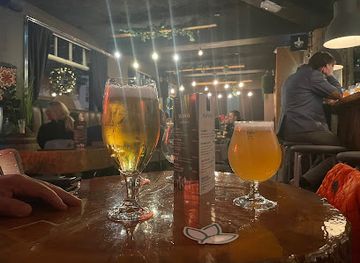
Evening life in Northeastern Iceland is concentrated in Akureyri, Húsavík and the larger settlements rather than spread across a dense club scene. Akureyri has the region’s widest selection of pubs, bars, cafés and occasional live-music venues, with activity often strongest at weekends and during the brighter summer season. Húsavík’s evening atmosphere is more closely tied to restaurants, harbour-side hospitality and small local bars. Around Lake Mývatn, guesthouse dining, hotel lounges and geothermal bathing are generally more characteristic than late-night entertainment. Rural villages such as Þórshöfn and Vopnafjörður have a modest social scene based on local pubs and community events, and opening arrangements can vary. Craft beer and Icelandic spirits appear in several urban venues, but visitors should not expect a major nightclub circuit outside Akureyri. In winter, aurora excursions and quiet meals often form a more realistic evening programme than late-night sightseeing.
-
Bar
Lebowski Bar
Dive into the quirky charm of the Lebowski Bar in Reykjavík, where themed decor and an extensive drink menu create a memorable nightlife experience.
-
Restaurant
Vogafjós Farm Resort
Discover the charm of Vogafjós Farm Resort, a unique restaurant and guesthouse offering delicious farm-to-table cuisine and stunning views in Myvatn, Iceland.
-
Bar
Akureyri Backpackers
Experience the heart of Akureyri at Akureyri Backpackers, where comfort meets vibrant nightlife in a charming Icelandic setting.
-
Restaurant
Bautinn Restaurant
Experience authentic Icelandic cuisine at Bautinn Restaurant in Akureyri, where local flavors meet warm hospitality.
Best nightclubs in Northeastern Region
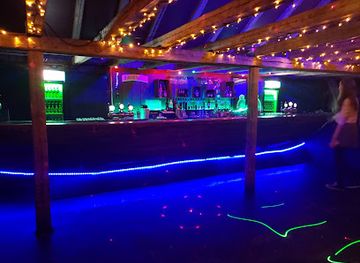
Evening life in Northeastern Iceland is concentrated in Akureyri, Húsavík and the larger settlements rather than spread across a dense club scene. Akureyri has the region’s widest selection of pubs, bars, cafés and occasional live-music venues, with activity often strongest at weekends and during the brighter summer season. Húsavík’s evening atmosphere is more closely tied to restaurants, harbour-side hospitality and small local bars. Around Lake Mývatn, guesthouse dining, hotel lounges and geothermal bathing are generally more characteristic than late-night entertainment. Rural villages such as Þórshöfn and Vopnafjörður have a modest social scene based on local pubs and community events, and opening arrangements can vary. Craft beer and Icelandic spirits appear in several urban venues, but visitors should not expect a major nightclub circuit outside Akureyri. In winter, aurora excursions and quiet meals often form a more realistic evening programme than late-night sightseeing.
-
Bar
R5 Micro Bar
Experience the lively atmosphere of R5 Micro Bar in Akureyri, where craft drinks and local charm create unforgettable nights.
-
Pub
Ölstofa Akureyrar - Local Beer
Experience local beer culture at Ölstofa Akureyrar, Akureyri's inviting pub with a diverse selection of Icelandic brews in a cozy atmosphere.
-
Bar
Götubarinn
Discover the lively ambiance of Götubarinn in Akureyri, where local brews and creative cocktails bring the nightlife to life.
-
Club
Paloma Club
Discover the electric nightlife of Reykjavík at Paloma Club, where house music and vibrant energy create unforgettable nights out in Iceland's capital.


Best shops in Northeastern Region
Akureyri is Northeastern Iceland’s principal shopping centre, with an established high street, independent boutiques, bookshops, cafés, galleries and practical outdoor retailers. Húsavík offers a smaller selection of shops and visitor-oriented businesses around its harbour and central streets, while Mývatn is better suited to buying local food, woollen goods and regional souvenirs than to extended retail browsing. Across the region, look for Icelandic wool knitwear, weatherproof outdoor clothing, ceramics, jewellery, books and small works by local artists. Farm shops and food producers may sell rye bread, preserves, dried fish, chocolate, skyr-based products and locally made drinks, subject to seasonal availability. Village shops often serve daily needs rather than functioning as dedicated craft markets, so do not expect consistent opening arrangements in remote districts. Buying from established businesses and respecting restrictions on collecting stones, lava or other natural material helps protect the volcanic landscapes that define the region.
-
Gift shop
Christmas House
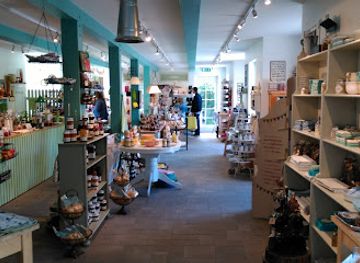
Experience the magic of Christmas year-round at Christmas House, a unique gift shop in Akureyri filled with enchanting decorations and Icelandic treasures.
-
National park
Gljúfrastofa - Ásbyrgi Visitor Centre
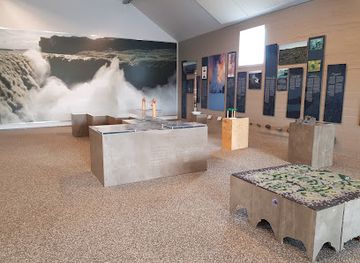
Experience the breathtaking beauty of Iceland at Gljúfrastofa - Ásbyrgi Visitor Centre, an essential stop for nature lovers and adventure seekers.
-
Gift shop
Penninn Eymundsson Akureyri
Explore the essence of Iceland at Penninn Eymundsson Akureyri, a unique destination for books, crafts, and authentic local gifts.
-
Mountain cabin
Dreki
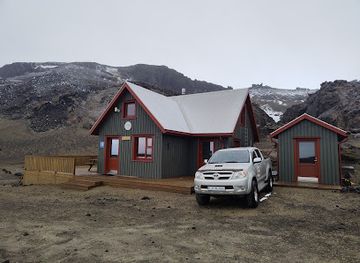
Experience the breathtaking wilderness at Dreki Mountain Cabin, the perfect retreat for adventurers and nature lovers alike in Iceland.
Get your free copy of our complete guide to Northeastern Region, delivered straight to you.
Everything on this page, from attractions and restaurants to essentials and local phrases, in one PDF you can read offline, print or share.
Already have an account? Sign in
Your Northeastern Region guide is ready.
We'll send it to · Not you? Sign out

Getting your guide ready…
We are putting together a fresh copy of the Northeastern Region guide. This can take up to a minute.
This can take a few moments. If your browser asks, choose Allow so the download can start. You'll find the guide in your Downloads folder.
Nothing happened? Download it again
Sorry, the guide is taking longer than usual. Please try again in a minute, or get it by email instead.
Northeastern Region essentials
Currency and Payment
Safety
Emergency Situations
Do's and Don'ts
Local Tips
From Eve
Local phrases worth knowing
You don't need to get them perfect. A few words go a long way, and locals appreciate the effort.
Basics
| English | Local | Say it |
|---|---|---|
| Hello | Hallo | [hahl-oh] |
| Goodbye | Bless | [bles] |
| Yes | Já | [yow] |
| No | Nei | [nay] |
| Please/You're welcome | Vinsamlegast | [veen-sahm-lay-gahst] |
| Thank you | Takk | [tahk] |
| Excuse me/Sorry | Fyrirgefðu | [feer-eer-geh-thoo] |
| How are you? | Hvernig hefurðu það? | [khver-nig heh-vur-thoo thah] |
| Fine. And you? | Gott. Og þú? | [got. og thoo] |
| Do you speak English? | Talarðu enska? | [ta-lar-thoo eng-ska] |
| I don't understand | Ég skil ekki | [yeh skeel eh-kee] |
Eating & Drinking
| English | Local | Say it |
|---|---|---|
| I'd like to see the menu, please | Ég myndi vilja sjá matseðilinn, takk | [yeh min-dih vil-yah syaw maht-seh-dil-lin, tahk] |
| I don't eat meat | Ég borða ekki kjöt | [yeh bor-thah eh-kee kyot] |
| Cheers! | Skál! | [skawl] |
| I would like to pay, please | Ég myndi vilja borga, takk | [yeh min-dih vil-yah bor-gah, tahk] |
Emergencies
| English | Local | Say it |
|---|---|---|
| Help! | Aðstoð! | [ahd-stohth] |
| Go away! | Farðu í burtu! | [far-thoo ee bur-too] |
| Call the Police! | Hringdu í lögregluna! | [hring-thoo ee lur-greh-lun-ah] |
| Call a doctor! | Hringdu í lækni! | [hring-thoo ee lai-knee] |
| I'm lost | Ég er týndur | [yeh er teen-dur] |
| I'm ill | Ég er veikur | [yeh er vay-kur] |
Shopping
| English | Local | Say it |
|---|---|---|
| I'd like to buy... | Ég myndi vilja kaupa... | [yeh min-dih vil-yah koy-pah] |
| I'm just looking | Ég er bara að skoða | [yeh er bah-rah ahd skoh-thah] |
| How much is it? | Hvað kostar þetta? | [khvath koh-star thah-tah] |
| That's too expensive | Þetta er of dýrt | [thah-tah er ohv deer-t] |
| Can you lower the price? | Geturðu lækkað verðið? | [geh-tur-thoo lai-kahd ver-thith] |
Time & Numbers
| English | Local | Say it |
|---|---|---|
| What time is it? | Hvað er klukkan? | [khvath er kloo-kahn] |
| It's one o'clock | Hún er eitt | [hoon er eyt] |
| Half past (10) | Hálf (10) | [halv (10)] |
| Morning | Morgunn | [mor-gunn] |
| Afternoon | Eftir hádegi | [ef-ter hau-dey] |
| Evening | Kvöld | [kvelld] |
| Yesterday | Í gær | [ee gyer] |
| Today | Í dag | [ee dahg] |
| Tomorrow | Á morgun | [ow mor-gun] |
| 1 | 1 | [1] |
| 2 | 2 | [2] |
| 3 | 3 | [3] |
| 4 | 4 | [4] |
| 5 | 5 | [5] |
| 6 | 6 | [6] |
| 7 | 7 | [7] |
| 8 | 8 | [8] |
| 9 | 9 | [9] |
| 10 | 10 | [10] |
Transport & Directions
| English | Local | Say it |
|---|---|---|
| Where's a/the...? | Hvar er ...? | [kvar er ...?] |
| What's the address? | Hvað er heimilisfangið? | [khvath er hey-mi-lis-fahng-id?] |
| Can you show me (on the map)? | Geturðu sýnt mér (á kortinu)? | [geh-tur-thoo seent myair (ow kor-ti-nu)?] |
| When's the next (bus)? | Hvenær fer næsta (strætó)? | [kven-air fair nigh-stah (strai-toh)?] |
| A ticket (to ...) | Farðaskipti (til ...) | [far-thah-skip-ti (til ...)] |
History of Northeastern Region
Settlement and Early Farming
Norse settlement reached northern Iceland during the late ninth and early tenth centuries, and farms developed around the fertile shores of Eyjafjörður, Skjálfandi Bay and Lake Mývatn. The region’s rivers, grazing land and sheltered coastal inlets supported farming, fishing and seasonal travel. Early communities were connected by sea routes and difficult overland tracks rather than modern roads. Many place names and farm landscapes still preserve evidence of this settlement pattern, while the archaeological remains around Mývatn help illustrate how people adapted to a volcanic environment whose resources and hazards were closely intertwined.
The Alþingi and the Conversion of Iceland
Northeastern Iceland has an important place in Iceland’s early political and religious history. The Goðafoss area is associated with Þorgeir Ljósvetningagoði, the lawspeaker who, according to the medieval Icelandic sagas, played a central role in the decision to adopt Christianity around the year 1000. The waterfall’s name, commonly translated as Waterfall of the Gods, reflects the later tradition that pagan images were cast into the falls after the decision. The episode belongs to Iceland’s wider national history, but its landscape and memory remain particularly visible in the Northeast.
Medieval Sagas and Church Influence
During the medieval period, northern Iceland was shaped by powerful farming families, church estates and the networks described in the Icelandic sagas. Eyjafjörður and the districts around Mývatn were productive agricultural areas, while coastal routes connected farms and trading communities. Christianity brought churches, ecclesiastical administration and new forms of record-keeping to rural society. Although many medieval buildings have disappeared, saga traditions, historic farm sites and parish landscapes continue to provide a cultural framework for understanding the region’s settlement history.
Fishing, Trade and Coastal Communities
The northeast’s coastal settlements developed through a combination of fishing, small-scale farming and trade. Húsavík grew around its harbour on Skjálfandi Bay, while Vopnafjörður and Þórshöfn became important local centres for communities along the more exposed northeastern coast. Sea conditions, seasonal fishing and access to markets strongly influenced local life. Older harbour buildings, fish-processing facilities and maritime collections help explain the region’s economic history, in which the sea was both a source of food and a demanding route of communication.
Akureyri and the Growth of Northern Commerce
Akureyri expanded as a commercial and administrative centre on Eyjafjörður, particularly from the eighteenth and nineteenth centuries onwards. Its sheltered position, agricultural hinterland and harbour encouraged trade, services and later industrial development. The town became an important base for northern education, culture and transport, while its distinctive residential streets record phases of growth from nineteenth-century commerce to twentieth-century modernisation. Akureyri’s present role as the Northeast’s largest town is rooted in this long relationship between fjord shipping, rural production and regional administration.
Volcanic Eruptions and Modern Scientific Landscapes
The Krafla volcanic system experienced a major period of activity between 1975 and 1984, producing rifting events, lava flows and ground deformation near Lake Mývatn. The episode affected local infrastructure and became an important modern example of Iceland’s active plate boundary. Geothermal energy development followed, adding power stations and scientific monitoring to a landscape already marked by craters, fissures and steaming ground. Today, the Krafla area demonstrates how tourism, energy production, scientific research and everyday life coexist within an active volcanic environment.
From Remote Roads to a Tourism Economy
Improved roads, domestic aviation and changing patterns of travel gradually connected northeastern Iceland more closely with the rest of the country. Tourism grew around whale watching in Húsavík, the volcanic scenery of Mývatn, Goðafoss, Dettifoss and Ásbyrgi, as well as winter aurora trips and outdoor recreation. This development has brought new accommodation and services but has also increased pressure on fragile vegetation, geothermal areas and popular viewpoints. The modern Northeast therefore reflects both long-established rural communities and an expanding visitor economy based on geology, wildlife and dramatic landscapes.
Northeastern Region in Photos
Browse through our photo collection highlighting the charm and character of the destination.
Neighbouring regions of Northeastern Region
The closest regions to Northeastern Region, if you have time for more than one.
-

-

-
-

-


Swipe for more regions
Explore more

Explore more of Iceland
Discover Iceland, where glaciers meet volcanoes, Northern Lights dance in the skies, and natural wonders await at every turn.
Explore Iceland