

Free Northwestern Region Travel Guide & Mobile App
Explore Northwestern Region with free travel guides. Discover regional history, expert tips, proposed trips, and audio guides on web or mobile app.


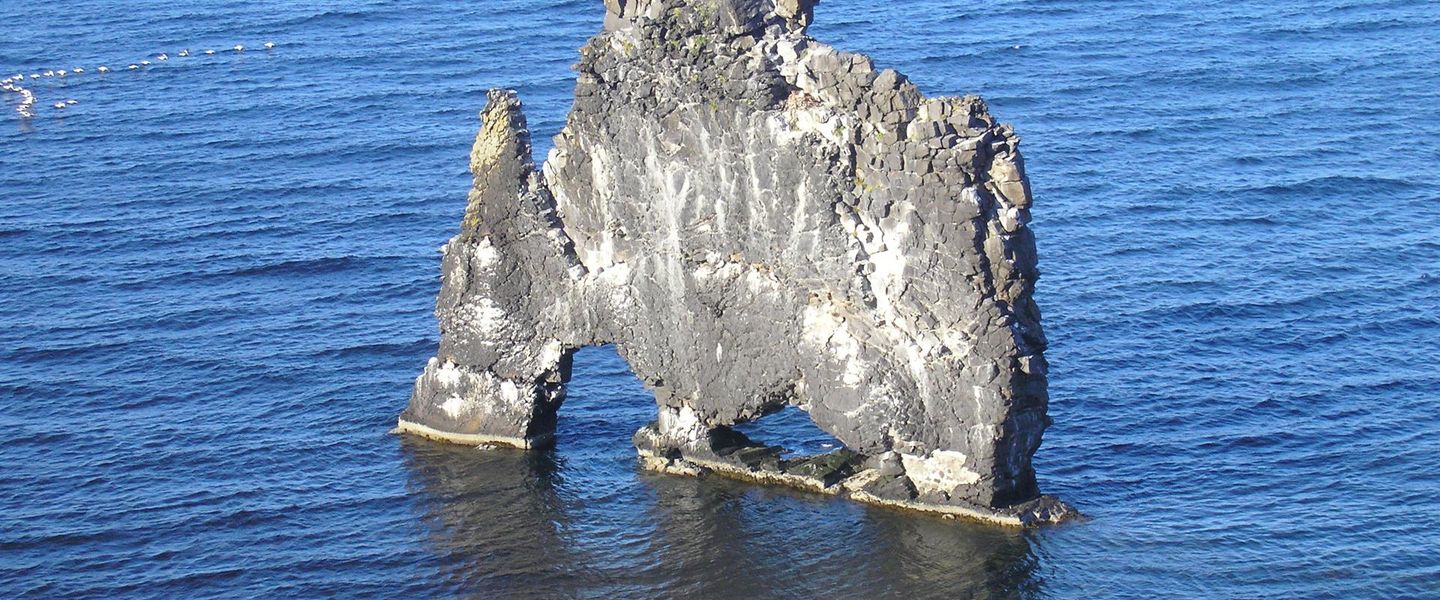


Explore Northwestern Iceland for saga heritage, turf farms, seal-watching shores, horse country and the fjord landscapes of Skagafjörður.
Read more about Northwestern Region
When is the best time to visit Northwestern Region?
Best: June–August · 12–14°C| Month | High (°C) | Rainfall (mm) |
|---|---|---|
| January | 3 | 90 |
| February | 3 | 80 |
| March | 4 | 80 |
| April | 6 | 70 |
| May | 9 | 60 |
| June (best) | 12 | 50 |
| July (best) | 14 | 50 |
| August (best) | 14 | 60 |
| September | 11 | 70 |
| October | 7 | 80 |
| November | 4 | 90 |
| December | 3 | 100 |
Getting to and around Northwestern Region
How to get there
Transportation
Top city travel guides in Northwestern Region
The cities of Northwestern Region, and the easiest places to base yourself.
-

-

-

-

-


Swipe for more cities
Destinations in Northwestern Region
Resorts, valleys and scenic spots worth a trip of their own.
-

-

-

-

-

-


Swipe for more destinations
Best attractions in Northwestern Region
Northwestern Iceland's attractions combine rural heritage, wildlife, dramatic coastlines and open landscapes rather than a concentration of large commercial visitor sites. Glaumbær is one of the region's most accessible introductions to traditional Icelandic architecture, with turf-covered farm buildings arranged around a central passage. Hólar offers a historic cathedral, archaeological context and a setting of considerable ecclesiastical importance, while Þingeyrar links its church and landscape with Iceland's medieval literary culture. On Vatnsnes Peninsula, visitors can look for seals along the coast and see the offshore sea stack Hvítserkur, subject to safe access and local conditions. Skagafjörður provides opportunities for horse riding, river and valley walks, and excursions towards Drangey when boat services operate. The region also includes ravines, bird-rich wetlands, rural museums and viewpoints across Húnaflói and the fjord. Attractions are widely dispersed, so the experience lies in combining selected sites with the journey through working farms, mountain valleys and small harbour communities.
-
National park
Vatnajökull National Park
-
Tourist attraction
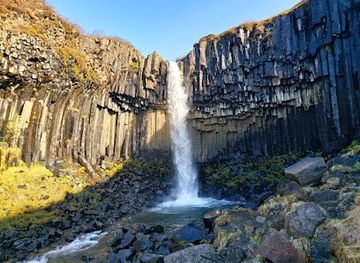
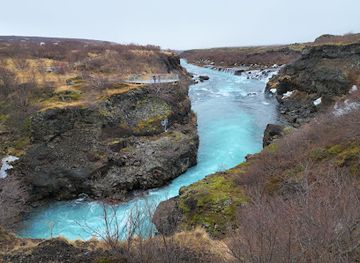
Barnafoss
Discover the stunning Barnafoss waterfall in Iceland, a natural wonder with mesmerizing cascades and rich folklore waiting to be explored.
-
Tourist attraction
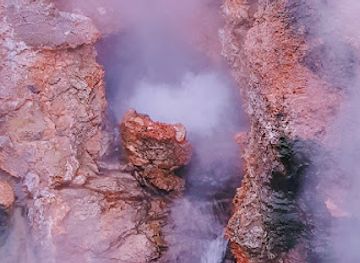
Deildartunguhver
Explore Deildartunguhver, Iceland's most powerful hot spring, and experience the breathtaking beauty of nature's geothermal wonders.
-
Museum
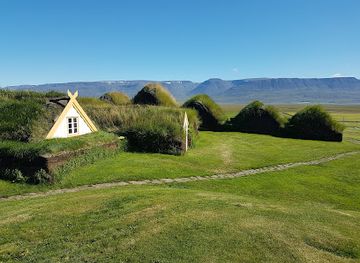
Glaumbær Farm & Museum
Explore Glaumbær Farm & Museum, an enchanting destination showcasing Iceland's rich rural heritage through traditional turf houses and captivating exhibits.
Best landmarks in Northwestern Region
Hvítserkur, the tall basalt sea stack off Vatnsnes Peninsula, is Northwestern Iceland's most recognisable coastal landmark, shaped by erosion and viewed from the shore or nearby viewpoints. The historic farm buildings at Glaumbær are equally distinctive, their turf roofs illustrating how Icelanders adapted local materials to a harsh climate. Hólar Cathedral and its surrounding historic site mark the former centre of the northern bishopric and remain important symbols of Iceland's religious and educational past. Þingeyrar church stands on a low landscape associated with the medieval monastery and manuscript culture. In Skagafjörður, the island and cliffs of Drangey form a striking natural landmark and a strong presence in local saga tradition, while the wide waters of Húnaflói and the enclosing mountains of Skagafjörður provide the region's larger geographical frame. These places matter because they combine visual prominence with evidence of the landscapes, beliefs and stories that shaped northern Iceland.
-
Thermal baths
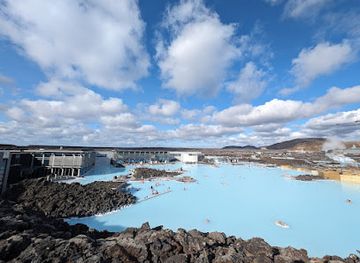
Blue Lagoon
Discover the serenity of Blue Lagoon, Iceland's premier thermal spa, where natural beauty meets rejuvenating experiences.
-
 Natural history museum
Perlan
Explore Iceland's natural history and enjoy panoramic views at Perlan, Reykjavik's iconic museum and cultural hub.
-
Sculpture
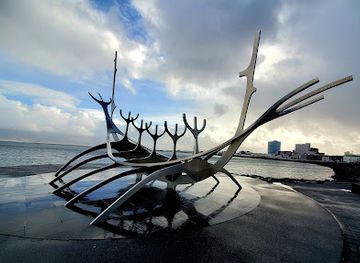
Sun Voyager
Discover the Sun Voyager in Reykjavik, an iconic sculpture celebrating Iceland's Viking heritage and stunning coastal views.
-
National park
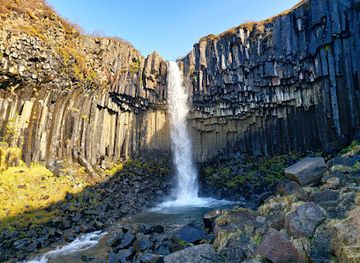
Vatnajökull National Park
Explore the stunning landscapes of Vatnajökull National Park, home to Europe's largest glacier and breathtaking waterfalls, ideal for nature lovers and adventurers alike.
Explore Northwestern Region on the map
Plan your trip on one map. See where the top cities, national parks and sights are, and book hotels and experiences in a few clicks.
Best hotels in Northwestern Region
Best restaurants in Northwestern Region
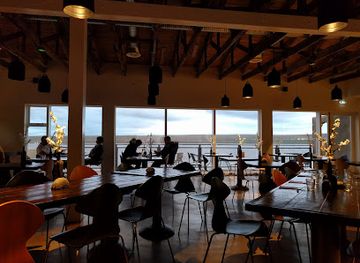
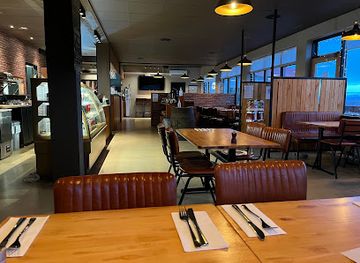
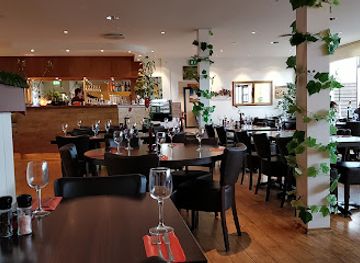
Dining in Northwestern Iceland reflects the region's fishing ports, sheep farms and dairy-producing valleys. Sauðárkrókur, Blönduós and Hvammstangi provide the broadest choice of cafés, restaurants and casual meals, while rural guesthouses and farm-based businesses add seasonal options outside the towns. Menus commonly draw on fish, lamb, potatoes, dairy products and bread, with local ingredients interpreted in both traditional and contemporary ways. Skyr, Iceland's cultured dairy product, is widely available nationally rather than being exclusive to this region, but it fits naturally into breakfasts and desserts here. Farm shops and markets may offer local meat, preserves, baked goods and other provisions, though opening arrangements vary. Visitors driving between settlements should plan meals in advance, particularly outside summer, and should not assume that every village has a restaurant or late food service.
-
Restaurant
Sjávarborg Restaurant
Experience exquisite seafood and traditional Icelandic flavors at Sjávarborg Restaurant in Hvammstangi.
-
Gastropub
Strikið
Discover culinary excellence at Strikið in Akureyri – where traditional Scandinavian flavors meet modern innovation amidst breathtaking views.
-
Restaurant
North West - Hotel & Restaurant
Experience authentic Icelandic cuisine and warm hospitality at North West Hotel & Restaurant in beautiful Hvammstangi.
-
Restaurant
B&S Restaurant
Experience authentic Icelandic cuisine at B&S Restaurant in Blönduós - where local flavors meet warm hospitality.

Best bars in Northwestern Region
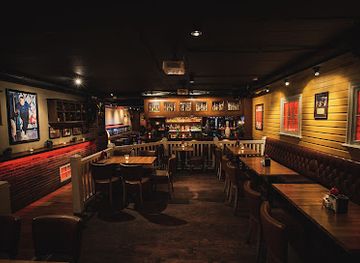
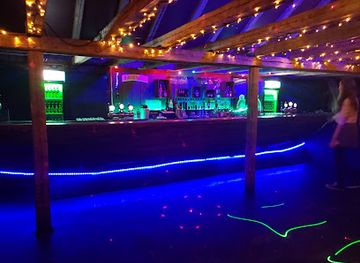
Evening life in Northwestern Iceland is modest and closely tied to the region's small-town scale. Sauðárkrókur has the widest choice of places for an evening drink or meal, while Blönduós and Hvammstangi offer quieter options centred on cafés, restaurants and local gathering places. Traditional pubs and hotel bars are more characteristic than a large nightclub scene, and some evenings may be seasonal or event-dependent. Live music and community events occasionally provide a livelier atmosphere, but schedules change and should be checked locally. In rural districts, the evening experience is more often a meal, conversation, a walk in the long summer light or time at a guesthouse than organised nightlife. Breweries and Icelandic spirits may appear on drinks lists, but alcohol is not central to experiencing the region's culture.
-
Bar
Lebowski Bar
Discover the quirky charm of Lebowski Bar in Reykjavík, where pop culture meets a vibrant nightlife filled with cocktails, comfort food, and good company.
-
Bar
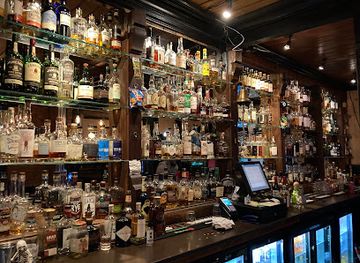
Dillon Whiskey Bar
Discover the lively atmosphere of Dillon Whiskey Bar, your go-to spot for whiskies, live music, and karaoke in the heart of Reykjavík.
-
Bar
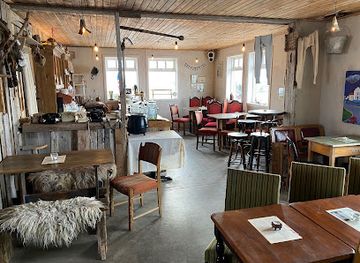
Gisli Eirikur Helgi Kaffihûs Bakkabrædra
Experience the warmth and charm of Gisli Eirikur Helgi Kaffihûs Bakkabrædra, a cozy café and bar in Dalvík that delights with its unique atmosphere and delicious offerings.
-
Bar
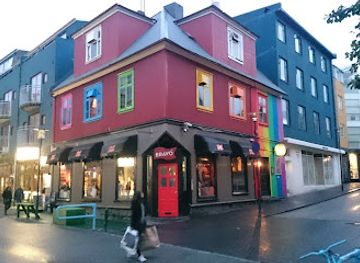
Bravó
Discover Bravó in Reykjavík, a lively bar offering cocktails, live music, and a unique atmosphere perfect for an unforgettable night out.
Best nightclubs in Northwestern Region
Evening life in Northwestern Iceland is modest and closely tied to the region's small-town scale. Sauðárkrókur has the widest choice of places for an evening drink or meal, while Blönduós and Hvammstangi offer quieter options centred on cafés, restaurants and local gathering places. Traditional pubs and hotel bars are more characteristic than a large nightclub scene, and some evenings may be seasonal or event-dependent. Live music and community events occasionally provide a livelier atmosphere, but schedules change and should be checked locally. In rural districts, the evening experience is more often a meal, conversation, a walk in the long summer light or time at a guesthouse than organised nightlife. Breweries and Icelandic spirits may appear on drinks lists, but alcohol is not central to experiencing the region's culture.
-
Bar
R5 Micro Bar
Experience the vibrant atmosphere and unique flavors of Akureyri at R5 Micro Bar, your go-to destination for craft drinks and local culture.
-
Bar
Götubarinn
Experience the vibrant nightlife of Akureyri at Götubarinn, where locals and travelers unite over drinks and laughter.
-
Club
Paloma Club
Discover the vibrant nightlife of Reykjavík at Paloma Club, where energetic music meets a welcoming atmosphere for unforgettable nights.
-
Night club
EXIT Nightclub
Dive into the lively nightlife at EXIT Nightclub, Reykjavík's premier club for unforgettable music, dancing, and vibrant atmosphere.


Best shops in Northwestern Region
Shopping in Northwestern Iceland is concentrated in the small service towns rather than in dedicated retail districts. Sauðárkrókur, Blönduós and Hvammstangi are useful for everyday supplies, books, outdoor equipment and locally made gifts, while rural museums, farm shops and visitor centres may stock more distinctive regional products. Look for Icelandic woollen goods, knitted clothing, handmade crafts, ceramics, preserves, baked products and food made from local agricultural or marine ingredients. Glaumbær and other heritage sites often provide context for traditional rural production, although their retail selections and opening arrangements vary by season. Farmers' markets and craft fairs may take place during the summer, but they are not necessarily available every day. Because distances between settlements are substantial, buy fuel, provisions and practical goods before making longer excursions into the peninsulas and valleys.
-
Gift shop
Christmas House
Explore the enchanting Christmas House in Akureyri, Iceland, a unique gift shop filled with festive treasures and local crafts.
-
Clothing store
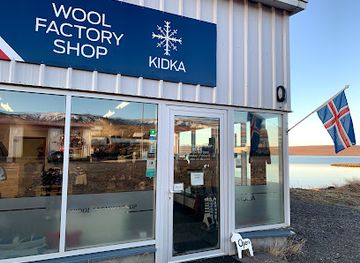
KIDKA Wool Factory Shop
Experience authentic Icelandic craftsmanship at KIDKA Wool Factory Shop in Hvammstangi, offering high-quality wool clothing and accessories.
-
Department store
The Viking
Discover the heart of Icelandic culture at The Viking, the ultimate department store and souvenir shop in Akureyri.
-
Jeweler
24Iceland
Explore 24Iceland, where exquisite jewelry meets Icelandic artistry, perfect for commemorating your unforgettable travels.

Get your free copy of our complete guide to Northwestern Region, delivered straight to you.
Everything on this page, from attractions and restaurants to essentials and local phrases, in one PDF you can read offline, print or share.
Already have an account? Sign in
Your Northwestern Region guide is ready.
We'll send it to · Not you? Sign out

Getting your guide ready…
We are putting together a fresh copy of the Northwestern Region guide. This can take up to a minute.
This can take a few moments. If your browser asks, choose Allow so the download can start. You'll find the guide in your Downloads folder.
Nothing happened? Download it again
Sorry, the guide is taking longer than usual. Please try again in a minute, or get it by email instead.
Northwestern Region essentials
Currency and Payment
Safety
Emergency Situations
Do's and Don'ts
Local Tips
From Eve
Local phrases worth knowing
You don't need to get them perfect. A few words go a long way, and locals appreciate the effort.
Basics
| English | Local | Say it |
|---|---|---|
| Hello | Halló | [hahl-oh] |
| Goodbye | Bless | [bles] |
| Yes | Já | [yow] |
| No | Nei | [nay] |
| Please/You're welcome | Vinsamlegast/Þú ert velkomin | [veen-sahm-leg-ast/thoo ert vel-koh-min] |
| Thank you | Takk | [tahk] |
| Excuse me/Sorry | Fyrirgefðu | [feer-ee-gev-thoo] |
| How are you? | Hvernig hefurðu það? | [kver-nig heh-vur-thoo thah] |
| Fine. And you? | Fínt. Og þú? | [feent. og thoo?] |
| Do you speak English? | Talarðu ensku? | [ta-lar-thoo en-skoo?] |
| I don't understand | Ég skil ekki | [yeh skihl eh-ki] |
Eating & Drinking
| English | Local | Say it |
|---|---|---|
| I'd like to see the menu, please | Mig langar að sjá matseðilinn, vinsamlegast | [mig lahn-gar ath syah maht-seh-dil-lin, veen-sahm-leg-ast] |
| I don't eat meat | Ég borða ekki kjöt | [yeh bor-thah eh-ki kyot] |
| Cheers! | Skál! | [skawl] |
| I would like to pay, please | Mig langar að borga, vinsamlegast | [mig lahn-gar ath bor-ga, veen-sahm-leg-ast] |
Emergencies
| English | Local | Say it |
|---|---|---|
| Help! | Aðstoð! | [aht-stoht] |
| Go away! | Farðu í burtu! | [far-thoo ee bur-too] |
| Call the Police! | Kallaðu á lögregluna! | [kah-lah-thoo ow lur-greg-lun-ah] |
| Call a doctor! | Kallaðu á lækninn! | [kah-lah-thoo ow liek-nin] |
| I'm lost | Ég er týndur | [yeh er teen-dur] |
| I'm ill | Ég er veikur | [yeh er vay-kur] |
Shopping
| English | Local | Say it |
|---|---|---|
| I'd like to buy... | Mig langar að kaupa... | [mig lahn-gar ath koy-pa...] |
| I'm just looking | Ég er bara að skoða | [yeh er bah-rah ath skoh-thah] |
| How much is it? | Hvað kostar það? | [kvaht koh-star thah?] |
| That's too expensive | Það er of dýrt | [thah er ohv deer-t] |
| Can you lower the price? | Geturðu lækkað verðið? | [geh-tur-thoo lie-kahth ver-thid?] |
Time & Numbers
| English | Local | Say it |
|---|---|---|
| What time is it? | Hvað er klukkan? | [kvaht er kluk-kahn?] |
| It's one o'clock | Hún er eitt | [hoon er ayt] |
| Half past (10) | Hálf eftir (10) | [halv eh-f-tir (10)] |
| Morning | Morgunn | [mor-gun] |
| Afternoon | Eftir hádegi | [ehf-tir hau-dey] |
| Evening | Kvöld | [kveld] |
| Yesterday | Í gær | [ee gyre] |
| Today | Í dag | [ee dahg] |
| Tomorrow | Á morgun | [ow mor-gun] |
| 1 | 1 | [1] |
| 2 | 2 | [2] |
| 3 | 3 | [3] |
| 4 | 4 | [4] |
| 5 | 5 | [5] |
| 6 | 6 | [6] |
| 7 | 7 | [7] |
| 8 | 8 | [8] |
| 9 | 9 | [9] |
| 10 | 10 | [10] |
Transport & Directions
| English | Local | Say it |
|---|---|---|
| Where's a/the...? | Hvar er ...? | [kvar er ...?] |
| What's the address? | Hvað er heimilisfangið? | [kvaht er hay-mil-is-fan-gid?] |
| Can you show me (on the map)? | Geturðu sýnt mér (á kortinu)? | [geh-tur-thoo seent myer (ow kort-in-oo)?] |
| When's the next (bus)? | Hvenær kemur næsti (strætó)? | [kve-nahr keh-mur nay-sti (strai-toh)?] |
| A ticket (to ....) | Miða (til ....) | [mee-thah (til ....)] |
History of Northwestern Region
Settlement and Early Farming
Northwestern Iceland was settled during the late ninth and early tenth centuries, when Norse settlers and people of mixed Norse and Gaelic background established farms along the fjords and fertile inland valleys. The region's rivers, grazing land and sheltered coastal inlets supported a farming economy that remained fundamental for centuries. Place names and farmsteads preserve traces of this early landscape, while archaeological remains and later saga traditions illuminate the social organisation of a largely rural society. The distribution of farms also explains the region's modern character: settlements remain relatively small and separated by broad agricultural country.
The Saga Age in Skagafjörður and Húnavatn
The valleys and fjords of the north-west appear prominently in Iceland's medieval family sagas, particularly narratives concerned with disputes, alliances and changing power among prominent farming families. Skagafjörður and the Húnavatn districts were politically significant because productive farms and regional assemblies connected local communities to the wider Icelandic Commonwealth. Saga locations are literary as well as historical, so modern visitors should not treat every detail as documentary fact; nevertheless, the landscape remains an important setting for understanding Iceland's medieval storytelling tradition.
Hólar and the Medieval Northern Diocese
Hólar became the seat of the northern bishopric in the eleventh century and developed into one of medieval Iceland's most important religious and educational centres. Bishops, clerics and students were connected with the wider Christian culture of Europe, while Hólar also helped preserve written learning in a remote island society. The present cathedral is later than the medieval diocese, but the site retains exceptional historical importance. Hólar's religious role declined after the Reformation, when Iceland adopted Lutheranism under the Danish crown, yet its association with learning and ecclesiastical authority remains visible.
Þingeyrar and Icelandic Literary Culture
Þingeyrar, near the shores of Húnaflói, was the site of a medieval monastery founded in the twelfth century, the first Benedictine monastery in Iceland. It became closely associated with manuscript production and the cultivation of literary learning, contributing to the intellectual environment in which Icelandic historical and saga writing developed. The monastery disappeared after the Reformation, but Þingeyrar church and the surrounding landscape preserve a tangible link with this period. Its importance lies less in surviving monastic buildings than in the role the site played in Iceland's written cultural heritage.
Trade, Fishing and Rural Economy
For much of the early modern period, Northwestern Iceland depended on a combination of livestock farming, seasonal fishing and coastal trade. Harbours such as Sauðárkrókur grew in importance as fishing became more commercial and improved transport connected rural producers with wider markets. Salted and dried fish, wool, hides and dairy products were traded alongside imported goods. The region did not develop the large industrial towns found in some other parts of Iceland, but its modern settlements, roads and harbour facilities reflect the gradual shift from subsistence farming towards an integrated fishing and agricultural economy.
Modern Transport and Regional Change
Improved roads and bridges transformed access to the north-west during the twentieth century, linking previously isolated farms and communities more closely with Reykjavík, Akureyri and national markets. Mechanisation reduced the labour demands of traditional farming, while fishing and public services became increasingly concentrated in towns such as Sauðárkrókur and Blönduós. More recently, tourism has added new economic opportunities through heritage sites, horse-related activities, wildlife watching and outdoor travel. The region's challenge is to welcome visitors while maintaining the working landscapes and small communities that give it its identity.
Northwestern Region in Photos
Browse through our photo collection highlighting the charm and character of the destination.
Neighbouring regions of Northwestern Region
The closest regions to Northwestern Region, if you have time for more than one.
-

-

-

-

-


Swipe for more regions
Explore more

Explore more of Iceland
Discover Iceland, where glaciers meet volcanoes, Northern Lights dance in the skies, and natural wonders await at every turn.
Explore Iceland