

Langjökull Glacier Travel Guide - Free Web & App
Your ultimate guide to Langjökull Glacier. Discover top landmarks, proposed trips, and local tips. Free on the web or via the Evendo companion app.


Langjökull Glacier in Iceland offers vast ice-cap scenery, guided snowmobile tours, Into the Glacier tunnels, highland roads and views near Gullfoss.
Ice Across the Western Highlands
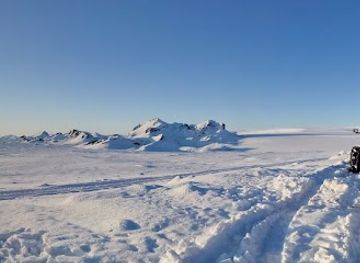
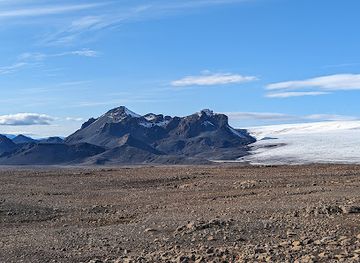
Langjökull is Iceland’s second-largest ice cap, occupying a broad highland plateau between the valleys of Borgarfjörður and the upper Hvítá river basin. Its white dome, fissured margins and long tongues of ice form a powerful contrast with the dark lava fields, volcanic ridges and gravel tracks of the surrounding interior. The glacier is not a single easily accessible viewpoint but an extensive, changing landscape whose character depends on weather, season and access conditions.Read more about Langjökull Glacier
Glacial Landscapes and Access
Water, Rock and Highland Heritage
When is the best time to visit Langjökull Glacier?
Best: June–August · 13–16°C| Month | High (°C) | Rainfall (mm) |
|---|---|---|
| January | -5 | 19 |
| February | -4 | 16 |
| March | -3 | 14 |
| April | 3 | 10 |
| May | 8 | 9 |
| June (best) | 13 | 7 |
| July (best) | 16 | 7 |
| August (best) | 16 | 7 |
| September | 11 | 7 |
| October | 5 | 10 |
| November | 0 | 13 |
| December | -3 | 15 |
Getting to and around Langjökull Glacier
How to get there
Transportation
Best attractions in Langjökull Glacier
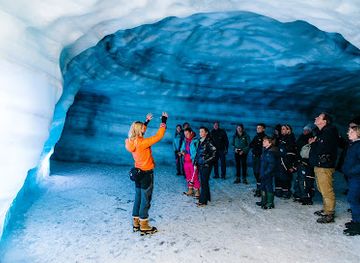
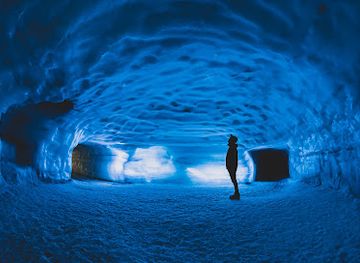
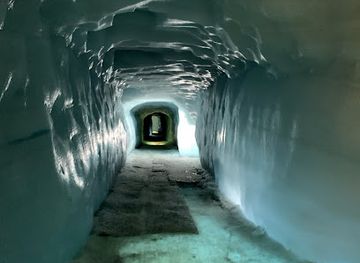
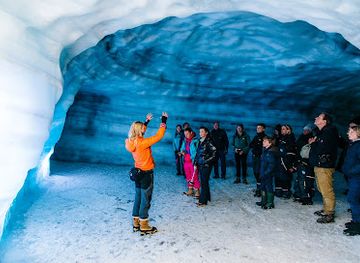
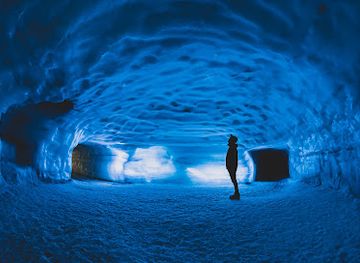
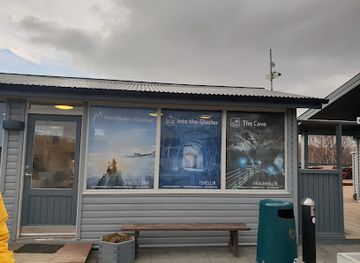
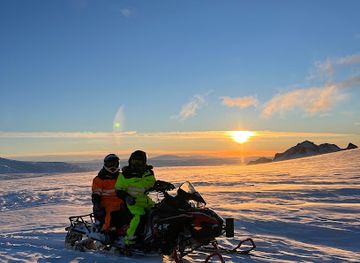
Langjökull’s principal attraction is the ice cap itself: a broad, high-altitude expanse of snow and blue ice viewed through guided journeys from the Gullfoss area, Húsafell and selected highland approaches. Into the Glacier provides passage through a purpose-built tunnel within the ice, offering a close look at layered ice and the internal structure of a glacier; access is organised and conditions may affect operations. Snowmobile trips and super-jeep excursions cross selected parts of the glacier plateau, combining the ice with views towards Iceland’s volcanic interior. Around the margins, meltwater landscapes connect the glacier with the Hvítá river and Gullfoss, while the Húsafell area offers birch woodland, lava formations and access to western highland scenery. The wider Borgarfjörður region also includes Hraunfossar and Barnafoss, which are nearby attractions rather than features of Langjökull itself. These contrasts between ice, lava, river and settled valley make the destination more varied than a single glacier viewpoint.
-
Nature preserve
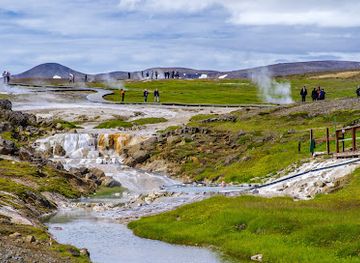
Hveravellir
Explore Hveravellir, Iceland's breathtaking nature preserve with geothermal springs and stunning landscapes – a must-visit for nature lovers.
-
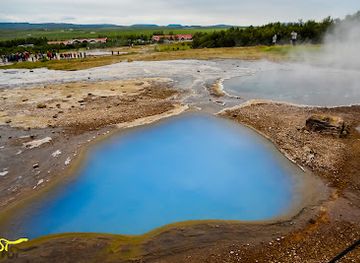
Blesi
Discover the breathtaking beauty of Blesi, a serene tourist attraction in Iceland offering stunning landscapes and peaceful surroundings.
-
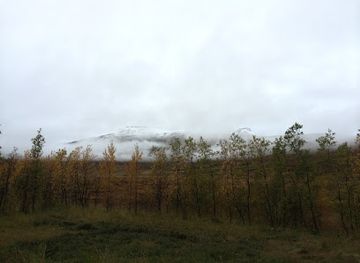
Haukadalsskógur Woods
Discover the enchanting Haukadalsskógur Woods, a serene national forest near Geysir, perfect for nature lovers and outdoor adventurers seeking tranquility.
-
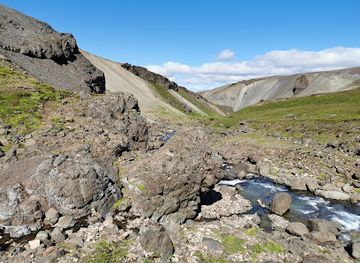
Selgil Hot Spring
Immerse yourself in the healing waters of Selgil Hot Spring, a serene Icelandic retreat offering stunning landscapes and natural relaxation.
Best landmarks in Langjökull Glacier
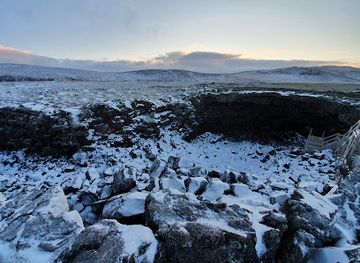
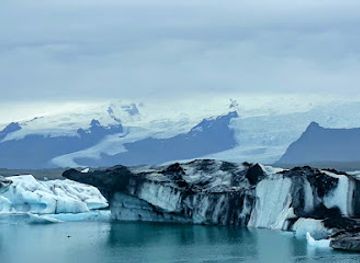
Langjökull itself is the defining natural landmark, an immense ice cap whose white surface rises above the volcanic highlands of western Iceland. Its outlet glaciers, crevassed margins and meltwater channels demonstrate the continuing movement of ice across a rugged substratum, although individual features can change with season and climate. The Hvítá river is another important geographical landmark because it carries water from the highlands towards the lowlands and forms Gullfoss, one of Iceland’s best-known waterfalls, outside the glacier’s immediate area. The Into the Glacier tunnel is a significant modern visitor landmark cut into the ice rather than a natural cave. Around Húsafell, lava fields, birch woodland and historic rural landscapes create a contrasting setting below the ice cap. The Kjölur highland corridor, including the F35 route, is also central to the region’s identity as a passage between Iceland’s settled south and north.
-
Tour operator
The Cave Vidgelmir
Explore The Cave Vidgelmir, Iceland's magnificent lava cave, featuring stunning formations and a rich geological history that captivates every visitor.
-
Tour operator
Into the Glacier
Discover the stunning beauty of Iceland's glaciers with Into the Glacier, offering unforgettable tours of ice caves and breathtaking landscapes.
-
Tour operator
Langjökull Klaki Basecamp
Discover the breathtaking ice formations and adventure tours at Langjökull Klaki Basecamp, a must-visit destination for Iceland travelers seeking natural beauty.
-
Ice
Langjökull
Explore the breathtaking beauty of Langjökull Glacier, Iceland’s second-largest glacier, and experience unforgettable adventures in a stunning icy landscape.
Explore Langjökull Glacier on the map
Plan your trip on one map. See where the top attractions, landmarks, restaurants and hotels are, and book hotels and experiences in a few clicks.
Best hotels in Langjökull Glacier
Best restaurants in Langjökull Glacier
There is no restaurant district on Langjökull, and food is normally arranged before or after a glacier excursion. Húsafell and nearby settlements in Borgarfjörður provide the most relevant western-area options, while the Gullfoss and broader Golden Circle area offers cafés, hotel dining and visitor-oriented meals along the southern approach. Menus in the region commonly draw on Icelandic ingredients such as lamb, dairy produce, potatoes, rye bread and locally sourced fish, although the precise offer varies by establishment and season. Farm shops and small rural food outlets may also appear along the approach roads, but facilities are dispersed rather than continuous. Visitors travelling into the highlands should carry suitable provisions and not assume that a remote track or excursion base will have a café. Dining in the gateway areas is best treated as part of planning a full day around the glacier.
-
Restaurant
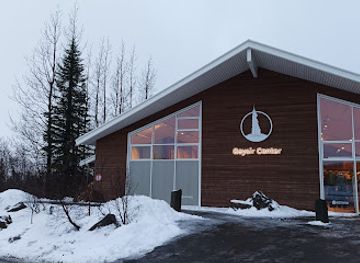
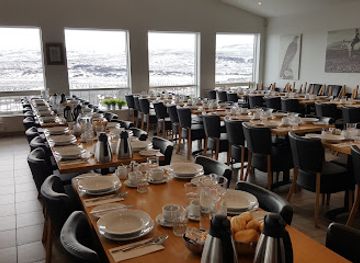
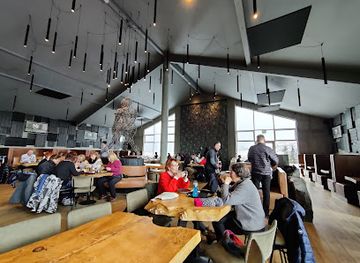
Geysir Centre
Discover exceptional dining at Geysir Centre while surrounded by Iceland's stunning geothermal wonders.
-
Restaurant
Gullfoss - Panorama Restaurant - Cafe - Shop
Experience exquisite dining at Gullfoss Panorama Restaurant with breathtaking views and authentic Icelandic flavors in every dish.
-
Restaurant
Geysir Glima restaurant
Experience exquisite dining at Geysir Glima restaurant near the iconic Geysir geothermal area – savor authentic Icelandic flavors in breathtaking surroundings.
-
Restaurant
Hraunfossar Restaurant - cafe
Experience authentic Icelandic cuisine at Hraunfossar Restaurant near breathtaking waterfalls, blending delicious flavors with stunning natural beauty.

Best bars in Langjökull Glacier
Langjökull has no nightlife infrastructure, and evenings are generally quiet once organised excursions have returned to their gateway accommodation. Húsafell and rural Borgarfjörður offer the atmosphere of country lodging, cafés and occasional pub-style hospitality rather than a concentration of bars or clubs. Visitors approaching from the south may find more evening choice in accommodation areas around the Golden Circle, but these remain dispersed rural locations rather than nightlife districts. Evening appeal here comes from long summer daylight, dark skies, weather moving across the highlands and the subdued atmosphere of an isolated landscape. Alcohol is available through Iceland’s regulated retail system and licensed venues, but remote visitors should plan transport responsibly and avoid expecting late services near the glacier.
-
Tour operator
Langjökull Klaki Basecamp
Discover the breathtaking beauty and adventure of Langjökull Klaki Basecamp, where Iceland’s glacier landscapes await your exploration.
-
Restaurant
Hraunfossar Restaurant - cafe
Discover the flavors of Iceland at Hraunfossar Restaurant, where traditional cuisine meets stunning landscapes and local souvenirs.
-
Bistro
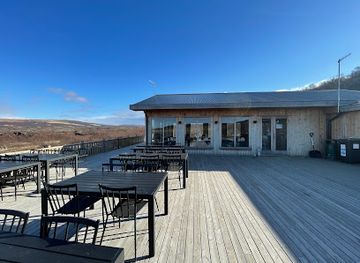
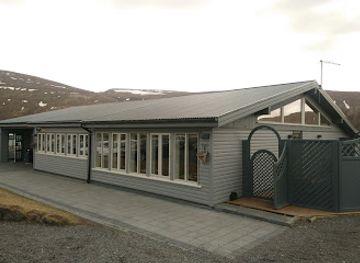
Húsafell Bistró
Discover the flavors of Iceland at Húsafell Bistró, where local ingredients and stunning landscapes create an unforgettable dining experience.
-
Bar
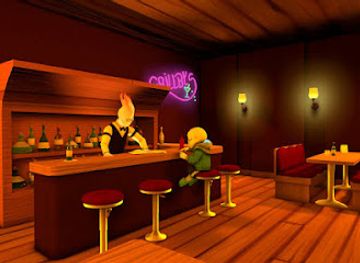
Grillby’s
Discover Grillby’s – a vibrant bar offering unique drinks and a quirky atmosphere that captures the local culture and charm.
Best nightclubs in Langjökull Glacier
Langjökull has no nightlife infrastructure, and evenings are generally quiet once organised excursions have returned to their gateway accommodation. Húsafell and rural Borgarfjörður offer the atmosphere of country lodging, cafés and occasional pub-style hospitality rather than a concentration of bars or clubs. Visitors approaching from the south may find more evening choice in accommodation areas around the Golden Circle, but these remain dispersed rural locations rather than nightlife districts. Evening appeal here comes from long summer daylight, dark skies, weather moving across the highlands and the subdued atmosphere of an isolated landscape. Alcohol is available through Iceland’s regulated retail system and licensed venues, but remote visitors should plan transport responsibly and avoid expecting late services near the glacier.
-
Tour operator
Into the Glacier
Discover the breathtaking beauty of Iceland's glaciers with Into the Glacier, where endless adventures await beneath the ice.
-
Tour operator
Langjökull Klaki Basecamp
Explore Langjökull Klaki Basecamp, your gateway to Iceland's majestic glacier and unforgettable outdoor adventures.
-
Ice
Langjökull
Explore the breathtaking beauty of Langjökull Glacier, Iceland's second-largest glacier, and embark on unforgettable adventures in a stunning natural landscape.
-
Adventure sports center
Glacier Expeditions
Discover the thrill of glacier adventures at Glacier Expeditions, Iceland's premier adventure sports center, surrounded by breathtaking natural beauty.

Best shops in Langjökull Glacier
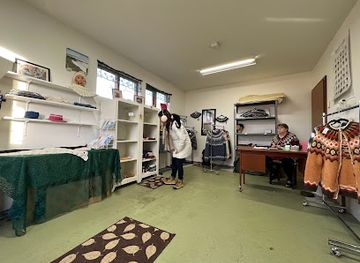
Shopping on Langjökull is limited to the practical and souvenir opportunities associated with organised excursions, and there are no shops on the ice cap itself. Visitors can find basic supplies, outdoor necessities and locally made goods in Húsafell and other settlements in Borgarfjörður, while the Gullfoss and Golden Circle approach has visitor-oriented retail connected with sightseeing. Regional purchases may include Icelandic wool knitwear, outdoor clothing, local food products, handmade crafts and small artworks, though stock varies between businesses and seasons. Rural shops are widely spaced, so provisions should be bought before entering the highlands. Reykjavík and larger regional centres offer a considerably broader choice of Icelandic products, but they are outside the Langjökull destination and should not be confused with shopping facilities at the glacier.
-
Tour operator
Langjökull Klaki Basecamp
Experience the breathtaking beauty of Langjökull Glacier at Klaki Basecamp – adventure awaits in Iceland's icy wonderland.
-
Glacier
Langjökull
Explore the stunning beauty of Langjökull, Iceland's majestic glacier, offering adventure and breathtaking landscapes for every traveler.
-
Adventure sports center
Glacier Expeditions
Experience the awe of Iceland's glaciers at Glacier Expeditions, where adventure and breathtaking scenery come together for the ultimate outdoor thrill.
-
Wool store
Vinnustofan Rosin - Icelandic Goods/Wool Sweater
Explore Vinnustofan Rosin for exquisite Icelandic wool goods and handcrafted sweaters that reflect the essence of Icelandic culture.
Get your free copy of our complete guide to Langjökull Glacier, delivered straight to you.
Everything on this page, from attractions and restaurants to essentials and local phrases, in one PDF you can read offline, print or share.
Already have an account? Sign in
Your Langjökull Glacier guide is ready.
We'll send it to · Not you? Sign out

Getting your guide ready…
We are putting together a fresh copy of the Langjökull Glacier guide. This can take up to a minute.
This can take a few moments. If your browser asks, choose Allow so the download can start. You'll find the guide in your Downloads folder.
Nothing happened? Download it again
Sorry, the guide is taking longer than usual. Please try again in a minute, or get it by email instead.
Langjökull Glacier essentials
Currency and Payment
Safety
Emergency Situations
Do's and Don'ts
Local Tips
From Eve
Local phrases worth knowing
You don't need to get them perfect. A few words go a long way, and locals appreciate the effort.
Basics
| English | Local | Say it |
|---|---|---|
| Hello | Halló | [HAU-loh] |
| Goodbye | Bless | [BLESS] |
| Yes | Já | [YOW] |
| No | Nei | [NAY] |
| Please/You're welcome | Takk fyrir | [TAHK fur-ir] |
| Thank you | Takk | [TAHK] |
| Excuse me/Sorry | Afsakið | [AF-sah-kith] |
| How are you? | Hvernig hefur þú það? | [KVER-nik HEH-ur THOO thahth] |
| Fine. And you? | Fínt. Og þú? | [FEENT. Ogg thoo?] |
| Do you speak English? | Talar þú ensku? | [TAH-lar thoo ENS-koo?] |
| I don't understand | Ég skil ekki | [YEH skil EKK-ee] |
Eating & Drinking
| English | Local | Say it |
|---|---|---|
| I'd like to see the menu, please | Ég vil sjá matsedilinn, takk | [YEH vil syow MAT-seh-dil-inn, tahk] |
| I don't eat meat | Ég borða ekki kjöt | [YEH BOR-tha EKK-ee k-yot] |
| Cheers! | Skál! | [SKOWL] |
| I would like to pay, please | Ég væri til í að greiða, takk | [YEH VYEH-ree til ee ath GRAY-tha, tahk] |
Emergencies
| English | Local | Say it |
|---|---|---|
| Help! | Hjálp! | [HYOWLP] |
| Go away! | Farðu burt! | [FAHR-thoo BORT] |
| Call the Police! | Hringdu í lögregluna! | [HRING-doo EE LOG-reh-loo-nah] |
| Call a doctor! | Hringdu í lækninn! | [HRING-doo EE LAYK-nin] |
| I'm lost | Ég er týndur | [YEH air TEEN-thur] |
| I'm ill | Ég er veikur | [YEH air VAY-kur] |
Shopping
| English | Local | Say it |
|---|---|---|
| I'd like to buy... | Ég ætla að kaupa... | [YEH EHT-la ath KOY-pa] |
| I'm just looking | Ég er bara að skoða | [YEH air BAR-ah ath SKO-tha] |
| How much is it? | Hvað kostar það? | [Kvath KOS-tar thahth] |
| That's too expensive | Það er of dýrt | [Thahth air ov DEER-t] |
| Can you lower the price? | Getur þú lækkat verðið? | [GET-ur thoo LAI-kat VER-thith] |
Time & Numbers
| English | Local | Say it |
|---|---|---|
| What time is it? | Hvað er klukkan? | [Kvath air KLUTH-kahn] |
| It's one o'clock | Klukkan er eitt | [KLUTH-kahn air aytt] |
| Half past (10) | Hálf tíu | [HAWLF tee-oo] |
| Morning | Morgunn | [MOR-gun] |
| Afternoon | Síðdegis | [SEETH-deh-yis] |
| Evening | Kvöld | [KVELD] |
| Yesterday | Í gær | [EE gire] |
| Today | Í dag | [EE dahg] |
| Tomorrow | Á morgun | [OW MOR-gun] |
| 1 | Eitt | [AYTT] |
| 2 | Tvö | [TVOH] |
| 3 | Þrjú | [THR-yoo] |
| 4 | Fjórir | [FYOH-reer] |
| 5 | Fimm | [Feem] |
| 6 | Sex | [Sehx] |
| 7 | Sjö | [Syoh] |
| 8 | Átta | [OWT-ta] |
| 9 | Níu | [NEE-oo] |
| 10 | Tíu | [Tee-oo] |
Transport & Directions
| English | Local | Say it |
|---|---|---|
| Where's a/the...? | Hvar er... | [Kvar air] |
| What's the address? | Hvað er heimilisfangið? | [Kvath air HAY-mil-is-fahn-gith] |
| Can you show me (on the map)? | Getur þú sýnt mér (á kortinu)? | [GET-ur thoo seent mehr (ow KOR-tinu)] |
| When's the next (bus)? | Hvenær er næsti (strætisvagn)? | [KVER-ni-ar air NIST-i (strai-tis-vagn)] |
| A ticket (to ....) | Einn miða (til ...) | [AYN MEE-tha (til)] |
History of Langjökull Glacier
Ice Shaped by Volcanic Uplands
Langjökull occupies a high volcanic plateau formed through Iceland’s long history of lava production, erosion and uplift. The ice cap developed during the colder conditions of the late Quaternary and has repeatedly expanded and retreated as climate conditions changed. Its present ice-covered surface conceals much of the underlying terrain, while meltwater continues to erode channels and transport sediment towards the lowlands. The glacier is therefore both a surviving remnant of a colder climatic era and an active force shaping the landscape around it.
Highland Routes and Seasonal Travel
The interior around Langjökull was historically crossed through routes linking western Iceland with the north and the inland districts. The Kjalvegur route, commonly associated with the Kjölur highlands, follows a long-established corridor between the major centres of southern and northern Iceland, although modern travel conditions differ greatly from earlier journeys on foot or horseback. These routes were seasonal, dependent on weather, river levels and the opening of the highland tracks. Langjökull was part of this demanding upland environment rather than a settled landscape in its own right.
Settlement Below the Ice Cap
The valleys and lowlands surrounding Langjökull supported farming communities whose livelihoods depended on pasture, rivers and access to the coast or regional markets. Húsafell, in Borgarfjörður, became an important local reference point for travel into the highlands, while the Hvítá valley connected the glacier’s meltwater system with settled areas farther south. The contrast between cultivated land below and the exposed ice cap above remains central to the region’s character. Historic movement through the area was shaped by the need to cross difficult terrain rather than by permanent occupation on the glacier.
Modern Exploration and Changing Ice
Langjökull entered modern tourism through improved highland access, organised glacier travel and growing interest in Iceland’s ice landscapes. Guided snowmobile journeys, specially adapted vehicles and the Into the Glacier ice tunnel have made selected parts of the ice cap accessible without turning the area into an urbanised resort. At the same time, scientific observation of glaciers has become increasingly important as Iceland’s ice masses respond to a warming climate. Retreat, thinning and changing meltwater patterns give Langjökull significance beyond recreation, linking visitor experience with the wider environmental history of Iceland.
Langjökull Glacier in Photos
Browse through our photo collection highlighting the charm and character of the destination.
Neighbouring destination travel guides
The closest destinations to Langjökull Glacier, if you have time for more than one.
-

-

-

-

-


Swipe for more destinations
Explore more
Explore more of Northwestern Region
Explore the Northwestern Region of Iceland: A haven of dramatic landscapes, rich Viking history, and serene hot springs, perfect for both adventure and relaxation.
Explore Northwestern Region
Explore more of Iceland
Discover Iceland, where glaciers meet volcanoes, Northern Lights dance in the skies, and natural wonders await at every turn.
Explore Iceland