

Free Westfjords Travel Guide & Mobile App
Explore Westfjords with free travel guides. Discover regional history, expert tips, proposed trips, and audio guides on web or mobile app.


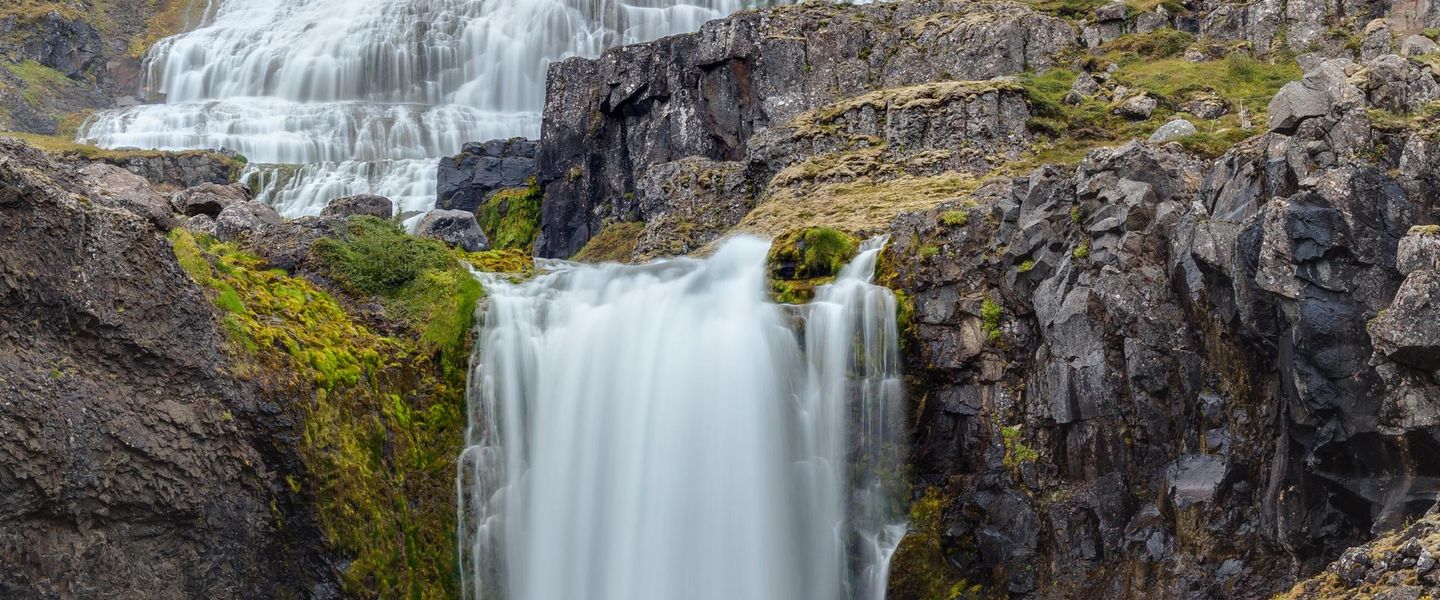


Explore Iceland’s Westfjords for immense sea cliffs, remote fjords, fishing villages, Arctic wildlife, historic towns and demanding scenic roads.
Read more about Westfjords
When is the best time to visit Westfjords?
Best: June–August · 12–14°C| Month | High (°C) | Rainfall (mm) |
|---|---|---|
| January | 2 | 90 |
| February | 2 | 80 |
| March | 3 | 90 |
| April | 5 | 80 |
| May | 9 | 70 |
| June (best) | 12 | 60 |
| July (best) | 14 | 60 |
| August (best) | 14 | 70 |
| September | 11 | 80 |
| October | 7 | 90 |
| November | 4 | 90 |
| December | 2 | 100 |
Getting to and around Westfjords
How to get there
Transportation
Top city travel guides in Westfjords
The cities of Westfjords, and the easiest places to base yourself.
-

-

-

-


Swipe for more cities
Destinations in Westfjords
Resorts, valleys and scenic spots worth a trip of their own.
-

-

-

-

-

-


Swipe for more destinations
Best attractions in Westfjords
The Westfjords’ attractions are primarily shaped by landscape, maritime history and the pleasure of reaching places at the end of long fjord roads. Dynjandi is the region’s best-known waterfall, descending in broad tiers above Dynjandisvogur, while Rauðisandur offers a striking contrast of pale sand, red-toned shore and open sea. At Látrabjarg, visitors can watch seabirds from one of Europe’s great coastal cliffs, with careful attention to unstable ground and nesting areas. Hornstrandir Nature Reserve provides demanding walking through an uninhabited coast of alpine ridges, abandoned farms and Arctic fox habitat. Ísafjörður’s Westfjords Heritage Museum explores fishing and seafaring, the Arctic Fox Centre in Súðavík explains the biology and history of Iceland’s native fox, and the Ósvör museum near Bolungarvík presents a reconstructed fishing station. Hólmavík’s Museum of Witchcraft and Sorcery adds a cultural-historical dimension in Strandir. The region also suits kayaking, sea angling, birdwatching, photography and scenic driving, provided visitors allow for weather and slow roads.
-
Historical landmark
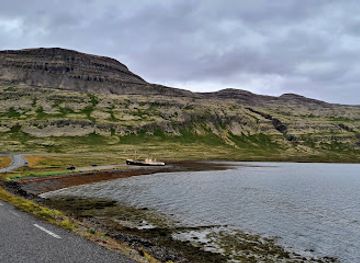
Garðar BA 64
Explore Garðar BA 64, Iceland's first steel boat, a historical landmark showcasing maritime heritage in stunning natural surroundings.
-
Tourist attraction
Museum of Icelandic Sorcery and Witchcraft
Explore the enchanting world of the Museum of Icelandic Sorcery and Witchcraft, where Iceland's mystical past comes alive through fascinating exhibits and local folklore.
-
Scenic spot
Súgandisey Island Lighthouse
Experience the breathtaking views and rich maritime history at Sugandisey Island Lighthouse, a must-visit scenic spot in Stykkishólmur, Iceland.
-
Thermal baths
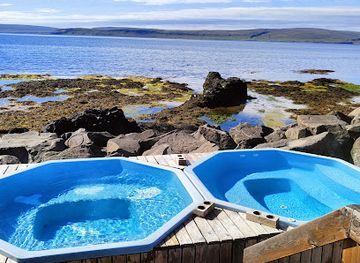
Drangsnes Hot Tubs
Experience the soothing geothermal waters of Drangsnes Hot Tubs, a serene escape in Iceland's breathtaking Westfjords, surrounded by nature's beauty.

Best landmarks in Westfjords
Dynjandi is the Westfjords’ defining natural landmark, its fan-shaped series of cascades spreading across a basalt mountainside above the fjord. The sea cliffs of Látrabjarg form another major geographical marker, extending along the peninsula’s western edge and supporting dense seabird colonies in summer. Rauðisandur is notable for its unusual sand colours and isolated coastal setting, while the flat-topped mountains around the fjords express the region’s distinctive geological history. In Ísafjörður, the Neðstikaupstaður area contains a group of historic timber buildings associated with trading and maritime commerce, making it one of the clearest architectural reminders of the town’s past. Bolungarvík’s Ósvör fishing-station reconstruction evokes the working shoreline of earlier centuries, and the old farm ruins of Hornstrandir mark a landscape abandoned rather than built over. The remote Drangajökull ice cap, visible from parts of the northern peninsula, is Iceland’s northernmost glacier and a significant feature of the wilderness around the Ísafjarðardjúp and Hornstrandir area.
-
Tourist attraction
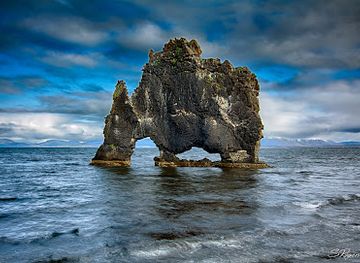
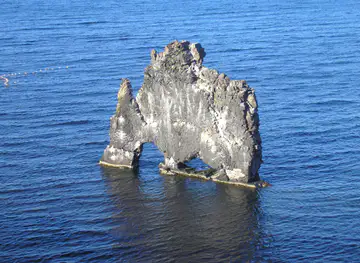
Hvitserkur
Experience the breathtaking beauty of Hvitserkur, a unique basalt rock formation along Iceland's stunning coastline, a must-see for nature lovers and photographers.
-
Tourist attraction
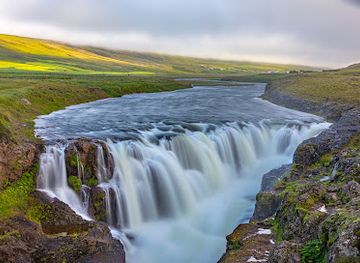
Kolugljúfur Canyon
Discover the breathtaking landscapes and dramatic cliffs of Kolugljúfur Canyon, a must-visit tourist attraction in Iceland.
-
Seafood
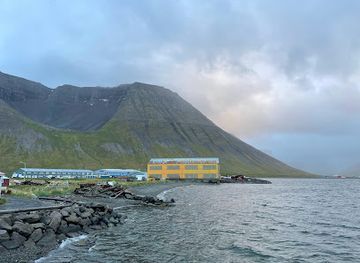
Tjöruhúsið
Experience the flavors of Iceland at Tjöruhúsið, where fresh seafood meets stunning fjord views in the heart of Ísafjörður.
-
Tourist attraction
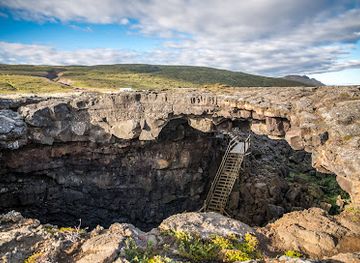
The Cave Vidgelmir
Explore The Cave Vidgelmir, Iceland's largest lava tube, showcasing stunning geological formations and a rich history beneath the surface.
Explore Westfjords on the map
Plan your trip on one map. See where the top cities, national parks and sights are, and book hotels and experiences in a few clicks.
Best hotels in Westfjords
Best restaurants in Westfjords
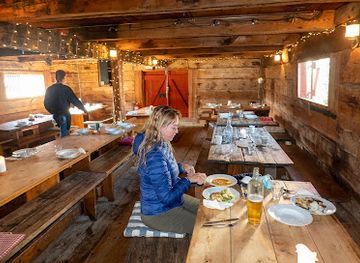
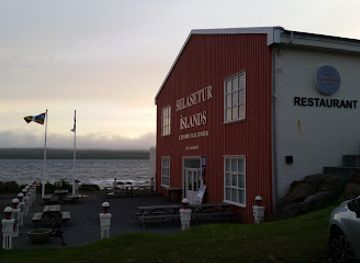
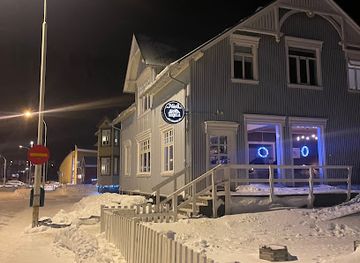
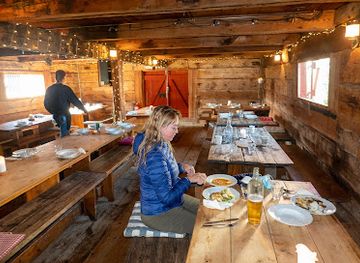
Dining in the Westfjords reflects the region’s fishing economy, small population and reliance on local supply chains. Fresh fish, dried fish, lamb, dairy products and traditional Icelandic baking appear alongside soups, open sandwiches and straightforward café food. In Ísafjörður, the widest choice ranges from cafés and bakeries to restaurants serving contemporary interpretations of Icelandic ingredients, while smaller villages tend to offer seasonal restaurants, guesthouse meals, cafés or pub-style dining. Coastal communities may feature cod, haddock and other local catches, although menus depend on landings and availability rather than a fixed regional formula. Farm shops and roadside outlets can provide local produce, and supermarkets in the larger settlements are useful for self-catering. The Westfjords are also associated with preserved and fermented foods found more broadly in Iceland, but visitors should distinguish established local traditions from dishes marketed simply as Icelandic specialities. Reservations are sensible in summer, particularly outside Ísafjörður, where opening arrangements can be limited or seasonal.
-
Seafood
Tjöruhúsið
Experience authentic Icelandic seafood at Tjöruhúsið in Ísafjörður, where every dish tells a story from the sea.
-
Restaurant
Sjávarborg Restaurant
Experience authentic Icelandic cuisine at Sjávarborg Restaurant in Hvammstangi – where fresh seafood meets breathtaking views.
-
Icelandic
Húsið
Discover the flavors of traditional Icelandic cuisine at Húsið in Ísafjörður - where every meal tells a story.
-
Restaurant
Café Riis Hólmavík - Restaurant - Pizzeria & Bar
Discover the charm of Café Riis Hólmavík, where delicious pizzas meet Icelandic hospitality in a cozy setting.
Best bars in Westfjords
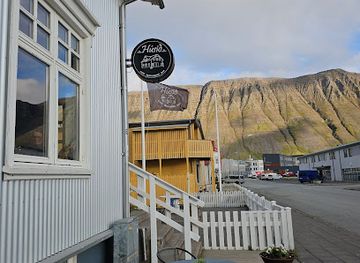
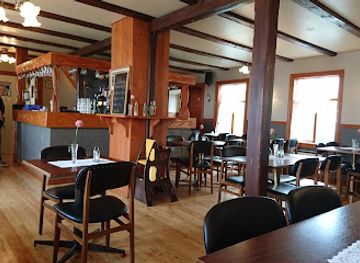
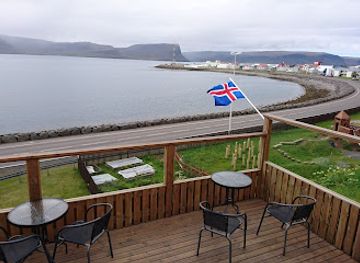
Nightlife in the Westfjords is modest and concentrated in Ísafjörður, with evenings generally centred on pubs, cafés, hotel bars, live music and occasional cultural events rather than a large club scene. The town’s restaurants and bars provide a social focus for residents, seasonal workers and visitors, while smaller places such as Þingeyri, Patreksfjörður and Bolungarvík may have a pub or bar attached to a restaurant or guesthouse. Summer festivals and community events can bring livelier evenings, but their programmes and venues change from year to year. Outside the larger settlements, distances and limited transport make dining locally or relaxing at accommodation more realistic than travelling between venues. Visitors should check current arrangements directly, as remote businesses often operate seasonally and may close on days when demand is low.
-
Seafood
Tjöruhúsið
Dive into the flavors of Iceland at Tjöruhúsið, where fresh seafood meets a warm, welcoming atmosphere in Ísafjörður.
-
Icelandic
Húsið
Discover the flavors of Iceland at Húsið, where traditional cuisine meets stunning views in Ísafjörður.
-
Bar
Café Riis Hólmavík - Restaurant - Pizzeria & Bar
Discover Café Riis Hólmavík, where local Icelandic flavors meet international cuisine in a cozy atmosphere perfect for any traveler.
-
Icelandic
Stúkuhúsið
Experience authentic Icelandic cuisine at Stúkuhúsið, a cherished restaurant in Patreksfjörður known for its fresh, local ingredients.
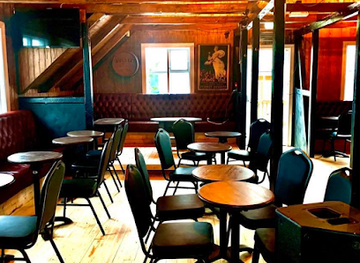
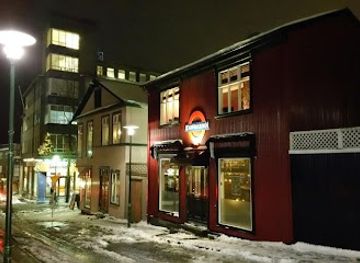
Best nightclubs in Westfjords
Nightlife in the Westfjords is modest and concentrated in Ísafjörður, with evenings generally centred on pubs, cafés, hotel bars, live music and occasional cultural events rather than a large club scene. The town’s restaurants and bars provide a social focus for residents, seasonal workers and visitors, while smaller places such as Þingeyri, Patreksfjörður and Bolungarvík may have a pub or bar attached to a restaurant or guesthouse. Summer festivals and community events can bring livelier evenings, but their programmes and venues change from year to year. Outside the larger settlements, distances and limited transport make dining locally or relaxing at accommodation more realistic than travelling between venues. Visitors should check current arrangements directly, as remote businesses often operate seasonally and may close on days when demand is low.
-
Bar
Dillon Whiskey Bar
Experience the vibrant nightlife of Reykjavík at Dillon Whiskey Bar, featuring exceptional whiskey, live music, and unforgettable karaoke nights.
-
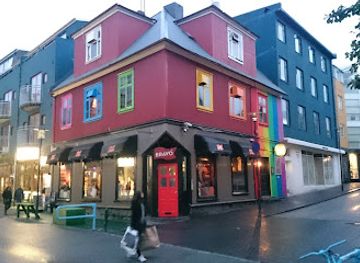
Bar
Bravó
Discover the vibrant nightlife of Reykjavík at Bravó, a lively bar offering exquisite cocktails, local beers, and unforgettable live music experiences.
-
Bar
Kaffibarinn
Experience the lively atmosphere of Kaffibarinn, a beloved bar in Reykjavík offering great drinks, live music, and friendly locals.
-
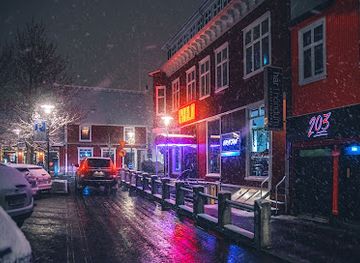
Night club
Pablo Discobar
Experience the vibrant nightlife of Reykjavík at Pablo Discobar, where innovative cocktails meet electrifying music for an unforgettable evening.
Best shops in Westfjords
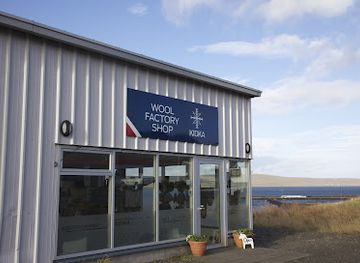
Shopping in the Westfjords is focused on practical supplies, local food and small-scale craft rather than extensive retail districts. Ísafjörður has the broadest selection of supermarkets, outdoor equipment, books, clothing, galleries and independent shops, while other settlements offer smaller stores serving residents and travellers. Local products may include woollen goods, knitwear, handmade ceramics, artwork, fishing-related crafts and food produced by farms or small businesses. Museums and cultural centres can be useful places to find regionally themed books and souvenirs, although stock varies by season. Farmers’ markets and community markets appear at particular times of year rather than operating as permanent attractions, so current local information is useful. In rural areas, buy fuel and provisions whenever the opportunity arises, and do not assume that every village has a shop open throughout the day. The most distinctive purchases are often durable, locally made items or regional food products rather than generic Icelandic merchandise.
-
Clothing store
KIDKA Wool Factory Shop
Discover authentic Icelandic wool products at KIDKA Wool Factory Shop in Hvammstangi, where tradition meets quality and craftsmanship.
-
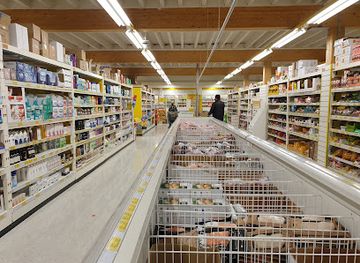
Supermarket
Bónus
Discover Bónus Supermarket in Ísafjörður – your affordable gateway to local groceries and Icelandic delicacies.
-
Supermarket
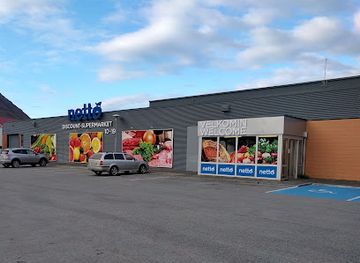
Nettó
Explore local flavors and essentials at Nettó, Ísafjörður's beloved supermarket for travelers and residents alike.
-
Nature preserve
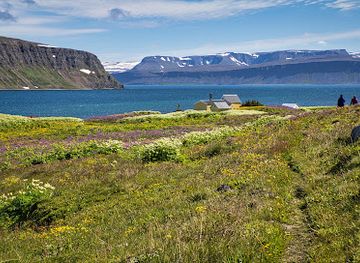
Hornstrandir Nature Reserve
Explore the breathtaking landscapes and rich wildlife of Hornstrandir Nature Reserve, the ultimate escape into Iceland's pristine wilderness.
Get your free copy of our complete guide to Westfjords, delivered straight to you.
Everything on this page, from attractions and restaurants to essentials and local phrases, in one PDF you can read offline, print or share.
Already have an account? Sign in
Your Westfjords guide is ready.
We'll send it to · Not you? Sign out

Getting your guide ready…
We are putting together a fresh copy of the Westfjords guide. This can take up to a minute.
This can take a few moments. If your browser asks, choose Allow so the download can start. You'll find the guide in your Downloads folder.
Nothing happened? Download it again
Sorry, the guide is taking longer than usual. Please try again in a minute, or get it by email instead.
Westfjords essentials
Currency and Payment
Safety
Emergency Situations
Do's and Don'ts
Local Tips
From Eve
Local phrases worth knowing
You don't need to get them perfect. A few words go a long way, and locals appreciate the effort.
Basics
| English | Local | Say it |
|---|---|---|
| Hello | Halló | [hah-loh] |
| Goodbye | Bless | [bles] |
| Yes | Já | [yow] |
| No | Nei | [nay] |
| Please/You're welcome | Vinsamlegast | [veen-sah-mleh-gast] |
| Thank you | Takk | [tahk] |
| Excuse me/Sorry | Fyrirgefðu | [feer-ee-geh-dhuh] |
| How are you? | Hvernig hefurðu það? | [hvair-ning heh-vur-thu thah] |
| Fine. And you? | Fínt. Og þú? | [feent. ohg thoo] |
| Do you speak English? | Talarðu ensku? | [tah-lahr-thu eng-sku] |
| I don't understand | Ég skil ekki | [yeh skeel eh-kee] |
Eating & Drinking
| English | Local | Say it |
|---|---|---|
| I'd like to see the menu, please | Mig langar að sjá matseðilinn, vinsamlegast | [mig lan-gar ahd syaw maht-seh-dhil-lin, veen-sah-mleh-gast] |
| I don't eat meat | Ég borða ekki kjöt | [yeh bor-thah eh-kee kyot] |
| Cheers! | Skál! | [skowl] |
| I would like to pay, please | Mig langar að borga, vinsamlegast | [mig lan-gar ahd bor-gah, veen-sah-mleh-gast] |
Emergencies
| English | Local | Say it |
|---|---|---|
| Help! | Aðstoð! | [ahd-sto-th] |
| Go away! | Farið burt! | [far-id boort] |
| Call the Police! | Hringdu í lögregluna! | [hring-dhu ee lur-greh-luh-nah] |
| Call a doctor! | Hringdu í lækninn! | [hring-dhu ee layk-nin] |
| I'm lost | Ég er villtur | [yeh air vil-tur] |
| I'm ill | Ég er veikur | [yeh air vay-kur] |
Shopping
| English | Local | Say it |
|---|---|---|
| I'd like to buy... | Mig langar að kaupa... | [mig lan-gar ahd koy-pah] |
| I'm just looking | Ég er bara að skoða | [yeh air bah-rah ahd skoh-thah] |
| How much is it? | Hvað kostar það? | [khvahd koh-star thah] |
| That's too expensive | Það er of dýrt | [thahd air ohf deer-t] |
| Can you lower the price? | Geturðu lækkað verðið? | [geh-tur-thu lai-kahd ver-thid] |
Time & Numbers
| English | Local | Say it |
|---|---|---|
| What time is it? | Hvað er klukkan? | [khvahd air kluk-kahn] |
| It's one o'clock | Hún er eitt | [hoon air eit] |
| Half past (10) | Hálf (10) | [halv (10)] |
| Morning | Morgunn | [mor-gun] |
| Afternoon | Eftir hádegi | [ef-tir how-day-yee] |
| Evening | Þetta kvöld | [theh-tah kvold] |
| Yesterday | Í gær | [ee gayer] |
| Today | Í dag | [ee dahg] |
| Tomorrow | Á morgun | [ow mor-gun] |
| 1 | 1 | [1] |
| 2 | 2 | [2] |
| 3 | 3 | [3] |
| 4 | 4 | [4] |
| 5 | 5 | [5] |
| 6 | 6 | [6] |
| 7 | 7 | [7] |
| 8 | 8 | [8] |
| 9 | 9 | [9] |
| 10 | 10 | [10] |
Transport & Directions
| English | Local | Say it |
|---|---|---|
| Where's a/the...? | Hvar er...? | [kvar air] |
| What's the address? | Hvað er heimilisfangið? | [khvahd air hay-mih-lis-fang-id] |
| Can you show me (on the map)? | Geturðu sýnt mér (á kortinu)? | [geh-tur-thu seent myer (ow kor-tin-oo)] |
| When's the next (bus)? | Hvenær fer næsti (strætó)? | [kven-air fer nay-sti (stray-tow)] |
| A ticket (to ....) | Miða (til ....) | [mee-tha (til)] |
History of Westfjords
Settlement and the Sagas
The Westfjords were settled during Iceland’s main period of Norse migration in the late ninth and early tenth centuries. Its fjords offered landing places, grazing and access to rich waters, while saga traditions preserve memories of early farmsteads, feuds and large local landholdings. The peninsula’s terrain encouraged communities to develop around individual fjords rather than a single urban centre. Archaeological remains and historic farms continue to illustrate how early Icelanders combined livestock keeping, fishing and seasonal use of remote coastal areas.
Medieval Churches, Farms and Trade
Throughout the medieval period, the Westfjords remained a predominantly rural society in which farming, fishing and church life were closely connected. Parish churches and farms formed the main settlement structure, while sheltered fjords provided routes for local exchange. The region’s distance from Iceland’s south-western centres reinforced its independence but also limited access to goods and political power. Several modern communities occupy sites whose importance rests on this long continuity of farming, fishing and coastal transport.
Merchants and the Fishing Economy
From the late medieval period into the early modern era, European and Danish merchants competed for Icelandic fish and trading rights. Ísafjörður and other sheltered harbours developed as commercial places where fish, salt, imported timber and household goods changed hands. The Danish trade monopoly, introduced in the seventeenth century, regulated commerce until the nineteenth century. Fishing gradually became the economic foundation of the larger settlements, linking the Westfjords to markets beyond Iceland and encouraging more specialised maritime communities.
Witchcraft Prosecutions in Strandir
The seventeenth century brought a series of witchcraft accusations across Iceland, with a particularly strong association with the Strandir area of the Westfjords. Most of those prosecuted were men, and the charges reflected anxiety about harmful magic, misfortune and supernatural explanations in isolated communities. The trials formed part of wider European religious and legal patterns rather than an exclusively local belief system. Hólmavík’s Museum of Witchcraft and Sorcery now interprets these events and their place in Icelandic social history.
Nineteenth-Century Fishing Settlements
During the nineteenth century, commercial fishing and improved boats transformed settlements such as Ísafjörður, Bolungarvík and communities around the larger fjords. Seasonal fishing stations became more permanent, and merchants, boat owners, labourers and processors created increasingly structured towns. The old timber buildings in Ísafjörður reflect this period of commercial growth. Fishing remained physically demanding and vulnerable to winter weather, but it provided the economic base for schools, churches, workshops and expanding local administration.
Modernisation, Roads and Population Change
Twentieth-century modernisation brought motorised boats, improved communications, electricity and gradually better roads, but it also altered the balance between small villages and larger centres. Some remote settlements lost population as fishing became more mechanised and employment concentrated in places such as Ísafjörður. Tunnels and major road improvements have made parts of the region more accessible, although the Westfjords remain less densely populated and less connected than Iceland’s south-west. The resulting empty buildings and changing harbours are part of the region’s contemporary landscape.
Hornstrandir and the Return of Wilderness
The northern Hornstrandir coast was gradually abandoned during the twentieth century as isolated farming and fishing became difficult to sustain. The absence of permanent settlement allowed natural processes to reshape old fields, paths and ruins. Hornstrandir was later protected as a nature reserve, creating a large area without roads or permanent residents. Today it is valued for wilderness walking, seabirds, Arctic foxes and coastal scenery, while the remaining farm ruins record the demanding lives of the people who once lived there.
Westfjords in Photos
Browse through our photo collection highlighting the charm and character of the destination.
Neighbouring regions of Westfjords
The closest regions to Westfjords, if you have time for more than one.
-

-
-

-
-


Swipe for more regions
Explore more

Explore more of Iceland
Discover Iceland, where glaciers meet volcanoes, Northern Lights dance in the skies, and natural wonders await at every turn.
Explore Iceland