

Free West Central Indiana Travel Guide & Mobile App
Explore West Central Indiana with free travel guides. Discover regional history, expert tips, proposed trips, and audio guides on web or mobile app.


Explore West Central Indiana for Terre Haute culture, Wabash Valley scenery, covered bridges, sandstone ravines and welcoming small-town food.
Read more about West Central Indiana
Getting to and around West Central Indiana
How to get there
Transportation
Top city travel guides in West Central Indiana
The cities of West Central Indiana, and the easiest places to base yourself.
-
-

-

-

-

-


Swipe for more cities
Destinations in West Central Indiana
Resorts, valleys and scenic spots worth a trip of their own.
-

-

-

-


Swipe for more destinations
Best attractions in West Central Indiana
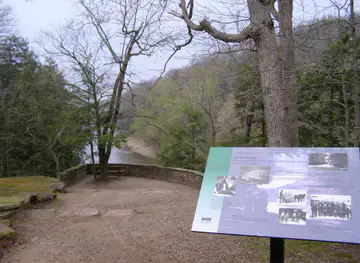
West Central Indiana's attractions combine outdoor landscapes, transport heritage and small-city culture. Turkey Run State Park is the regional natural highlight, with wooded ravines, sandstone formations, creek crossings and trails that feel markedly different from the open agricultural country around the Wabash Valley. Parke County's covered bridges create a complementary heritage circuit through farms and small communities, while nearby roads offer access to quiet scenery rather than a conventional resort landscape. Terre Haute provides the region's largest concentration of museums, historic interpretation, performing arts, university culture and family-oriented activities. The Wabashiki Fish and Wildlife Area, on the Wabash floodplain, is relevant for birdwatching, fishing and nature observation, subject to seasonal conditions and access rules. Farther south, Sullivan County and the former coal districts reveal the relationship between agriculture, energy and industry through changing landscapes and local history. County fairs, farm markets and seasonal festivals add a community dimension, but dates and programmes vary. Visitors should expect attractions to be spread out, with a mixture of staffed venues, open landscapes and heritage sites experienced independently rather than as one central sightseeing district.
-
Zoo
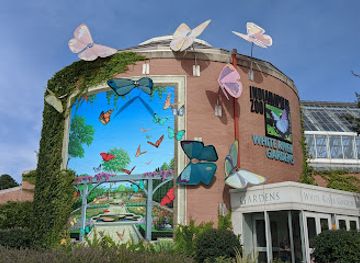
Indianapolis Zoo
Discover the Indianapolis Zoo - a captivating experience where wildlife, marine life, and breathtaking gardens come together in one unforgettable destination.
-
Children's museum
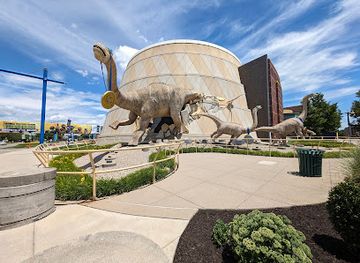
The Children's Museum of Indianapolis
Experience the magic of learning and play at The Children's Museum of Indianapolis, a top family destination filled with interactive exhibits and adventures.
-
Theme park
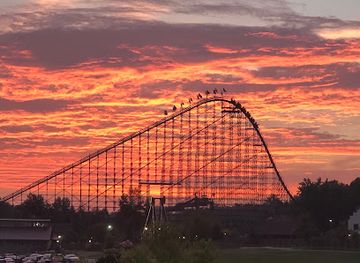
Holiday World & Splashin' Safari
Discover the joy of Holiday World & Splashin' Safari, where festive fun meets thrilling rides and refreshing water adventures in Santa Claus, Indiana.
-
National park
Indiana Dunes National Park
Explore the diverse ecosystems and stunning landscapes of Indiana Dunes National Park, a breathtaking escape on the shores of Lake Michigan.
Best landmarks in West Central Indiana
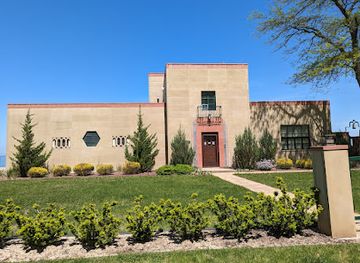
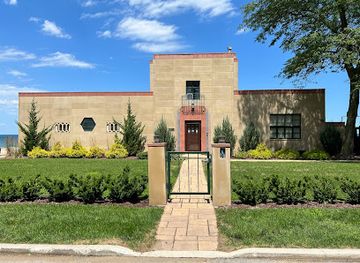
The Wabash River is West Central Indiana's defining geographical landmark, shaping Terre Haute's location, floodplain landscapes and historic transport connections. In Terre Haute, the Vigo County Courthouse and the city's older civic and residential streets reflect the confidence of a nineteenth-century commercial centre, while the Eugene V. Debs home provides a tangible link to American labour history. Parke County's covered bridges are its most recognisable built landmarks: structures such as the Bridgeton Covered Bridge and Mansfield Covered Bridge demonstrate how timber engineering once served rural roads, although visitors should follow current access and traffic restrictions. Turkey Run's sandstone ravines and forested gorge form a natural counterpart to the bridges, showing the geological forces behind the area's distinctive terrain. Elsewhere, former coal landscapes in Clay and Sullivan counties and the open Wabash floodplain mark two important economic geographies: energy extraction and river agriculture. Rather than a single monumental skyline, the region's visual identity rests on a sequence of bridges, courthouse towns, river views, ravines and working landscapes encountered across a broad rural area.
-
Car racing track
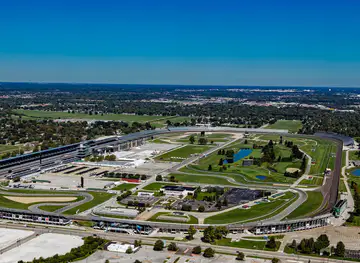
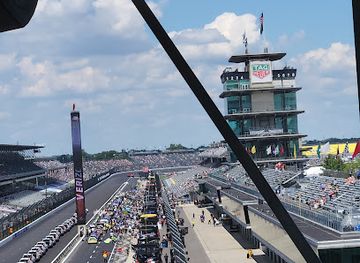
Indianapolis Motor Speedway
Discover the exhilarating history and vibrant atmosphere of the Indianapolis Motor Speedway, home of the legendary Indianapolis 500.
-
Theme park
Holiday World & Splashin' Safari
Experience the excitement of Holiday World & Splashin' Safari, Indiana's premier theme park with thrilling rides and refreshing water attractions for all ages.
-
National park
Indiana Dunes National Park
Discover the diverse ecosystems and breathtaking landscapes of Indiana Dunes National Park, a perfect retreat for nature lovers and outdoor enthusiasts.
-
Historical landmark
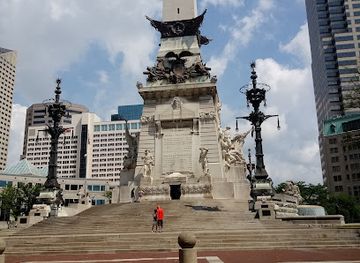
Soldiers & Sailors Monument
Explore the Soldiers & Sailors Monument in Indianapolis, an iconic landmark celebrating the bravery of Indiana's soldiers throughout the ages.

Explore West Central Indiana on the map
Plan your trip on one map. See where the top cities, national parks and sights are, and book hotels and experiences in a few clicks.
Best hotels in West Central Indiana
Best restaurants in West Central Indiana
Dining in West Central Indiana reflects the region's agricultural setting and its practical Midwestern food culture. Terre Haute has the broadest choice, from cafés and family restaurants to independent establishments serving American, Italian, Mexican and other international cuisines. Traditional diners and pubs commonly offer Indiana favourites such as pork tenderloin sandwiches, while seasonal menus draw on sweet corn, tomatoes, apples, pumpkins and other produce from the surrounding countryside. Rural communities are more likely to centre on locally known diners, bakeries, taverns and family-run restaurants than on formal dining rooms. Farm stands and markets are useful for fruit, vegetables, baked goods and preserves when in season. Sugar cream pie, associated with Indiana's wider culinary tradition, appears in some local bakeries and restaurants, but recipes differ between businesses. Terre Haute's restaurants are generally the best option for dietary variety, while travellers exploring Parke, Clay and Sullivan counties should check meal options in advance and avoid assuming that every small town has late-evening service.
-
Family-friendly
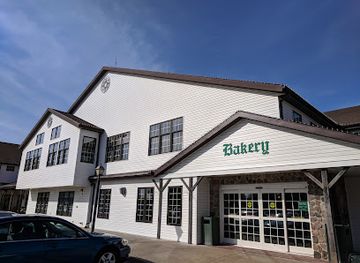
Das Dutchman Essenhaus
Discover authentic American cuisine at Das Dutchman Essenhaus - where family-friendly dining meets homemade goodness in Middlebury, Indiana.
-
Seafood
Rick's Café Boatyard
Discover culinary delights at Rick's Café Boatyard - where fresh seafood meets stunning waterfront views in Indianapolis.
-
Steak
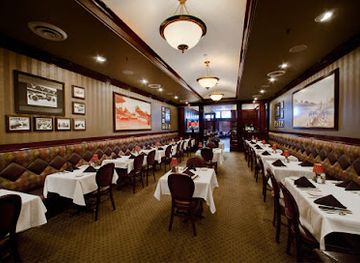
St. Elmo Steak House
Experience Indianapolis' premier steakhouse known for its rich history and mouthwatering steaks served in an elegant setting.
-
Restaurant
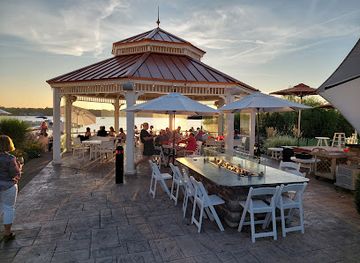
Lighthouse Restaurant
Discover Cedar Lake's premier dining destination at Lighthouse Restaurant - where exquisite cuisine meets stunning waterfront views.

Best bars in West Central Indiana
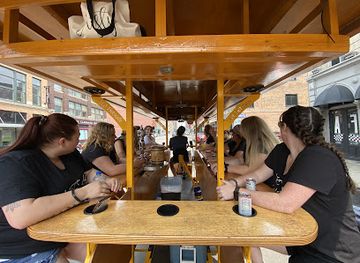
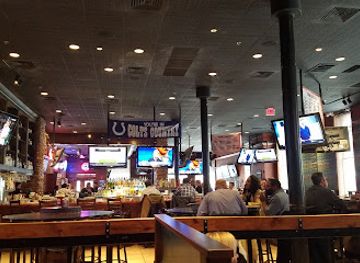
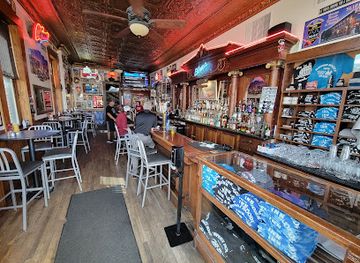
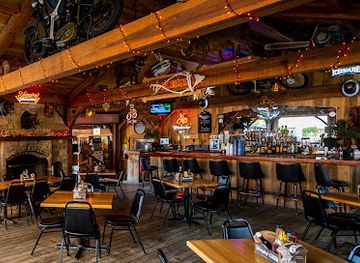
Nightlife is modest and locally focused rather than built around a large club scene. Terre Haute is the region's main evening centre, with traditional pubs, sports bars, lounges, live-music settings and restaurants that provide the greatest choice after dark. The city's university population contributes to a somewhat broader selection of casual venues, although the atmosphere and opening arrangements vary. In Parke, Clay and Sullivan counties, evenings are more likely to centre on community events, taverns, family restaurants, seasonal festivals or quiet gatherings than on dedicated nightclubs. Historic small-town bars and rural establishments can be part of the local social landscape, but they should be approached as community businesses rather than attractions. Visitors should arrange transport before drinking, particularly outside Terre Haute, where distances are longer and taxi availability may be limited. Breweries and craft drinks may appear on local menus, but the region's evening identity is more strongly connected with conversation, food, music and community events than with late-night entertainment.
-
Bar
The Hangar
Discover The Hangar in Indianapolis – your ultimate bar experience combining indoor golf, delicious pizzas, and a vibrant atmosphere for unforgettable moments.
-
Grill
Kilroy's Bar & Grill
Discover the lively atmosphere and delicious menu at Kilroy's Bar & Grill, a premier dining destination in Indianapolis' Wholesale District.
-
Restaurant
Slippery Noodle Inn
Experience the rich musical heritage and savory flavors of Indianapolis at the historic Slippery Noodle Inn, a must-visit blues bar and restaurant.
-
Grill
Thirty Six Saloon
Discover a lively dining experience at Thirty Six Saloon in Rockville, Indiana, where great food meets live music and a welcoming atmosphere.
Best nightclubs in West Central Indiana
Nightlife is modest and locally focused rather than built around a large club scene. Terre Haute is the region's main evening centre, with traditional pubs, sports bars, lounges, live-music settings and restaurants that provide the greatest choice after dark. The city's university population contributes to a somewhat broader selection of casual venues, although the atmosphere and opening arrangements vary. In Parke, Clay and Sullivan counties, evenings are more likely to centre on community events, taverns, family restaurants, seasonal festivals or quiet gatherings than on dedicated nightclubs. Historic small-town bars and rural establishments can be part of the local social landscape, but they should be approached as community businesses rather than attractions. Visitors should arrange transport before drinking, particularly outside Terre Haute, where distances are longer and taxi availability may be limited. Breweries and craft drinks may appear on local menus, but the region's evening identity is more strongly connected with conversation, food, music and community events than with late-night entertainment.
-
Lounge
New Fountain Lounge
Experience the vibrant ambiance and delicious cocktails at New Fountain Lounge, the perfect spot for relaxation and socializing in Indianapolis.
-
Night club
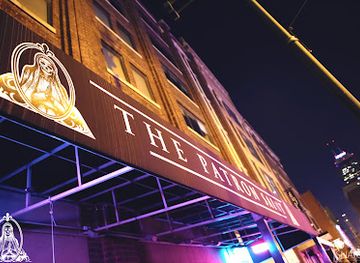
The Patron Saint
Experience the vibrant nightlife at The Patron Saint, Indianapolis' premier night club offering electrifying music and a lively dance floor.
-
Night club
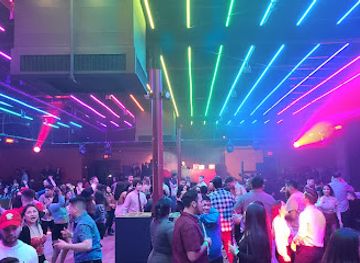
Estereo Nightclub
Dive into the vibrant nightlife of Indianapolis at Estereo Nightclub, where live music and electrifying vibes await every weekend.
-
Lounge
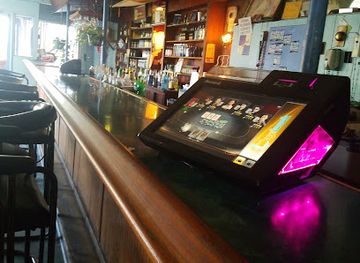
Ritz Nightclub
Discover the lively Ritz Nightclub in Indianapolis, a perfect blend of great drinks, music, and an energetic atmosphere for every nightlife lover.

Best shops in West Central Indiana
Shopping is concentrated in Terre Haute, where visitors will find the region's widest selection of everyday retail, independent shops, antiques, books, galleries and locally oriented gifts. Downtown and older commercial areas offer more historic character than a typical roadside strip, while larger retail clusters on the city's outskirts are useful for practical supplies. Parke County's towns provide a smaller-scale selection of antiques, crafts, art, seasonal produce and bridge-themed souvenirs, with availability varying by community and season. Farm stands and local markets are the best places to look for Indiana-grown fruit and vegetables, baked goods, preserves and other regional food products. County fairs and heritage events may bring additional craft and produce stalls, but they are date-specific rather than permanent shopping venues. Visitors should not expect a continuous luxury-shopping district across the region; the appeal lies in independent purchases, rural produce, historic-town browsing and goods made or sold by local businesses.
-
Outlet mall
Indiana Premium Outlets
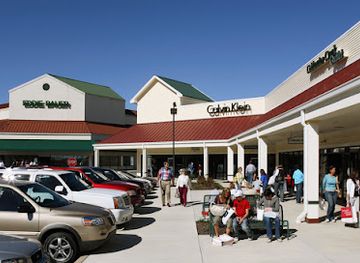
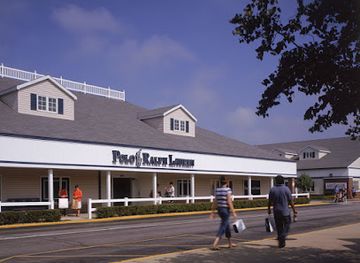
Discover incredible savings and an exceptional shopping experience at Indiana Premium Outlets, your go-to destination for top brands in Edinburgh, Indiana.
-
Outlet mall
Lighthouse Place Premium Outlets
Discover unbeatable deals at Lighthouse Place Premium Outlets in Michigan City, Indiana - a shopper's paradise filled with top brands and discount prices!
-
Park
Shades State Park
Explore Shades State Park in Indiana - A Natural Oasis of Trails, Wildlife, and Scenic Beauty Perfect for Outdoor Enthusiasts.
-
Antique store
Vendors' Village of Terre Haute
Uncover vintage treasures at Vendors' Village, an antique paradise in Terre Haute, perfect for collectors and casual shoppers seeking unique finds.

Get your free copy of our complete guide to West Central Indiana, delivered straight to you.
Everything on this page, from attractions and restaurants to essentials and local phrases, in one PDF you can read offline, print or share.
Already have an account? Sign in
Your West Central Indiana guide is ready.
We'll send it to · Not you? Sign out

Getting your guide ready…
We are putting together a fresh copy of the West Central Indiana guide. This can take up to a minute.
This can take a few moments. If your browser asks, choose Allow so the download can start. You'll find the guide in your Downloads folder.
Nothing happened? Download it again
Sorry, the guide is taking longer than usual. Please try again in a minute, or get it by email instead.
West Central Indiana essentials
Currency and Payment
Safety
Emergency Situations
Do's and Don'ts
Local Tips
From Eve
Local phrases worth knowing
You don't need to get them perfect. A few words go a long way, and locals appreciate the effort.
Basics
| English | Local | Say it |
|---|---|---|
| Hello | Howdy | [hau-dee] |
| Goodbye | See ya later | [see ya lay-ter] |
| Yes | Yep | [yehp] |
| No | Nah | [nah] |
| Please/You're welcome | Sure thing | [shur thing] |
| Thank you | Thanks a lot | [thanks a lot] |
| Excuse me/Sorry | Pardon me | [par-dun mee] |
| How are you? | How ya doin'? | [how ya doin'?] |
| Fine. And you? | I'm doin' good. You? | [I'm doin' good. You?] |
| Do you speak English? | Do ya speak English? | [do ya speak English?] |
| I don't understand | I ain't followin' | [I ain't followin'] |
Eating & Drinking
| English | Local | Say it |
|---|---|---|
| I'd like to see the menu, please | Can I see the menu? | [can I see the menu?] |
| I don't eat meat | I ain't eatin' meat | [I ain't eatin' meat] |
| Cheers! | Cheers! | [cheers] |
| I would like to pay, please | Can I get the check? | [can I get the check?] |
Emergencies
| English | Local | Say it |
|---|---|---|
| Help! | Help! | [help] |
| Go away! | Get lost! | [get lost] |
| Call the Police! | Call the cops! | [call the cops] |
| Call a doctor! | Get a doctor! | [get a doctor] |
| I'm lost | I'm all turned around | [I'm all turned around] |
| I'm ill | I'm not feelin' good | [I'm not feelin' good] |
Shopping
| English | Local | Say it |
|---|---|---|
| I'd like to buy... | I wanna buy... | [I wanna buy...] |
| I'm just looking | Just lookin' | [just lookin'] |
| How much is it? | How much's this? | [how much's this?] |
| That's too expensive | That's too pricey | [that's too pricey] |
| Can you lower the price? | Can ya bring down the price? | [can ya bring down the price?] |
Time & Numbers
| English | Local | Say it |
|---|---|---|
| What time is it? | What time ya got? | [what time ya got?] |
| It's one o'clock | It's one | [it's one] |
| Half past (10) | Half past ten | [half past ten] |
| Morning | Mornin' | [mornin'] |
| Afternoon | Afternoon | [afternoon] |
| Evening | Evenin' | [evenin'] |
| Yesterday | Yesterday | [yesterday] |
| Today | Today | [today] |
| Tomorrow | Tomorrow | [tomorrow] |
| 1 | One | [one] |
| 2 | Two | [two] |
| 3 | Three | [three] |
| 4 | Four | [four] |
| 5 | Five | [five] |
| 6 | Six | [six] |
| 7 | Seven | [seven] |
| 8 | Eight | [eight] |
| 9 | Nine | [nine] |
| 10 | Ten | [ten] |
Transport & Directions
| English | Local | Say it |
|---|---|---|
| Where's a/the...? | Where's a...? | [where's a...?] |
| What's the address? | What's the address? | [what's the address?] |
| Can you show me (on the map)? | Can ya show me on the map? | [can ya show me on the map?] |
| When's the next (bus)? | When's the next bus? | [when's the next bus?] |
| A ticket (to ....) | A ticket to... | [a ticket to...] |
History of West Central Indiana
Indigenous Wabash Valley and Woodland Landscapes
Long before Indiana became a state, the Wabash Valley and its tributaries supported Indigenous communities through hunting, fishing, farming and seasonal movement. Miami, Delaware, Potawatomi and other peoples were connected to the wider region, although political control and settlement patterns changed over time. Rivers, prairies, forests and wetland areas shaped travel and food systems. Archaeological sites and historic records provide evidence of Indigenous presence, while later treaties and forced removals profoundly disrupted established communities during the nineteenth century. The region's modern place names and river geography remain reminders of this earlier history, even where visible Indigenous sites are limited.
Early American Settlement and Indiana Statehood
Euro-American settlement expanded in the early nineteenth century as the United States sought to organise the Indiana frontier. The Wabash corridor offered water, fertile soils and routes for migration, while counties and town governments gradually developed around farms, mills and trading settlements. Indiana entered the Union in 1816, and communities in what is now West Central Indiana grew within the new state's legal and political framework. Terre Haute was founded in the early nineteenth century and became an important point of exchange on the Wabash, linking agricultural hinterlands with river and overland routes.
Canals, Railways and Commercial Growth
Transport improvements transformed the region during the nineteenth century. The Wabash and Erie Canal connected parts of Indiana to a larger inland waterway system, although railways later became more influential and eventually superseded canal traffic. Terre Haute developed as a commercial and manufacturing centre, with rail connections encouraging grain handling, wholesale trade, workshops and population growth. Smaller communities benefited from depots and branch lines that connected farms and mines to national markets. Many historic street patterns, warehouse sites and civic buildings in the region reflect this period of expanding transport and urban confidence.
Covered Bridges and Rural Engineering
Parke County's covered bridges belong to a wider nineteenth-century tradition of timber bridge building that allowed roads to cross the area's creeks and ravines. Covering the timber trusses helped protect them from weather and extended their working life. As modern roads and concrete bridges replaced many earlier structures, surviving examples became important records of rural engineering and community transport. Parke County's concentration of preserved covered bridges is now central to its heritage identity, but the bridges should also be understood as practical infrastructure created for farm districts rather than decorative monuments designed for tourism.
Coal Mining and Industrial Indiana
Coal deposits in the Terre Haute area and farther south in Clay and Sullivan counties supported mining, rail transport, power generation and associated industries from the nineteenth century into the modern era. Mines provided employment and fuel but also altered landscapes, waterways and settlement patterns. Industrial growth brought workers from different backgrounds and contributed to labour organisation and political debate. As easily accessible reserves declined and energy systems changed, many mines closed or reduced production. Former mining communities, reclaimed land and industrial sites remain part of the region's economic history, even where the physical workings have disappeared.
Terre Haute, Labour Politics and Eugene V. Debs
Terre Haute was the birthplace of Eugene V. Debs, the influential labour organiser and socialist politician, in 1855. Debs became nationally known through railroad union organising, most notably the American Railway Union, and through several campaigns for the presidency of the United States. His career reflected the tensions created by industrial expansion, railway labour and unequal working conditions in the late nineteenth and early twentieth centuries. The city preserves connections to his life and ideas through historic interpretation, making Terre Haute a useful place to examine the national labour movement through a distinctly local figure.
Conservation, Parks and a Changing Economy
During the twentieth century, the region's economy became less dependent on canals, rail manufacturing and coal, while state parks, wildlife management and heritage conservation gained importance. Turkey Run State Park, established in the early twentieth century, helped protect a landscape of ravines, forests and sandstone formations for public recreation. The preservation of covered bridges and historic buildings similarly shifted public attention towards cultural and environmental stewardship. Today, education, healthcare, retail, agriculture, manufacturing and outdoor tourism all contribute to West Central Indiana's economy, alongside continuing efforts to interpret its industrial and rural past.
West Central Indiana in Photos
Browse through our photo collection highlighting the charm and character of the destination.
Neighbouring regions of West Central Indiana
The closest regions to West Central Indiana, if you have time for more than one.
-

-

-

-
-


Swipe for more regions
Explore more

Explore more of Indiana
Explore Indiana: From the bustling streets of Indianapolis to the serene beauty of Indiana Dunes, discover the diverse experiences that make Indiana the Crossroads of America.
Explore Indiana