

Free Southwest Indiana Travel Guide & Mobile App
Explore Southwest Indiana with free travel guides. Discover regional history, expert tips, proposed trips, and audio guides on web or mobile app.


Southwest Indiana pairs Ohio River scenery with Evansville culture, New Harmony’s idealism, Indigenous heritage and historic frontier towns.
Read more about Southwest Indiana
When is the best time to visit Southwest Indiana?
Best: May–June, September · 24–29°C| Month | High (°C) | Rainfall (mm) |
|---|---|---|
| January | 4 | 64 |
| February | 7 | 61 |
| March | 13 | 87 |
| April | 20 | 94 |
| May (best) | 24 | 107 |
| June (best) | 29 | 104 |
| July | 31 | 114 |
| August | 30 | 97 |
| September (best) | 25 | 90 |
| October | 19 | 85 |
| November | 13 | 85 |
| December | 7 | 76 |
Getting to and around Southwest Indiana
How to get there
Transportation
Top city travel guides in Southwest Indiana
The cities of Southwest Indiana, and the easiest places to base yourself.
-

-

-


Swipe for more cities
Destinations in Southwest Indiana
Resorts, valleys and scenic spots worth a trip of their own.
-

-

-

-
-


Swipe for more destinations
Best attractions in Southwest Indiana
Southwest Indiana’s attractions range from archaeological and frontier history to riverfront recreation and cultural venues. In Evansville, the Evansville Museum of Arts, History and Science offers a broad introduction to the city and region, while the USS LST-325 preserves a rare Second World War landing ship on the Ohio River waterfront. Angel Mounds State Historic Site, east of the city, is the region’s leading place for understanding Mississippian settlement and ceremonial landscapes. New Harmony rewards slow exploration through historic buildings, gardens, galleries and sites associated with its communal experiments. Vincennes combines museums, historic residences and Revolutionary-era interpretation, with the George Rogers Clark National Historical Park as a central point of reference. Lincoln Boyhood National Memorial near Lincoln City connects a rural landscape with Abraham Lincoln’s formative Indiana years. Parks, wooded trails, agricultural scenery and river overlooks provide outdoor alternatives, although attractions are dispersed and a car is usually needed beyond Evansville.
-
Tourist attraction
Turkey Run State Park
Discover the stunning canyons, diverse wildlife, and endless outdoor activities at Turkey Run State Park, a natural gem in Indiana.
-
Tourist attraction
Indiana State Museum
Explore Indiana's rich heritage at the Indiana State Museum, a captivating destination showcasing history, art, and culture in downtown Indianapolis.
-
Tourist attraction
Falls of the Ohio State Park
Experience the stunning natural beauty and rich geological history at Falls of the Ohio State Park, an outdoor paradise for all ages.
-
State park
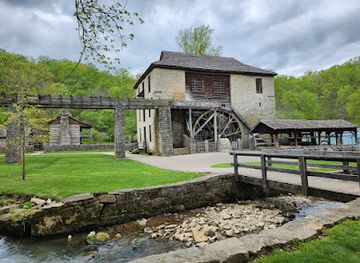
Spring Mill State Park
Explore the breathtaking landscapes and rich history of Spring Mill State Park, a top destination for outdoor adventures in Indiana.
Best landmarks in Southwest Indiana
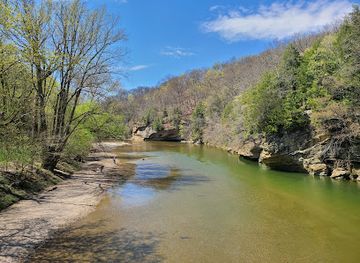
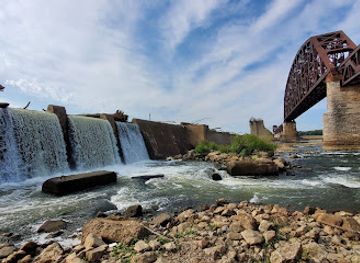
The Ohio River is Southwest Indiana’s defining natural landmark, shaping Evansville’s setting and the region’s historic connections with Kentucky and the lower Midwest. Angel Mounds’ broad earthen platforms are among the most significant surviving Indigenous landmarks in the state and give physical form to a much older civic landscape. In Vincennes, the George Rogers Clark Memorial and the historic association of Fort Sackville mark the town’s role in the American Revolutionary era, while Grouseland recalls the territorial period under William Henry Harrison. New Harmony’s preserved nineteenth-century buildings, gardens and planned streets express the town’s unusual communal past more effectively than a single monument. Lincoln Boyhood National Memorial’s reconstructed pioneer setting and wooded grounds interpret the Indiana environment in which Abraham Lincoln spent part of his childhood. Evansville’s riverfront, historic residential districts and surviving industrial traces complete the region’s visual record of urban growth alongside water and transport.
-
Historical landmark
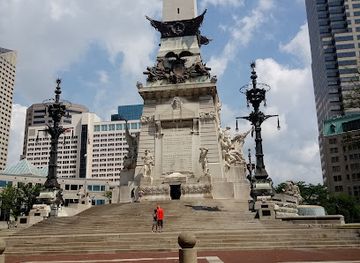
Soldiers & Sailors Monument
Explore the Soldiers & Sailors Monument, an iconic tribute to military valor in Indianapolis, showcasing stunning architecture and rich history.
-
Museum
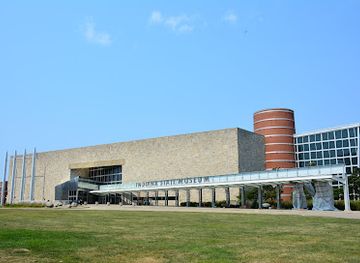
Indiana State Museum
Experience Indiana's history, art, and natural wonders at the Indiana State Museum in downtown Indianapolis, a cultural gem for every traveler.
-
Historical landmark
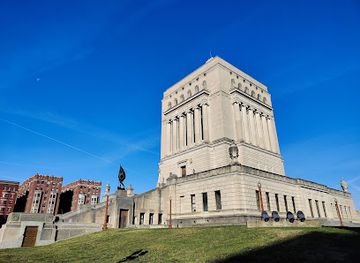
Indiana War Memorial & Museum
Explore the Indiana War Memorial & Museum, a historic landmark in Indianapolis honoring the bravery of Indiana's veterans through compelling exhibits and serene memorial grounds.
-
Heritage museum
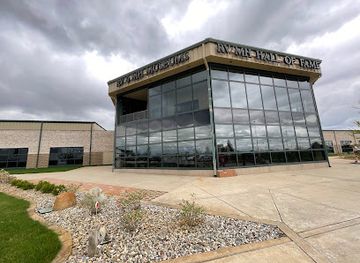
RV Hall of Fame & Museum
Explore the fascinating history of RVs at the RV Hall of Fame & Museum in Elkhart, Indiana, where adventure and nostalgia meet.
Explore Southwest Indiana on the map
Plan your trip on one map. See where the top cities, national parks and sights are, and book hotels and experiences in a few clicks.
Best hotels in Southwest Indiana
Best restaurants in Southwest Indiana
Dining in Southwest Indiana is grounded in Midwestern comfort food, Ohio Valley influences and the produce of a fertile agricultural region. Evansville has the broadest choice, including independent restaurants, cafés, diners, breweries and contemporary kitchens, while smaller communities tend towards family-run restaurants, bakeries and traditional American fare. Menus commonly draw on beef, pork, chicken, seasonal vegetables, sandwiches, soups and baked goods rather than a single defining regional cuisine. River-border connections bring familiar Kentucky and Southern influences to some dishes, but these should be understood as part of a wider cultural exchange rather than a separate local culinary tradition. Farmers’ markets and farm shops can be useful for Indiana-grown produce, preserves and seasonal specialities. In New Harmony and Vincennes, cafés and historic-town restaurants suit daytime visits, while Evansville is the most reliable base for a wider choice of evening dining and locally produced beer.
-
Steak
The Beef House Restaurant & Dinner Theatre
Experience exquisite steaks and captivating live performances at The Beef House Restaurant & Dinner Theatre in Covington, Indiana.
-
American
Industrial Revolution Eatery & Grille
Discover delicious American cuisine in Valparaiso at Industrial Revolution Eatery & Grille—where every meal is an experience!
-
Family-friendly
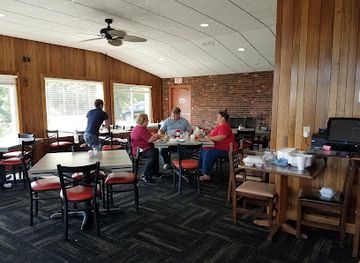
The Overlook Restaurant
Experience family-friendly dining at The Overlook Restaurant in Leavenworth, Indiana—where delicious meals meet stunning views.
-
Family-friendly
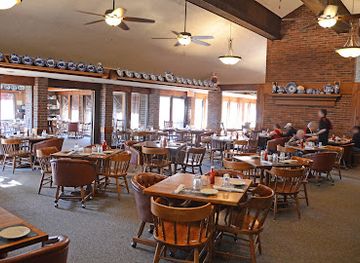
The Log Inn
Discover The Log Inn: Indiana's cherished family-friendly restaurant famous for its irresistible chicken dishes and inviting atmosphere.
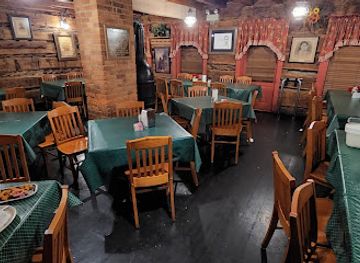
Best bars in Southwest Indiana
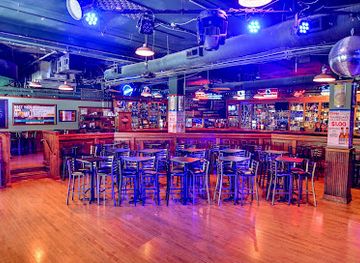
Evening life is concentrated in Evansville, where visitors will find traditional neighbourhood pubs, breweries, cocktail-focused bars, live music and restaurants that stay open later than those in smaller communities. The city’s riverfront and central districts provide the most varied setting for an evening out, although individual venues and schedules change. Vincennes and New Harmony offer a quieter pattern centred on restaurants, bars and occasional cultural programming rather than a large nightclub scene. Across the rural parts of Southwest Indiana, historic taverns, local bars and community events are more characteristic than late-night entertainment. Check current arrangements before travelling between towns, and do not rely on public transport for a late return from rural areas.
-
Bar
Schnitzelbank
Experience authentic German cuisine and hospitality at Schnitzelbank, Jasper's premier dining destination for traditional flavors and festive ambiance.
-
Irish pub
Fiddler's Hearth
Discover the essence of Ireland at Fiddler's Hearth, a vibrant Irish pub in South Bend offering authentic food, drinks, and live music to travelers.
-
Bar
Hunters Hideaway Inc
Discover the charm of Hunters Hideaway Inc in Nappanee, Indiana, where delicious food meets a warm and inviting atmosphere for the perfect dining experience.
-
Bar
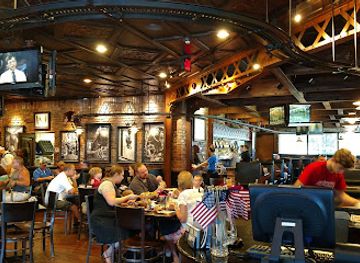
Five Star Dive Bar
Discover Five Star Dive Bar in Elkhart, Indiana – a lively bar and grill offering delicious food, great drinks, and live music for an unforgettable night out.

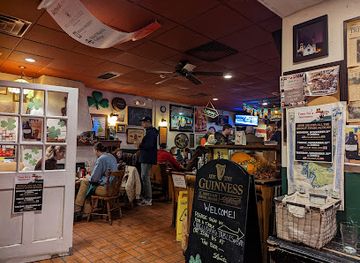
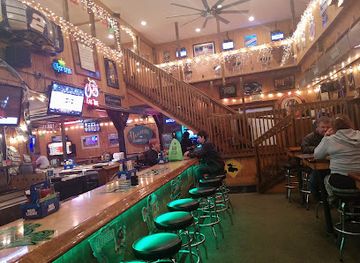
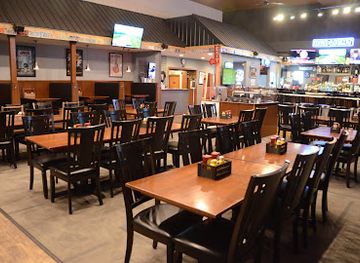
Best nightclubs in Southwest Indiana
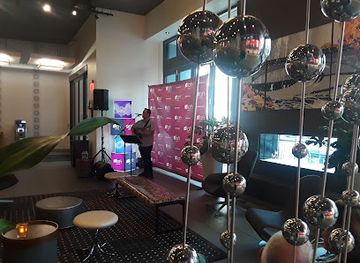
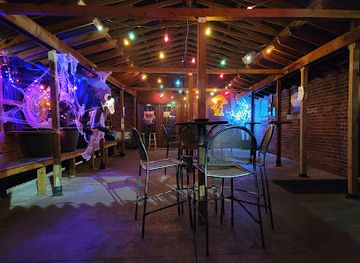
Evening life is concentrated in Evansville, where visitors will find traditional neighbourhood pubs, breweries, cocktail-focused bars, live music and restaurants that stay open later than those in smaller communities. The city’s riverfront and central districts provide the most varied setting for an evening out, although individual venues and schedules change. Vincennes and New Harmony offer a quieter pattern centred on restaurants, bars and occasional cultural programming rather than a large nightclub scene. Across the rural parts of Southwest Indiana, historic taverns, local bars and community events are more characteristic than late-night entertainment. Check current arrangements before travelling between towns, and do not rely on public transport for a late return from rural areas.
-
Night club
Howl at the Moon Indianapolis
Discover the vibrant nightlife at Howl at the Moon Indianapolis, where live music meets exquisite cocktails in an electrifying atmosphere.
-
Bar
WXYZ Lounge
Discover the vibrant atmosphere of WXYZ Lounge, South Bend's ultimate bar and lounge experience with craft cocktails, live music, and a welcoming ambiance.
-
Night club
After Dark
Discover the vibrant nightlife at After Dark, Fort Wayne's premier night club and inclusive destination for unforgettable experiences.
-
Night club
Estereo Nightclub
Discover the vibrant nightlife of Estereo Nightclub, a premier venue in Indianapolis for live music and electrifying dance parties.

Best shops in Southwest Indiana
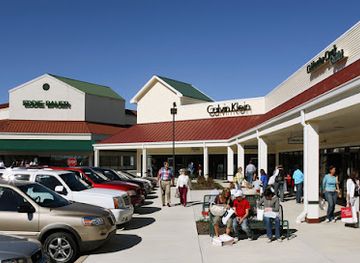
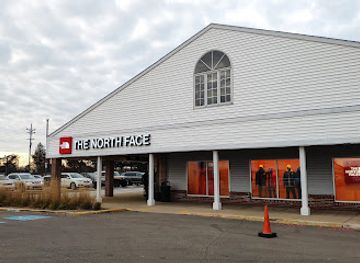
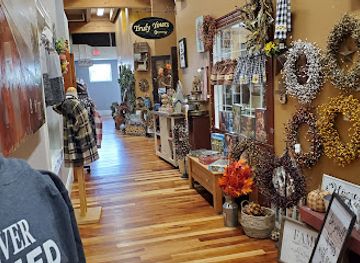
Evansville provides the most extensive shopping in Southwest Indiana, with conventional retail, independent boutiques, galleries, bookshops and stores serving the wider regional population. Its established commercial areas are complemented by seasonal farmers’ markets and local food vendors, where visitors may find Indiana produce, baked goods, preserves and craft products. New Harmony is better suited to browsing galleries, small gift shops, books, art and items connected with its architectural and reform history than to extensive retail shopping. Vincennes has a traditional small-city shopping character, with independent businesses and antique-oriented browsing around its historic centre. In rural communities, shopping is often incidental to a heritage or countryside visit, and opening patterns can be limited. Practical regional purchases include locally made food, Indiana craft beverages, artwork, books on Indigenous and frontier history, and handmade goods rather than mass-produced souvenirs.
-
Outlet mall
Indiana Premium Outlets
Explore unbeatable savings and a variety of designer brands at Indiana Premium Outlets, the premier shopping destination in Edinburgh, Indiana.
-
Outlet mall
Lighthouse Place Premium Outlets
Explore Lighthouse Place Premium Outlets in Michigan City for incredible discounts on top brands and enjoy scenic views near Lake Michigan.
-
Shopping mall
Shops on Main
Discover Shops on Main in Schererville, Indiana, where shopping meets dining for an unforgettable experience.
-
Gift shop
Davis Mercantile
Explore unique gifts and savor delicious treats at Davis Mercantile, a delightful destination in Shipshewana, Indiana.
Get your free copy of our complete guide to Southwest Indiana, delivered straight to you.
Everything on this page, from attractions and restaurants to essentials and local phrases, in one PDF you can read offline, print or share.
Already have an account? Sign in
Your Southwest Indiana guide is ready.
We'll send it to · Not you? Sign out

Getting your guide ready…
We are putting together a fresh copy of the Southwest Indiana guide. This can take up to a minute.
This can take a few moments. If your browser asks, choose Allow so the download can start. You'll find the guide in your Downloads folder.
Nothing happened? Download it again
Sorry, the guide is taking longer than usual. Please try again in a minute, or get it by email instead.
Southwest Indiana essentials
Currency and Payment
Safety
Emergency Situations
Do's and Don'ts
Local Tips
From Eve
Local phrases worth knowing
You don't need to get them perfect. A few words go a long way, and locals appreciate the effort.
Basics
| English | Local | Say it |
|---|---|---|
| Hello | Howdy | [haʊdi] |
| Goodbye | See ya | [si jə] |
| Yes | Yep | [jɛp] |
| No | Naw | [nɔ] |
| Please/You're welcome | No problem | [noʊ ˈprɑːbləm] |
| Thank you | Thanks | [θæŋks] |
| Excuse me/Sorry | Pardon me | [ˈpɑːrdən mi] |
| How are you? | How ya doin'? | [haʊ jə ˈduɪn] |
| Fine. And you? | Good. You? | [ɡʊd jə] |
| Do you speak English? | Do ya speak English? | [du jə spiːk ˈɪŋɡlɪʃ] |
| I don't understand | I ain't gettin' it | [aɪ eɪnt ˈɡɛtɪn ɪt] |
Eating & Drinking
| English | Local | Say it |
|---|---|---|
| I'd like to see the menu, please | Can I see the menu, please? | [kæn aɪ si ðə ˈmɛnju pliz] |
| I don't eat meat | I don't do meat | [aɪ doʊnt du mit] |
| Cheers! | Cheers! | [tʃɪrz] |
| I would like to pay, please | Can I pay, please? | [kæn aɪ peɪ pliz] |
Emergencies
| English | Local | Say it |
|---|---|---|
| Help! | Help! | [hɛlp] |
| Go away! | Get lost! | [ɡɛt lɔst] |
| Call the Police! | Call the cops! | [kɔl ðə kɑps] |
| Call a doctor! | Call a doc! | [kɔl ə dɑk] |
| I'm lost | I'm lost | [aɪm lɔst] |
| I'm ill | I'm sick | [aɪm sɪk] |
Shopping
| English | Local | Say it |
|---|---|---|
| I'd like to buy... | I wanna buy... | [aɪ ˈwɑːnə baɪ] |
| I'm just looking | I'm just browsin' | [aɪm dʒʌst ˈbraʊzɪn] |
| How much is it? | How much's it gonna cost? | [haʊ mʌtʃ ɪt ˈɡɒnə kɔst] |
| That's too expensive | That's too high | [ðæts tu haɪ] |
| Can you lower the price? | Can ya knock down the price? | [kæn jə nɒk daʊn ðə praɪs] |
Time & Numbers
| English | Local | Say it |
|---|---|---|
| What time is it? | What time is it? | [wʌt taɪm ɪt] |
| It's one o'clock | It's one o'clock | [ɪts wʌn əˈklɑk] |
| Half past (10) | Half past ten | [hæf pæst tɛn] |
| Morning | Mornin' | [ˈmɔrnɪn] |
| Afternoon | Afternoon | [ˌæftərˈnun] |
| Evening | Evenin' | [ˈiːvnɪŋ] |
| Yesterday | Yestiddy | [jɛstədi] |
| Today | Today | [təˈdeɪ] |
| Tomorrow | T'morrow | [təˈmɒroʊ] |
| 1 | One | [wʌn] |
| 2 | Two | [tu] |
| 3 | Three | [θri] |
| 4 | Four | [fɔr] |
| 5 | Five | [faɪv] |
| 6 | Six | [sɪks] |
| 7 | Seven | [ˈsɛvən] |
| 8 | Eight | [eɪt] |
| 9 | Nine | [naɪn] |
| 10 | Ten | [tɛn] |
Transport & Directions
| English | Local | Say it |
|---|---|---|
| Where's a/the...? | Where's the...? | [wɛrz ðə] |
| What's the address? | What's the address? | [wʌts ði əˈdrɛs] |
| Can you show me (on the map)? | Can ya show me (on the map)? | [kæn jə ʃoʊ mi (ɑn ðə mæp)] |
| When's the next (bus)? | When's the next bus? | [wɛnʔs ðə nɛkst bʌs] |
| A ticket (to ....) | A ticket to... | [ə ˈtɪkɪt tu] |
History of Southwest Indiana
Mississippian Angel Mounds, c. 1000–1450
Angel Mounds State Historic Site near Evansville preserves the remains of a large Mississippian settlement established beside the Ohio River. Its inhabitants farmed the fertile floodplain, participated in extensive regional exchange and built earthen platform mounds for civic, ceremonial and residential purposes. The site was one of the most important centres in the prehistoric Ohio River Valley, although its original community had declined centuries before European settlement. Today, the mounds, interpretive facilities and surrounding landscape provide essential context for understanding the deep Indigenous history of southwestern Indiana.
French Vincennes and the Wabash Frontier, eighteenth century
Vincennes developed from French colonial activity along the Wabash River and became a strategic settlement linking the Great Lakes, the Ohio Valley and the Mississippi world. French officials, traders, missionaries and Indigenous nations shaped the area’s early history through commerce, diplomacy and conflict. The settlement changed hands during the imperial struggles of the eighteenth century and remained important after the United States expanded into the Old Northwest. Its surviving historic associations make Vincennes one of the principal places for interpreting Indiana’s early European and Indigenous encounters.
The Illinois Campaign and George Rogers Clark, 1778–1779
During the American Revolution, George Rogers Clark led an American force from Kentucky north-west into the Illinois Country. His capture of Vincennes in 1779, including the surrender of the British post at Fort Sackville, helped the United States strengthen its claim to territory north of the Ohio River. The campaign became part of the political background to the later creation of the Northwest Territory. George Rogers Clark National Historical Park in Vincennes commemorates the campaign and places it within the broader history of Indigenous diplomacy, imperial rivalry and American expansion.
Indiana Territory and the early state period, 1800–1816
Vincennes served as the capital of the Indiana Territory from its creation in 1800 until the territorial government moved to Corydon in 1813. William Henry Harrison, the territory’s first governor, used the town as an administrative and political centre during a period of rapid American settlement and intense negotiations with Indigenous nations. The territory became the state of Indiana in 1816, but its early institutions, land policies and conflicts had already shaped the future state. Grouseland and other Vincennes sites help explain this formative period.
New Harmony’s communal experiments, 1814–1827
New Harmony became internationally known for two planned communities. The first was established by the Rappites, German-speaking religious migrants who created a disciplined settlement with distinctive architecture and gardens. In 1825, Welsh industrialist and reformer Robert Owen purchased the town and launched a secular experiment in cooperative education and social organisation. Although Owen’s community survived only briefly, its residents included scientists, educators and reformers, among them William Maclure. New Harmony’s preserved buildings and cultural institutions reflect the settlement’s continuing influence on American reform and intellectual history.
River commerce, railways and industrial growth, nineteenth century
The Ohio and Wabash rivers made southwestern Indiana part of a larger inland transport network. Flatboats, steamboats and later railways connected farms, timber, coalfields and manufacturing centres with markets across the Midwest and the South. Evansville grew into a major regional commercial and industrial city, while towns such as Vincennes retained their importance as river and overland centres. The rise of rail and improved roads gradually reduced the rivers’ monopoly, but warehouses, historic streets, riverfront infrastructure and long-established industries still reveal how transport shaped the region.
Coal mining and the modern energy economy
Coal deposits in southwestern Indiana supported mining communities and fuelled industrial development, particularly around areas north and west of Evansville. The industry provided employment and helped power electricity generation, but it also transformed landscapes and left a complex environmental and social legacy. As mining declined in some districts and energy production changed, communities faced the challenges of economic transition. The region’s contemporary identity therefore includes not only river heritage and historic towns but also the memory of industrial work, resource extraction and changing energy technologies.
Southwest Indiana in Photos
Browse through our photo collection highlighting the charm and character of the destination.
Neighbouring regions of Southwest Indiana
The closest regions to Southwest Indiana, if you have time for more than one.
-

-

-

-

-


Swipe for more regions
Explore more

Explore more of Indiana
Explore Indiana: From the bustling streets of Indianapolis to the serene beauty of Indiana Dunes, discover the diverse experiences that make Indiana the Crossroads of America.
Explore Indiana