

Downtown Des Moines (Des Moines) Travel Guide - Free
Explore Downtown Des Moines in Des Moines with Evendo's free guide. Find the best shops, historic streets, restaurants, and gems on web or mobile.


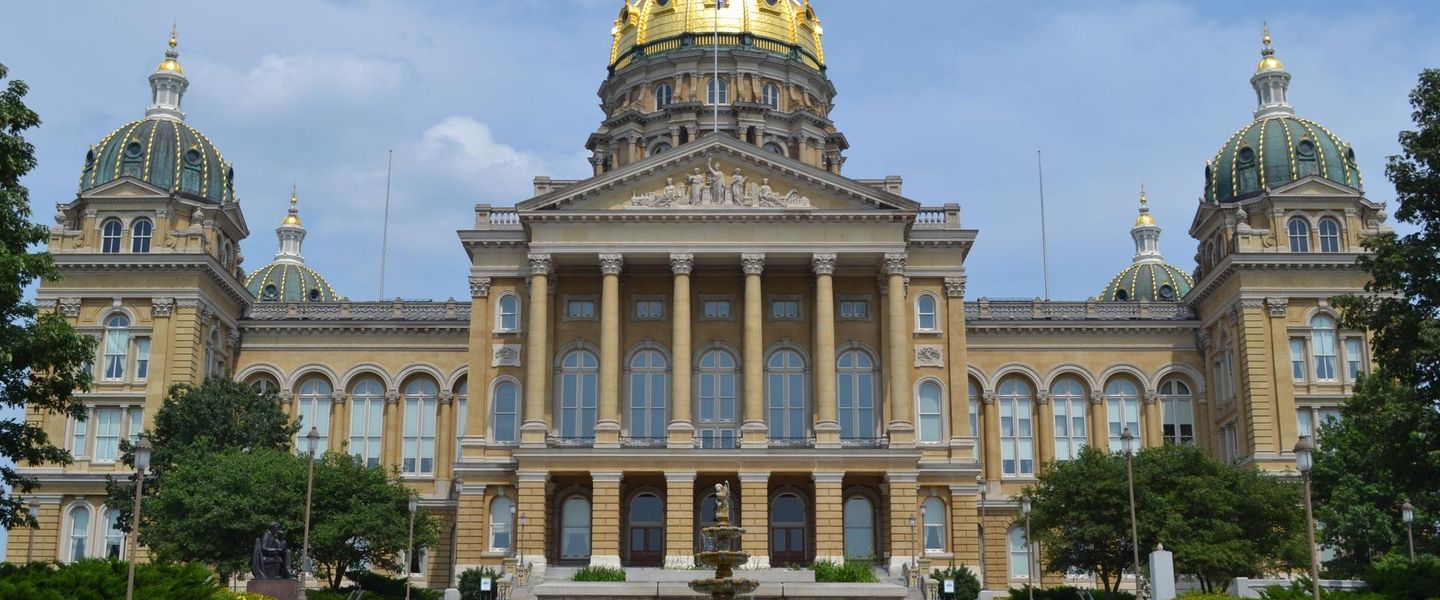


Downtown Des Moines blends Court Avenue dining, public art, river walks, live theatre, the farmers’ market and Iowa culture in a compact urban centre.
A Compact Civic Centre
Downtown Des Moines occupies the meeting point of Iowa’s principal rivers, where the Des Moines River curves past a concentrated mix of civic buildings, theatres, restaurants, offices and public spaces. The central business district is compact enough to explore on foot, yet its character changes from block to block: the Western Gateway opens into lawns and contemporary sculpture, Court Avenue retains the atmosphere of an older commercial street, and the riverfront links parks, bridges and recreation areas.Read more about Downtown Des Moines
Art, Performance and Public Space
Markets, Food and Evening Streets
Best attractions in Downtown Des Moines
Downtown Des Moines offers a concentrated sequence of attractions rather than a single monumental sight. The John and Mary Pappajohn Sculpture Park places major contemporary works across an accessible outdoor landscape at the Western Gateway, while the Principal Riverwalk follows the Des Moines River through promenades, bridges, gardens and viewpoints. The Des Moines Civic Center is the district’s principal theatre venue, presenting a changing programme of touring performances, and the Des Moines Central Library adds a notable piece of contemporary civic architecture. Court Avenue and the Historic Court District reward a slower walk through older commercial blocks, restaurants and bars. The seasonal Downtown Farmers’ Market expands this experience across surrounding streets with regional food and craft stalls. The Brenton Skating Plaza and riverfront paths bring a recreational dimension, while the Iowa Events Center supplies large-scale concerts, conventions and sporting events nearby.
-
Sculpture museum
Pappajohn Sculpture Park
Experience the Pappajohn Sculpture Park in Des Moines, Iowa, an open-air museum showcasing stunning contemporary art amid beautiful landscapes.
12 min walk · 0.9 km from neighbourhood centre
-
 Botanical garden
Greater Des Moines Botanical Garden
Discover the beauty of the Greater Des Moines Botanical Garden, a stunning oasis featuring diverse plant collections and serene landscapes in the heart of Iowa.
18 min walk · 1.5 km from neighbourhood centre
-
Haunted house
The Slaughterhouse Haunted Attraction
Experience the ultimate fright at The Slaughterhouse Haunted Attraction in Des Moines, IA, where fear meets entertainment in a thrilling adventure.
1 min walk · 0.1 km from neighbourhood centre
-
Science museum
Science Center of Iowa
Explore the Science Center of Iowa for an engaging journey through science, technology, and discovery in the heart of Des Moines.
5 min walk · 0.4 km from neighbourhood centre


Best landmarks in Downtown Des Moines
Downtown Des Moines’s landmarks express its roles as Iowa’s capital, commercial centre and river city. The John and Mary Pappajohn Sculpture Park is both a public artwork collection and a defining western gateway to the central district, while the Principal Riverwalk’s bridges and promenades have made the river a visible part of downtown life. Court Avenue retains the strongest sense of the historic commercial core, with older masonry buildings and a street pattern shaped by nineteenth-century growth. The Des Moines Civic Center is an important later cultural landmark, and the Des Moines Central Library represents a modern civic approach to public architecture. The Iowa Events Center anchors the northern part of downtown with large-scale event facilities. Together these places show how the district has been repeatedly adapted—from river-oriented settlement and commerce to office, cultural and public-realm uses.
-
Sculpture museum
Pappajohn Sculpture Park
Explore the beautiful Pappajohn Sculpture Park in Des Moines, an outdoor gallery featuring world-renowned sculptures amidst stunning landscapes.
12 min walk · 0.9 km from neighbourhood centre
-
Historical landmark
Terrace Hill Historic Site
Explore Iowa's rich history at Terrace Hill Historic Site, the Governor's residence known for its stunning architecture and beautiful gardens.
6 min drive · 2.1 km from neighbourhood centre
-
Museum
Des Moines Heritage Trust / East Union Depot
Discover the captivating history of Des Moines at the Heritage Trust and East Union Depot, where past meets present in an engaging museum experience.
14 min walk · 1.2 km from neighbourhood centre
-
Museum
Fort Des Moines II - Birthplace of Des Moines Memorial Cabin
Discover the historical significance of Fort Des Moines II, a pivotal landmark in Iowa's military and cultural heritage, located in the heart of Des Moines.
9 min walk · 0.7 km from neighbourhood centre


Explore Downtown Des Moines on the map
A handpicked selection of must-see spots in Downtown Des Moines, mapped for you.
Best hotels in Downtown Des Moines
Best restaurants in Downtown Des Moines
Downtown Des Moines has its broadest concentration of restaurants around Court Avenue, the Historic Court District and adjoining blocks, where older commercial facades accommodate steakhouses, casual dining rooms, pizzerias, burgers, international food and bars with substantial menus. The area’s food culture reflects both the capital’s professional population and Iowa’s agricultural setting: seasonal produce, regional meat and locally made products appear alongside contemporary American cooking and familiar late-night fare. Fong’s Pizza and Zombie Burger are established downtown names, while the wider district includes independent cafés and restaurants whose offerings change over time. The Downtown Farmers’ Market provides another way to sample Iowa food traditions, from baked goods and prepared dishes to farm produce, but it is a seasonal market rather than a permanent food hall. Event nights can make Court Avenue particularly busy, so dining plans may need flexibility.
-
Southern
Bubba
Experience authentic Southern cuisine at Bubba in Downtown Des Moines - where every meal feels like home.
6 min walk · 0.5 km from neighbourhood centre
-
American
Americana
Experience the best of American cuisine at Americana in Downtown Des Moines - where great food meets vibrant atmosphere.
11 min walk · 0.9 km from neighbourhood centre
-
French
Django
Experience exquisite French cuisine at Django in Downtown Des Moines – where culinary artistry meets elegant dining.
12 min walk · 1.0 km from neighbourhood centre
-
Vietnamese
A Dong Restaurant
Discover authentic Vietnamese cuisine at A Dong Restaurant in Des Moines, where vibrant flavors meet affordable dining options.
14 min walk · 1.1 km from neighbourhood centre


Best bars in Downtown Des Moines
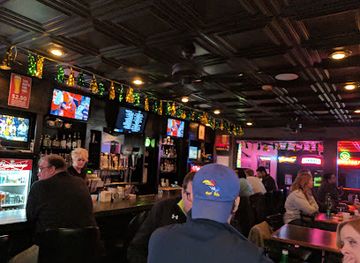
Downtown Des Moines nightlife is concentrated around Court Avenue and the Historic Court District, with Irish-style pubs, beer bars, cocktail-focused venues, casual drinking spots and restaurants that become livelier after work and during events. Royal Mile is a long-established Court Avenue pub associated with an extensive beer selection, while Hessen Haus brings a German-inspired beer-hall style to the downtown scene. El Bait Shop, on the southern side of the central area, is known for its large beer list and informal atmosphere. The district also benefits from performances at the Des Moines Civic Center and events at the Iowa Events Center, though these are scheduled entertainments rather than nightclubs. Late-night activity varies by day and by the event calendar, and the atmosphere is generally more concentrated around particular venues than spread evenly across every downtown street.
-
Bar
The High Life Lounge
Experience a vibrant 70s-inspired bar and restaurant in downtown Des Moines, offering delicious American cuisine and creative cocktails in a lively atmosphere.
7 min walk · 0.6 km from neighbourhood centre
-
Tapas Bar
The Stuffed Olive Des Moines
Discover a vibrant tapas bar in Downtown Des Moines with over 100 martini variations and unique appetizers for an unforgettable dining experience.
4 min walk · 0.4 km from neighbourhood centre
-
Cocktail bar
Hello, Marjorie
Experience the creative cocktail culture of Des Moines at Hello, Marjorie, where innovative drinks and a vibrant atmosphere await.
3 min walk · 0.2 km from neighbourhood centre
-
Cocktail bar
Juniper Moon
Discover the art of mixology at Juniper Moon, Des Moines' top cocktail bar, where unique flavors and a cozy atmosphere await.
5 min drive · 1.6 km from neighbourhood centre


Best nightclubs in Downtown Des Moines
Downtown Des Moines nightlife is concentrated around Court Avenue and the Historic Court District, with Irish-style pubs, beer bars, cocktail-focused venues, casual drinking spots and restaurants that become livelier after work and during events. Royal Mile is a long-established Court Avenue pub associated with an extensive beer selection, while Hessen Haus brings a German-inspired beer-hall style to the downtown scene. El Bait Shop, on the southern side of the central area, is known for its large beer list and informal atmosphere. The district also benefits from performances at the Des Moines Civic Center and events at the Iowa Events Center, though these are scheduled entertainments rather than nightclubs. Late-night activity varies by day and by the event calendar, and the atmosphere is generally more concentrated around particular venues than spread evenly across every downtown street.
-
Restaurant
The High Life Lounge
Experience the vibrant taste of American cuisine in a retro setting at The High Life Lounge, a must-visit spot in Downtown Des Moines.
7 min walk · 0.6 km from neighbourhood centre
-
Jazz
Noce
Experience soulful jazz and exquisite cocktails at Noce, Des Moines' premier jazz club and cocktail bar in the heart of downtown.
11 min walk · 0.9 km from neighbourhood centre
-
Night club
The Garden Nightclub
Experience the electric atmosphere at The Garden Nightclub, Des Moines' premier venue for live music and vibrant nightlife.
16 min walk · 1.3 km from neighbourhood centre
-
Bar
Beechwood Lounge
Experience the vibrant nightlife of Des Moines at Beechwood Lounge, where friendly vibes and great drinks await you.
14 min walk · 1.1 km from neighbourhood centre


Best shops in Downtown Des Moines
Shopping in Downtown Des Moines is more event-led and independent than department-store focused. The strongest recurring retail occasion is the seasonal Downtown Farmers’ Market, when Court Avenue and neighbouring streets fill with Iowa growers, bakers, food producers, makers and prepared-food vendors. Outside market hours, visitors will find small specialist retailers, cafés and locally oriented businesses mixed through the Historic Court District and central blocks, while the downtown skywalk connects offices, hotels and commercial premises rather than forming a conventional pedestrian shopping street. The Western Gateway and riverfront are primarily public and cultural spaces, not retail districts. Visitors seeking a broader concentration of boutiques and independent shops may find more choice in adjacent East Village, which should be treated as a separate nearby neighbourhood rather than part of Downtown Des Moines.
-
Gift shop
Funky Finds Vintage & Retro
Explore Funky Finds Vintage & Retro in Des Moines – your ultimate destination for unique gifts, vintage clothing, and eclectic treasures.
18 min walk · 1.4 km from neighbourhood centre
-
Jewelry store
KIN
Explore KIN, a unique jewelry boutique in East Village, Des Moines, offering exquisite jewelry, beauty products, and home goods in a luxurious setting.
13 min walk · 1.0 km from neighbourhood centre
-
Vintage clothing store
Goldeneye Curations
Explore the charm of vintage fashion at Goldeneye Curations, a must-visit boutique in Des Moines for unique clothing and accessories.
15 min walk · 1.2 km from neighbourhood centre
-
Home goods store
She Home & Gift
Explore She Home & Gift in Des Moines for unique home decor and thoughtful gifts that capture the spirit of Iowa, perfect for every taste.
13 min walk · 1.1 km from neighbourhood centre


Downtown Des Moines essentials
Getting There
Getting Around
Safety
Emergency Situations
Do's and Don'ts
Local Tips

From Eve
Local phrases worth knowing
You don't need to get them perfect. A few words go a long way, and locals appreciate the effort.
Basics
| English | Local | Say it |
|---|---|---|
| Hello | Howdy | [haw-dee] |
| Goodbye | See ya | [see yah] |
| Yes | Yep | [yep] |
| No | Nah | [nuh] |
| Please/You're welcome | Please/No problem | [pleez/no prob-lem] |
| Thank you | Thanks | [th-anks] |
| Excuse me/Sorry | Pardon me/My bad | [par-dun me/my bad] |
| How are you? | How's it going? | [hows it go-ing] |
| Fine. And you? | Good. You? | [good. yoo] |
| Do you speak English? | Ya speak English? | [yah speak ing-lish] |
| I don't understand | I'm lost | [im lost] |
Eating & Drinking
| English | Local | Say it |
|---|---|---|
| I'd like to see the menu, please | Can I see the menu? | [ken eye see the men-yoo] |
| I don't eat meat | I'm vegetarian | [im ve-ji-tear-ee-an] |
| Cheers! | Cheers! | [cheers] |
| I would like to pay, please | Check please | [chek pleez] |
Emergencies
| English | Local | Say it |
|---|---|---|
| Help! | Help! | [help] |
| Go away! | Get lost! | [get lost] |
| Call the Police! | Call the Cops! | [call the cops] |
| Call a doctor! | Get a doc! | [get a dock] |
| I'm lost | I'm lost | [im lost] |
| I'm ill | I'm sick | [im sik] |
Shopping
| English | Local | Say it |
|---|---|---|
| I'd like to buy... | I wanna buy... | [i wanna buy] |
| I'm just looking | Just browsing | [just brows-ing] |
| How much is it? | How much? | [how much] |
| That's too expensive | That's pricy | [thats pricy] |
| Can you lower the price? | Any discounts? | [any dis-counts] |
Time & Numbers
| English | Local | Say it |
|---|---|---|
| What time is it? | What's the time? | [whats the time] |
| It's one o'clock | It's one | [its one] |
| Half past (10) | Ten thirty | [ten thur-tee] |
| Morning | Morning | [mor-ning] |
| Afternoon | Afternoon | [af-ter-noon] |
| Evening | Evening | [even-ing] |
| Yesterday | Yesterday | [yes-ter-day] |
| Today | Today | [to-day] |
| Tomorrow | Tomorrow | [to-mor-row] |
| 1 | One | [wun] |
| 2 | Two | [too] |
| 3 | Three | [three] |
| 4 | Four | [four] |
| 5 | Five | [five] |
| 6 | Six | [six] |
| 7 | Seven | [seven] |
| 8 | Eight | [ate] |
| 9 | Nine | [nine] |
| 10 | Ten | [ten] |
Transport & Directions
| English | Local | Say it |
|---|---|---|
| Where's a/the...? | Where's the...? | [wheres the] |
| What's the address? | What's the addy? | [whats the add-ee] |
| Can you show me (on the map)? | Can you show me (on the map)? | [can you show me (on the map)] |
| When's the next (bus)? | When's the next (bus)? | [whens the next (bus)] |
| A ticket (to ....) | A ticket (to ....) | [a ticket (to)] |
History of Downtown Des Moines
River Confluence and Fort Des Moines
Downtown Des Moines developed around the confluence of the Des Moines and Raccoon rivers, a location that had long been significant to Indigenous peoples before American settlement. Fort Des Moines was established in 1843 near the junction, and the settlement that followed took the name Des Moines. The rivers influenced early movement, commerce and the location of the emerging town, while the low-lying ground also brought recurring challenges from flooding. The area’s later street plan and central institutions grew outward from this river-oriented settlement rather than from a pre-existing colonial town centre.
A New State Capital
Des Moines became Iowa’s permanent capital in 1857, when the legislature moved the seat of government from Iowa City. That decision gave the young settlement an enduring civic role and encouraged the construction of offices, public institutions and transportation links around the downtown area. Commercial activity concentrated along streets including Court Avenue, while the river crossings and expanding road network connected the capital to surrounding communities. The state government’s presence continued to distinguish central Des Moines from ordinary commercial towns, even as private offices, shops and entertainments filled the blocks around it.
Railways, Commerce and Urban Growth
During the late nineteenth and early twentieth centuries, railways and industrial commerce strengthened Des Moines’s position as a regional centre. Downtown gained banks, department stores, theatres, hotels and commercial buildings serving Iowa’s capital and its growing population. Court Avenue and adjoining streets became important places for trade and public life, while the rivers and rail corridors supported warehousing and movement of goods. Many later changes to the central district—including highway construction, parking provision and redevelopment—reflect the tension between preserving this historic commercial core and adapting it to twentieth-century patterns of travel.
Renewal Around the River and Gateway
Like many American downtowns, Des Moines experienced suburban competition and the loss of some traditional retail activity after the Second World War. Civic investment later sought to restore central-city foot traffic through venues, public landscapes and riverfront improvements. The Des Moines Civic Center opened in 1979, and subsequent projects reshaped the western gateway and river corridor with parks, trails, bridges and cultural facilities. The John and Mary Pappajohn Sculpture Park, opened in 2009, became a particularly visible part of this renewal. Contemporary downtown Des Moines combines surviving commercial streets with purpose-built public spaces and a large office and events economy.
Downtown Des Moines in Photos
Browse through our photo collection highlighting the charm and character of the destination.
Neighbourhoods near Downtown Des Moines
The closest neighbourhoods to Downtown Des Moines, if you have time for more than one stop.

Swipe for more neighbourhoods
Explore more

Explore more of Des Moines
Des Moines, Iowa blends a golden-domed Capitol, riverfront trails, public art, farmers' markets, museums and welcoming neighbourhoods in America's heartland.
Explore Des Moines