

Catania City Centre (Catania) Travel Guide - Free
Explore Catania City Centre in Catania with Evendo's free guide. Find the best shops, historic streets, restaurants, and gems on web or mobile.


Catania City Centre blends Baroque lava-stone streets, Piazza Duomo, lively markets, Sicilian food and Mount Etna views in eastern Sicily, Italy.
A Centre Shaped by Fire and Stone
Catania City Centre is the historic core of eastern Sicily, arranged around grand squares, narrow lanes and the long north–south axis of Via Etnea. Its architecture has a distinctive dark-and-pale character: buildings reconstructed after the catastrophes of the seventeenth century use local volcanic stone alongside pale limestone, producing the dramatic Baroque streetscape for which central Catania is known. The silhouette of Mount Etna often appears at the end of streets or above rooftops, creating a constant geographical presence.Read more about Catania City Centre
Squares, Churches and Ancient Layers
Markets and Evening Life
Best attractions in Catania City Centre
Piazza Duomo is the essential starting point, bringing together the Cathedral of Sant'Agata, the lava-stone Fontana dell'Elefante and the monumental façades around the square. From there, La Pescheria offers a vivid glimpse of Catania's long-standing fish-market culture, while the Roman Theatre and adjacent Odeon reveal ancient performance spaces woven into the modern neighbourhood. Via Crociferi is an attraction in its own right, with a sequence of Baroque churches, convent façades and formal stairways. Via Etnea provides the centre's principal urban walk, linking shops, cafés and civic architecture with Villa Bellini, the city's oldest public garden, farther north. Teatro Massimo Bellini adds an important performing-arts dimension, while the lanes around Piazza Carlo Alberto show a less formal side of central life through market stalls, food shops and everyday Sicilian commerce.
-
Catholic cathedral
Basilica Cattedrale di Sant'Agata
Discover the Basilica Cattedrale di Sant'Agata in Catania, a stunning Baroque cathedral rich in history and cultural significance.
15 min walk · 1.2 km from neighbourhood centre
-
Historical landmark
Piazza Università
Discover the historical charm of Piazza Università, Catania’s vibrant square filled with stunning architecture and local culture.
13 min walk · 1.0 km from neighbourhood centre
-
Botanical garden
Orto Botanico di Catania
Explore the lush landscapes of Orto Botanico di Catania, a tranquil botanical garden filled with vibrant plant life and serene pathways, perfect for nature lovers.
5 min walk · 0.4 km from neighbourhood centre
-
State park
Parco
Discover the serene landscapes and recreational activities at Parco, a state park in Catania, perfect for nature lovers and city explorers.
16 min walk · 1.3 km from neighbourhood centre


Best landmarks in Catania City Centre
The centre's defining landmark is Piazza Duomo, where the Cathedral of Sant'Agata and the Fontana dell'Elefante express Catania's close relationship with both religious identity and volcanic material. The cathedral is dedicated to the city's patron saint, while the elephant statue has become a civic emblem. Via Crociferi is significant for its coordinated late Baroque architecture, including churches and former convent buildings reconstructed after the 1693 earthquake. The Roman Theatre and Odeon preserve an earlier urban layer within the dense historic fabric, and Teatro Massimo Bellini represents the city's nineteenth-century musical culture. Across these places, black lava stone and pale limestone create a visual language strongly associated with post-earthquake Catania, while the surviving market spaces around La Pescheria connect monumental architecture with continuing commercial life.
-
 Park
Villa Bellini/Chiosco Bellini
Experience the beauty of Villa Bellini, Catania's lush urban park, featuring stunning gardens, fountains, and breathtaking views of the city and Mount Etna.
4 min walk · 0.3 km from neighbourhood centre
-
Castle
Ursino Castle
Explore the timeless beauty of Ursino Castle in Catania, a historical landmark that showcases the city's rich heritage and stunning architecture.
5 min drive · 1.5 km from neighbourhood centre
-
Historical landmark
Fountain of the Elephant
Discover the enchanting Fountain of the Elephant, a historical landmark in Catania that showcases the city's rich heritage and artistic beauty.
14 min walk · 1.2 km from neighbourhood centre
-
Catholic cathedral
Basilica Cattedrale di Sant'Agata
Explore the stunning Basilica Cattedrale di Sant'Agata, a Baroque masterpiece and spiritual heart of Catania, rich in history and architectural beauty.
15 min walk · 1.2 km from neighbourhood centre


Explore Catania City Centre on the map
A handpicked selection of must-see spots in Catania City Centre, mapped for you.
Best hotels in Catania City Centre
Best restaurants in Catania City Centre
Dining in Catania City Centre moves between traditional Sicilian cooking, market food and contemporary small-plate restaurants. Around La Pescheria and the lanes near Piazza Duomo, seafood, fried fish, pasta alla Norma and other local dishes reflect the city's coastal setting and agricultural hinterland. Historic cafés and pastry shops provide granita, brioche, cannoli and espresso, while the streets near Via Santa Filomena and Via Gemmellaro have become associated with a concentrated restaurant and bar scene. Market areas around Piazza Carlo Alberto offer opportunities to encounter produce, cheese, bread and prepared foods in a more everyday setting. Menus vary considerably, from family-run trattorias to modern kitchens, so visitors should distinguish genuinely Sicilian specialities from broadly Italian offerings and check whether a menu emphasises seafood, seasonal produce or street-food traditions.
-
Sicilian restaurant
A Putia Dell'Ostello
Discover the vibrant flavors of Sicily at A Putia Dell'Ostello – where tradition meets modern culinary creativity in Catania.
17 min walk · 1.3 km from neighbourhood centre
-
Restaurant
Trattoria U Fucularu
Experience authentic Sicilian cuisine at Trattoria U Fucularu in Catania—where tradition meets flavor in every dish.
12 min walk · 1.0 km from neighbourhood centre
-
Seafood
Il Gambero Pazzo
Discover the authentic taste of Italy at Il Gambero Pazzo, where fresh seafood meets traditional cuisine in the heart of Catania.
5 min drive · 1.5 km from neighbourhood centre
-
Restaurant
Deliziosa
Discover the essence of Sicilian cuisine at Deliziosa, where every meal is a celebration of Mediterranean flavors and local traditions.
14 min walk · 1.1 km from neighbourhood centre


Best bars in Catania City Centre
Evenings in the city centre are shaped more by restaurants, wine bars, cafés and informal late-night gathering places than by a large concentration of conventional nightclubs. The streets around Via Santa Filomena, Via Gemmellaro and parts of the historic core attract social activity after dark, with outdoor tables and small venues bringing life to lanes that are quieter during the day. Teatro Massimo Bellini provides a more formal cultural option through opera and concert programming, subject to the published schedule, while bars near the university-facing streets often have a younger clientele. Nightlife is mixed with residential life, so sound carries easily through narrow streets; visitors should respect local homes and use care around traffic and scooters when moving between venues.
-
Pub
BarnAut
Discover BarnAut, a unique pub and espresso bar in Catania, offering vibrant decor, affordable prices, and an unforgettable local experience.
18 min walk · 1.4 km from neighbourhood centre
-
Cocktail bar
First Food & Drink
Experience the vibrant nightlife at First Food & Drink in Catania, where cocktails, live music, and Sicilian flavors unite for an unforgettable evening.
11 min walk · 0.8 km from neighbourhood centre
-
Cocktail bar
Bohéme Mixology Bar
Experience the art of mixology at Bohéme Mixology Bar in Catania, where cocktails are crafted to perfection in a vibrant atmosphere.
9 min walk · 0.7 km from neighbourhood centre
-
Cocktail bar
Drunk Bros
Discover Drunk Bros, Catania's premier cocktail bar and pub, where vibrant nightlife meets exceptional mixology in the heart of Sicily.
8 min walk · 0.6 km from neighbourhood centre


Best nightclubs in Catania City Centre
Evenings in the city centre are shaped more by restaurants, wine bars, cafés and informal late-night gathering places than by a large concentration of conventional nightclubs. The streets around Via Santa Filomena, Via Gemmellaro and parts of the historic core attract social activity after dark, with outdoor tables and small venues bringing life to lanes that are quieter during the day. Teatro Massimo Bellini provides a more formal cultural option through opera and concert programming, subject to the published schedule, while bars near the university-facing streets often have a younger clientele. Nightlife is mixed with residential life, so sound carries easily through narrow streets; visitors should respect local homes and use care around traffic and scooters when moving between venues.
-
Night club
MA Catania
Discover the ultimate nightlife experience in Catania at MA Catania, where vibrant music, exquisite cocktails, and unforgettable moments await you.
19 min walk · 1.5 km from neighbourhood centre
-
Night club
Dea Della Notte Night Club Lap Dance
Discover the electrifying atmosphere of Dea Della Notte Night Club, Catania's top destination for exhilarating nightlife and unforgettable performances.
5 min drive · 1.5 km from neighbourhood centre
-
Night club
Stone Club Catania
Discover the electrifying nightlife at Stone Club Catania, a premier destination for techno music lovers in the heart of Catania.
15 min walk · 1.2 km from neighbourhood centre
-
Night club
Ecs Dogana
Discover Catania's nightlife at Ecs Dogana, a top-rated night club offering electrifying music, dancing, and a vibrant atmosphere for all night owls.
18 min walk · 1.4 km from neighbourhood centre


Best shops in Catania City Centre
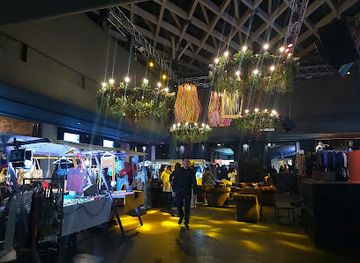
Shopping in Catania City Centre combines mainstream retail along Via Etnea with market trading, food shops and independent businesses in surrounding streets. The area around La Pescheria is primarily associated with fresh food and seafood, while Piazza Carlo Alberto hosts the long-established Fera o Luni market, where stalls sell clothing, household goods, accessories and produce. Via Etnea and adjoining streets offer department stores, fashion retailers, cafés and smaller specialist shops, with more local character often found away from the most formal shopfronts. Visitors interested in Sicilian products can look for confectionery, ceramics, wine, olive products and regional foods, although stock differs from shop to shop. The centre's retail identity is therefore not a single shopping district but a progression from grand commercial avenue to traditional market and neighbourhood business.
-
Department store
Rinascente Catania
Explore Rinascente Catania for an unparalleled shopping experience, featuring luxury brands, local treasures, and stunning views of Mount Etna.
6 min walk · 0.5 km from neighbourhood centre
-
Souvenir store
Mizzica Souvenir
Explore the vibrant world of Sicilian crafts at Mizzica Souvenir, your destination for unique treasures in Catania.
15 min walk · 1.2 km from neighbourhood centre
-
Vintage clothing store
Freak
Discover unique vintage clothing and accessories at Freak, Catania’s premier destination for eclectic fashion finds and high-quality leather goods.
11 min walk · 0.9 km from neighbourhood centre
-
Gift shop
Agathae - Prodotti Tipici Siciliani
Explore the flavors of Sicily at Agathae - your destination for authentic Sicilian chocolates and health foods in Catania.
15 min walk · 1.2 km from neighbourhood centre


Catania City Centre essentials
Getting There
Getting Around
Safety
Emergency Situations
Do's and Don'ts
Local Tips

From Eve
Local phrases worth knowing
You don't need to get them perfect. A few words go a long way, and locals appreciate the effort.
Basics
| English | Local | Say it |
|---|---|---|
| Hello | Ciao | [chow] |
| Goodbye | Arrivederci | [ah-ree-veh-dehr-chee] |
| Yes | Sì | [see] |
| No | No | [noh] |
| Please/You're welcome | Per favore/Prego | [pehr fah-voh-reh/preh-goh] |
| Thank you | Grazie | [grah-tsyeh] |
| Excuse me/Sorry | Scusa/Mi dispiace | [skoo-sah/mee dee-spyah-cheh] |
| How are you? | Come stai? | [koh-meh stah-ee] |
| Fine. And you? | Bene. E tu? | [beh-neh. eh too] |
| Do you speak English? | Parli inglese? | [pahr-lee een-gleh-zeh] |
| I don't understand | Non capisco | [nohn kah-pee-scoh] |
Eating & Drinking
| English | Local | Say it |
|---|---|---|
| I'd like to see the menu, please | Vorrei vedere il menù, per favore | [vohr-reh-ee veh-deh-reh eel meh-noo, pehr fah-voh-reh] |
| I don't eat meat | Non mangio carne | [nohn mahn-joh kahr-neh] |
| Cheers! | Salute! | [sah-loo-teh] |
| I would like to pay, please | Vorrei pagare, per favore | [vohr-reh-ee pah-gah-reh, pehr fah-voh-reh] |
Emergencies
| English | Local | Say it |
|---|---|---|
| Help! | Aiuto! | [ah-yoo-toh] |
| Go away! | Vattene! | [vaht-teh-neh] |
| Call the Police! | Chiama la polizia! | [kee-ah-mah lah poh-lee-tsyah] |
| Call a doctor! | Chiama un dottore! | [kee-ah-mah oon doh-toh-reh] |
| I'm lost | Mi sono perso | [mee soh-noh pehr-soh] |
| I'm ill | Sto male | [stoh mah-leh] |
Shopping
| English | Local | Say it |
|---|---|---|
| I'd like to buy... | Vorrei comprare... | [vohr-reh-ee kohm-prah-reh] |
| I'm just looking | Sto solo guardando | [stoh soh-loh gwar-dahn-doh] |
| How much is it? | Quanto costa? | [kwahn-toh koh-stah] |
| That's too expensive | È troppo caro | [eh troh-ppo kah-roh] |
| Can you lower the price? | Puoi abbassare il prezzo? | [pwah-ee ahb-bahs-sah-reh eel preh-tsoh] |
Time & Numbers
| English | Local | Say it |
|---|---|---|
| What time is it? | Che ore sono? | [keh oh-reh soh-noh] |
| It's one o'clock | È l'una | [eh loo-nah] |
| Half past (10) | Sono le dieci e mezza | [soh-noh leh dee-eh-chee eh meh-tzah] |
| Morning | Mattina | [maht-tee-nah] |
| Afternoon | Pomeriggio | [poh-meh-ree-joh] |
| Evening | Sera | [seh-rah] |
| Yesterday | Ieri | [yeh-ree] |
| Today | Oggi | [oh-jee] |
| Tomorrow | Domani | [doh-mah-nee] |
| 1 | Uno | [oo-noh] |
| 2 | Due | [doo-eh] |
| 3 | Tre | [treh] |
| 4 | Quattro | [kwah-troh] |
| 5 | Cinque | [cheen-kweh] |
| 6 | Sei | [seh-ee] |
| 7 | Sette | [seht-teh] |
| 8 | Otto | [oht-toh] |
| 9 | Nove | [noh-veh] |
| 10 | Dieci | [dee-eh-chee] |
Transport & Directions
| English | Local | Say it |
|---|---|---|
| Where's a/the...? | Dov'è...? | [doh-veh] |
| What's the address? | Qual è l'indirizzo? | [kwahl eh leen-dee-reet-zoh] |
| Can you show me (on the map)? | Puoi mostrarmi (sulla mappa)? | [pwah-ee mohs-tahr-mee soo-lah mahp-pah] |
| When's the next (bus)? | Quando passa il prossimo (autobus)? | [kwahn-doh pahs-sah eel prohs-see-moh ah-oo-toh-boos] |
| A ticket (to ....) | Un biglietto (per ....) | [oon beel-lyet-toh pehr] |
History of Catania City Centre
Greek Foundation at Katane
Catania was founded by Greek settlers from nearby Naxos in 729 BC and was known as Katane. The settlement developed on the coastal plain beneath Mount Etna, whose volcanic activity influenced both the landscape and the materials later used in construction. Ancient civic life occupied broadly the same strategic area that would remain important in the historic centre, although repeated eruptions, earthquakes and rebuilding have altered the original plan. Roman remains, including the theatre and amphitheatre areas, show how the city was incorporated into the Roman world while retaining its position as a significant settlement on Sicily's eastern coast.
Roman and Medieval Continuity
Under Roman rule, Catania acquired public buildings, roads and entertainments whose surviving fragments are now embedded in the modern centre. The Roman Theatre and Odeon are particularly important because they reveal how ancient structures were later surrounded and partly absorbed by ordinary urban buildings. After the end of Roman authority, the city passed through Byzantine, Arab, Norman and later Sicilian political phases. Medieval Catania grew around churches, civic spaces and commercial routes, while its proximity to Etna remained both an economic asset and a recurring source of danger.
Eruption and Earthquake
The seventeenth century transformed the centre more radically than any earlier period. In 1669, lava from Mount Etna reached the western and southern edges of Catania, changing the land around the city and damaging parts of the urban area. The catastrophic earthquake of 1693 then destroyed much of southeastern Sicily, including central Catania. Reconstruction followed on a grand scale, with architects and civic authorities laying out broader streets and formal squares while using dark lava stone with pale limestone. The resulting late Baroque city is the physical foundation of the present centre.
The Modern Urban Centre
During the nineteenth and twentieth centuries, Catania's centre became a concentration of civic institutions, theatres, shops, religious buildings, markets and transport connections. Via Etnea developed as the principal commercial and ceremonial axis, while places such as La Pescheria preserved older patterns of food trading beside the monumental Piazza Duomo. Post-war changes brought traffic, new businesses and pressure on historic buildings, followed by growing efforts to conserve the Baroque fabric and archaeological remains. Today the centre combines resident life, university activity, tourism, traditional commerce and evening hospitality within a landscape recognised as part of the UNESCO-listed Late Baroque Towns of the Val di Noto.
Catania City Centre in Photos
Browse through our photo collection highlighting the charm and character of the destination.
Neighbourhoods near Catania City Centre
The closest neighbourhoods to Catania City Centre, if you have time for more than one stop.
-

-


Swipe for more neighbourhoods
Explore more
Explore more of Catania
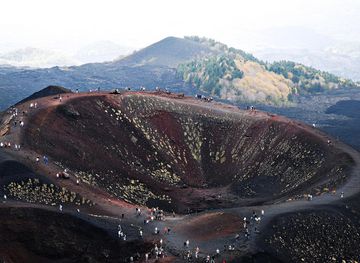
Catania, Sicily’s lava-built city, pairs Baroque architecture, Mount Etna views, lively markets and distinctive food with a deep ancient history.
Explore Catania