

Free Gzira Travel Guide & Mobile App
Plan your Gzira trip with Evendo. Get free guides to top attractions, restaurants, hotels, and bars. Web access or download the mobile app.


Gzira, Malta combines harbour views, Manoel Island history, waterfront walks and easy access to Valletta, Sliema and the capital’s cultural landmarks.
Waterfront Setting
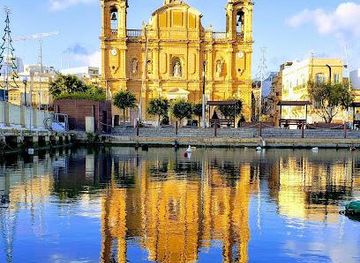
Gzira occupies a narrow stretch of Malta’s north-eastern harbour coast, facing the fortified outline of Valletta across Marsamxett Harbour and looking towards Manoel Island. Its name, derived from the Maltese word for “island”, reflects the close relationship between the town and the island at its northern edge. The seafront promenade is the city’s defining public space, with views across the water to Floriana and Valletta, traditional fishing boats, modern apartment buildings and the busy maritime activity of the harbour.Read more about Gzira
A Young Harbour Town
Manoel Island and Everyday Life
When is the best time to visit Gzira?
Best: May–July · 22–30°C| Month | High (°C) | Rainfall (mm) |
|---|---|---|
| January | 15 | 106 |
| February | 16 | 79 |
| March | 16 | 56 |
| April | 17 | 34 |
| May (best) | 22 | 11 |
| June (best) | 26 | 4 |
| July (best) | 30 | 1 |
| August | 30 | 3 |
| September | 28 | 18 |
| October | 25 | 84 |
| November | 21 | 112 |
| December | 18 | 131 |
Getting to and around Gzira
How to get there
Transportation
Best attractions in Gzira
Gzira’s principal attraction is its waterfront, where a broad promenade frames views across Marsamxett Harbour to Valletta and Floriana. The route is well suited to an unhurried walk, with fishing boats, harbour traffic and benches facing the fortified skyline. Manoel Island provides the area’s strongest historical focus, with Fort Manoel and the remains of former military and quarantine installations set within a changing island landscape; access to individual areas can vary. The Parish Church of Our Lady of Mount Carmel offers a glimpse of local religious life and the architectural character of a Maltese town parish. Nearby Sliema extends the seafront experience with cafés, swimming areas and ferry access to Valletta, while Ta’ Xbiex and Msida offer quieter harbour perspectives in the opposite direction. Gzira’s appeal lies in this combination of urban observation, maritime scenery and easy links to Malta’s central harbour heritage.
-
Park
Ġnien Indipendenza
Explore Ġnien Indipendenza, a serene park in Sliema, Malta, perfect for relaxation, scenic views, and family-friendly activities.
16 min walk · 1.3 km from city centre
-
Fortress
Fort Manoel
Discover the historic Fort Manoel in Malta, a captivating fortress offering breathtaking views and a deep dive into the island's military legacy.
13 min walk · 1.1 km from city centre
-
Knisja Parrokkjali tal-Imsida
Explore Knisja Parrokkjali tal-Imsida, a stunning Baroque church in Malta, blending history, art, and spirituality in a captivating setting.
-
Tourist attraction
Sliema Promenade
Explore the stunning Sliema Promenade, where vibrant culture meets breathtaking coastal beauty in Malta's charming seaside town.
13 min walk · 1.1 km from city centre



Best landmarks in Gzira
Fort Manoel is Gzira’s most significant historic landmark, an eighteenth-century star-shaped fort on Manoel Island built under the Order of St John to help protect Marsamxett Harbour. The island’s former lazaretto buildings add another layer, recalling Malta’s maritime quarantine system and the regulation of ships arriving from abroad. On the mainland, the Parish Church of Our Lady of Mount Carmel is an important local landmark and a visible expression of the town’s Catholic identity. Across the water, Valletta’s bastions and the dome of the Basilica of Our Lady of Mount Carmel form a dramatic distant architectural ensemble, although they belong to Valletta rather than Gzira. The promenade itself has civic significance as a public edge to one of Malta’s busiest harbours, linking views of military history, working maritime spaces and modern residential development.
-
Steak
The Smokehouse
Experience the ultimate steak dining at The Smokehouse in Gzira, Malta - a paradise for meat lovers with a variety of grilled delights.
5 min walk · 0.4 km from city centre
-
Tourist attraction
Sliema Promenade
Experience the vibrant charm of Sliema Promenade, Malta’s premier coastal destination for stunning views, dining, and shopping.
13 min walk · 1.1 km from city centre
-
Lido
Aqualuna Malta
Discover the charm of Aqualuna Malta, a beachfront lido and restaurant offering stunning views, delicious food, and a relaxing atmosphere.
6 min walk · 0.5 km from city centre
-
Park
St. Anne Square
Experience the serene beauty of St. Anne Square, Sliema's tranquil park adorned with lush gardens and a perfect spot for relaxation and picnics.
14 min walk · 1.1 km from city centre


Explore Gzira on the map
Plan your Gzira trip on one map. See where the top attractions, landmarks, restaurants, bars and hotels are, find what's near where you're staying, and book hotels and experiences in a few clicks.
Best hotels in Gzira
Best restaurants in Gzira
Gzira’s dining scene reflects Malta’s position between southern European and Mediterranean traditions, with casual cafés, bakeries, international restaurants and waterfront establishments spread through the town and adjoining harbour districts. Maltese specialities to look for include pastizzi, savoury pastries filled with ricotta or peas; ftira, a ring-shaped bread often served with tuna, olives and other Mediterranean ingredients; rabbit dishes; and bigilla, a seasoned broad-bean spread. Seafood appears frequently in restaurants around the harbour, while Italian influences are evident in pasta, coffee culture and simple trattoria-style cooking. Local bakeries provide practical breakfasts and snacks, and nearby Sliema offers a broader concentration of restaurants ranging from informal dining to contemporary menus. The area is cosmopolitan rather than a single traditional food quarter, so menus often combine Maltese recipes with Mediterranean, Middle Eastern and Asian influences.
-
Restaurant
Moo's Kebab - Turkish Restaurant
Discover authentic Turkish cuisine at Moo's Kebab in Gżira - where flavorful kebabs meet warm hospitality.
3 min walk · 0.2 km from city centre
-
Restaurant
Paparazzi 29 Clubhouse
Discover Paparazzi 29 Clubhouse in Gżira: A culinary haven with vibrant flavors and an inviting atmosphere perfect for any occasion.
3 min walk · 0.2 km from city centre
-
Restaurant
Bus Stop Lounge
Discover the vibrant flavors of Malta at Bus Stop Lounge – your go-to spot for breakfast delights, juicy burgers, and tender steaks.
2 min walk · 0.2 km from city centre
-
Restaurant
Jungle Joy Bar - Restaurant
Experience vibrant Thai cuisine paired with live music at Jungle Joy Bar in Gżira – your perfect culinary escape.
4 min walk · 0.3 km from city centre


Best bars in Gzira
Evenings in Gzira are generally sociable and relaxed rather than centred on a large club scene. Waterfront cafés and bars provide places for drinks with views across Marsamxett Harbour, while the streets towards Sliema offer a wider choice of pubs, cocktail bars, casual venues and late-night restaurants. Traditional Maltese bars tend to be informal and neighbourhood-oriented, with conversation, televised sport and reasonably simple refreshments forming a larger part of their character than elaborate nightlife. For energetic clubbing, visitors usually continue towards St Julian’s and Paceville, Malta’s principal late-night entertainment area, rather than expecting Gzira itself to function as a dedicated resort strip. Valletta, reached by road or the nearby ferry connection, adds theatres, live music, wine bars and cultural events, giving the central harbour districts a more varied evening programme than Gzira’s own compact bar offering.
-
Restaurant
Bus Stop Lounge
Experience the vibrant flavors of Malta at Bus Stop Lounge, where delicious breakfasts, gourmet burgers, and juicy steaks await you.
2 min walk · 0.2 km from city centre
-
Bar
Jungle Joy Bar - Restaurant
Discover the vibrant fusion of Thai cuisine and live music at Gżira's Jungle Joy Bar - Restaurant, a local gem for food and entertainment.
4 min walk · 0.3 km from city centre
-
Restaurant
Grana Trattoria - Gzira
Experience authentic Italian cuisine at Grana Trattoria in Gzira, Malta, where delicious flavors meet a warm, inviting atmosphere.
6 min walk · 0.5 km from city centre
-
Steak
The Smokehouse
Experience the best of Maltese grilling at The Smokehouse, where every bite is a celebration of flavor and quality.
5 min walk · 0.4 km from city centre


Best nightclubs in Gzira
Evenings in Gzira are generally sociable and relaxed rather than centred on a large club scene. Waterfront cafés and bars provide places for drinks with views across Marsamxett Harbour, while the streets towards Sliema offer a wider choice of pubs, cocktail bars, casual venues and late-night restaurants. Traditional Maltese bars tend to be informal and neighbourhood-oriented, with conversation, televised sport and reasonably simple refreshments forming a larger part of their character than elaborate nightlife. For energetic clubbing, visitors usually continue towards St Julian’s and Paceville, Malta’s principal late-night entertainment area, rather than expecting Gzira itself to function as a dedicated resort strip. Valletta, reached by road or the nearby ferry connection, adds theatres, live music, wine bars and cultural events, giving the central harbour districts a more varied evening programme than Gzira’s own compact bar offering.
-
Live music bar
Casey's Bar
Discover Casey's Bar in Gżira, Malta - a lively live music venue offering great drinks, entertainment, and a friendly atmosphere for all.
1 min walk · 0.1 km from city centre
-
Bar
The Crew Cafe` Bar
Discover the best of Maltese gastropub culture at The Crew Cafe Bar in Gżira, where delicious food meets stunning waterfront views.
2 min walk · 0.2 km from city centre
-
Bar
White Horse Bar
Discover the vibrant nightlife and welcoming atmosphere of White Horse Bar, a must-visit spot for tourists in Gżira, Malta.
1 min walk · 0.1 km from city centre
-
Restaurant
Eleven Eleven Rooftop
Discover Eleven Eleven Rooftop, a stunning restaurant and bar in Gżira with breathtaking views and exquisite local cuisine for an unforgettable dining experience.
1 min walk · 0.1 km from city centre


Best shops in Gzira
Shopping in Gzira is practical and neighbourhood-based, with convenience shops, pharmacies, grocers, cafés and small independent businesses serving local residents along the main streets. The nearby Sliema shopping area provides a considerably wider range of high-street retailers, shopping centres, jewellers, beauty businesses and international brands, while the harbour promenade is more suited to eating and strolling than specialist shopping. Visitors seeking Maltese products can look for local honey, sea salt, olive oil, liqueurs, traditional sweets, ceramics, lace and small craft items, although quality and provenance vary between retailers. Bakeries are useful places to buy everyday Maltese foods such as pastizzi and bread rather than packaged souvenirs. For a more traditional market atmosphere, Valletta and other Maltese towns offer broader choices, but Gzira’s retail character is best understood through ordinary local commerce rather than a dedicated bazaar or artisan quarter.
-
Grocery store
Asia Food Store
Discover authentic Asian ingredients and snacks at Asia Food Store in Gżira, Malta - your gateway to exploring diverse culinary delights.
4 min walk · 0.3 km from city centre
-
Japanese grocery store
Wenzhou Asian & Latin American Supermarket Gzira
Experience the rich flavors of Asia and Latin America at Wenzhou Asian & Latin American Supermarket in Gzira, Malta, your one-stop shop for authentic ingredients.
3 min walk · 0.2 km from city centre
-
Supermarket
ORIENT MARKET 1
Explore the vibrant flavors of Malta at Orient Market 1, your go-to supermarket in Gżira for local and international delights.
3 min walk · 0.3 km from city centre
-
Pet store
Beautiful Creatures Pet Shop Gzira
Explore the enchanting world of pets at Beautiful Creatures Pet Shop in Gzira, where animal lovers find joy and companionship.
3 min walk · 0.2 km from city centre


Get your free copy of our complete guide to Gzira, delivered straight to you.
Everything on this page, from attractions and restaurants to essentials and local phrases, in one PDF you can read offline, print or share.
Already have an account? Sign in
Your Gzira guide is ready.
We'll send it to · Not you? Sign out

Getting your guide ready…
We are putting together a fresh copy of the Gzira guide. This can take up to a minute.
This can take a few moments. If your browser asks, choose Allow so the download can start. You'll find the guide in your Downloads folder.
Nothing happened? Download it again
Sorry, the guide is taking longer than usual. Please try again in a minute, or get it by email instead.
Gzira essentials
Currency and Payment
Safety
Emergency Situations
Do's and Don'ts
Local Tips
From Eve
Local phrases worth knowing
You don't need to get them perfect. A few words go a long way, and locals appreciate the effort.
Basics
| English | Local | Say it |
|---|---|---|
| Hello | Bongu | [bon-goo] |
| Goodbye | Ċaw | [chaw] |
| Yes | Iva | [ee-va] |
| No | Le | [leh] |
| Please/You're welcome | Jekk jogħġbok | [yek joh-jbok] |
| Thank you | Grazzi | [grat-see] |
| Excuse me/Sorry | Smiem | [smee-em] |
| How are you? | Kif int? | [keef int] |
| Fine. And you? | Tajjeb. U int? | [tie-yeb. oo int] |
| Do you speak English? | Titkellem bl-Ingliż? | [tit-kel-lem bl-ingleez] |
| I don't understand | Ma nifhimx | [ma nee-fimsh] |
Eating & Drinking
| English | Local | Say it |
|---|---|---|
| I'd like to see the menu, please | Nixtieq inara l-menu, jekk jogħġbok | [nishtek in-ara l-menyoo, yek joh-jbok] |
| I don't eat meat | Ma niekolx laħam | [ma nee-ekolsh la-ham] |
| Cheers! | Saħħa! | [sa-ha] |
| I would like to pay, please | Nixtieq inħallas, jekk jogħġbok | [nishtek in-hal-las, yek joh-jbok] |
Emergencies
| English | Local | Say it |
|---|---|---|
| Help! | Għajjat! | [ay-yat] |
| Go away! | Irkotta! | [irkot-ta] |
| Call the Police! | Kellu l-Pulizija! | [kel-loo l-poo-leet-zee-ya] |
| Call a doctor! | Kellu tabib! | [kel-loo ta-beeb] |
| I'm lost | Ninsab minn ġdid | [ninsab min gdeed] |
| I'm ill | Jien maħdum | [yee-en ma-dum] |
Shopping
| English | Local | Say it |
|---|---|---|
| I'd like to buy... | Nixtieq inixtri... | [nishtek in-ish-tree] |
| I'm just looking | Qed nara biss | [ked nara bis] |
| How much is it? | Kemm huwa? | [kem hoo-wa] |
| That's too expensive | Dan huwa wisq sħiħ | [dan hoo-wa weesq shee] |
| Can you lower the price? | Tista' tniżżel il-prezz? | [tis-ta tnee-zzel il-prez] |
Time & Numbers
| English | Local | Say it |
|---|---|---|
| What time is it? | X'ħin huwa? | [shin hoo-wa] |
| It's one o'clock | Huwa waħda | [hoo-wa wa-da] |
| Half past (10) | Noħor (għaxar) | [no-hor gha-shar] |
| Morning | Filgħodu | [fil-gho-du] |
| Afternoon | Wara nofsinhar | [wara nof-sin-har] |
| Evening | Filgħaxija | [fil-gha-shee-ya] |
| Yesterday | Ilbieraħ | [il-bir-ayh] |
| Today | Illum | [il-lum] |
| Tomorrow | Għada | [ada] |
| 1 | Waħda | [wa-da] |
| 2 | Tnejn | [tneyn] |
| 3 | Tlieta | [tlee-ta] |
| 4 | Erba' | [er-ba] |
| 5 | Ħamsa | [ham-sa] |
| 6 | Sitta | [sit-ta] |
| 7 | Sebgħa | [seb-gha] |
| 8 | Tmienja | [tmi-en-ya] |
| 9 | Disgħa | [dis-gha] |
| 10 | Għaxra | [gha-shar] |
Transport & Directions
| English | Local | Say it |
|---|---|---|
| Where's a/the...? | Fejn hemm... | [feyn hemm] |
| What's the address? | X'hu l-indirizz? | [shoo l-indi-reets] |
| Can you show me (on the map)? | Tista' turieli (fuq il-mappa)? | [tis-ta tu-ree-eli fooq il-mappa] |
| When's the next (bus)? | Meta jasal in-next (karozza)? | [met-a yasal in-next ka-rot-sa] |
| A ticket (to ....) | Biljett (għal ....) | [bil-yet ghal] |
History of Gzira
An Island in the Harbour
Gzira’s name refers to its position beside Manoel Island in Marsamxett Harbour. The island was originally known as L’Isola and was later associated with António Manoel de Vilhena, Grand Master of the Order of St John, who authorised major works there in the eighteenth century. Its position between Valletta and the outer harbour made it strategically important, while the surrounding shoreline remained far less urbanised than it is today. Manoel Island’s fort, lazaretto and harbour installations formed part of Malta’s wider defensive and quarantine systems, linking this small area to the island’s role in Mediterranean shipping, military organisation and public health.
Harbour Defences and Quarantine
During the rule of the Order of St John, Manoel Island became associated with Fort Manoel, begun in the early eighteenth century and designed to protect the entrance to Marsamxett Harbour. The island also housed a lazaretto, where incoming vessels and travellers could be isolated during periods of suspected disease. These institutions reflected the Order’s control of maritime movement and its concern with protecting the densely populated harbour settlements. Although the fort and lazaretto have been altered, damaged and restored at different times, their surviving structures provide the clearest physical evidence of the area’s strategic and sanitary history.
The Rise of Modern Gzira
Gzira emerged as a distinct urban settlement mainly during the late nineteenth and early twentieth centuries, when Malta’s harbour districts expanded in response to population growth, trade and employment connected with the British naval presence. Residential streets, shops and small businesses developed between older harbour communities such as Sliema and Msida. The town’s growth belonged to a broader transformation of the Marsamxett shoreline from rural and military margins into a continuous urban belt. Its built environment still records that transition through traditional Maltese townhouses, narrow streets and later apartment development.
War, Reconstruction and Expansion
The harbour region was heavily affected by the Second World War, when Malta’s naval and military importance made it a target for sustained aerial attacks. Gzira and neighbouring districts experienced damage, disruption and the pressures of wartime population movement. After the war, reconstruction and housing demand reshaped the town, with older buildings joined by larger residential blocks and improved roads along the waterfront. The post-war period also strengthened Gzira’s role within Malta’s increasingly urbanised central harbour area, where employment, education, commerce and transport connected several formerly separate settlements.
A Contemporary Waterfront Community
In recent decades Gzira has become part of Malta’s dense central harbour conurbation, influenced by its proximity to Sliema, the University of Malta area, business districts and Valletta. The waterfront has gained renewed importance as a public promenade, while apartment construction and changing commercial activity have altered the town’s appearance. Manoel Island remains a reminder of the area’s military and institutional past, even as discussions about its future use continue. Contemporary Gzira is therefore defined by coexistence: historic harbour infrastructure, a long-established residential community and rapid urban change along one of Malta’s most intensely developed coastlines.
Gzira in Photos
Browse through our photo collection highlighting the charm and character of the destination.
Cities near Gzira
The closest cities to Gzira, if you have time for more than one stop.
-

-

-

-

-


Swipe for more cities
Explore more
Explore more of Malta
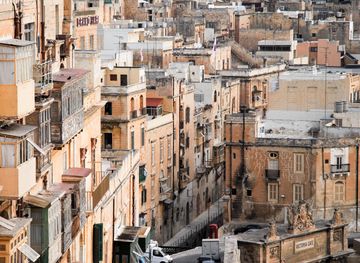
Discover Malta's crystal-clear waters, rich history, and vibrant culture. From ancient temples to modern nightlife, this Mediterranean gem offers something for everyone.
Explore Malta