

Oltrarno (Florence) Travel Guide - Free
Explore Oltrarno in Florence with Evendo's free guide. Find the best shops, historic streets, restaurants, and gems on web or mobile.


Oltrarno, Florence’s artisan quarter, pairs Renaissance palaces and gardens with craft workshops, lively piazzas, Tuscan dining and elegant riverside walks.
Across the Arno
Oltrarno means “beyond the Arno”, and Florence’s southern bank has a character that is distinct from the monumental streets north of the river. Cross Ponte Vecchio or Ponte Santa Trinità and the city’s rhythm changes: narrow lanes lead towards quiet courtyards, working artisans occupy handsome old workshops, and broad piazzas provide room for unhurried evenings. The neighbourhood is commonly understood to include Santo Spirito, San Frediano and the hillside districts rising towards the Boboli Gardens and San Miniato al Monte.Read more about Oltrarno
Palaces, Churches and Gardens
Everyday Florence
Best attractions in Oltrarno
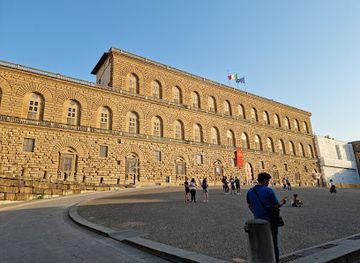
Oltrarno’s attractions range from major artistic institutions to streets best appreciated through unhurried wandering. Palazzo Pitti anchors the district with its historic state rooms and galleries, while the Boboli Gardens extend behind it in a formal landscape of terraces, sculpture and long views. The Basilica di Santo Spirito, designed in the Renaissance, gives its namesake piazza a powerful architectural focus, and the Basilica di Santa Maria del Carmine contains the Brancacci Chapel, whose frescoes by Masaccio, Masolino and later artists are central to the history of painting. Smaller discoveries include the workshops and antique dealers of Via Maggio, the lanes of San Frediano and the river views from the Lungarni. Higher routes lead towards San Miniato al Monte and the panoramic terraces of Piazzale Michelangelo, which are nearby hillside destinations rather than part of the compact riverside core.
-
Bridge
Ponte Vecchio
Discover the Ponte Vecchio, Florence's historic bridge adorned with exquisite jewelry shops, offering stunning views and rich cultural heritage.
5 min walk · 0.4 km from neighbourhood centre
-
Tourist attraction
Pitti Palace
Explore the opulent Pitti Palace, a Renaissance gem in Florence, showcasing art, history, and stunning gardens that reflect the grandeur of the Medici family.
1 min walk · 0.1 km from neighbourhood centre
-
Tourist attraction
The Boboli Gardens
Explore The Boboli Gardens in Florence, a majestic blend of nature and art, featuring stunning landscapes, sculptures, and breathtaking city views.
4 min walk · 0.3 km from neighbourhood centre
-
 Tourist attraction
Opera del Duomo Museum
Explore the stunning collections of Renaissance art at the Opera del Duomo Museum in Florence, where history and beauty intertwine.
14 min walk · 1.1 km from neighbourhood centre


Best landmarks in Oltrarno
Palazzo Pitti is Oltrarno’s defining architectural landmark, both for its immense Renaissance-era façade and for the political and collecting history associated with the Medici residence. Behind it, the Boboli Gardens form an important historic landscape rather than simply a park, with formal axes, sculptures and hillside terraces. Brunelleschi’s Basilica di Santo Spirito is another essential reference point: its restrained interior and spacious piazza express the architectural ambitions of Renaissance Florence. At Santa Maria del Carmine, the Brancacci Chapel is a landmark of art history within a working religious complex. Further uphill, San Miniato al Monte and Piazzale Michelangelo provide a different scale of landmark, marking the southern heights above the neighbourhood and offering broad views across Florence; the climb makes them distinct from the level streets beside the Arno.
-
Bridge
Ponte Vecchio
Discover the Ponte Vecchio, Florence's iconic medieval bridge, where art, history, and vibrant culture converge over the Arno River.
5 min walk · 0.4 km from neighbourhood centre
-
Art museum
Palazzo Pitti
Explore the opulent Palazzo Pitti in Florence, home to exquisite art collections and enchanting gardens, embodying the essence of Renaissance grandeur.
1 min walk · 0.1 km from neighbourhood centre
-
Art museum
Pitti Palace
Experience the splendor of Pitti Palace, a Renaissance gem in Florence, showcasing magnificent art, lush gardens, and royal history.
1 min walk · 0.1 km from neighbourhood centre
-
Museum
Palazzo Vecchio
Discover the rich history and stunning architecture of Palazzo Vecchio, a must-see landmark in Florence, Italy.
8 min walk · 0.7 km from neighbourhood centre



Explore Oltrarno on the map
A handpicked selection of must-see spots in Oltrarno, mapped for you.
Best hotels in Oltrarno
Best restaurants in Oltrarno
Oltrarno’s dining scene is spread through Santo Spirito, San Frediano and the lanes leading towards Porta Romana, combining traditional Florentine cooking with contemporary cafés, wine bars and small international restaurants. Around Santo Spirito, tables and aperitivo spots animate the piazza and adjoining streets, while Borgo San Frediano and Via dei Serragli offer trattorias and neighbourhood-scale eateries. Menus may draw on Tuscan staples such as soups, beans, grilled meats, crostini and seasonal vegetables, though the area is not limited to historic recipes. Food shopping and market activity around Sant’Ambrogio lies across the river rather than in Oltrarno, so it should not be presented as a local market; within the district, the pleasure is more often in comparing independent restaurants, bakeries, cafés and specialist food shops along a walk.
-
Restaurant
Gustapanino
Discover Gustapanino in Florence – where traditional Italian flavors meet a vibrant atmosphere in the heart of Piazza Santo Spirito.
3 min walk · 0.3 km from neighbourhood centre
-
Restaurant
Osteria Santo Spirito
Experience authentic Tuscan flavors at Osteria Santo Spirito in Florence's charming piazza – a culinary delight not to be missed.
4 min walk · 0.3 km from neighbourhood centre
-
Restaurant
Pandemonio di Casa Brogi
Experience authentic Tuscan flavors at Pandemonio di Casa Brogi - a must-visit restaurant in Florence for every food enthusiast.
9 min walk · 0.7 km from neighbourhood centre
-
Restaurant
Osteria Del Pavone
Experience authentic Tuscan cuisine at Osteria Del Pavone in Florence - where tradition meets culinary excellence.
4 min walk · 0.3 km from neighbourhood centre


Best bars in Oltrarno
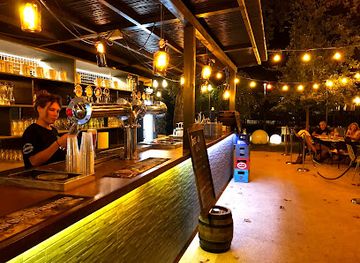
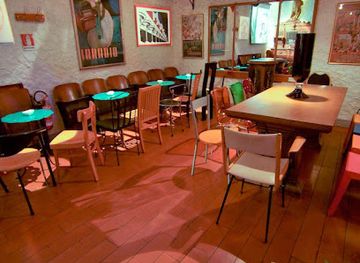
Oltrarno’s evening life is concentrated around places such as Piazza Santo Spirito, San Frediano and the streets near Via dei Serragli, where wine bars, cafés and small venues attract a mixture of residents and visitors. The atmosphere is generally social rather than dominated by large nightclubs: people meet for an aperitivo, a late meal or drinks that spill into the piazza, while quieter lanes remain residential. San Frediano has a long association with informal bars and creative venues, and some evenings bring live music or cultural programming, although offerings vary. The district’s nightlife is best understood as a collection of local gathering places rather than one continuous entertainment strip. Visitors should keep noise down near homes and take care on narrow pavements and roads when moving between venues.
-
Cocktail bar
Mad - Souls & Spirits
Discover the vibrant nightlife at Mad - Souls & Spirits, Florence's premier cocktail bar and club, offering unique drinks and a lively atmosphere.
8 min walk · 0.6 km from neighbourhood centre
-
Cocktail bar
NOF - Eat & Drink
Experience the vibrant nightlife at NOF - Eat & Drink in Florence, where exquisite cocktails meet live music and delightful small plates.
7 min walk · 0.6 km from neighbourhood centre
-
Wine bar
Enoteca Pitti Gola e Cantina
Discover the authentic flavors of Tuscany at Enoteca Pitti Gola e Cantina, a charming wine bar and Italian restaurant in the heart of Florence.
1 min walk · 0.1 km from neighbourhood centre
-
Cocktail bar
Rasputin
Discover the enchanting Rasputin cocktail bar in Florence, where expertly crafted drinks meet a unique speakeasy atmosphere.
3 min walk · 0.2 km from neighbourhood centre


Best nightclubs in Oltrarno
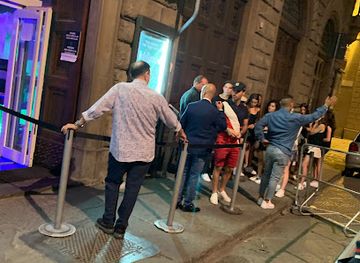
Oltrarno’s evening life is concentrated around places such as Piazza Santo Spirito, San Frediano and the streets near Via dei Serragli, where wine bars, cafés and small venues attract a mixture of residents and visitors. The atmosphere is generally social rather than dominated by large nightclubs: people meet for an aperitivo, a late meal or drinks that spill into the piazza, while quieter lanes remain residential. San Frediano has a long association with informal bars and creative venues, and some evenings bring live music or cultural programming, although offerings vary. The district’s nightlife is best understood as a collection of local gathering places rather than one continuous entertainment strip. Visitors should keep noise down near homes and take care on narrow pavements and roads when moving between venues.
-
Disco club
Illusion Club
Illusion Club: The heartbeat of Florence's nightlife with enchanting music, exquisite dining, and unforgettable dance experiences.
5 min drive · 1.8 km from neighbourhood centre
-
Night club
Yab
Experience the electrifying nightlife of Florence at Yab, a premier night club featuring top DJs, vibrant ambiance, and unforgettable parties.
8 min walk · 0.7 km from neighbourhood centre
-
Cocktail bar
Mayday Club
Discover the vibrant nightlife of Florence at Mayday Club, where expertly crafted cocktails and a lively atmosphere await you.
10 min walk · 0.8 km from neighbourhood centre
-
Lounge
Pink Street Club
Discover the vibrant nightlife of Florence at Pink Street Club, a lively lounge and nightclub serving signature cocktails and unforgettable experiences.
17 min walk · 1.4 km from neighbourhood centre

Best shops in Oltrarno
Shopping in Oltrarno is closely tied to its historic craft identity. Via Santo Spirito, Via dei Serragli, Via Maggio and Borgo San Frediano contain independent boutiques, antique dealers, galleries, interiors shops and specialist workshops, with the strongest appeal lying in the variety of small premises rather than a department-store offer. Via Maggio is particularly associated with antiques and historic palaces, while the lanes around Santo Spirito and San Frediano mix craft studios with clothing, jewellery, books and design. Visitors may encounter leatherwork, restoration, wood and decorative arts, but should distinguish genuine working ateliers from tourist-oriented souvenirs. The retail landscape changes from one street to the next: the area around Palazzo Pitti is more visitor-facing, whereas side streets and the western quarter retain a more neighbourhood-scale commercial character.
-
Craft store
Mio Concept Store
Explore Mio Concept Store in Florence for unique artisanal crafts, stunning jewelry, and memorable souvenirs that embody the essence of Italian artistry.
9 min walk · 0.8 km from neighbourhood centre
-
Vintage clothing store
C’est Chic Vintage Oltrarno
Explore a curated collection of unique vintage clothing and accessories at C’est Chic Vintage Oltrarno, a must-visit boutique in Florence's artistic heart.
3 min walk · 0.3 km from neighbourhood centre
-
Gift shop
D.VERS@
Discover unique gifts at D.VERS@, where Florence's artistry and culture come to life in every beautiful item.
2 min walk · 0.1 km from neighbourhood centre
-
Leather goods store
Anna
Explore Anna, Florence's premier leather goods store, offering exquisite handbags, luggage, and fashion accessories in a charming atmosphere.
2 min walk · 0.2 km from neighbourhood centre


Oltrarno essentials
Local Tips

From Eve
Local phrases worth knowing
You don't need to get them perfect. A few words go a long way, and locals appreciate the effort.
Basics
| English | Local | Say it |
|---|---|---|
| Hello | Ciao | [chow] |
| Goodbye | Arrivederci | [ahr-ree-veh-dehr-chee] |
| Yes | Sì | [see] |
| No | No | [noh] |
| Please/You're welcome | Per favore/Prego | [pair fah-voh-reh/preh-goh] |
| Thank you | Grazie | [grah-tsyeh] |
| Excuse me/Sorry | Scusi/Mi dispiace | [skoo-zee/mee dee-spyah-cheh] |
| How are you? | Come stai? | [koh-meh stah-ee] |
| Fine. And you? | Bene. E tu? | [beh-neh/ay too] |
| Do you speak English? | Parli inglese? | [pahr-lee een-gleh-zeh] |
| I don't understand | Non capisco | [non kah-pee-skoh] |
Eating & Drinking
| English | Local | Say it |
|---|---|---|
| I'd like to see the menu, please | Vorrei vedere il menù, per favore | [voh-reh-ee veh-deh-reh eel meh-noo, pair fah-voh-reh] |
| I don't eat meat | Non mangio carne | [non mahn-joh kahr-neh] |
| Cheers! | Salute! | [sah-loo-teh] |
| I would like to pay, please | Vorrei pagare, per favore | [voh-reh-ee pah-gah-reh, pair fah-voh-reh] |
Emergencies
| English | Local | Say it |
|---|---|---|
| Help! | Aiuto! | [ah-yoo-toh] |
| Go away! | Vai via! | [vah-ee vee-ah] |
| Call the Police! | Chiama la polizia! | [kyah-mah lah poh-lee-tsyah] |
| Call a doctor! | Chiama un medico! | [kyah-mah oon meh-dee-koh] |
| I'm lost | Mi sono perso | [mee soh-noh pehr-soh] |
| I'm ill | Sono malato | [soh-noh mah-lah-toh] |
Shopping
| English | Local | Say it |
|---|---|---|
| I'd like to buy... | Vorrei comprare... | [voh-reh-ee kohm-prah-reh] |
| I'm just looking | Sto solo guardando | [stoh soh-loh gwar-dahn-doh] |
| How much is it? | Quanto costa? | [kwahn-toh koh-stah] |
| That's too expensive | È troppo caro | [eh trohp-poh kah-roh] |
| Can you lower the price? | Puoi abbassare il prezzo? | [pwah-ee ahb-bahs-sah-reh eel preh-tsoh] |
Time & Numbers
| English | Local | Say it |
|---|---|---|
| What time is it? | Che ora è? | [keh oh-rah eh] |
| It's one o'clock | È l'una | [eh loo-nah] |
| Half past (10) | Sono le dieci e mezzo | [soh-noh leh dee-eh-chee eh meh-tsoh] |
| Morning | Mattina | [mah-tee-nah] |
| Afternoon | Pomeriggio | [poh-meh-ree-joh] |
| Evening | Sera | [seh-rah] |
| Yesterday | Ieri | [yeh-ree] |
| Today | Oggi | [oh-jee] |
| Tomorrow | Domani | [doh-mah-nee] |
| 1 | Uno | [oo-noh] |
| 2 | Due | [doo-eh] |
| 3 | Tre | [treh] |
| 4 | Quattro | [kwah-troh] |
| 5 | Cinque | [cheen-kweh] |
| 6 | Sei | [say] |
| 7 | Sette | [seht-teh] |
| 8 | Otto | [oh-toh] |
| 9 | Nove | [noh-veh] |
| 10 | Dieci | [dee-eh-chee] |
Transport & Directions
| English | Local | Say it |
|---|---|---|
| Where's a/the...? | Dov'è...? | [doh-veh] |
| What's the address? | Qual è l'indirizzo? | [kwahl eh leen-dee-ree-tsoh] |
| Can you show me (on the map)? | Puoi mostrarmi (nella mappa)? | [pwah-ee mohs-trahr-mee (nel-lah mahp-pah)] |
| When's the next (bus)? | Quando passa il prossimo (autobus)? | [kwahn-doh pahs-sah eel prohs-see-moh (ow-toh-boos)] |
| A ticket (to ....) | Un biglietto (per ....) | [oon beel-lyet-toh (pair)] |
History of Oltrarno
The Land Beyond the River
Oltrarno’s name describes its position rather than a single settlement: it is the part of Florence on the southern bank of the Arno. The area developed in relationship with the bridges and river crossings linking it to the older city, while roads climbed southwards towards the hills. Medieval expansion brought homes, religious foundations, gardens and workshops beyond the river, and the district gradually acquired a mixed urban character rather than remaining simply an outer suburb. Santo Spirito and San Frediano became recognisable quarters, each centred on churches, streets and local institutions that still shape the neighbourhood’s map.
Palaces and Renaissance Patronage
Oltrarno changed markedly as wealthy families built or enlarged residences on the south bank. The Pitti family’s palace, begun in the fifteenth century, became the great landmark of the district after the Medici acquired it in 1549. The palace and its gardens helped shift Oltrarno from a mainly mixed residential and artisanal area into an important setting for court life, collecting and architectural display. The construction and embellishment of churches such as Santo Spirito also connected the neighbourhood with Florence’s Renaissance culture, while the Brancacci Chapel at Santa Maria del Carmine preserves one of the period’s defining cycles of painting.
Artisans, Markets and Working Streets
Despite the presence of palaces, Oltrarno retained a strong productive and residential identity. Craftspeople, small traders and service workers occupied premises along streets such as Borgo San Frediano and around Santo Spirito, with workshops integrated into dense blocks of housing. Leatherwork, woodwork, metalwork, restoration and other skilled trades became part of the area’s enduring reputation, while markets and parish life supported everyday commerce. This mixture distinguished the south bank from Florence’s grandest ceremonial spaces and helped preserve a more intimate scale in many of its streets.
Conservation and Contemporary Change
In the modern period, Oltrarno’s historic buildings and artistic institutions made it increasingly important to visitors, while its local businesses and artisan workshops continued to give the district social depth. Restoration of churches, palaces and artworks reinforced the area’s cultural role, and the Pitti complex and Boboli Gardens became central parts of Florence’s museum landscape. Rising visitor numbers and changing property markets have brought new restaurants, galleries and short-stay accommodation, particularly around Santo Spirito and San Frediano. The contemporary neighbourhood therefore combines protected heritage and tourism with long-established residential streets and working crafts.
Oltrarno in Photos
Browse through our photo collection highlighting the charm and character of the destination.
Neighbourhoods near Oltrarno
The closest neighbourhoods to Oltrarno, if you have time for more than one stop.
-
-

-

-


Swipe for more neighbourhoods
Explore more

Explore more of Florence
Florence combines Renaissance masterpieces, grand palaces, intimate lanes and Tuscan cuisine, with world-famous art and daily life unfolding beside the Arno.
Explore Florence