

Chiaia (Naples) Travel Guide - Free
Explore Chiaia in Naples with Evendo's free guide. Find the best shops, historic streets, restaurants, and gems on web or mobile.


Chiaia, Naples blends seafront walks, elegant villas, art museums, designer shopping and lively cafés between Villa Comunale and the Posillipo area.
Seafront Elegance and Urban Life
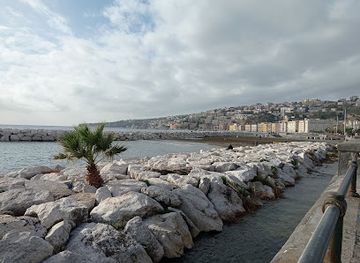
Chiaia occupies Naples’ western waterfront, stretching from the gardens of Villa Comunale towards Mergellina and rising inland through streets of grand apartment buildings, historic villas and fashionable shops. Its better-known promenade, the Riviera di Chiaia, runs beside the gardens and links the city centre with the open views of the Gulf of Naples. The district is more polished than many parts of the historic centre, yet its character remains distinctly Neapolitan: scooters thread through traffic, cafés spill onto pavements, and ornate palazzi stand beside everyday shops.Read more about Chiaia
Villas, Museums and Public Spaces
From Shopping Streets to the Bay
Best attractions in Chiaia
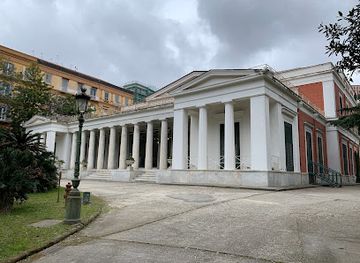
Chiaia’s attractions combine gardens, museums, public promenades and elegant streets rather than forming a single enclosed sightseeing complex. Villa Comunale provides a long, leafy route beside the bay, with paths and historic features that make it one of the district’s defining public spaces. Villa Pignatelli offers access to a nineteenth-century aristocratic residence and its carriage museum, while the Palazzo delle Arti Napoli presents changing contemporary and modern art exhibitions in a historic building on Via dei Mille. Piazza dei Martiri is a useful stopping point for its monument, cafés and surrounding architecture, and Via Chiaia links Chiaia’s retail life with the centre of Naples. The Riviera di Chiaia is itself a principal experience, particularly for views towards the Gulf and the western coast. Castel dell’Ovo may be seen across the water from the nearby Santa Lucia waterfront, but it lies outside Chiaia.
-
Castle
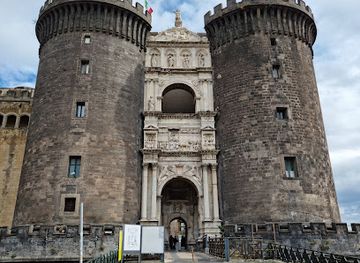
Castel Nuovo
Explore Castel Nuovo, Naples' iconic medieval castle: a historic royal residence housing art, history, and stunning architecture by the waterfront.
7 min walk · 0.6 km from neighbourhood centre
-
Archaeological museum
Underground Naples
Unearth 2400 years of history beneath the streets of Naples. Explore ancient aqueducts, Roman ruins, and WWII shelters.
6 min drive · 1.9 km from neighbourhood centre
-
Catholic cathedral
Duomo di Napoli
Explore Naples' spiritual heart: a blend of Gothic, Baroque & Neo-Gothic architecture, housing the Basilica of Santa Restituta and the Miracle of San Gennaro.
6 min drive · 2.1 km from neighbourhood centre
-
Exhibit
Murale Diego Armando Maradona - Quartieri Spagnoli
Experience the passion of Naples at the iconic Maradona mural in Quartieri Spagnoli, a vibrant tribute to a football legend.
8 min walk · 0.6 km from neighbourhood centre
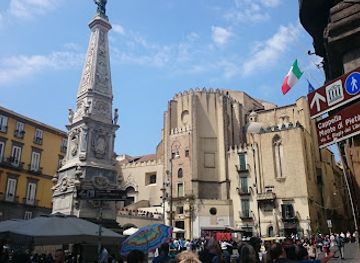
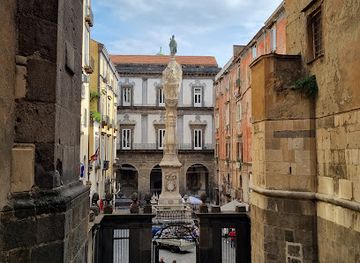

Best landmarks in Chiaia
Villa Comunale is Chiaia’s most important public landmark, a Bourbon-era garden running along the waterfront and giving the district its characteristic relationship with the bay. Villa Pignatelli, set back from the Riviera, preserves the scale and atmosphere of an aristocratic nineteenth-century residence and now functions as a museum. Piazza dei Martiri is marked by a column crowned with a Victory figure and surrounded by significant palazzi and commercial streets, providing one of the clearest visual symbols of modern Chiaia. The church of San Pasquale a Chiaia contributes a religious and architectural focal point near the seafront, while the Palazzo delle Arti Napoli demonstrates the continuing adaptation of historic buildings for cultural use. Along Via Chiaia, Via dei Mille and Via Calabritto, ornate apartment façades and former noble properties reveal the district’s development as a prestigious residential quarter.
-
Plaza
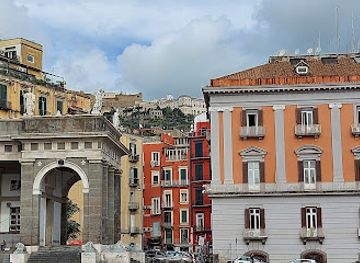
Piazza del Plebiscito
Explore Naples' iconic Piazza del Plebiscito, a vibrant plaza surrounded by stunning architecture and rich cultural experiences.
2 min walk · 0.2 km from neighbourhood centre
-
 Museum
Royal Palace of Naples
Discover the Royal Palace of Naples: A glorious symbol of Italian heritage, showcasing art, architecture, and royal history in the heart of Naples.
3 min walk · 0.2 km from neighbourhood centre
-
City park
Villa Comunale
Experience the natural beauty and cultural richness of Villa Comunale, Naples' beloved city park perfect for relaxation and exploration.
14 min walk · 1.1 km from neighbourhood centre
-
Museum
Museo Pignatelli
Explore the rich history and art of Naples at Museo Pignatelli, where elegance meets culture in a stunning 18th-century palace.
14 min walk · 1.1 km from neighbourhood centre
Explore Chiaia on the map
A handpicked selection of must-see spots in Chiaia, mapped for you.
Best hotels in Chiaia
Best restaurants in Chiaia
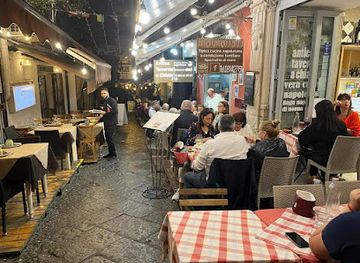
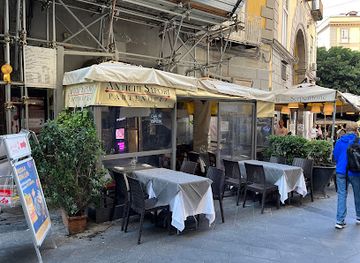
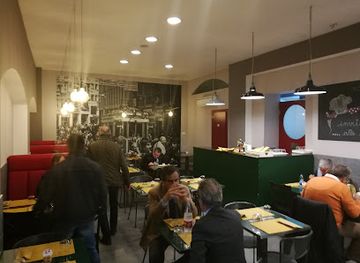
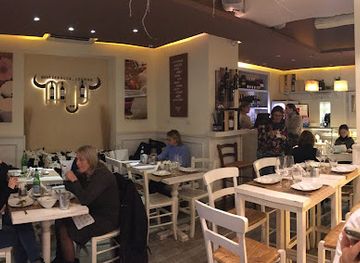
Chiaia’s dining scene reflects its position between the bay, the city centre and Naples’ affluent western districts. The streets around Via Chiaia, Via dei Mille, Piazza dei Martiri and the Riviera offer everything from espresso bars and pastry counters to pizzerias, seafood restaurants and contemporary Italian dining rooms. Campanian ingredients remain central, with menus commonly drawing on local vegetables, cheeses, pasta, fish and shellfish, while the waterfront encourages lighter meals and aperitivo-style stops. Independent cafés are part of the neighbourhood’s daily rhythm, particularly in the morning and late afternoon, and the district also has a strong tradition of formal dining in historic palazzi. Visitors should distinguish Chiaia’s established restaurant streets from nearby Santa Lucia and Mergellina, whose waterfront venues are close but belong to adjacent areas. Restaurant availability, menus and opening patterns change frequently, so current details should be checked locally.
-
Restaurant
Antica Taverna a Chiaia
Savor authentic Neapolitan dishes in a charming atmosphere at Antica Taverna a Chiaia - where tradition meets flavor.
1 min walk · 0.1 km from neighbourhood centre
-
Restaurant
Antichi Sapori Partenopei Restaurant
Experience authentic Neapolitan seafood at Antichi Sapori Partenopei Restaurant, where tradition meets flavor in every dish.
4 min walk · 0.3 km from neighbourhood centre
-
Italian
Cibi Cotti
Experience authentic Southern Italian flavors at Cibi Cotti in Naples – where every dish celebrates tradition and freshness.
6 min drive · 2.0 km from neighbourhood centre
-
Italian
Muu Mozzarella Chiaia
Discover authentic Italian flavors at Muu Mozzarella Chiaia, where fresh mozzarella takes center stage in a charming Neapolitan setting.
6 min walk · 0.5 km from neighbourhood centre
Best bars in Chiaia
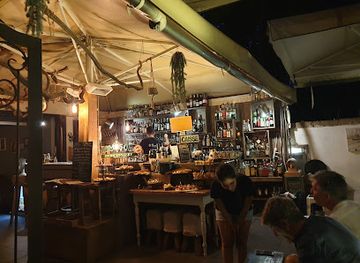
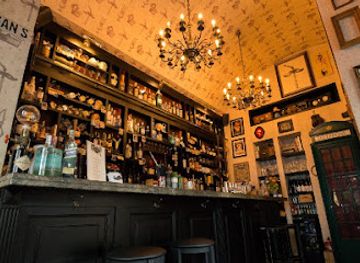
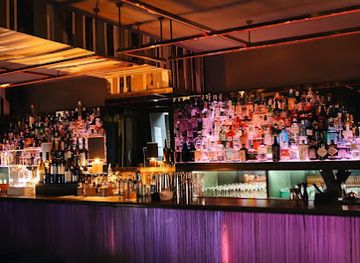
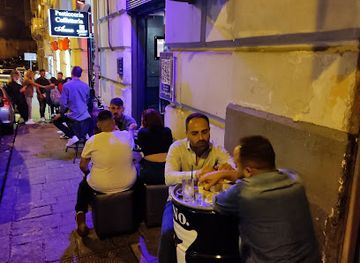
After dark, Chiaia is more associated with polished bars, cafés, aperitivo and restaurant-going than with a concentrated nightclub scene. Piazza dei Martiri, Via Calabritto, Via dei Mille and the streets around San Pasquale a Chiaia provide evening meeting places where residents and visitors gather over drinks before dinner. The Riviera and nearby waterfront are suited to a slower promenade, with the bay and illuminated city forming much of the atmosphere. Some venues offer cocktails or music, but the district’s nightlife is dispersed rather than organised around one entertainment strip, and much of Chiaia remains residential. Louder late-night activity is more likely around individual bars and restaurants than across the whole neighbourhood, so visitors should respect apartment buildings and keep noise down when leaving. Clubs and event programmes can change, making current local listings more reliable than fixed assumptions.
-
Bar
Barril
Discover Barril, a unique bar in Naples offering exceptional cocktails and a vibrant atmosphere for unforgettable evenings.
8 min walk · 0.7 km from neighbourhood centre
-
Cocktail bar
Flanagan's Bar
Discover Flanagan's Bar in Naples, where bespoke cocktails and a vibrant atmosphere create unforgettable memories in Italy's historic city.
7 min walk · 0.6 km from neighbourhood centre
-
Bar
Chandelier
Experience vibrant nightlife at Chandelier in Naples, where exquisite cocktails and a lively atmosphere await every visitor.
7 min walk · 0.5 km from neighbourhood centre
-
Cocktail bar
Swig Chiaia
Discover Swig Chiaia, Naples' top cocktail bar, known for its creative drinks and vibrant nightlife, perfect for tourists seeking an unforgettable experience.
16 min walk · 1.3 km from neighbourhood centre
Best nightclubs in Chiaia
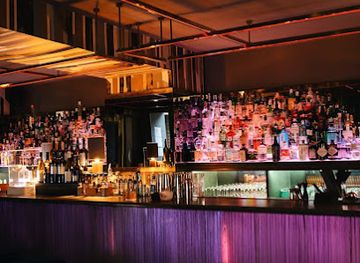
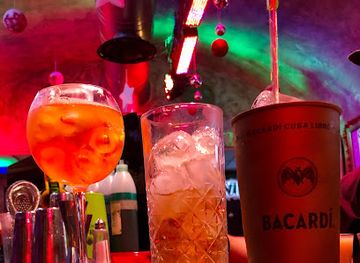
After dark, Chiaia is more associated with polished bars, cafés, aperitivo and restaurant-going than with a concentrated nightclub scene. Piazza dei Martiri, Via Calabritto, Via dei Mille and the streets around San Pasquale a Chiaia provide evening meeting places where residents and visitors gather over drinks before dinner. The Riviera and nearby waterfront are suited to a slower promenade, with the bay and illuminated city forming much of the atmosphere. Some venues offer cocktails or music, but the district’s nightlife is dispersed rather than organised around one entertainment strip, and much of Chiaia remains residential. Louder late-night activity is more likely around individual bars and restaurants than across the whole neighbourhood, so visitors should respect apartment buildings and keep noise down when leaving. Clubs and event programmes can change, making current local listings more reliable than fixed assumptions.
-
Bar
Chandelier
Experience the vibrant nightlife of Naples at Chandelier, where exquisite cocktails and lively music create unforgettable evenings.
7 min walk · 0.5 km from neighbourhood centre
-
Cocktail bar
Swig Chiaia
Experience the lively nightlife of Naples at Swig Chiaia, a cocktail bar known for its creative drinks and vibrant atmosphere.
16 min walk · 1.3 km from neighbourhood centre
-
Disco club
Club 21
Discover the vibrant nightlife of Naples at Club 21, a premier disco club and cocktail bar offering an electrifying experience with great music and drinks.
7 min walk · 0.6 km from neighbourhood centre
-
Night club
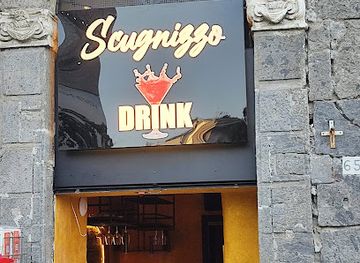
Scugnizzo Drink
Dive into the heart of Naples' nightlife at Scugnizzo Drink, where vibrant music and a lively atmosphere create unforgettable experiences.
5 min drive · 1.8 km from neighbourhood centre

Best shops in Chiaia
Shopping is one of Chiaia’s defining activities, with a concentration of fashion, design and specialist retail around Via dei Mille, Via Calabritto, Via Chiaia and the streets leading from Piazza dei Martiri. International labels sit alongside Italian designers, independent boutiques, jewellers, shoe shops and smaller businesses occupying historic ground-floor premises. Via Chiaia has a more traditional commercial connection to the city centre, while the streets near Piazza dei Martiri and Via Calabritto feel more specialised and polished. The neighbourhood is not primarily a market district, so visitors looking for produce and household goods may need to explore other parts of Naples; Chiaia’s appeal lies instead in browsing shop windows, historic arcades and contemporary retail interiors. Bookshops, galleries and design-oriented businesses add cultural interest, although individual stock and opening arrangements vary.
-
Clothing store
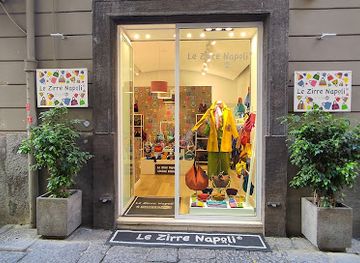
Le Zirre Napoli
Explore the essence of Italian fashion at Le Zirre Napoli, your go-to boutique for women's clothing and accessories in Naples.
11 min walk · 0.9 km from neighbourhood centre
-
Boutique
Boutique Galiano Napoli - Abbigliamento e accessori uomo-donna
Explore Boutique Galiano Napoli for unique men's and women's fashion, showcasing the finest in Italian clothing and accessories in the heart of Naples.
7 min walk · 0.5 km from neighbourhood centre
-
Formal wear store
Ombelico Boutique - Napoli
Explore Ombelico Boutique in Naples for luxurious formal wear and accessories that embody the essence of Italian fashion.
8 min walk · 0.6 km from neighbourhood centre
-
Gift shop
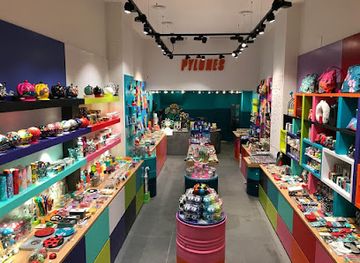
Pylones Napoli
Discover the vibrant charm of Naples through unique gifts and quirky souvenirs at Pylones Napoli, your go-to gift shop in the heart of the city.
2 min walk · 0.2 km from neighbourhood centre


Chiaia essentials
Getting There
Getting Around
Safety
Emergency Situations
Do's and Don'ts
Local Tips

From Eve
Local phrases worth knowing
You don't need to get them perfect. A few words go a long way, and locals appreciate the effort.
Basics
| English | Local | Say it |
|---|---|---|
| Hello | Ciao | [chow] |
| Goodbye | Arrivederci | [ahr-ree-veh-dehr-chee] |
| Yes | Sì | [see] |
| No | No | [noh] |
| Please/You're welcome | Per favore/Prego | [pehr fah-VOH-reh/preh-goh] |
| Thank you | Grazie | [GRAH-tsyeh] |
| Excuse me/Sorry | Mi scusi/Scusa | [mee SKOO-zee/skoo-sah] |
| How are you? | Come stai? | [KOH-meh stah-ee] |
| Fine. And you? | Bene. E tu? | [BEH-neh. eh too] |
| Do you speak English? | Parli inglese? | [PAHR-lee een-GLEH-zeh] |
| I don't understand | Non capisco | [nohn kah-PEES-koh] |
Eating & Drinking
| English | Local | Say it |
|---|---|---|
| I'd like to see the menu, please | Vorrei vedere il menu, per favore | [vohr-REH-ee veh-DEH-reh eel MEH-noo, pehr fah-VOH-reh] |
| I don't eat meat | Non mangio carne | [nohn MAHN-joh KAR-neh] |
| Cheers! | Salute! | [sah-LOO-teh] |
| I would like to pay, please | Vorrei pagare, per favore | [vohr-REH-ee pah-GAH-reh, pehr fah-VOH-reh] |
Emergencies
| English | Local | Say it |
|---|---|---|
| Help! | Aiuto! | [ah-YOO-toh] |
| Go away! | Vai via! | [vah-ee VEE-ah] |
| Call the Police! | Chiamate la polizia! | [kyah-MAH-teh lah poh-LEE-tsyah] |
| Call a doctor! | Chiamate un medico! | [kyah-MAH-teh oon MEH-dee-koh] |
| I'm lost | Mi sono perso | [mee SOH-noh PEHR-soh] |
| I'm ill | Sto male | [stoh MAH-leh] |
Shopping
| English | Local | Say it |
|---|---|---|
| I'd like to buy... | Vorrei comprare... | [vohr-REH-ee kohm-PRah-reh] |
| I'm just looking | Sto solo guardando | [stoh SOH-loh gwar-DAHN-doh] |
| How much is it? | Quanto costa? | [KWAHN-toh KOH-stah] |
| That's too expensive | È troppo caro | [eh TROH-poh KAH-roh] |
| Can you lower the price? | Puoi abbassare il prezzo? | [POO-oy ahb-bah-SAH-reh eel PREH-tsoh] |
Time & Numbers
| English | Local | Say it |
|---|---|---|
| What time is it? | Che ora è? | [keh OH-rah eh] |
| It's one o'clock | È l'una | [eh LOO-nah] |
| Half past (10) | Sono le dieci e mezza | [SOH-noh leh dyeh-chee eh MEHT-sah] |
| Morning | Mattina | [mah-TEEN-ah] |
| Afternoon | Pomeriggio | [poh-meh-REE-joh] |
| Evening | Sera | [SEH-rah] |
| Yesterday | Ieri | [YEH-ree] |
| Today | Oggi | [OH-jee] |
| Tomorrow | Domani | [doh-MAH-nee] |
| 1 | Uno | [OO-noh] |
| 2 | Due | [DWEH] |
| 3 | Tre | [TREH] |
| 4 | Quattro | [KWAT-troh] |
| 5 | Cinque | [CHEEN-kweh] |
| 6 | Sei | [SEH-ee] |
| 7 | Sette | [SEHT-teh] |
| 8 | Otto | [OH-ttoh] |
| 9 | Nove | [NOH-veh] |
| 10 | Dieci | [DYEH-chee] |
Transport & Directions
| English | Local | Say it |
|---|---|---|
| Where's a/the...? | Dov'è un/il... | [doh-VEH oon/eel] |
| What's the address? | Qual è l'indirizzo? | [kwahl eh leen-dee-REET-tsaw] |
| Can you show me (on the map)? | Puoi mostrarmi (sulla mappa)? | [POO-oy mohs-TRAHR-mee (SOOL-lah MAHP-pah)] |
| When's the next (bus)? | Quando passa il prossimo (autobus)? | [KWAHN-doh PAHS-sah eel PROHS-see-moh (ow-TOH-boos)] |
| A ticket (to ....) | Un biglietto (per ...) | [oon beel-YET-toh (pehr ...)] |
History of Chiaia
From Coastline to Noble Suburb
Chiaia developed along the western coastal edge of Naples, an area whose name is generally linked to the Neapolitan word for beach or shore. For centuries the coastal strip was less densely built than the historic centre, but its position beyond the urban core made it attractive for country residences and aristocratic villas. The area’s transformation accelerated under Bourbon rule, when the waterfront was landscaped and connected more clearly to the city’s western approaches. The resulting combination of gardens, sea views and spacious residences established the social character that still distinguishes Chiaia from the compact lanes of central Naples.
The Bourbon Waterfront Gardens
The Villa Comunale, originally known as the Villa Reale, was laid out in the late eighteenth century during the reign of Ferdinand IV and became one of Naples’ principal public promenades. Its tree-lined paths and position beside the bay gave Chiaia a formal civic landscape as well as an aristocratic one. The Riviera di Chiaia developed alongside it as a major coastal road, bringing traffic, commercial activity and new buildings to the district. The gardens also formed part of the wider Bourbon interest in ordered public spaces, botanical collections and seaside promenades.
Palazzi, Villas and Urban Expansion
During the nineteenth century, especially after Naples became part of unified Italy, Chiaia expanded as a prestigious residential and commercial quarter. Villas and noble residences were joined by substantial apartment buildings, hotels, shops and cafés, while streets such as Via Chiaia, Via dei Mille and Via Calabritto acquired the mixed character they retain today. Villa Pignatelli, completed in the 1820s for the Acton family and later associated with the Pignatelli household, represents this era of cultivated private residence. The district’s architecture reflects successive owners and renovations rather than one single uniform style.
A Modern Cultural and Commercial District
In the twentieth and twenty-first centuries Chiaia consolidated its role as one of Naples’ principal areas for retail, hospitality and cultural activity. Historic villas became museums, while palazzi and former aristocratic properties adapted to offices, galleries, restaurants and shops. The opening of contemporary cultural institutions such as the Palazzo delle Arti Napoli added an exhibition presence to the established network of museums and historic buildings. At the same time, the waterfront and its public gardens remained important everyday spaces, showing how Chiaia’s identity depends on both prestigious architecture and ordinary Neapolitan street life.
Chiaia in Photos
Browse through our photo collection highlighting the charm and character of the destination.
Neighbourhoods near Chiaia
The closest neighbourhoods to Chiaia, if you have time for more than one stop.
-
-


Swipe for more neighbourhoods
Explore more

Explore more of Naples
Discover Naples, a city where history, culture, and culinary delights converge along the stunning Tyrrhenian coastline. Experience the true essence of Southern Italy.
Explore Naples