Chikugo River, Chikugo Travel Guide
Explore the Chikugo River: Kyushu's longest river, a source of culture, history, and natural beauty, offering boat trips, water activities, and stunning views.
The Chikugo River, the longest river in Kyushu, Japan, flows from Mount Aso through four prefectures, nourishing the land before emptying into the Ariake Sea. Known as the 'birthplace of culture,' it has shaped the region's history, agriculture, and industry.
A brief summary to Chikugo River
- JP

Know before you go
Hi, I'm Eve. Here are a few practical things to know before exploring Chikugo River.
- Visit during the Japanese grenadier anchovy (Etsu) fishing season (May-July) for fresh anchovy dishes on a yakatabune (pleasure boat).
- Check out the Chikugo River Fireworks Festival in Kurume, one of the largest in western Japan, held annually in early August.
- Enjoy water activities like SUP, water bike, and kayak near Harazuru Hot Spring, known for its skin-soothing benefits.
Do you manage this location?
Take control to get all the benefits, like improved information, better appearance, and stronger visibility across AI-powered discovery. Learn more about listing your business on Evendo
Activate your presenceOther nearby places you may find interesting
The closest places of the same kind, if this one is not quite what you had in mind.
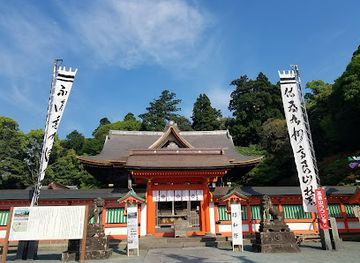
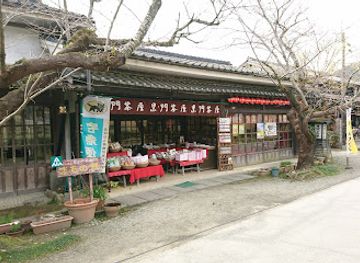

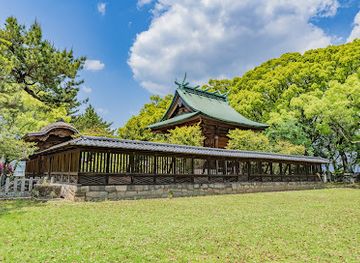
Explore Chikugo River on the Map
A handpicked selection of must-see spots near Chikugo River, mapped for you.
Getting There
-
Public Transport
From JR Kurume Station, the Chikugo River is about a 10-minute walk. Kurume Station is accessible via the JR Kagoshima Line. During the Chikugo River Fireworks Festival, shuttle buses (paid) are available from Nishitetsu Kurume Station.
-
Walking
The Chikugo River is easily accessible on foot from various points in Kurume. From JR Kurume Station, head towards the riverbank; it's approximately a 10-minute walk. Follow signs for the Chikugo River Fireworks Festival during the event.
Discover more about Chikugo River













Your all‑in‑one travel companion app
Explore expert travel guides, compare and book tours, experiences, hotels, and more—all from the palm of your hand. Download now for seamless trip planning wherever your wanderlust takes you.


Explore More of Chikugo
Looking beyond Chikugo River? Discover Chikugo for broader travel guides, local hot-spots, and regional highlights.
Explore Chikugo