

Hishino Triple Water Wheels, Chikugo Travel Guide
Discover the historic Hishino Triple Water Wheels in Asakura, Fukuoka: a remarkable example of traditional Japanese engineering and agricultural heritage.
The Hishino Triple Water Wheels, constructed in 1790, represent a remarkable feat of engineering designed to irrigate Asakura's rice paddies. These wheels, drawing water from the Chikugo River, showcase a blend of historical ingenuity and enduring functionality, offering visitors a unique glimpse into Japan's agricultural past.
A brief summary to Hishino Triple Water Wheels
- Hishino, Asakura, Hishino, Fukuoka, 838-1305, JP
- Click to display
- Click to display

Know before you go
Hi, I'm Eve. Here are a few practical things to know before exploring Hishino Triple Water Wheels.
- Visit between mid-June and early October to see the water wheels in full operation during the rice planting season.
- Try to visit during the Obon Festival in mid-August to witness the magical night-time illumination of the water wheels.
- Take some time to explore the surrounding countryside and enjoy the peaceful atmosphere of rural Asakura.
- Purchase locally produced honey from nearby bee farms as a unique souvenir.
Do you manage this location?
Take control to get all the benefits, like improved information, better appearance, and stronger visibility across AI-powered discovery. Learn more about listing your business on Evendo
Activate your presenceOther nearby places you may find interesting
The closest places of the same kind, if this one is not quite what you had in mind.

Explore Hishino Triple Water Wheels on the Map
A handpicked selection of must-see spots near Hishino Triple Water Wheels, mapped for you.
Unlock the Best of Hishino Triple Water Wheels
Buy tickets
-
No tickets available
Book tours with entry

Book tours without entry
-
No tours available
Getting There
-
Public Transport
From Fukuoka, take a Nishitetsu bus from Hakata Bus Terminal to Amagi IC (高速甘木). The bus ride takes approximately 57 minutes and costs between ¥700 and ¥1600. From the Hishino bus stop, it is a 5-minute walk to the Hishino Triple Water Wheels.
-
Taxi
From Chikugo Yoshii Station on the JR Kyushu Main Line, a taxi to the Hishino Triple Water Wheels takes about 10 minutes. Taxi fare will likely cost around ¥1,500-¥2,000. There are municipal parking lots available near the water wheels.
Discover more about Hishino Triple Water Wheels
More to explore near Hishino Triple Water Wheels













Your all‑in‑one travel companion app
Explore expert travel guides, compare and book tours, experiences, hotels, and more—all from the palm of your hand. Download now for seamless trip planning wherever your wanderlust takes you.


Explore More of Chikugo
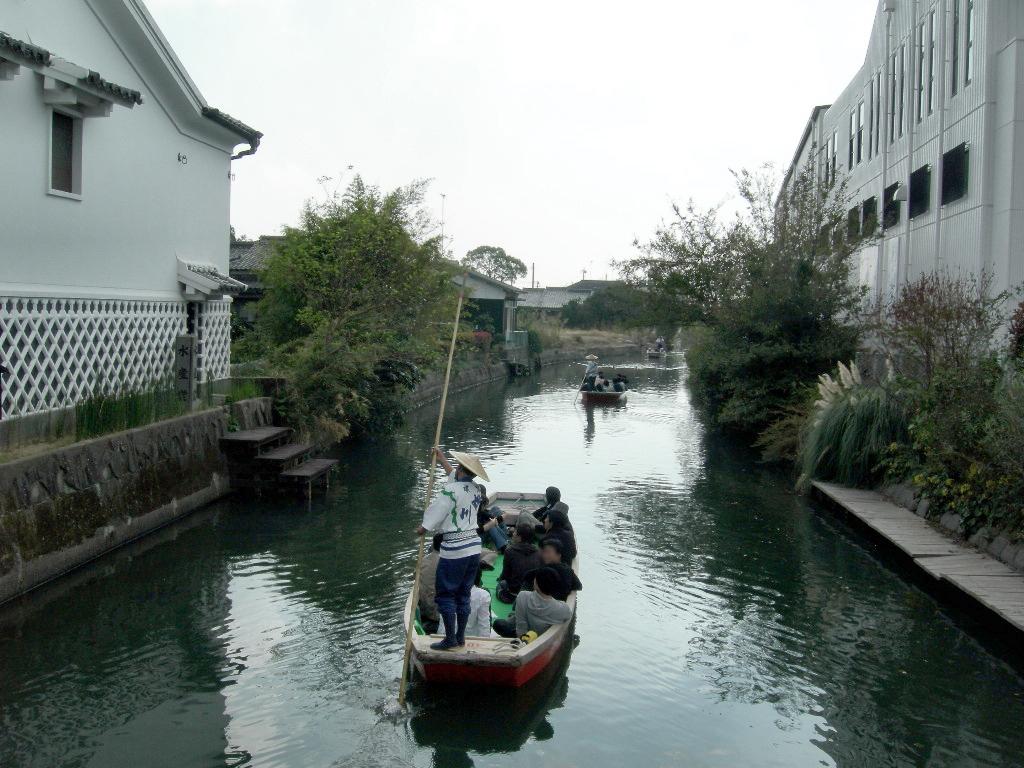
Looking beyond Hishino Triple Water Wheels? Discover Chikugo for broader travel guides, local hot-spots, and regional highlights.
Explore Chikugo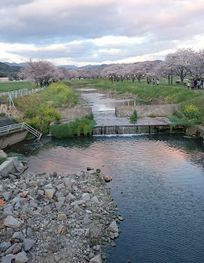
Experience the beauty of spring in Chikuzen at the Kusaba River, where cherry blossoms create a stunning pink landscape along the serene riverbanks.

Discover the historic Yamada Weir in Asakura, a remarkable Edo-era irrigation system and a model for sustainable water management.
