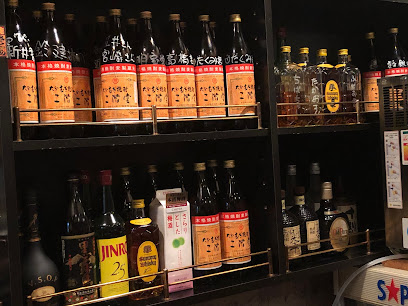
Kakegawa Castle Ninomaru Palace: A Glimpse into Edo-Era Japan
Explore Kakegawa Castle's Ninomaru Palace: A rare, faithfully restored Edo-era residence offering a glimpse into Japan's feudal past.
The Kakegawa Castle Ninomaru Palace, reconstructed in the late Edo period, is one of only four remaining castle palaces in Japan. Serving as the residence and administrative center for the ruling lord, it offers a fascinating glimpse into feudal governance and samurai life.
A brief summary to Kakegawa Castle Ninomaru Palace
- Monday 9 am-5 pm
- Tuesday 9 am-5 pm
- Wednesday 9 am-5 pm
- Thursday 9 am-5 pm
- Friday 9 am-5 pm
- Saturday 9 am-5 pm
- Sunday 9 am-5 pm
Local tips
- Wear thick socks, as shoes are not allowed inside the palace.
- Purchase a combination ticket for access to both the castle tower and Ninomaru Palace.
- Take advantage of JAF discounts on tickets if available.
- Plan to spend about an hour exploring both the castle tower and Ninomaru Palace.

Getting There
-
Walking
From Kakegawa Station, exit north and walk straight for about 10 minutes. You'll pass through the city center, heading towards the elevated grounds where Kakegawa Castle is situated. The Ninomaru Palace is located adjacent to the castle keep. There are no specific costs involved in accessing the palace on foot.
-
Public Transport
Take the Kakegawa City Loop Bus from Kakegawa Station and disembark at the Kakegawa-jo bus stop. From there, it's a short walk to the castle grounds and the Ninomaru Palace. The loop bus costs around ¥200 per ride. Alternatively, a taxi from the station costs approximately ¥800-¥1000.
Discover more about Kakegawa Castle Ninomaru Palace
Iconic landmarks you can’t miss

Tea Museum, Shizuoka
11.8 km
Discover the fascinating history and culture of Japanese tea at the Tea Museum in Shizuoka, a must-visit for tea lovers and cultural enthusiasts alike.
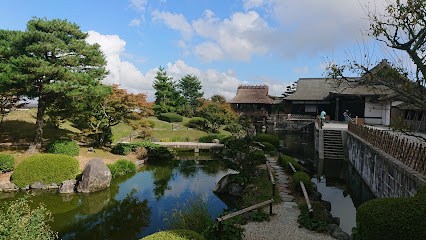
Shizuoka Station
40.5 km
Discover the heart of Shizuoka at Shizuoka Station, your gateway to stunning landscapes, cultural gems, and local delights in Japan.
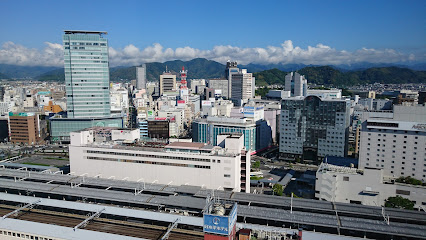
SURUGA Marketing & Tourism Bureau
41.1 km
Explore Suruga's cultural treasures and tourism highlights at the SURUGA Marketing & Tourism Bureau, your gateway to Shizuoka's best experiences.
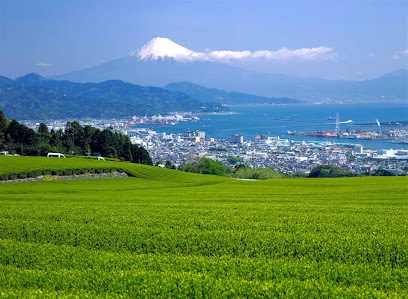
Suruga Bay
43.6 km
Experience the breathtaking beauty and rich culture of Suruga Bay, a serene destination in Japan perfect for relaxation, adventure, and exploration.
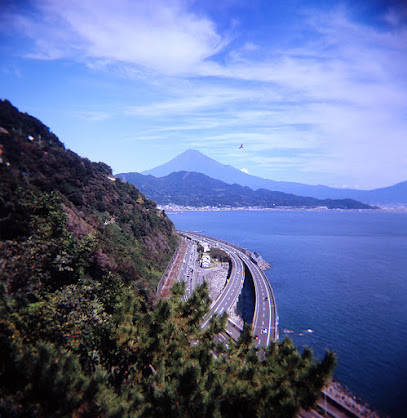
Okuōikojō Station
46.2 km
Explore the scenic beauty and cultural richness of Shizuoka from Okuikojō Station, your gateway to unforgettable experiences in rural Japan.
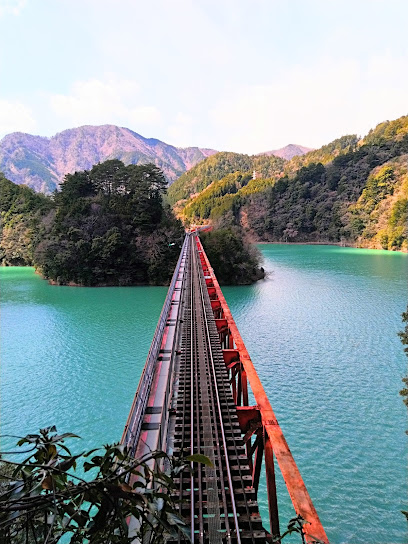
Kunouzan Station
46.2 km
Discover stunning views and nature trails at Kunouzan Station, your gateway to the breathtaking beauty of Shizuoka's landscapes.
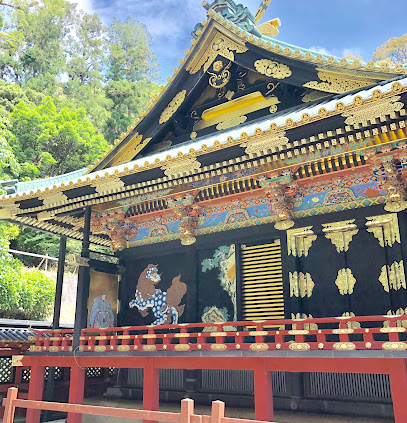
Sabo Yume Terrace
46.7 km
Discover the tranquility of Sabo Yume Terrace, a captivating café with breathtaking views of Mount Fuji and delightful Japanese treats.
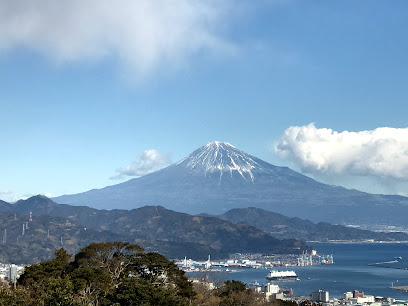
Suruga Bay Ferry
51.1 km
Discover the beauty of Suruga Bay with a scenic ferry ride, blending transportation and breathtaking views in Shizuoka, Japan.
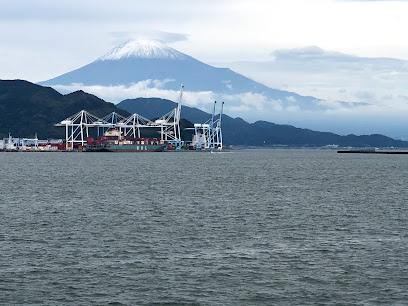
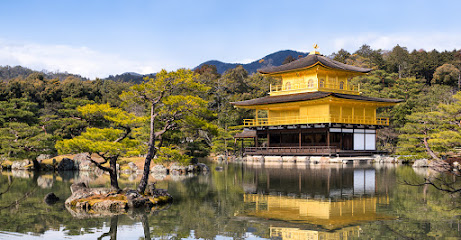
Kyoto Daily Tours
56.8 km
Explore the beauty and history of Kyoto with Kyoto Daily Tours - your ultimate guide to Japan's cultural treasures.
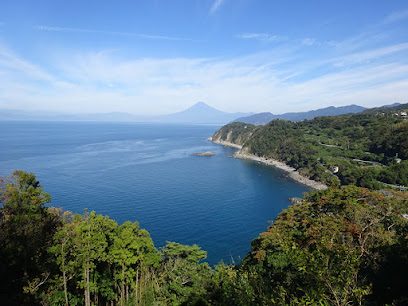
Lover’s Cape Gold Bell
68.5 km
Experience stunning views of Mount Fuji and the serene beauty of nature at Lover's Cape Gold Bell in Koshimoda, Izu, Shizuoka.
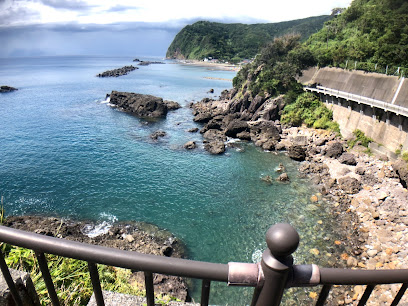
Odoi Beach
72.2 km
Discover Odoi Beach in Izu: Serene sands, clear waters, and tranquil beauty for a perfect coastal escape in Shizuoka.
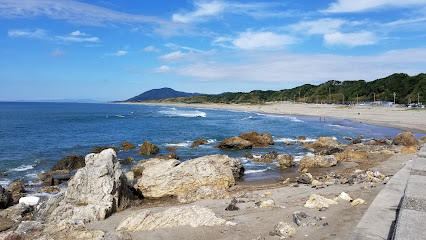
Pacific Long Beach
75.0 km
Experience the beauty and excitement of Pacific Long Beach, a must-visit destination in Aichi for beach lovers and adventure seekers alike.
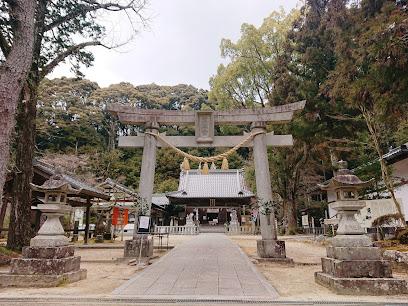
Matsudaira Tōshōgū
75.3 km
Experience the serene beauty and rich history of Matsudaira Tōshōgū, a sacred Shinto shrine nestled in the heart of Aichi Prefecture.
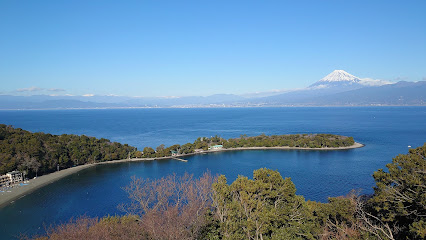
Cape Ose
76.0 km
Discover the captivating beauty of Cape Ose in Numazu, Shizuoka, where stunning ocean views and picturesque sunsets await every visitor.
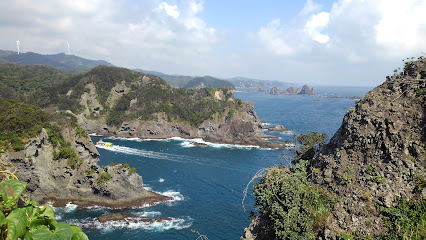
Irozaki Ocean Park
78.0 km
Discover Irozaki Ocean Park: Breathtaking coastal views, historic lighthouse, and serene shrines at the tip of the Izu Peninsula.
Unmissable attractions to see

Gyokuro No Sato Roadside Station
29.2 km
Discover Japan's Gyokuro tea culture in a serene setting with gardens, tea houses, and local flavors at Gyokuro No Sato.
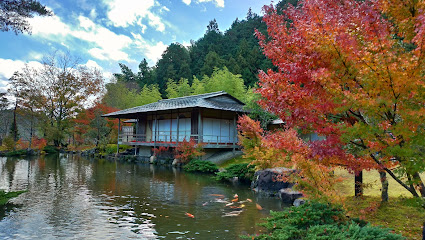
Meiji Utsunoya Tunnel
31.6 km
Discover Japan's first toll tunnel: a historic landmark offering a serene journey through time and nature in Shizuoka.
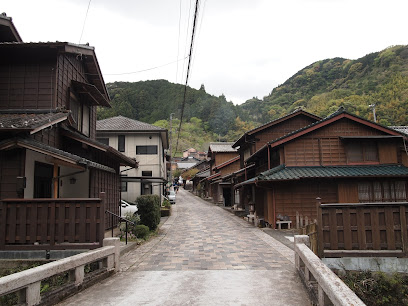
Ryugashido Cavern
34.3 km
Explore the stunning Ryugashido Cavern, home to Japan's largest cave waterfall and mesmerizing geological formations in Hamamatsu, Shizuoka.
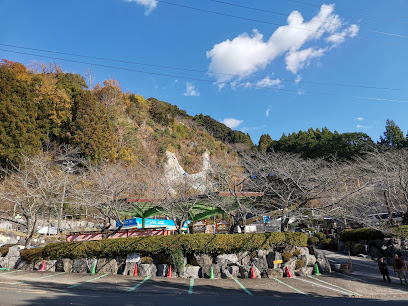
Sumpu Takumishuku
35.2 km
Discover Shizuoka's artistic soul at Sumpu Takumishuku: workshops, exhibits, local crafts, and culinary delights await in a serene mountain setting.
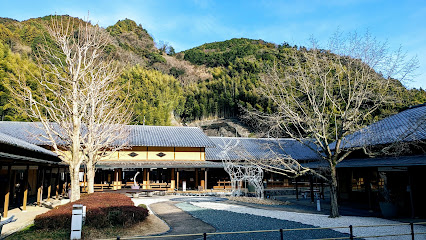
Mochimune Park
35.3 km
Relax by the sea in Shizuoka's Mochimune Park, offering scenic views, local flavors, and a peaceful escape from the city.
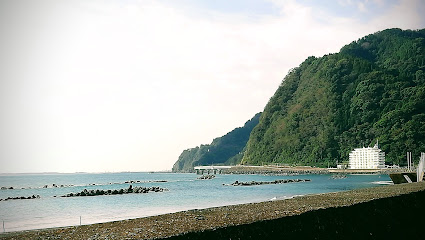
Kanzanji Ropeway
36.3 km
Kanzanji Ropeway offers an exhilarating journey with breathtaking views of Lake Hamana and surrounding hills in Hamamatsu, Shizuoka.
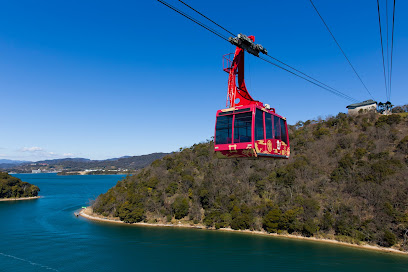
Hirono Seaside Park
36.9 km
Discover Shizuoka's Hirono Seaside Park: Coastal views, recreation, and family fun await!
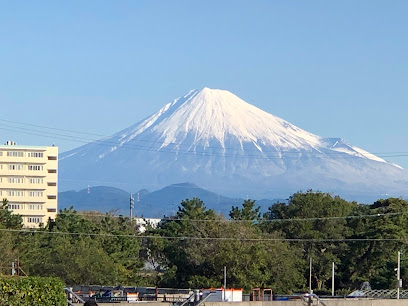
Ohama Park
40.1 km
Discover Shizuoka's coastal charm at Ohama Park: beachside relaxation, recreational fun, and scenic views await!
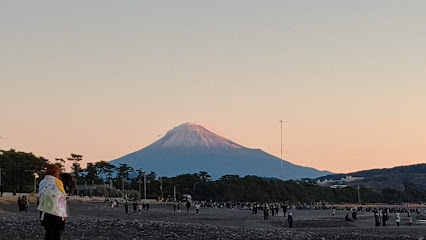
Nishijima Ryokuchi Park
40.3 km
Discover the serene beauty of Nishijima Ryokuchi Park in Shizuoka, a perfect blend of nature, tranquility, and cultural experiences.
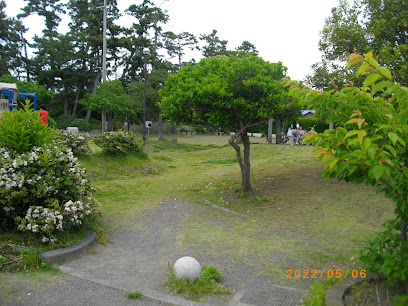
Shizuoka Sengen Shrine
40.3 km
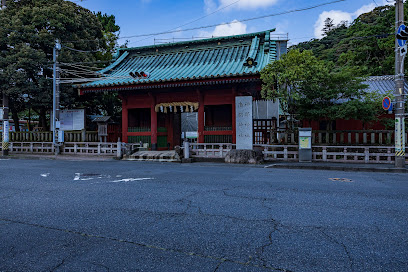
Explore Shizuoka Sengen Shrine: a historic Shinto complex with stunning architecture, cultural treasures, and serene gardens in the heart of Shizuoka City.
Arai Benten Beach
40.3 km
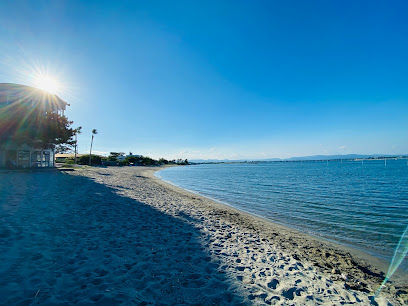
Discover the tranquility of Arai Benten Beach, a serene escape in Shizuoka, Japan, perfect for families and beach lovers alike.
Observation Platform 21st Floor of the Prefectural Office
40.4 km
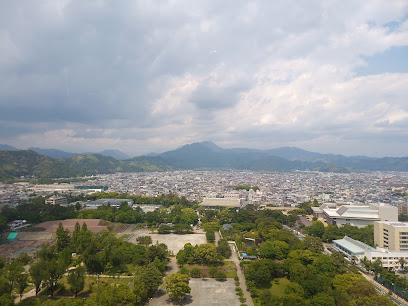
Enjoy panoramic city views and, on clear days, breathtaking views of Mount Fuji from this free observation deck in Shizuoka's Prefectural Office.
Shizuoka Science Museum RU KU RU
40.6 km
Explore interactive science exhibits at Shizuoka City's RU KU RU museum, a hands-on learning experience for all ages.
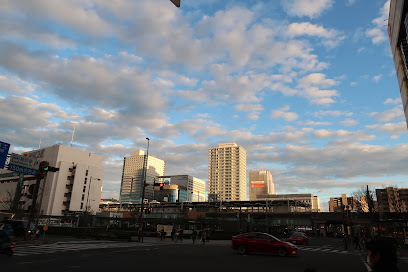
Morishita Park
40.8 km
Experience the serene beauty of Morishita Park in Shizuoka, a perfect blend of nature, recreation, and relaxation for every traveler.
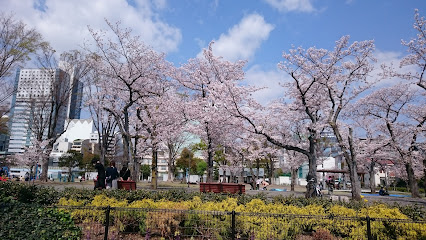
Shizuoka City Serizawa Keisuke Art Museum
41.1 km
Discover the vibrant world of Keisuke Serizawa, a Living National Treasure, at this Shizuoka City art museum dedicated to his textile designs.
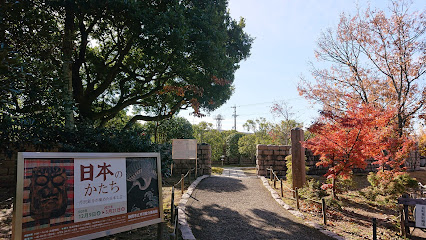
Essential places to dine

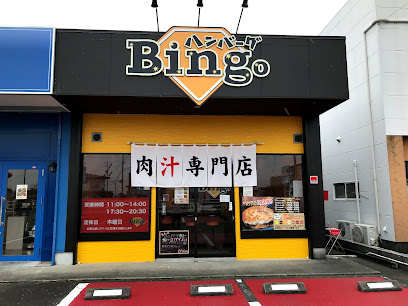
Hamburg Bingo
23.9 km
Experience the delightful fusion of Japanese ramen and Western cuisine at Hamburg Bingo in Fujieda – where every dish tells a story.
Japanese Restaurant Tengu Shizuoka Fujieda
25.5 km
Discover authentic Japanese cuisine at Tengu Shizuoka - a family-friendly izakaya specializing in tempura and traditional dishes.
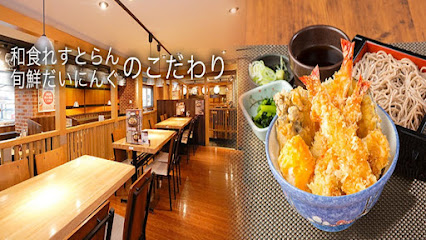
Simples
35.2 km
Experience the best of Japanese cuisine at Simples in Shizuoka—where every dish tells a story.
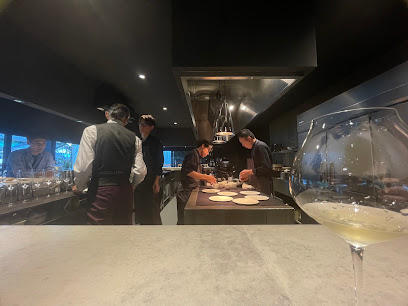
Chojiya
35.3 km
Experience the authentic taste of Japan at Chojiya, where traditional recipes meet local ingredients for an unforgettable dining adventure.
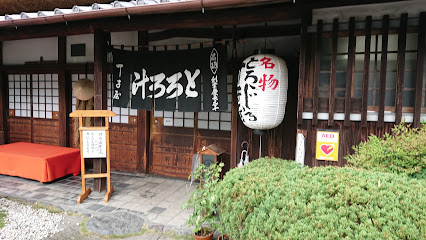
Noodle Kitchen Terra Costa
35.7 km
Discover the rich flavors of Japan at Noodle Kitchen Terra Costa in Shizuoka – where tradition meets innovation in every bowl.
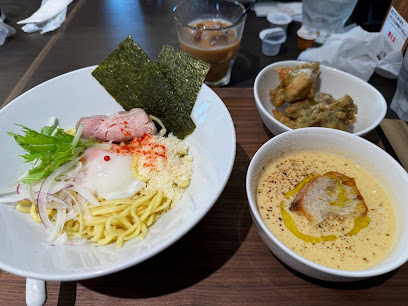
Donburi House
36.3 km
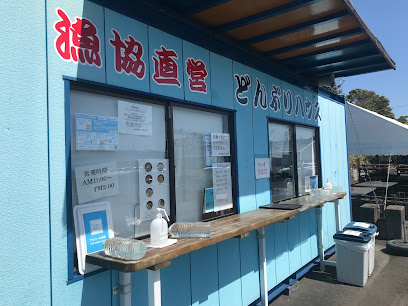
Discover fresh seafood delights at Donburi House in Shizuoka – where every bowl tells a story of flavor and tradition.
カチントゥレッヤー Myanmar Restaurant
39.0 km
Experience authentic Burmese flavors at Kachintureya Myanmar Restaurant in Shizuoka - a culinary journey awaits!

Ishibashi Unagiya
39.1 km
Experience authentic Japanese cuisine at Ishibashi Unagiya - where tradition meets taste in every bite of exquisite grilled eel.
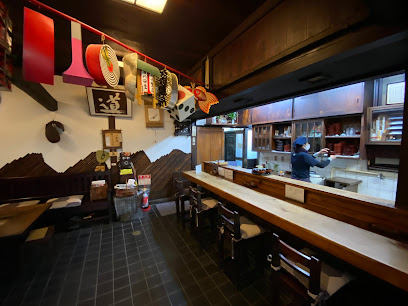
Sawayaka Shizuoka Inter
39.3 km
Discover family-friendly dining at Sawayaka Shizuoka Inter - where Western flavors meet warm hospitality in beautiful Shizuoka.
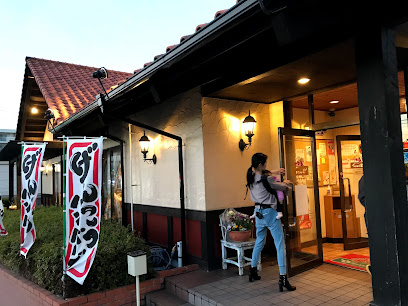
レストランDADA 静岡中原店
39.5 km
Experience authentic Italian cuisine at Restaurant DADA in Shizuoka – where every dish tells a delicious story.
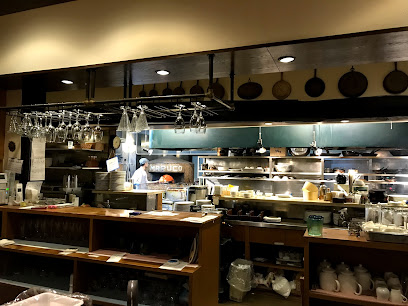
Lime-ken
40.3 km
Experience the authentic taste of Japan at Lime-ken Ramen Restaurant in Shizuoka - where every bowl tells a story.
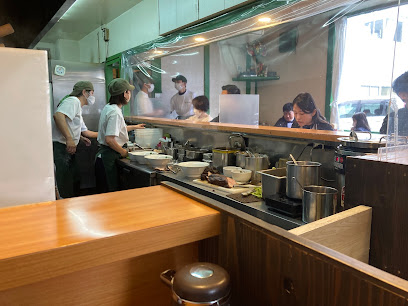
Murasaki Shizuokaeki-minamiguchi
40.4 km
Experience authentic Japanese flavors at Murasaki Shizuokaeki-minamiguchi – where fresh seafood meets traditional cooking.
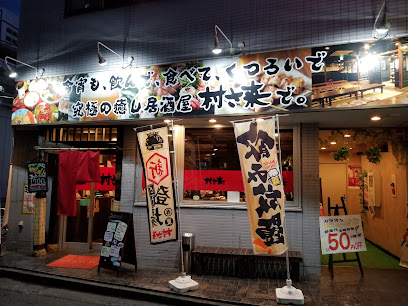
UMIBOUZU Main Store
40.4 km
Explore the vibrant flavors and warm hospitality of UMIBOUZU Main Store in Shizuoka - your gateway to authentic Japanese izakaya dining.
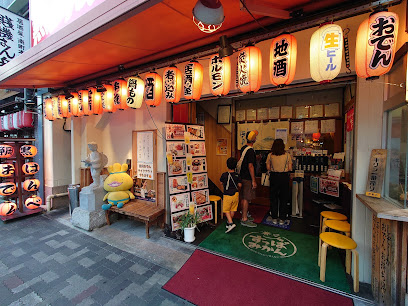
SPICY COLOMBO
40.5 km
Discover authentic Sri Lankan cuisine at Spicy Colombo in Shizuoka; where every dish tells a story through rich spices and vibrant flavors.
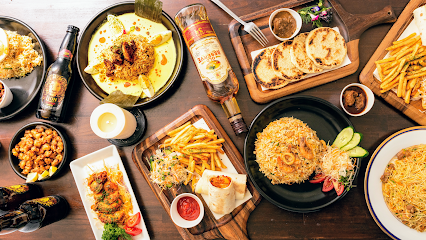
Italian cuisine AL PORTO SHIZUOKA
40.7 km
Savor authentic Italian cuisine with stunning views at Al Porto Shizuoka – where every meal is a celebration of flavor.
Markets, malls and hidden boutiques

uogashimonster
29.2 km
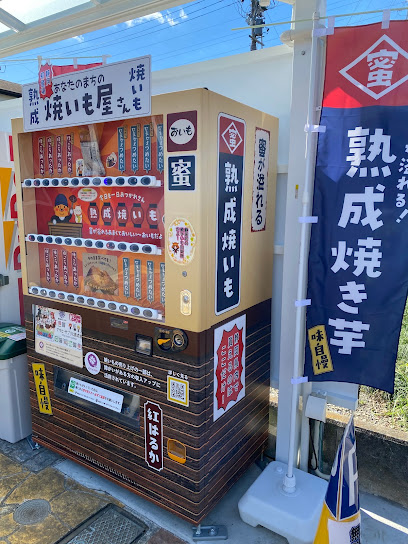
Explore a charming bag shop in Yaizu, Shizuoka, offering unique styles and friendly service, perfect for fashion enthusiasts and travelers alike.
Shizuoka Isetan
40.1 km
Discover Shizuoka Isetan, where traditional Japanese culture meets modern retail. Shop, dine, and experience the best of Shizuoka all in one place.
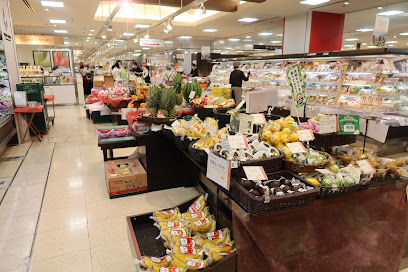
Figure Shizuoka
40.1 km
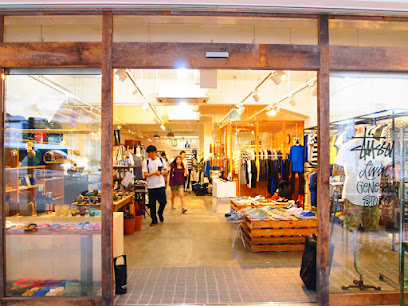
Discover the latest trends in fashion and unique home goods at Figure Shizuoka, a premier shopping destination for style-savvy travelers.
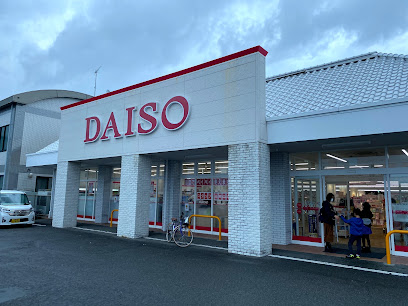
DAISO
40.2 km
Discover affordable treasures at DAISO, the ultimate dollar store in Shizuoka, where shopping meets Japanese culture and creativity.
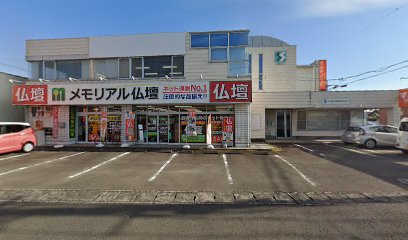
SGI Butsudannokinpodo Shizuokaten
40.2 km
Explore the serene world of Buddhist supplies at SGI Butsudannokinpodo Shizuokaten, where spirituality meets craftsmanship.
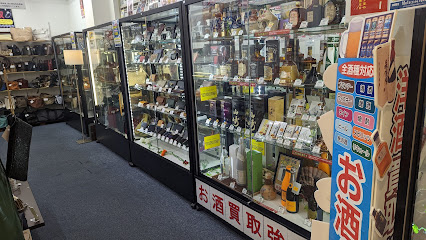
キンバリー静岡SBS通り店
40.3 km
Explore the eclectic charm of キンバリー静岡SBS通り店, a second-hand store in Shizuoka filled with unique finds and local treasures.
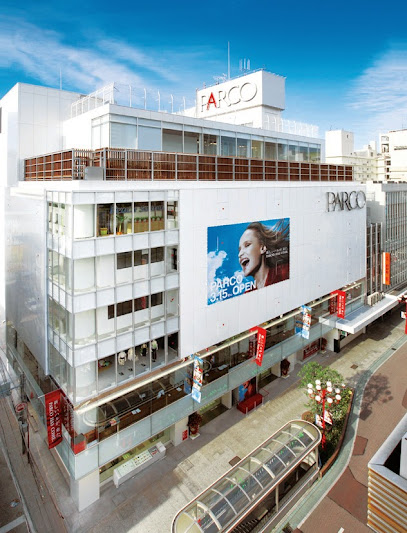
Shizuoka PARCO
40.3 km
Discover fashion, flavor, and fun at Shizuoka PARCO, the ultimate shopping mall experience in the heart of Shizuoka, Japan.
Surugaya Shizuoka Flagship Store
40.5 km
Explore a vast selection of collectibles and pop culture treasures at Surugaya Shizuoka Flagship Store, your ultimate hobby haven.
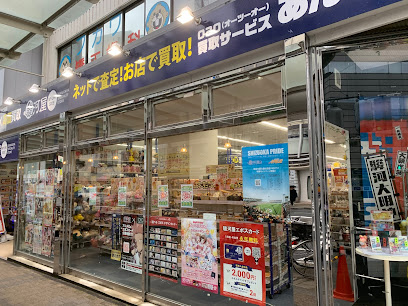
PARCHÉ
40.5 km
Explore PARCHÉ in Shizuoka for a vibrant shopping experience blending local culture with global brands and delightful dining options.
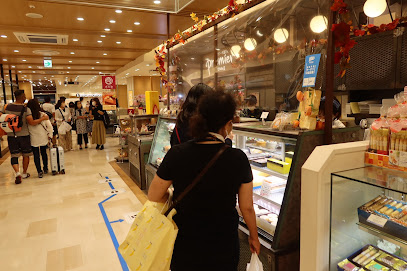
Matsuzakaya Department Store Shizuoka
40.5 km
Explore Matsuzakaya Department Store in Shizuoka, where shopping meets local culture, featuring cosmetics, gourmet groceries, and unique souvenirs.
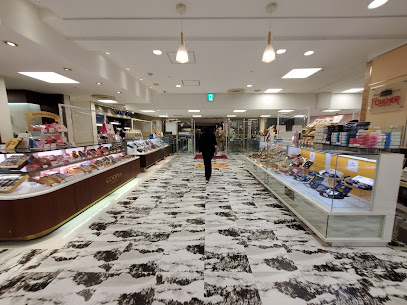
Ai-ai Furniture Co., Ltd.
40.6 km
Explore Ai-ai Furniture Co., Ltd. in Shizuoka for exquisite Japanese designs and timeless craftsmanship in furniture and decor.
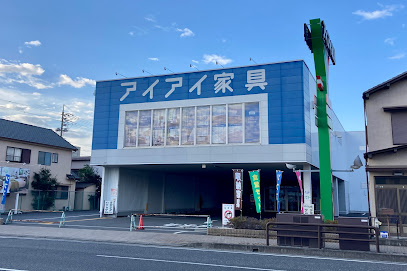
Shikisaido Shizuokanakadaten
40.6 km
Explore the vibrant world of Shikisaido Shizuokanakadaten, a variety store in Shizuoka offering unique local products and authentic Japanese experiences.
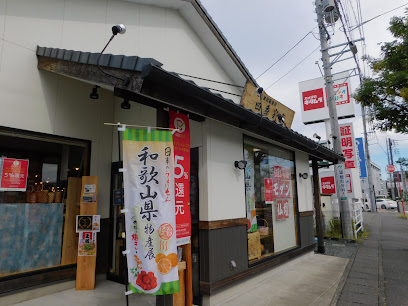
Shifonkekinomise kahon
40.7 km
Discover the sweet taste of Japan at Shifonkekinomise Kahon, home to delectable pastries and the famous chiffon cake in Shizuoka.
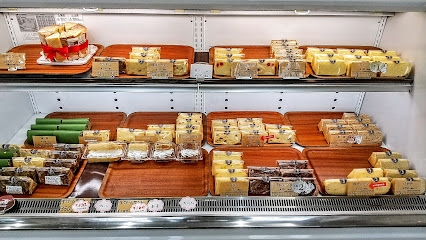
Shizuoka
40.8 km
Discover the beauty of Shizuoka, where stunning views, rich culture, and delicious cuisine blend seamlessly for an unforgettable experience.
Dearパティズ静岡店
40.8 km
Explore the vibrant world of beauty at Dearパティズ静岡店, where local charm meets premium cosmetics in Shizuoka.
Essential bars & hidden hideouts

The Lord Nelson
27.1 km
Discover the charm of The Lord Nelson, a cozy pub in Hamamatsu, where local flavors and a warm atmosphere await every visitor.
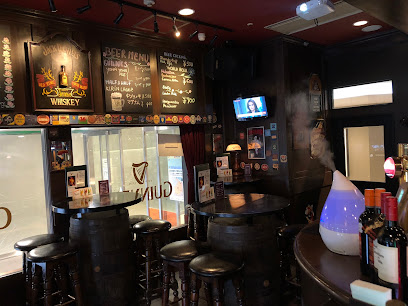
dazzbar
39.8 km
Discover Shizuoka's vibrant nightlife at Dazzbar, where cocktails and camaraderie come alive in a chic setting.
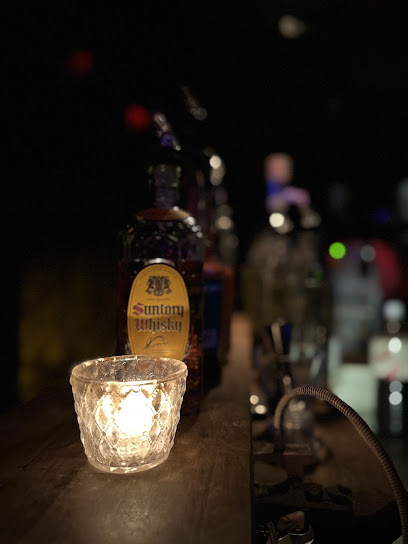
ガッチー(gatchy)
40.0 km
Experience the vibrant nightlife of Shizuoka at Gatchy, a lively bar offering exquisite drinks and unforgettable memories in a unique atmosphere.
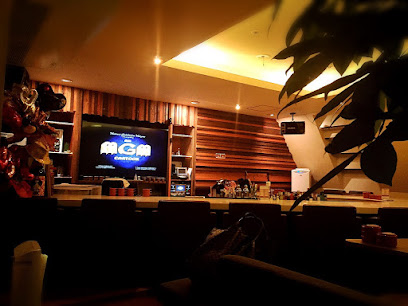
Dot Cool
40.1 km
Discover the enchanting world of live jazz at Dot Cool, a vibrant jazz club in Shizuoka, offering unforgettable performances and piano instruction.
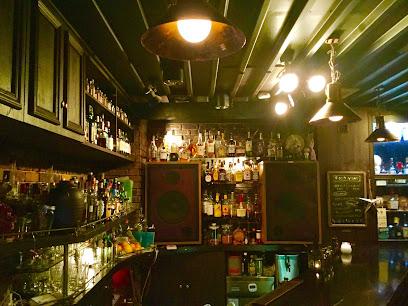
Blue Label
40.1 km
Discover the vibrant nightlife of Shizuoka at Blue Label, a bar known for its exquisite cocktails and inviting ambiance.
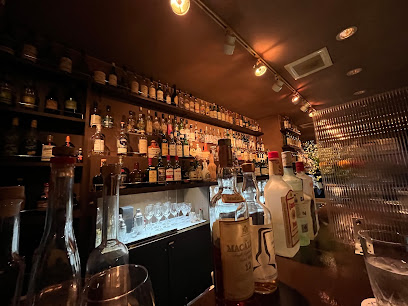
Muse Amuse
40.1 km
Discover Muse Amuse, Shizuoka's top cocktail bar, where innovative drinks and a lively atmosphere create unforgettable nights.
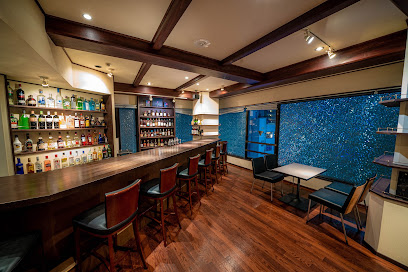
WINE BAR Chako
40.1 km
Experience the finest wines and warm ambience at WINE BAR Chako, a hidden gem in Shizuoka's vibrant nightlife.
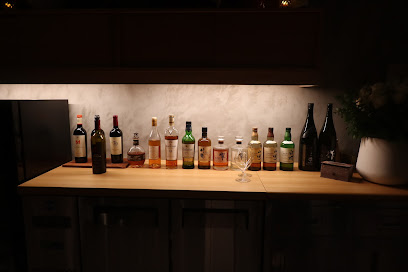
Bar VINCENT
40.1 km
Experience the vibrant nightlife at Bar VINCENT, Shizuoka's favorite spot for exquisite drinks and a lively atmosphere.
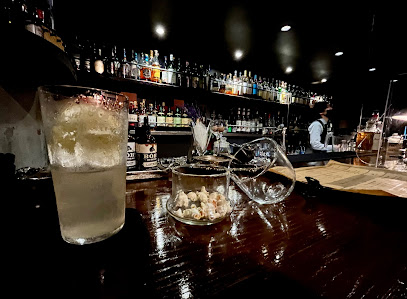
Abbey Road
40.1 km
Discover the vibrant nightlife of Shizuoka at Abbey Road, a lively bar with an extensive drink menu and an energetic atmosphere.
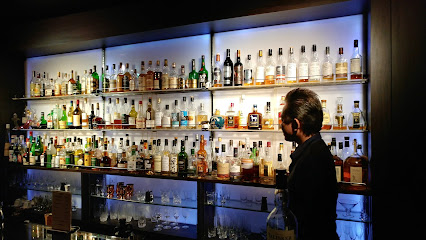
美煙鶏 dining & shisha bar
40.1 km
Discover the perfect blend of flavors and relaxation at 美煙鶏 dining & shisha bar, Shizuoka's premier izakaya experience.
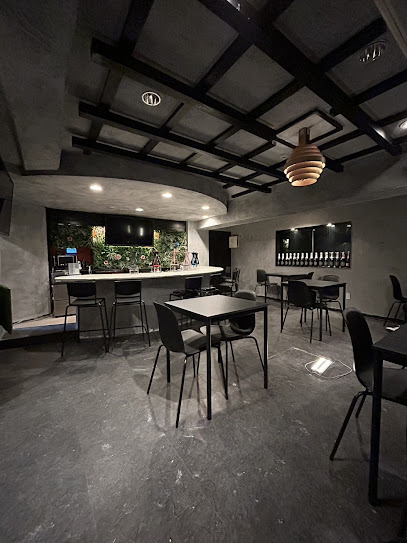
Gravity
40.1 km
Experience the vibrant nightlife of Shizuoka at Gravity, a bar offering an eclectic drink menu and inviting ambiance.
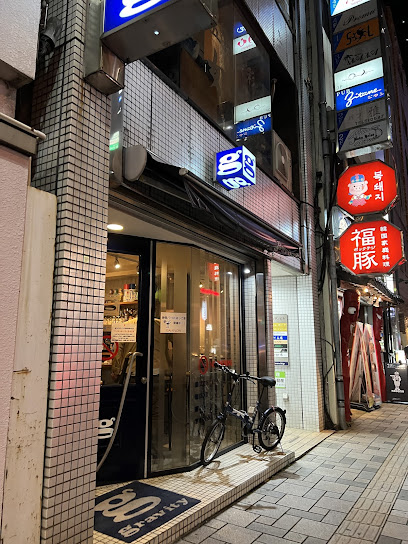
Funny’s
40.1 km
Funny's Bar in Shizuoka: A premier destination for nightlife with exceptional drinks and a vibrant atmosphere.
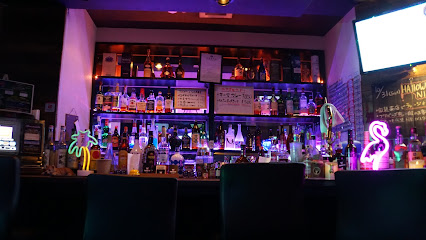
HOLLYHOCK
40.2 km
Experience the vibrant nightlife at HOLLYHOCK, a lively bar in Shizuoka, where local culture meets a fantastic selection of drinks.
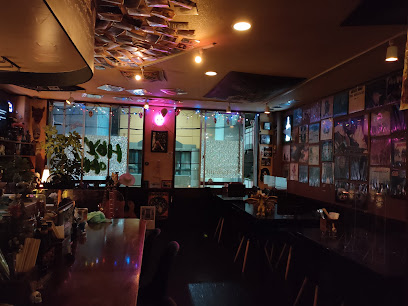
BAR七海
40.2 km
Discover the vibrant nightlife at BAR七海 in Shizuoka, where expertly crafted drinks and a lively atmosphere await you.
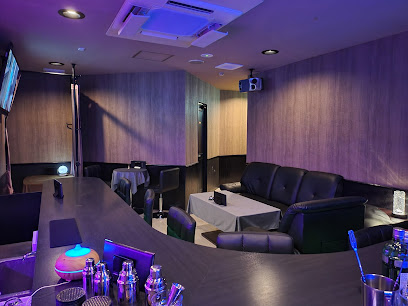
Bar NEXUS II
40.2 km
Experience the vibrant nightlife at Bar NEXUS II in Shizuoka, where exquisite cocktails and lively atmosphere create unforgettable evenings.
Nightclubs & after hour spots

JeeBar
39.9 km
Discover the electrifying nightlife at JeeBar, Shizuoka's premier disco club, where music, dance, and fun await every visitor.
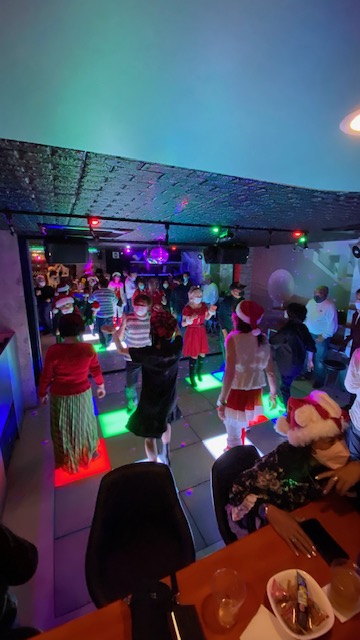
Club Fifty One
39.9 km
Experience the electrifying nightlife at Club Fifty One in Shizuoka, where music, dance, and unforgettable moments await every night.
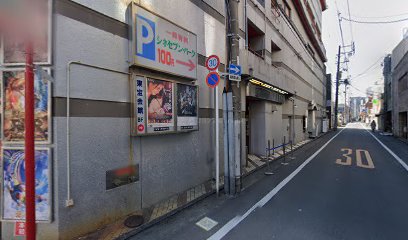
G2 SHIZUOKA
40.2 km
Experience the vibrant nightlife at G2 Shizuoka, a premier night club offering music, dance, and unforgettable memories in the heart of the city.
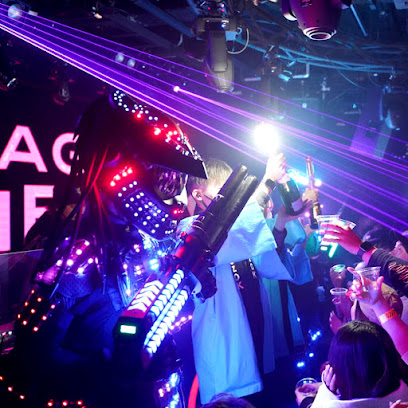
SOUL BAR Boogie54
40.2 km
Discover the electrifying nightlife of Shizuoka at SOUL BAR Boogie54, a premier disco club offering vibrant music and tasty snacks.
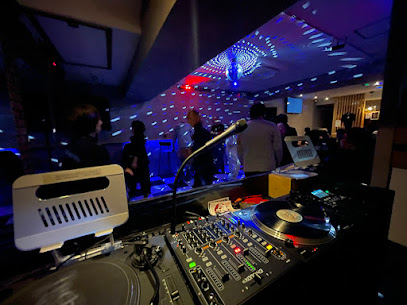
Moonlight philippine restobar
74.8 km
Experience the vibrant nightlife at Moonlight Philippine Restobar, where authentic Filipino cuisine and lively entertainment create memorable evenings in Fuji.
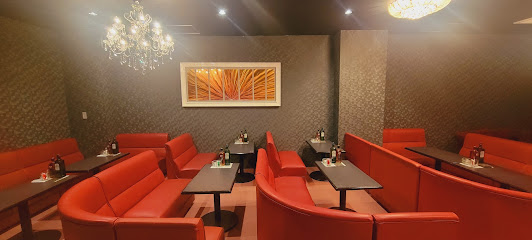
Arcana Izu
83.9 km
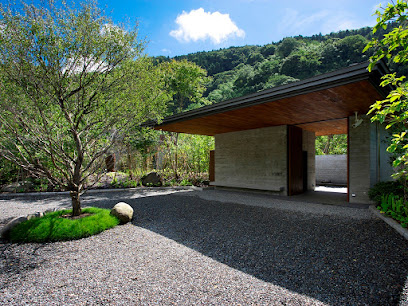
Discover the serene beauty and traditional charm of Arcana Izu, a perfect Japanese inn retreat in the heart of Shizuoka.
Fuji Classic
90.8 km
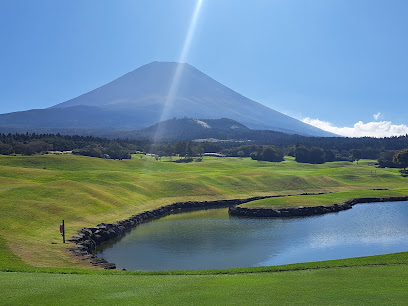
Discover the breathtaking views and serene ambiance of Fuji Classic Golf Course, an unforgettable golfing experience in Yamanashi Prefecture.
Cherry Blossoms
93.4 km
Discover the vibrant nightlife of Cherry Blossoms, a perfect blend of izakaya dining and karaoke fun in Higashiizu.