

Free Western Kazakhstan Travel Guide & Mobile App
Explore Western Kazakhstan with free travel guides. Discover regional history, expert tips, proposed trips, and audio guides on web or mobile app.


Explore Western Kazakhstan for Caspian landscapes, desert plateaux, oil towns, ancient steppe heritage and the historic cities of Atyrau and Oral.
When is the best time to visit Western Kazakhstan?
Best: June, August–September · 22–29°C| Month | High (°C) | Rainfall (mm) |
|---|---|---|
| January | -5 | 25 |
| February | -3 | 20 |
| March | 5 | 25 |
| April | 14 | 25 |
| May | 22 | 30 |
| June (best) | 27 | 25 |
| July | 30 | 20 |
| August (best) | 29 | 15 |
| September (best) | 22 | 25 |
| October | 15 | 30 |
| November | 3 | 25 |
| December | 0 | 25 |
Getting to and around Western Kazakhstan
How to get there
Transportation
Top city travel guides in Western Kazakhstan
The cities of Western Kazakhstan, and the easiest places to base yourself.
-

-


Swipe for more cities
Best attractions in Western Kazakhstan
Western Kazakhstan's attractions range from urban museums and historic quarters to huge, sparsely settled landscapes. In Atyrau, the Ural riverfront and the archaeological site of Saraishyk introduce the region's riverine and medieval history, while Oral offers museums and surviving nineteenth-century architecture. Aktobe provides cultural institutions and access to open steppe, including the wider Aktobe landscape's archaeological and geological sites. Aktau is the principal base for exploring Mangystau, where the Boszhira tract, Sherkala Mountain, the Torysh Valley and the Ustyurt plateau reveal cliffs, mesas, dry valleys and unusual rock formations. Underground mosques such as Beket-Ata and Shakpak-Ata are both architectural and spiritual destinations and should be visited respectfully. Nature-focused travellers can seek out remote canyons, saline depressions, desert flora and migratory birds, but these are expedition-style outings rather than conventional day trips. The region's attraction landscape is defined by scale, geology and remoteness: reliable vehicles, water, navigation and local knowledge matter as much as sightseeing plans.
-
Hiking area
Skal'naya Tropa
Explore the breathtaking Skal'naya Tropa in Aktau, a scenic hiking trail offering stunning views and a tranquil escape into nature's beauty.

Best landmarks in Western Kazakhstan
Western Kazakhstan's most recognisable landmarks are often geological or historical rather than monumental. In Mangystau, the white escarpments and wide rock amphitheatres of Boszhira form one of the region's defining landscapes, while Sherkala Mountain stands out as an isolated, culturally resonant natural feature. The Torysh Valley is known for its rounded stone formations, and the Ustyurt plateau gives the region its characteristic sense of elevation and distance. The underground mosques of Beket-Ata and Shakpak-Ata are significant sacred and architectural landmarks, carved or adapted within the peninsula's dry terrain. Near Atyrau, Saraishyk's archaeological remains mark the importance of the medieval Ural corridor. Oral's historic centre, with its older churches, merchant buildings and river setting, offers a contrasting urban landmark landscape. The Bokeiorda area in West Kazakhstan preserves the memory of the Bukey Horde through sites associated with its nineteenth-century political history, while Aktau's Caspian-facing urban plan reflects the modern development of a port and energy city.
-
Ski resort
Shymbulak
Experience the thrill of skiing and outdoor adventures at Shymbulak, a premier ski resort nestled in the breathtaking Tien Shan mountains of Kazakhstan.
-
Tourist attraction
Kok Tobe
Discover Kok Tobe, Almaty's scenic peak with breathtaking views, a thrilling cable car ride, and delightful attractions for tourists exploring Kazakhstan.
-
Tourist attraction
Baiterek
Discover the stunning Baiterek Tower in Astana, a symbol of Kazakhstan's growth, offering breathtaking views and cultural insights.
-
Historical landmark
Mausoleum of Khoja Ahmed Yasawi
Discover the stunning Mausoleum of Khoja Ahmed Yasawi, a UNESCO site in Turkistan, where history and spirituality converge in architectural grandeur.


Explore Western Kazakhstan on the map
Plan your trip on one map. See where the top cities, national parks and sights are, and book hotels and experiences in a few clicks.
Best hotels in Western Kazakhstan
Best restaurants in Western Kazakhstan
Dining in Western Kazakhstan combines the broad food traditions of Kazakhstan with regional ingredients and the culinary influences of the Caspian and Ural corridors. In city restaurants, visitors commonly encounter beshbarmak, kuyrdak, baursak, manty, lagman and soups, alongside grilled meats and Russian-influenced dishes. Atyrau and other settlements near the lower Ural offer fish-based cooking, although the status of Caspian sturgeon means that visitors should not expect it as an ordinary or environmentally neutral menu choice. Mangystau is particularly associated with camel husbandry, and shubat, a fermented camel-milk drink, may be available in homes, markets or specialist settings. Rural hospitality can include fresh flatbreads, dairy products and meat prepared for communal meals. Cafés and modern restaurants are concentrated in Aktau, Atyrau, Aktobe and Oral, while roadside and remote areas have fewer dependable options. Farmers' markets and bazaars are useful for fruit, nuts, bread and local dairy products, but travellers heading into the desert should carry their own provisions.
-
Asian
Navat
Experience the rich culinary heritage of Kazakhstan at Navat, where every dish tells a story of tradition and flavor.
-
Steak
Line Brew Astana
Experience exquisite steaks and authentic Kazakh cuisine at Line Brew Astana – where quality meets tradition in every bite.
-
Kazakhstani
Saksaul
Savor authentic Kazakh cuisine at Saksaul, where tradition meets taste in the heart of Astana.
-
Steak
Line Brew Almaty
Experience exquisite steak dining at Line Brew Almaty - where quality meets elegance in every bite.


Best bars in Western Kazakhstan
Evening life is concentrated in Aktau, Atyrau, Aktobe and Oral, where visitors can find cafés, hotel lounges, restaurants, contemporary bars and a limited selection of clubs. Atyrau and Aktau have the most internationally oriented hospitality scenes because of their energy industries and business traffic, while Oral's evenings are more closely associated with restaurants, traditional pubs and cultural venues. Aktobe has a substantial local population and a range of casual dining and entertainment options, though the atmosphere is more urban than tourist-focused. Outside these centres, nightlife generally means tea houses, family restaurants, hotel bars or gatherings in private homes rather than a dedicated club scene. Alcohol is available in licensed establishments, but it is not necessary for engaging with local evening culture. Opening arrangements and venue status can change, so current local information is more reliable than older listings.
-
Pub
Harat's Pub on Panfilov Street
Discover the warmth of Irish hospitality at Harat's Pub, a vibrant spot in Almaty offering delicious food and lively entertainment.
-
Irish pub
Guinness Pub
Experience a taste of Ireland in Almaty at Guinness Pub, where great food, drinks, and live entertainment await you.
-
Bar
Pinta Kazakhstan
Experience the vibrant flavors of Kazakhstan at Pinta, the perfect bar and restaurant in Almaty for food lovers and night owls.
-
Bar
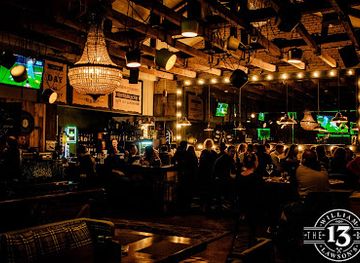
WL13Bar
Discover WL13Bar in Almaty - a vibrant nightlife hub offering a diverse drink menu and a lively atmosphere for unforgettable experiences.


Best nightclubs in Western Kazakhstan
Evening life is concentrated in Aktau, Atyrau, Aktobe and Oral, where visitors can find cafés, hotel lounges, restaurants, contemporary bars and a limited selection of clubs. Atyrau and Aktau have the most internationally oriented hospitality scenes because of their energy industries and business traffic, while Oral's evenings are more closely associated with restaurants, traditional pubs and cultural venues. Aktobe has a substantial local population and a range of casual dining and entertainment options, though the atmosphere is more urban than tourist-focused. Outside these centres, nightlife generally means tea houses, family restaurants, hotel bars or gatherings in private homes rather than a dedicated club scene. Alcohol is available in licensed establishments, but it is not necessary for engaging with local evening culture. Opening arrangements and venue status can change, so current local information is more reliable than older listings.
-
Night club
Zhest'
Discover the electrifying nightlife at Zhest', Almaty's premier nightclub offering an unforgettable experience with vibrant music and a lively atmosphere.
-
Night club
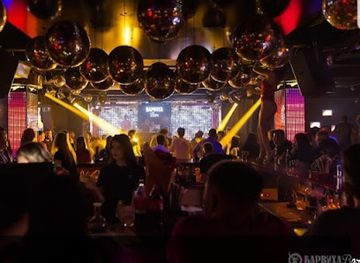
Barviha Bar
Discover the electrifying nightlife at Barviha Bar in Almaty, where vibrant music meets an energetic atmosphere for unforgettable evenings.
-
Night club
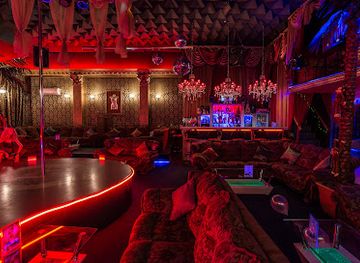
Стриптиз-клуб Kazanova
Experience the vibrant nightlife of Almaty at Kazanova, offering stunning performances, exquisite drinks, and a chic atmosphere.
-
Bar
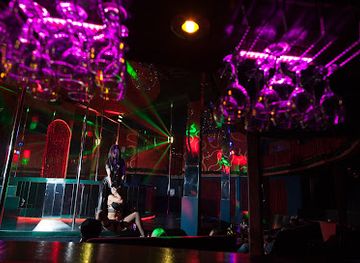
Sweety Striptease Club
Discover the vibrant nightlife at Sweety Striptease Club in Almaty, where captivating performances and a lively atmosphere create unforgettable experiences.

Best shops in Western Kazakhstan
Shopping in Western Kazakhstan is primarily urban and practical, with the broadest choice in Aktau, Atyrau, Aktobe and Oral. Bazaars and food markets are useful places to look for dried fruit, nuts, bread, regional dairy products, sweets and packaged gifts, while modern shopping centres provide international chains and everyday goods. Traditional Kazakh items may include felt work, embroidered textiles, leather goods, jewellery and small decorative objects, although quality and provenance vary. Mangystau-themed crafts, camel-milk products and desert-inspired souvenirs are found most readily in Aktau, while Oral's older quarters and cultural institutions can offer locally made handicrafts and books. Visitors should distinguish genuine handmade work from mass-produced souvenirs and avoid buying archaeological objects or fossils without clear legal provenance. In remote districts, retail is limited, so purchase water, snacks, fuel-related supplies and practical necessities before leaving the main towns.
-
Farmers' market
Green Bazaar
Explore the vibrant Green Bazaar in Almaty for fresh produce, local delicacies, and unique souvenirs in a lively market atmosphere.
-
Shopping mall
MEGA Alma-Ata
Discover the ultimate shopping experience at MEGA Alma-Ata, featuring top brands, delightful dining, and endless entertainment in Almaty.
-
Shopping mall
Mega Silk Way
Explore Mega Silk Way, Astana's ultimate shopping destination, blending luxury brands, local charm, and vibrant entertainment for a memorable experience.
-
Shopping mall
Khan Shatyr
Experience the architectural brilliance and vibrant shopping atmosphere at Khan Shatyr, Astana's premier shopping destination.



Get your free copy of our complete guide to Western Kazakhstan, delivered straight to you.
Everything on this page, from attractions and restaurants to essentials and local phrases, in one PDF you can read offline, print or share.
Already have an account? Sign in
Your Western Kazakhstan guide is ready.
We'll send it to · Not you? Sign out

Getting your guide ready…
We are putting together a fresh copy of the Western Kazakhstan guide. This can take up to a minute.
This can take a few moments. If your browser asks, choose Allow so the download can start. You'll find the guide in your Downloads folder.
Nothing happened? Download it again
Sorry, the guide is taking longer than usual. Please try again in a minute, or get it by email instead.
Western Kazakhstan essentials
Currency and Payment
Safety
Emergency Situations
Do's and Don'ts
Local Tips
From Eve
Local phrases worth knowing
You don't need to get them perfect. A few words go a long way, and locals appreciate the effort.
Basics
| English | Local | Say it |
|---|---|---|
| Hello | Сәлем | [Sälem] |
| Goodbye | Сау бол | [Sau bol] |
| Yes | Иә | [İä] |
| No | Жоқ | [Joq] |
| Please/You're welcome | Өтінемін/Сізге рахмет | [Ötinemin/Sizge rakhmet] |
| Thank you | Рахмет | [Rakhmet] |
| Excuse me/Sorry | Кешіріңіз | [Keshiriniz] |
| How are you? | Қалайсыз? | [Qalaysyz?] |
| Fine. And you? | Жақсы. Ал сіз? | [Zhaksy. Al siz?] |
| Do you speak English? | Сіз ағылшын тілінде сөйлейсіз бе? | [Siz ağylşın tilinde söyley siz be?] |
| I don't understand | Мен түсінбеймін | [Men tüsinbeimin] |
Eating & Drinking
| English | Local | Say it |
|---|---|---|
| I'd like to see the menu, please | Мәзірді көргім келеді, өтінемін | [Mäzirdi körgim keledi, ötinemin] |
| I don't eat meat | Мен ет жемеймін | [Men et jemeimin] |
| Cheers! | Біздің денсаулығымыз үшін! | [Bizdin densawlığımız üşin!] |
| I would like to pay, please | Мен төлем жасағым келеді, өтінемін | [Men tölem jasagım keledi, ötinemin] |
Emergencies
| English | Local | Say it |
|---|---|---|
| Help! | Көмектесіңіз! | [Kömektesiñiz!] |
| Go away! | Кетіңіз! | [Ketiniñiz!] |
| Call the Police! | Полицияны шақырыңыз! | [Politsiyany şaqırıñız!] |
| Call a doctor! | Дәрігерді шақырыңыз! | [Därigerdi şaqırıñız!] |
| I'm lost | Мен жоғалдым | [Men joğaldım] |
| I'm ill | Мен ауырып тұрмын | [Men awırıp turmın] |
Shopping
| English | Local | Say it |
|---|---|---|
| I'd like to buy... | Мен ... сатып алғым келеді | [Men ... satıp algım keledi] |
| I'm just looking | Мен тек қарап жүрмін | [Men tek qarağ jürmin] |
| How much is it? | Бұл қанша тұрады? | [Bul qanşa turadı?] |
| That's too expensive | Бұл тым қымбат | [Bul tym qymbat] |
| Can you lower the price? | Бағаны төмендетсеңіз болады ма? | [Bağanı tömendedseñiz boladı ma?] |
Time & Numbers
| English | Local | Say it |
|---|---|---|
| What time is it? | Сағат қанша? | [Sığat qanşa?] |
| It's one o'clock | Сағат бір | [Sığat bir] |
| Half past (10) | Онға жарым | [Oñğa jarım] |
| Morning | Таң | [Tañ] |
| Afternoon | Түстен кейін | [Tüsten keyin] |
| Evening | Кеш | [Kesh] |
| Yesterday | Кеше | [Keshe] |
| Today | Бүгін | [Bügin] |
| Tomorrow | Ертең | [Erteñ] |
| 1 | 1 | [1] |
| 2 | 2 | [2] |
| 3 | 3 | [3] |
| 4 | 4 | [4] |
| 5 | 5 | [5] |
| 6 | 6 | [6] |
| 7 | 7 | [7] |
| 8 | 8 | [8] |
| 9 | 9 | [9] |
| 10 | 10 | [10] |
Transport & Directions
| English | Local | Say it |
|---|---|---|
| Where's a/the...? | Қайда ...? | [Qayda ...?] |
| What's the address? | Мекенжайыңыз қандай? | [Mekenzhayıñız qanday?] |
| Can you show me (on the map)? | Маған (картада) көрсетіңіз | [Mağan (kartada) körsetiñiz] |
| When's the next (bus)? | Келесі (автобус) қашан? | [Kelesı (avtobus) qaşan?] |
| A ticket (to ....) | Билет (.... үшін) | [Bilet (.... üşin)] |
History of Western Kazakhstan
Ancient Steppe and Sarmatian Heritage
Western Kazakhstan contains extensive archaeological evidence of Bronze Age and Iron Age communities that used the steppe, river valleys and Caspian margins for herding, exchange and burial. Sarmatian-era kurgans, or burial mounds, are especially associated with the western steppe and have produced evidence of complex social structures, long-distance contacts and skilled metalworking. The Mangystau peninsula also preserves traces of ancient settlement and movement around landscapes that were periodically greener or wetter than they are today. These remains place the region within the wider cultural history of the Eurasian steppe rather than treating it as an empty desert.
Medieval Trade and Saraishyk
From the medieval period, the Ural-Caspian corridor connected steppe communities with the commercial and political centres of Central Asia and the Volga region. Saraishyk, near modern Atyrau, became an important settlement and is traditionally associated with the Golden Horde and later Nogai political networks. Its position beside the Ural River supported movement, trade and communication across the steppe. Although only archaeological remains survive, the site helps explain why the lower Ural was strategically valuable. Western Kazakhstan lay within a shifting zone of influence rather than under one uninterrupted state.
The Kazakh Khanate and the Younger Zhuz
The western steppe became closely connected with the history of the Kazakh Khanate and the Younger Zhuz, whose communities ranged across areas corresponding broadly to present-day western Kazakhstan. Political authority was negotiated through khans, sultans, clan leaders and pastoral networks, while seasonal movement was shaped by water, pasture and relations with neighbouring powers. The region's oral traditions, genealogies and heroic narratives remain important cultural references. This history also explains why administrative borders drawn in later imperial and Soviet periods do not always correspond neatly with older social and geographical identities.
Russian Expansion and Frontier Forts
From the eighteenth century, the Russian Empire expanded its military and administrative presence into the western Kazakh steppe. Fortified lines, Cossack settlements and new trading posts altered routes, land use and political relationships. Oral, then known as Uralsk, developed as a significant frontier town on the Ural River, while settlements and administrative centres elsewhere in the region became linked to imperial commerce. Expansion was accompanied by negotiation, conflict and the gradual incorporation of local territories into imperial structures. The surviving urban fabric of Oral and the region's historical museums provide some of the clearest reminders of this period.
The Bukey Horde, 1801–1917
The Bukey, or Inner, Horde was established in 1801 when Sultan Bukei and associated Kazakh groups were permitted to settle between the Volga and Ural rivers within the Russian imperial sphere. It developed its own political institutions and is strongly associated with the rule of Zhangir Khan in the nineteenth century. The khan promoted formal education, administrative reforms and new forms of settlement, while the territory remained shaped by pastoral traditions and imperial oversight. The Bokeiorda area in West Kazakhstan preserves this legacy through museums and historic sites connected with the former horde.
Oil, Railways and Industrial Transformation
Petroleum reshaped western Kazakhstan from the late nineteenth century onwards. Early extraction at fields such as Karaton, Dossor and Makat helped establish the economic importance of the Atyrau area, while railways and improved communications connected the oil districts to wider markets. During the Soviet period, exploration, processing, mining and urban expansion accelerated across the western oblasts. Aktobe also developed as an industrial and transport centre, while Aktau later became associated with port activity and energy infrastructure. The modern regional economy remains strongly influenced by oil, gas, minerals, logistics and related engineering.
Independent Kazakhstan and the Caspian Economy
Since Kazakhstan became independent in 1991, western Kazakhstan has assumed a central role in the country's energy economy and international links. Atyrau and Aktau have expanded as administrative, industrial and port centres, while investment in roads, railways and aviation has improved connections across the region. At the same time, environmental questions surrounding the Caspian Sea, industrial activity, water scarcity and fragile desert ecosystems have become increasingly important. Contemporary western Kazakhstan therefore combines rapid economic development with a continuing need to protect archaeological sites, pilgrimage landscapes and vulnerable natural environments.
Western Kazakhstan in Photos
Browse through our photo collection highlighting the charm and character of the destination.
Neighbouring regions of Western Kazakhstan
The closest regions to Western Kazakhstan, if you have time for more than one.
-

-

-

-

-


Swipe for more regions
Explore more

Explore more of Kazakhstan
Explore Kazakhstan's rich culture, modern cities, and stunning natural landscapes. From the Caspian Sea to the Altai Mountains, find adventure and beauty in Central Asia.
Explore Kazakhstan