

Natural Bridge State Resort Park Travel Guide - Free Web & App
Your ultimate guide to Natural Bridge State Resort Park. Discover top landmarks, proposed trips, and local tips. Free on the web or via the Evendo companion app.


Natural Bridge State Resort Park in Kentucky pairs a natural sandstone arch, forested trails, mountain views and Red River Gorge adventures near Slade.
Arch, Forest and Mountain Landscape
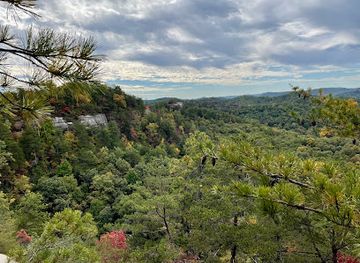
Natural Bridge State Resort Park occupies roughly 2,300 acres in eastern Kentucky’s Powell County, near the small community of Slade and the wider Red River Gorge region. Its defining feature is Natural Bridge, a massive sandstone arch shaped by long-term weathering and erosion. The arch rises above a forested ridge and can be reached by several walking routes, including the historic Original Trail, although the terrain becomes steep and uneven in places. The park’s woodland slopes, rock shelters, ravines and ridgelines create a distinctly Appalachian setting, with seasonal colour particularly prominent in autumn.Read more about Natural Bridge State Resort Park
Trails and Outdoor Recreation
Park Life and Local Character
When is the best time to visit Natural Bridge State Resort Park?
Best: June, August–September · 24–28°C| Month | High (°C) | Rainfall (mm) |
|---|---|---|
| January | 6 | 89 |
| February | 9 | 86 |
| March | 14 | 107 |
| April | 19 | 109 |
| May | 23 | 123 |
| June (best) | 27 | 114 |
| July | 29 | 120 |
| August (best) | 28 | 96 |
| September (best) | 24 | 87 |
| October | 18 | 80 |
| November | 12 | 95 |
| December | 8 | 96 |
Getting to and around Natural Bridge State Resort Park
How to get there
Transportation
Best attractions in Natural Bridge State Resort Park
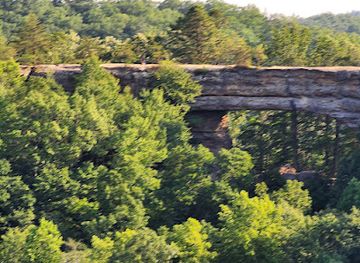
Natural Bridge is the park’s principal attraction, reached by trails that climb through hardwood forest to the broad sandstone span and its surrounding rock formations. The Original Trail provides the classic approach, while routes towards Balanced Rock, Battleship Rock, Lover’s Leap and Fat Man’s Misery reveal different aspects of the ridge and cliff landscape. Mill Creek Lake offers a more tranquil contrast to the busier arch area, with woodland scenery and recreational facilities nearby. The Natural Bridge Sky Lift, when operating, provides a seasonal ride towards the arch and is one of the park’s most recognisable visitor experiences. Beyond the park boundary, the Red River Gorge Geological Area presents a much larger network of cliffs, coves and forest roads, while nearby Daniel Boone National Forest adds further public-land scenery. These neighbouring landscapes complement the park but should not be treated as attractions contained within Natural Bridge State Resort Park.
-
Canoe & kayak tour agency
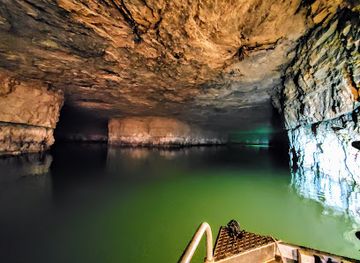
Gorge Underground
Discover the enchanting underground rivers of Gorge Underground in Kentucky, where adventure meets breathtaking natural beauty.
-
Zoo
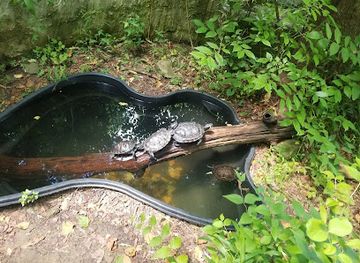
Kentucky Reptile Zoo
Explore the fascinating world of reptiles at the Kentucky Reptile Zoo, where education meets adventure in a unique wildlife experience.
-
Tourist attraction
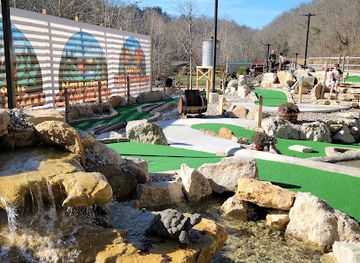
Thrillsville Adventure Park
Discover endless fun at Thrillsville Adventure Park in Kentucky, where thrilling rides and family-friendly attractions await your visit.
-
Rock climbing
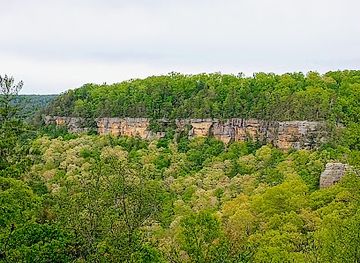
Red River Gorge
Discover the breathtaking beauty and exhilarating adventures of Red River Gorge, Kentucky's premier rock climbing destination, perfect for outdoor enthusiasts.
Explore Natural Bridge State Resort Park on the map
Plan your trip on one map. See where the top attractions, landmarks, restaurants and hotels are, and book hotels and experiences in a few clicks.
Best hotels in Natural Bridge State Resort Park
Best restaurants in Natural Bridge State Resort Park
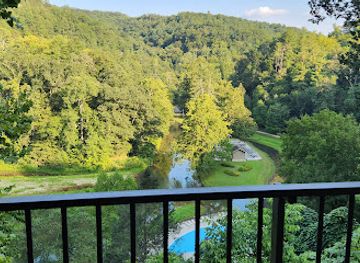
Dining within the park is centred on Hemlock Lodge and its associated facilities, while the small communities around Slade and the wider Red River Gorge provide the main choice of casual restaurants, cafés, diners and food outlets. The regional food culture reflects eastern Kentucky’s Appalachian traditions, with familiar Southern cooking, biscuits, country ham, fried or grilled dishes, soups, pies and locally influenced comfort food appearing alongside contemporary café fare. Visitors staying in cottages or campsites may find it practical to shop for provisions before entering the gorge area, particularly when planning an early trail start. Farm shops, general stores and food businesses are dispersed rather than arranged in a formal dining district, and opening patterns can vary by season. Packaged lunches and plenty of water are sensible for longer excursions, since trail areas are not restaurant locations.
-
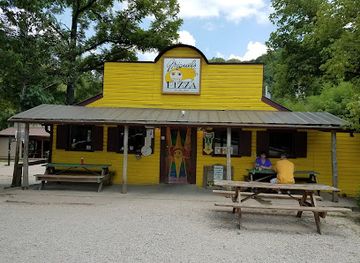
Pizza
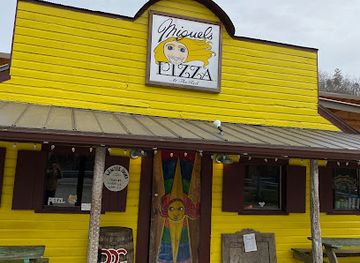
Miguels Pizza
Discover Miguels Pizza in Slade, KY - where delicious pizzas meet friendly service near Natural Bridge State Park.
Best bars in Natural Bridge State Resort Park
Natural Bridge State Resort Park is a quiet woodland destination rather than a nightlife centre. Evening choices within the park generally revolve around the lodge, accommodation areas and the calm atmosphere of the forest, with no established concentration of nightclubs or late-night entertainment. Traditional bars, casual pubs and restaurants can be found in the surrounding Red River Gorge and Slade area, where the social scene is shaped more by outdoor visitors and local community life than by a formal nightlife district. Some evenings may include seasonal or community events, but performances and operating arrangements should be confirmed locally rather than assumed. After dark, driving on rural roads requires care, and visitors walking near cliffs, lakes or unlit trails should follow park rules and avoid entering areas that are closed or unsuitable for night use.
-
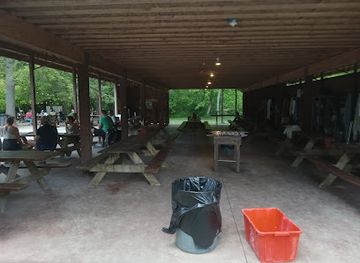
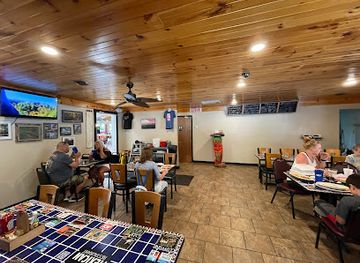
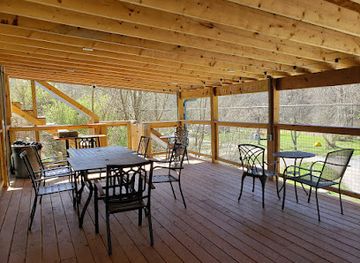
Pizza
Miguels Pizza
Discover the perfect blend of delicious pizza and cozy ambiance at Miguels Pizza in Slade, Kentucky, near Natural Bridge State Resort Park.
-
Mexican
La Cabana Mexican Restaurant
Experience authentic Mexican cuisine in Slade, Kentucky, at La Cabana Mexican Restaurant, where vibrant flavors meet a warm atmosphere.
-
Coffee shop
Daniel Boone Coffee Shop
Experience the charm of Kentucky at Daniel Boone Coffee Shop, where rich coffee and delightful snacks await in a cozy atmosphere.
-
Cultural landmark
Natural Bridge Rock Feature
Explore the breathtaking Natural Bridge Rock Feature in Kentucky, where stunning views and rich geological history await every adventurer.
Best nightclubs in Natural Bridge State Resort Park
Natural Bridge State Resort Park is a quiet woodland destination rather than a nightlife centre. Evening choices within the park generally revolve around the lodge, accommodation areas and the calm atmosphere of the forest, with no established concentration of nightclubs or late-night entertainment. Traditional bars, casual pubs and restaurants can be found in the surrounding Red River Gorge and Slade area, where the social scene is shaped more by outdoor visitors and local community life than by a formal nightlife district. Some evenings may include seasonal or community events, but performances and operating arrangements should be confirmed locally rather than assumed. After dark, driving on rural roads requires care, and visitors walking near cliffs, lakes or unlit trails should follow park rules and avoid entering areas that are closed or unsuitable for night use.
-
Bar
Trail’s End Tavern
Discover the charm of Trail’s End Tavern in Slade, Kentucky – your perfect stop for local drinks and a warm, inviting atmosphere.
Best shops in Natural Bridge State Resort Park
Shopping at Natural Bridge is limited and practical, with the most useful supplies found in Slade and other settlements around the Red River Gorge rather than at the arch itself. Visitors may find food provisions, drinks, basic outdoor equipment and locally oriented souvenirs in the surrounding visitor economy. The wider gorge area is also known for businesses serving hikers and climbers, including outfitters and small independent retailers, although stock and opening arrangements vary. Regional crafts, artwork and food products may appear through local shops, seasonal events and community businesses, but the area is not a major shopping destination with a concentrated retail centre. Visitors seeking specialised equipment should arrange purchases before arriving or use established outdoor retailers around the gorge, while those looking for regional gifts can look for Appalachian-made items and locally produced foods in nearby communities.
-
State park
Natural Bridge State Resort Park
Explore the stunning landscapes and iconic rock formations of Natural Bridge State Resort Park, a tranquil retreat in the heart of Kentucky.
-
Pizza
Miguels Pizza
Discover Miguels Pizza, where every slice is a taste of Kentucky's best pizza, perfect for breakfast, lunch, and dinner.
-
Coffee shop
Daniel Boone Coffee Shop
Experience the cozy ambiance and delicious offerings at Daniel Boone Coffee Shop, a beloved café in Slade, Kentucky, ideal for coffee lovers and adventurers alike.
-
Cultural landmark
Natural Bridge Rock Feature
Experience the breathtaking Natural Bridge Rock Feature in Kentucky, a stunning cultural landmark perfect for outdoor adventures and scenic views.
Get your free copy of our complete guide to Natural Bridge State Resort Park, delivered straight to you.
Everything on this page, from attractions and restaurants to essentials and local phrases, in one PDF you can read offline, print or share.
Already have an account? Sign in
Your Natural Bridge State Resort Park guide is ready.
We'll send it to · Not you? Sign out

Getting your guide ready…
We are putting together a fresh copy of the Natural Bridge State Resort Park guide. This can take up to a minute.
This can take a few moments. If your browser asks, choose Allow so the download can start. You'll find the guide in your Downloads folder.
Nothing happened? Download it again
Sorry, the guide is taking longer than usual. Please try again in a minute, or get it by email instead.
Natural Bridge State Resort Park essentials
Currency and Payment
Safety
Emergency Situations
Do's and Don'ts
Local Tips
From Eve
Local phrases worth knowing
You don't need to get them perfect. A few words go a long way, and locals appreciate the effort.
Basics
| English | Local | Say it |
|---|---|---|
| Hello | Howdy | [haʊ-di] |
| Goodbye | See ya | [siː jə] |
| Yes | Yup | [yʌp] |
| No | Nah | [nɑː] |
| Please/You're welcome | Please and thank ya kindly | [pliːz ænd θæŋk jə kaɪndli] |
| Thank you | Much obliged | [mʌtʃ əˈblaɪdʒd] |
| Excuse me/Sorry | Pardon me | [ˈpɑːrdn mi] |
| How are you? | How y'all doin'? | [haʊ jɔːl ˈduːɪn] |
| Fine. And you? | Right as rain. How 'bout you? | [raɪt əz reɪn haʊ baʊt jʊ] |
| Do you speak English? | Y'all speak English? | [jɔːl spiːk ˈɪŋɡlɪʃ] |
| I don't understand | I reckon I ain't followin' | [aɪ ˈrɛkən aɪ eɪnt ˈfɑloʊɪn] |
Eating & Drinking
| English | Local | Say it |
|---|---|---|
| I'd like to see the menu, please | Could I have a look at the menu, if you don't mind? | [kʊd aɪ hæv ə lʊk ət ðə ˈmɛnjuː ɪf jʊ doʊnt maɪnd] |
| I don't eat meat | I don't eat no meat | [aɪ doʊnt it noʊ mit] |
| Cheers! | Bottoms up! | [ˈbɑtəmz ʌp] |
| I would like to pay, please | I reckon it's time to settle up | [aɪ ˈrɛkən ɪts taɪm tuː ˈsɛtl ʌp] |
Emergencies
| English | Local | Say it |
|---|---|---|
| Help! | S.O.S.! | [ɛs oʊ ɛs] |
| Go away! | Git! | [ɡɪt] |
| Call the Police! | Get the sheriff! | [ɡɛt ðə ˈʃɛrɪf] |
| Call a doctor! | Get the doc! | [ɡɛt ðə dɑk] |
| I'm lost | I reckon I done got turned around | [aɪ ˈrɛkən aɪ dʌn ɡɑt tɜrnd ɜˈraʊnd] |
| I'm ill | I ain't feelin' too well | [aɪ eɪnt ˈfilɪn tuː wɛl] |
Shopping
| English | Local | Say it |
|---|---|---|
| I'd like to buy... | I reckon I'll take... | [aɪ ˈrɛkən aɪl teɪk] |
| I'm just looking | I'm jest browsin' | [aɪm dʒɛst ˈbraʊzɪn] |
| How much is it? | What's the damage? | [wɑts ðə ˈdæmɪdʒ] |
| That's too expensive | That's mighty pricey | [ðæts ˈmaɪdi ˈpraɪsi] |
| Can you lower the price? | Can y'all do better on the price? | [kæn jɔːl duː ˈbɛtər ɑn ðə praɪs] |
Time & Numbers
| English | Local | Say it |
|---|---|---|
| What time is it? | What's the time by your reckonin'? | [wɑts ðə taɪm baɪ jɔːr ˈrɛkənɪn] |
| It's one o'clock | It's high noon | [ɪts haɪ nun] |
| Half past (10) | Halfway to (10) | [ˈhæfˌweɪ tuː ˈtɛn] |
| Morning | Mornin' | [ˈmɔrnɪn] |
| Afternoon | Afternoon | [ˌæftərˈnun] |
| Evening | Evenin' | [ˈivnɪn] |
| Yesterday | Yest'day | [ˈjɛstˈdeɪ] |
| Today | Today | [təˈdeɪ] |
| Tomorrow | Morrow | [ˈmɔroʊ] |
| 1 | One | [wʌn] |
| 2 | Two | [tu] |
| 3 | Three | [θri] |
| 4 | Four | [fɔr] |
| 5 | Five | [faɪv] |
| 6 | Six | [sɪks] |
| 7 | Seven | [ˈsɛvən] |
| 8 | Eight | [eɪt] |
| 9 | Nine | [naɪn] |
| 10 | Ten | [tɛn] |
Transport & Directions
| English | Local | Say it |
|---|---|---|
| Where's a/the...? | Where's the... | [wɛərz ðə] |
| What's the address? | What's the directions? | [wɑts ðə dɪˈrɛkʃənz] |
| Can you show me (on the map)? | Can y'all point me out (on the map)? | [kæn jɔːl pɔɪnt mi aʊt ɑn ðə mæp] |
| When's the next (bus)? | When's the next ride? | [wɛnz ðə nɛkst raɪd] |
| A ticket (to ....) | A pass (to ....) | [eɪ pæs tuː] |
History of Natural Bridge State Resort Park
Sandstone Shaped by Water and Time
Natural Bridge is a geological feature of the Cumberland Plateau, where resistant sandstone has been exposed and gradually sculpted by weathering and erosion. The arch is not a constructed bridge but a surviving span of bedrock left as softer material around it wore away. Its form reflects the long geological development of eastern Kentucky’s uplands, where cliffs, ravines and rock shelters are characteristic of the broader Red River Gorge landscape. The park’s human history is therefore inseparable from the landform itself: the arch, ridge and surrounding forest determined how people moved through and understood this part of the plateau.
Indigenous Trails and Early Settlement
Before the creation of the modern park, the forests and sandstone country of eastern Kentucky formed part of the wider homeland and travelling landscape of Indigenous peoples, including communities associated with the Cherokee and Shawnee regions. European American settlement later expanded through the Appalachian uplands, with families using the land for small-scale farming, hunting, timber and local travel. Natural Bridge became known as a prominent regional landmark as roads and improved travel made the area more accessible. The clearest early history survives in the relationship between rural communities, forest resources and the difficult terrain rather than in a concentrated historic townscape.
A State Park Emerges
Kentucky developed Natural Bridge as a public recreation destination during the twentieth century, and the area became part of the Kentucky State Park system in the 1920s. The park’s purpose was to protect the principal arch and its surrounding landscape while making the landmark accessible to visitors. Trails, roads, visitor facilities and later overnight accommodation gradually turned a locally known geological feature into an established destination. This development followed a wider American state-park movement that combined landscape conservation with public recreation, while retaining the forested and relatively rural character of the surrounding plateau.
Lodging, Recreation and the Wider Gorge
Over time, Natural Bridge State Resort Park acquired the facilities associated with a Kentucky resort park, including Hemlock Lodge, cottages, camping and organised recreational amenities. The park became closely linked in visitor itineraries with Red River Gorge, although the two areas remain geographically and administratively distinct. The growth of climbing, hiking and outdoor tourism around the gorge increased the region’s profile, while Natural Bridge continued to offer a more concentrated experience centred on its arch and marked trails. This combination of resort infrastructure and protected woodland gives the park a different character from the more dispersed public lands nearby.
Conservation and Contemporary Stewardship
Modern management places emphasis on protecting the arch, forest habitats, trails and geological setting while allowing visitors to experience them. Heavy footfall, erosion, litter and informal movement around rock features can affect a fragile landscape, so marked routes and responsible recreation are important. The park now functions as both a state-protected natural attraction and a gateway to a larger eastern Kentucky outdoor region. Its continuing identity depends on balancing public access, accommodation and recreation with the long-term care of the sandstone formations and woodland environment.
Natural Bridge State Resort Park in Photos
Browse through our photo collection highlighting the charm and character of the destination.
Neighbouring destination travel guides
The closest destinations to Natural Bridge State Resort Park, if you have time for more than one.
-

-

-

-

-
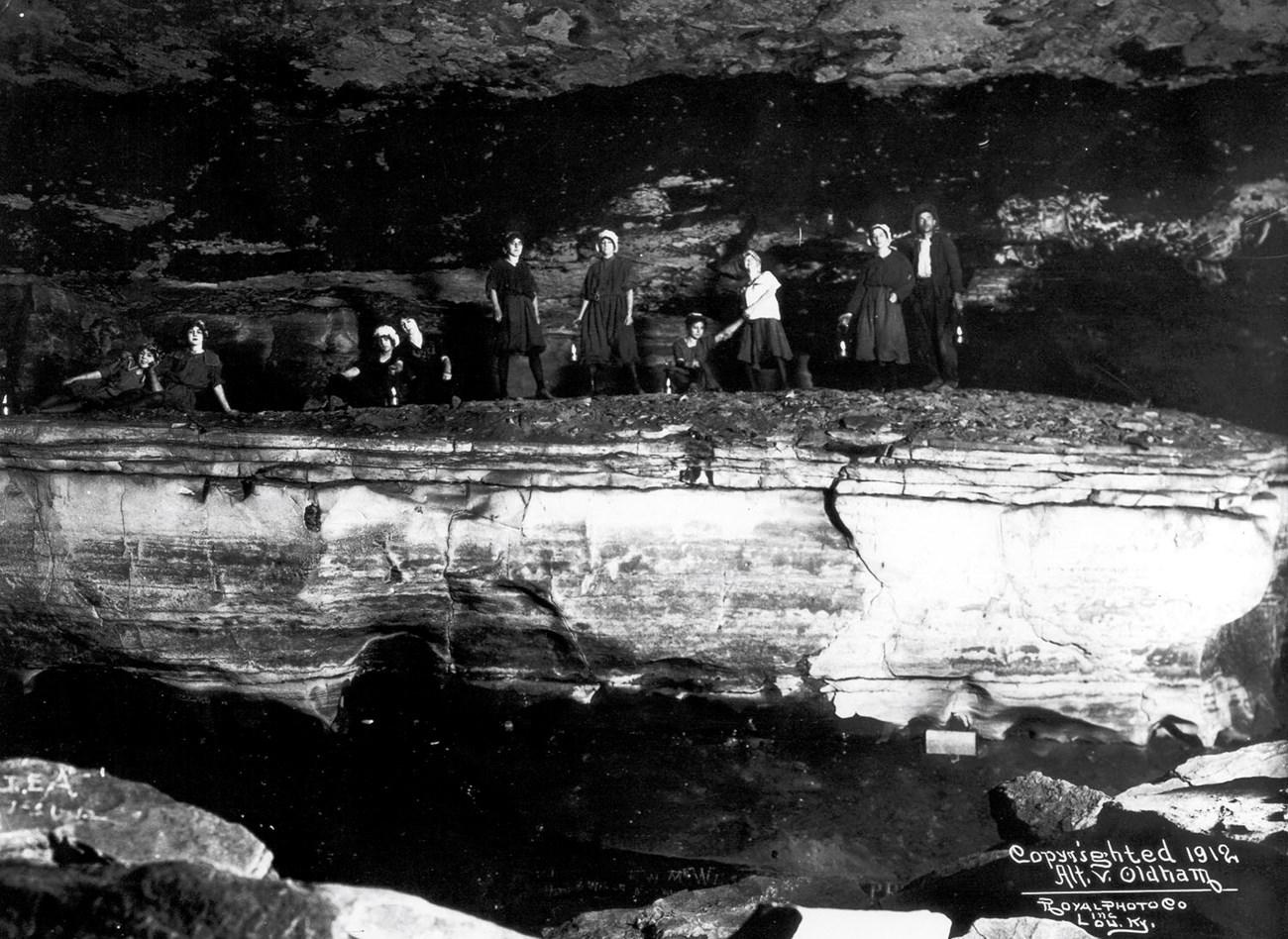 Carter Caves State Resort Park
Discover the hidden wonders of Carter Caves State Resort Park in Kentucky, where underground adventures meet breathtaking above-ground beauty.
Carter Caves State Resort Park
Discover the hidden wonders of Carter Caves State Resort Park in Kentucky, where underground adventures meet breathtaking above-ground beauty.


Swipe for more destinations
Explore more
Explore more of Eastern Mountain Coal Fields
Explore Eastern Mountain Coal Fields in Kentucky for Appalachian forests, coal heritage, mountain towns, scenic drives, trails and living culture.
Explore Eastern Mountain Coal Fields
Explore more of Kentucky
Discover Kentucky, a land of natural wonders, historic landmarks, and rich cultural heritage. From horse racing to bourbon distilleries, this state has it all.
Explore Kentucky