

Free Appalachian Plateau Travel Guide & Mobile App
Explore Appalachian Plateau with free travel guides. Discover regional history, expert tips, proposed trips, and audio guides on web or mobile app.


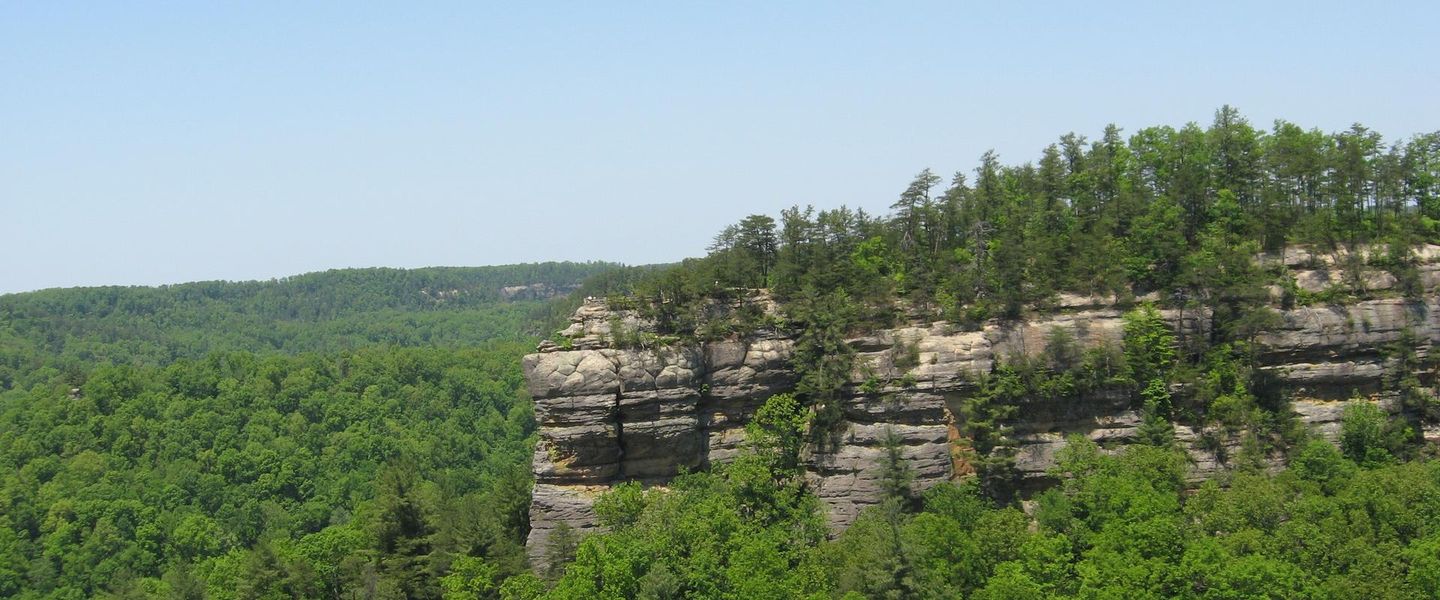


Explore Kentucky’s Appalachian Plateau for sandstone gorges, forest trails, coal heritage, mountain music and welcoming small towns.
Read more about Appalachian Plateau
Getting to and around Appalachian Plateau
How to get there
Transportation
Top city travel guides in Appalachian Plateau
The cities of Appalachian Plateau, and the easiest places to base yourself.
-

-


Swipe for more cities
Destinations in Appalachian Plateau
Resorts, valleys and scenic spots worth a trip of their own.
-

-

-

-

-
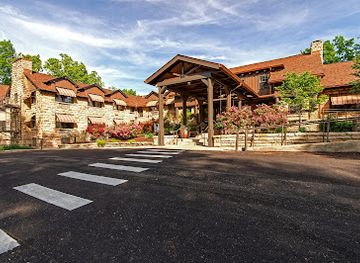
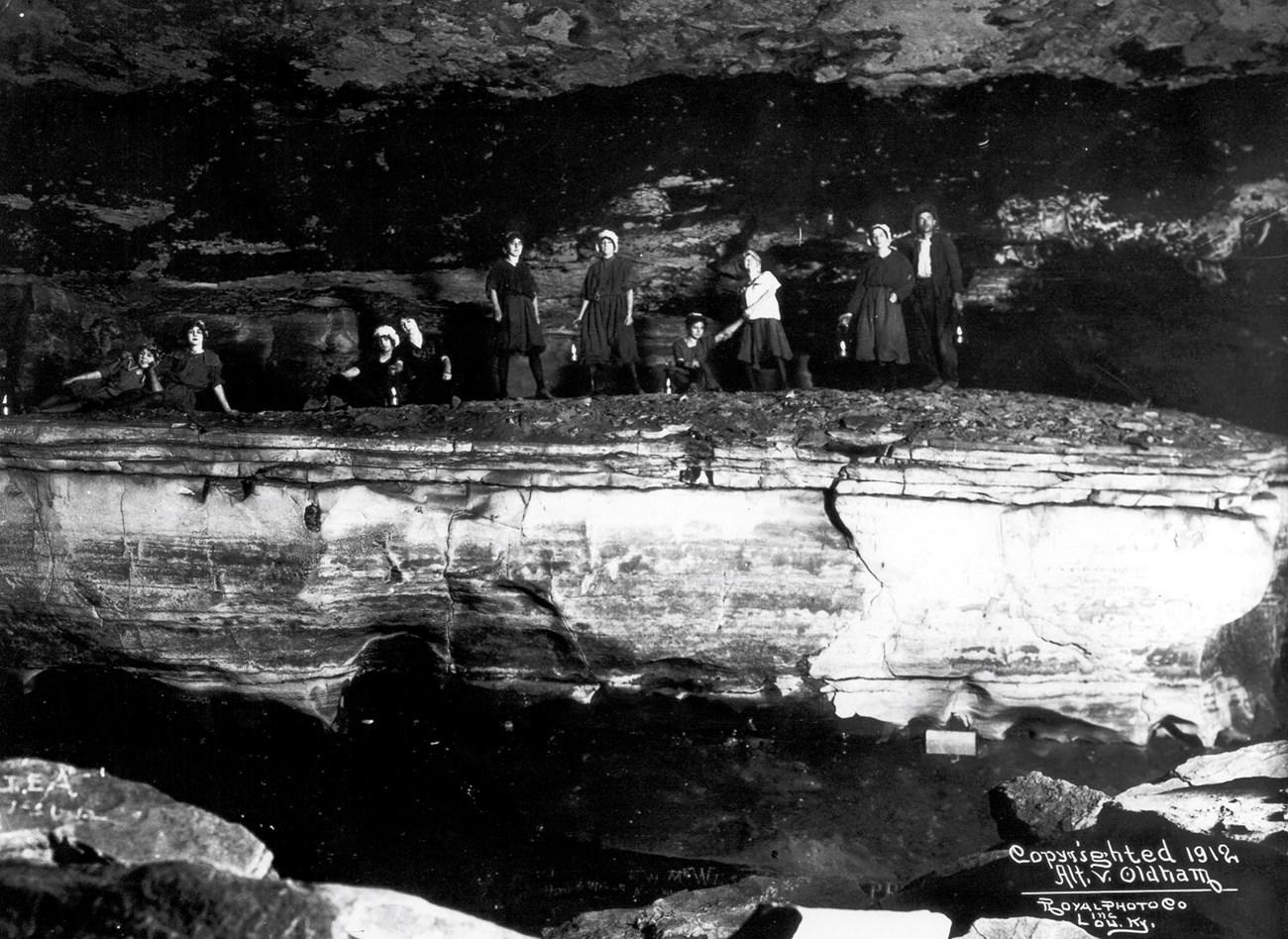 Carter Caves State Resort Park
Discover the hidden wonders of Carter Caves State Resort Park in Kentucky, where underground adventures meet breathtaking above-ground beauty.
-


Swipe for more destinations
Best attractions in Appalachian Plateau
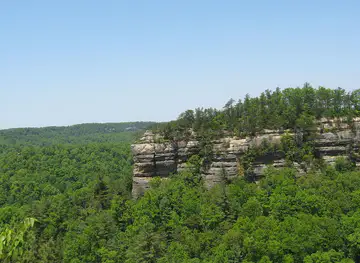
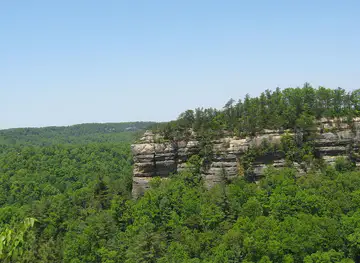
The Appalachian Plateau’s attractions are defined by the relationship between geology, forest and community history. Red River Gorge Geological Area offers sandstone arches, cliffs, woodland trails and internationally recognised climbing, while Natural Bridge State Resort Park presents a more accessible route to one of Kentucky’s major natural formations. Daniel Boone National Forest provides extensive opportunities for hiking, camping, paddling, fishing and scenic driving, although facilities and mobile coverage vary considerably. In the southern plateau, Cumberland Falls is a major waterfall destination, and the Kentucky side of the Big South Fork country adds river gorges, overlooks, horse trails and backcountry recreation. Towns including Pikeville, Hazard, Prestonsburg, Corbin and London provide museums, cultural programming, food and practical bases. Coal-mining heritage, Appalachian music, local craft and small-town history broaden the experience beyond scenery, while state parks and forest areas offer different levels of access for families, experienced hikers and visitors seeking quieter landscapes.
-
National forest
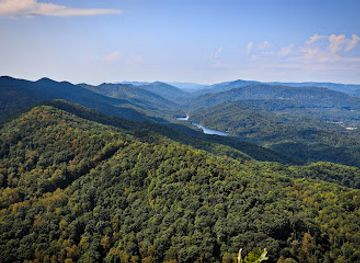
Daniel Boone National Forest
Experience the breathtaking landscapes and rich biodiversity of Daniel Boone National Forest, a natural paradise for outdoor enthusiasts in Kentucky.
-
Hotel
Cumberland Falls State Resort Park
Discover the breathtaking beauty and outdoor adventures at Cumberland Falls State Resort Park in Kentucky, where nature meets recreation.
-
National reserve
Cumberland Gap National Historical Park
Explore the beauty and history of Cumberland Gap National Historical Park, where nature's splendor meets the legacy of early American settlers.
-
Tourist attraction
Carter Caves State Resort Park
Experience the enchanting beauty of Carter Caves State Resort Park in Kentucky, where adventure meets tranquility in nature's embrace.



Best landmarks in Appalachian Plateau
Natural Bridge in Natural Bridge State Resort Park is among the Appalachian Plateau’s most recognisable geological landmarks, a substantial sandstone arch reached by trails through forested hills. Red River Gorge’s cliffs, arches and narrow valleys form a wider landscape landmark rather than a single monument, with formations such as Sky Bridge representing the area’s characteristic geology. Cumberland Falls, on the Cumberland River near Corbin, is one of the region’s defining waterfalls and a powerful example of how the plateau’s rivers cut through resistant rock. In the coalfields, the Pikeville Cut-Through is a prominent modern landmark created when a mountain ridge was excavated to reroute the Levisa Fork and improve transport through Pikeville. Historic courthouse squares, churches, railway remnants and mine structures in mountain county seats add a human architectural layer, although many industrial sites are private, altered or unsafe to enter. Together these places show the plateau as both a geological formation and a region reshaped by transport, extraction and settlement.
-
National park
Mammoth Cave National Park
Explore the world's longest cave system and immerse yourself in nature at Mammoth Cave National Park in Kentucky.
-
Hotel
Cumberland Falls State Resort Park
Experience the breathtaking beauty of Cumberland Falls State Resort Park, a nature lover's paradise packed with outdoor adventures and stunning waterfalls.
-
Historical landmark
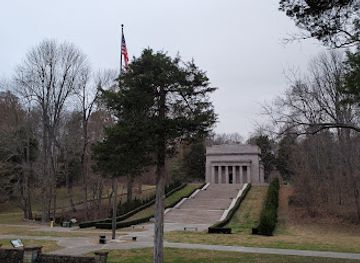
Abraham Lincoln Birthplace
Explore the birthplace of Abraham Lincoln, a revered historical landmark and national museum in Kentucky, celebrating the legacy of the 16th President.
-
National reserve
Cumberland Gap National Historical Park
Explore the stunning landscapes and rich history of Cumberland Gap National Historical Park, a unique blend of nature and heritage in the heart of the Appalachian Mountains.
Explore Appalachian Plateau on the map
Plan your trip on one map. See where the top cities, national parks and sights are, and book hotels and experiences in a few clicks.
Best hotels in Appalachian Plateau
Best restaurants in Appalachian Plateau
Dining across the Appalachian Plateau ranges from family-owned cafés and country restaurants to contemporary kitchens in larger towns and outdoor bases. Traditional foodways include beans with cornbread, soup beans, fried chicken, country ham, biscuits, gravy, skillet dishes, seasonal vegetables and fruit-based desserts, though recipes differ from household to household. Mountain produce, locally made preserves and baked goods are commonly encountered at farm stands, community markets and seasonal events. Barbecue and Southern comfort food are widespread, while trout, game and foraged ingredients may appear in some rural menus without being universal regional specialities. Restaurants in Red River Gorge and the larger county seats cater to hikers and travellers, whereas smaller communities may have limited evening service. Eating locally is also a way to encounter the region’s social history: diners, cafés and family restaurants often function as informal gathering places rather than simply as stops between attractions.
-
Bed & breakfast
Patti's 1880's Settlement
Experience historical charm and culinary delight at Patti's 1880's Settlement in Grand Rivers, KY – where every meal tells a story.
-
Steak
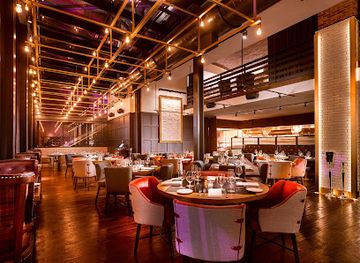
Repeal Oak Fired Steakhouse
Savor oak-fired steaks and exquisite flavors at Repeal Oak Fired Steakhouse in downtown Louisville - where every bite tells a story.
-
Restaurant
Jackson's Restaurant
Experience exquisite fine dining at Jackson's Restaurant in Richmond, KY - where local flavors meet exceptional service.
-
American
Red River Rockhouse
Discover the authentic flavors of American cuisine at Red River Rockhouse in Campton, KY—where local ingredients meet warm hospitality.


Best bars in Appalachian Plateau
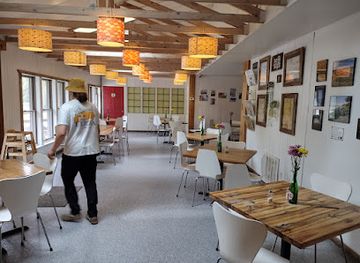
Evening life in the Appalachian Plateau is generally centred on family restaurants, traditional pubs, breweries, live-music spaces and community events rather than a large nightclub circuit. Larger towns such as Pikeville, Prestonsburg, Hazard, London and Corbin offer the broadest choice of restaurants and bars, while Red River Gorge has a more seasonal outdoor-travel atmosphere. Music may include bluegrass, old-time, country, gospel or contemporary local performers, with schedules varying by town and season. Some breweries and taprooms provide relaxed social settings, but visitors should not assume that every rural community serves alcohol in the same way, as licensing and local practice differ. In remote areas, plan an evening around accommodation, a restaurant or a cultural event, and arrange transport in advance rather than relying on late-night taxis.
-
Bar
Howl at the Moon Louisville
Discover the excitement of Howl at the Moon Louisville, a premier cocktail bar and live music venue that guarantees a night full of fun and unforgettable entertainment.
-
American
Huddle House
Experience the warmth of Southern hospitality at Huddle House, where delicious American comfort food is served all day.
-
Country food restaurant
Tudor's Biscuit World
Savor the flavors of Southern cuisine at Tudor's Biscuit World, where homemade biscuits and traditional American dishes await.
-
American
Walker's Restaurant
Experience the heart of American cuisine at Walker's Restaurant in Olive Hill, Kentucky, where delicious breakfast and friendly service await every visitor.


Best nightclubs in Appalachian Plateau
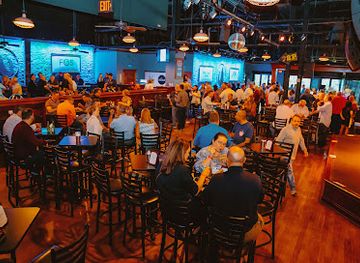
Evening life in the Appalachian Plateau is generally centred on family restaurants, traditional pubs, breweries, live-music spaces and community events rather than a large nightclub circuit. Larger towns such as Pikeville, Prestonsburg, Hazard, London and Corbin offer the broadest choice of restaurants and bars, while Red River Gorge has a more seasonal outdoor-travel atmosphere. Music may include bluegrass, old-time, country, gospel or contemporary local performers, with schedules varying by town and season. Some breweries and taprooms provide relaxed social settings, but visitors should not assume that every rural community serves alcohol in the same way, as licensing and local practice differ. In remote areas, plan an evening around accommodation, a restaurant or a cultural event, and arrange transport in advance rather than relying on late-night taxis.
-
Bar
Howl at the Moon Louisville
Discover the energetic nightlife at Howl at the Moon Louisville, a lively bar with live music, delicious cocktails, and unforgettable entertainment.
-
 Hotel
Ramada by Wyndham Paintsville Hotel & Conference Center
Explore Paintsville, Kentucky, from the comfort of Ramada by Wyndham, your gateway to adventure and relaxation.
-
Grill
The Spot Bar 'N' Grill
Experience delicious American and Thai cuisine with live music and karaoke at The Spot Bar 'N' Grill in Vine Grove, KY.
-
Hotel
Super 8 by Wyndham Prestonsburg
Discover the charm of Prestonsburg with comfortable stays at Super 8 by Wyndham, an ideal base for your Kentucky adventures.


Best shops in Appalachian Plateau
Shopping in the Appalachian Plateau is concentrated in the main county seats, resort gateways and market towns rather than in a continuous retail district. Pikeville, Prestonsburg, Hazard, London and Corbin provide everyday shopping, local services and independent businesses, while communities near Red River Gorge cater to visitors with outdoor equipment, books, art and locally made goods. Farmers’ markets and seasonal community markets are useful places to look for preserves, honey, baked products, vegetables and crafts, although schedules change throughout the year. Regional craft traditions may include woven baskets, woodwork, pottery, quilting and Appalachian-inspired art, with quality and provenance varying by seller. Souvenirs connected with mountain music, coal heritage and local food are generally more meaningful than generic merchandise. Visitors should distinguish handmade work from mass-produced items and support established craft organisations, galleries, museums and small producers where possible.
-
Convenience store
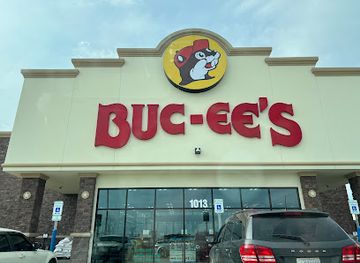
Buc-ee’s
Experience the unique charm of Buc-ee's, where convenience meets adventure in a vibrant atmosphere full of snacks, souvenirs, and Southern hospitality.
-
National forest
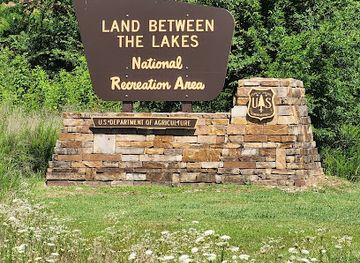
Land Between the Lakes National Recreation Area
Explore the vast landscapes and rich wildlife of Land Between the Lakes National Recreation Area, a premier destination for outdoor adventures and natural beauty.
-
Flea market
Richmond Peddlers Mall
Explore Richmond Peddlers Mall: A Unique Flea Market Experience in Kentucky Filled with Antiques, Crafts, and Hidden Treasures.
-
Gift shop
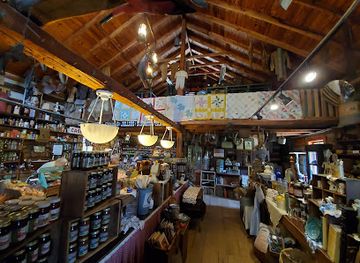
The Hitching Post & Old Country Store
Discover unique gifts, artisanal sweets, and local charm at The Hitching Post & Old Country Store in Hardin, Kentucky.

Get your free copy of our complete guide to Appalachian Plateau, delivered straight to you.
Everything on this page, from attractions and restaurants to essentials and local phrases, in one PDF you can read offline, print or share.
Already have an account? Sign in
Your Appalachian Plateau guide is ready.
We'll send it to · Not you? Sign out

Getting your guide ready…
We are putting together a fresh copy of the Appalachian Plateau guide. This can take up to a minute.
This can take a few moments. If your browser asks, choose Allow so the download can start. You'll find the guide in your Downloads folder.
Nothing happened? Download it again
Sorry, the guide is taking longer than usual. Please try again in a minute, or get it by email instead.
Appalachian Plateau essentials
Currency and Payment
Safety
Emergency Situations
Do's and Don'ts
Local Tips
From Eve
Local phrases worth knowing
You don't need to get them perfect. A few words go a long way, and locals appreciate the effort.
Basics
| English | Local | Say it |
|---|---|---|
| Hello | Howdy | [Hau-dee] |
| Goodbye | See ya later | [See ya lay-tur] |
| Yes | Yep | [Yep] |
| No | Nope | [Nope] |
| Please/You're welcome | Please/No problem | [Pleeze/No prob-lem] |
| Thank you | Thank ya | [Thank ya] |
| Excuse me/Sorry | Excuse me/Sorry 'bout that | [Ex-cuze me/Sor-ree 'bout that] |
| How are you? | How ya doin'? | [How ya doin'?] |
| Fine. And you? | I'm good. How 'bout you? | [I'm good. How 'bout you?] |
| Do you speak English? | Ya speakin' English? | [Ya speakin' In-glish?] |
| I don't understand | I ain't gettin' it | [I ain't gettin' it] |
Eating & Drinking
| English | Local | Say it |
|---|---|---|
| I'd like to see the menu, please | Can I see the menu, please? | [Can I see the men-yoo, pleeze?] |
| I don't eat meat | I don't eat no meat | [I don't eat no meet] |
| Cheers! | Cheers! | [Cheers!] |
| I would like to pay, please | I'd like to settle up, please | [I'd like to set-tle up, pleeze] |
Emergencies
| English | Local | Say it |
|---|---|---|
| Help! | Help! | [Help!] |
| Go away! | Get outta here! | [Get outta here!] |
| Call the Police! | Call the law! | [Call the law!] |
| Call a doctor! | Call a doc! | [Call a doc!] |
| I'm lost | I'm all turned 'round | [I'm all turned 'round] |
| I'm ill | I'm feelin' bad | [I'm feelin' bad] |
Shopping
| English | Local | Say it |
|---|---|---|
| I'd like to buy... | I wanna buy... | [I wanna buy...] |
| I'm just looking | I'm just browsin' | [I'm just browsin'] |
| How much is it? | How much's that? | [How much's that?] |
| That's too expensive | That there's too high | [That there's too high] |
| Can you lower the price? | Can ya bring down the price? | [Can ya bring down the price?] |
Time & Numbers
| English | Local | Say it |
|---|---|---|
| What time is it? | What time's it? | [What time's it?] |
| It's one o'clock | It's one o'clock | [It's one o'clock] |
| Half past (10) | Half past ten | [Half past ten] |
| Morning | Mornin' | [Mornin'] |
| Afternoon | Afternoon | [Afternoon] |
| Evening | Evenin' | [Evenin'] |
| Yesterday | Yestiddy | [Yes-ti-ddy] |
| Today | To-day | [To-day] |
| Tomorrow | Tomorrah | [To-mor-rah] |
| 1 | One | [One] |
| 2 | Two | [Two] |
| 3 | Three | [Three] |
| 4 | Four | [Four] |
| 5 | Five | [Five] |
| 6 | Six | [Six] |
| 7 | Seven | [Seven] |
| 8 | Eight | [Eight] |
| 9 | Nine | [Nine] |
| 10 | Ten | [Ten] |
Transport & Directions
| English | Local | Say it |
|---|---|---|
| Where's a/the...? | Where's a...? | [Where's a...?] |
| What's the address? | What's the address? | [What's the address?] |
| Can you show me (on the map)? | Can ya show me on the map? | [Can ya show me on the map?] |
| When's the next (bus)? | When's the next bus? | [When's the next bus?] |
| A ticket (to ....) | A ticket to... | [A ticket to...] |
History of Appalachian Plateau
Indigenous Landscapes and Ancient Routes
The mountains and river valleys of eastern Kentucky were used by Indigenous peoples for hunting, travel, settlement and exchange long before the arrival of European-American settlers. The region contains evidence of earlier Native societies, including earthwork and archaeological traditions elsewhere in the Kentucky uplands, while natural gaps, rivers and ridgelines served as practical routes through difficult terrain. The modern landscape should therefore be understood as an inhabited cultural landscape rather than an untouched wilderness. Indigenous place names, archaeological sites and continuing Native connections form an important part of Kentucky’s wider history.
Frontier Settlement and Mountain Communities
Euro-American settlement expanded into the eastern Kentucky mountains during the late eighteenth and nineteenth centuries, with families establishing farms and communities along river bottoms, coves and creek valleys. The rugged terrain limited large-scale agriculture and encouraged dispersed settlement, local self-sufficiency and strong ties between neighbouring households. Towns grew at crossings, county seats and transport points, while churches, schools and general stores became central institutions. The resulting pattern of narrow valleys and small communities still distinguishes the Appalachian Plateau from Kentucky’s more open Bluegrass and western landscapes.
Timber, Railways and Commercial Change
During the nineteenth and early twentieth centuries, timber harvesting and railway construction connected remote mountain districts more closely with regional markets. Rail lines followed rivers and valleys, carrying lumber, agricultural products and later coal while bringing manufactured goods and new forms of employment into the mountains. Logging altered forests and encouraged the growth of towns, but it also left areas vulnerable to rapid economic decline when valuable timber was exhausted. Remnants of railway corridors, historic town centres and industrial landscapes provide clues to this period of accelerated commercial change.
The Rise of Coal Mining
Coal became the defining modern industry of much of eastern Kentucky from the late nineteenth century, particularly in the counties east and south of the central plateau. Mining companies developed underground and later surface operations, built camps and recruited workers from within the region and beyond. Coal funded roads, schools and town growth while also bringing dangerous working conditions, labour disputes and environmental damage. The industry produced enduring communities and a strong regional identity, even as mechanisation, changing energy markets and mine closures reduced employment. Coal heritage remains visible in museums, memorials, landscapes and family histories.
Labour Conflict and the Battle of Blair Mountain Era
The coalfields of eastern Kentucky and neighbouring West Virginia were part of a wider Appalachian history of union campaigning, company control and violent labour conflict. Local miners participated in struggles over wages, safety, working hours and the right to organise, particularly during the early twentieth century. Although the 1921 Battle of Blair Mountain took place in West Virginia rather than Kentucky, the same coalfield tensions affected Kentucky communities and shaped regional politics. This history helps explain the importance of labour memory, mine safety and union traditions in the plateau’s cultural landscape.
Appalachian Music, Storytelling and Literature
The plateau’s musical and storytelling traditions developed through overlapping influences, including British and Irish ballads, African American musical forms, church singing and locally created repertories. Fiddle tunes, banjo playing, ballad singing and later bluegrass became associated with mountain communities, though these traditions have always changed through migration, recording and performance. Writers, folklorists and musicians helped bring Appalachian culture to wider audiences, sometimes romantically and sometimes critically. Today, festivals, archives, radio, schools and community performers continue to preserve and reinterpret the region’s cultural inheritance.
Conservation and the Outdoor Economy
Forest protection and recreation developed as important counterpoints to extraction during the twentieth century. Daniel Boone National Forest, established in stages from the 1930s, helped safeguard extensive woodland, rivers and geological formations, while state parks protected places such as Natural Bridge and Cumberland Falls. In recent decades, climbing, hiking, paddling, cycling and nature tourism have brought new employment and investment, especially around Red River Gorge and the southern plateau. Conservation remains closely connected to questions about access, local livelihoods, responsible recreation and the long-term legacy of mining.
Appalachian Plateau in Photos
Browse through our photo collection highlighting the charm and character of the destination.
Neighbouring regions of Appalachian Plateau
The closest regions to Appalachian Plateau, if you have time for more than one.
-
-
-

-
-


Swipe for more regions
Explore more

Explore more of Kentucky
Discover Kentucky, a land of natural wonders, historic landmarks, and rich cultural heritage. From horse racing to bourbon distilleries, this state has it all.
Explore Kentucky